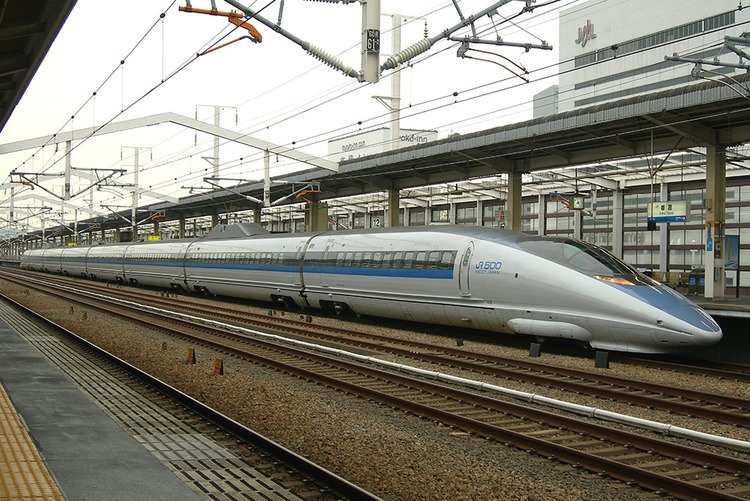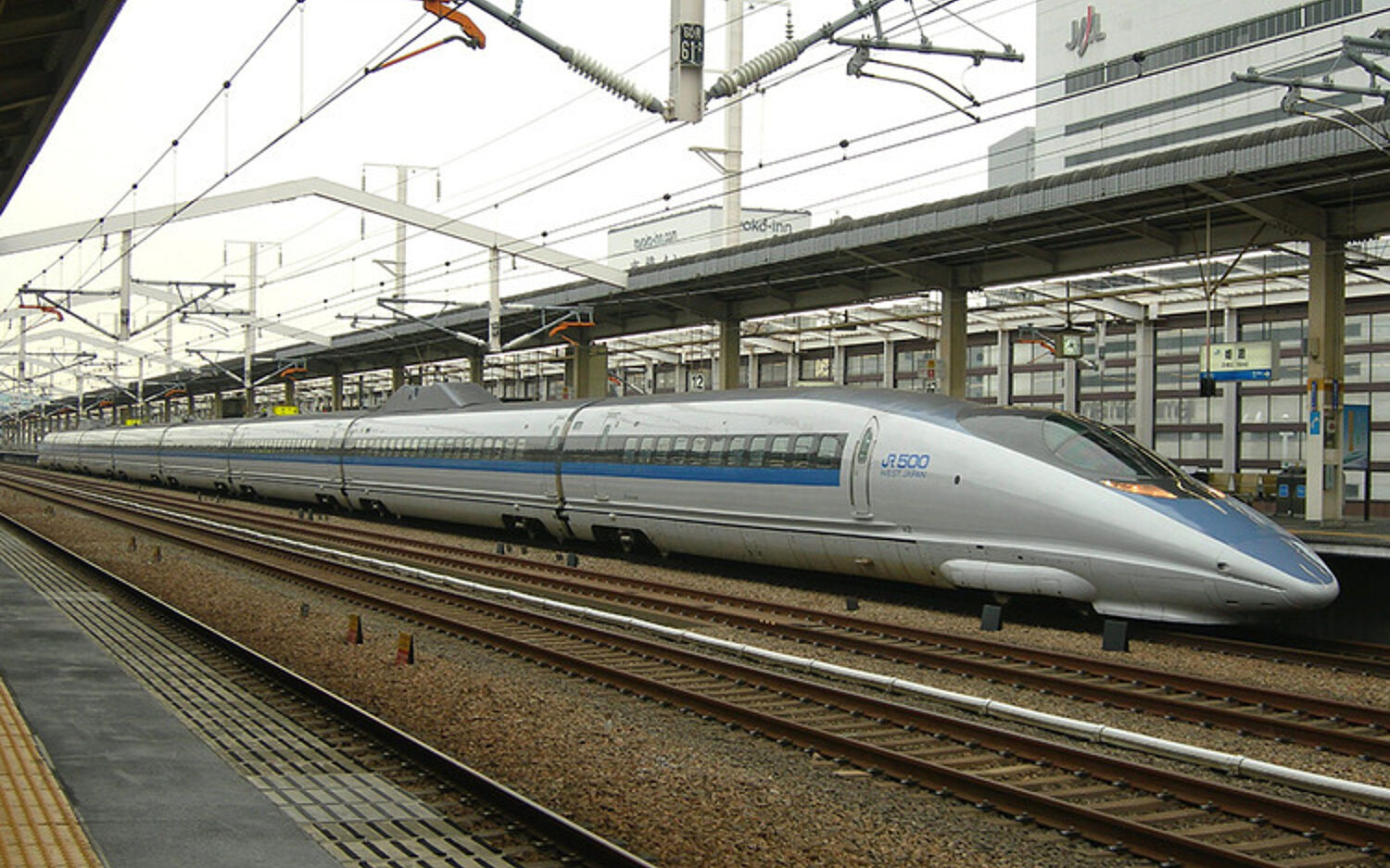

BOOM!
Was that thunder, or an explosion? Neither! It was actually a bullet train emerging from a tunnel in Japan. The noise broke the sound barrier. If you lived near that racket, you might be thinking, “shhhhh!”
But what could make the train “shhhhh”? Engineer Eiji Nakatsu found the answer by studying a tiny bird.
Mr. Nakatsu knew what caused the sonic boom. When the train charged into the tunnel at high speed, pressure built up in front of the train. By the time it reached the tunnel’s end, the air was moving as fast as sound. The train pushed all the high-pressure air out of the tunnel into the regular, low-pressure air. Then, BOOM!
But Mr. Nakatsu knew something else, too. He remembered the kingfisher, a bird he had seen in the wild. Kingfishers can fly up to 25 miles per hour. They dive straight into the water from the air. But the kingfishers barely make a splash when they break the surface of the water! How is that possible?
The answer is simple. God made kingfishers with the right kind of beak for the task: one that gets skinnier closer to its tip and is shaped like a squashed diamond. Mr. Nakatsu’s train needed nose surgery.
Since engineers gave it a nose like the kingfishers’, nobody’s had to shush the train anymore! It’s quiet as a bird.