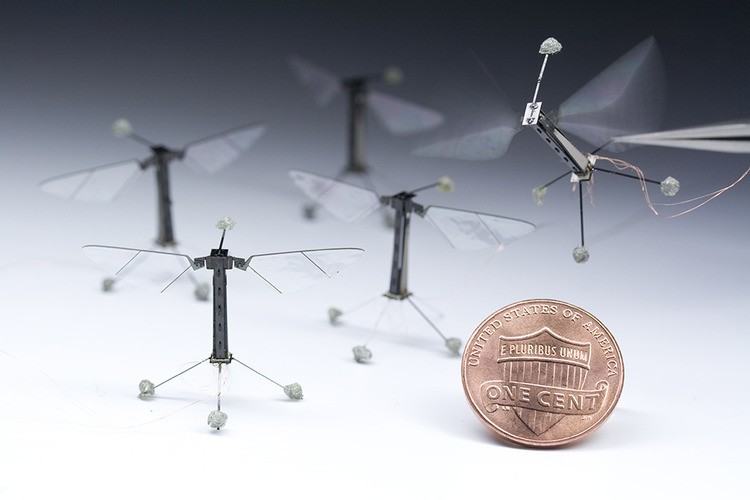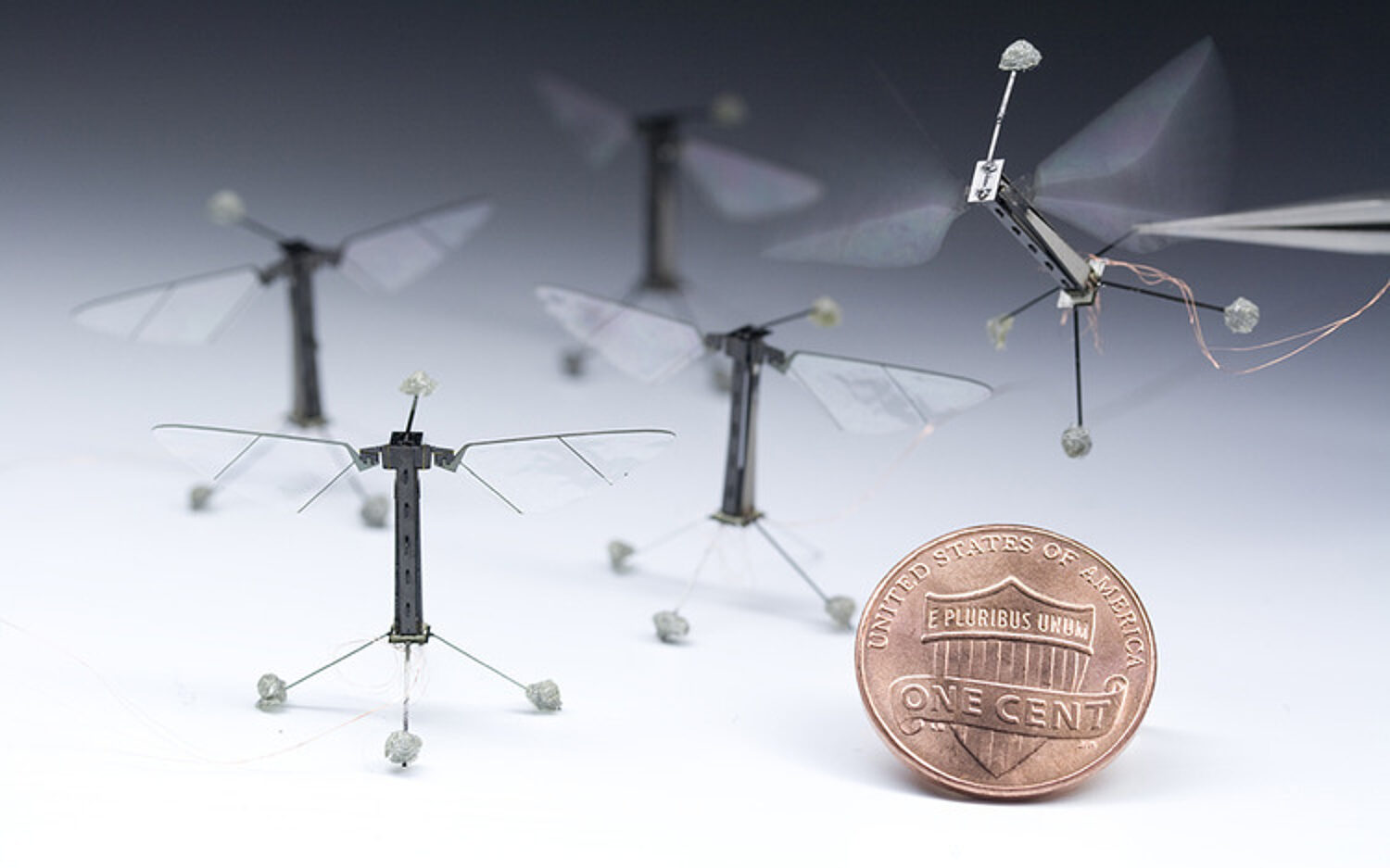
Bzzzz . . .bzzz . . .splat!
Oh dear, someone just squished a bee—a hovering, flying, robot bee. It’s an easy mistake to make, but it costs scientists a lot of hard work!
Scientists tried over and over again to make RoboBees work. They started by studying God’s pattern for real bees, and asked lots of questions along the way. How do bee wings operate? How are bees shaped? How do their bodies bend?
Building such tiny robots proved difficult. Then one of the scientists got an idea. His son loved pop-up books. Popups are flat, but when you turn the page, a complex, many-layered structure rises from the book. He tried designing the bugs flat and then popping them up. His plan worked!
Now the buzzing bots are airborne, and scientists are preparing them for specific jobs. They could spy on people. They could search for and rescue people in a disaster. They could even pollinate plants just like real bees.
Scientists think the RoboBees will be ready for use in 10 to 15 years. The bots still need brains and communication parts. But how will scientists add these without making the bees too heavy to fly? That question was easy for God. But for people, it’s tricky!
“How unsearchable are his judgments and how inscrutable his ways!”—Romans 11:33