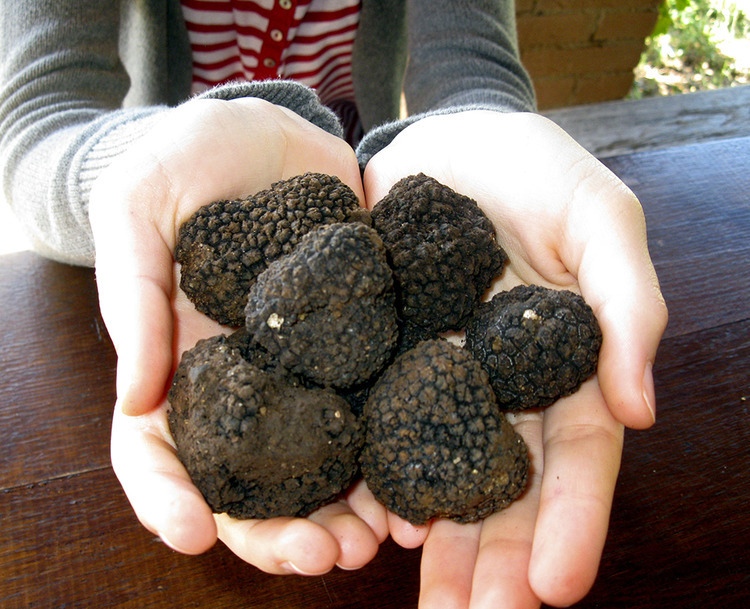
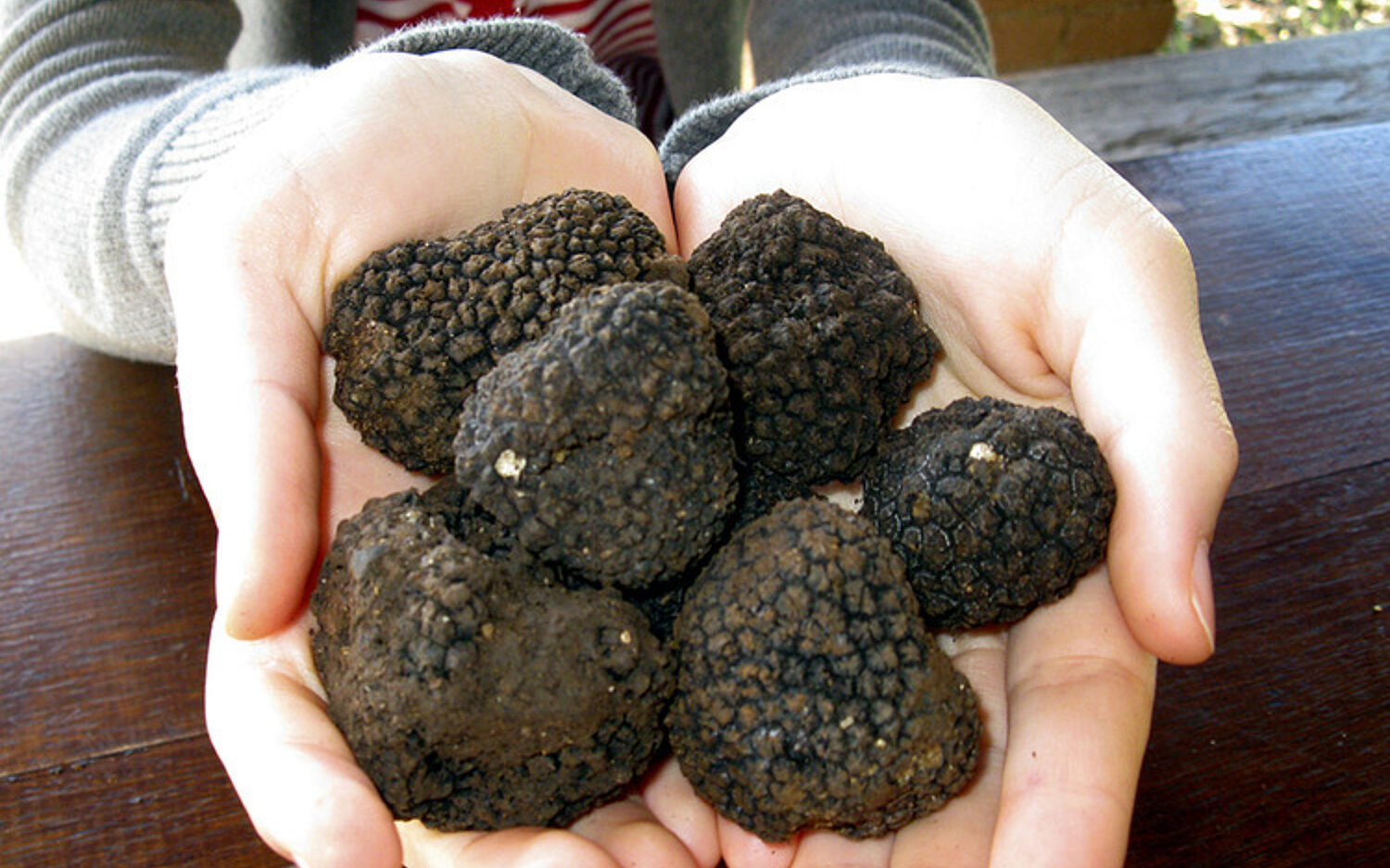
Imagine you are holding a truffle in your palm. Take a long sniff. What do you smell? A hint of garlic? A smidgen of fresh soil? Or does your nose detect a whiff of unusual flowers?
Food enthusiasts use all those words to describe a truffle’s scent. Some even say the fragrance makes them think of deep green forests in imaginary worlds.
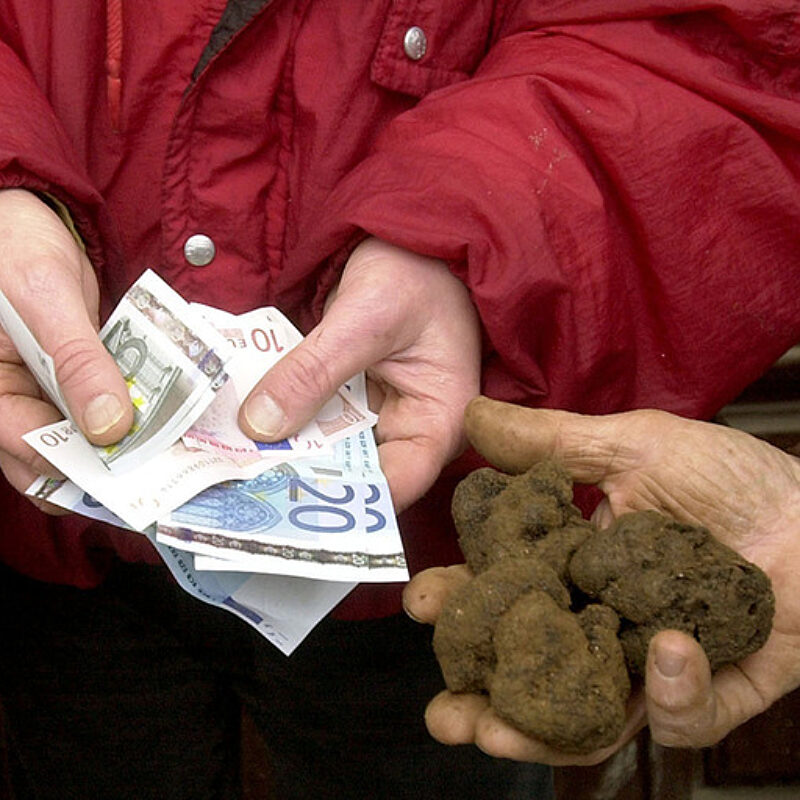
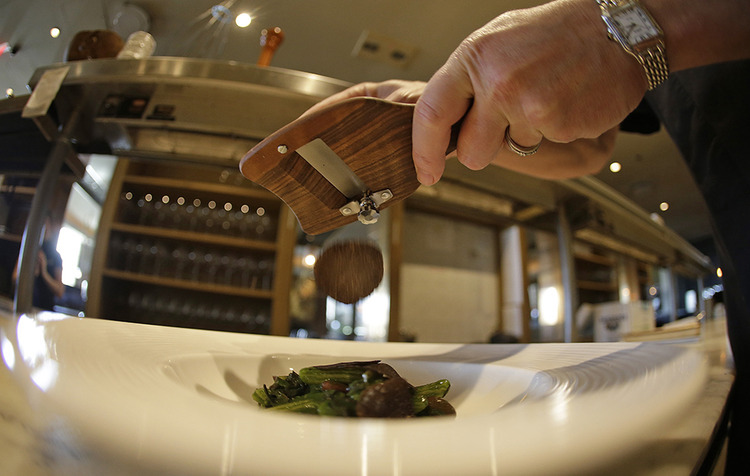
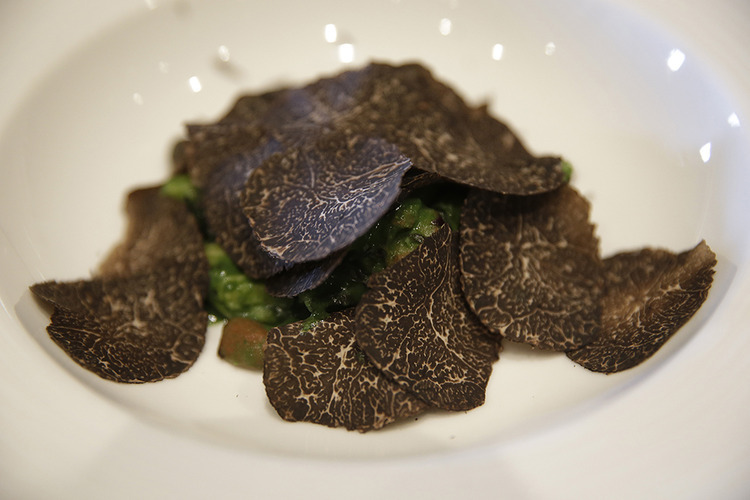
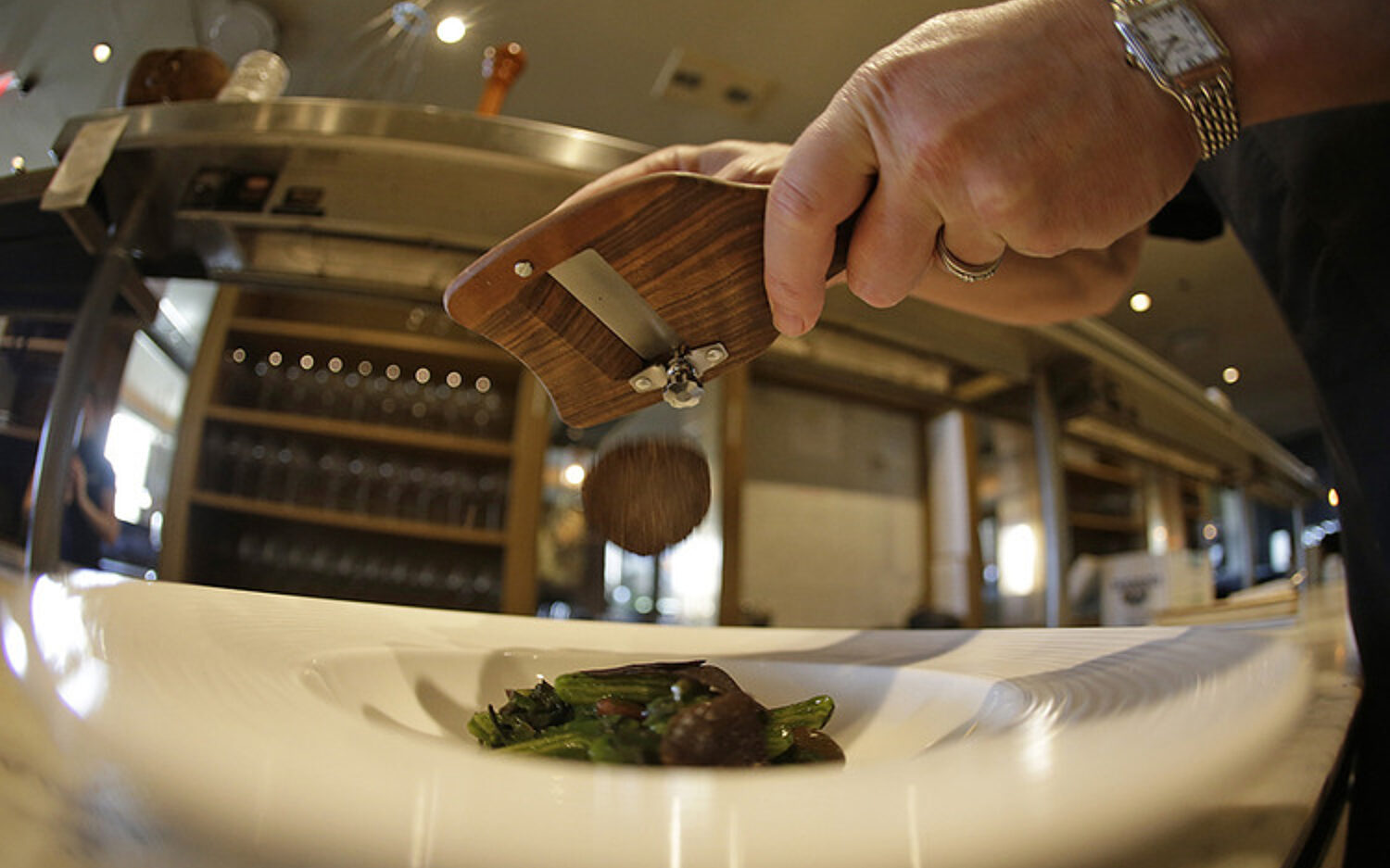
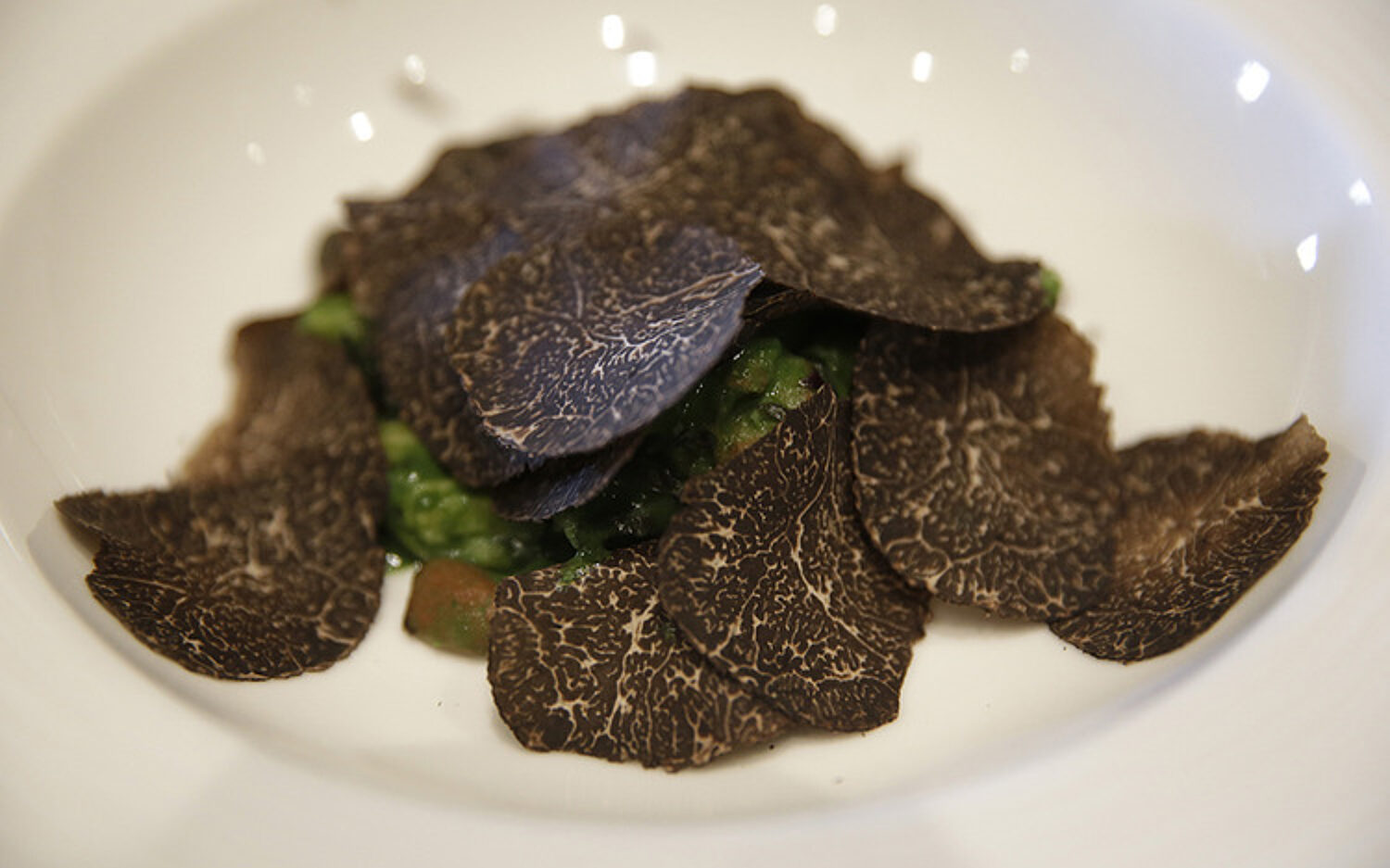
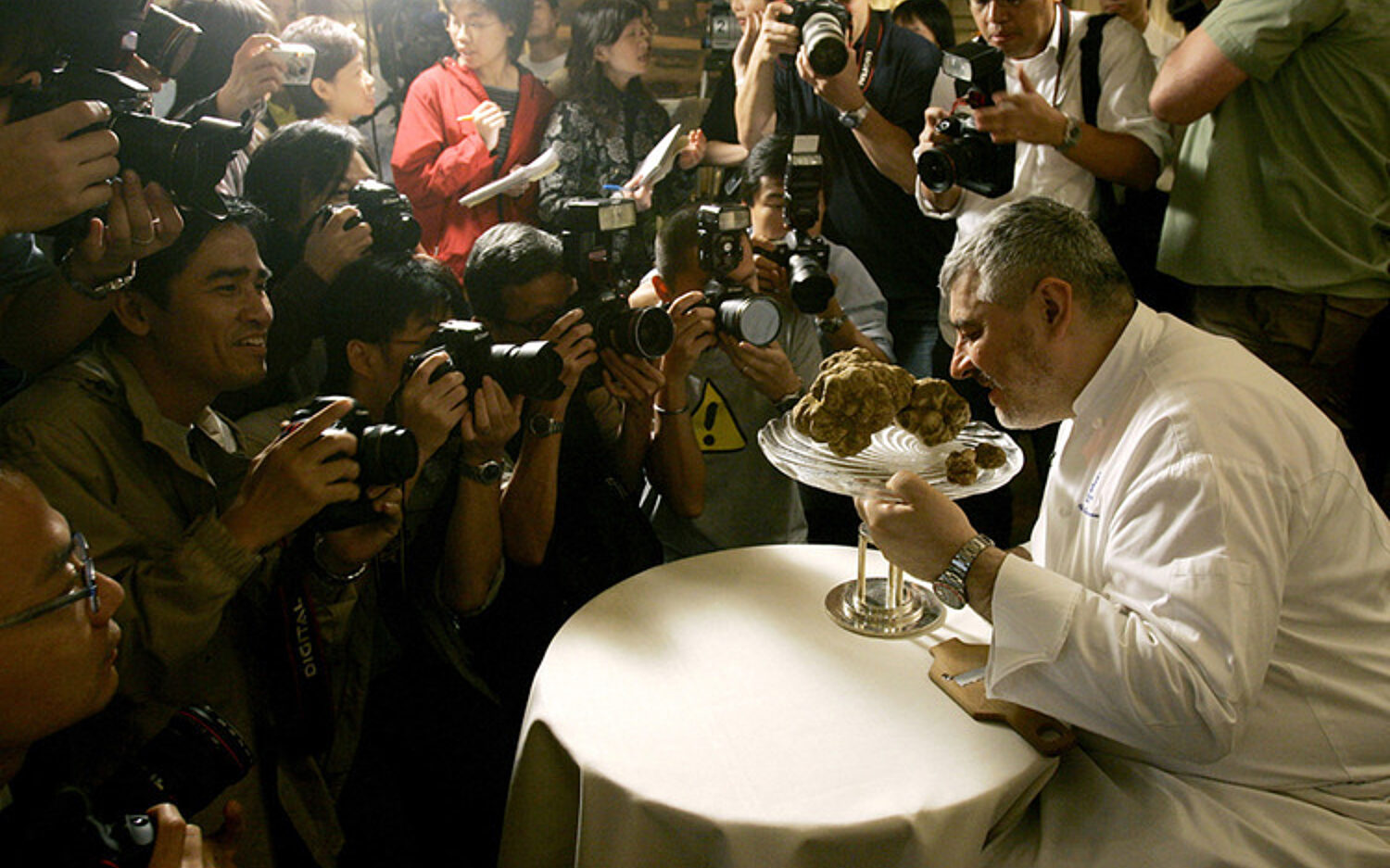
In a restaurant, you might pay $100 for a dish made with truffles. A chef may shred a bit of truffle over your mashed potatoes. He or she might mix it up in your creamy pasta sauce or even tuck it inside your grilled cheese sandwich. Chefs know that the truffle smell will give the other flavors in a dish an extra “lift.” And once you’ve polished off the last bite, the truffle taste will linger in your mouth. Yum!
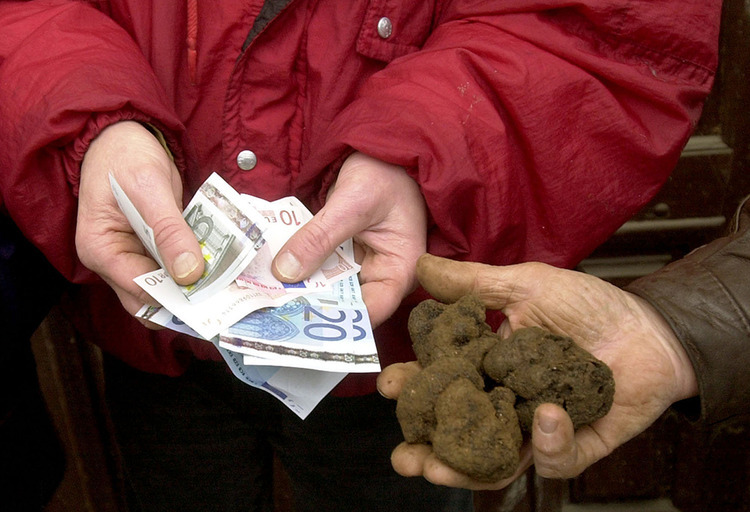
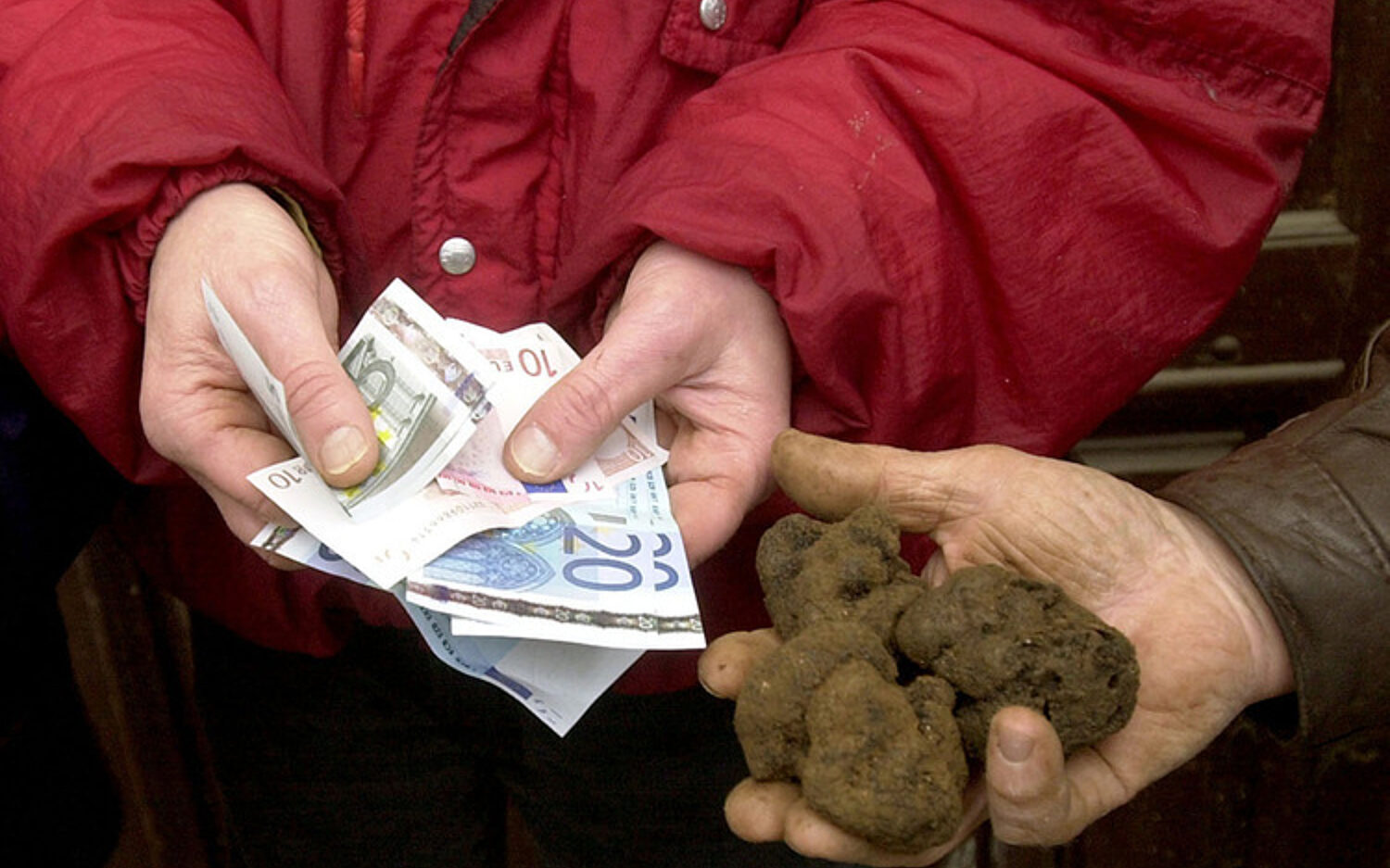
You might be thinking: “Truffles might taste good. But why do they cost so much?” Easy: Truffles are rare. For example, white truffles come mainly from Alba, Italy. Truffle-hunters there can only find the fungi during a couple months every year. And every year, truffle yields grow smaller. That’s partly because chemicals called fungicides leak into the soil, damaging the plants.
The growing truffle has another enemy: other fungi. Truffles live on the roots of trees. The trees give the truffles sugars to live on. But other kinds of fungi “want” the sugars too. Often, those other fungi take up all the nutrients the truffles need.
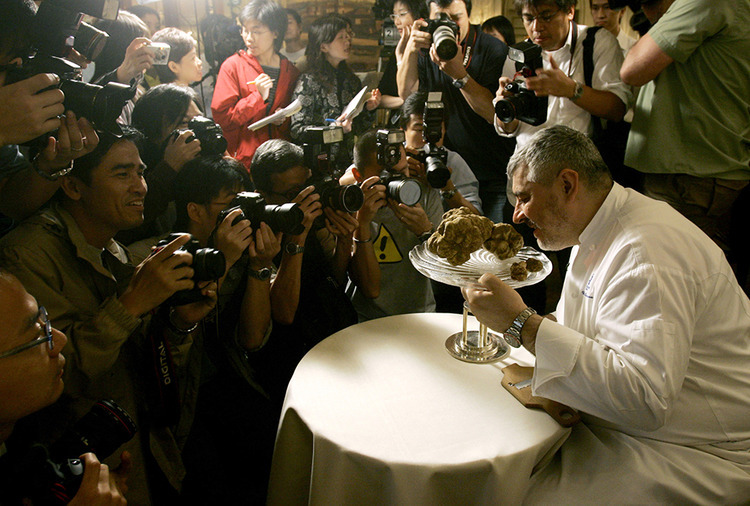
To produce truffles well, growers must make the soil perfect. The soil must feed truffles, but not other fungi. This is no easy task. But it isn’t meant to be easy. People value truffles because of their rarity and the difficulty of growing them. They don’t call truffles the “diamonds of the kitchen” for nothing!