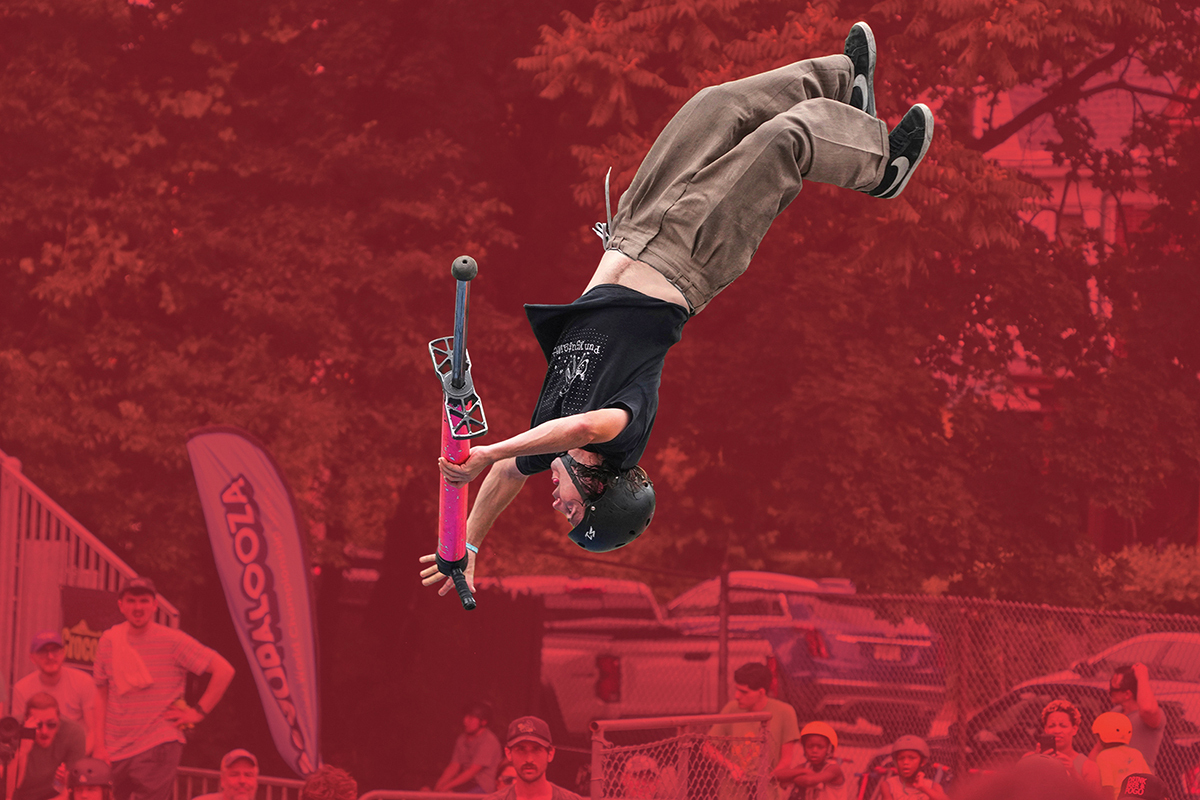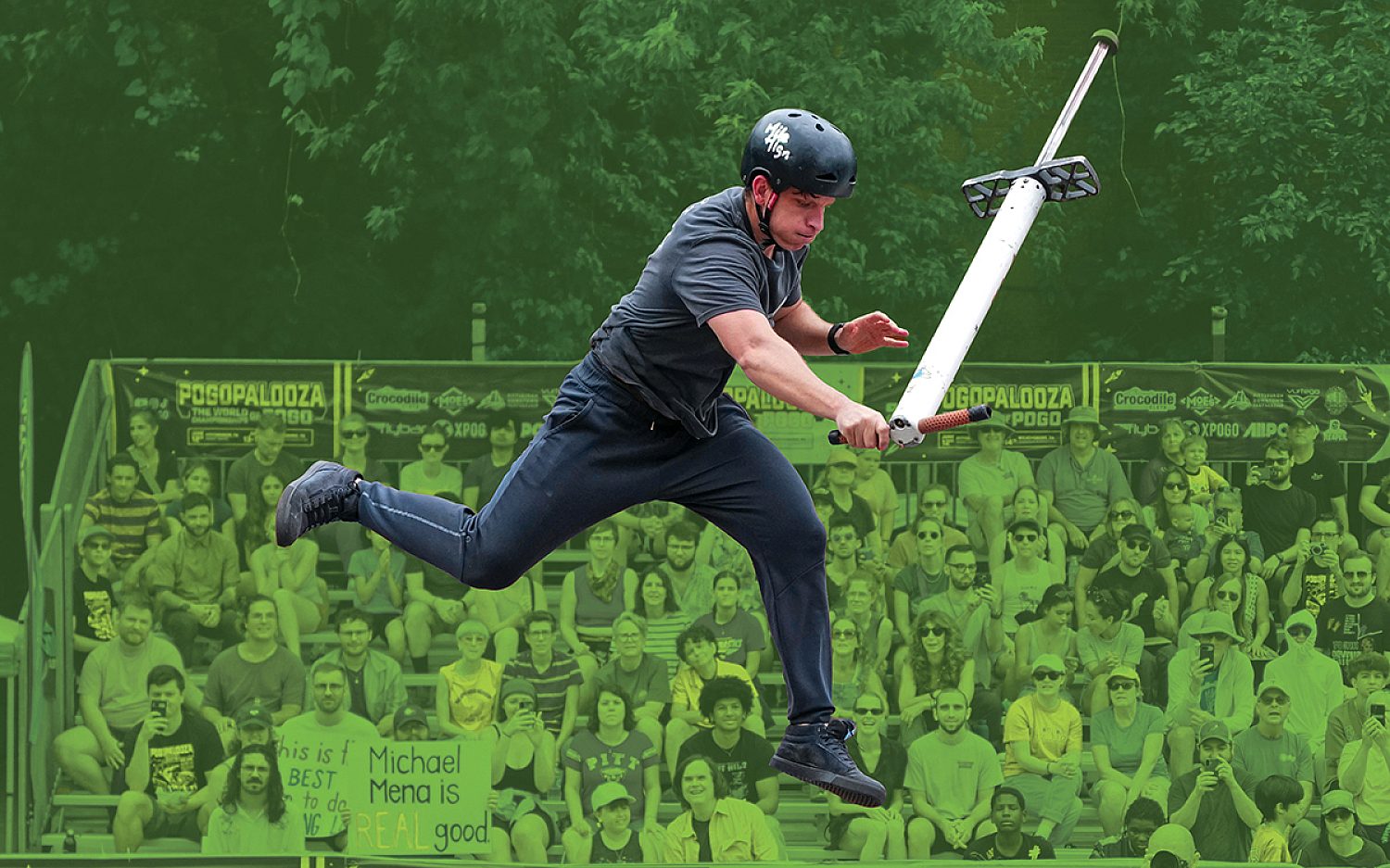
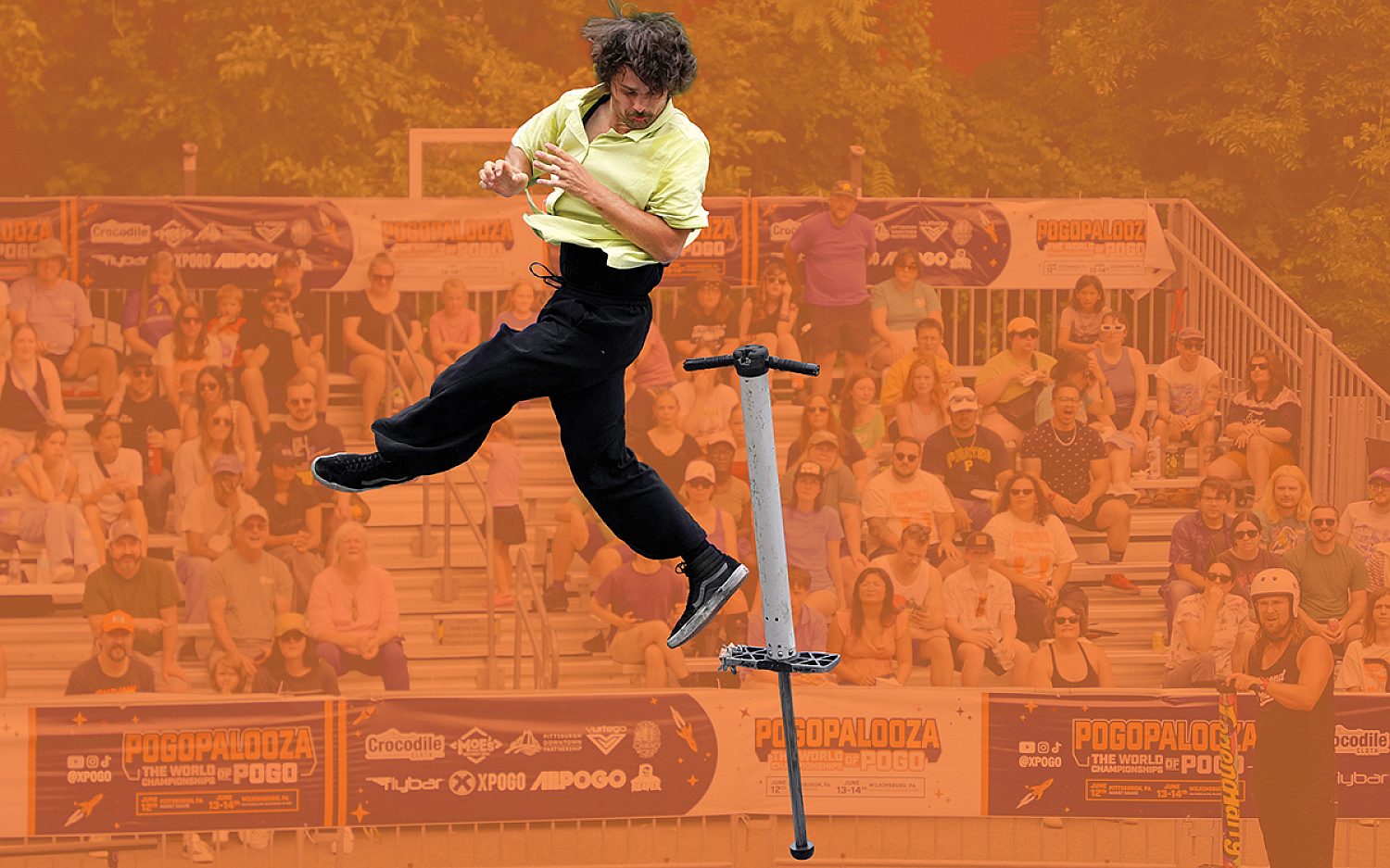
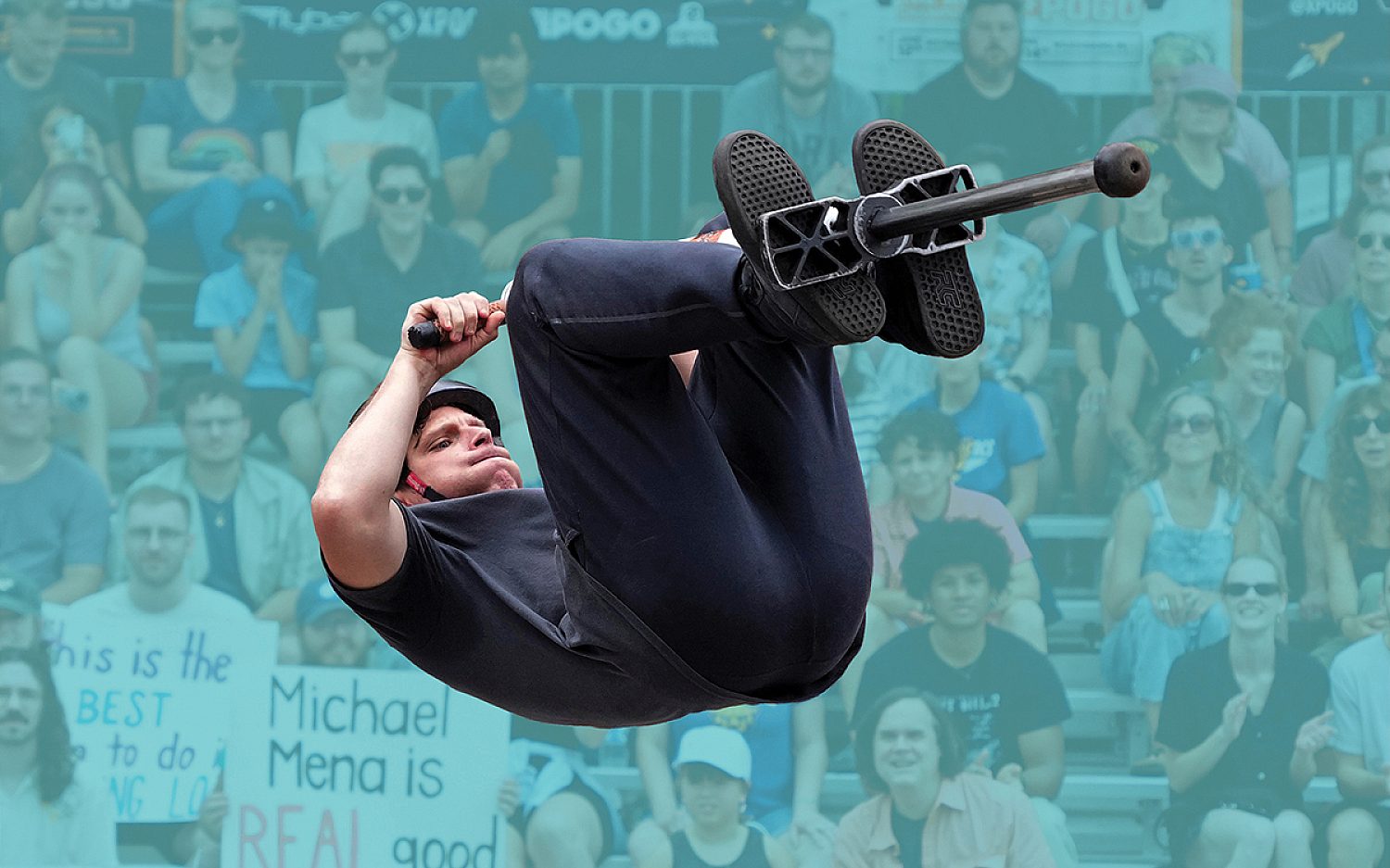
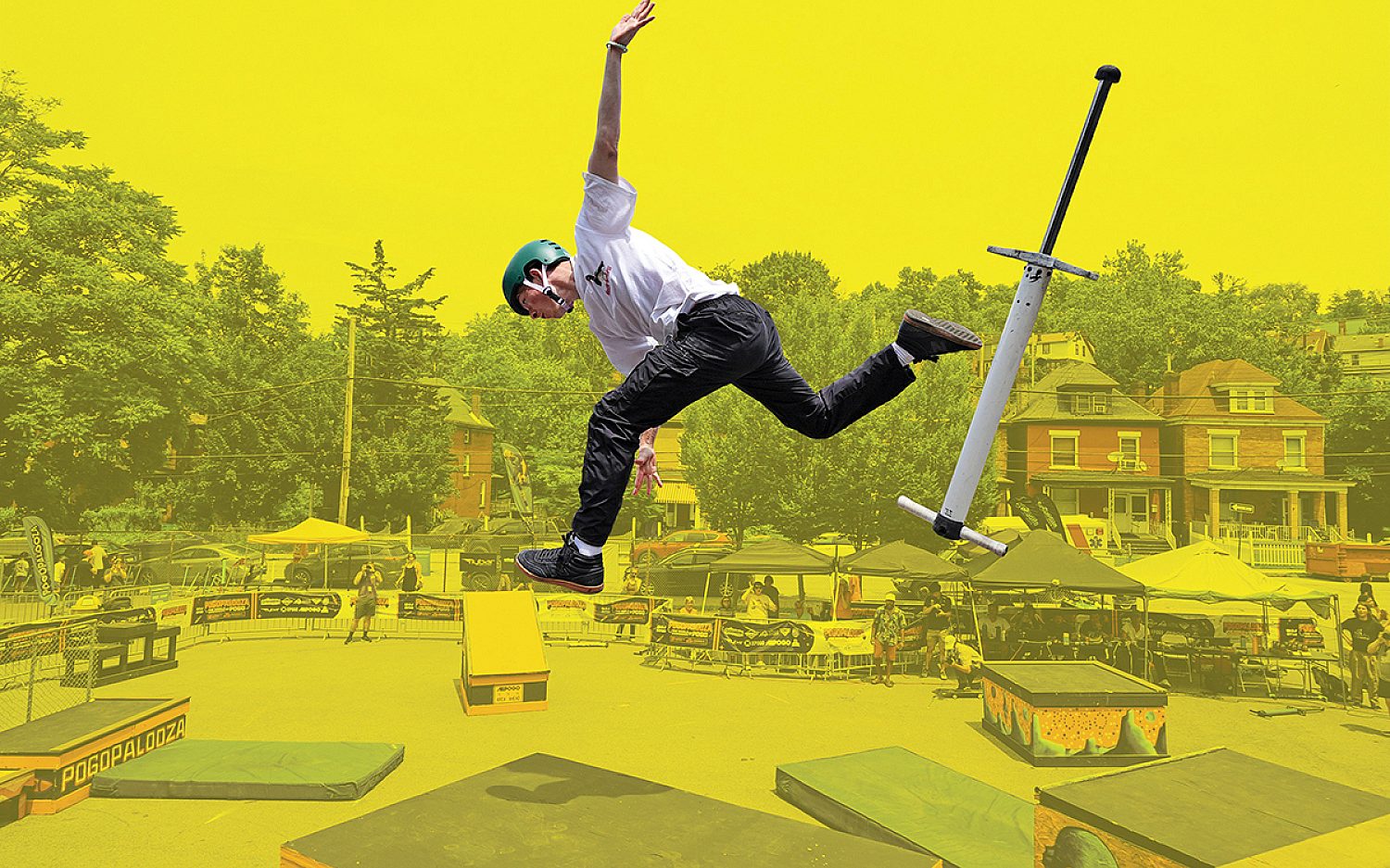

You’ve heard of soccer, basketball, and baseball. But have you heard of extreme pogo?
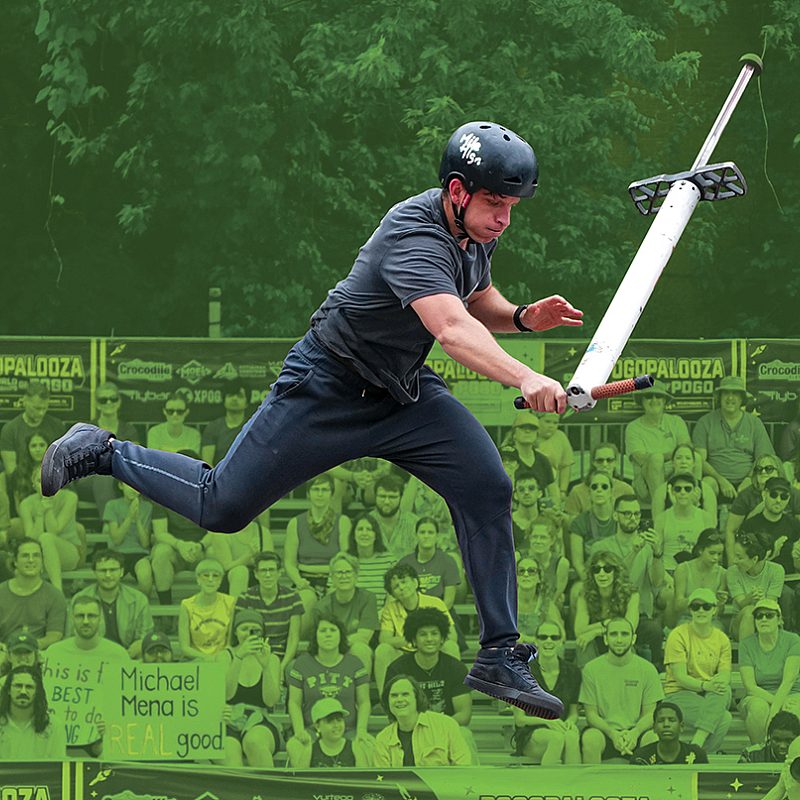
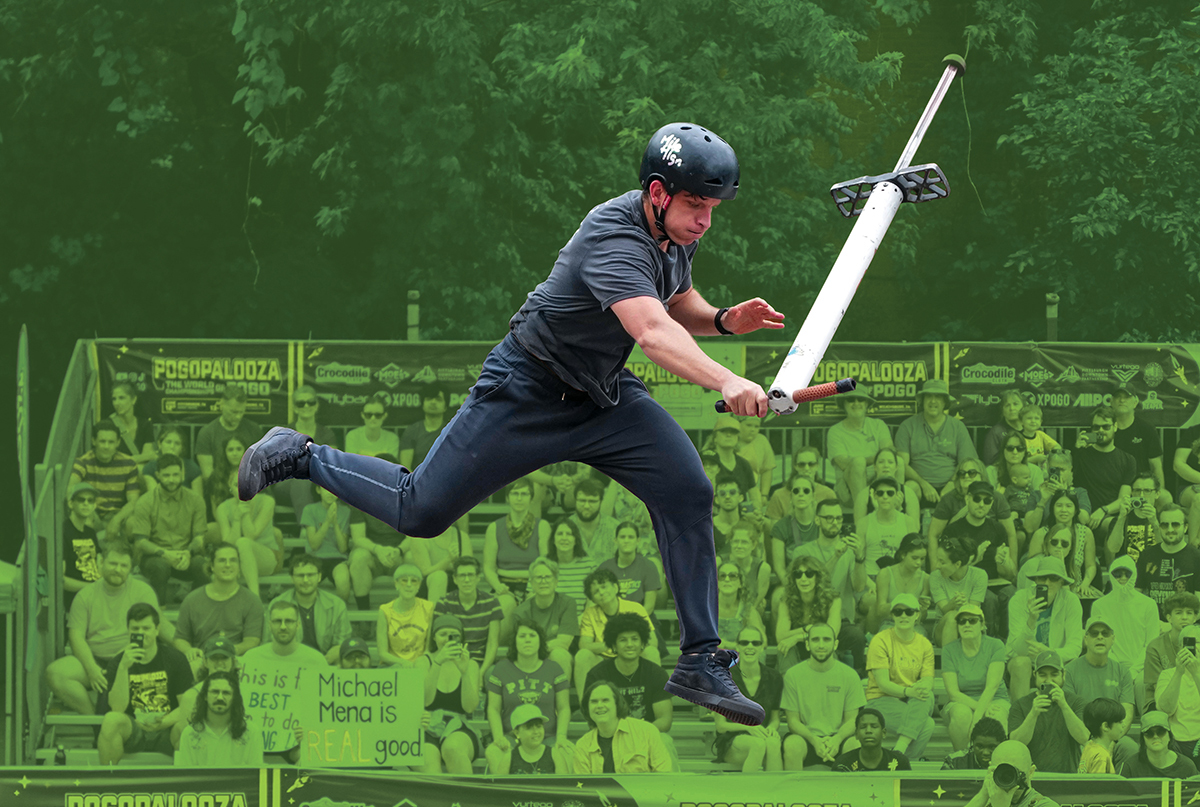
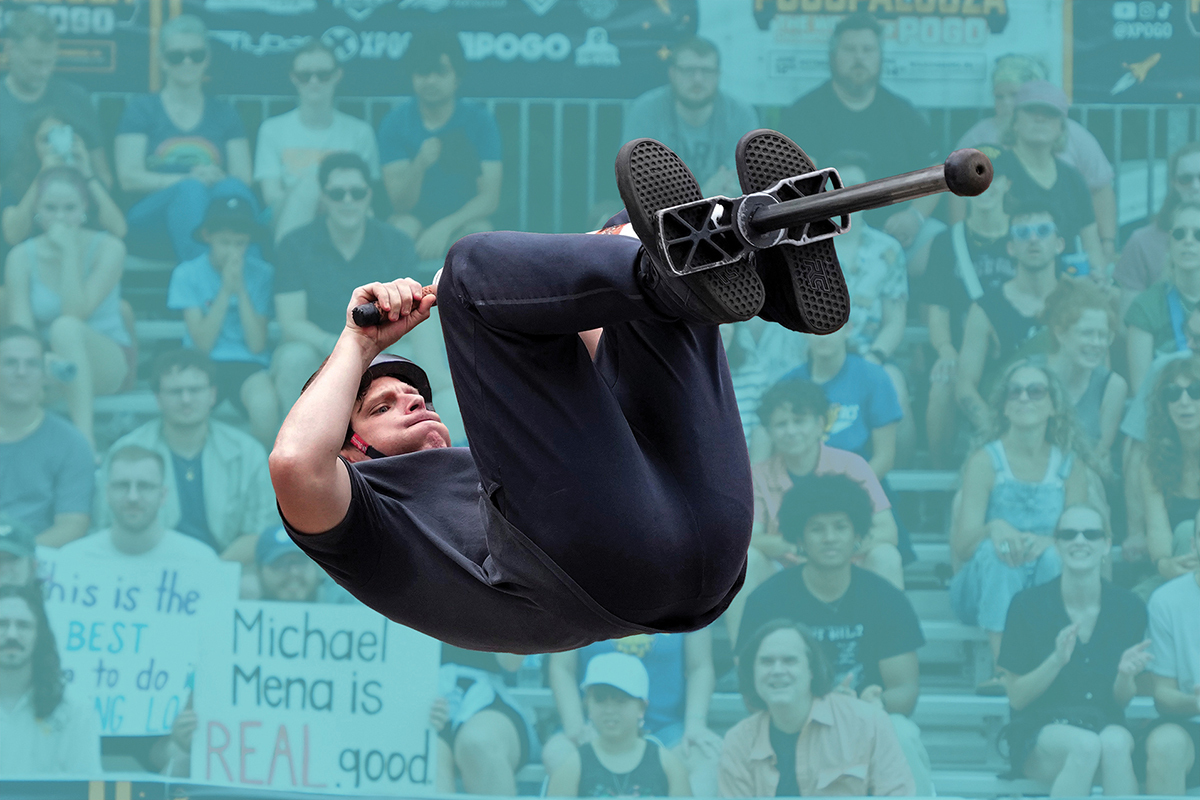
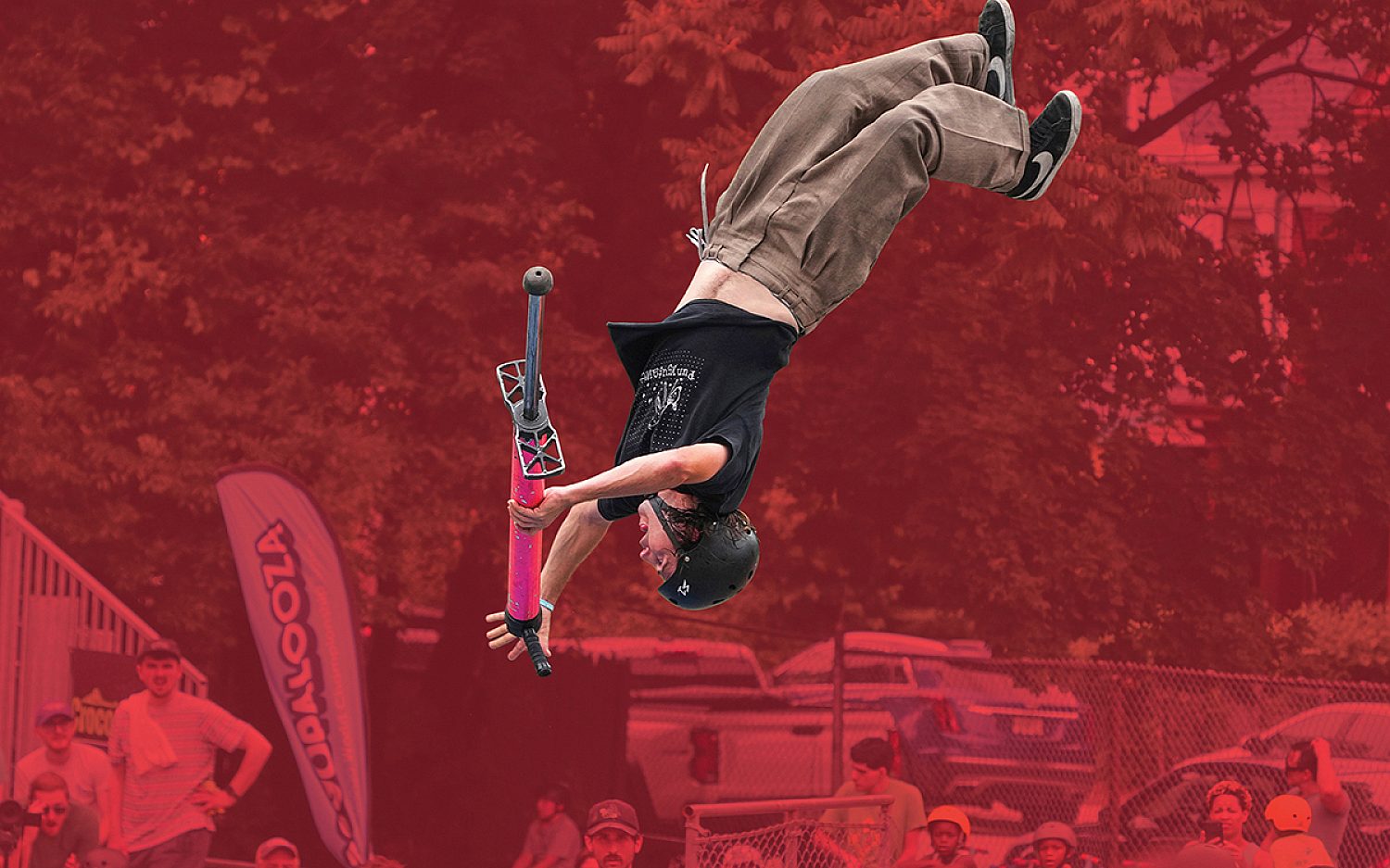
Meet Michael Mena. He tried his first pogo-stick backflip when he was 13. It didn’t go so well. He crashed down—on his head. Good thing he landed on an inflatable air mattress!
Fast forward 20 years. Now Mr. Mena has become a world-champion pogoer. He earned the title at the annual Pogopalooza event in Pittsburgh, Pennsylvania.
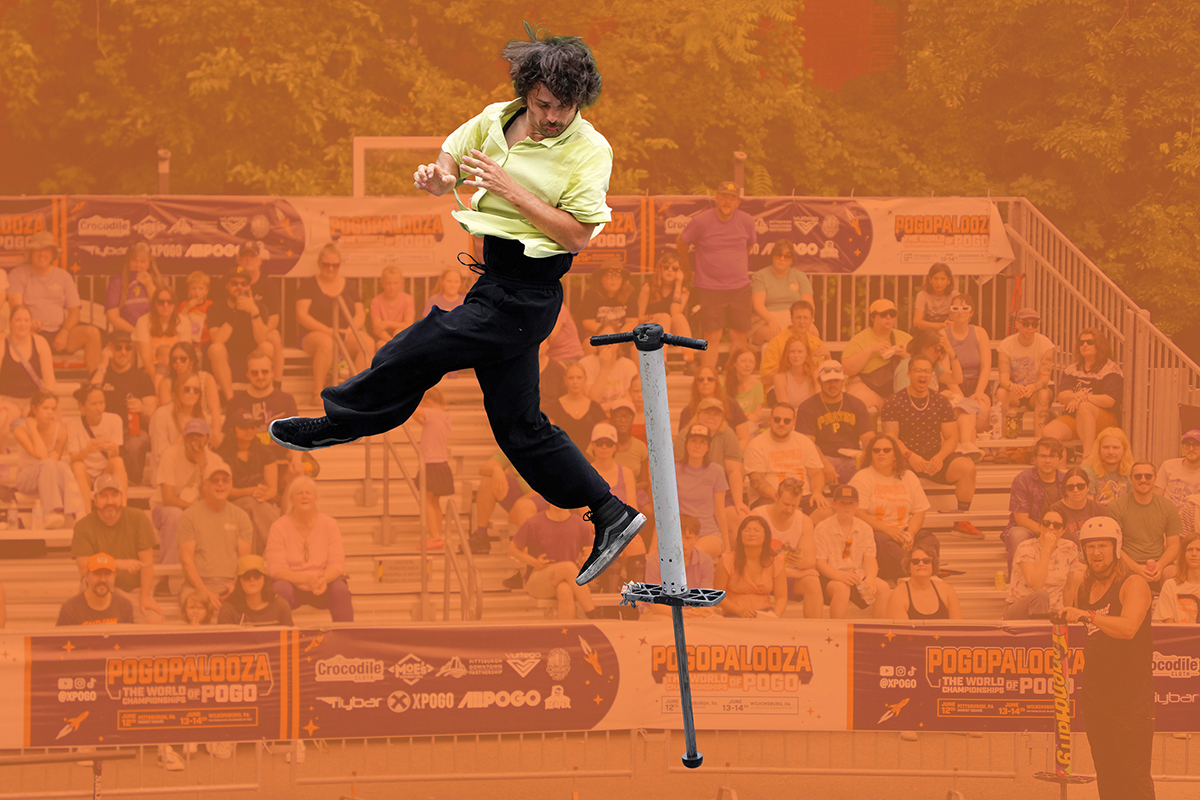
His pogo stick can launch him 10 feet into the air. To win the competition, he had to perform his signature trick: Flip his stick underneath him. Catch it before he hits the ground.
“I tried that trick hundreds and hundreds of times, and I was just scared to put my feet on,” Mr. Mena says. But once you get on the pogo stick, he says, adrenaline starts pumping. Watchers cheer. “Then you just kind of don’t care about getting hurt so much.” (Hmmm . . . is that a good thing?)
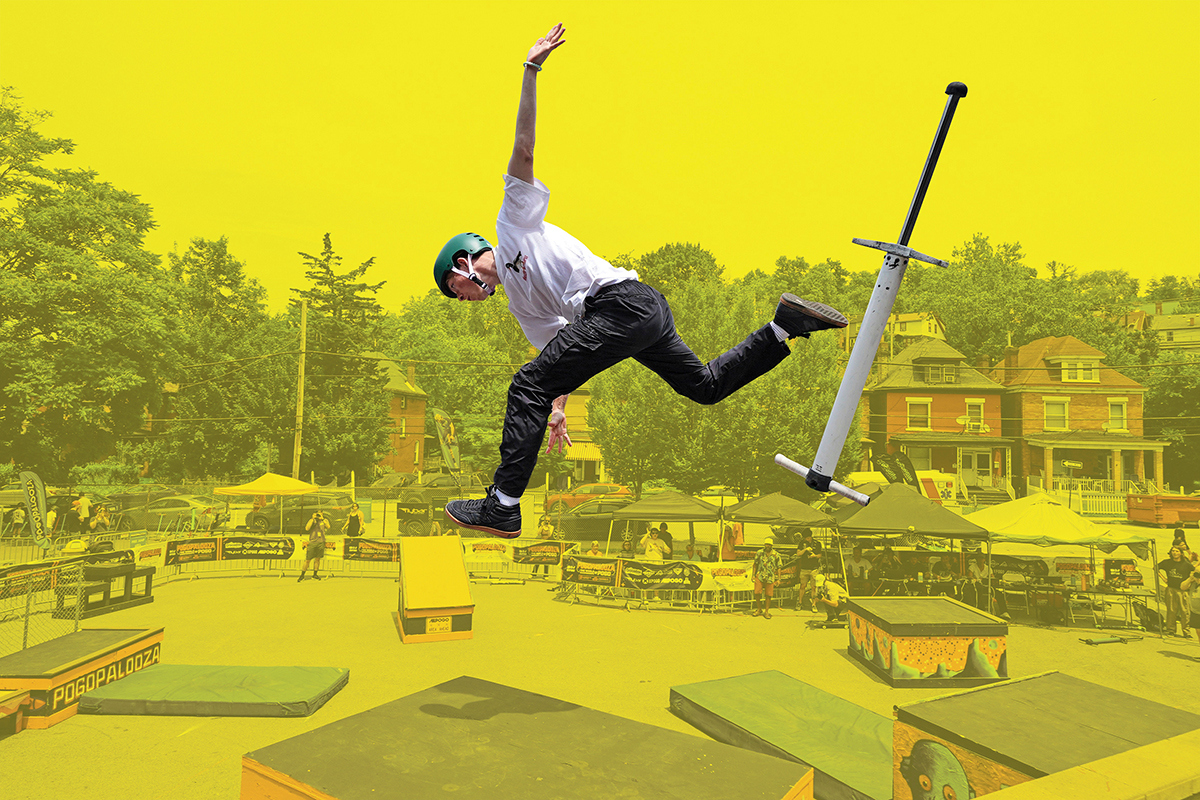
Extreme pogo is a newish sport. It dates back to the early 2000s. It doesn’t always attract big crowds. But the fans are dedicated. For Mr. Mena and his friends, pogo competitions feel like family reunions. The family? People who love a good thrill.
Extreme pogo takes imagination and guts. A typical pogo stick can take you just a couple inches off the ground. Professional, spring-loaded sticks launch you far higher. They cost around $500.
“We might not have 20,000 people here,” says Will Weiner, Mr. Mena’s friend and fellow pogoer. “But we can give you authentic, and we can give you cool.”
What Sport Should You Do?
Easy: the fun one!
Christopher Netley is a chiropractor. He helps athletes from many sports get stronger and recover from injury. He says exercise has major health benefits: better focus, less pain, and slower aging. But studies show Americans don’t get enough exercise.
Dr. Netley’s solution? “Just make it fun.” He says people won’t stick to a workout routine they don’t enjoy. He also believes sports can be a calling from the Lord. To those who are called to uncommon sports, he gives this advice: “You should go out there and do it. But wear a helmet.”
Why? Perseverance and practice allow athletes to reflect their Creator’s creativity.