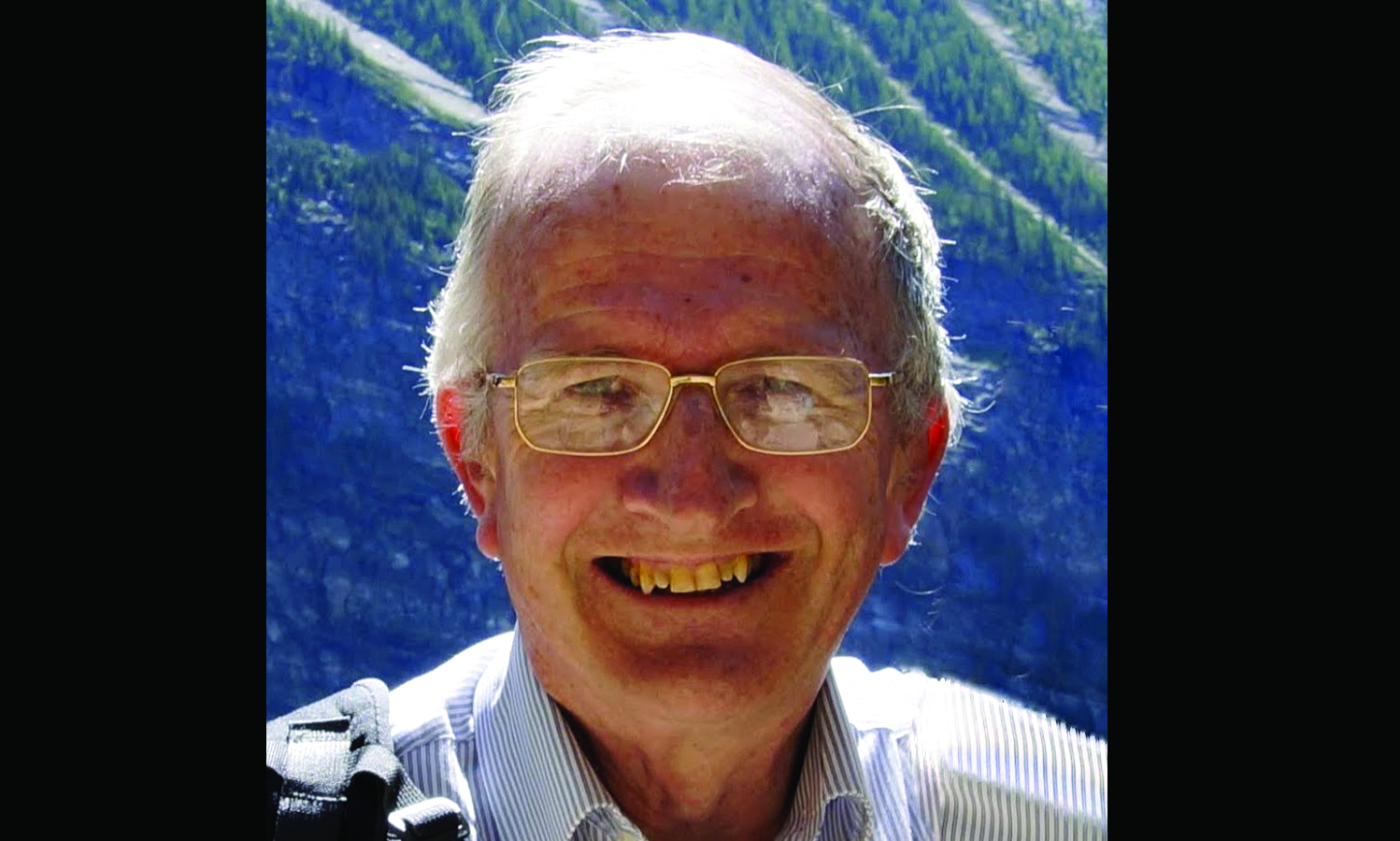

Andy McIntosh is a thermodynamics professor. (Thermodynamics is the study of how heat, temperature, and energy work together.) He is also a believer in the God of creation.
Dr. McIntosh studies birds and flight. He says feathers—how they work and grow—were “put there by the brilliant mind [that] made birds.”
God lets humans enjoy and learn from His creation. Each part points to the One who made all things bright and beautiful—including feathers.
Take a look:
Inspiration: The shape and structure of feathers help birds fly distances long and short.
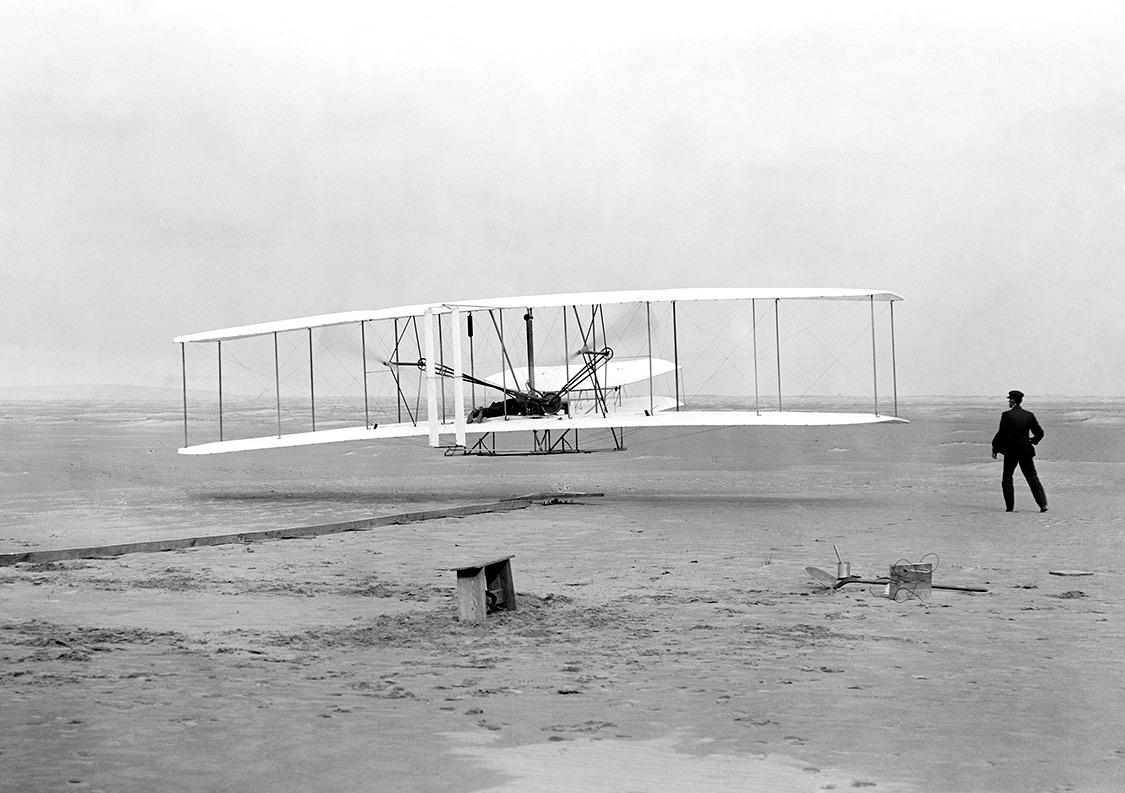
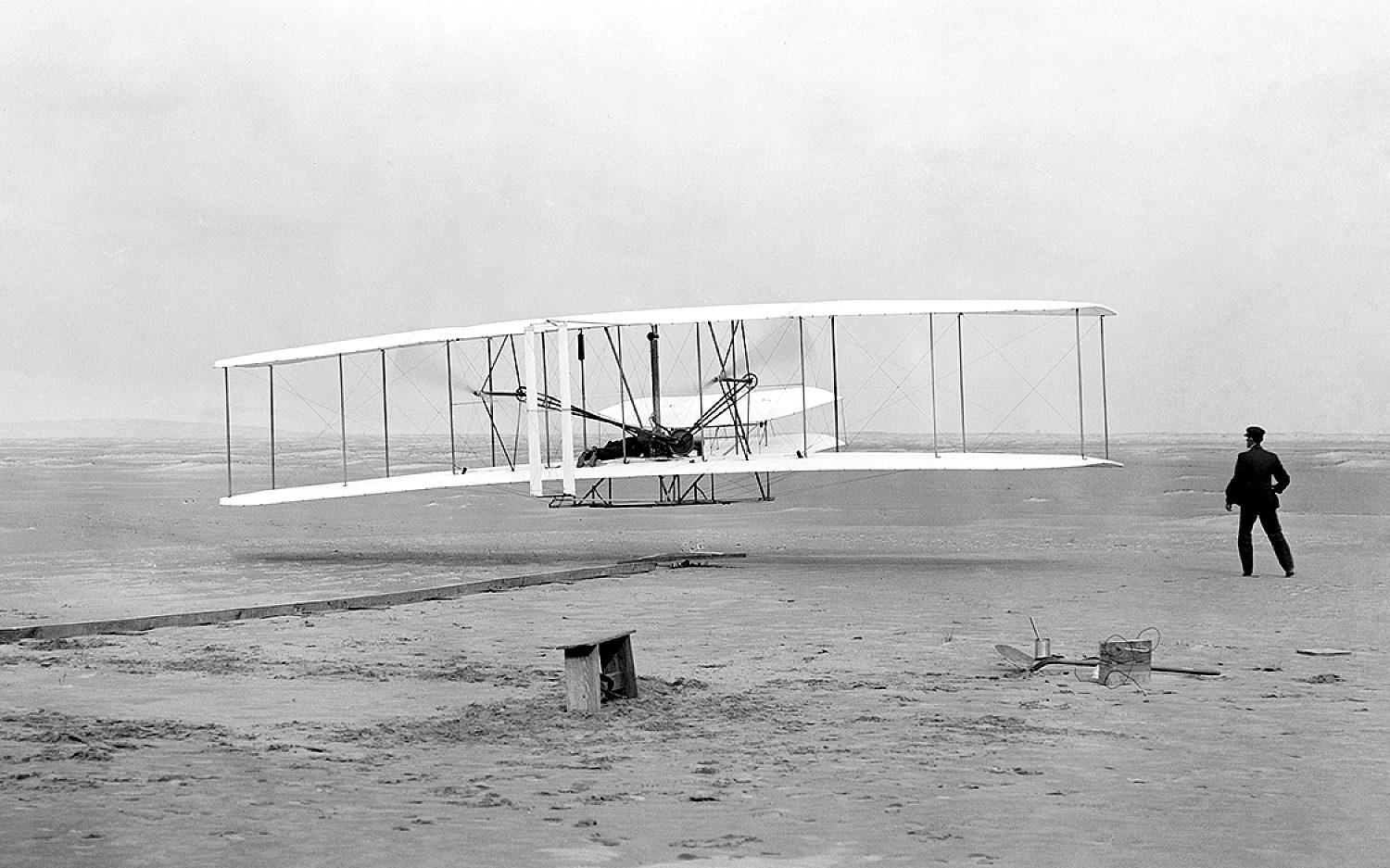
Use: Brothers Orville and Wilbur Wright built the first successful airplane. They based their design on what they learned from bird wings and feathers.
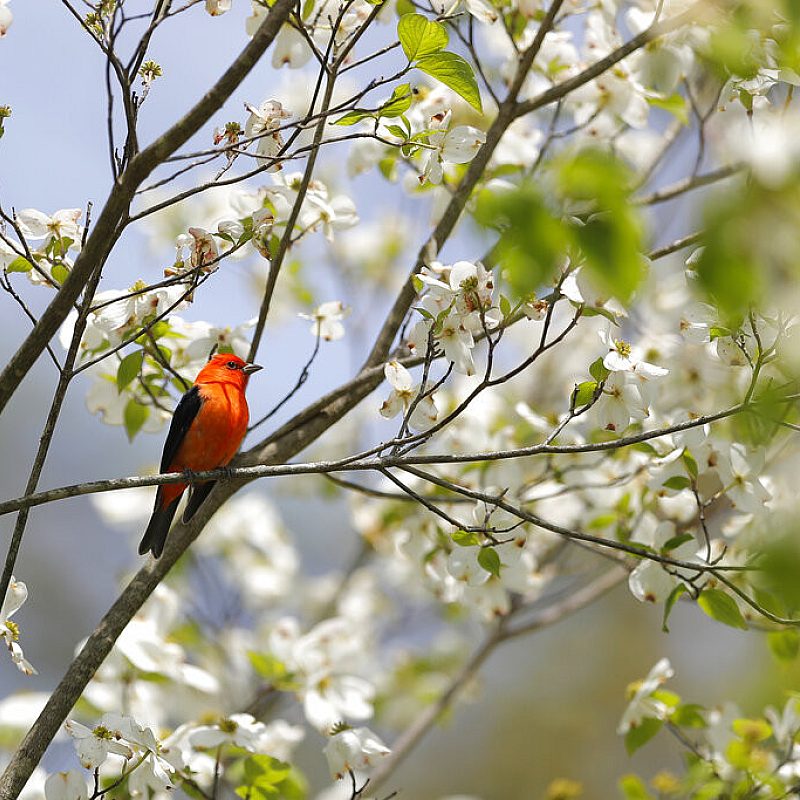
Inspiration: Feather colors let birds catch the eye. OR they help them hide. By moving their feathers, birds can change how the colors look.
Use: Researcher Manoj Sankar studied feathers’ color and light reflection to develop better solar cells. (Solar cells turn sunlight into energy.)
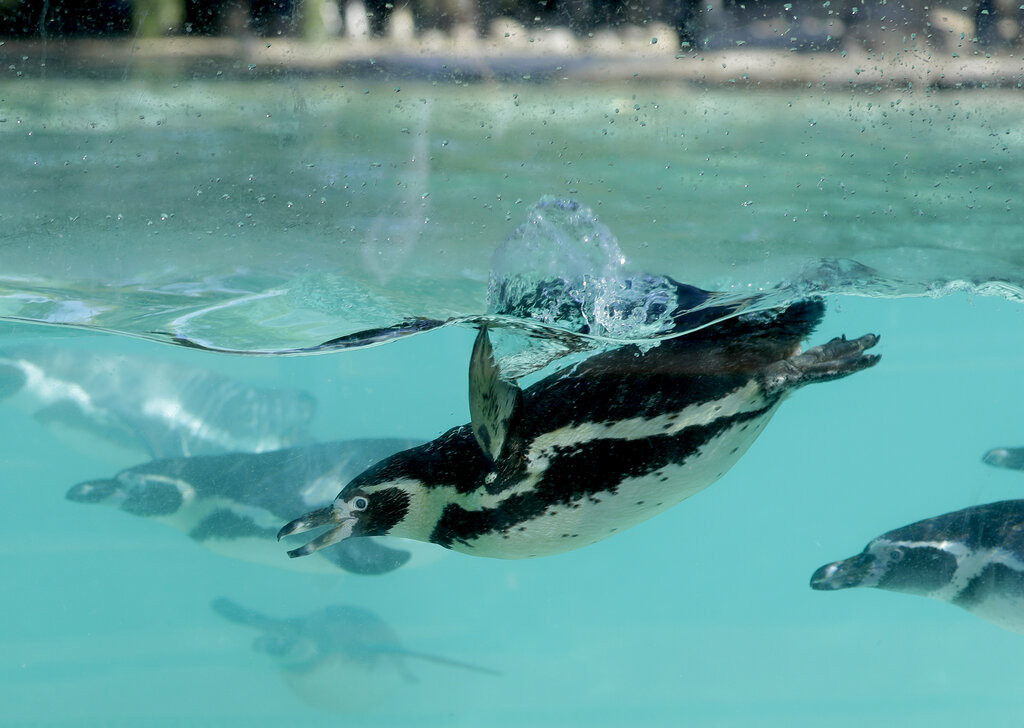
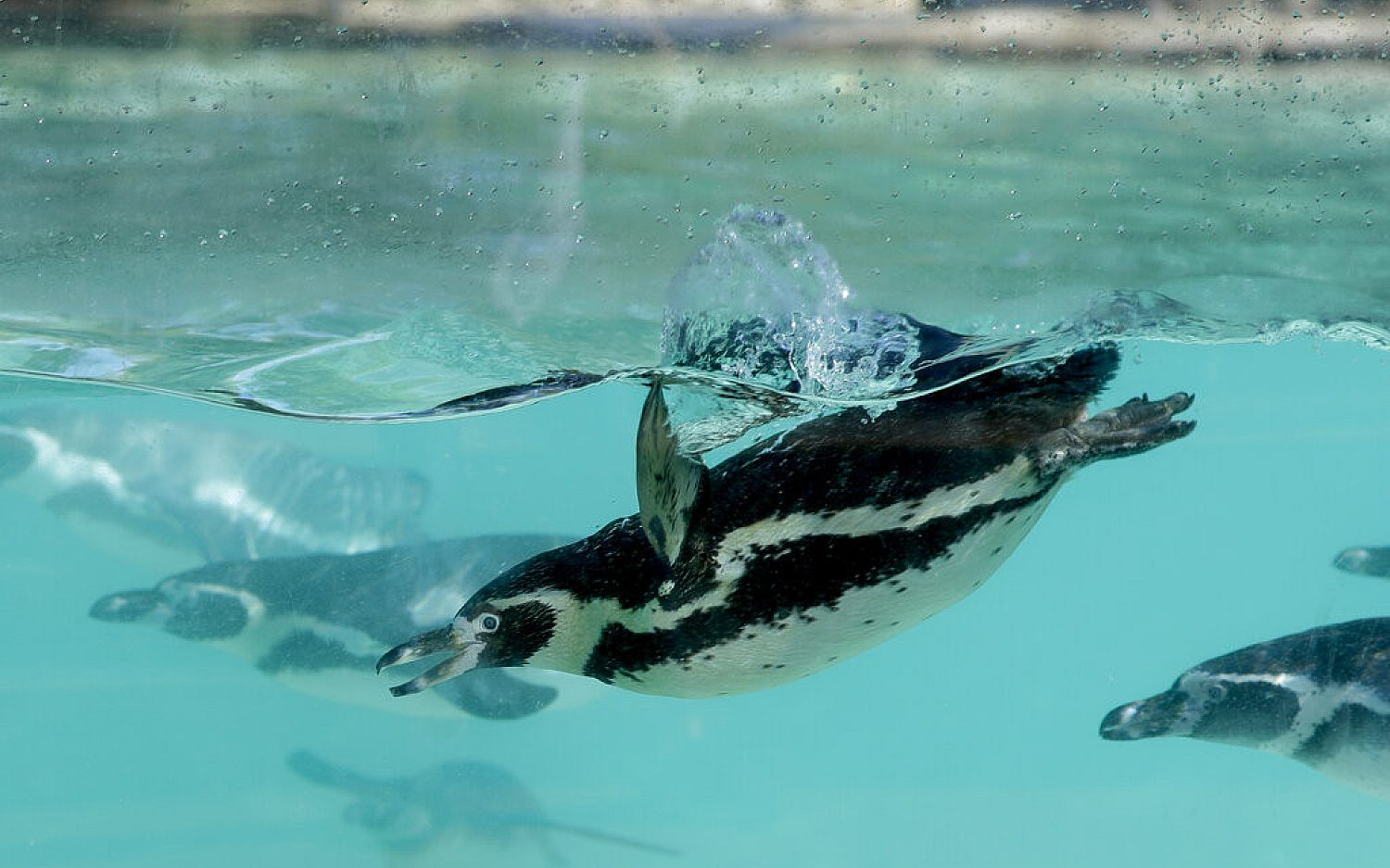
Inspiration: The arrangement of penguin feathers keeps water out. The birds can swim fast. They stay warm in icy water.
Use: Scientists are designing insulation materials based on the layered structure of penguin feathers. In a house, insulation keeps heat inside in winter and outside in summer.
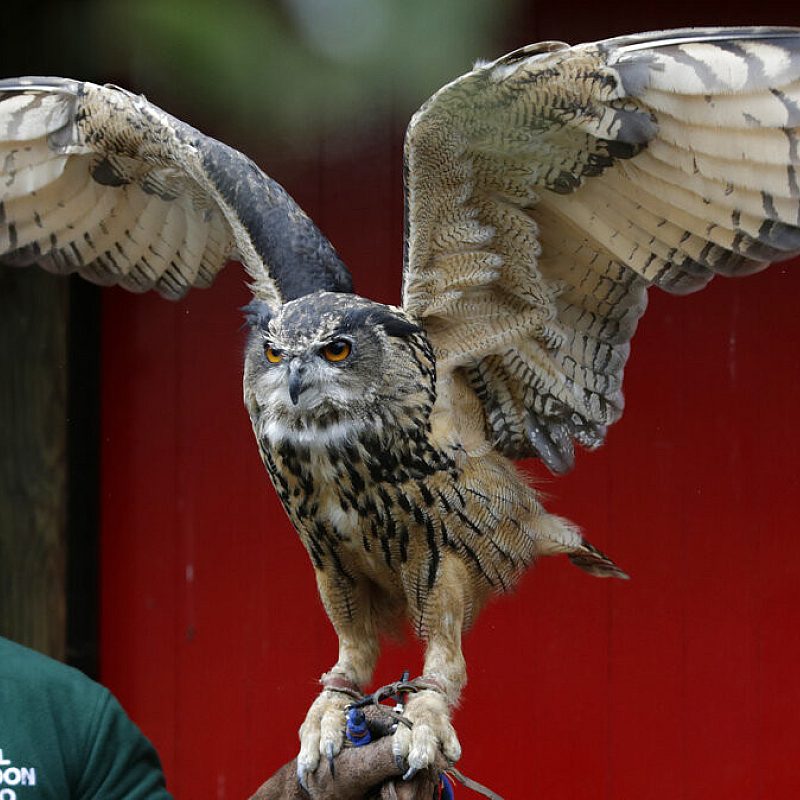
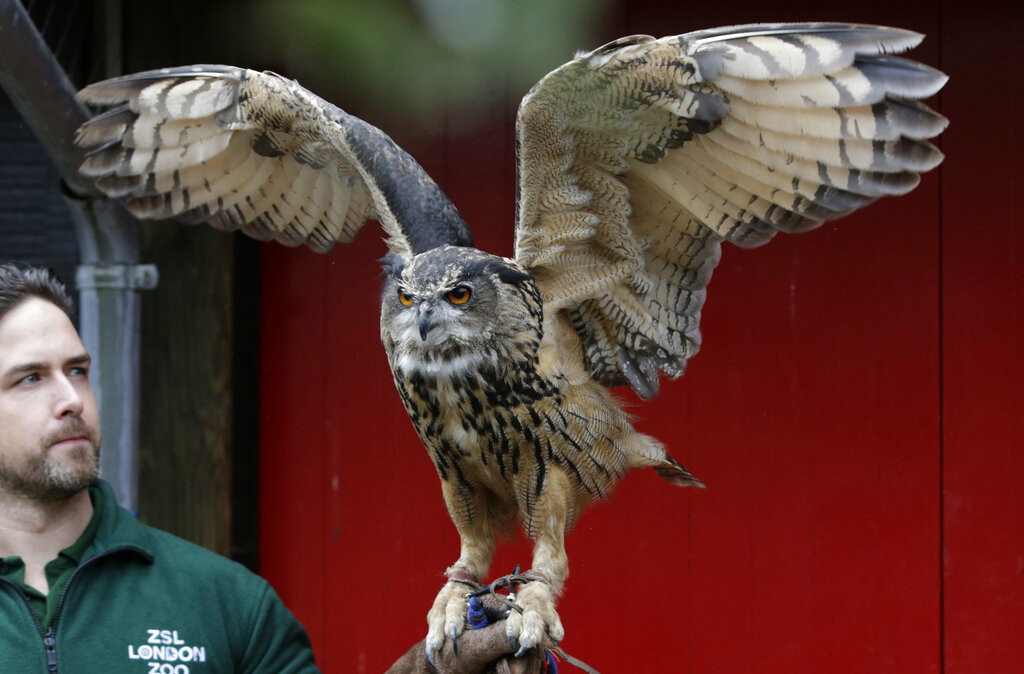
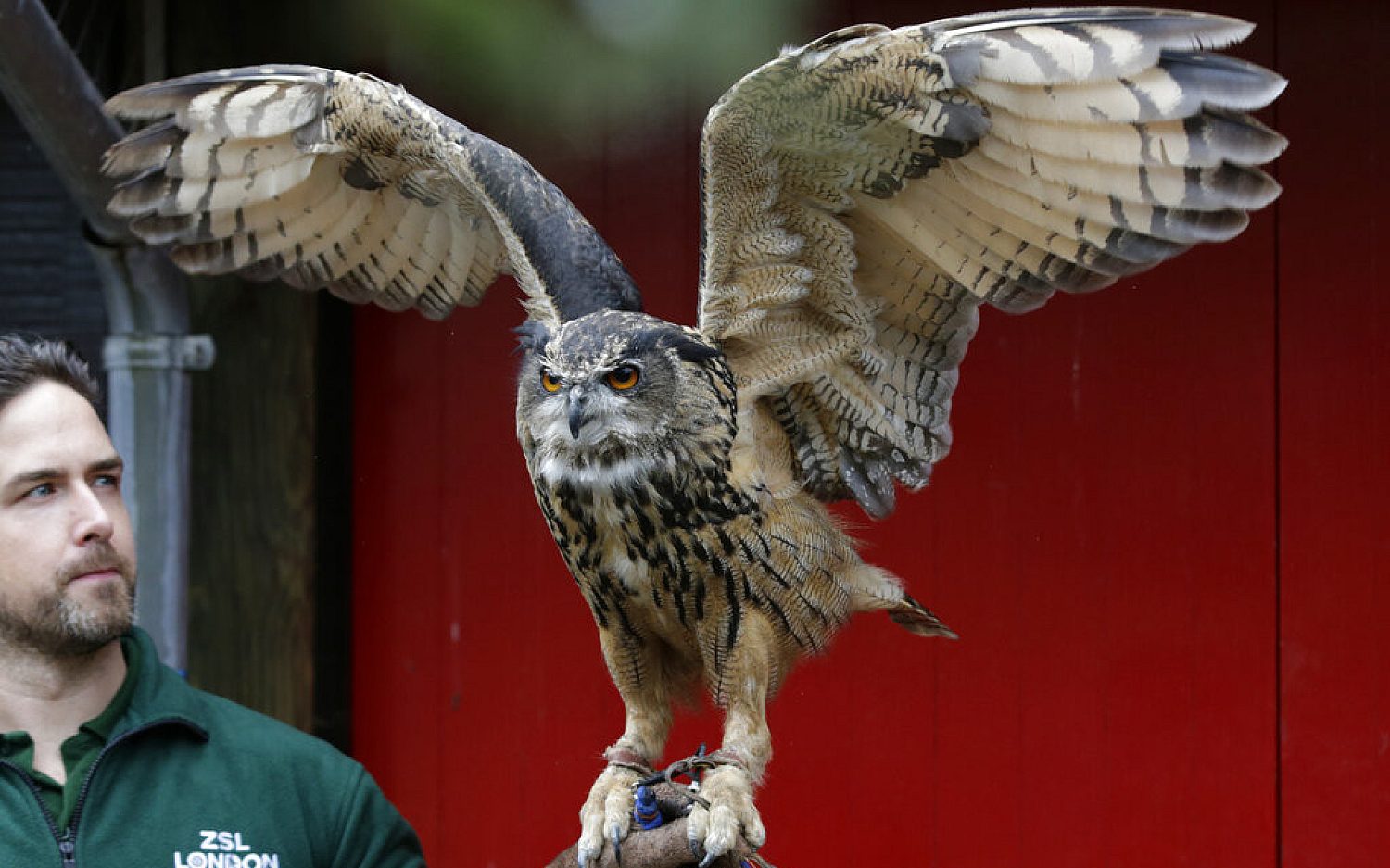
Inspiration: The structure and texture of owl feathers let the nocturnal birds hunt almost silently. The notched front edge chops the air. The silky trailing edge dulls sound more.
Use: Engineers made quieter propeller blades that copy the edges of owl feathers.
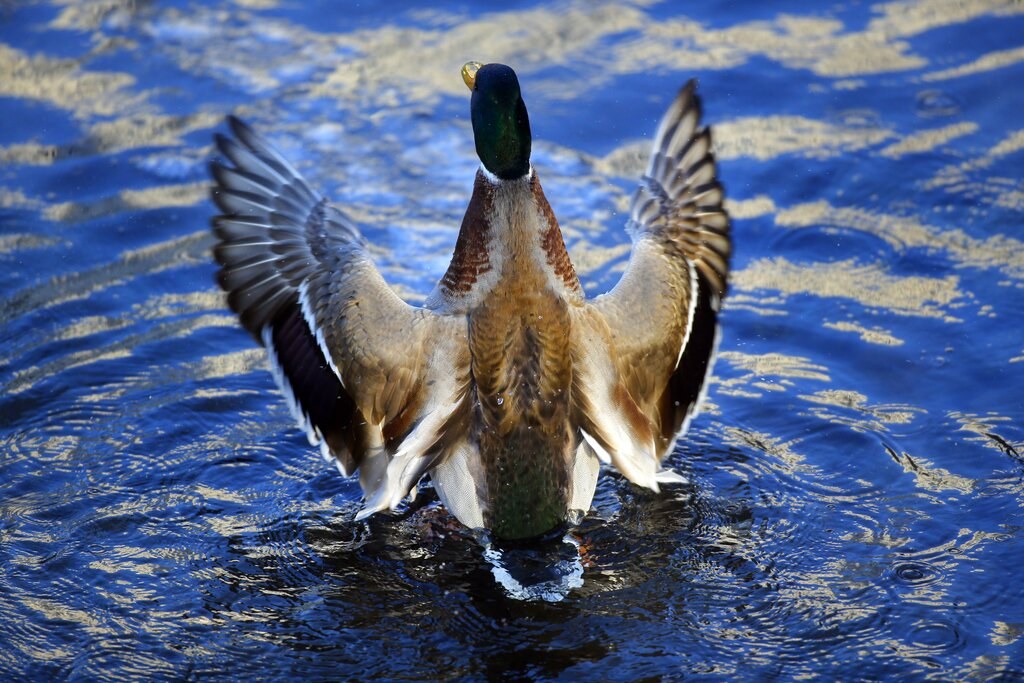
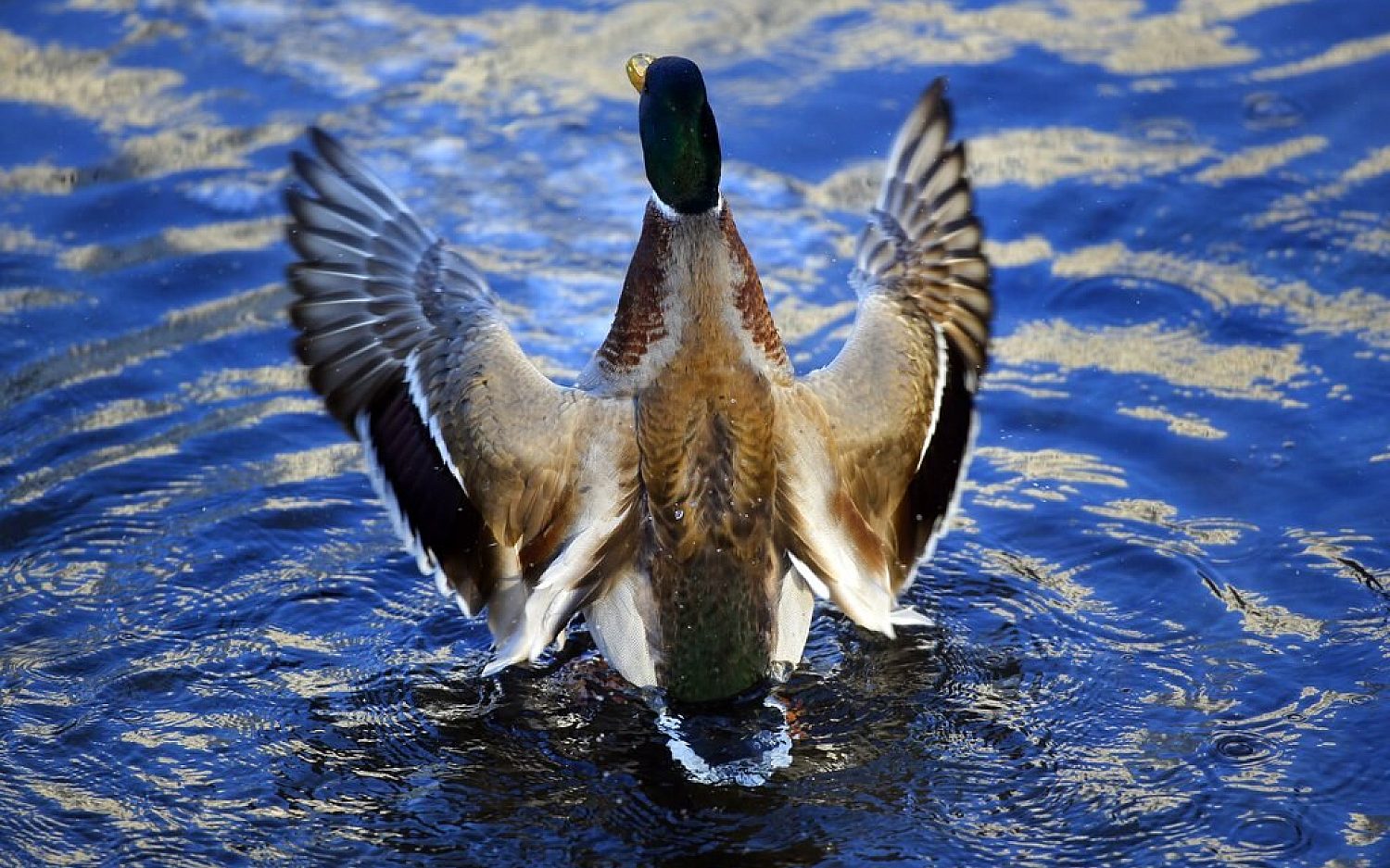
Inspiration: The tiny hooks (barbules) on duck feathers lock together. These, plus oil from the duck’s tail, keep ducks dry.
Use: Biologists studied duck feathers. They developed a food packaging film that keeps food fresh.