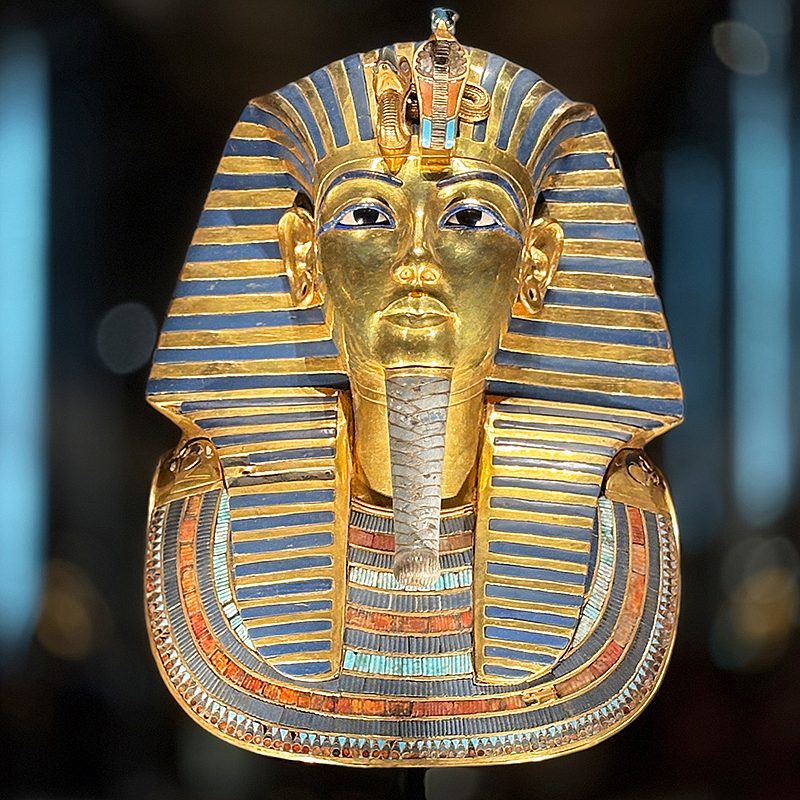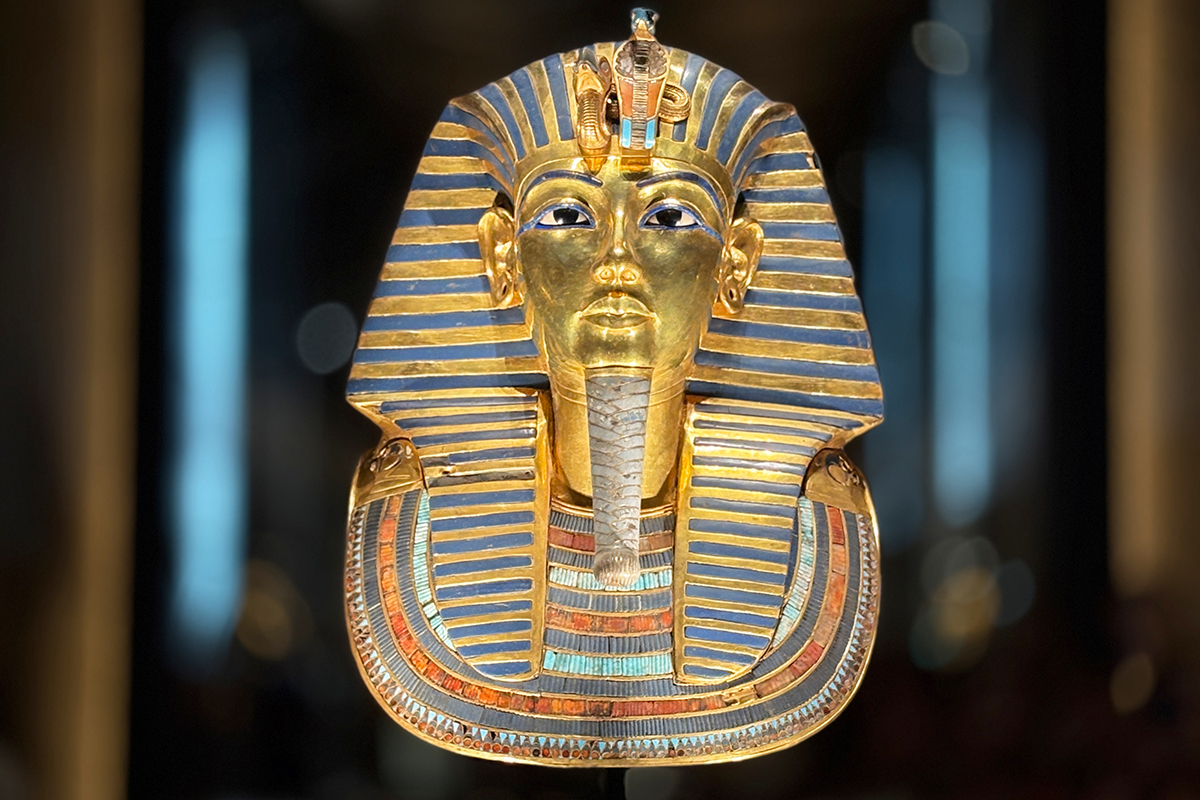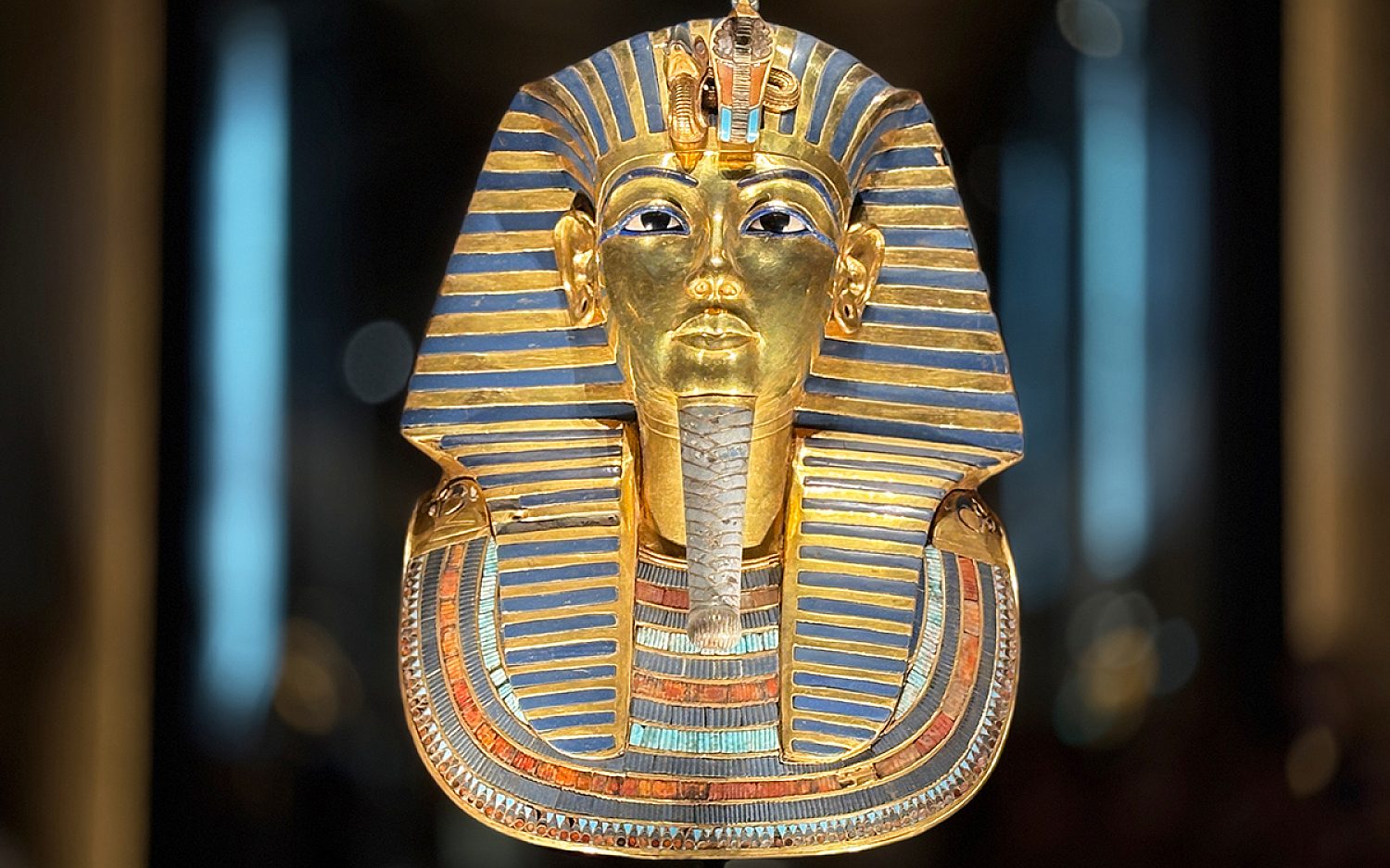
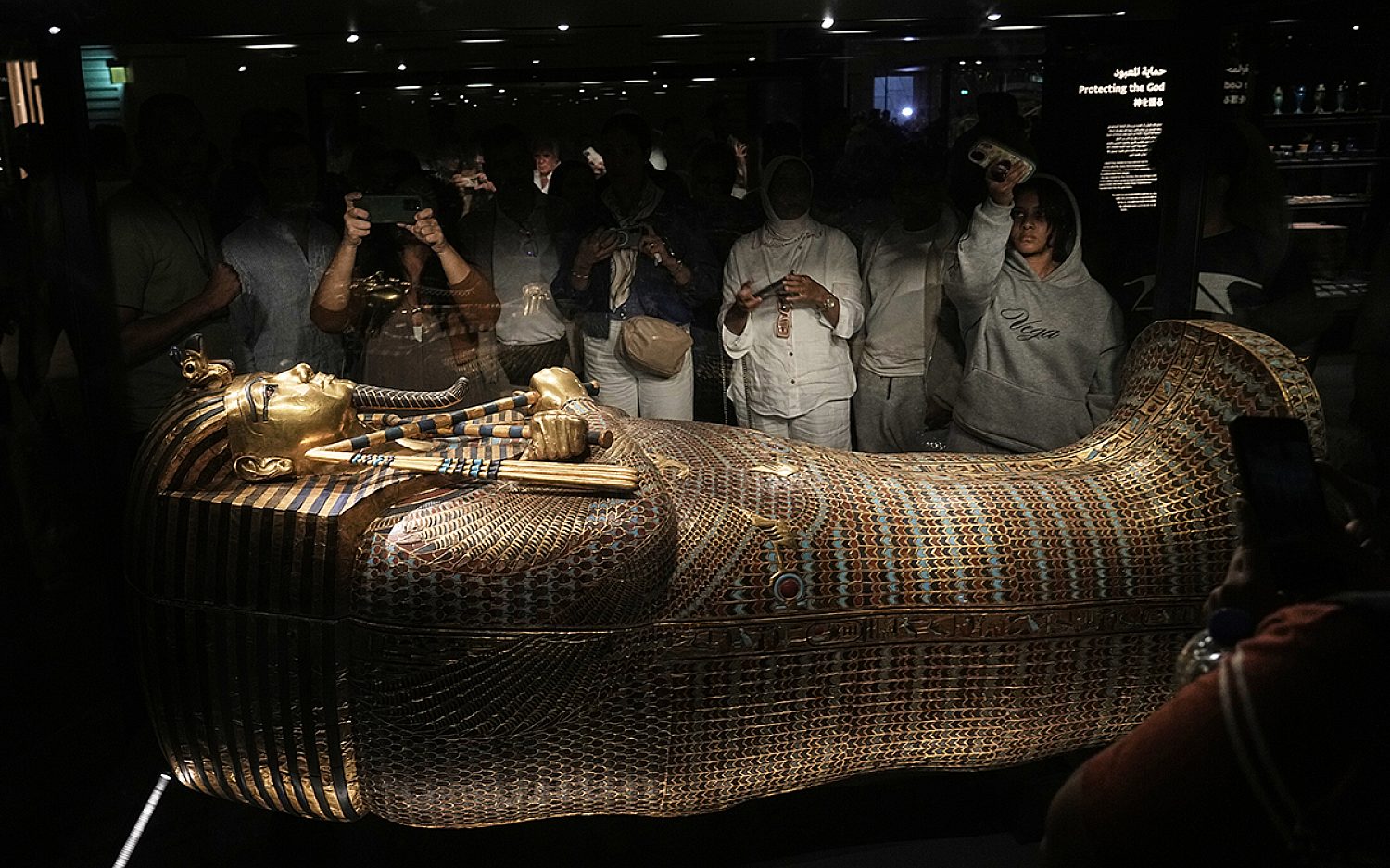

King Tut became pharaoh when he was about eight or nine years old. He lived to be about 19. That was more than 3,000 years ago. The “Boy King” was nearly forgotten. People didn’t find his treasure-stuffed tomb until around 1922.
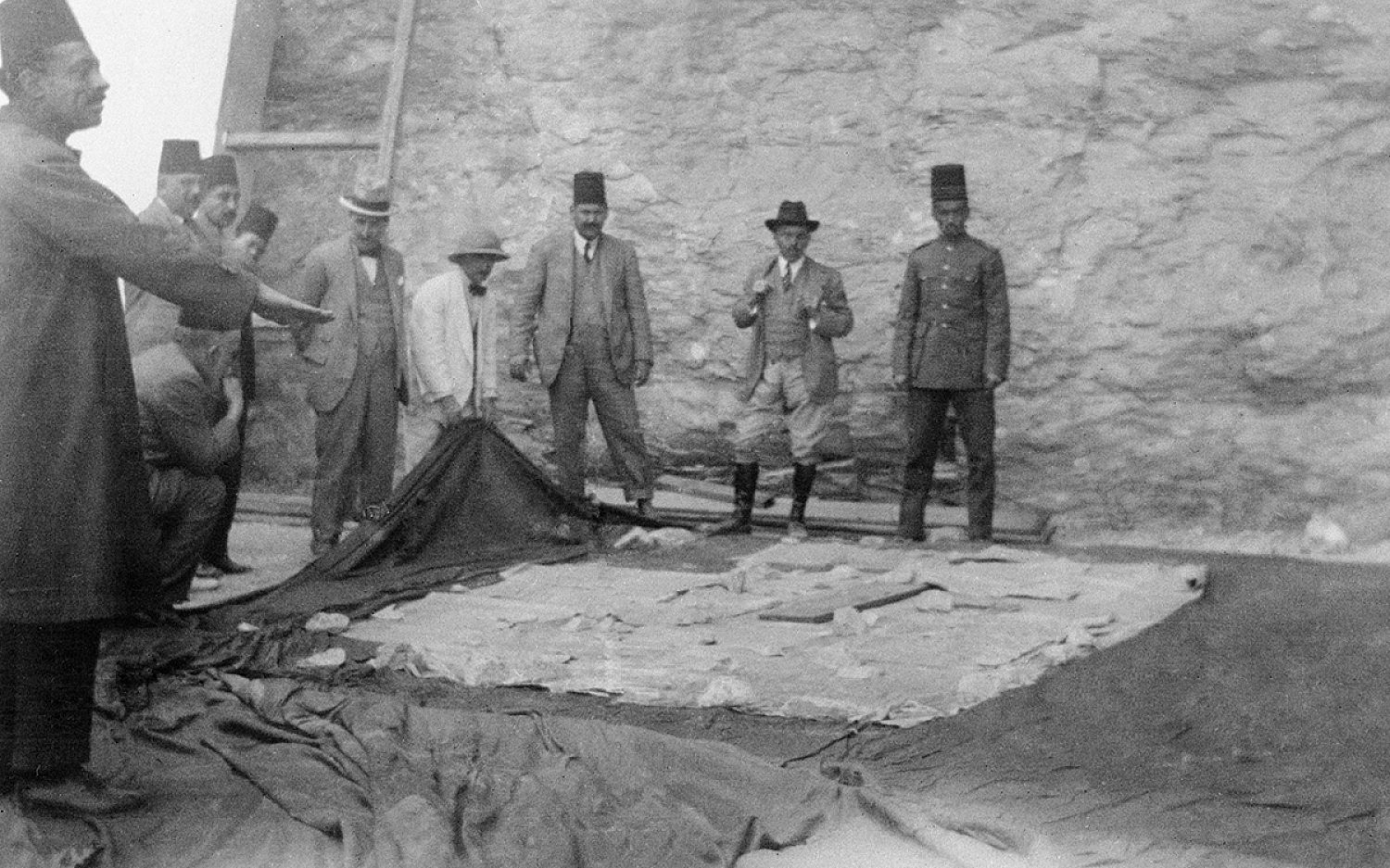
And guess who did the finding? According to some accounts, it was another boy! The boy was helping with an expedition in Egypt. He was just a water fetcher. But one day in November, he dug into the ground with a stick. His stick uncovered an important stone step. The step led to King Tut’s tomb.
British archaeologist Howard Carter stood nearby. Mr. Carter’s team excavated the tomb. Inside he found the treasure of a lifetime. Mr. Carter’s love for ancient Egypt caught on. It spread all over the world.
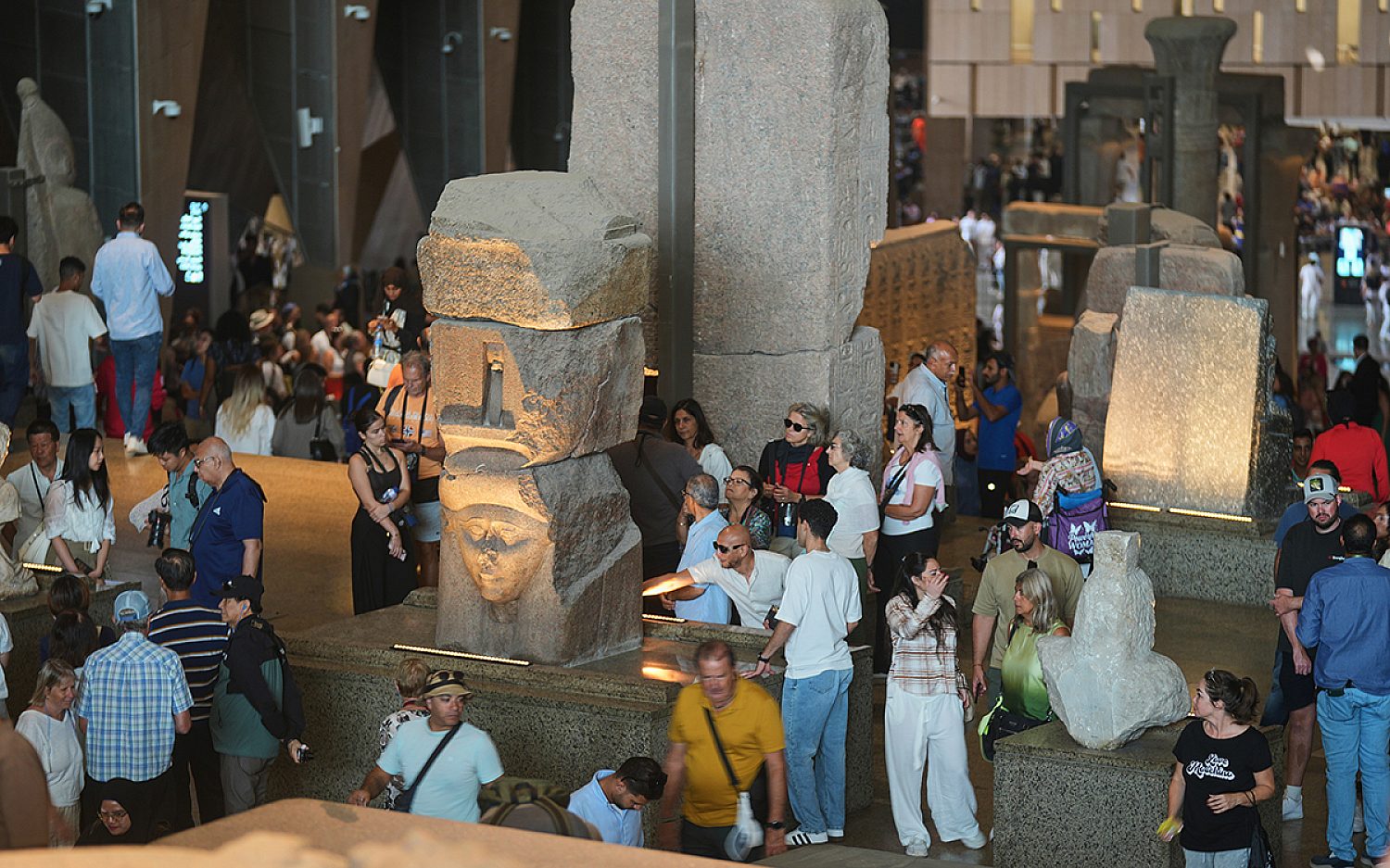
Though struggling financially today, Egypt is rich in artifacts. Almost too rich. Bejeweled tombs, pyramids, mummies, oh my!
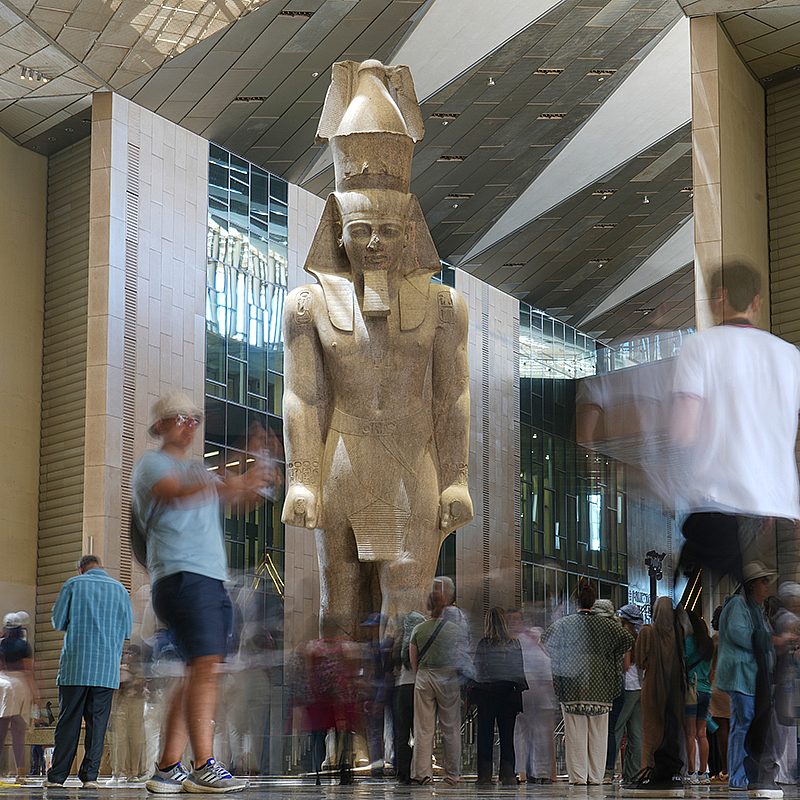
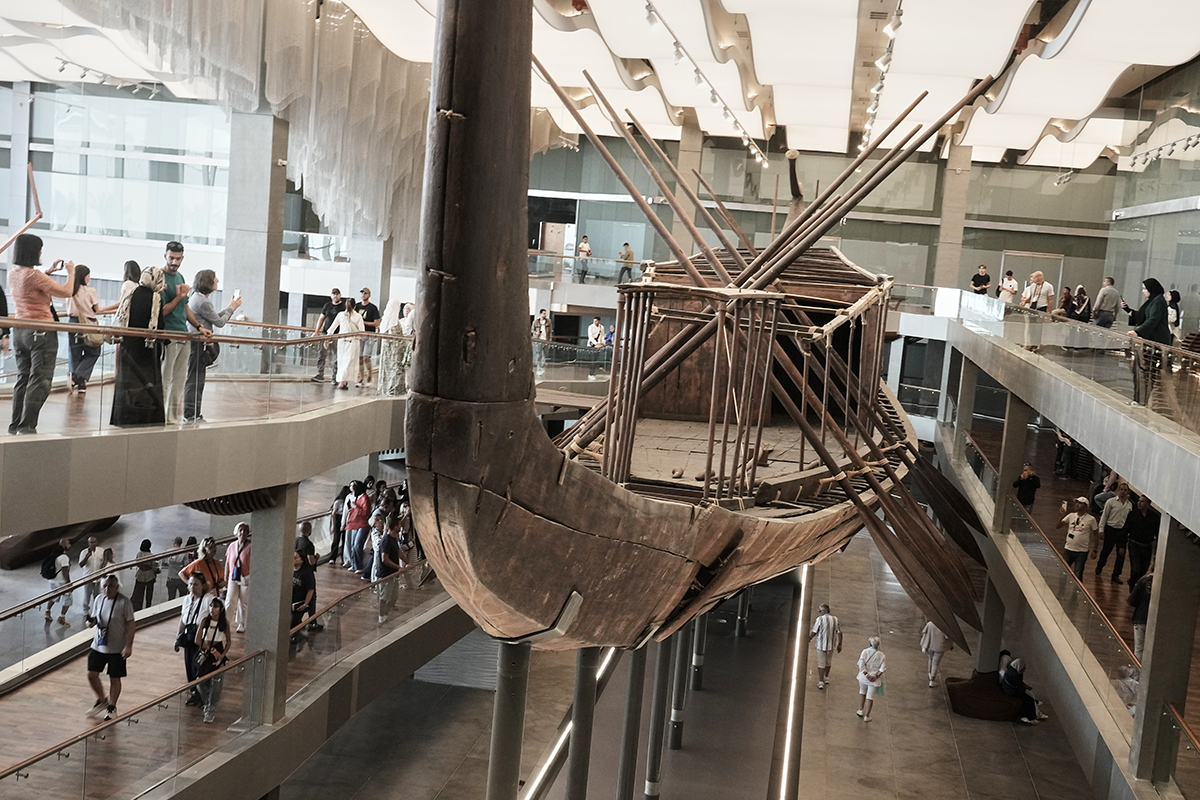
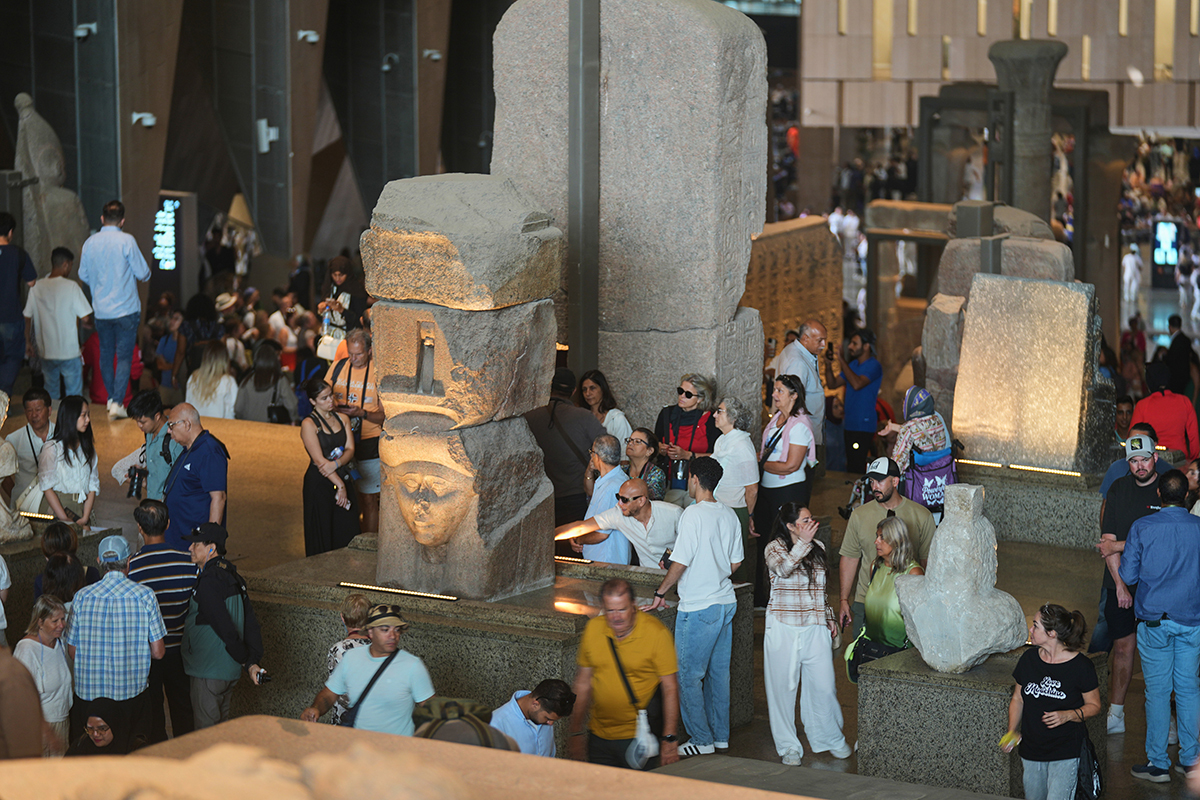
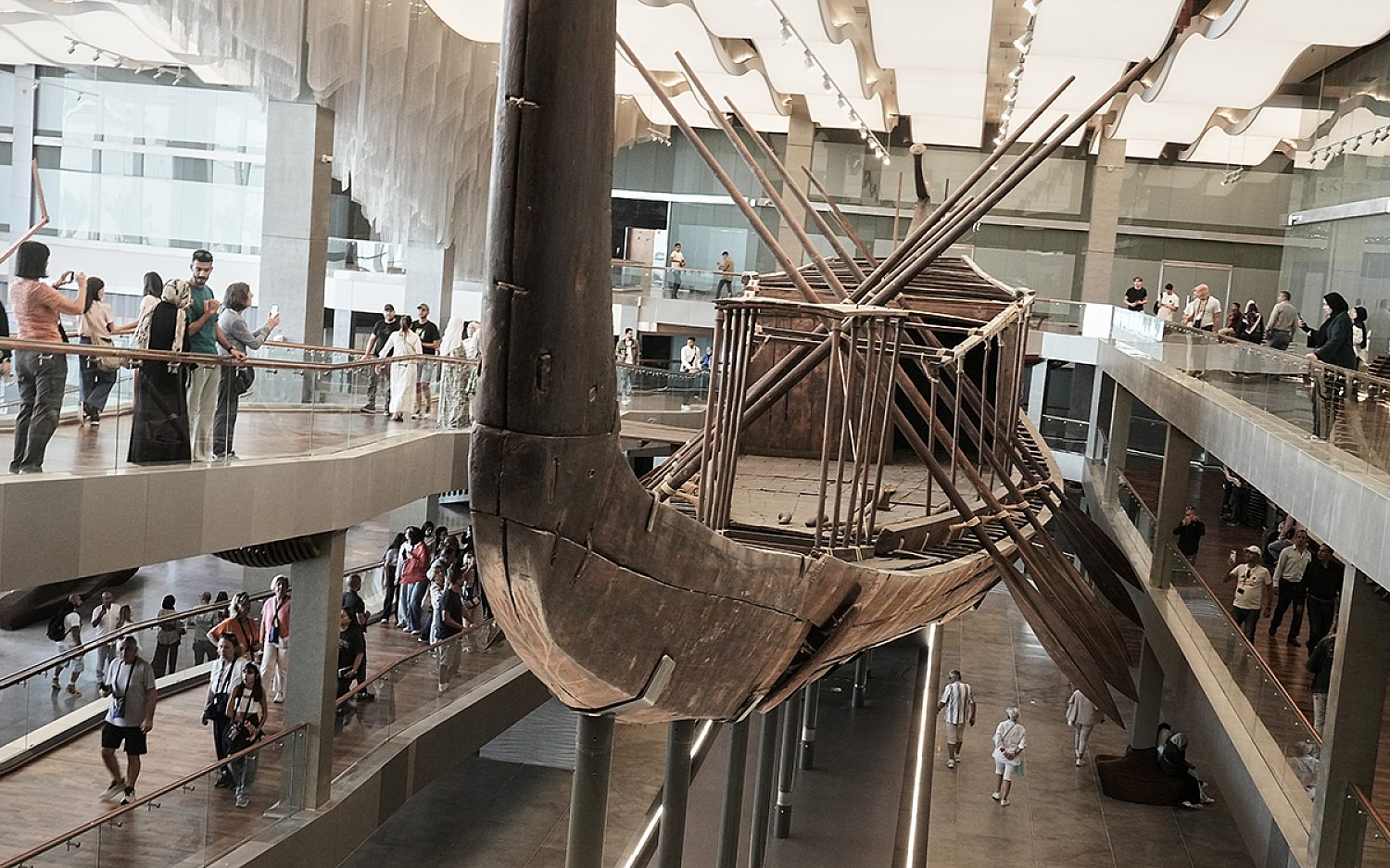
Museum workers have always struggled to display all the treasure—from tiny pieces of jewelry to gigantic pharaoh statues. And researchers regularly unearth more. People want to see the treasures. But the artifacts rightfully belong to Egypt—not to the foreigners who first dug them up.
Ancient objects make us think about how quickly time passes and how short our lives really are. Those thoughts can point us toward Jesus’ offer of eternal life. (Romans 6:23)
The World’s Busiest Museums
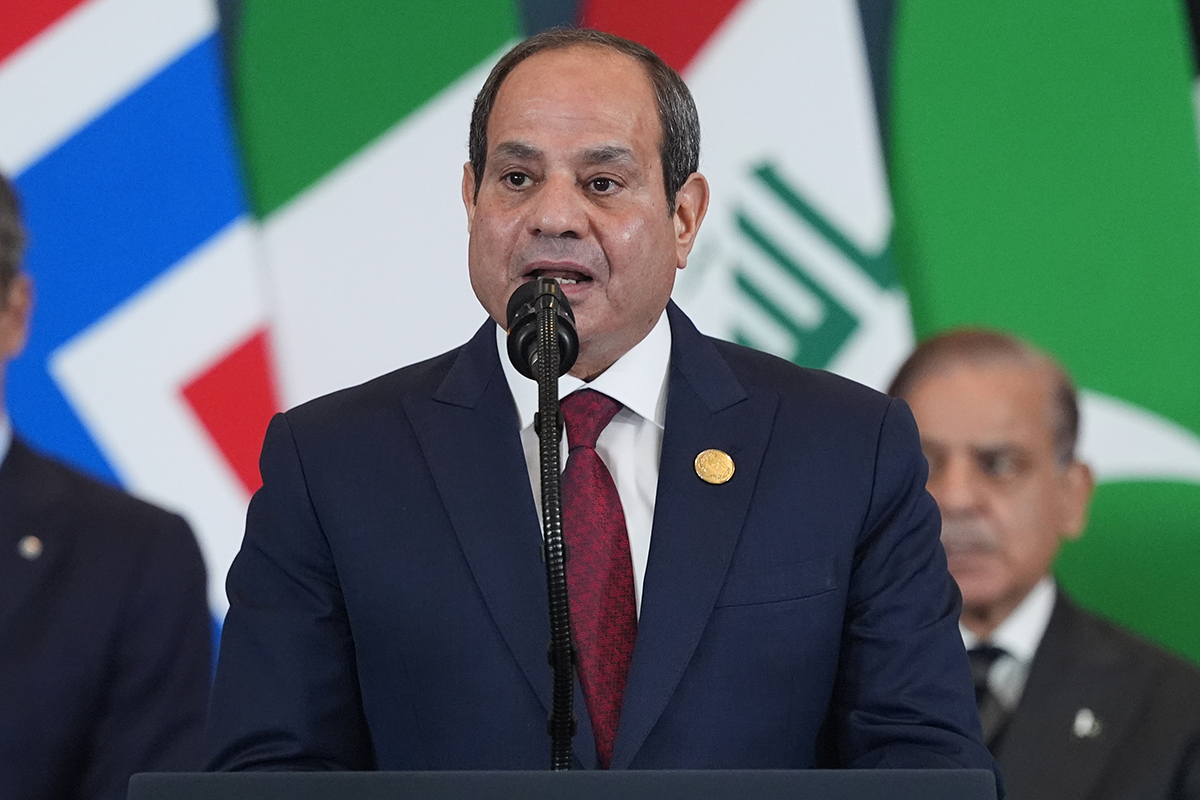
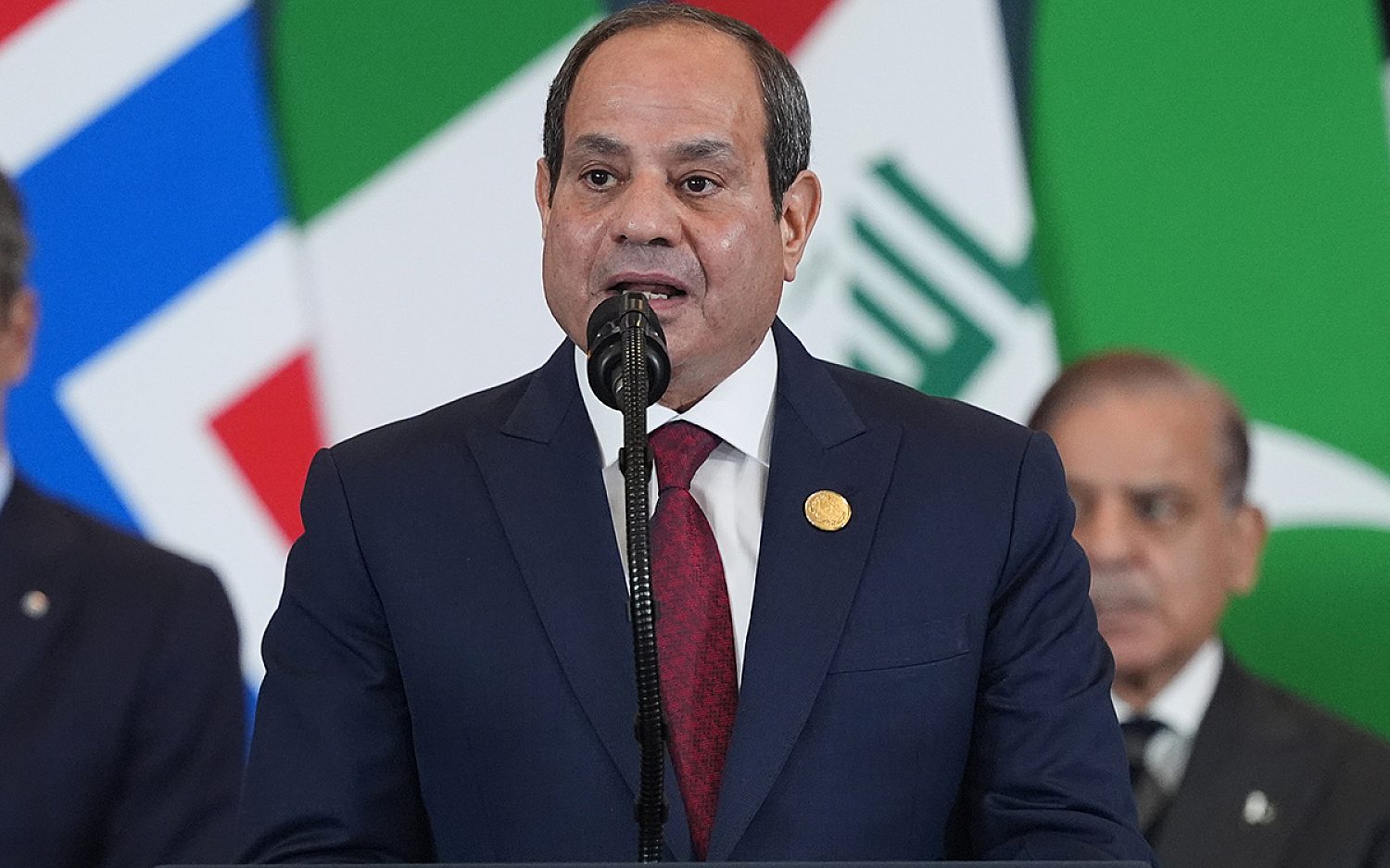
Abdel Fattah el-Sissi is Egypt’s president. He hopes GEM will bring money into the country.
As many as five million people might visit the Great Egyptian Museum each year. That, plus the 3,300-year-old Boy King, could mean at least some income for Egypt.
Experts say GEM could become one of the most popular museums in the world—joining the ranks of . . .
the Louvre (LOOhv) in Paris, France: 8.7 million visitors each year;
the British Museum in London, England: 6.5 million visitors each year;
the Metropolitan Museum of Art in New York City, New York: 5.7 million visitors each year.
Recommended Reading: For more about Egyptian history, read 1,000 Facts about Ancient Egypt by Nancy Honovich.