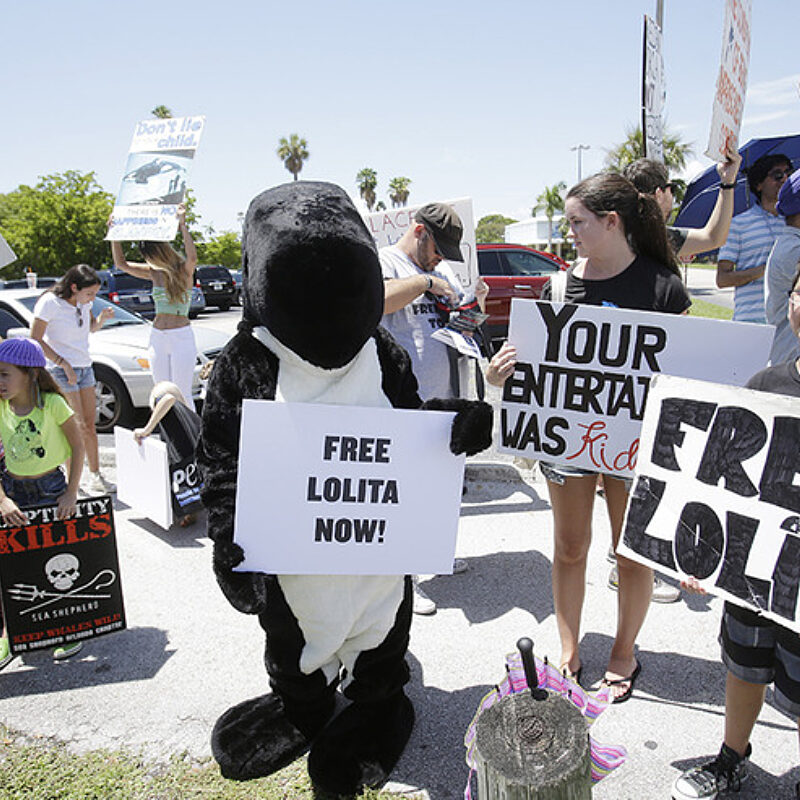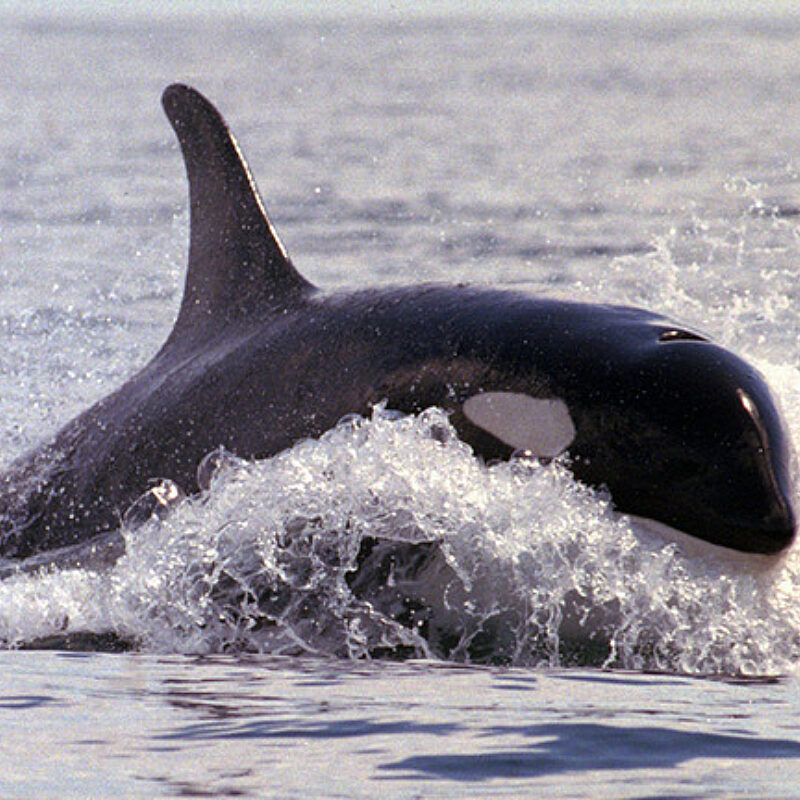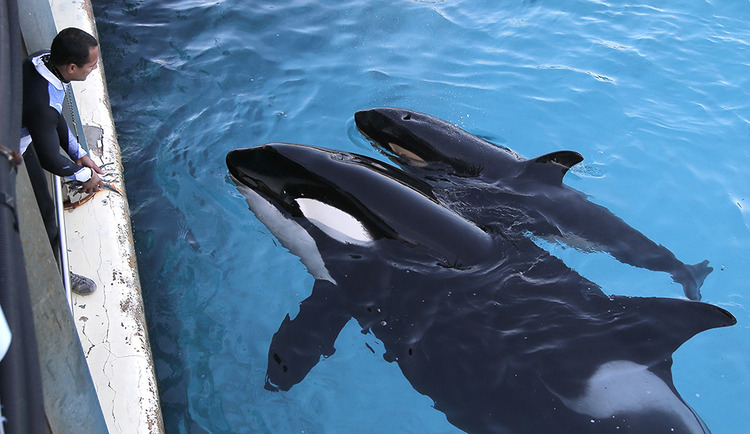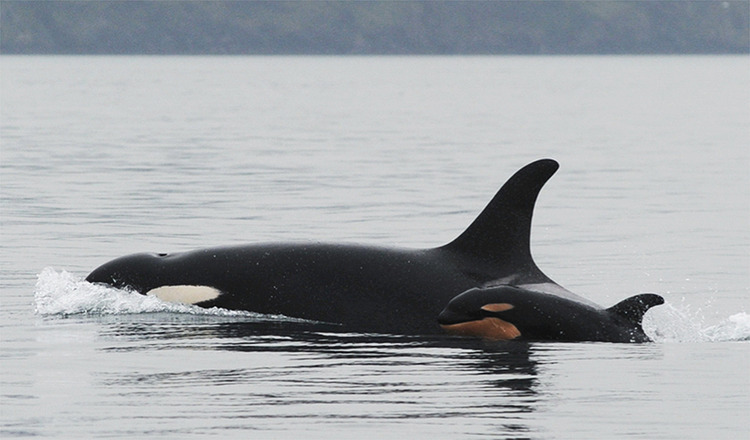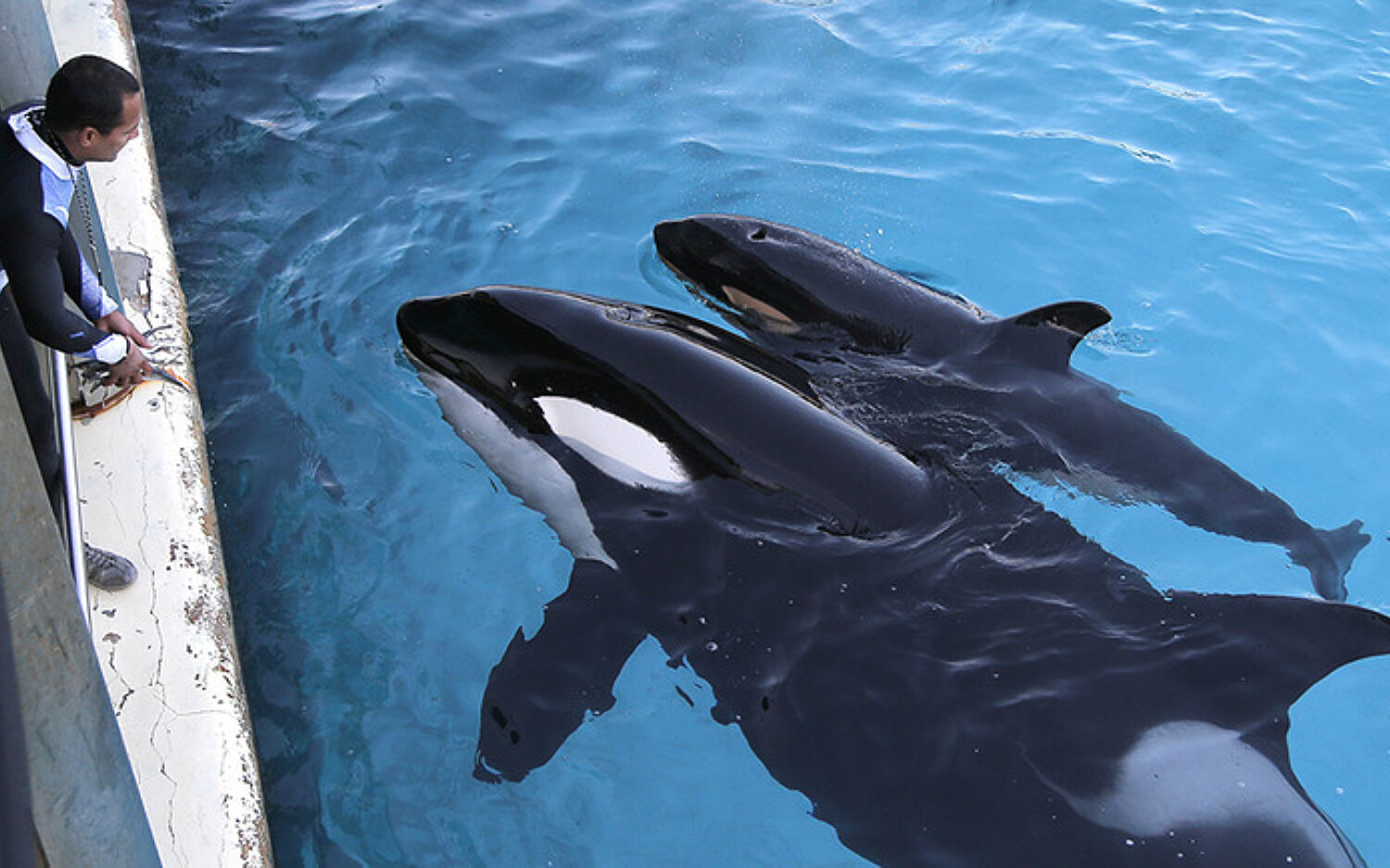
Lolita isn’t the only whale with a story about moving from the wild to an aquarium. The same thing happened to a whale named Corky. Corky came from the waters of Canada. She was captured just a year before Lolita.
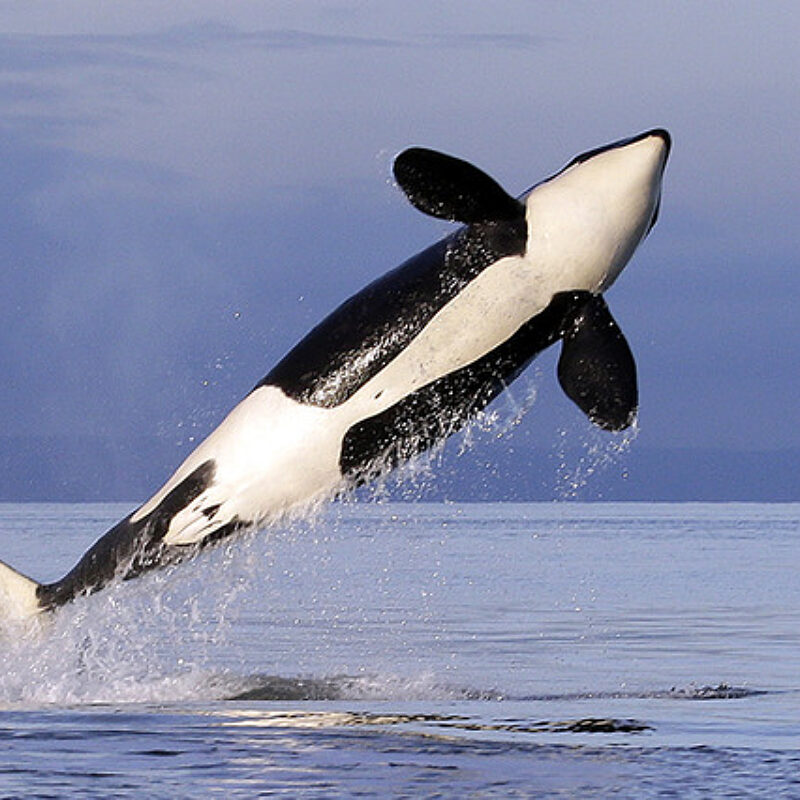
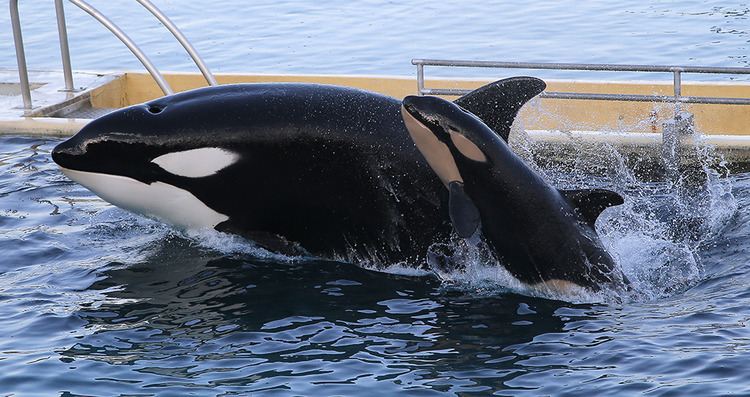
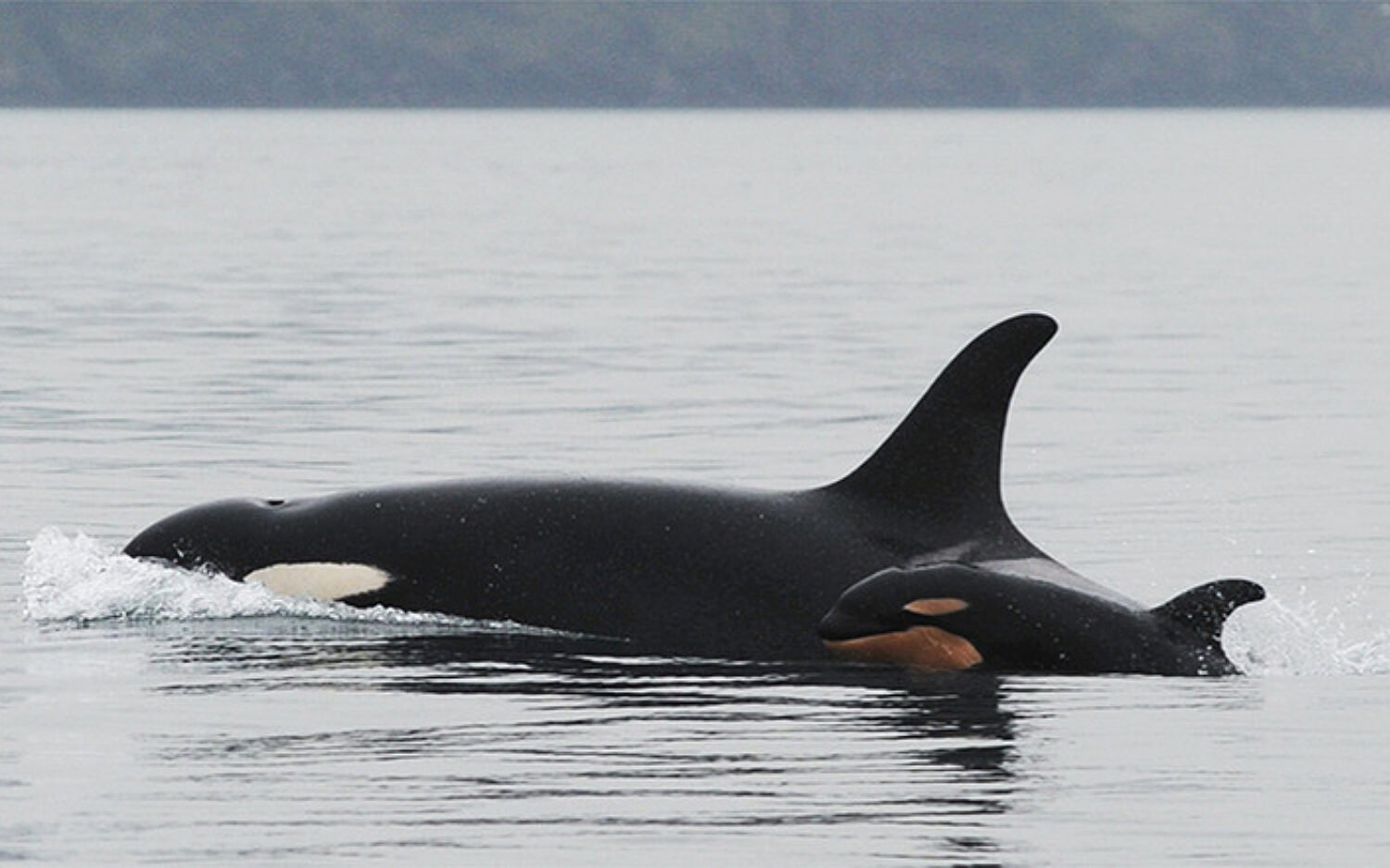
With the passing of time, people have learned something. Capturing whales puts the animals in serious danger. Some aquariums like Seaworld have decided to get whales another way. They breed them. That way, whale babies are born in the aquarium. They never live in the ocean at all.
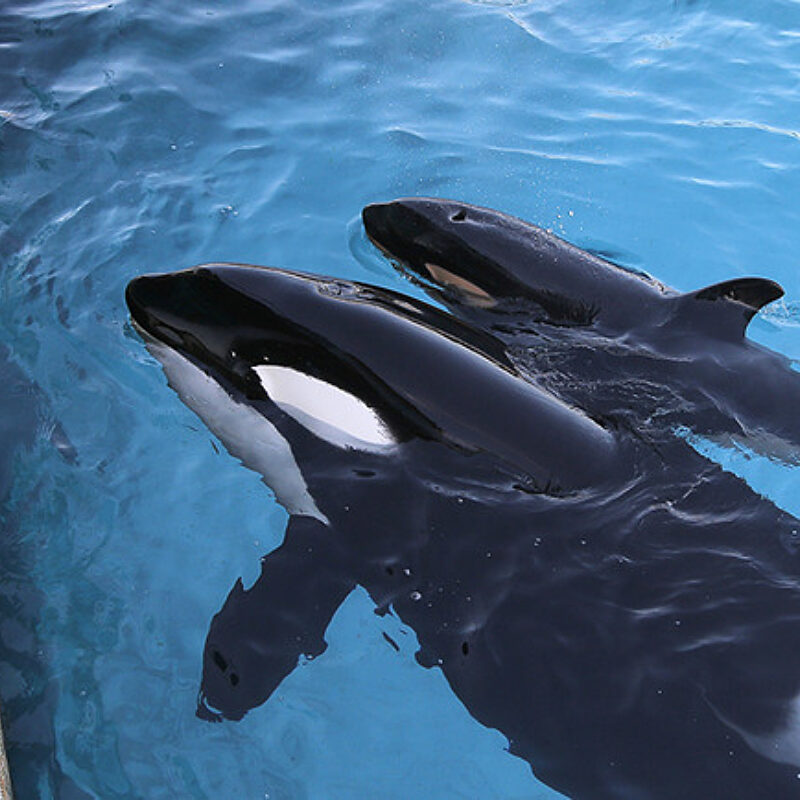
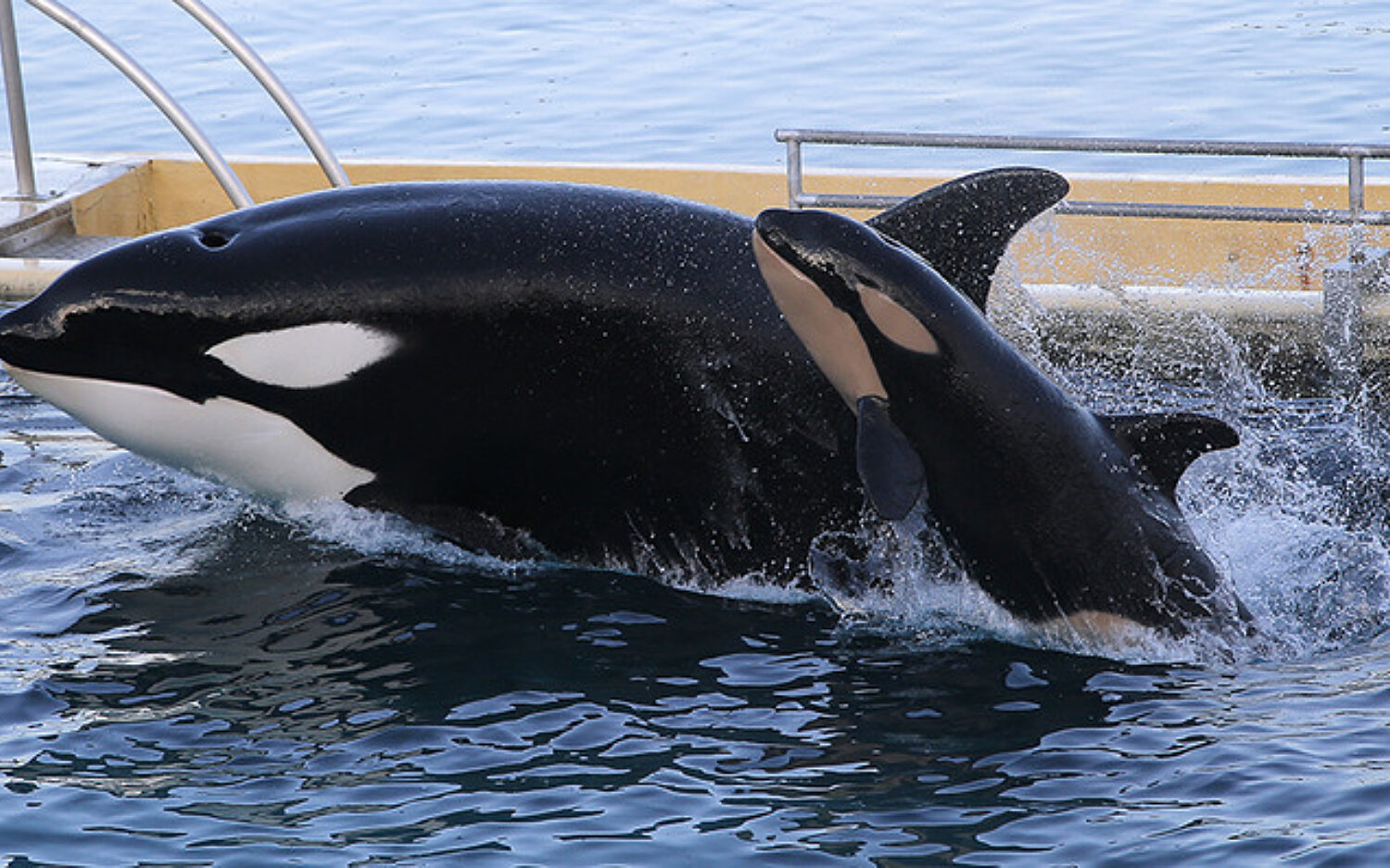
Corky’s first calf wasn’t born in the ocean. He was born in a tank. No other baby whale had been born in captivity before. Sadly, the calf lived for only 16 days. Over the years, Corky has had six other calves. None of them survived long after birth, either. Why? Many believe it’s because aquariums are not healthy places for whales to live.
But many whales have survived birth in captivity. Some may even have done well living in tanks. Workers at Seaworld, the park where Corky lives, haven’t captured a killer whale from the wild in 35 years. They claim to keep baby whales with their mothers. They also say they give the whales exercise—in body and mind.
Not everyone believes Seaworld’s claims. And even if they are true, Seaworld’s opponents wish whales could just stay in the ocean. They ask, isn’t that better than living in a tank?