
What’s your ultimate “comfort food”? Comfort food is usually simple, satisfying, and inexpensive. Mashed potatoes? Macaroni and cheese? Homemade bread with butter? Those foods check all three boxes.
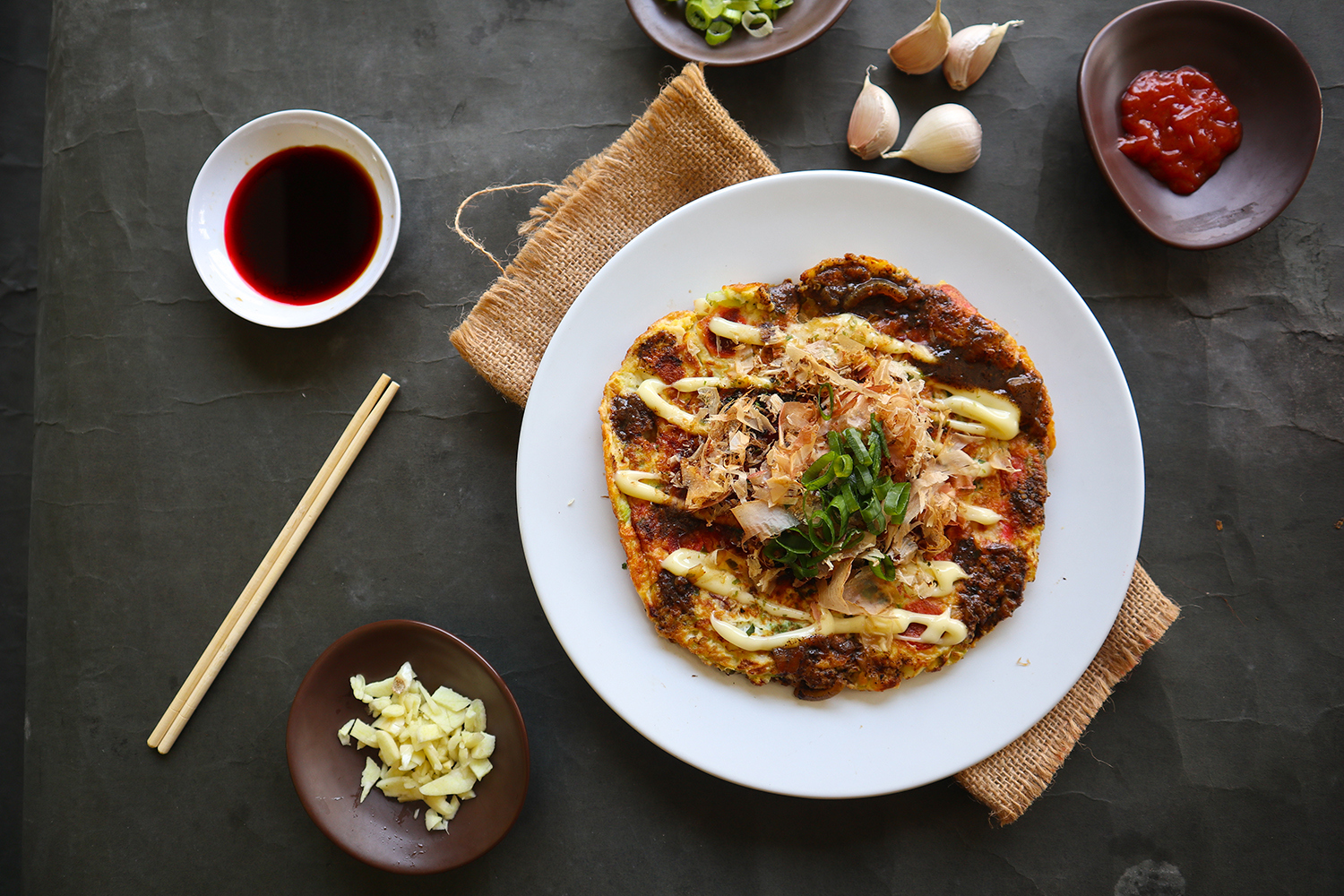
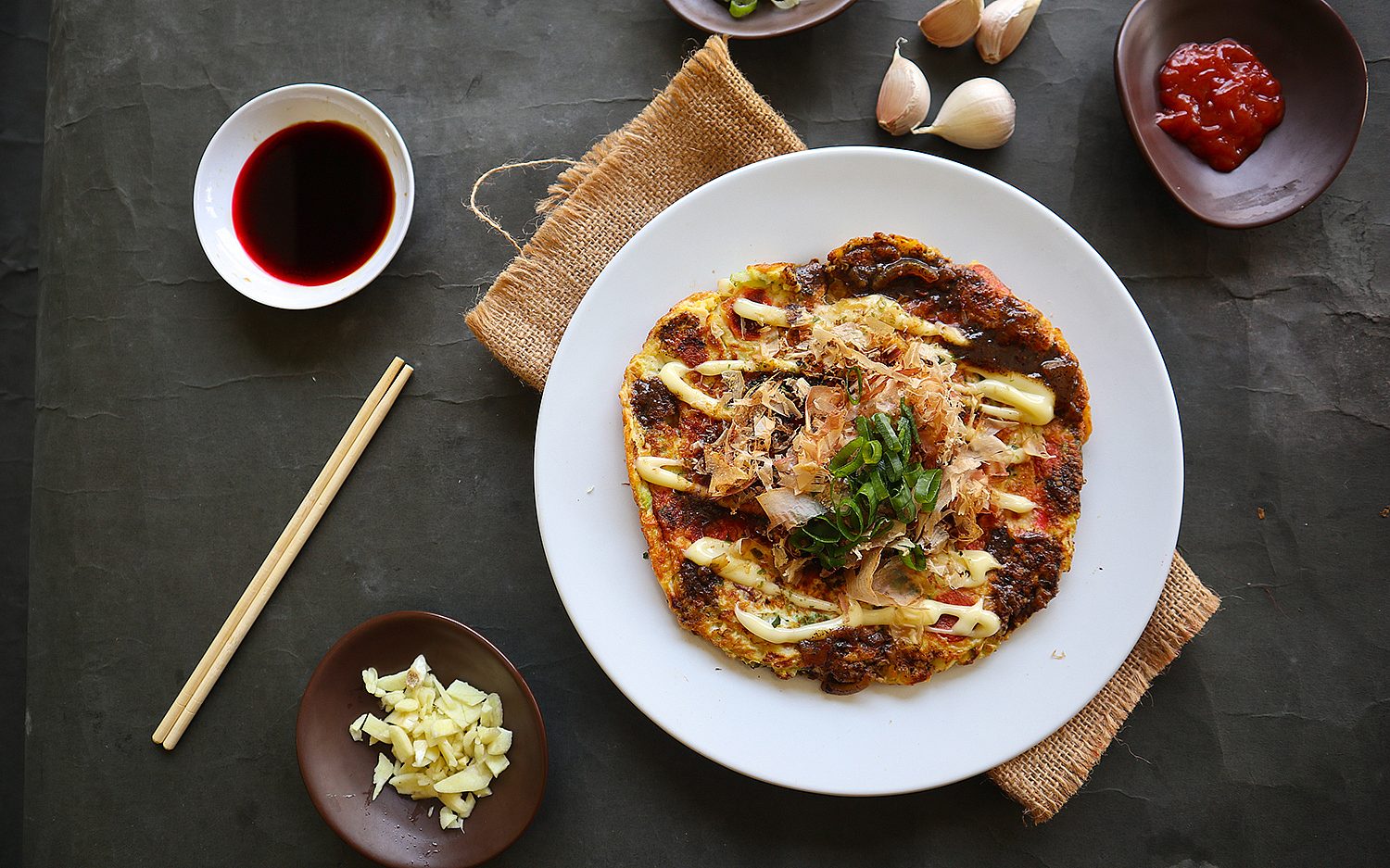
People living in other parts of the world likely have different comfort foods than you do, of course. For Kirina Mochizuki, comfort food is okonomiyaki. These savory pancakes are a favorite in her home country, Japan. Are they simple? Check. Satisfying? Check? Inexpensive? Well . . . not anymore.
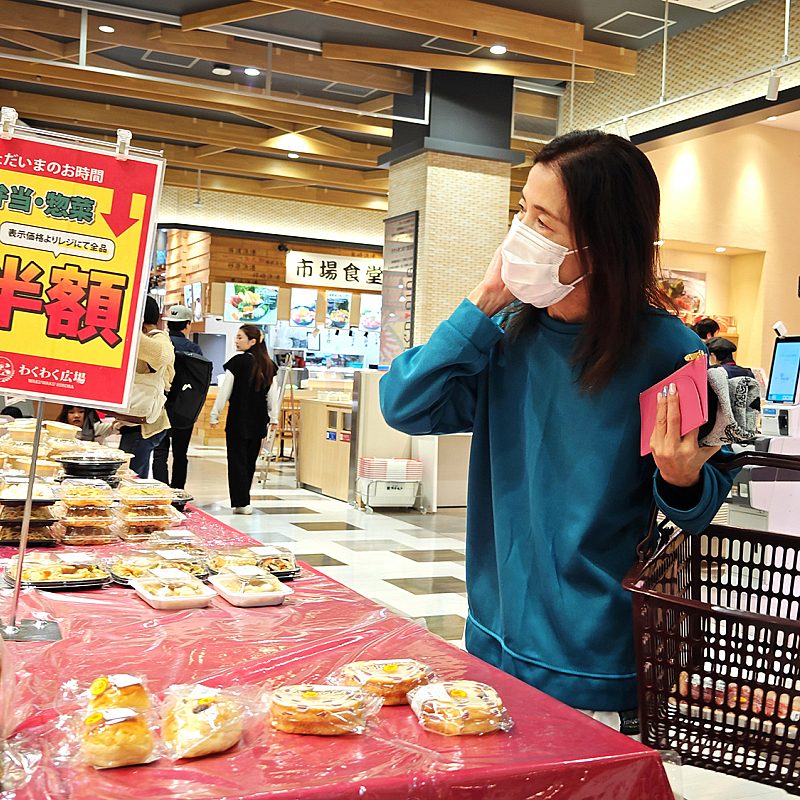
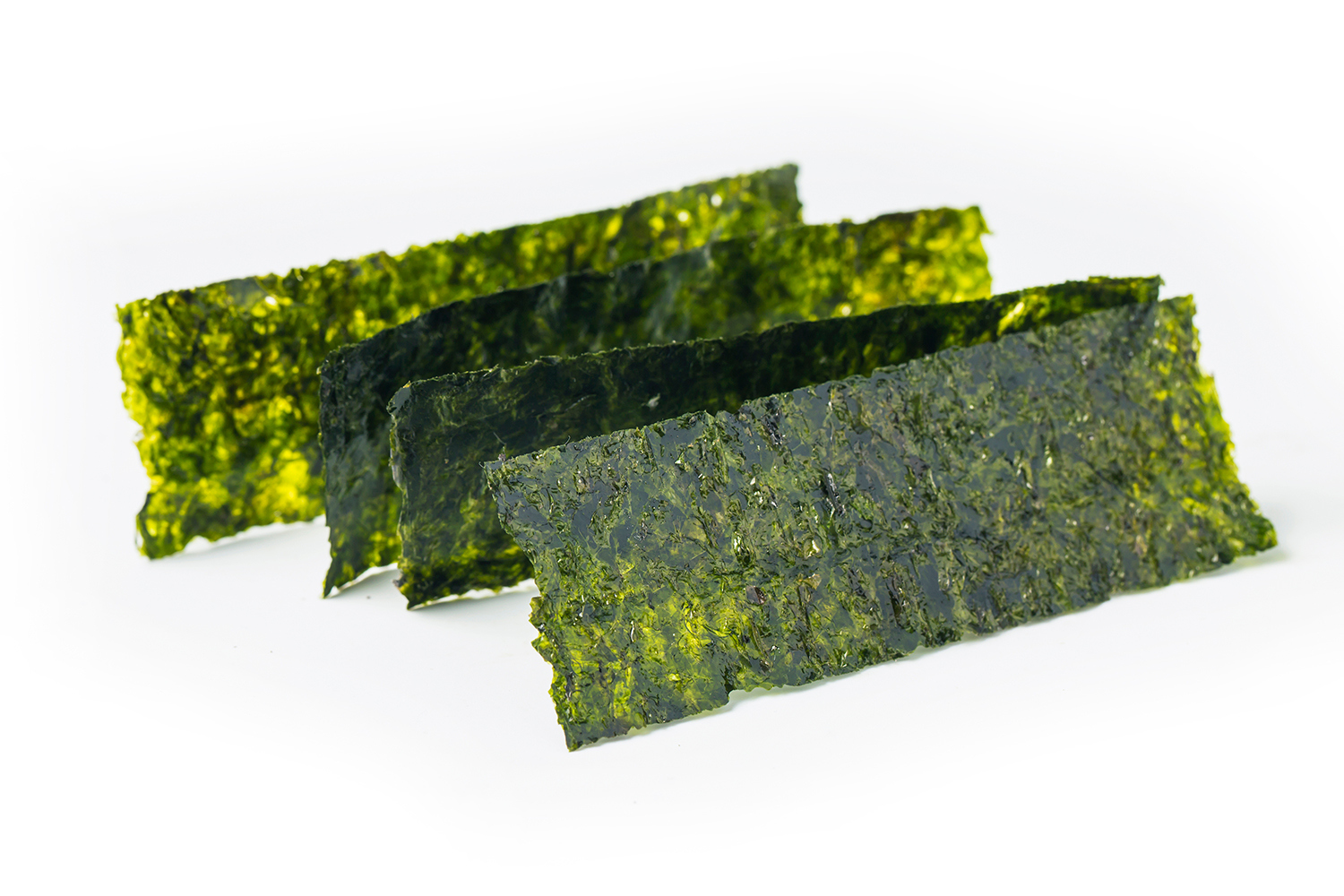
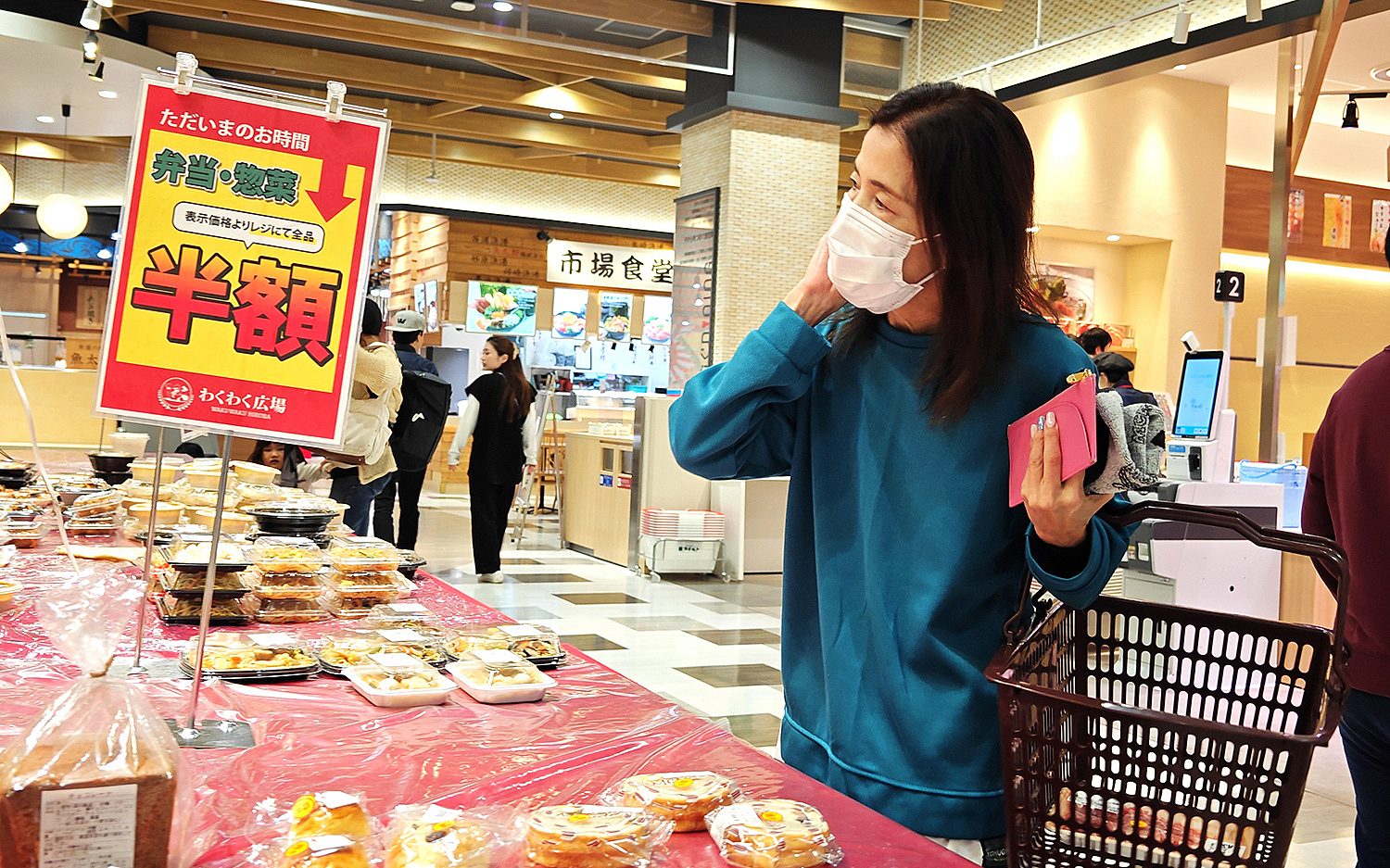
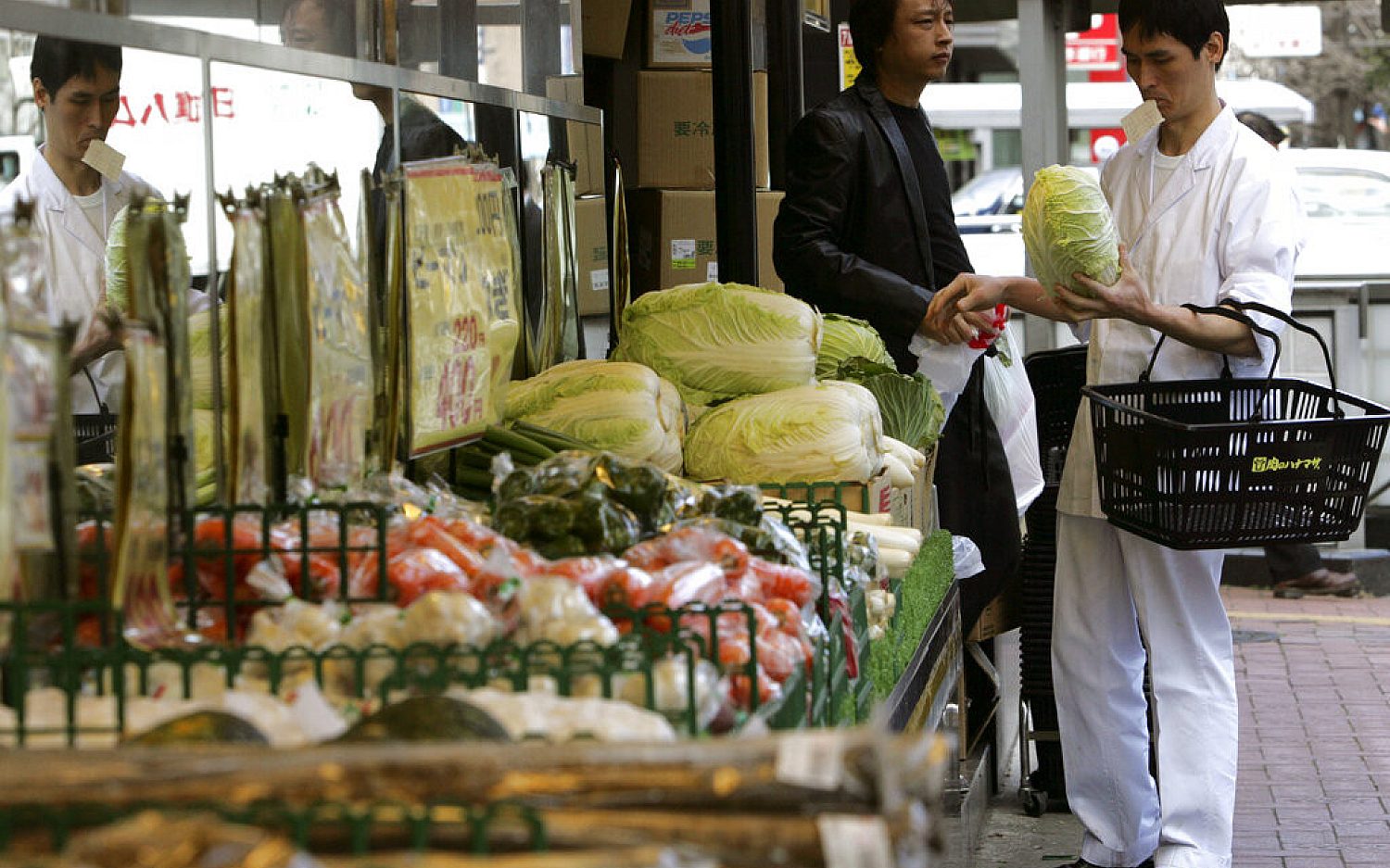
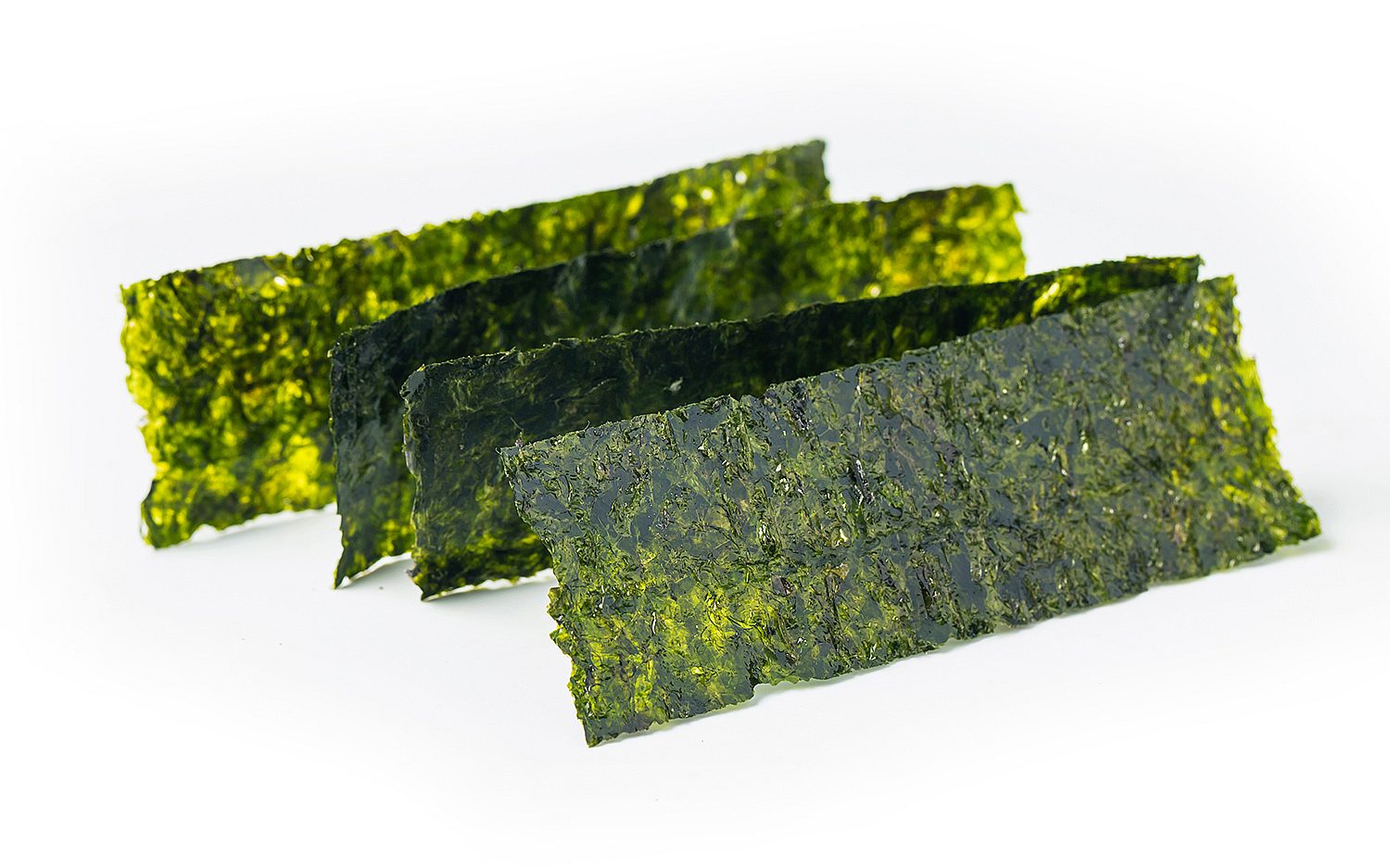
That’s because the price of cabbage—a key ingredient—has tripled in Japan. Ms. Mochizuki makes daily trips to the supermarket in search of discounted produce. If she can’t find cabbage for a good price, she resorts to using dried seaweed.
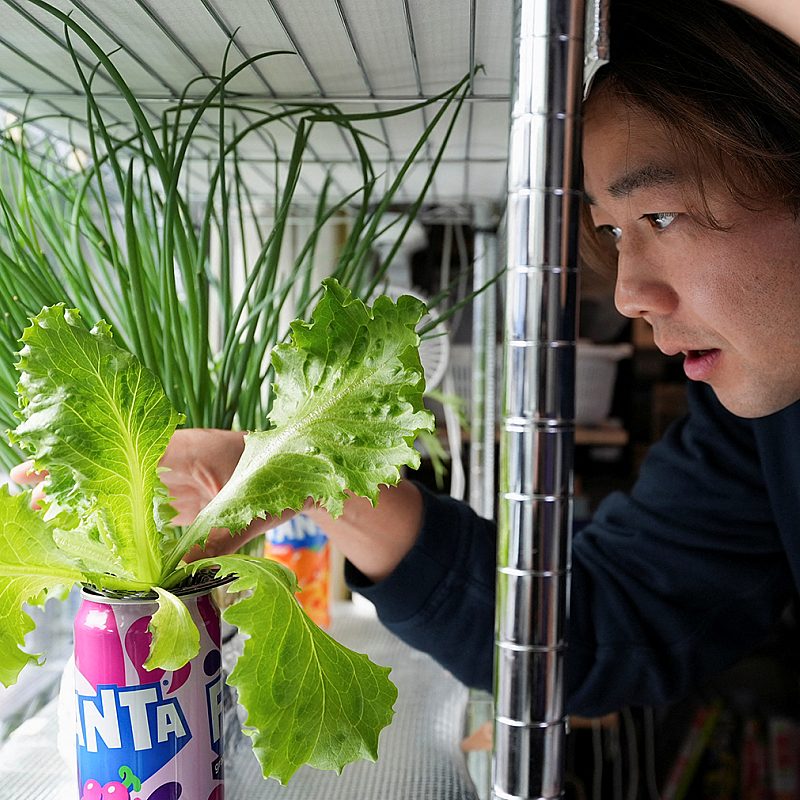
“I never imagined that okonomiyaki would become a delicacy,” she says. She also says she has started re-growing leeks (green onions) in a glass of water using the part people usually throw away—the root base.
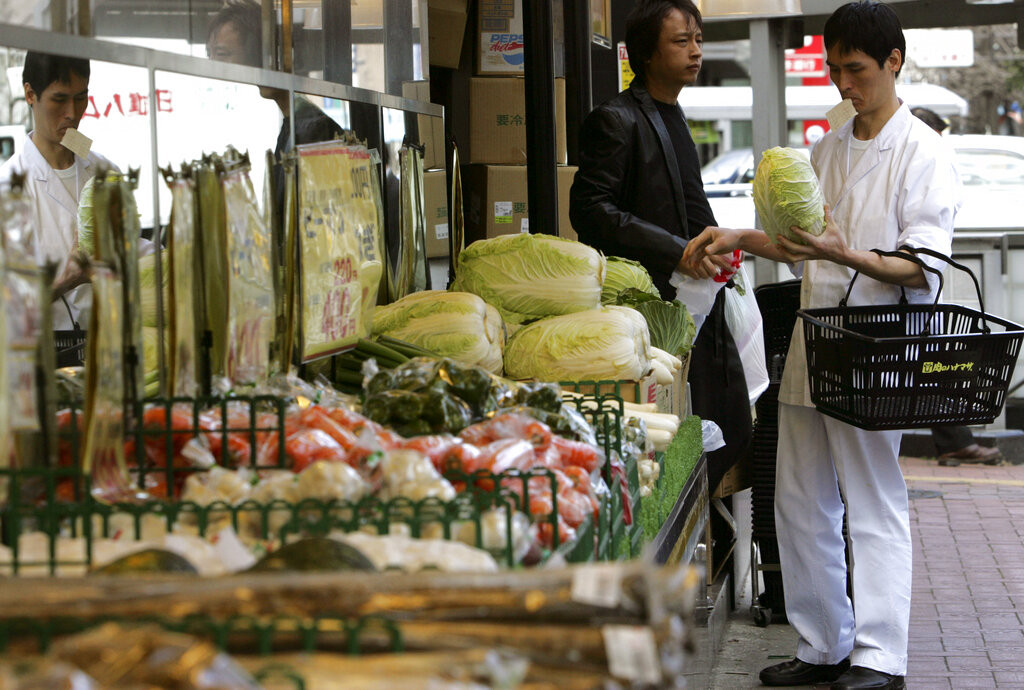
She’s not alone in her struggle. Food in Japan has gotten more expensive than it has been for the last 40 years. The price of a head of cabbage has reached 1,000 yen in Tokyo. (That’s about $6.43 in American money.) A worker in Japan might earn that much in one hour of work. Would you work for a whole hour for a cabbage?
Rice costs more than usual too. As crop prices rise, Japanese people eat fewer vegetables.
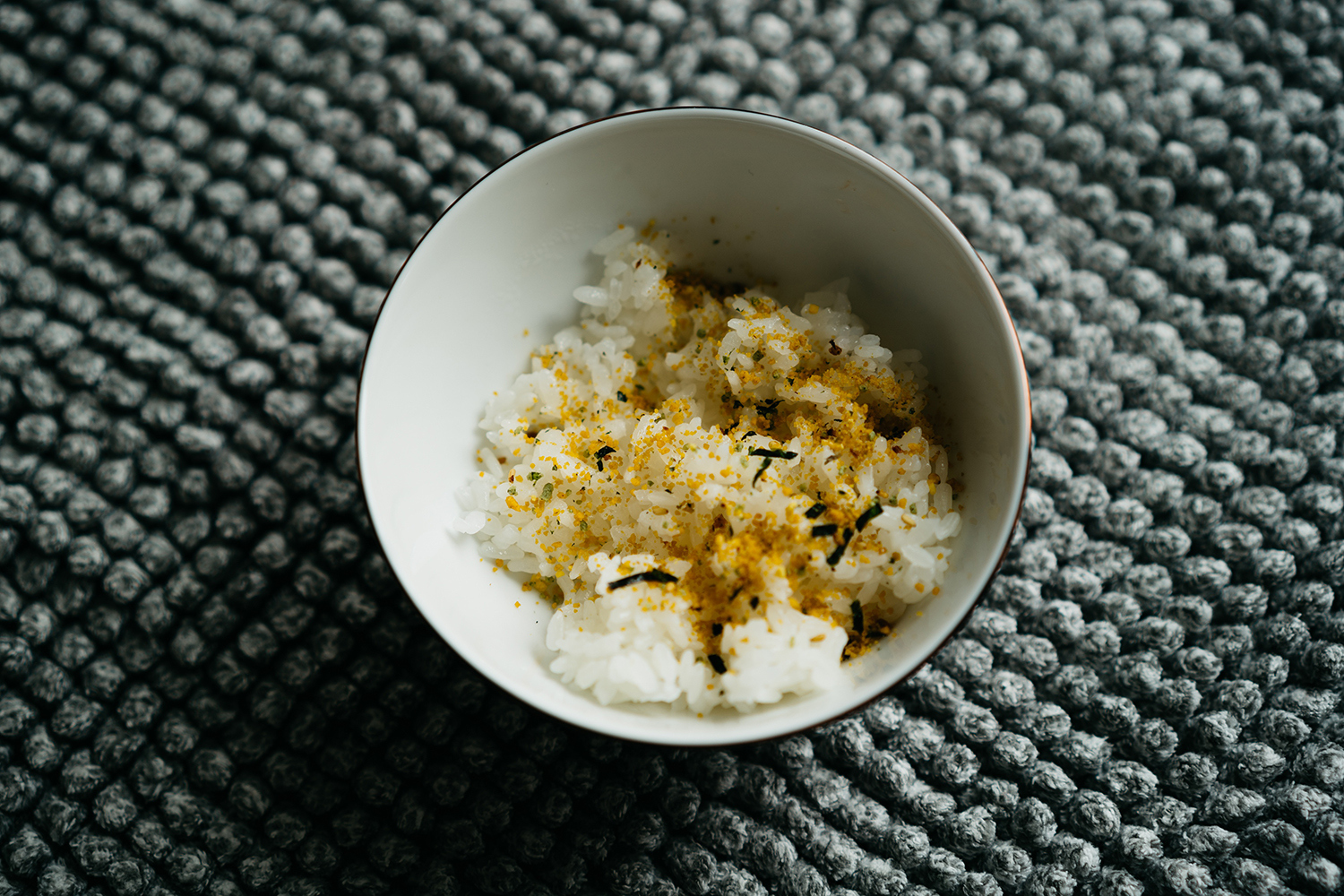
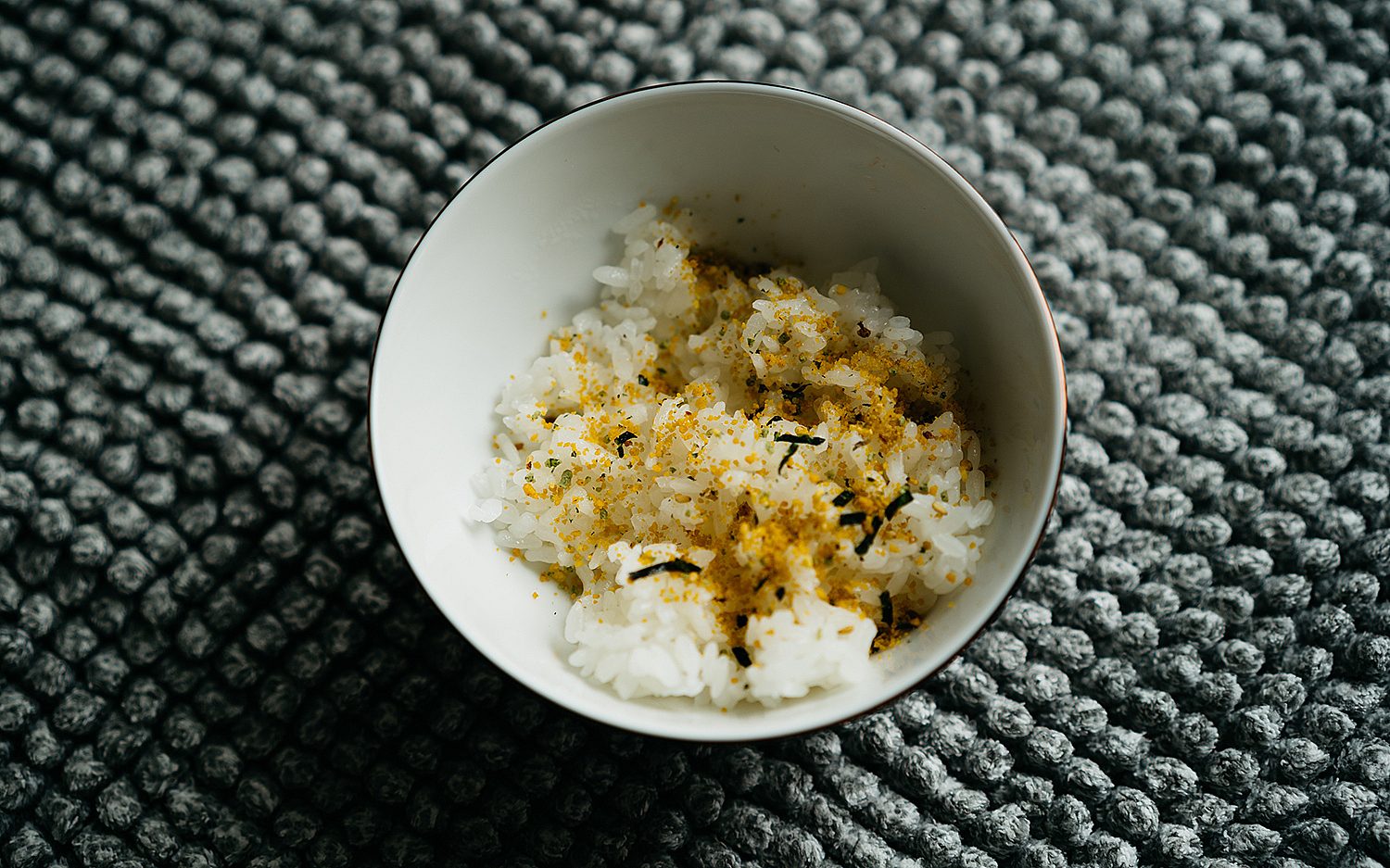
What do they eat instead? Furikake. That is a dish made of dried condiments sprinkled on rice. This dish replaces other usual fare on Japanese dinner tables.
Why? When times get tough, people use their God-given creativity to fill their needs in new ways.