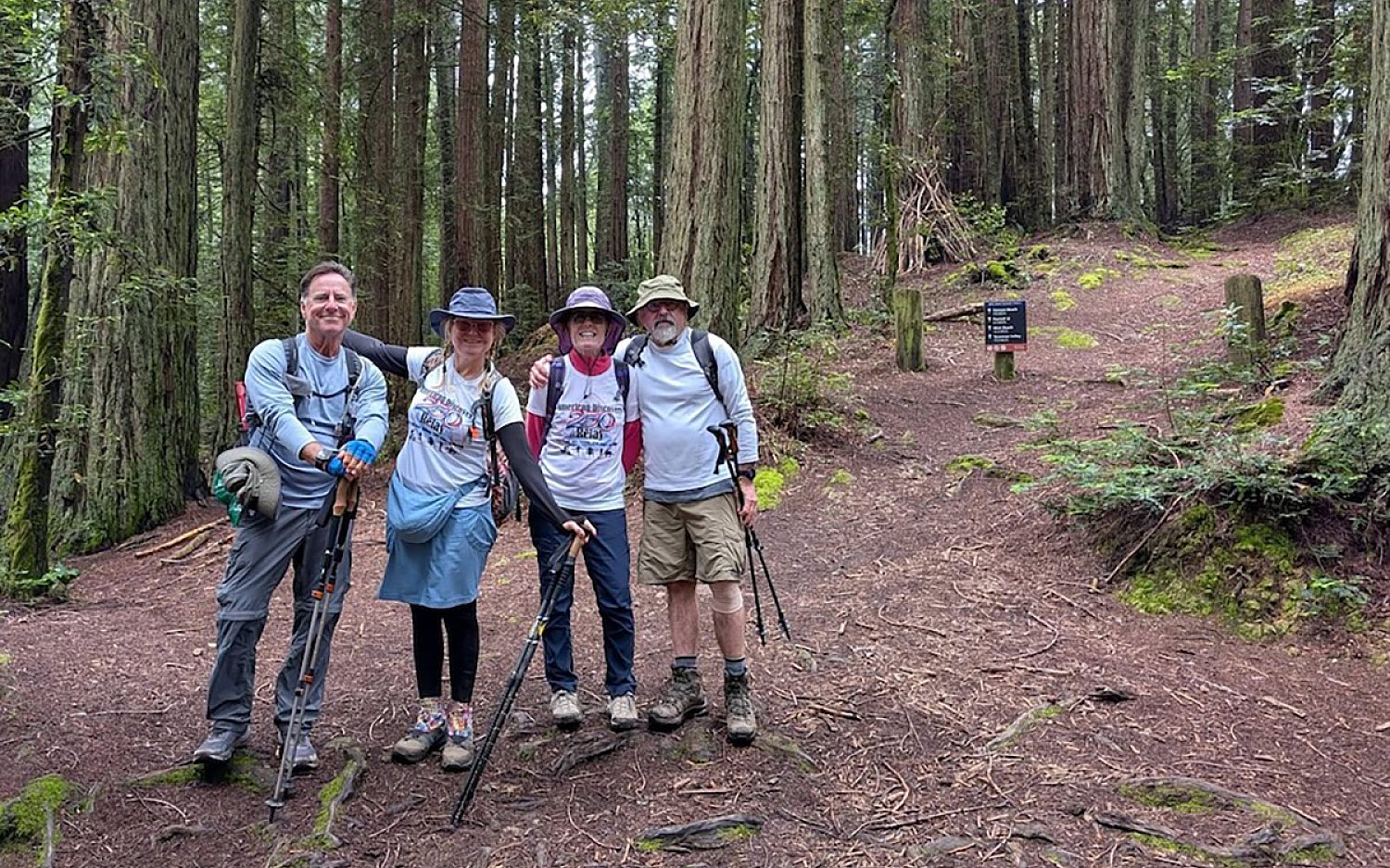
How far can you run, walk, or bike? Could you go . . . from California to Delaware? Probably not—unless you had some help!
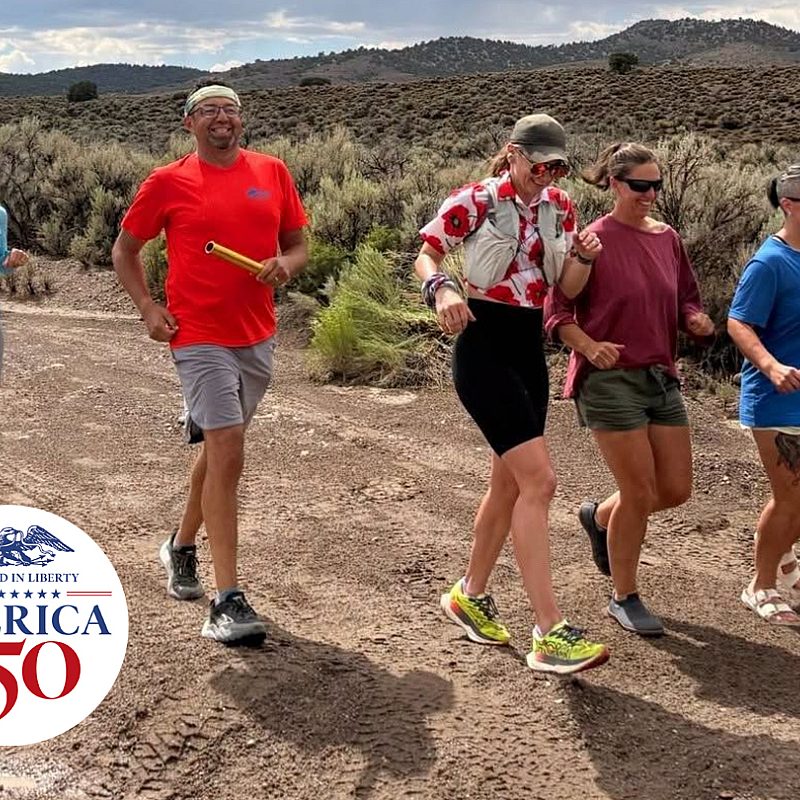
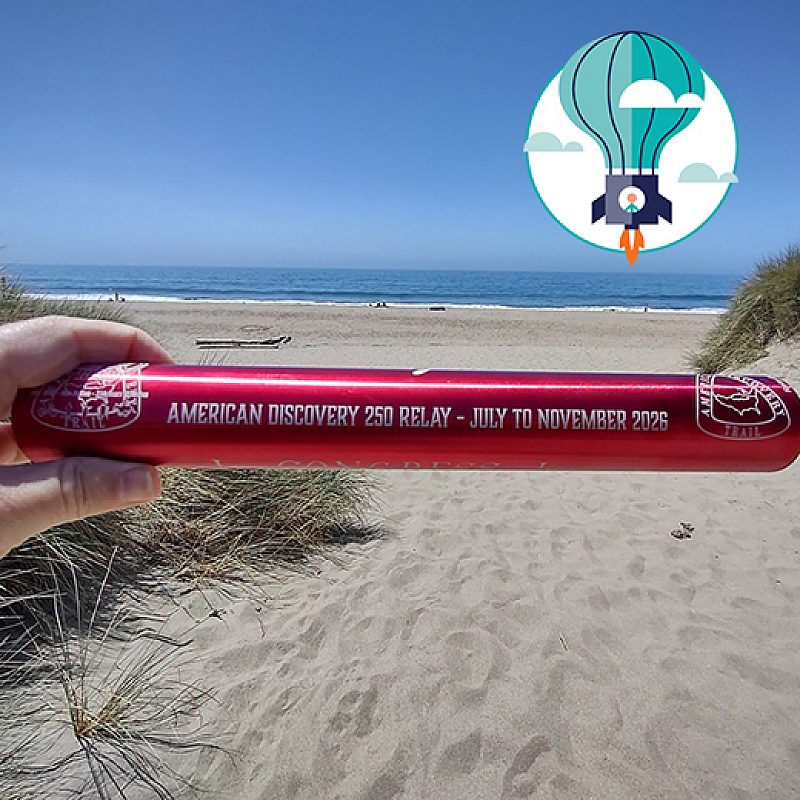
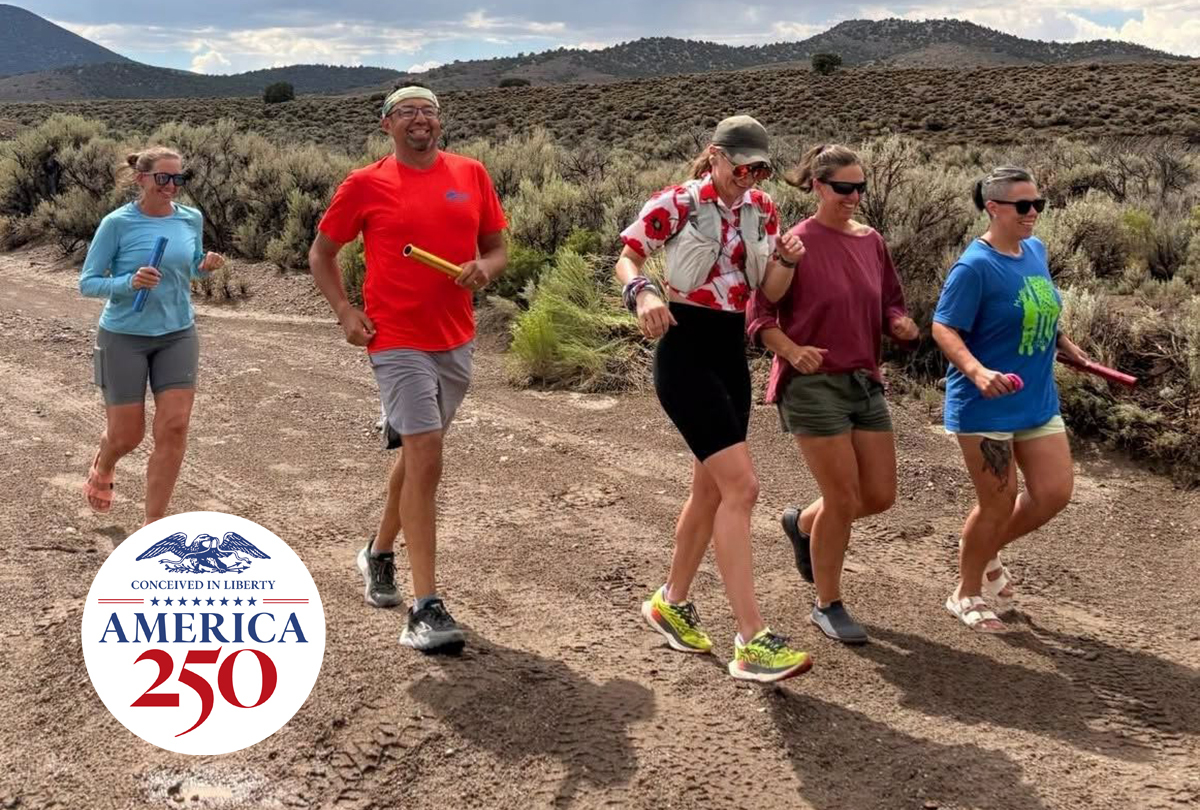
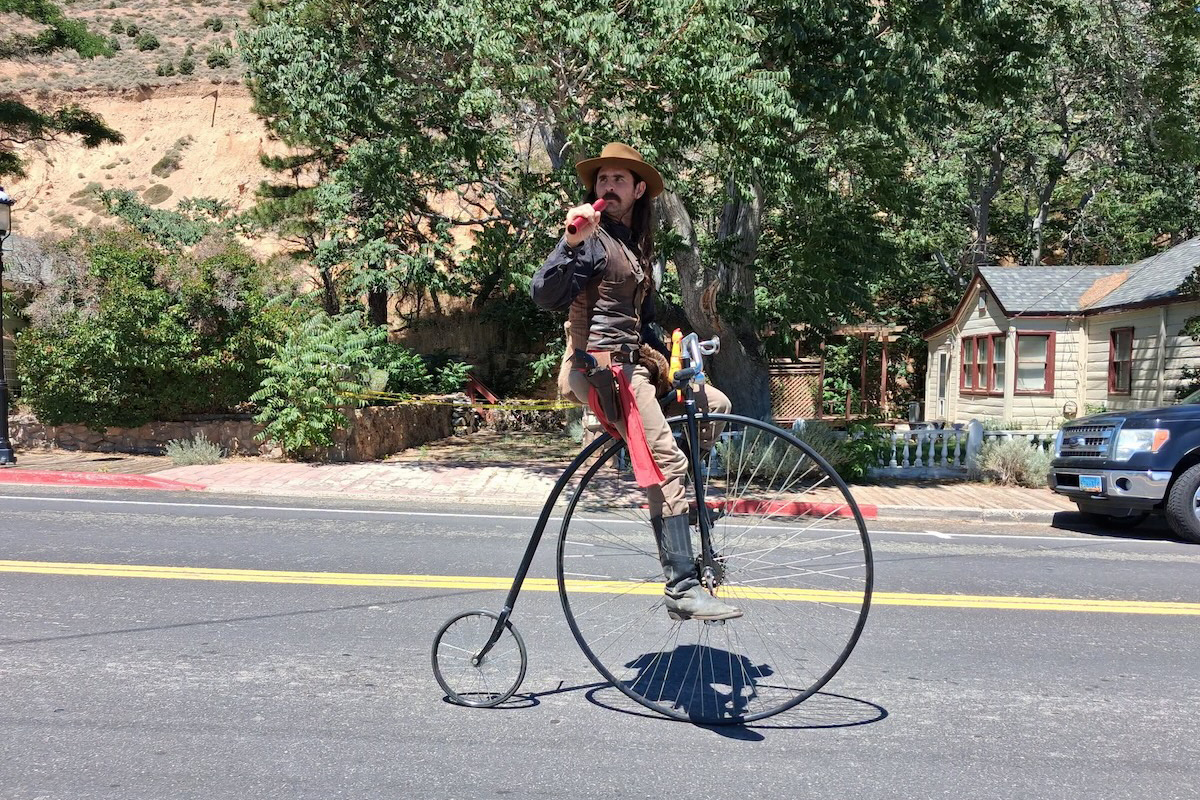
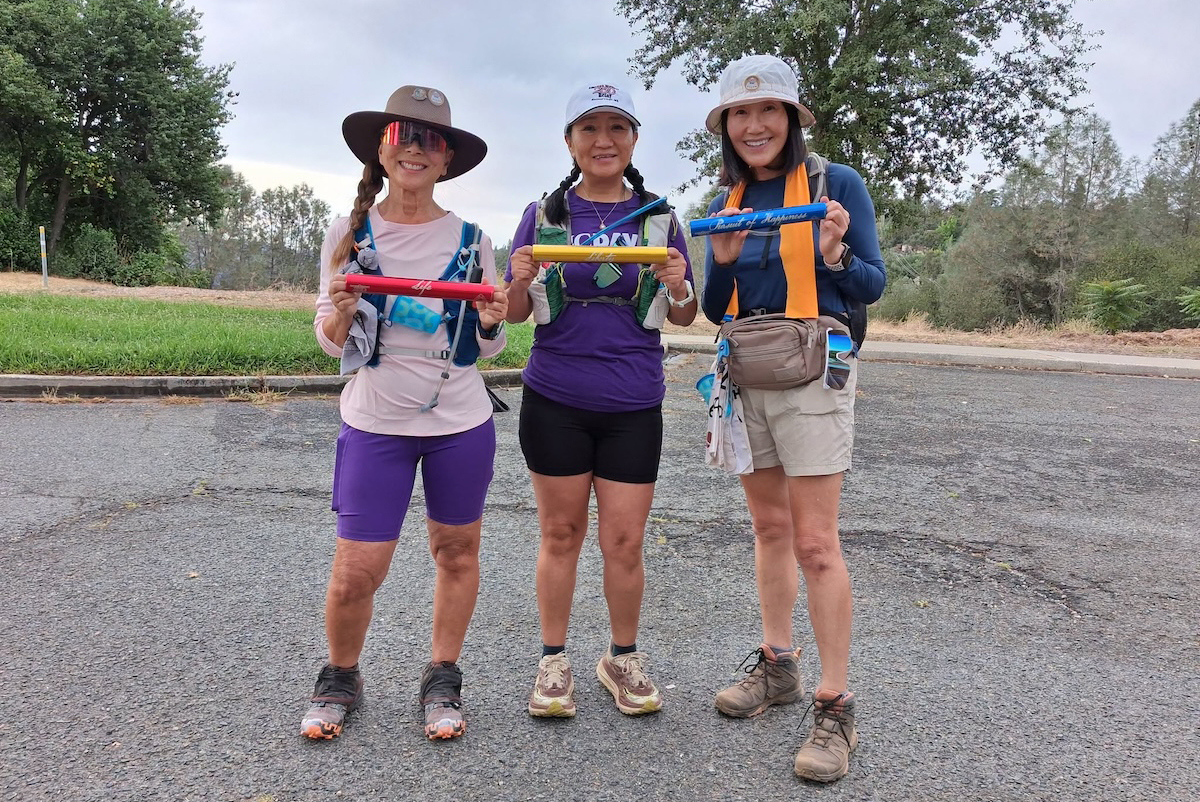
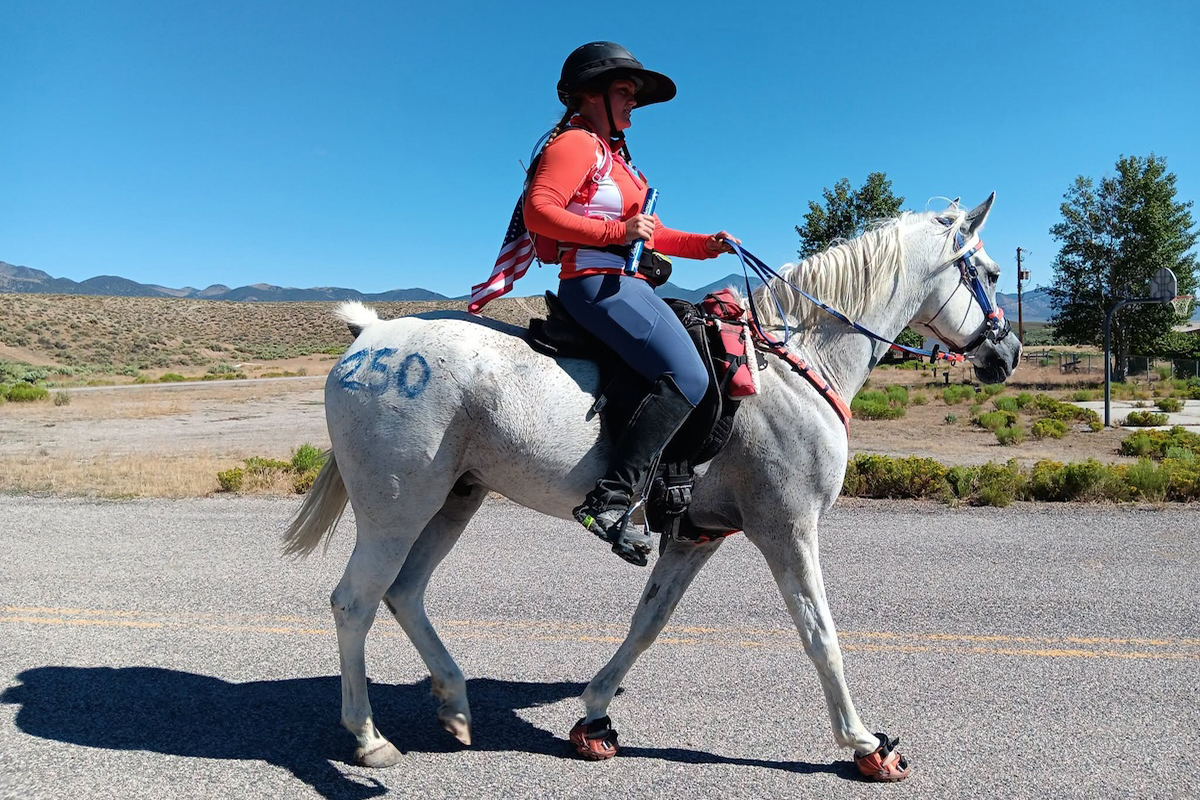
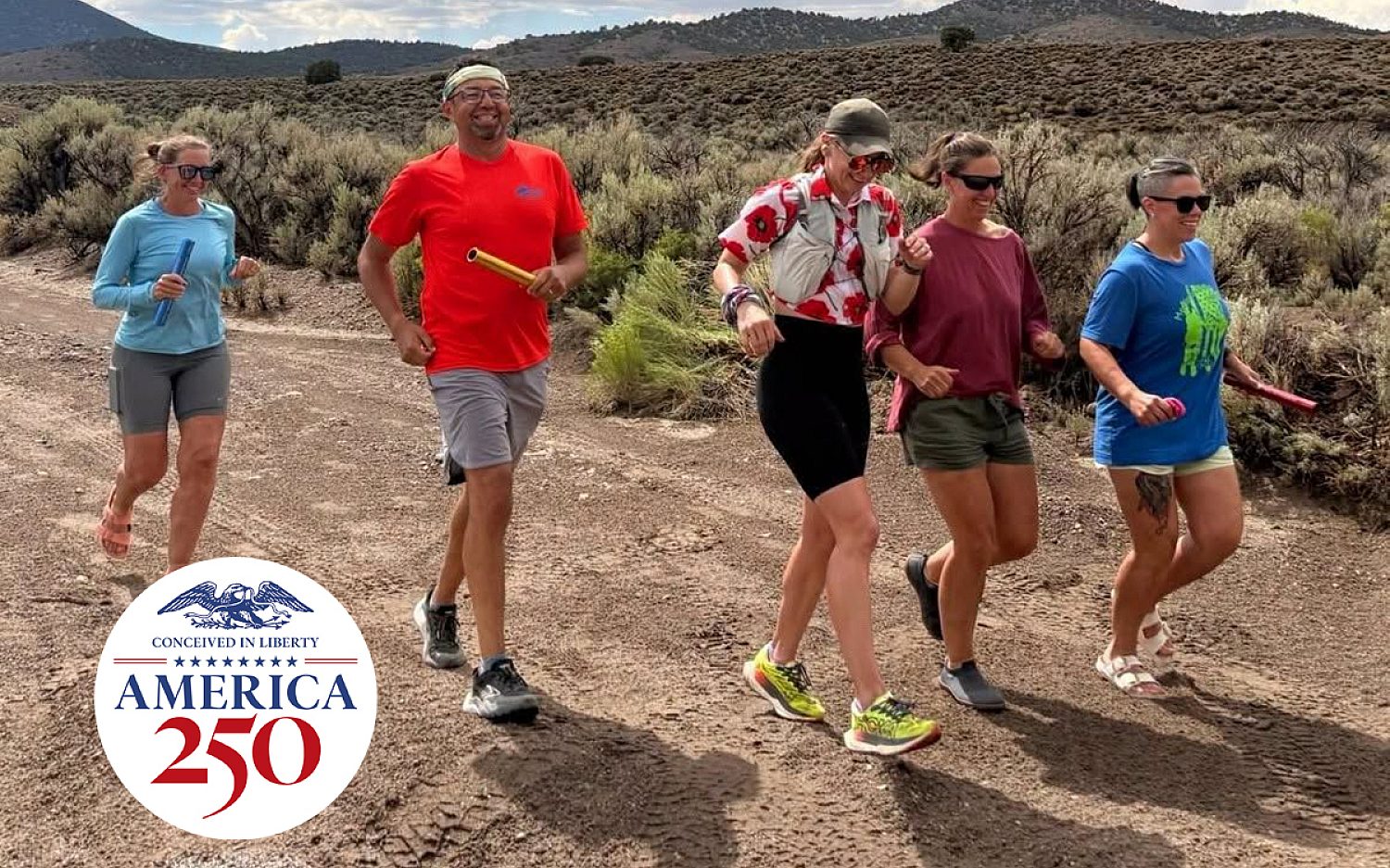
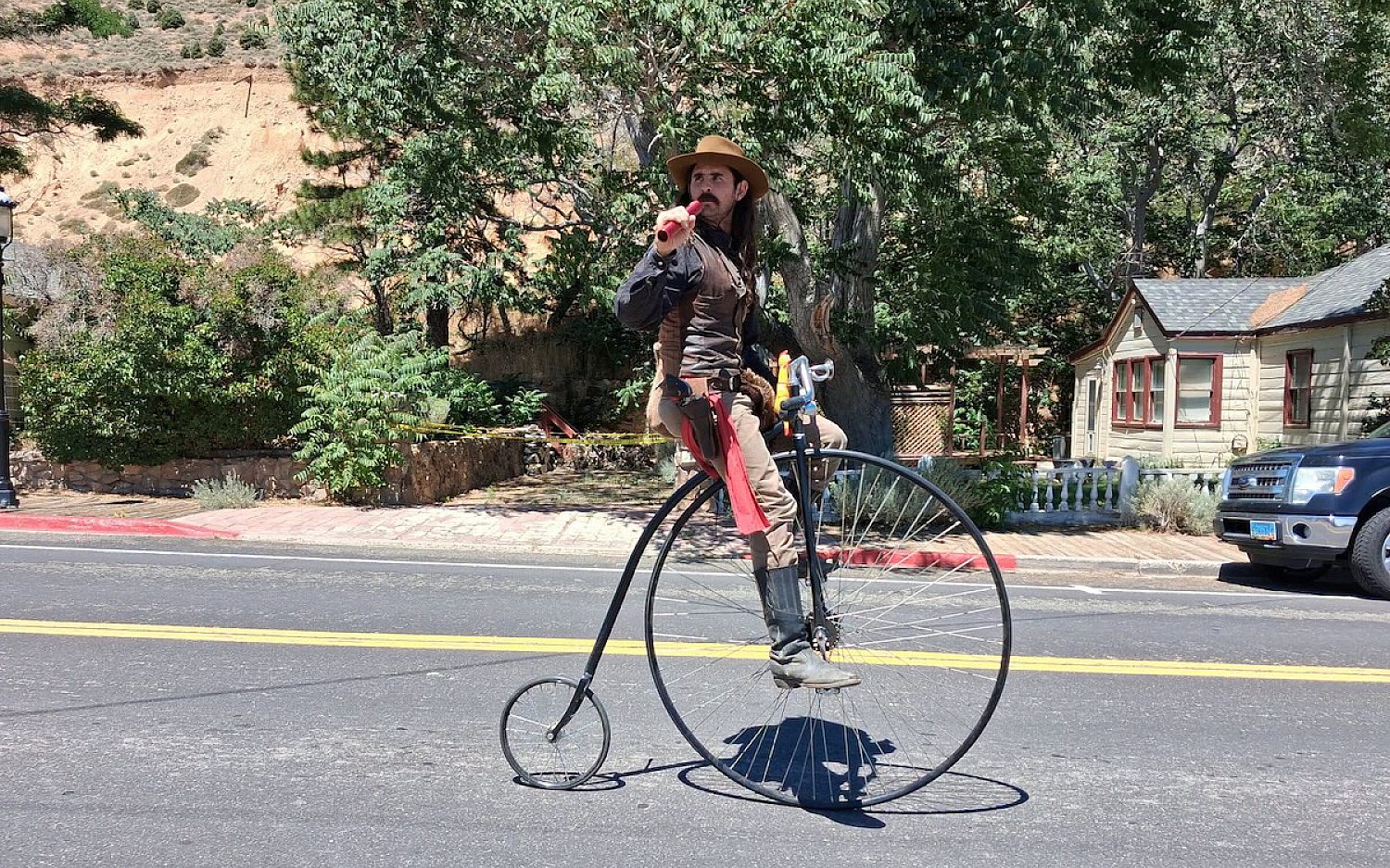
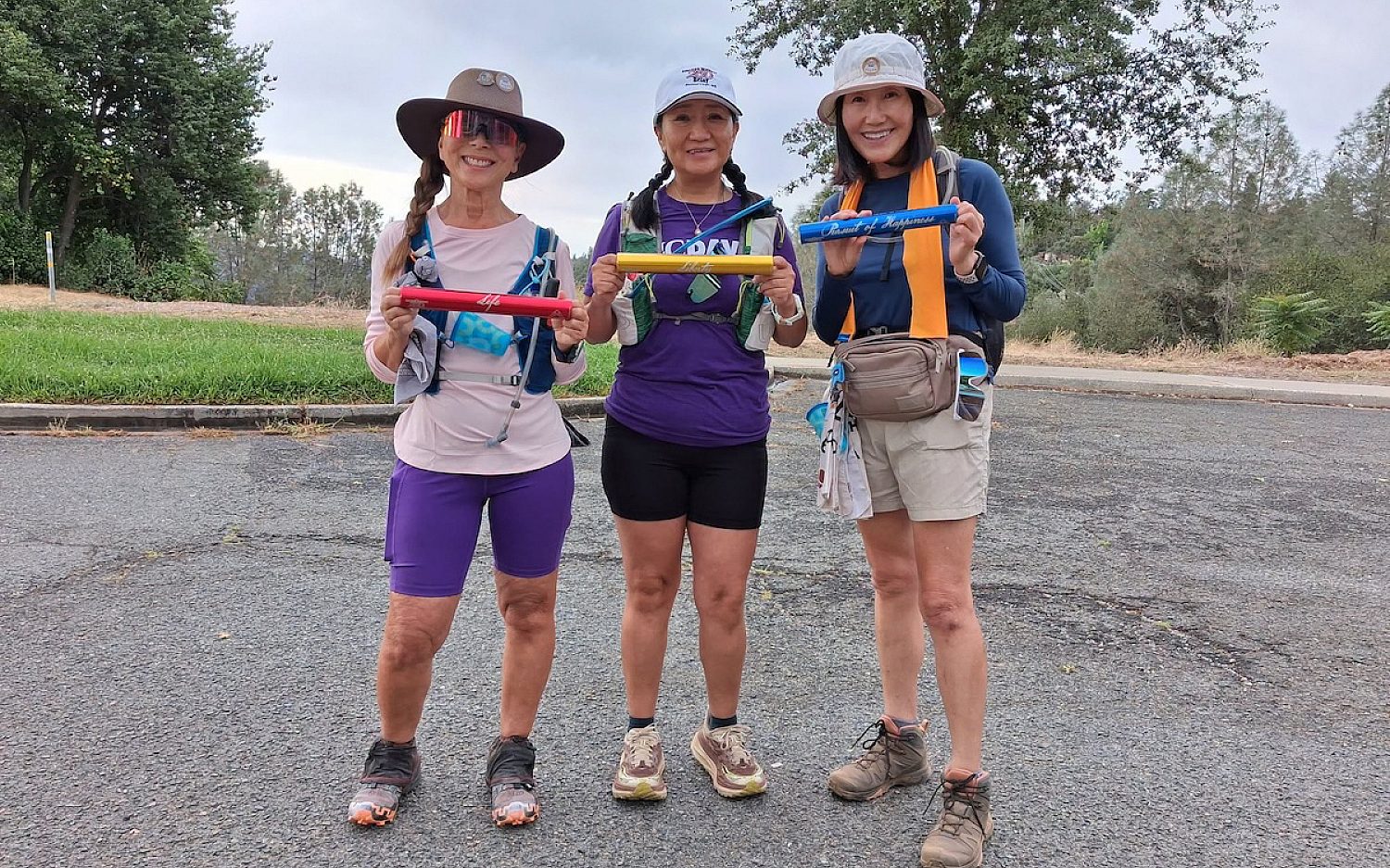
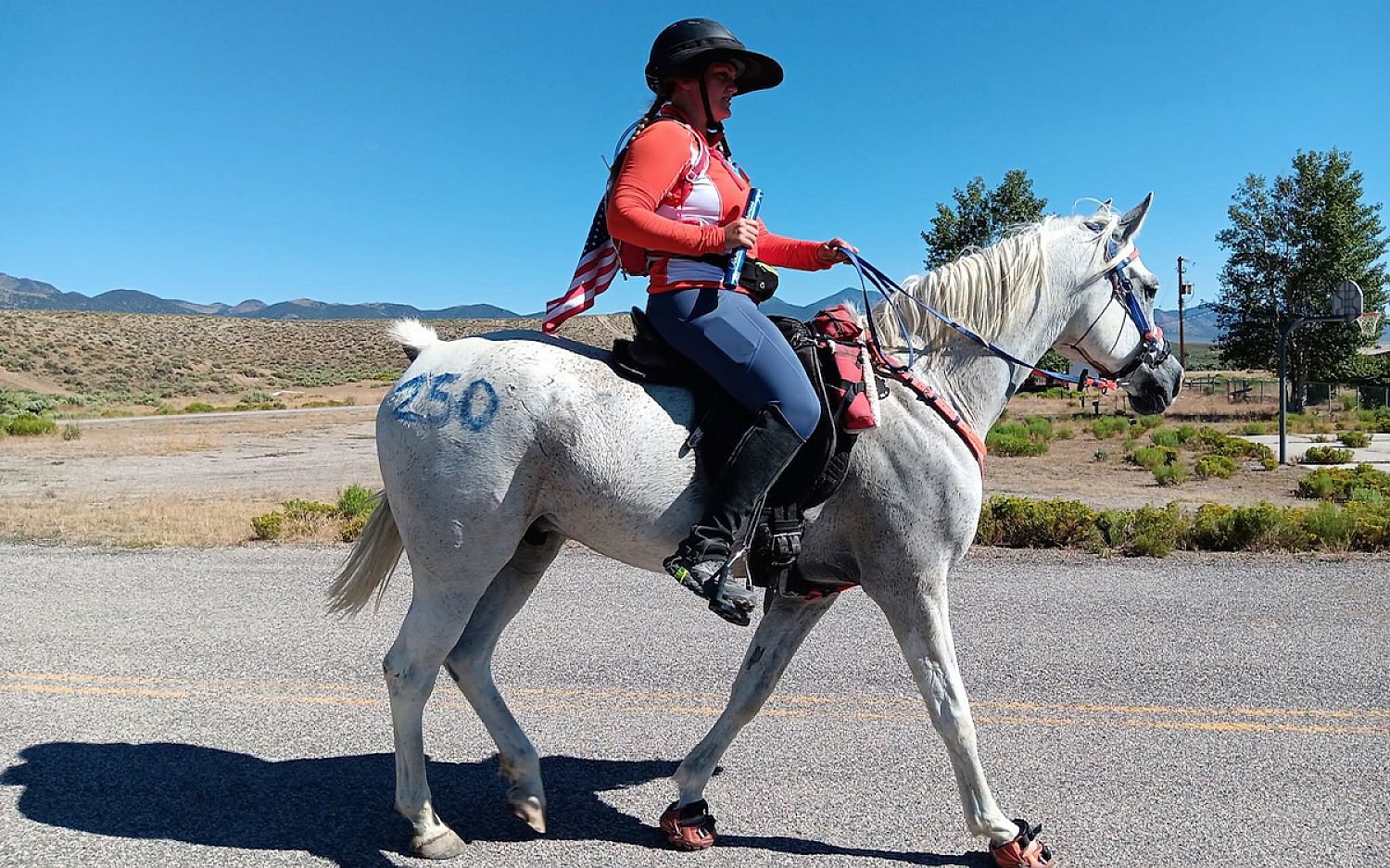
Thankfully, no racer goes the whole way alone in the American Discovery 250 Relay (ADR). In a typical relay, one athlete moves a certain distance. Then that athlete passes a baton to the next athlete on the team. That person does the same. For the ADR, this happens over and over again. At the end, relayers have crossed the entire United States. And what kind of “baton” do they carry? There will be three. Each holds a copy of the Declaration of Independence.
The 6,800-mile relay began on July 4. The first team crossed the Golden Gate Bridge in San Francisco, California. It will end on Thanksgiving Day in Cape Henlopen, Delaware. In between, relayers will travel through 15 states. They’ll pass the homes of more than 40 million people.
Will the Declaration of Independence come near you? Let’s see. ADR moves through California, Nevada, and Utah. Then Colorado, Kansas, and Missouri. Or, Nebraska, Iowa, and Illinois. Next, Indiana, Kentucky, Ohio, West Virginia. It finally reaches Maryland, Washington, D.C., and then Delaware.
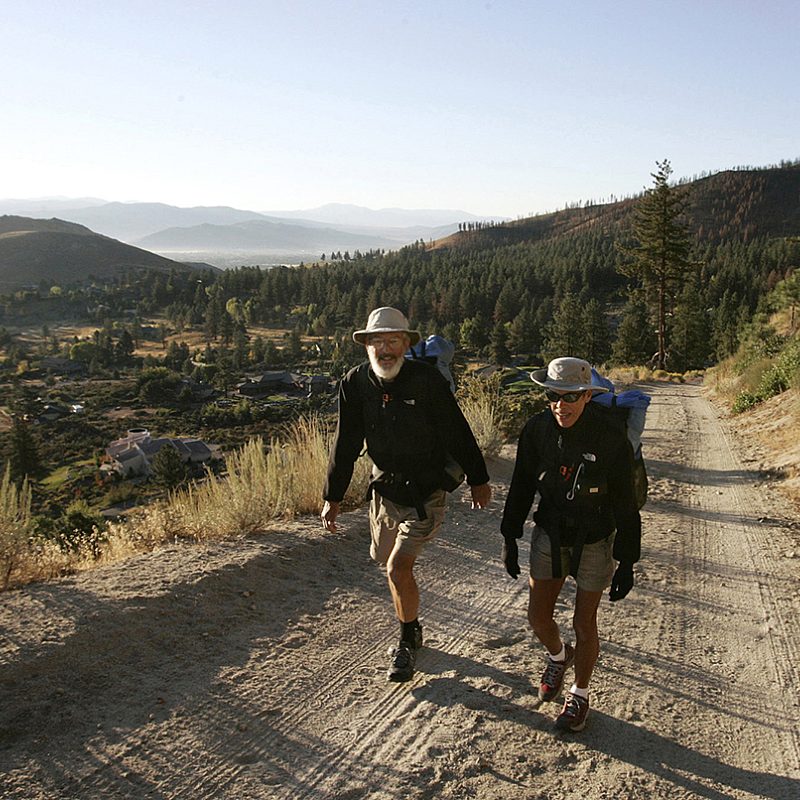
The entire relay takes place on the American Discovery Trail. It is open to the public. Folks can sign up to participate. Or they can just watch. Communities along the trail will throw celebrations as the relay comes through.
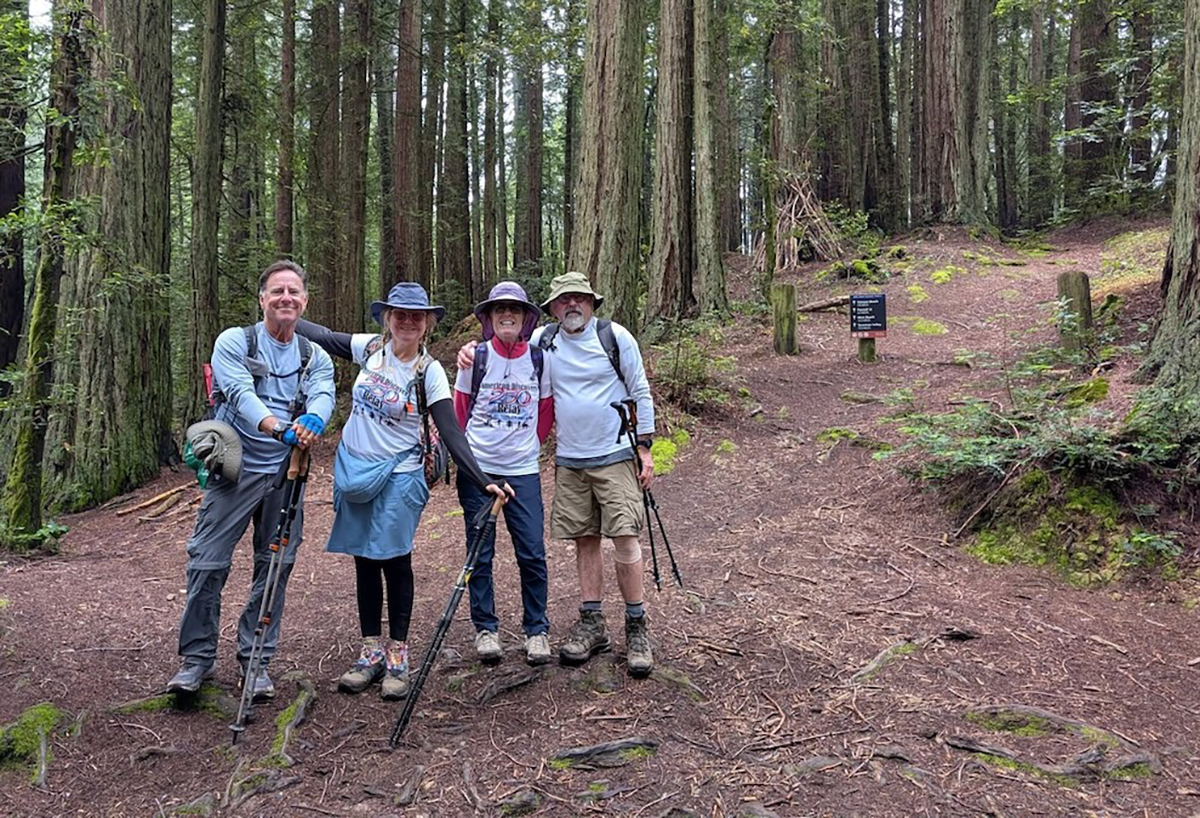
The relay legs are scheduled on 120 different days. The calendar also includes some days off. So the event will take place over about five-and-a-half months. Some days, a large team of relayers may gather. In remote wilderness areas, as few as three people may carry the Declaration to its next hand-off.
Why? Americans from many states band together to celebrate their country’s 250th birthday. Such unity helps make a nation strong.