Can you walk? Ride a bike? If so, you have your ears to thank. That’s right, your ears. Gravity wants to pull us all down, but God designed us to work against it. Fluid inside your ear moves with gravity. Tiny hairs sense the fluid’s movement. Nerves pick up that sensation and send messages to the brain. The brain adjusts your sense of direction.
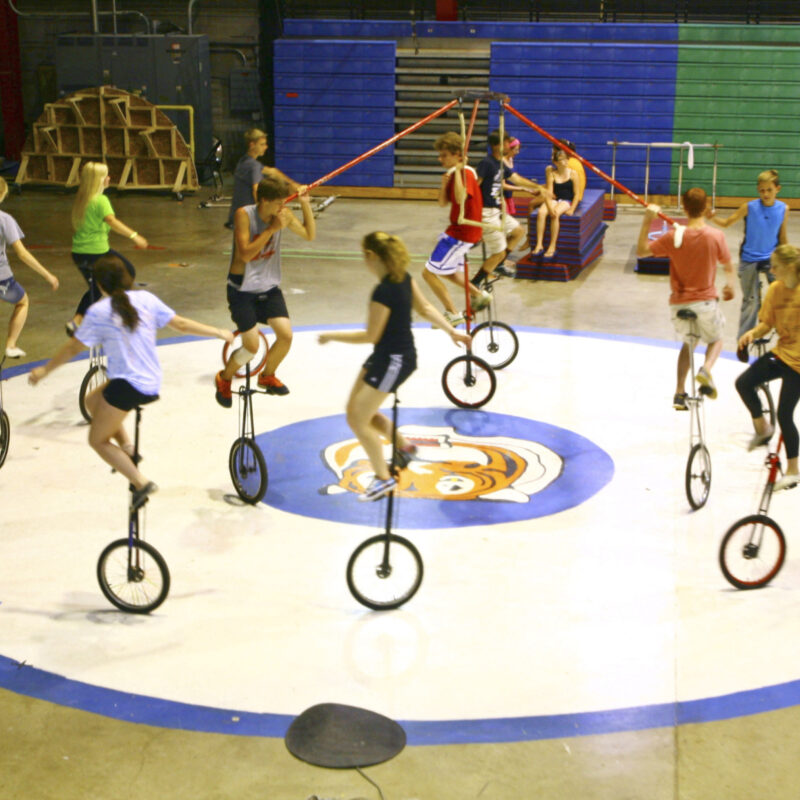
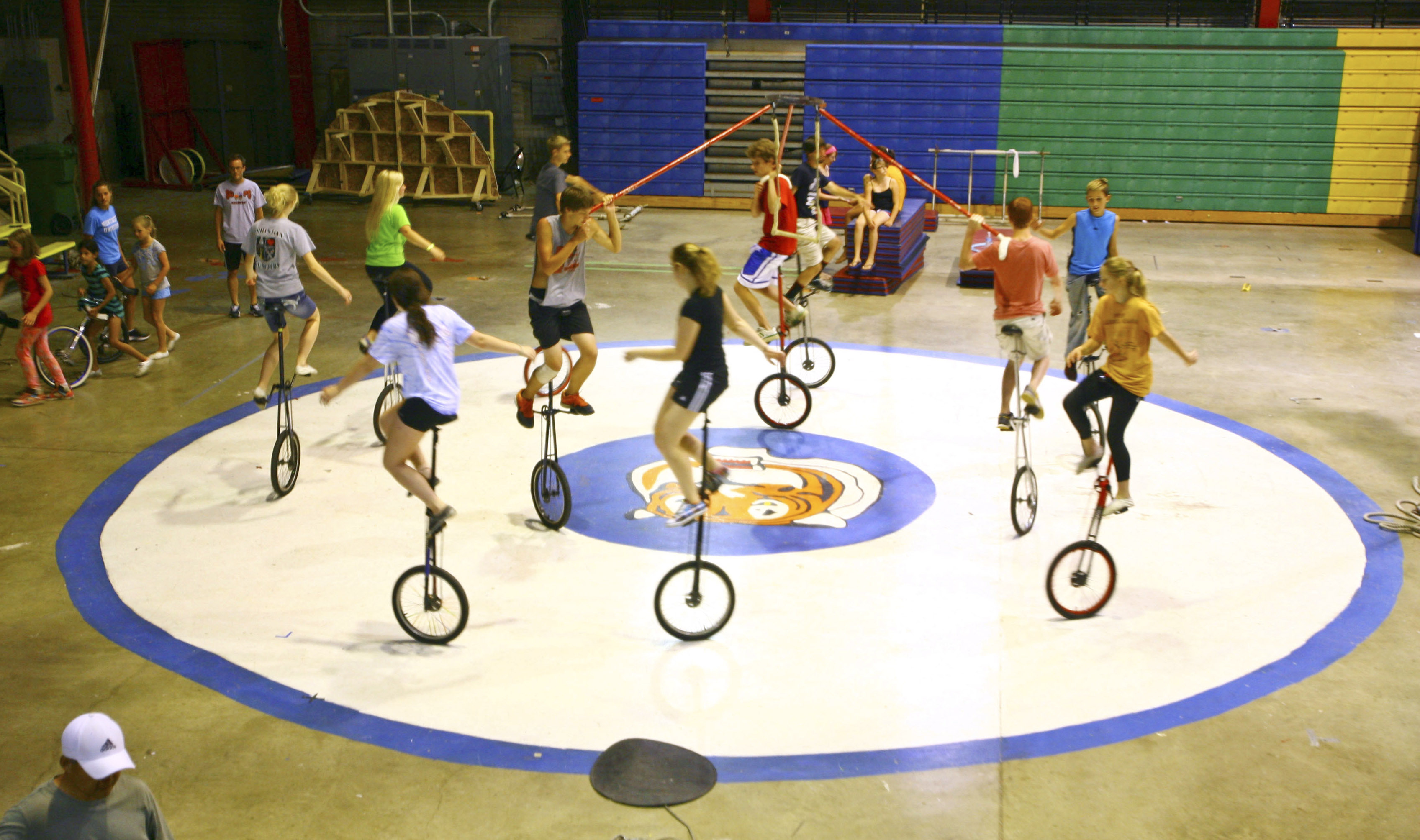
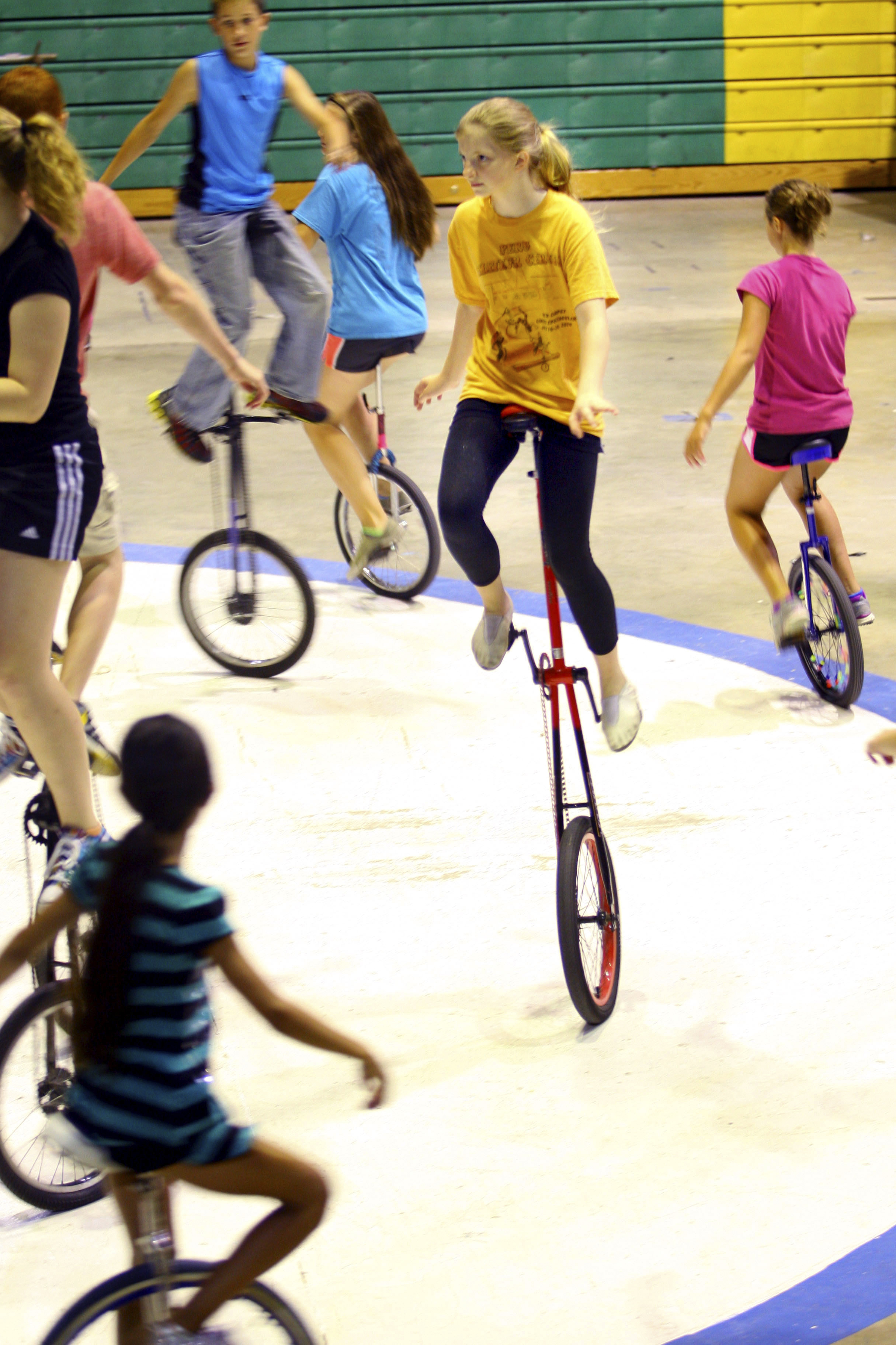
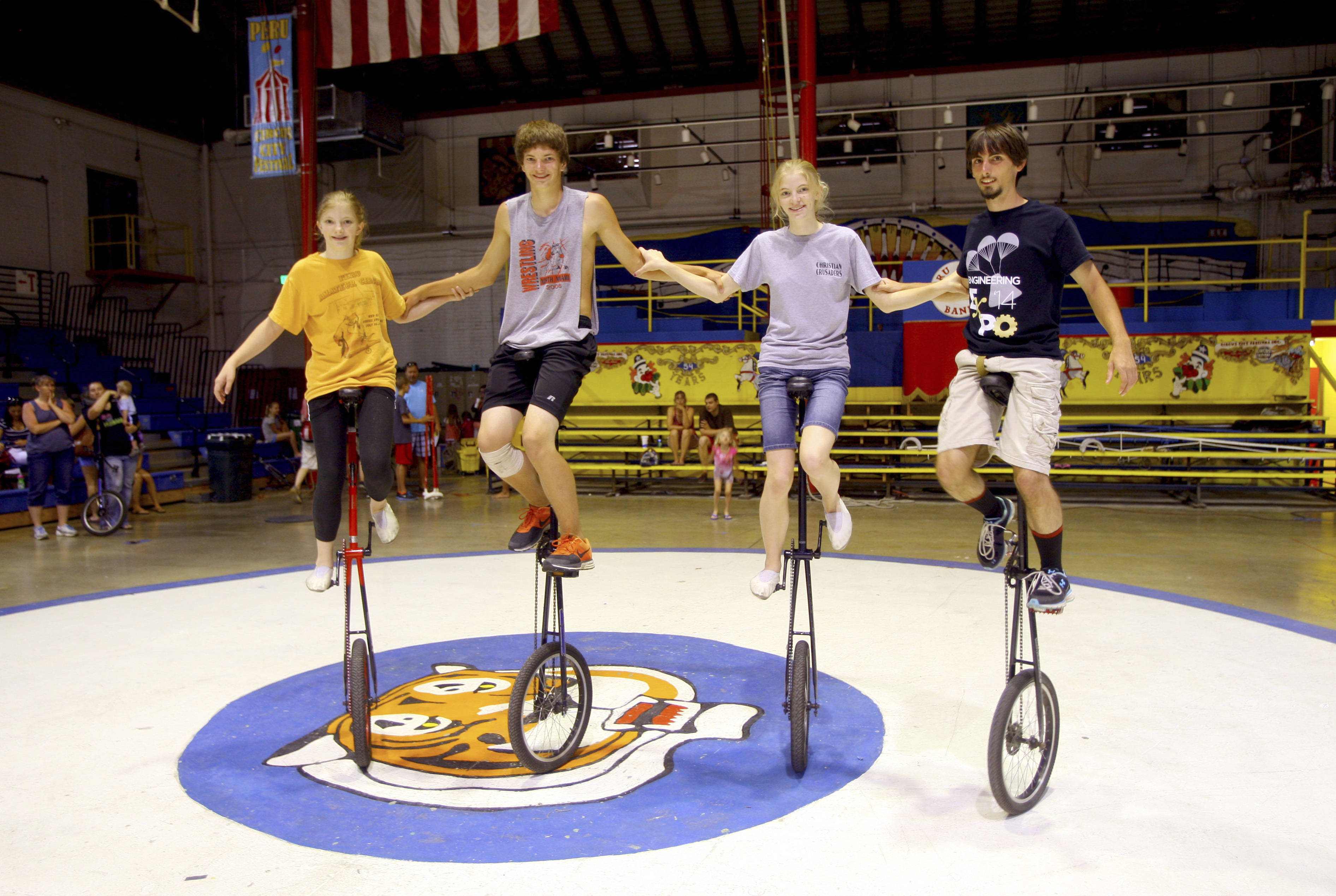
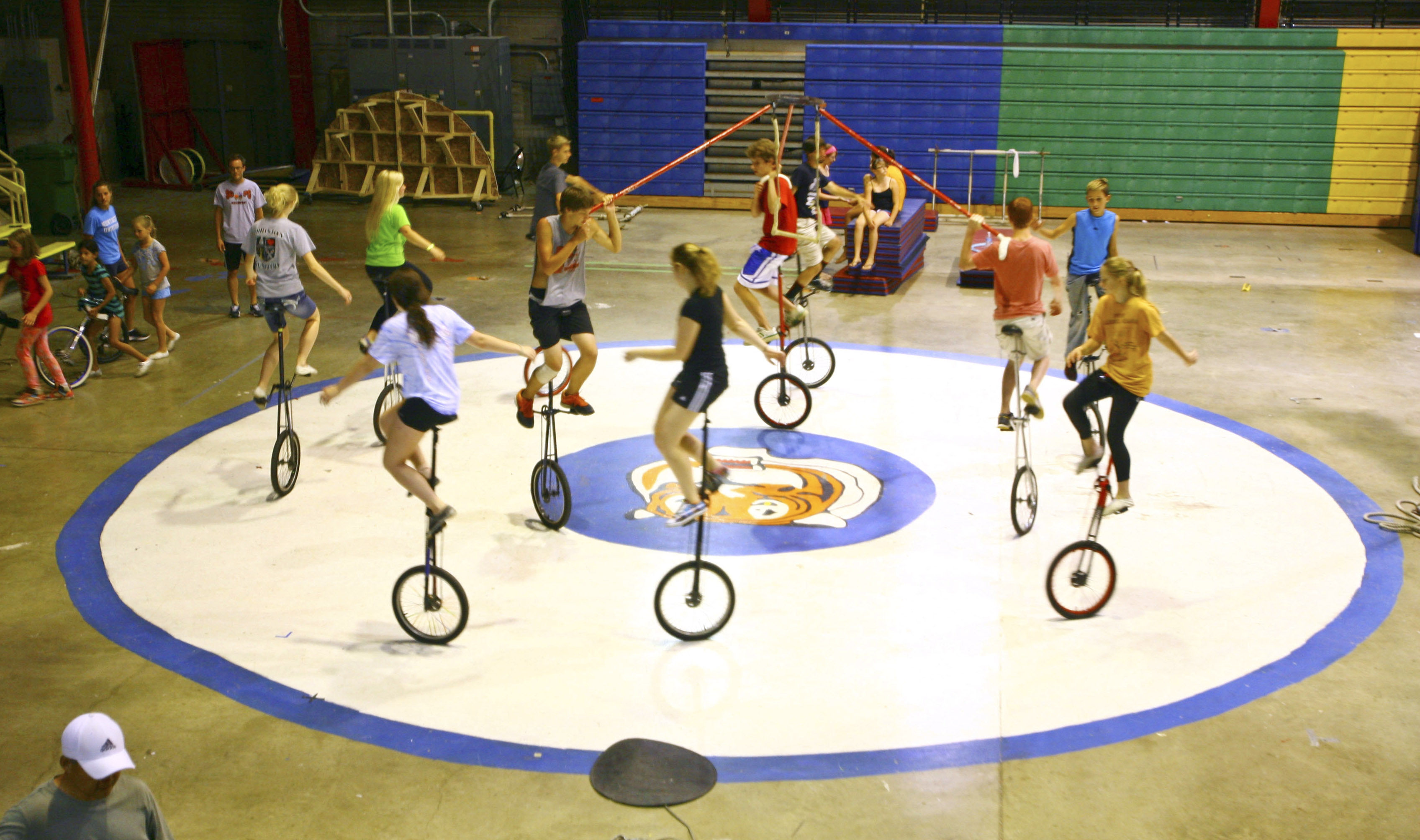
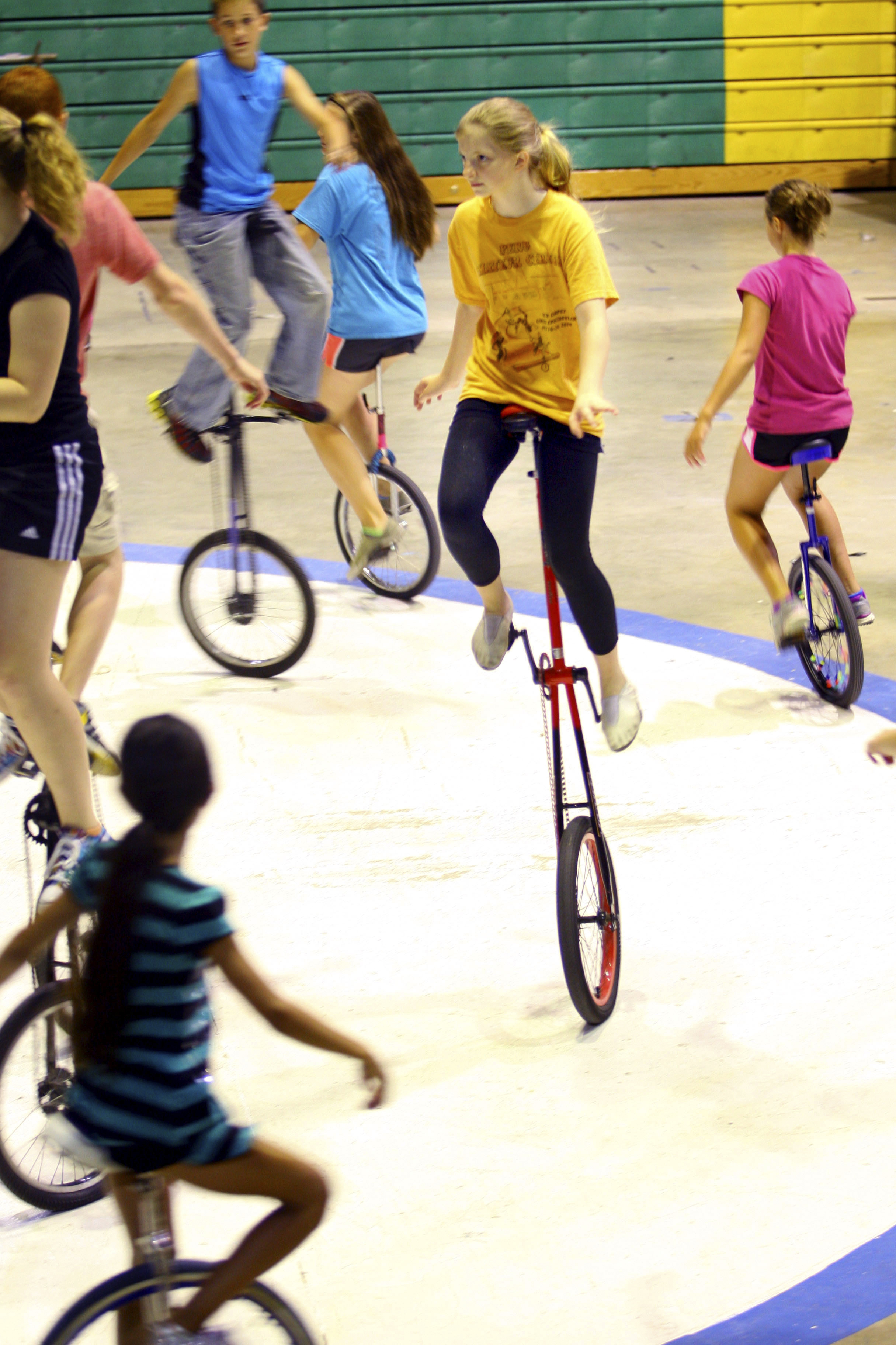
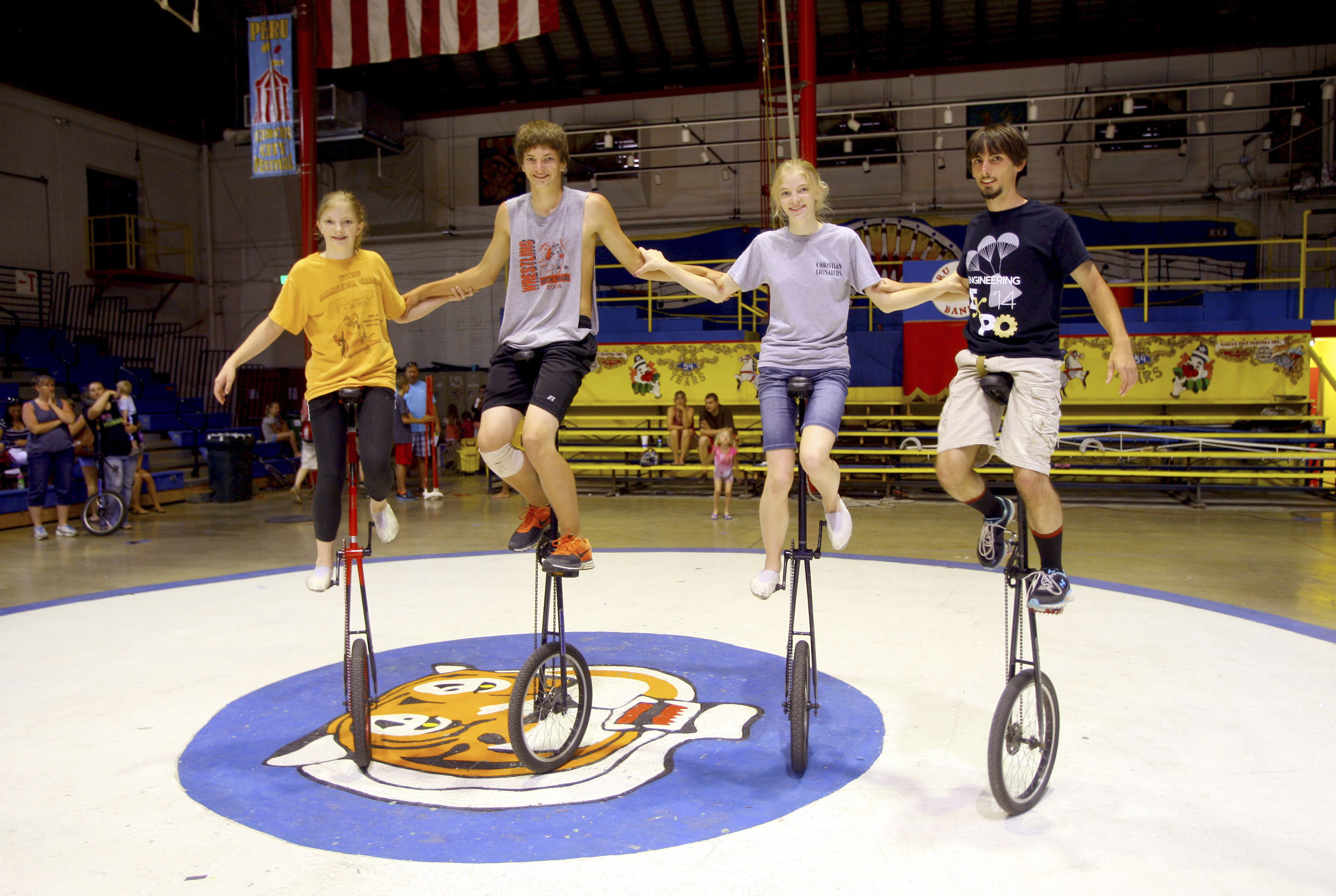
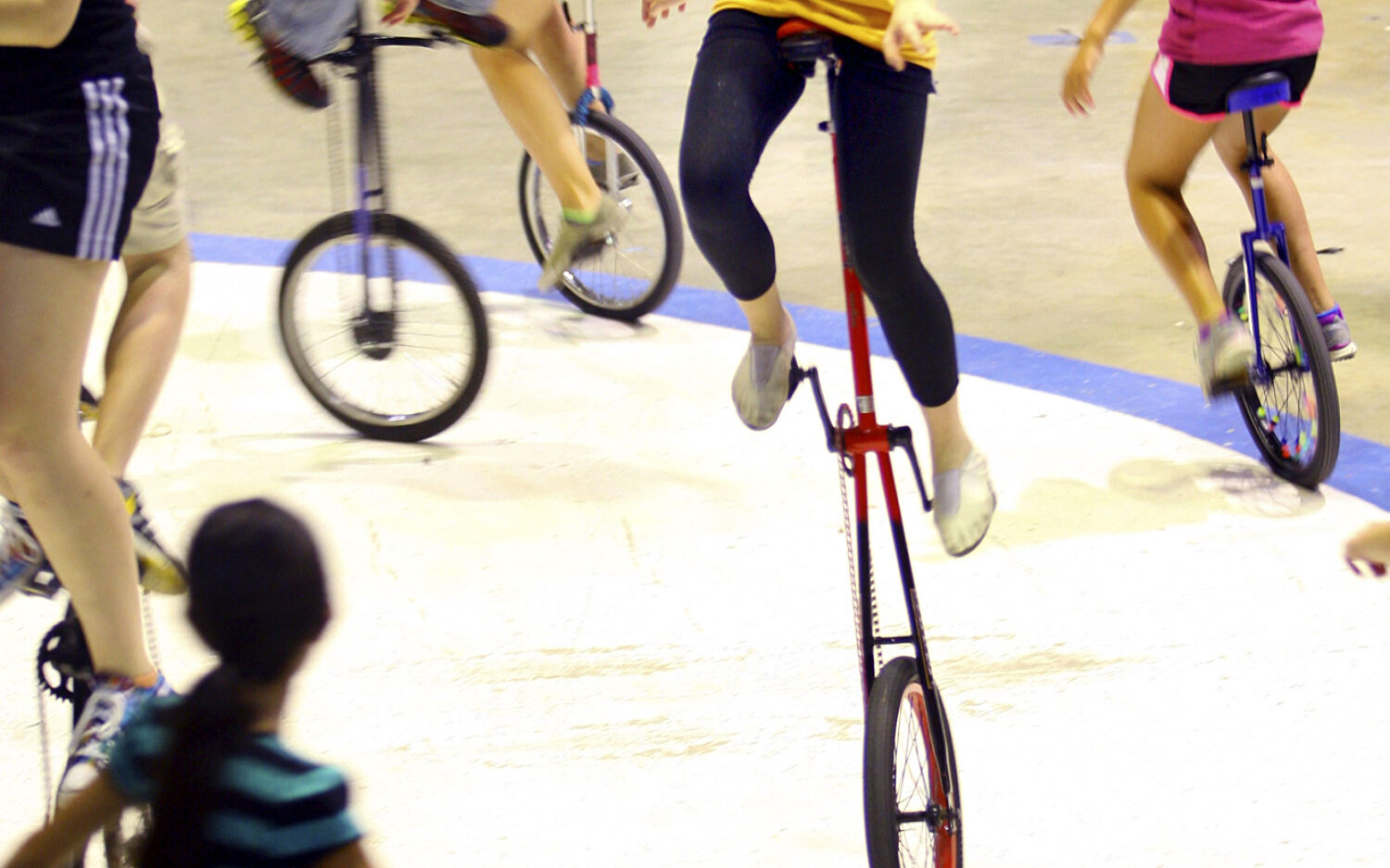
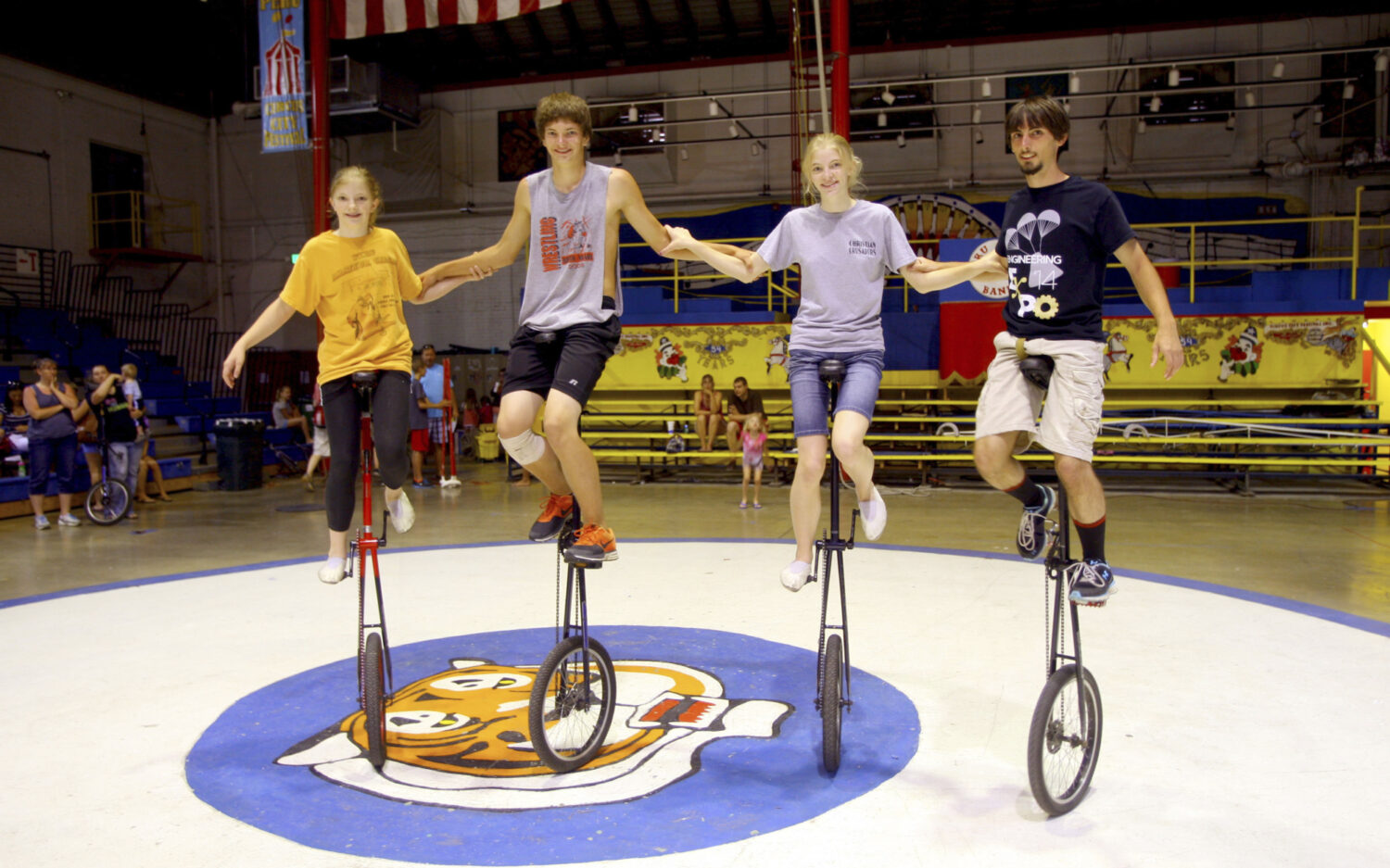
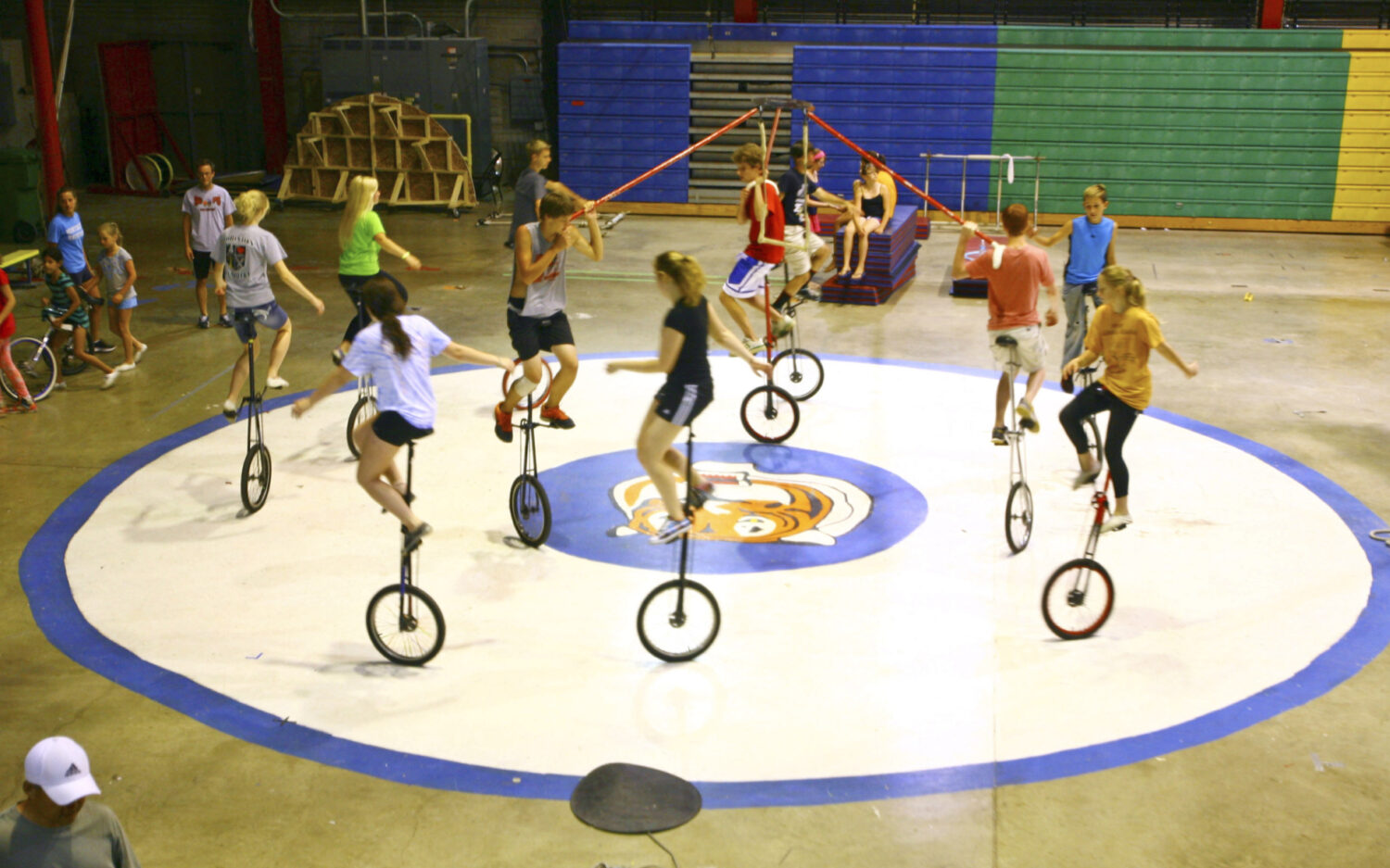
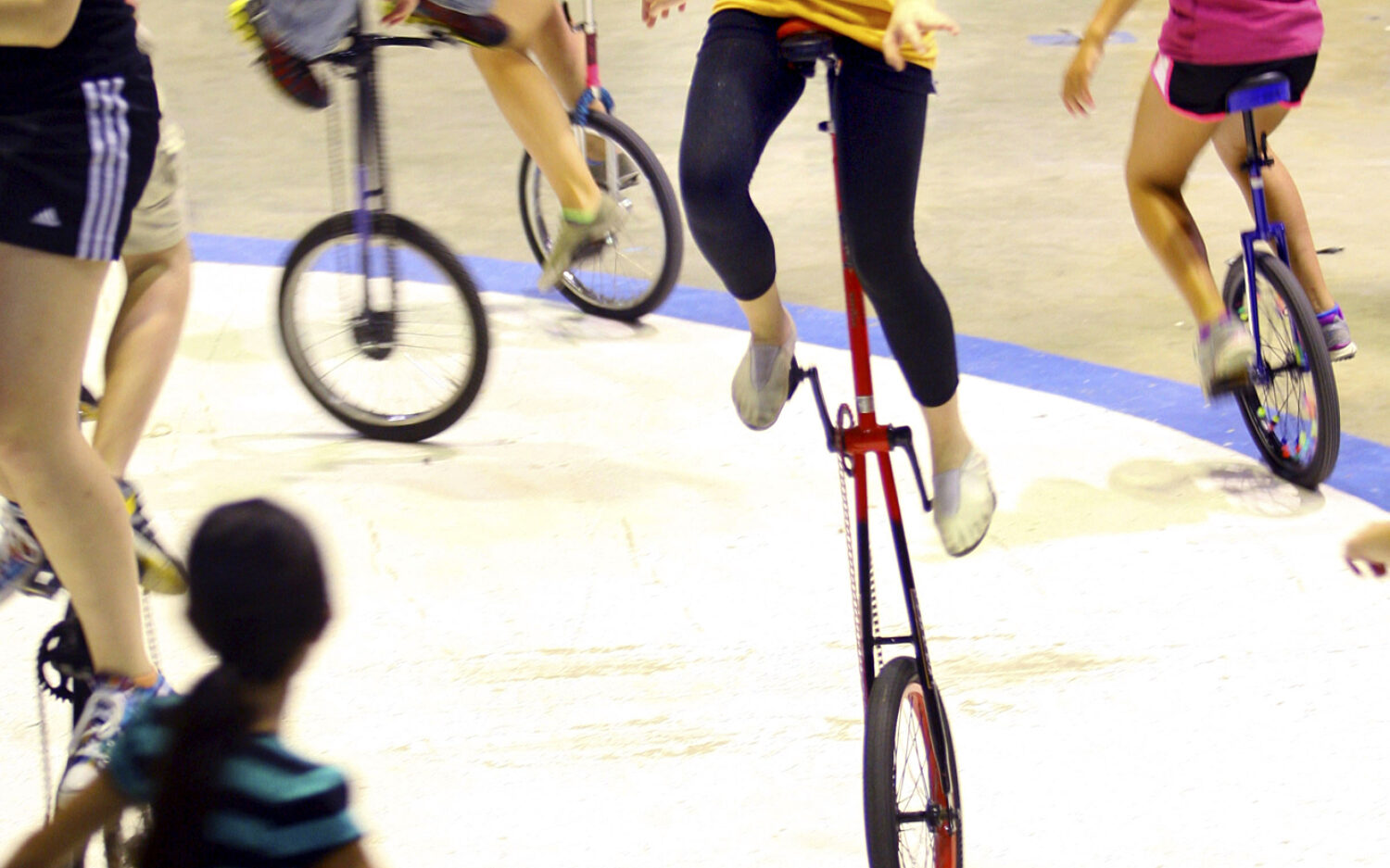
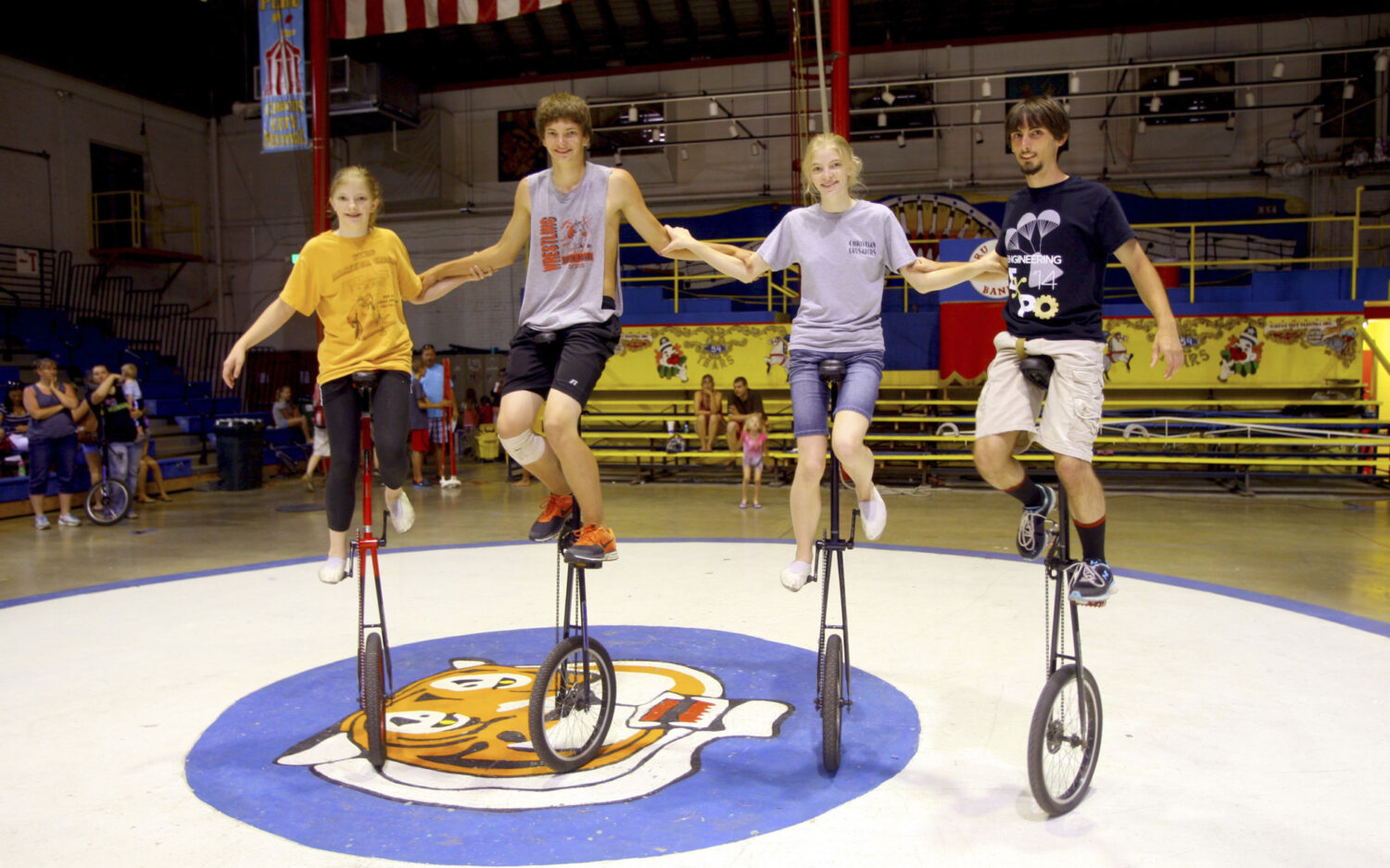
The ear-and-brain duo can help you perform other feats of balance—like riding a unicycle. Just ask the Gipson kids. The Gipsons have been riding unicycles for years. Gideon, Abigail, Caleb, and Emily each started riding a unicycle at the age of seven. Today, they perform together in an amateur circus in Miami, Florida.
All four kids mount their cycles. They perform to music. Gideon, the oldest, keeps everyone in time. At the end, they all jump off together.
You don’t remember when you learned to walk, but learning to balance your whole body on two tiny feet was a challenge. Now you probably do it without a thought.
Gideon says it took him almost two months to learn to balance on a unicycle. Emily, the youngest, is now 12. She learned faster—in just three weeks. Later, Emily tried to ride a bicycle. That was too hard. She’s going to stick to one simple wheel for now.