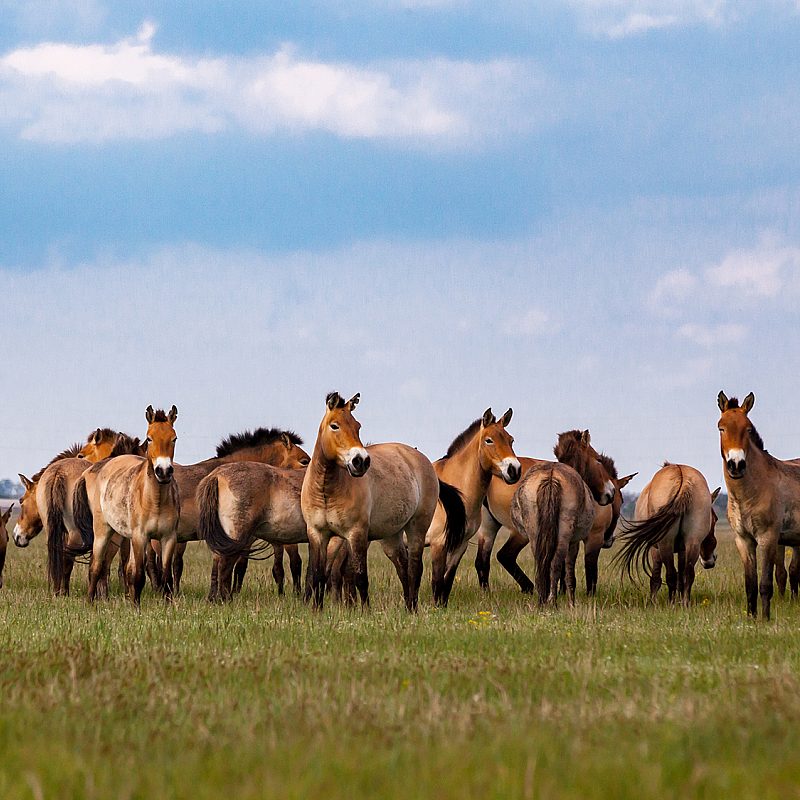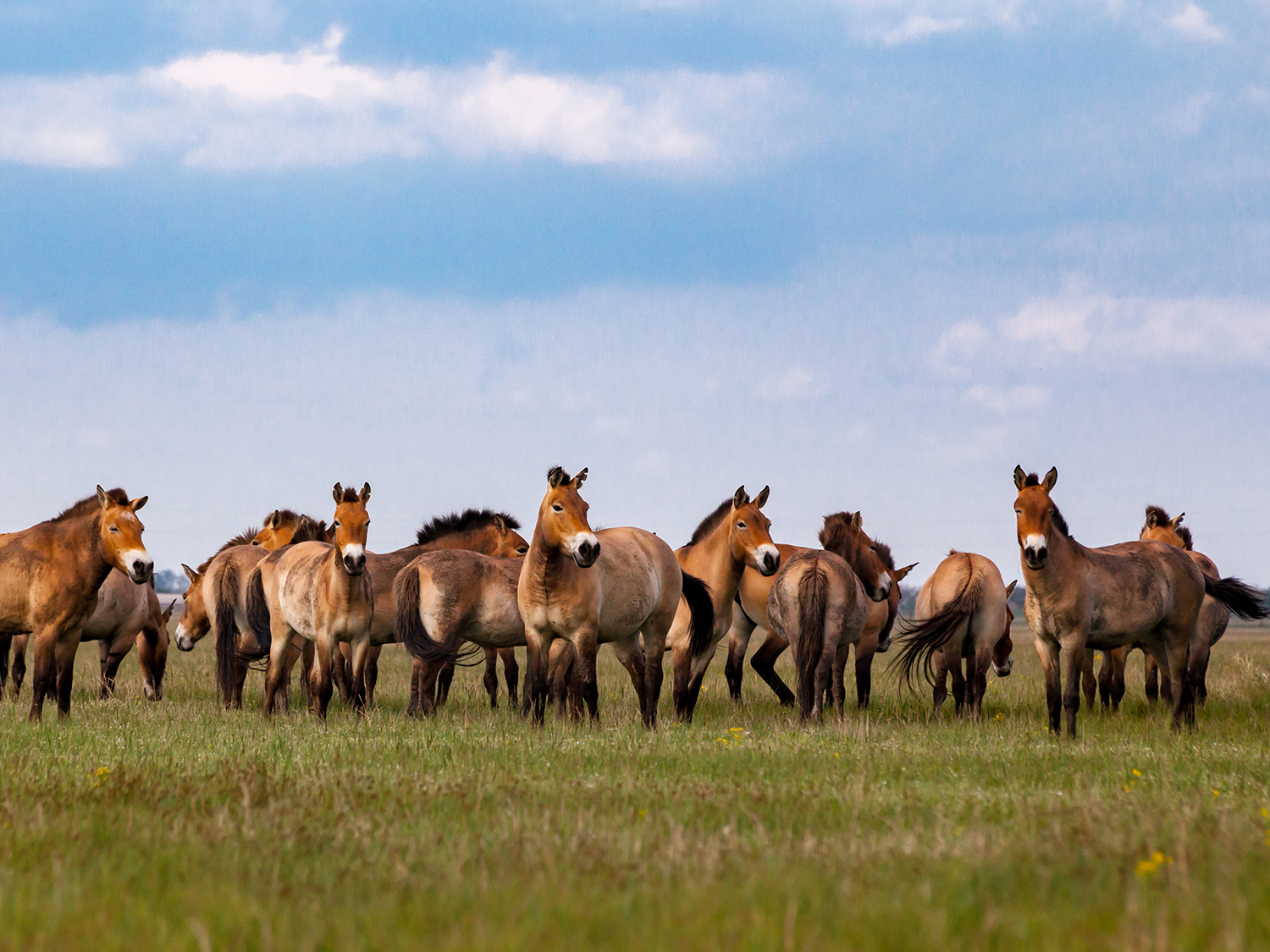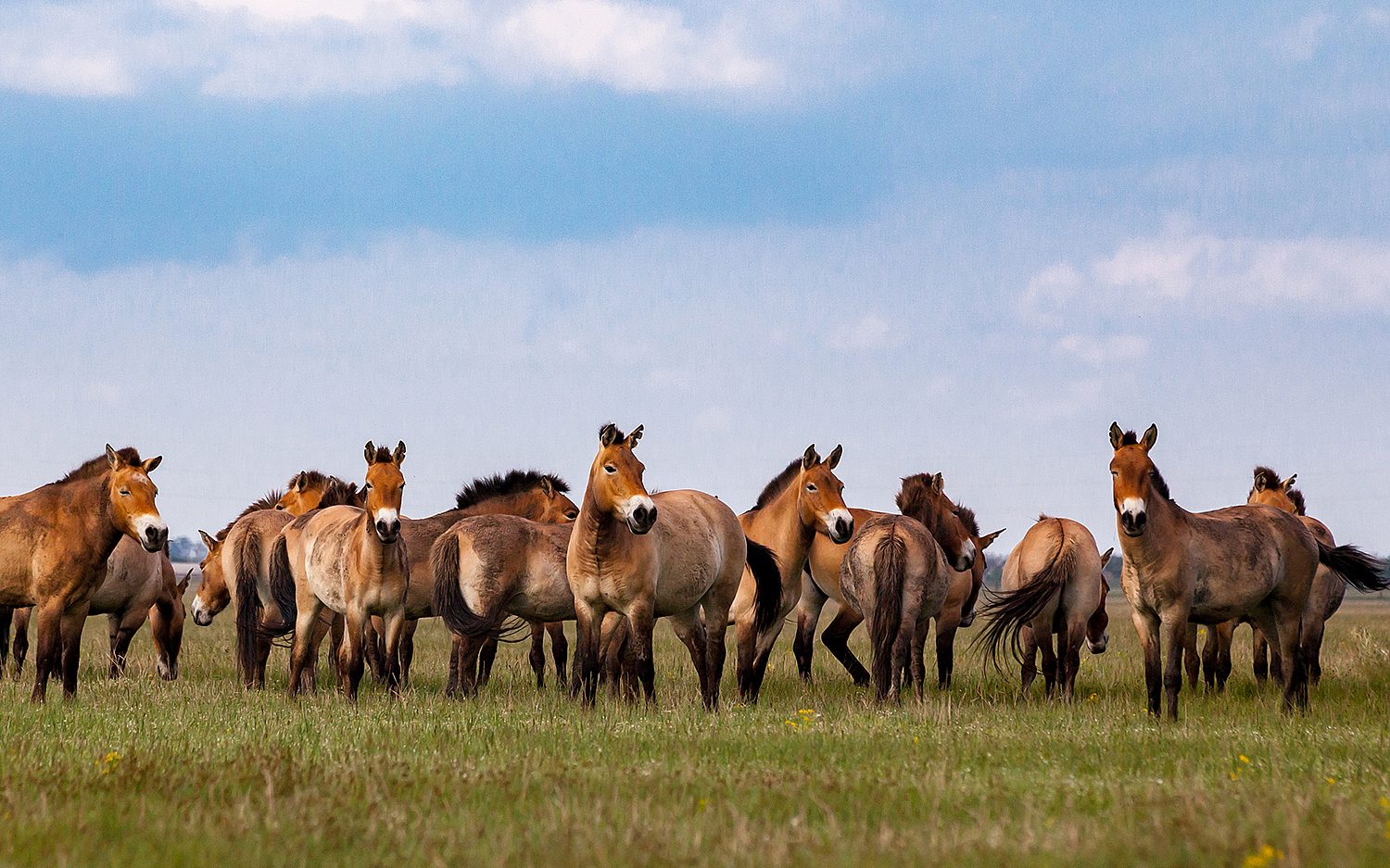
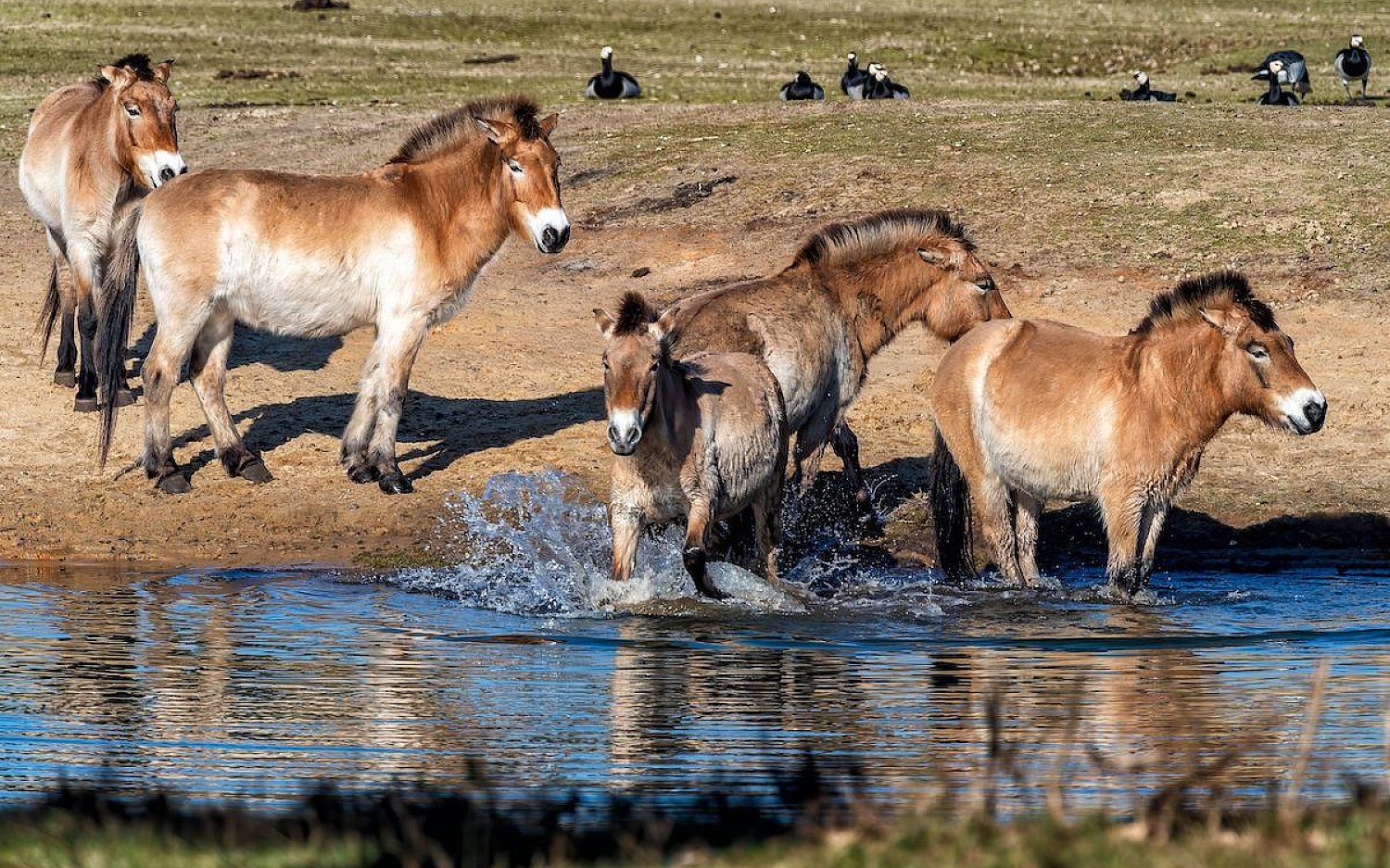
Want to see a wild horse? Przewalski’s horses are considered the only truly wild ones left. And once, they were nearly gone. People declared them extinct in the wild in the 1960s. Just a few remained in zoos.
Since then, the horses have made a comeback thanks to conservation work. Now herds live on the steppes (grasslands) of Mongolia and China. Some live in Russia and Ukraine. Still, fewer than 2,000 exist today. Each baby matters. Each one gives the species a better chance of surviving.
“Being one of the true wild horses left in the world, behaviorally, they are a little bit different,” says Kurt Heizmann. He’s the Minnesota Zoo’s director of animal care.
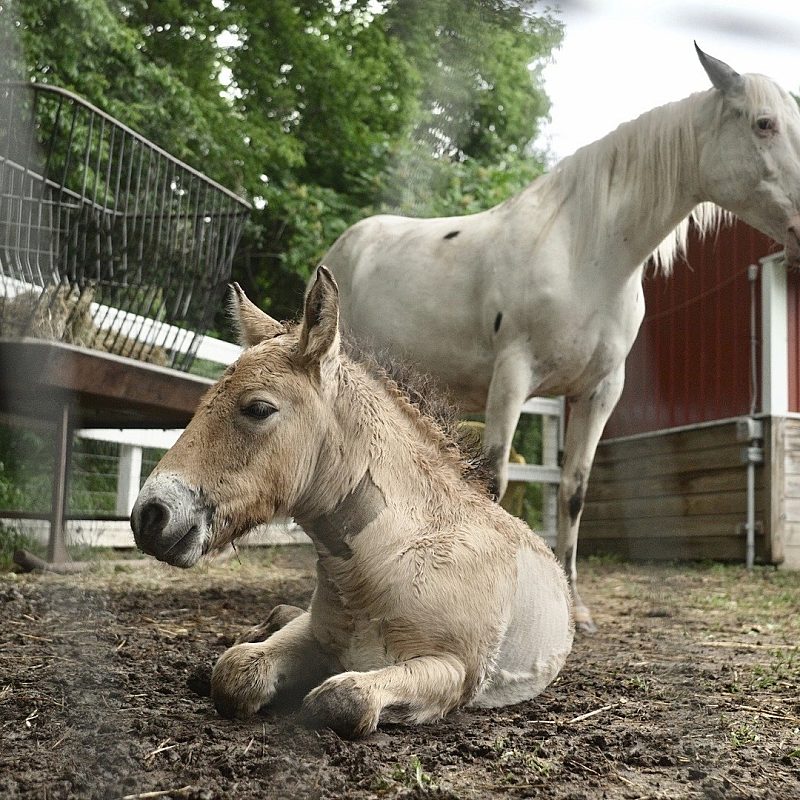
The horses have never truly been tamed. Marat is no exception. “He is definitely a wild horse,” Dr. Rivas, the zoo’s director of animal health, says. “One, he is a stallion, so he’s already got a big personality from that.” (A stallion is a male horse.) “But he is also a little more wild than you would expect a domestic horse foal to be at this point in his life. And he is trying to show me that he’s the boss, he’s in charge, he’s dominant.”
Przewalski’s horses . . .
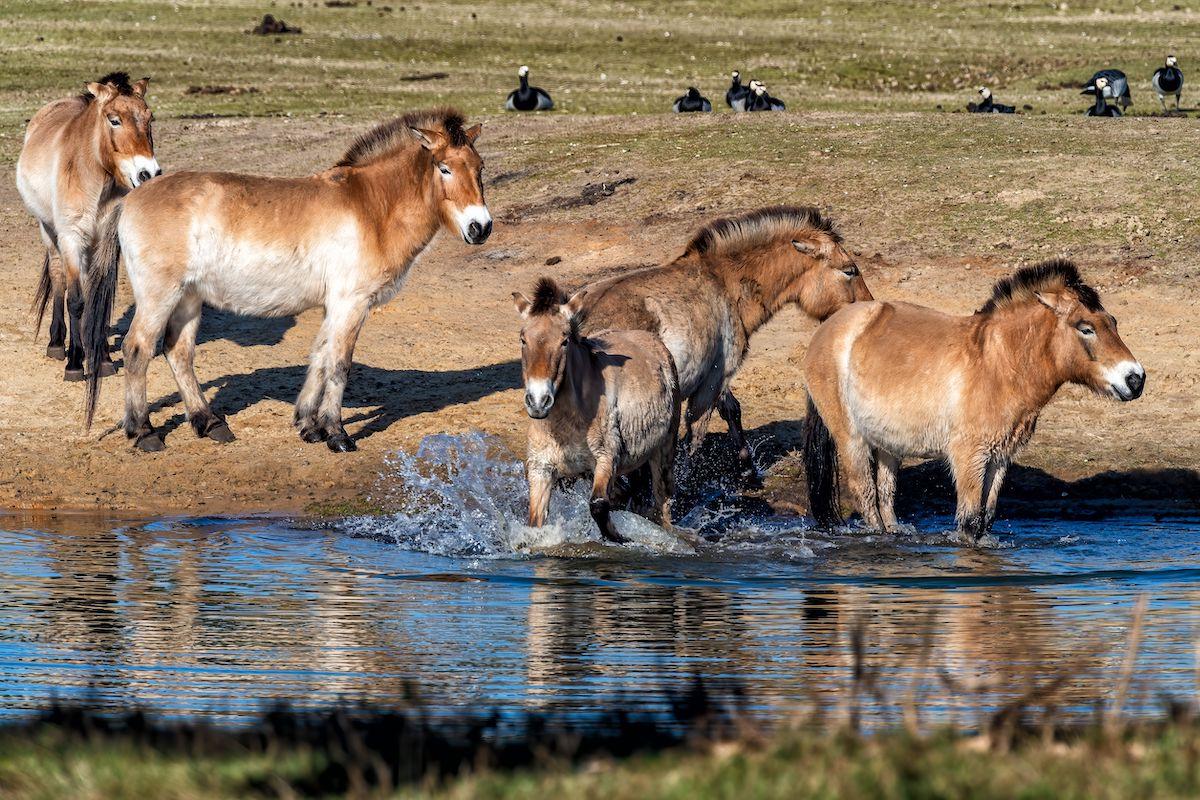
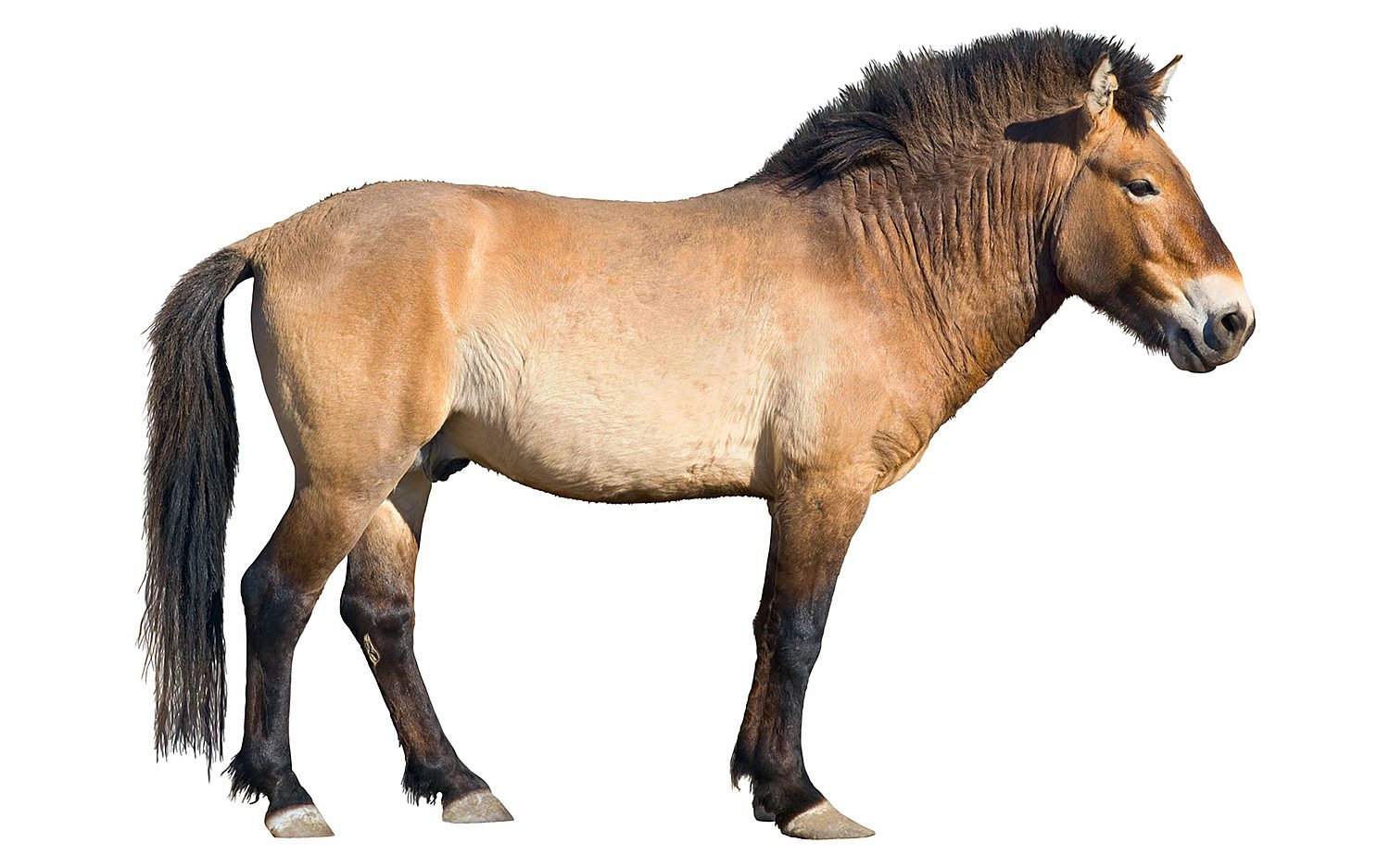
are shorties. They’re small and sturdy with big heads, short legs, and thick necks. They measure between four and five feet tall.
are dun (grayish-brown) and stripey. One long stripe runs down their backs. Faint stripes behind their knees look like a zebra’s.
can live a long time, up to about 25 years.
have enemies . . . and protectors. Wolves will eat foals. To guard the babies, mares form a circle around them. Around the mares, a stallion runs in a circle. He charges at approaching predators.
Do you give the horse his might? Do you clothe his neck with a mane? — Job 39:19