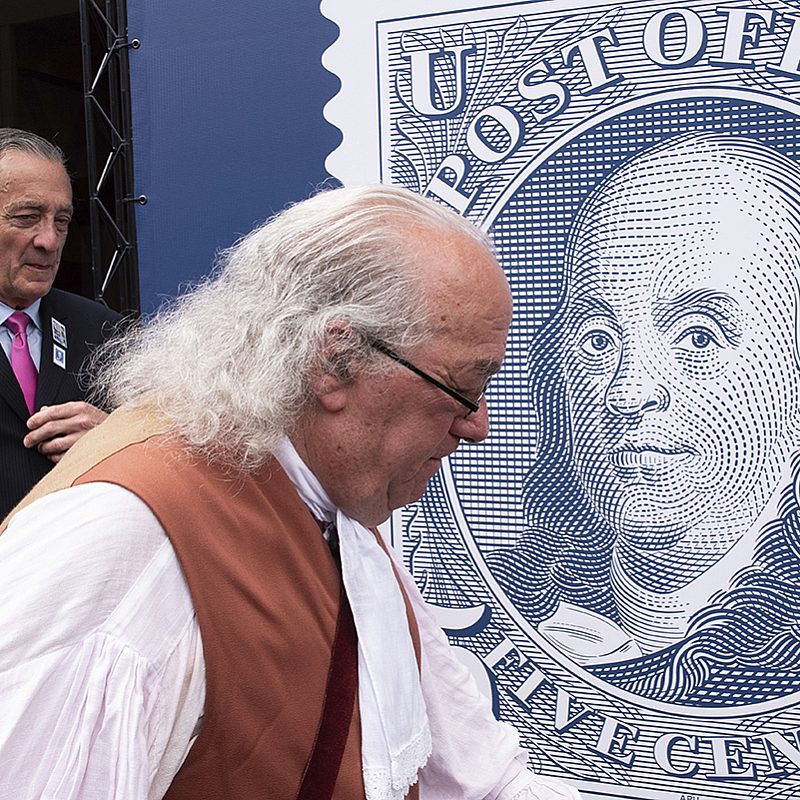
By 1788, the U.S. Constitution was the law of the land. And the Postal Service was official. Congress formed mail routes. Most ran north to south.
Later, mail by ship—New York to Central America to California—took two to three months.
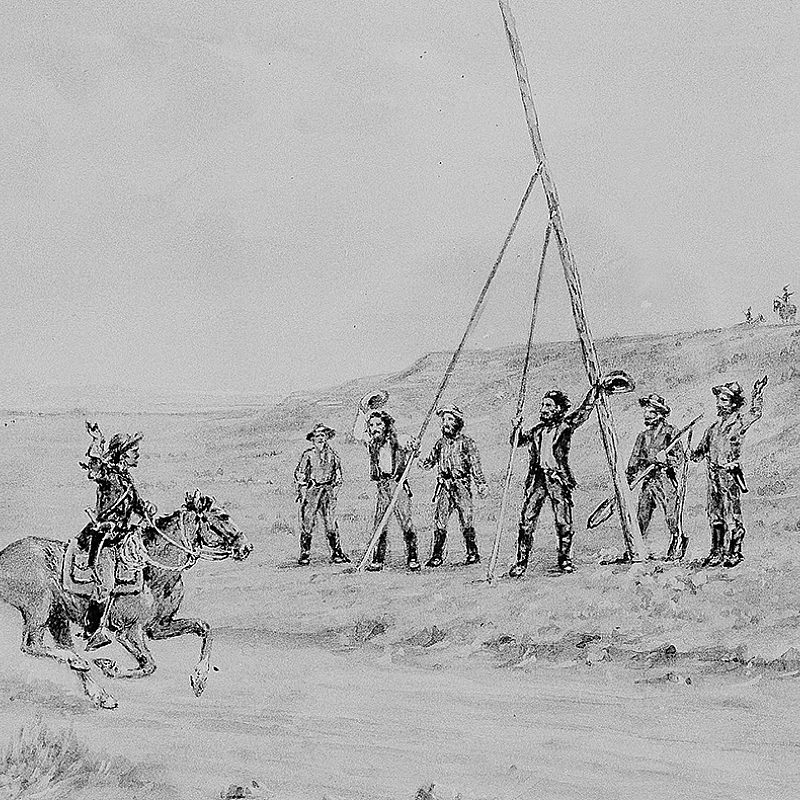
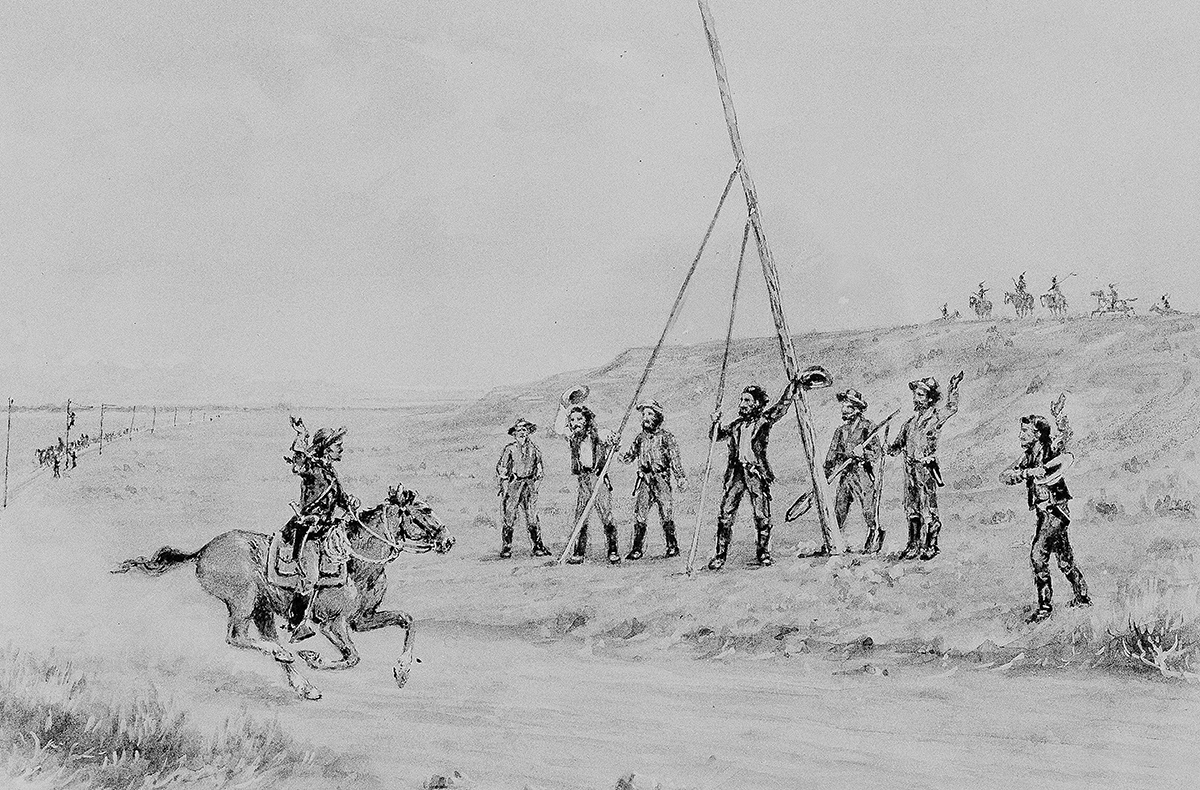
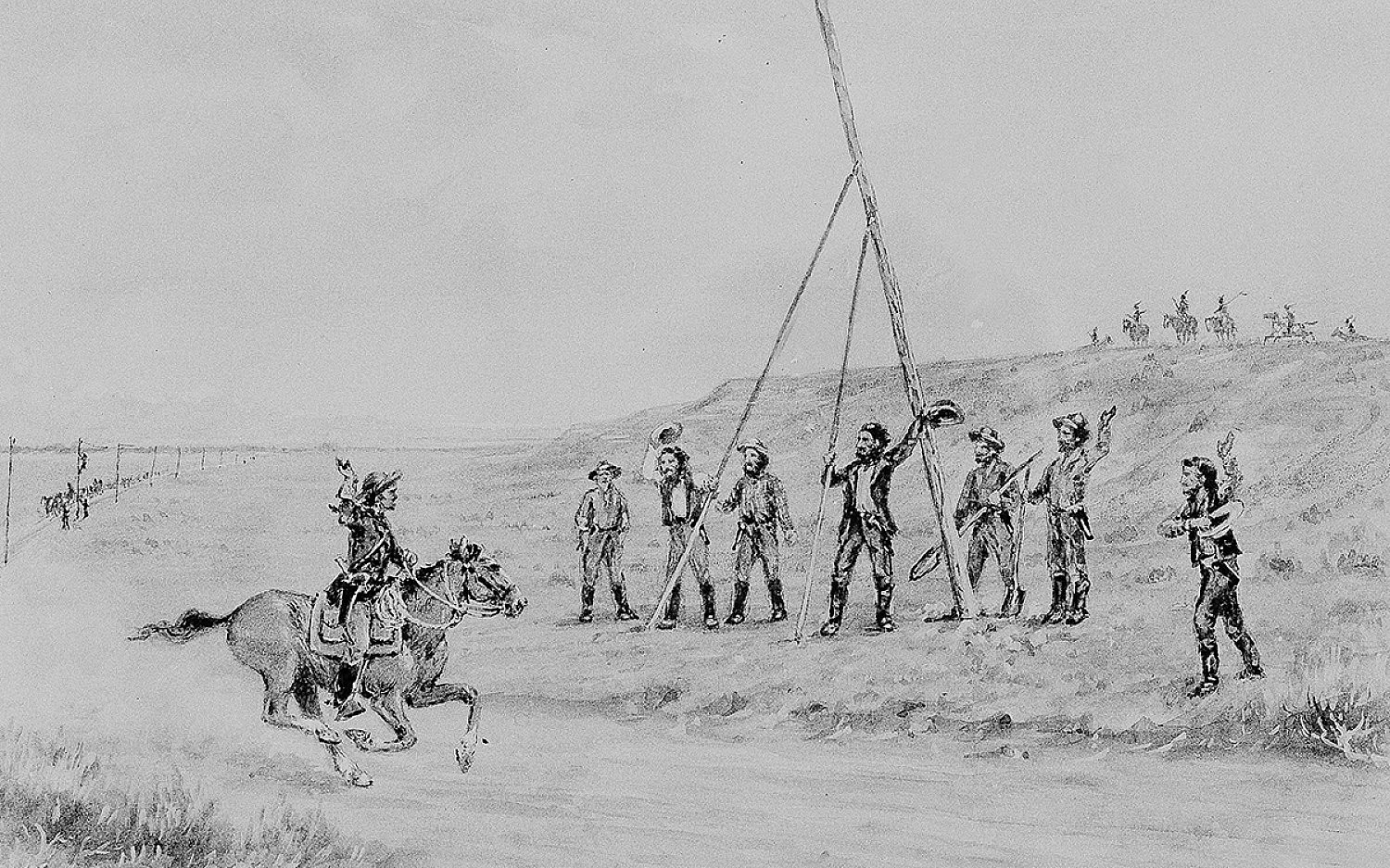
In 1860, William Russell, Alexander Majors, and William Waddell started the Pony Express. Riders carried mail on horseback. It worked like a relay race. The riders moved mail between California and Missouri.
Missouri was as far west as railroads went then. So trains brought the mail from the east to Missouri. Then riders picked it up and galloped off with it westward. The 1,800-mile journey took only 10 days. But the cost for all those horses, stations, and riders added up! The three businessmen quickly spent all their money.
The Pony Express didn’t last long. It went bankrupt . . . in just 18 months. Historians say the Pony Express lost $30 on every piece of mail! Another invention—the telegraph—also helped doom the Pony Express.
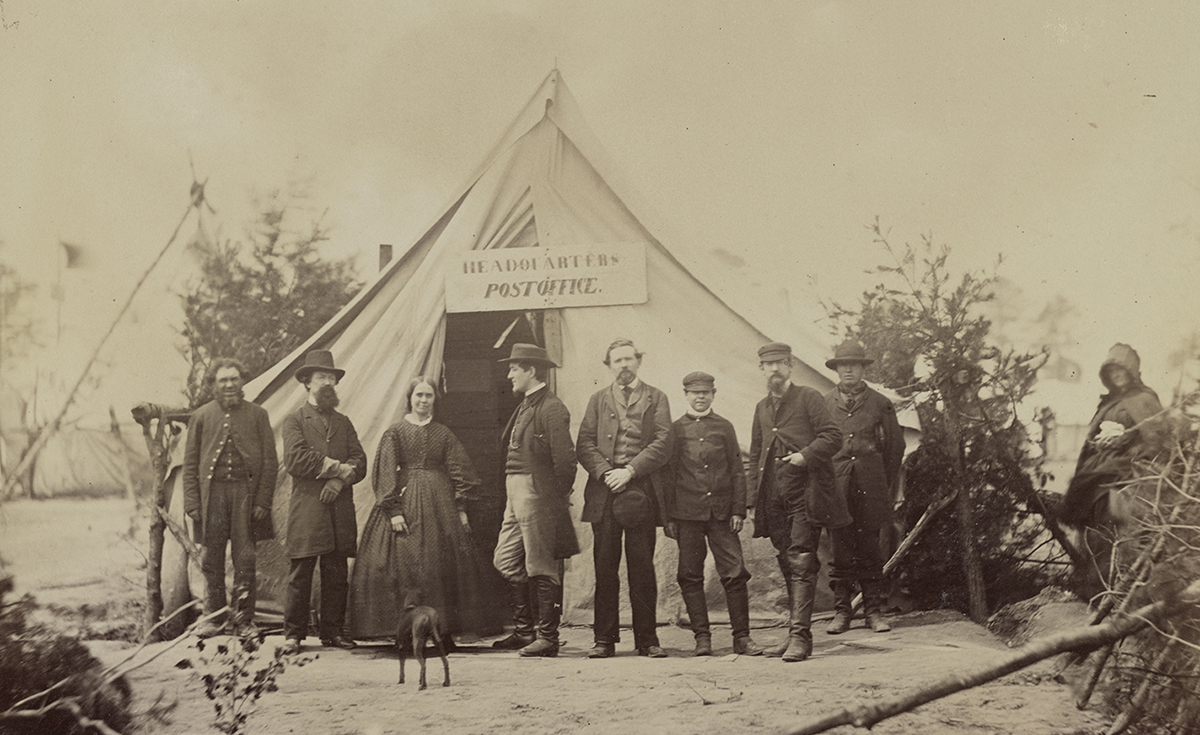
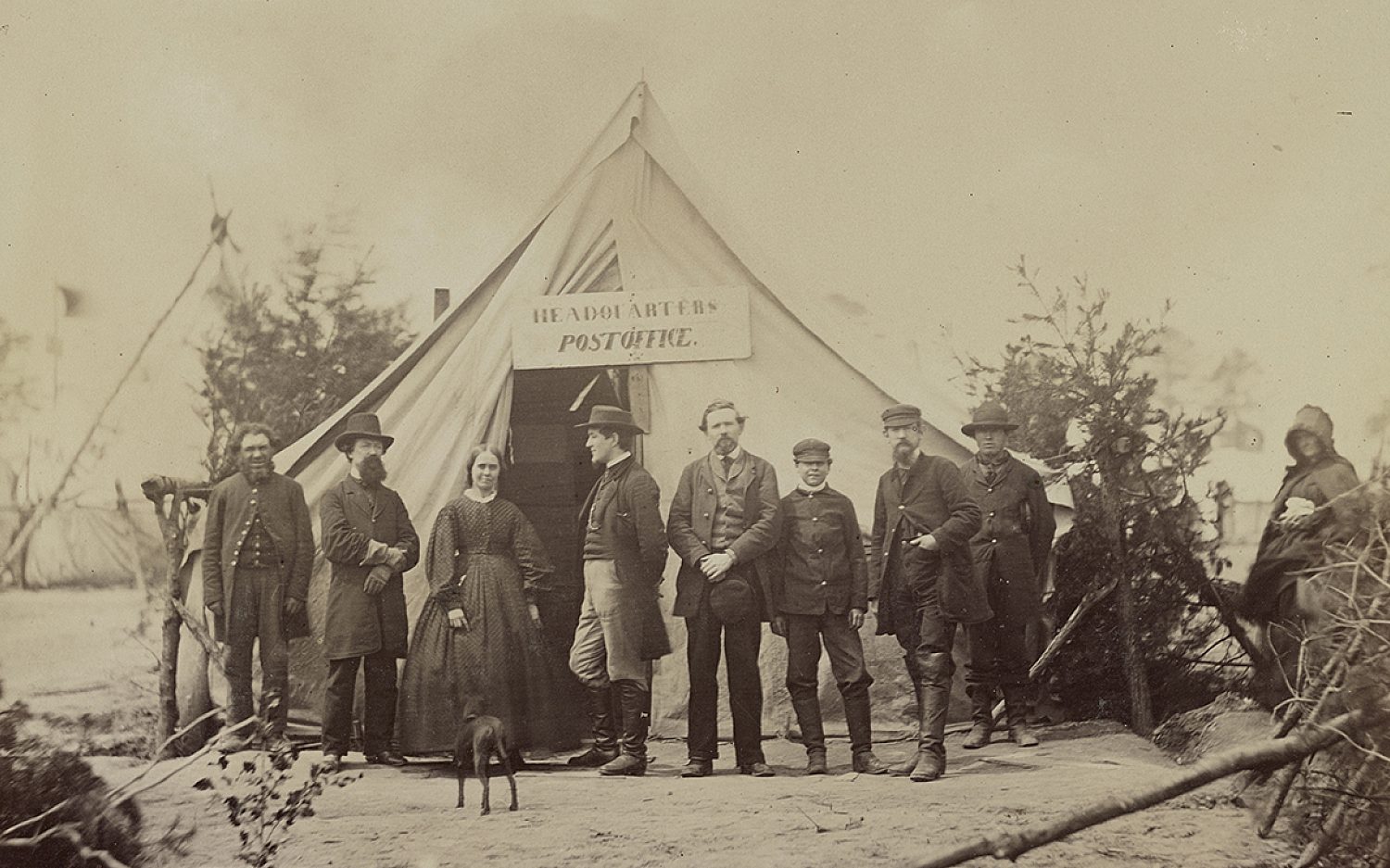
During the Civil War (1861—1865), people lined up daily at post offices. They were waiting for word about loved ones on the battlefield. Out of compassion, Ohio officials began taking mail directly to homes.
Free home mail delivery became widespread in the nation’s largest cities in 1863.
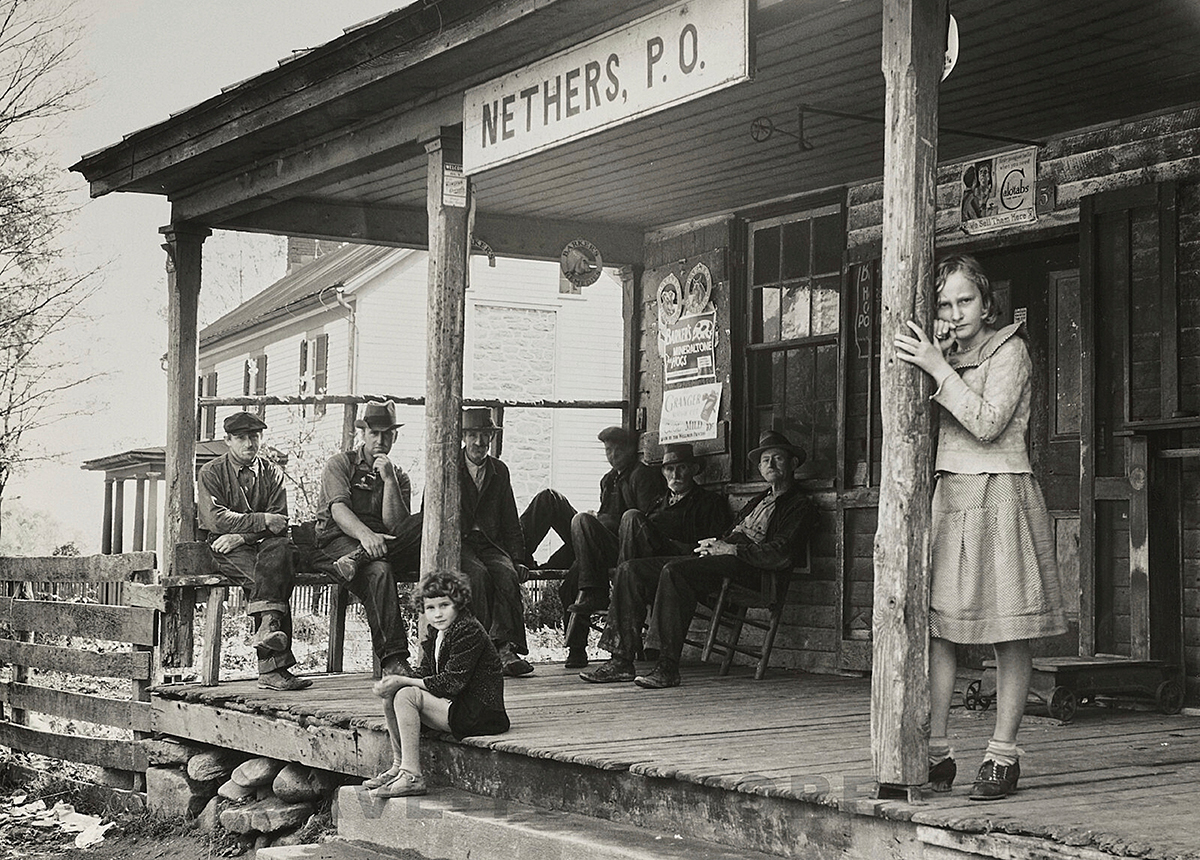
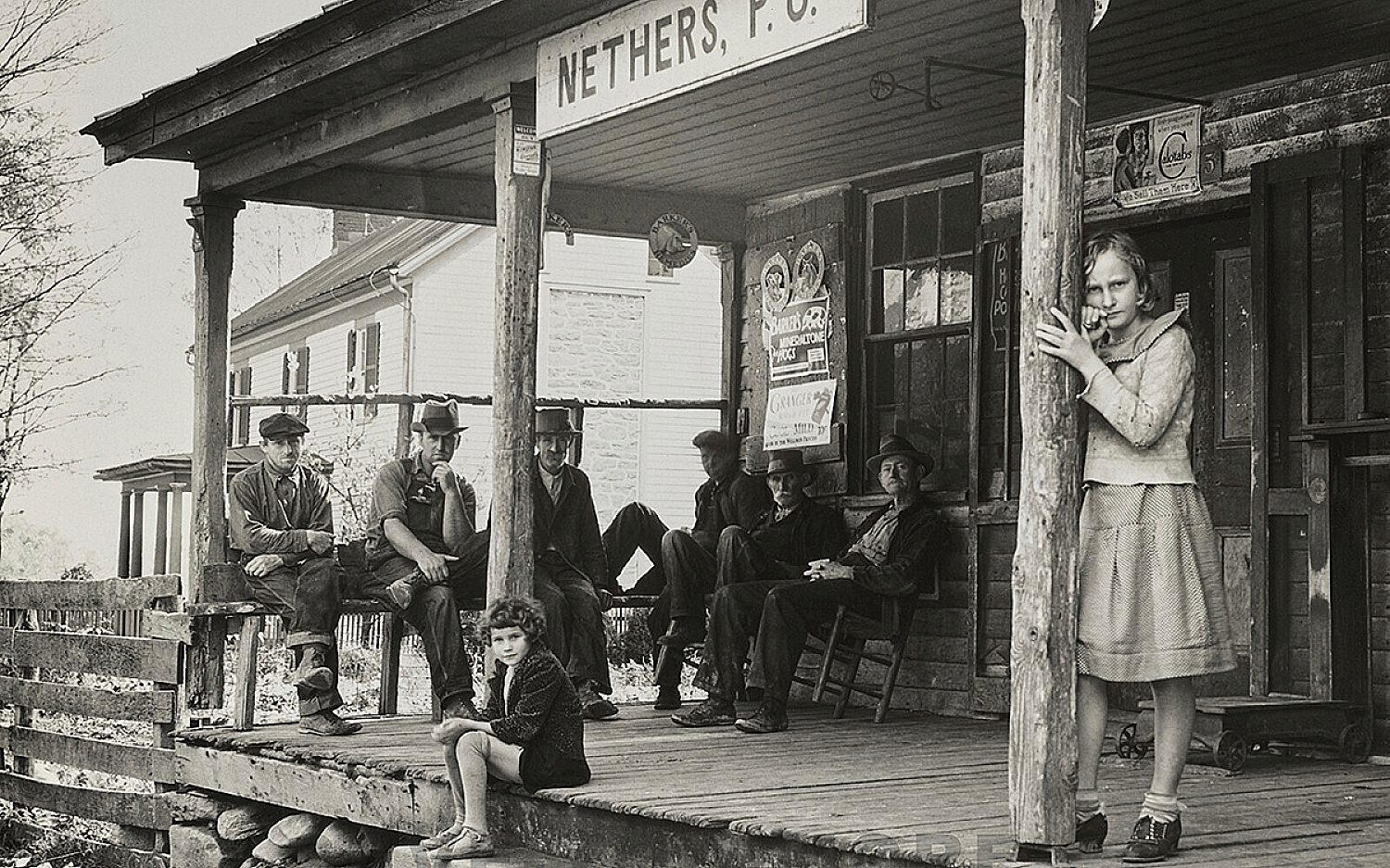
Rural free delivery followed around 1900.
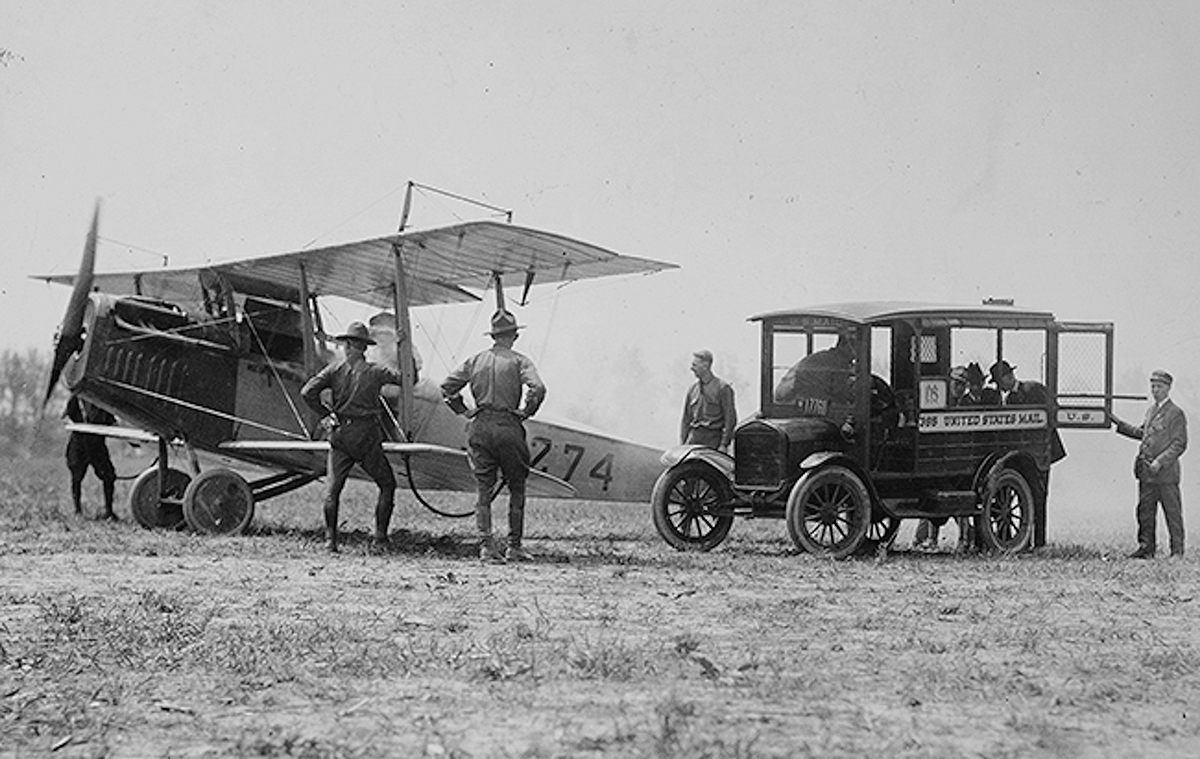
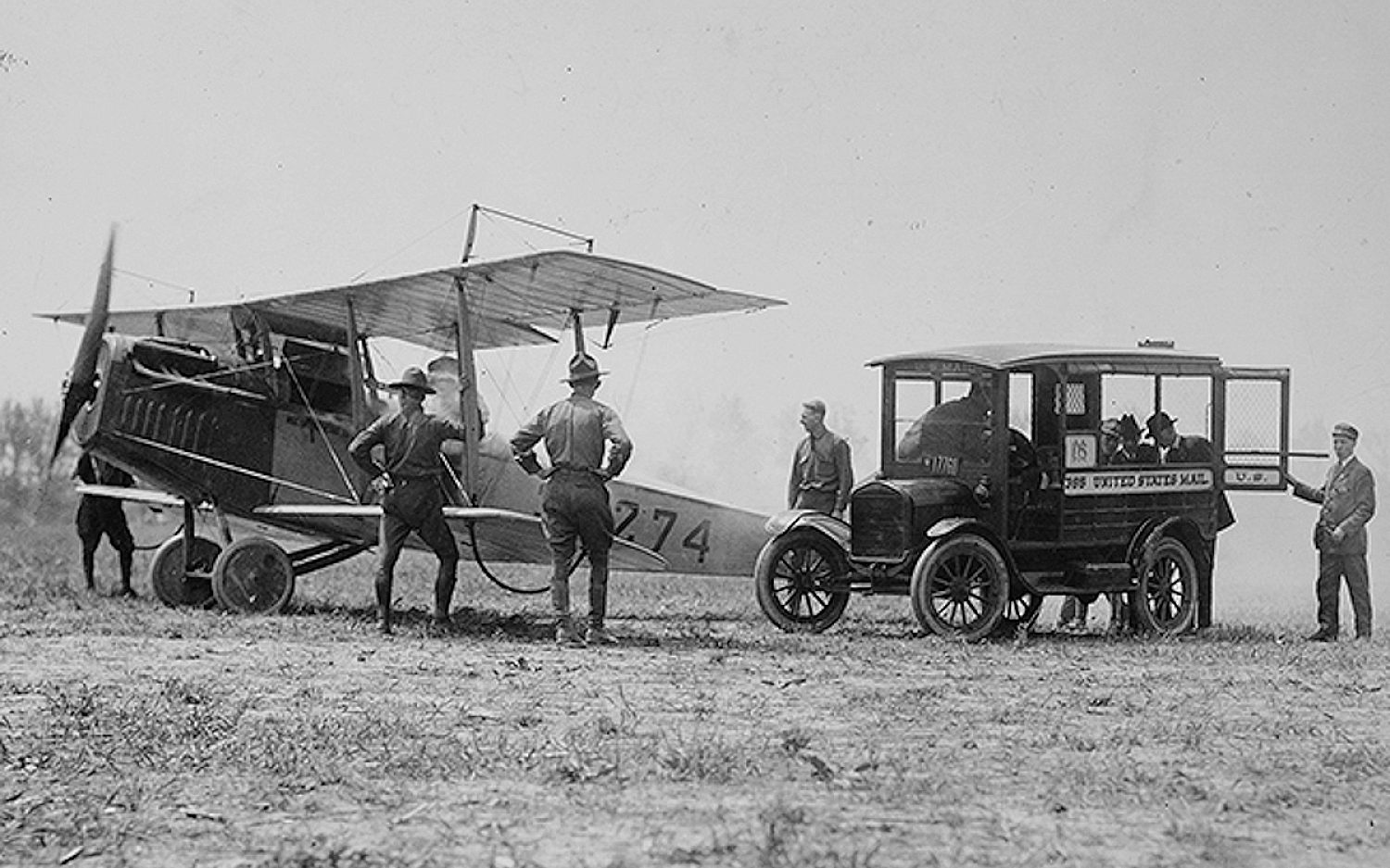
The nation’s first regular airmail service began in 1918. Pilots flew routes among Philadelphia, New York, and Washington, D.C.
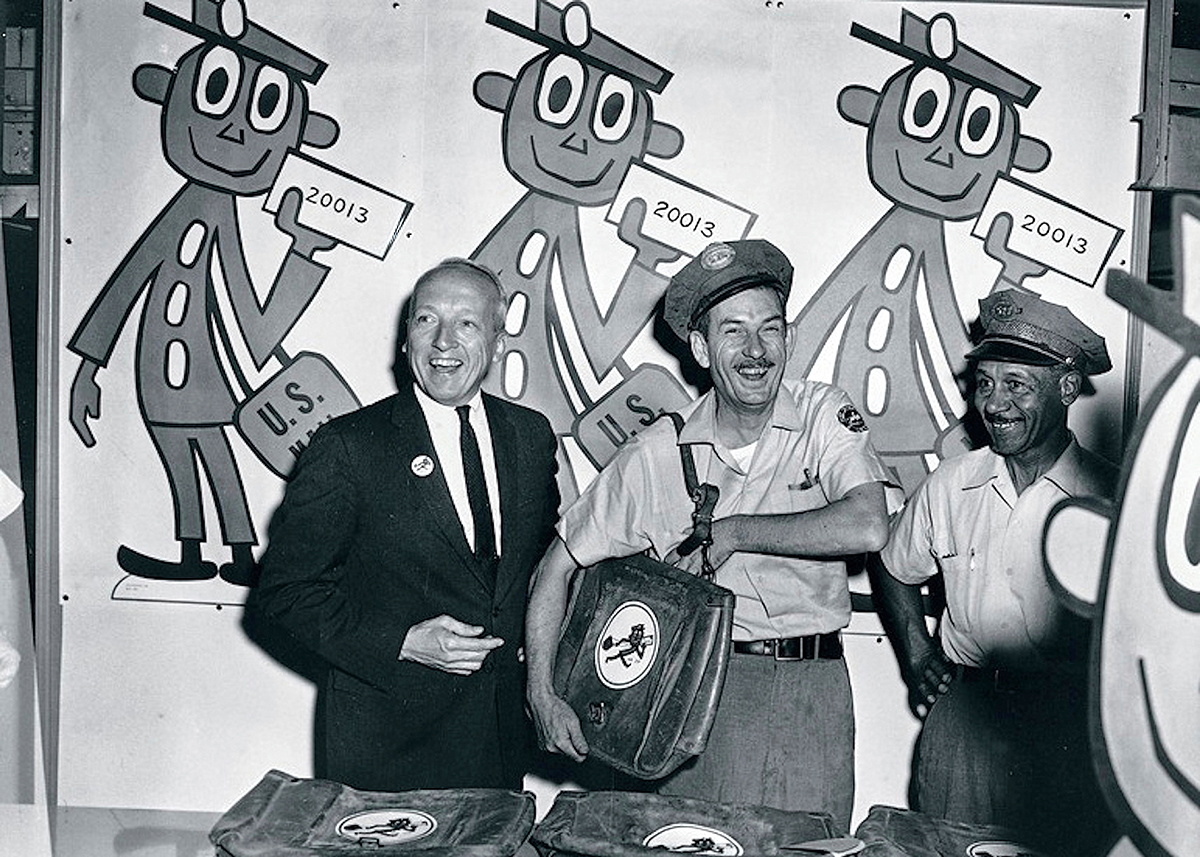
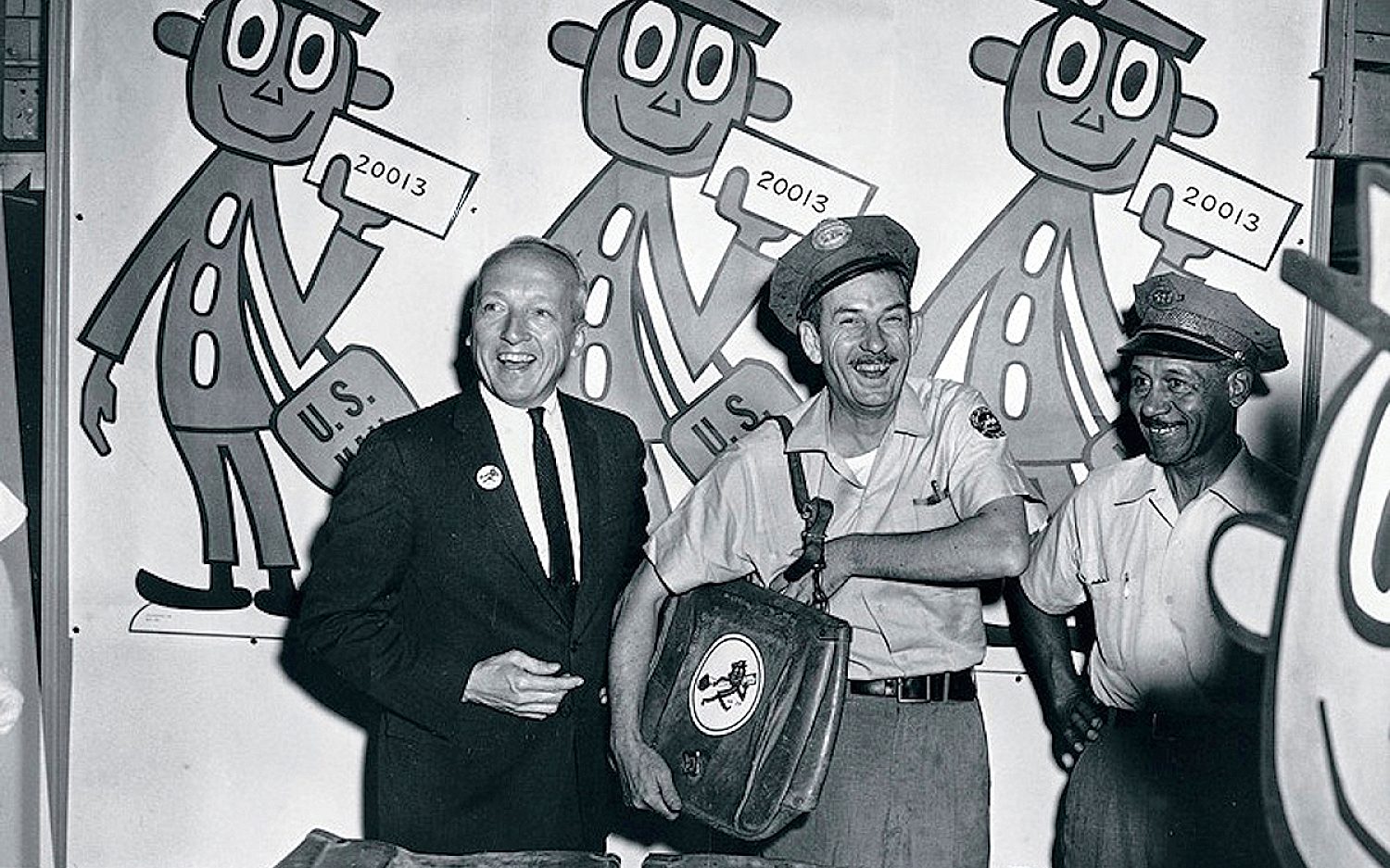
By 1963, Americans were sending literal loads of mail. The Post Office Department needed a new sorting plan. Each post office received a five-digit ZIP code. (ZIP stands for zone improvement plan.) The public disliked the numbers. So the Post Office Department developed a friendly cartoon character named Mr. ZIP. He helped convince people their mail would arrive faster with the code.
In 1970, the Post Office Department became the United States Postal Service (USPS). It is an independent agency within the executive branch of the government.
America has grown. The USPS has too. It started by connecting 13 colonies. Now it serves 169 million addresses. It delivers more mail than any other postal system in the world.