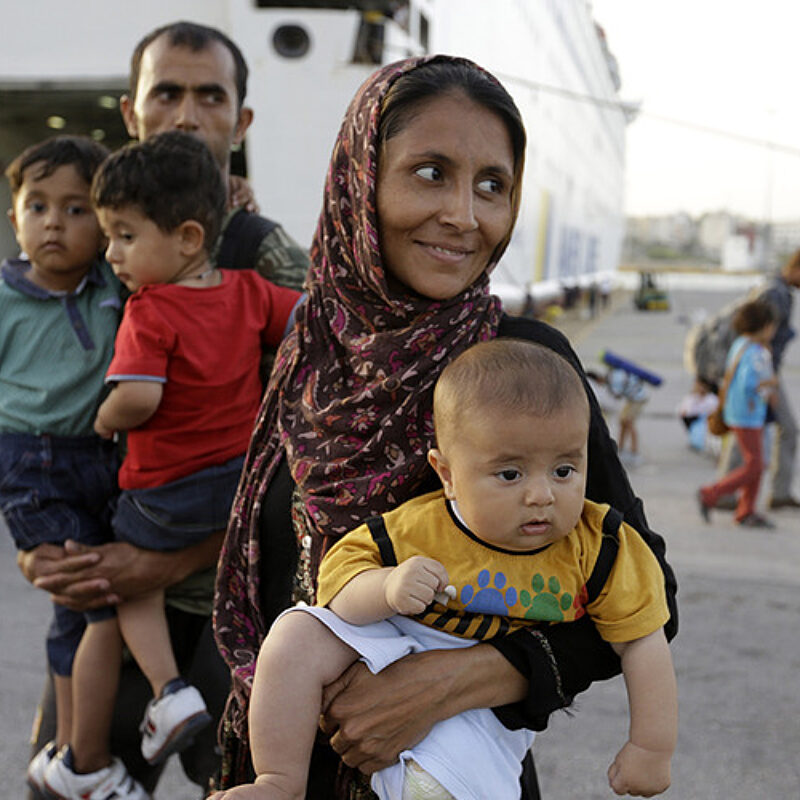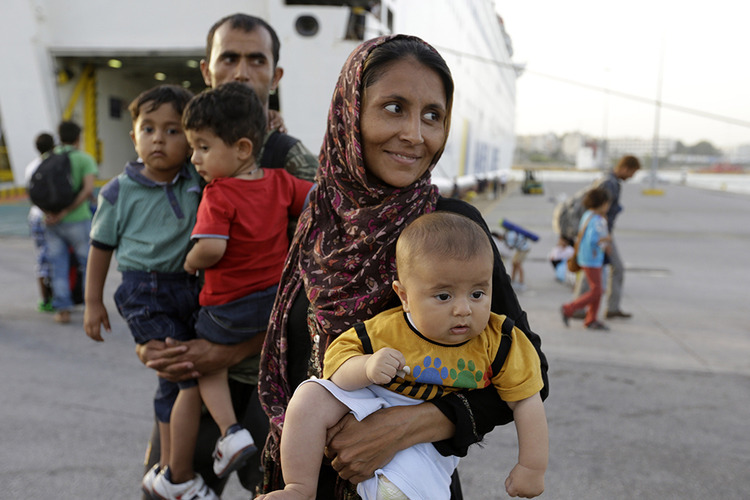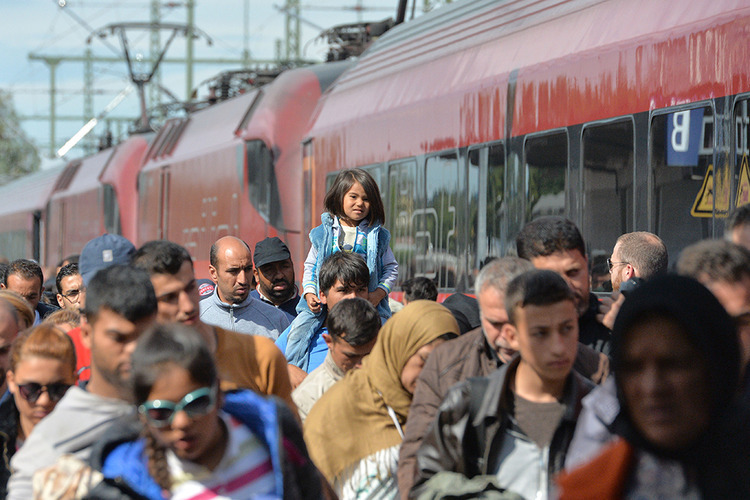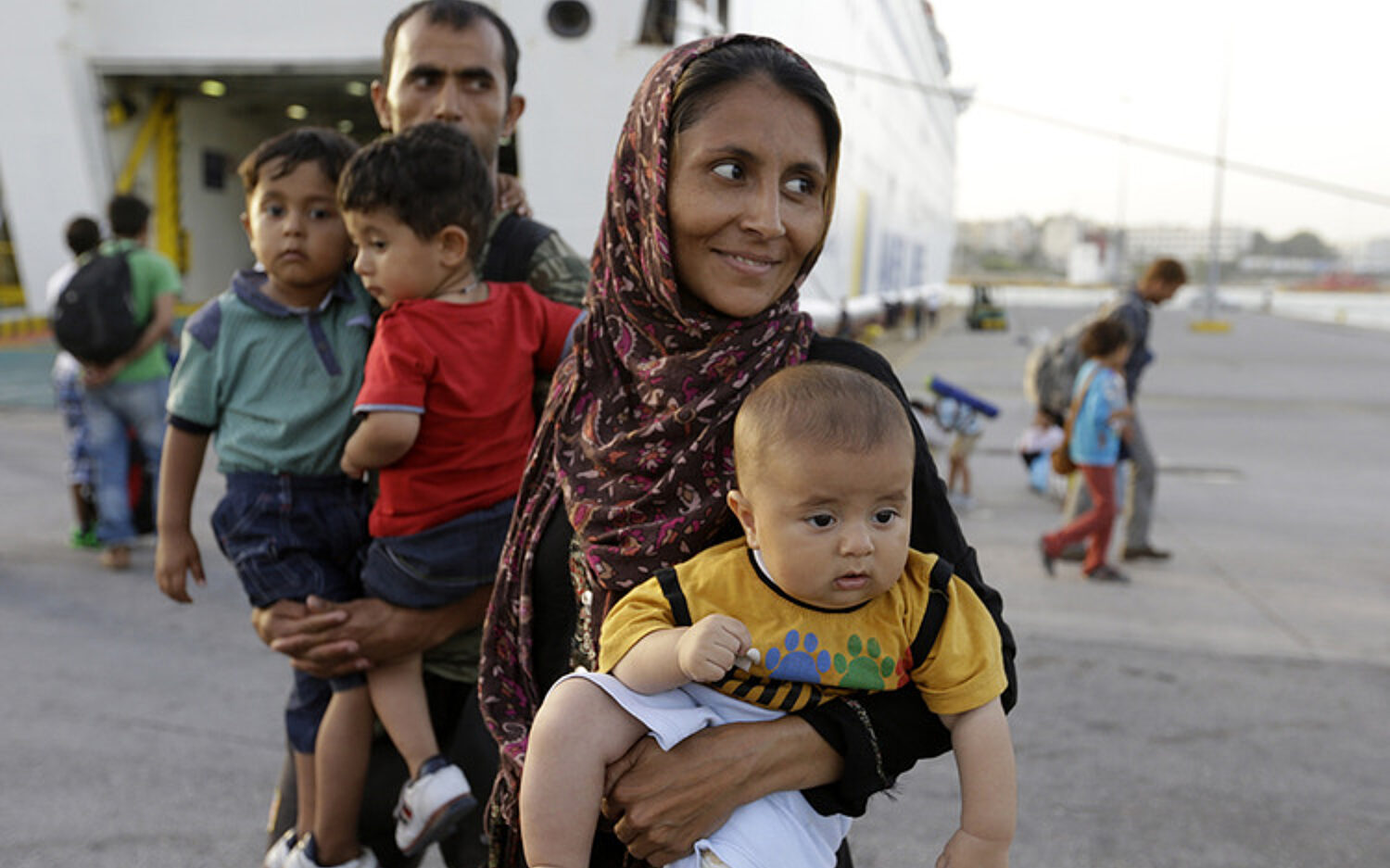
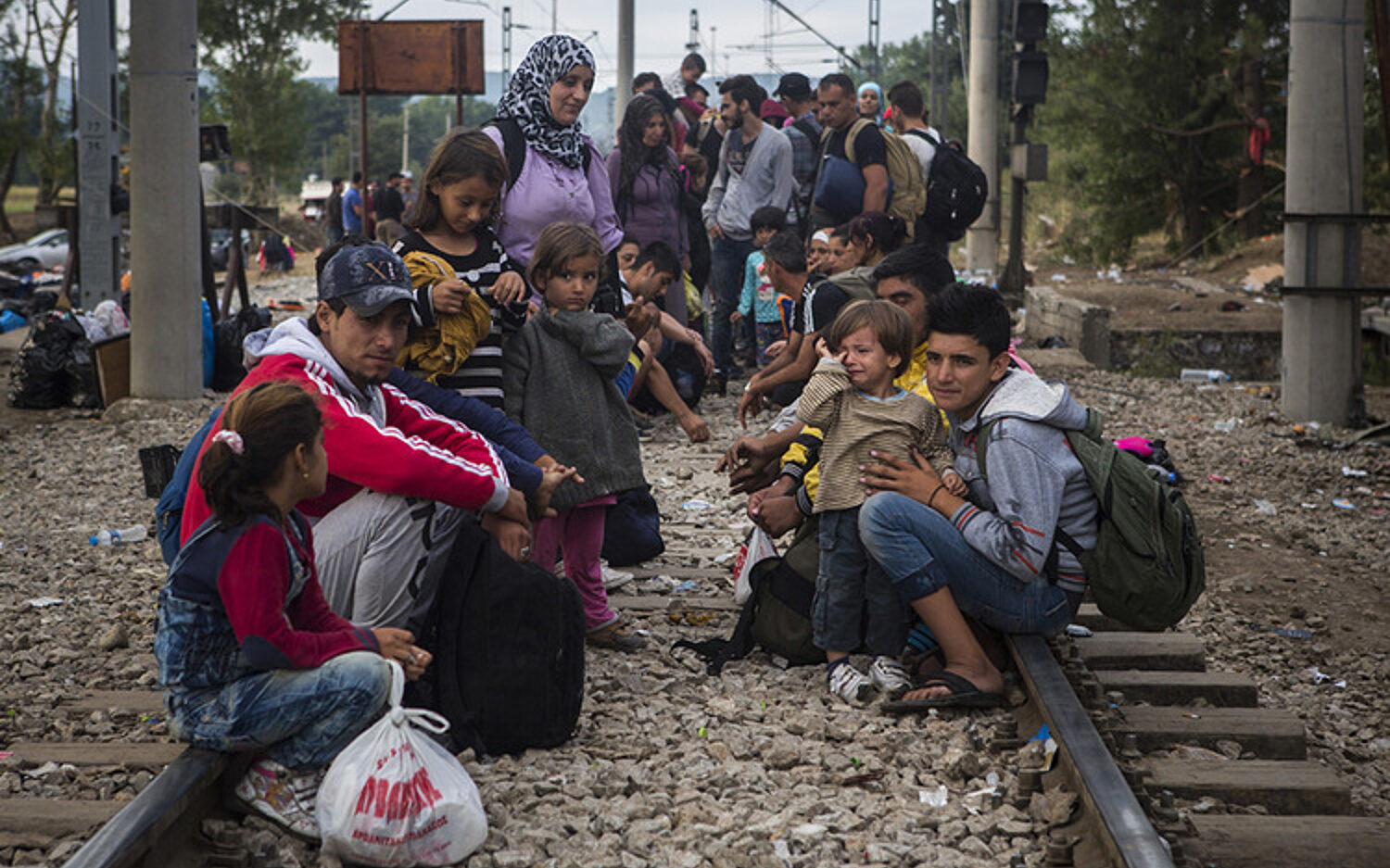
Wafaa Bukai is 25 years old, and very far from home. She waits in a camp in the European country of Serbia. But she carries items that remind her of her homeland. One is a scrapbook. In one picture, Wafaa is a little girl in school. In another, she plays at the beach with her family. She also carries a seashell while she travels. She bought it in Damascus, the capital of Syria. “My homeland is destroyed and not safe,” she says. "I remember Damascus everywhere.”
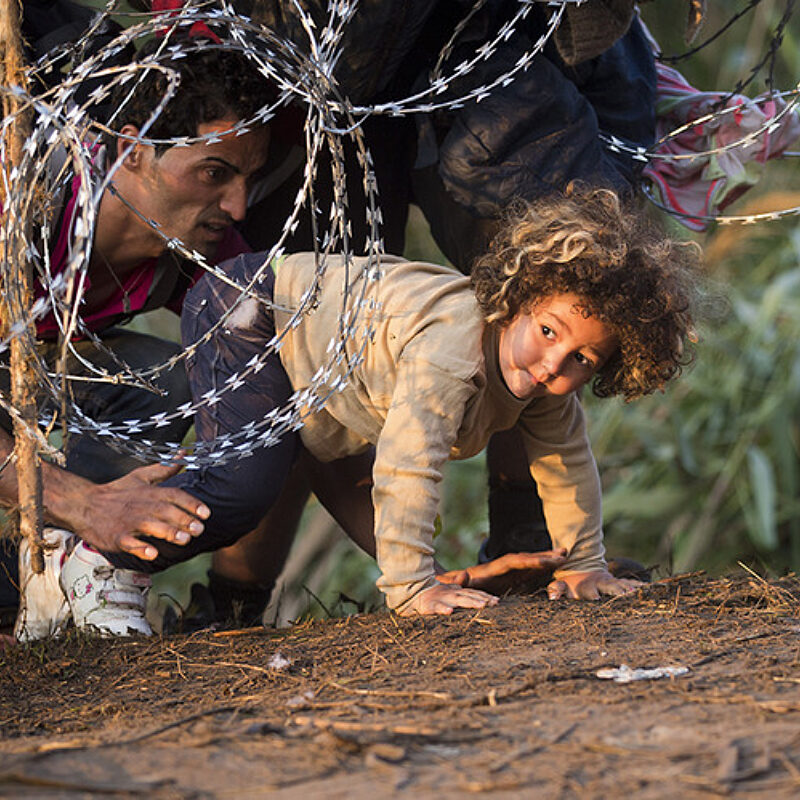
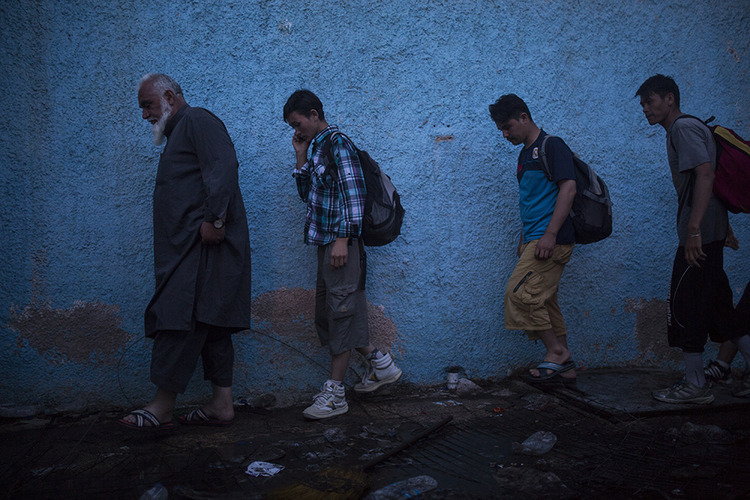
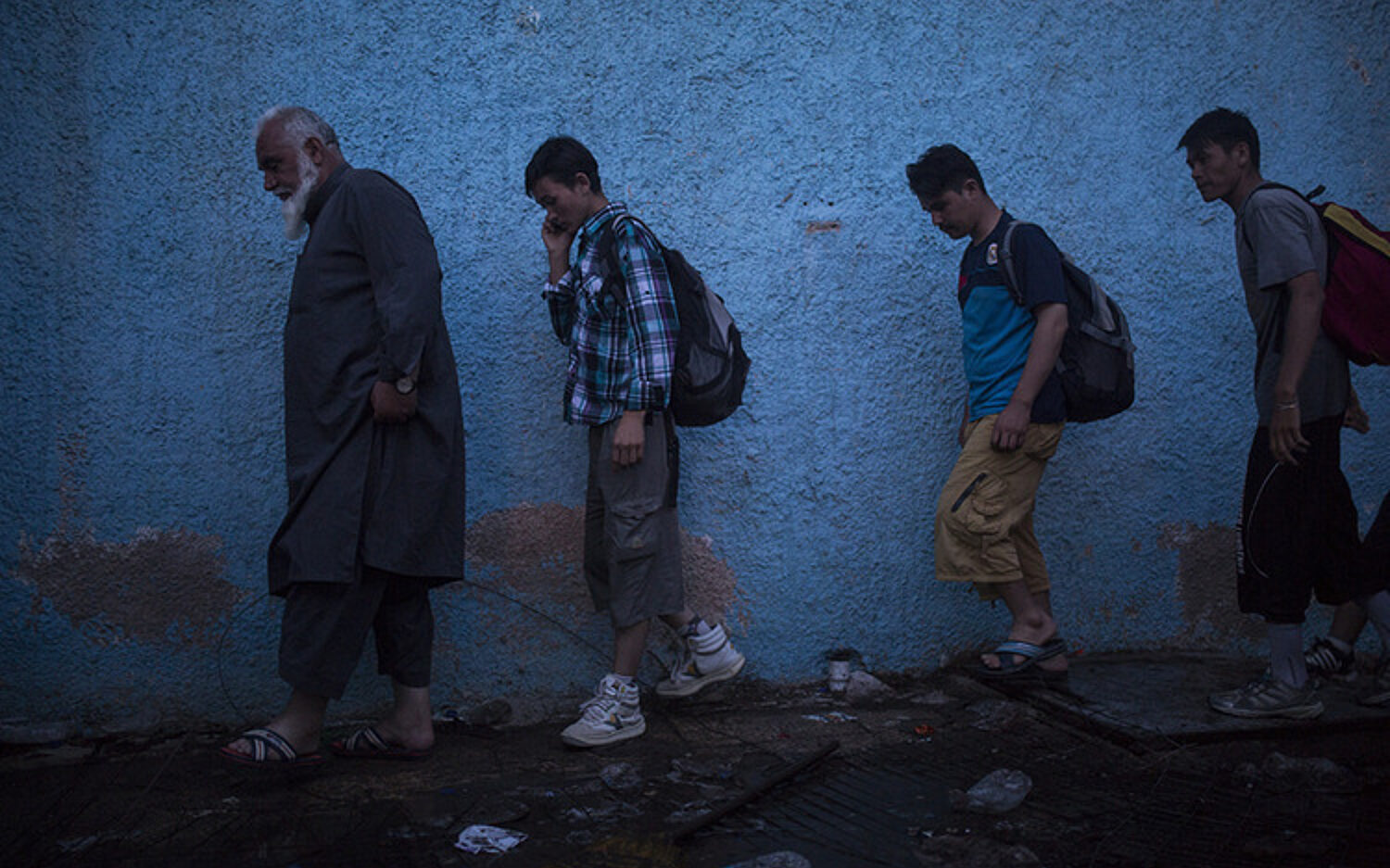
A few countries over, someone else is on the move. His name is Mekdad Marey. He also travels with a prized possession: a neck brace. Mekdad is also 25. He came from Syria to Egypt to study. After that, he worked with computers in Turkey. Now he waits in Hungary. He believes his horrible back pain comes from all the time he spent leaned over a desk. Like many other movers, Mekdad wants to go to Germany. He can make more money there. He’s also hoping a good German doctor can fix his back.
In 1951, the United Nations made an important decision. They determined the difference between a refugee and a migrant. According to their decision, someone who has to run away from his or her country deserves the name refugee. Refugees flee war or persecution. They have no protection from their home countries.
Migrants leave their home countries too. But they do it for very different reasons. A migrant might go elsewhere because he or she wants a job. He or she might want to join family members or to study somewhere else. Unlike refugees, migrants have the protection of their own governments.
Which of our movers is a refugee and which is a migrant? Wafaa is running away from war. She is a refugee. Mekdad left Turkey in hopes of making more money. He is a migrant.
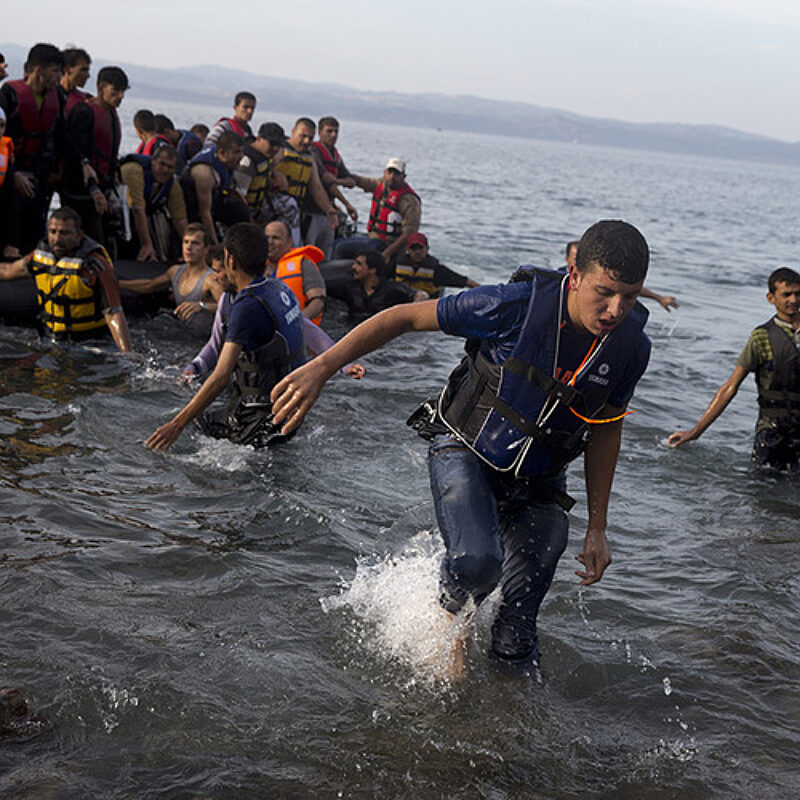
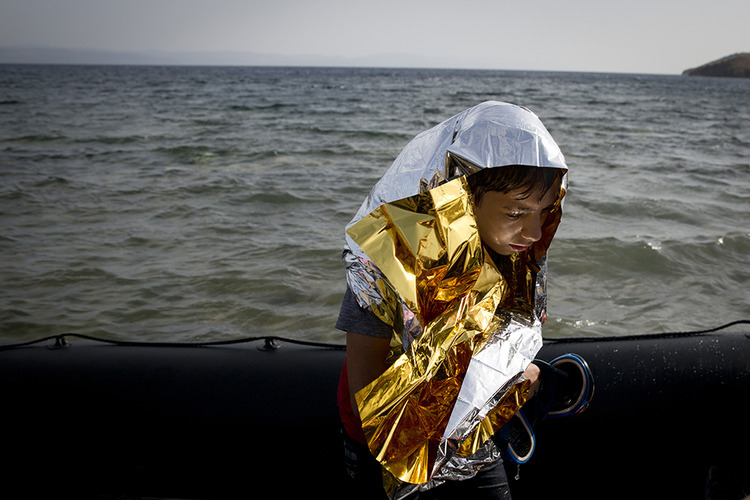
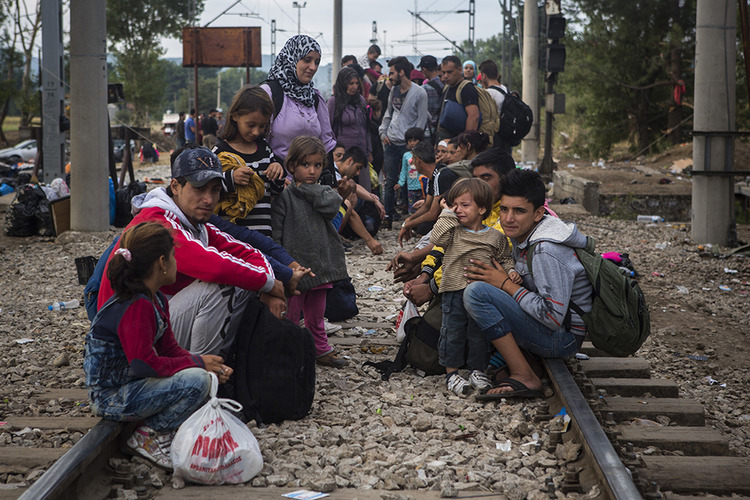
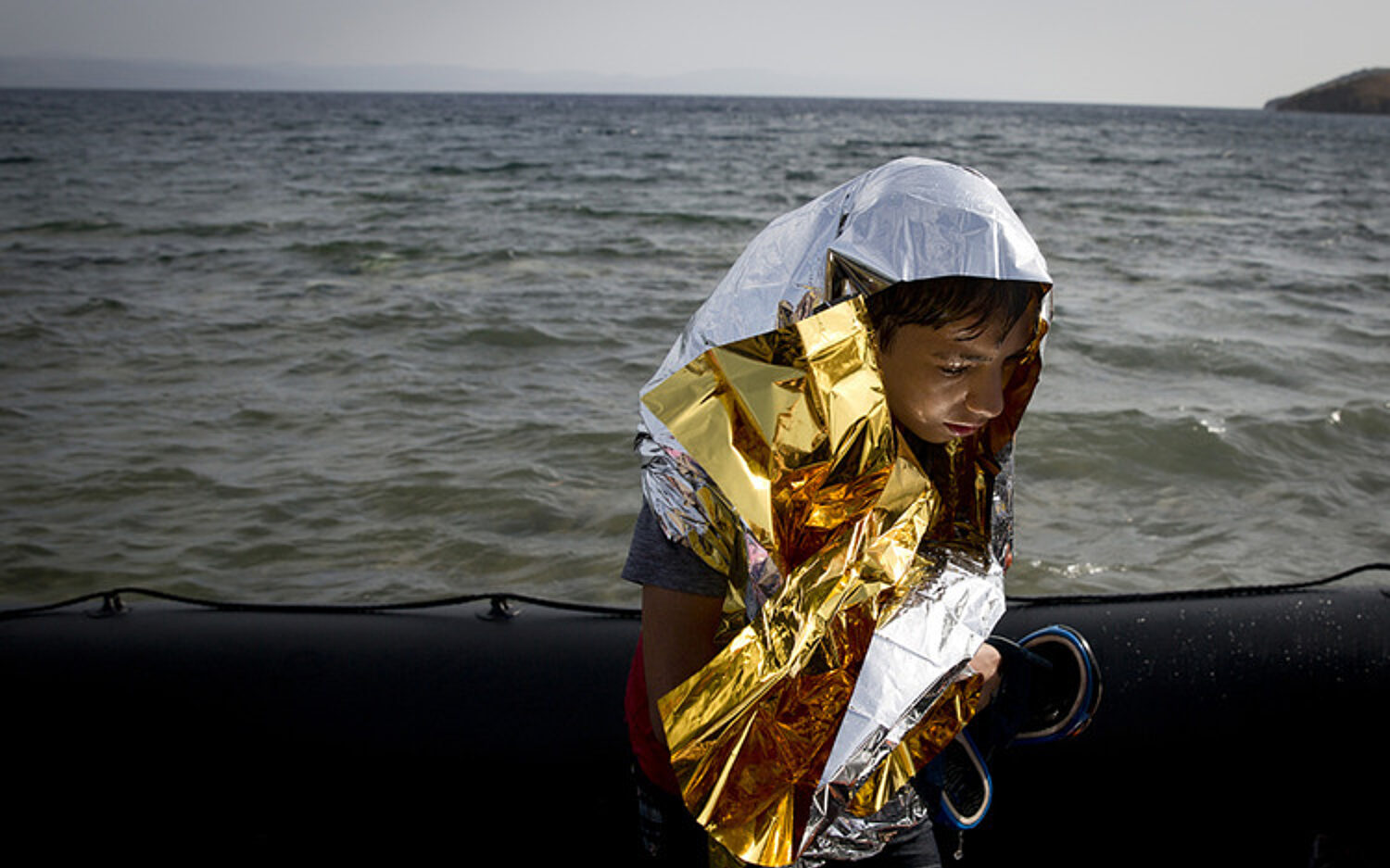
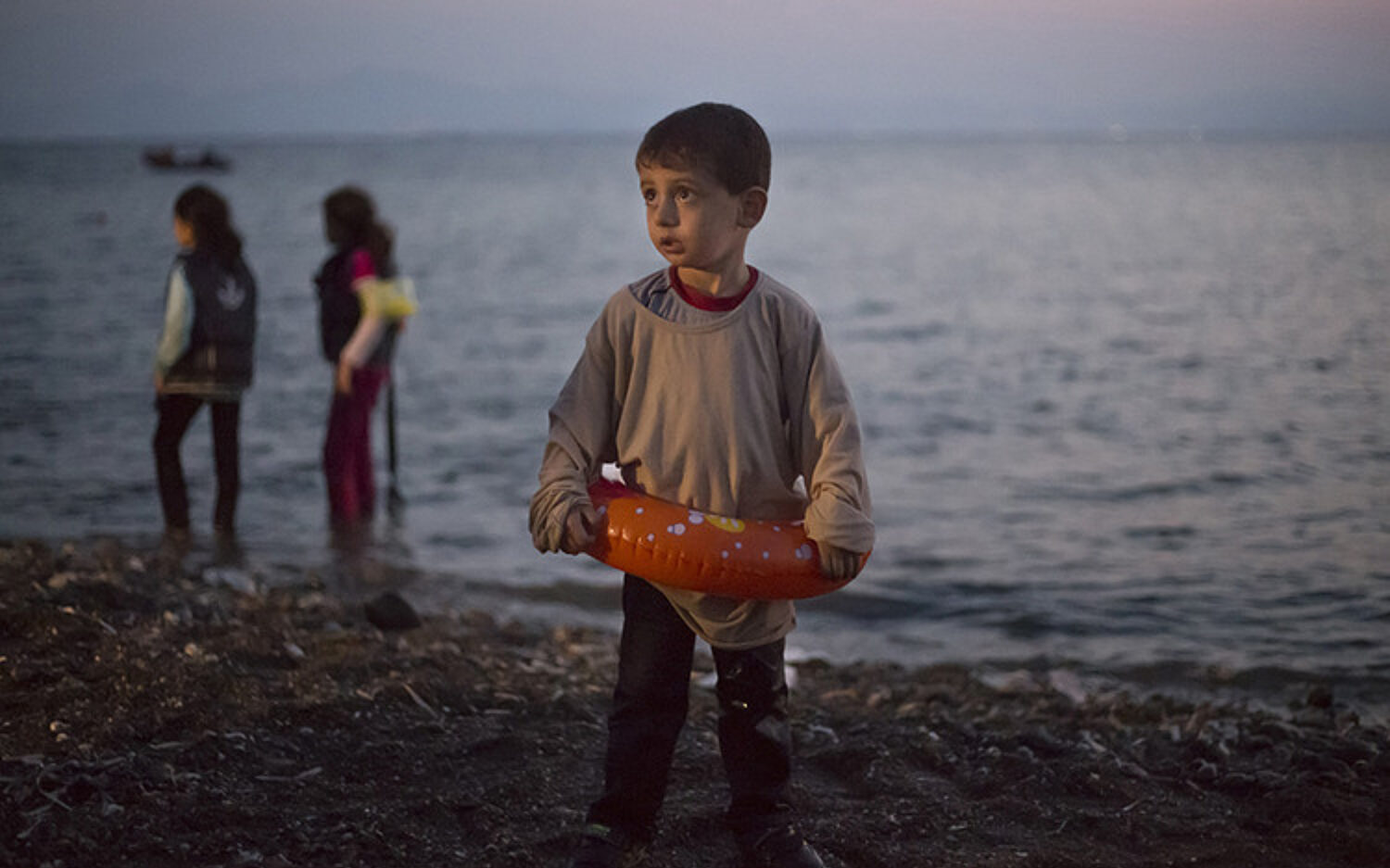
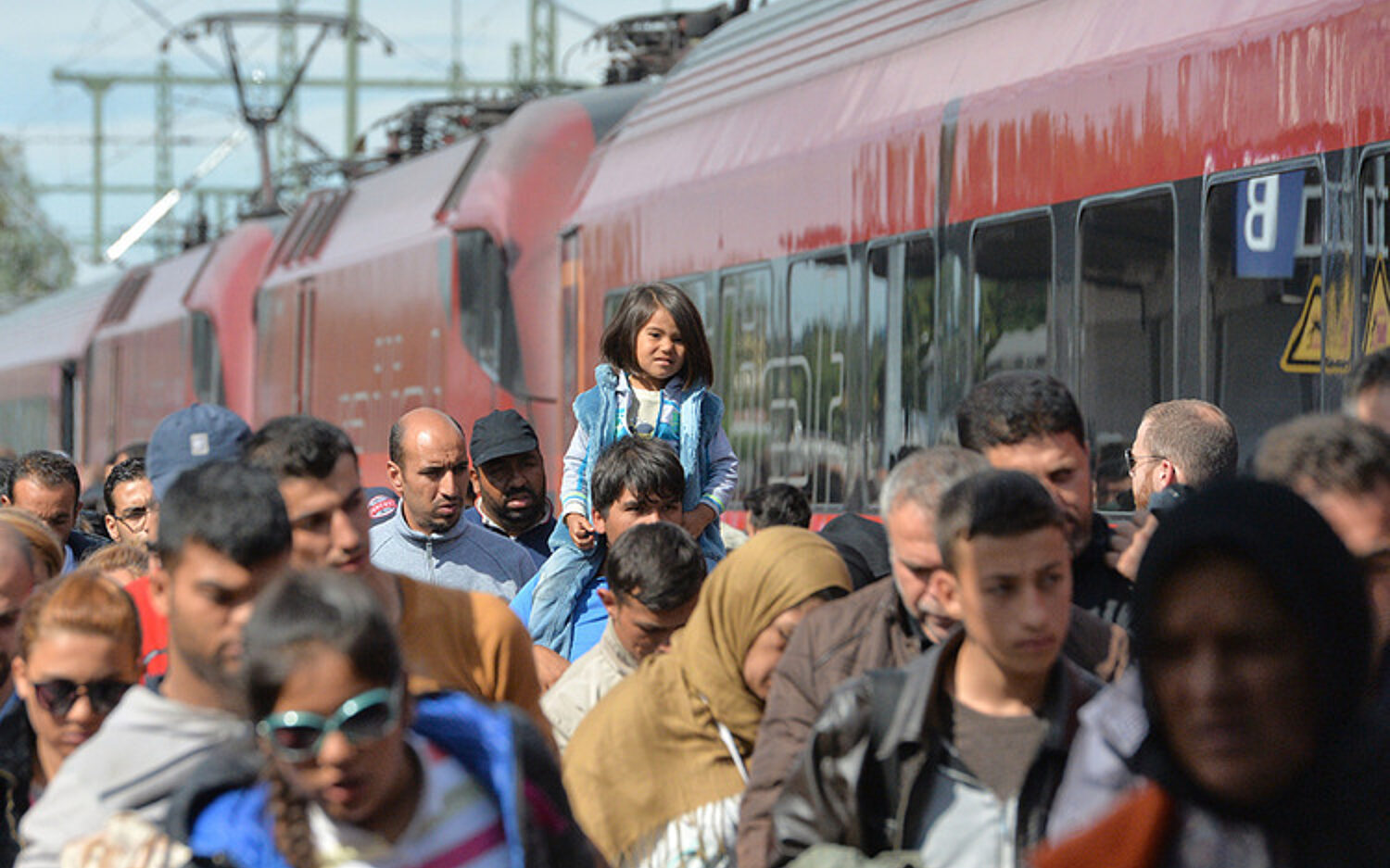
Migrants and refugees are very different. But they are not always easy to tell apart—especially as they flood into countries by the boatload. That puts host countries in a serious pickle! They cannot help everyone at once. They have to decide: How badly does each person need help?