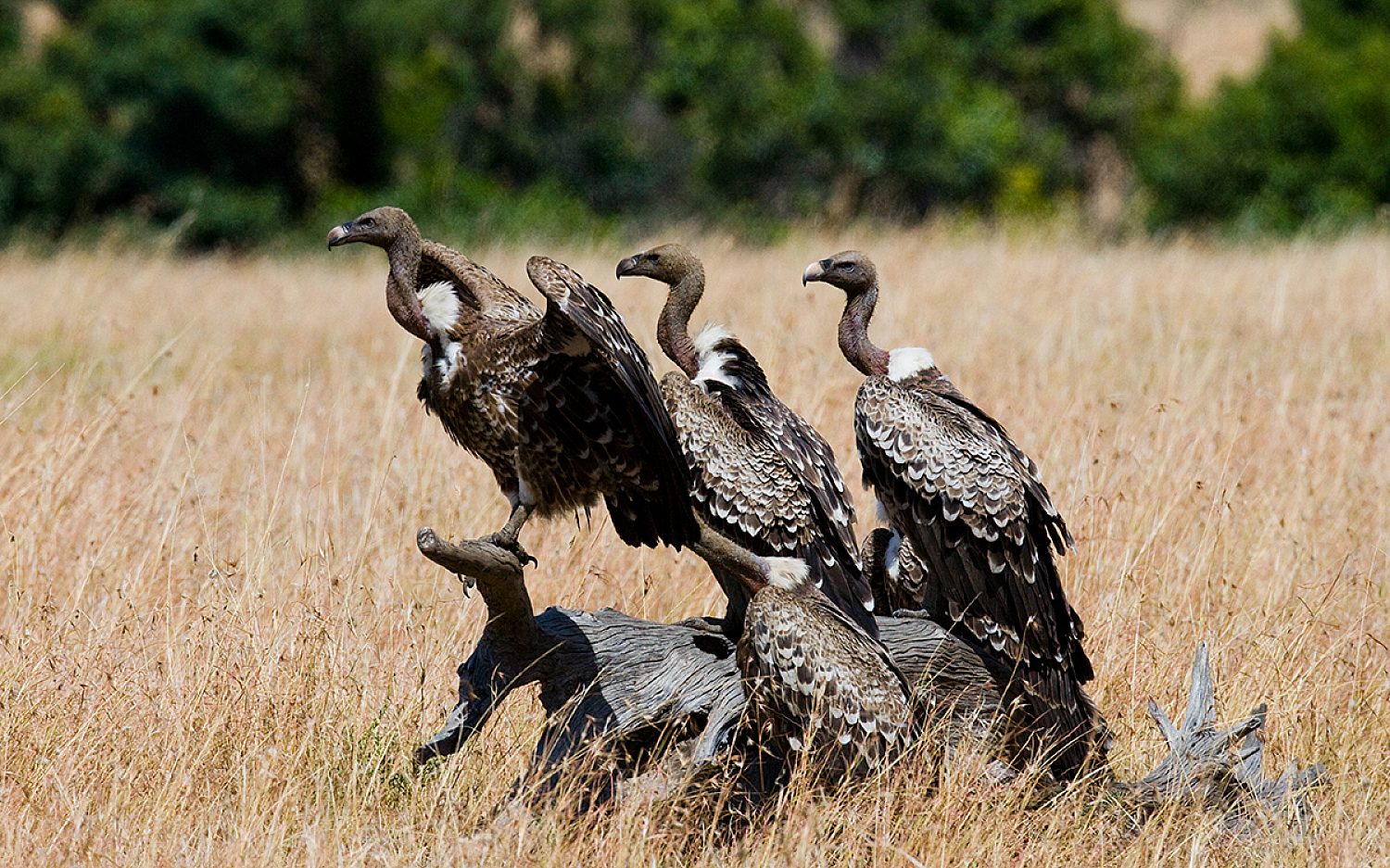
God made all of Earth’s creatures, and each for a purpose—even the “ugly” ones!
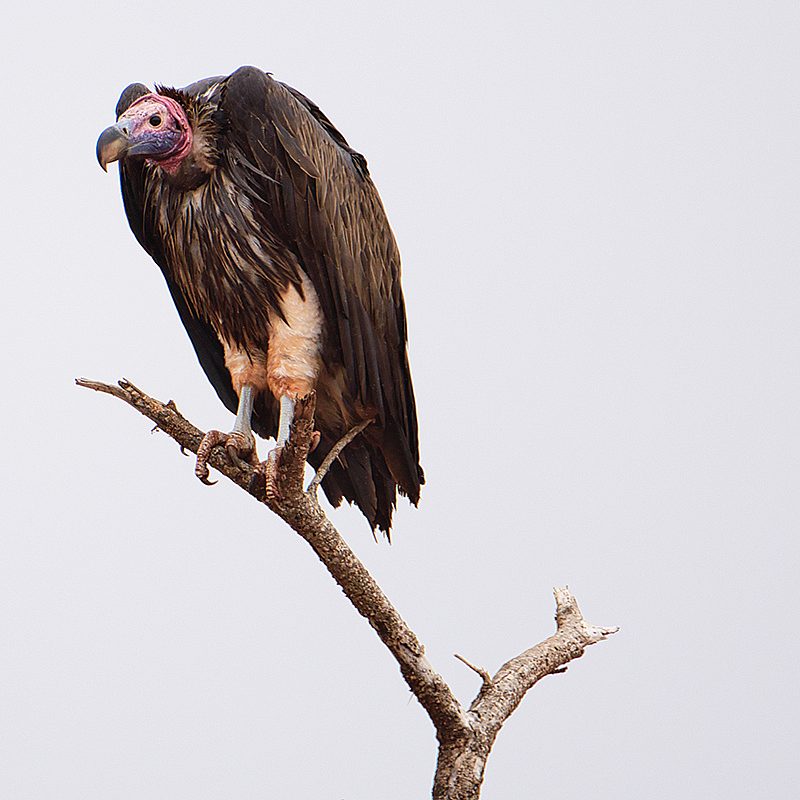
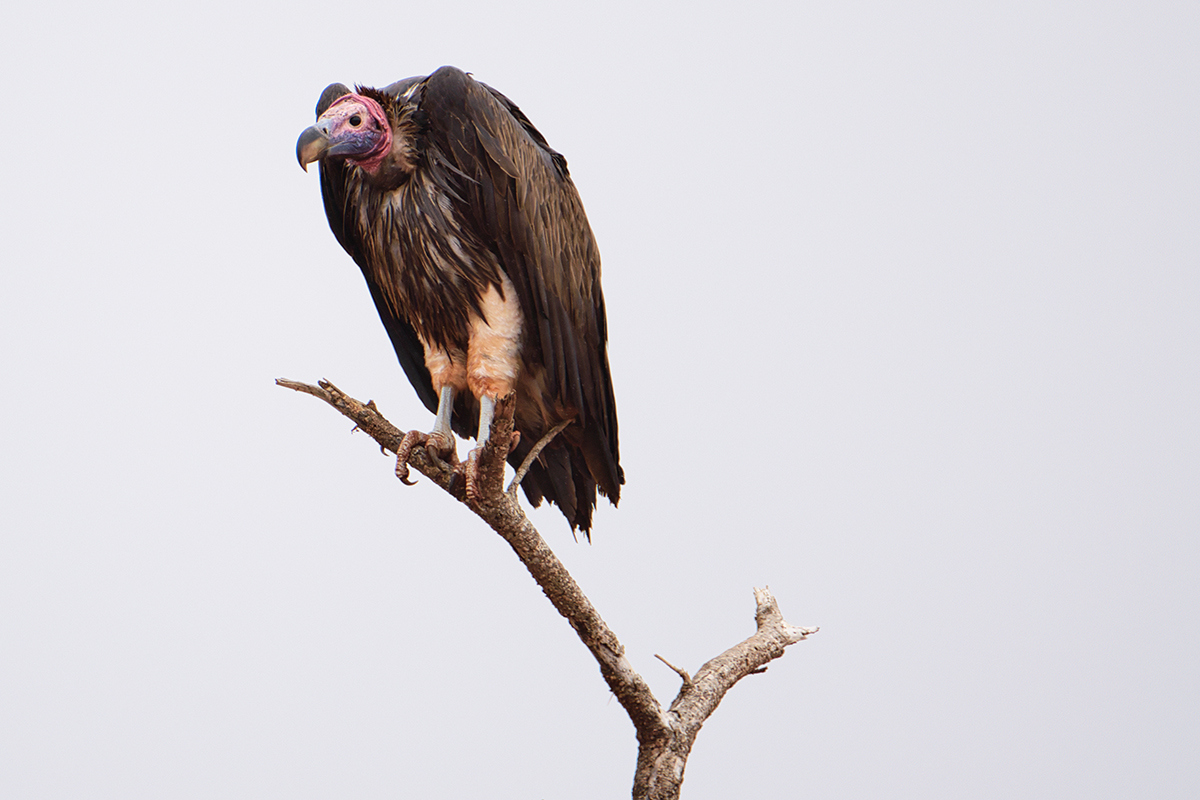
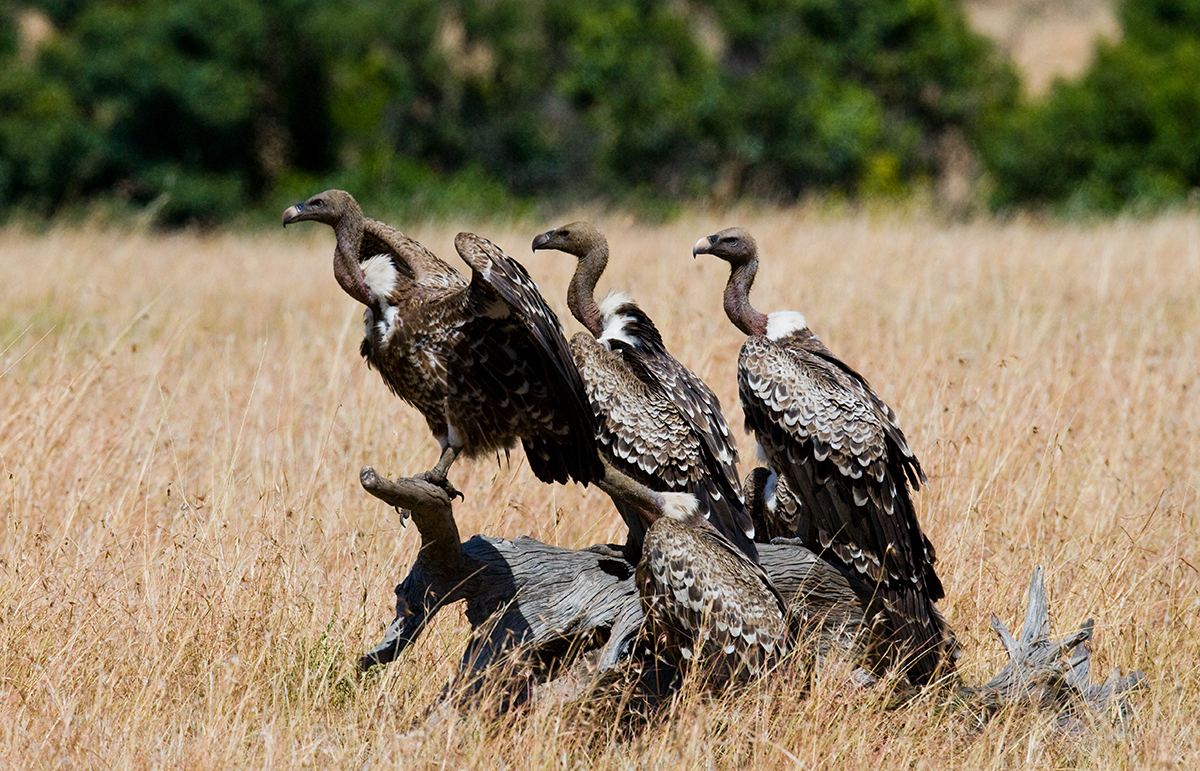
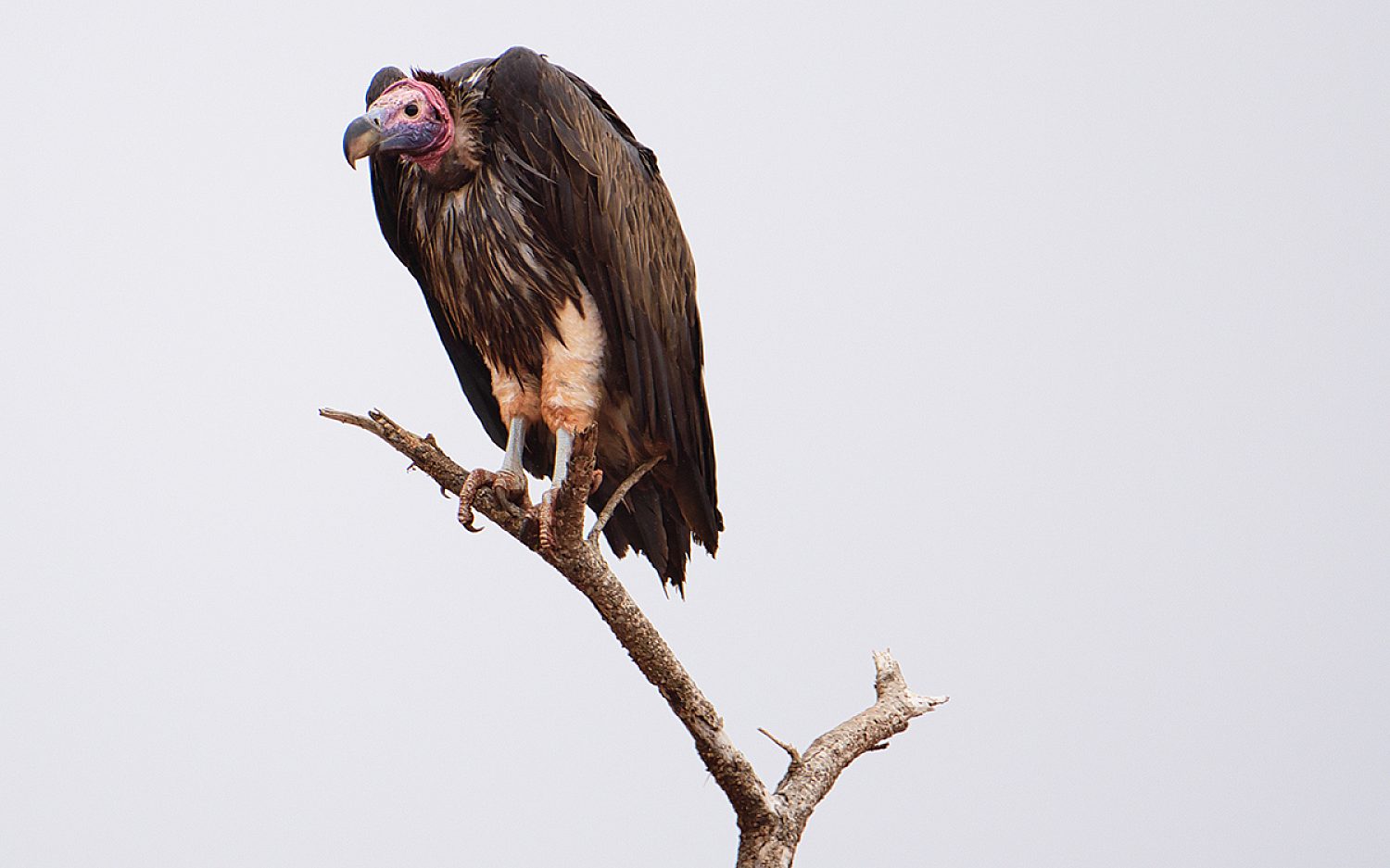
American writer Mark Twain, author of The Adventures of Tom Sawyer, had a strong opinion about vultures. During a sea voyage, one of the birds landed on his ship. He called the bird bald, and pointed out that it had red, featherless patches. He thought its head was shaped funny. He said the bird’s huge black eyes seemed to look out of skin that was on fire.
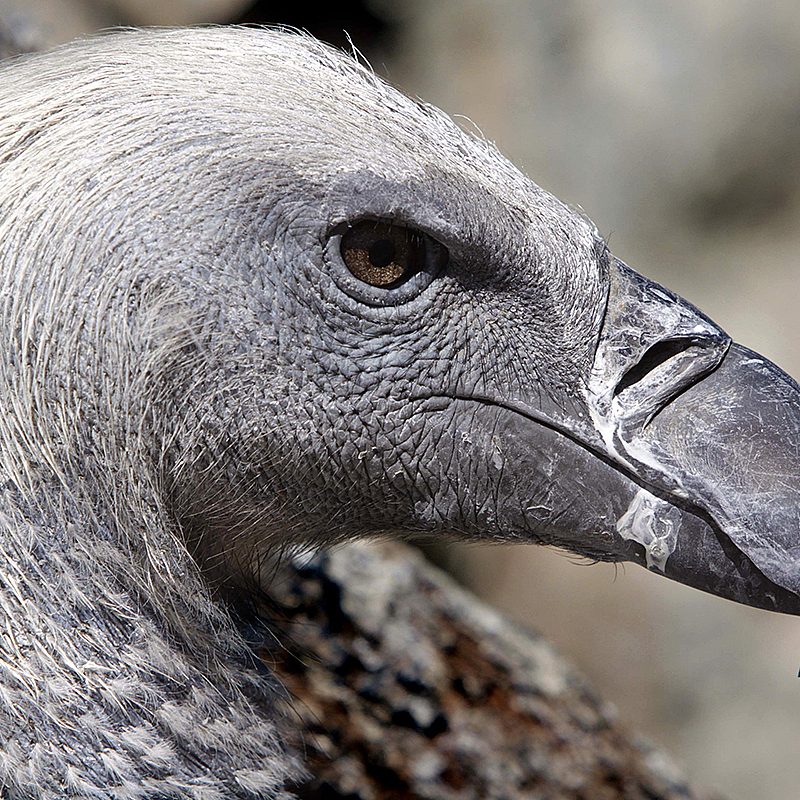
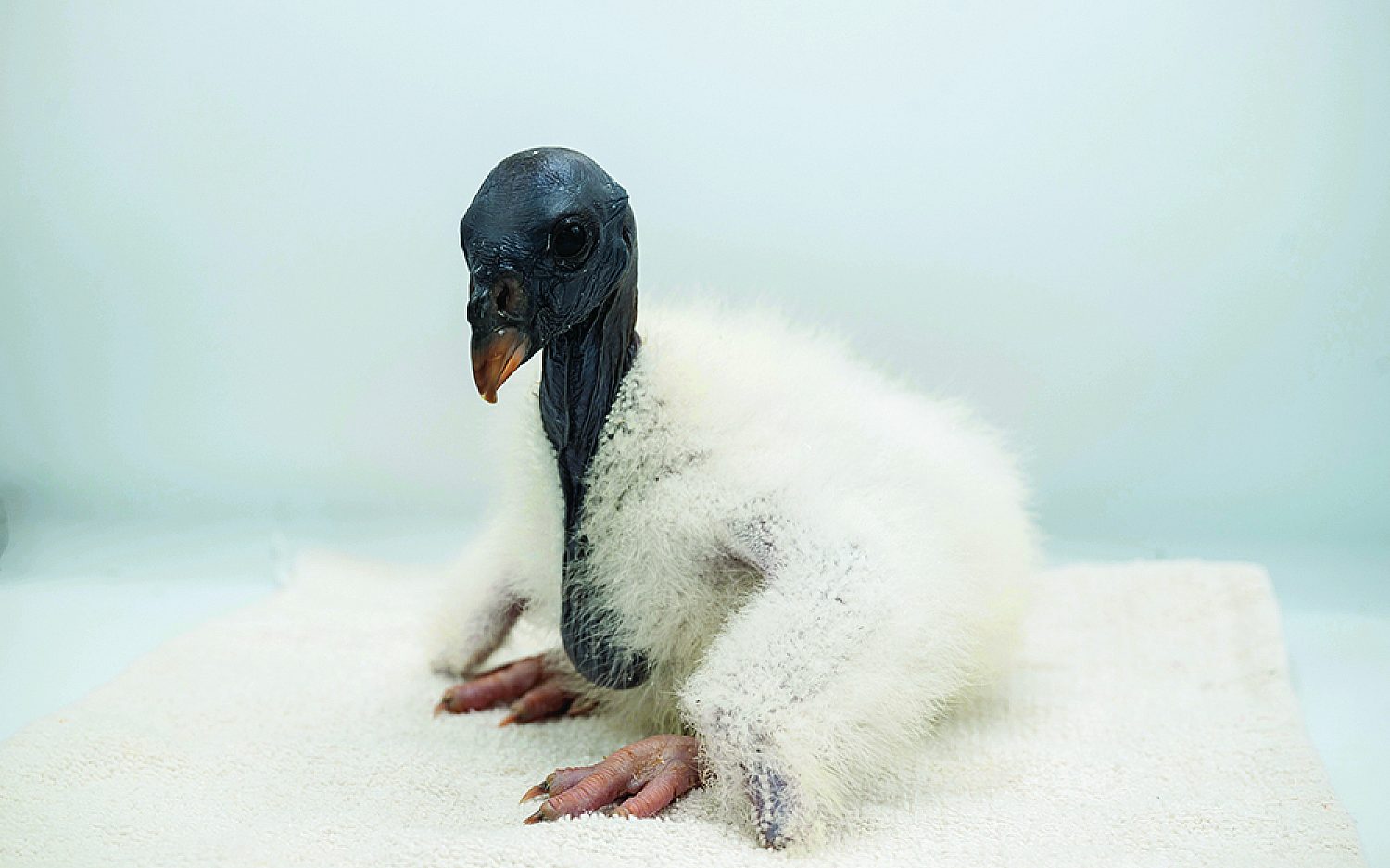
Mr. Twain wasn’t wrong. But the bald, red heads of vultures actually enable the birds to do their jobs. When they bend over carrion (dead creatures) to eat, none of the decaying food sticks to their heads. The birds can poke their bald heads deep into a dead animal. Feathers would just absorb germs from the carcass.
Most birds lack a strong sense of smell. But vultures can smell dead creatures from more than a mile away. God has a reason for vultures. They are His cleanup crew!
Vultures . . .
- fly and roost in big groups.
- eat dead animals instead of hunting for fresh ones whenever possible.
- don’t talk much. Many kinds of vultures don’t have a syrinx. That is the organ that lets birds make sounds in different tones.
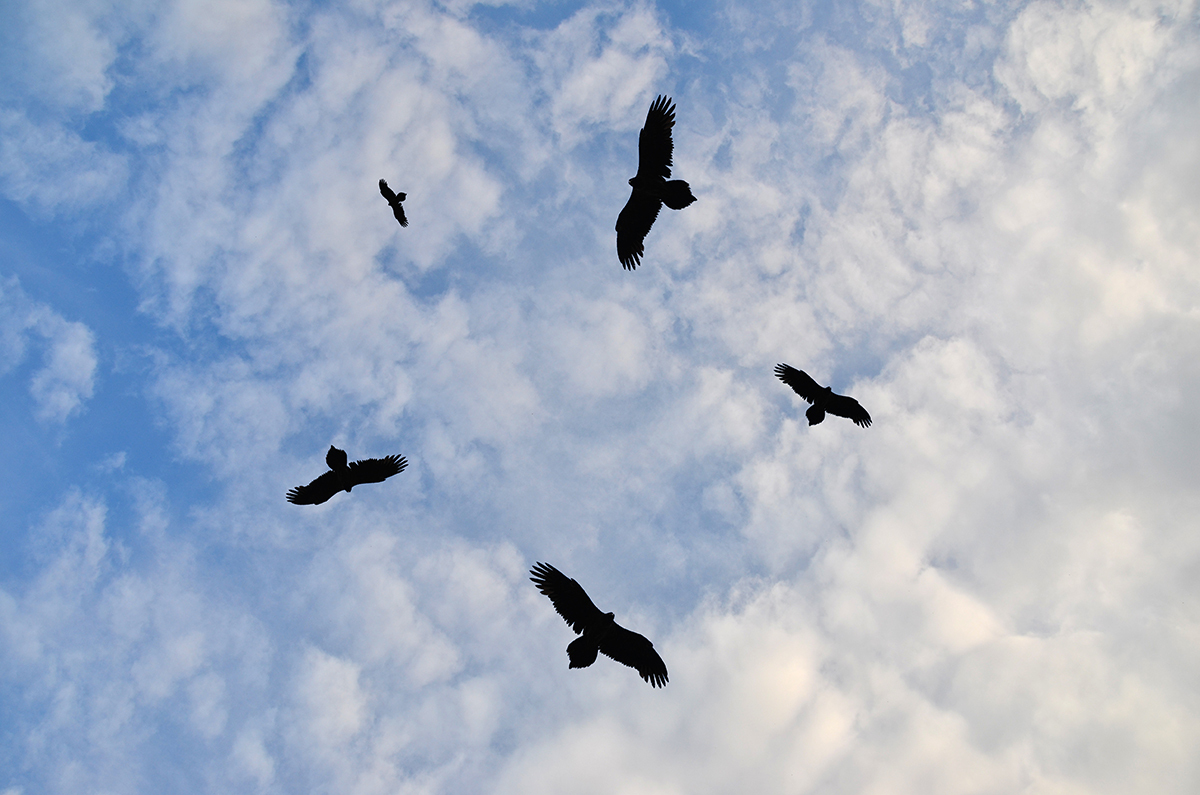
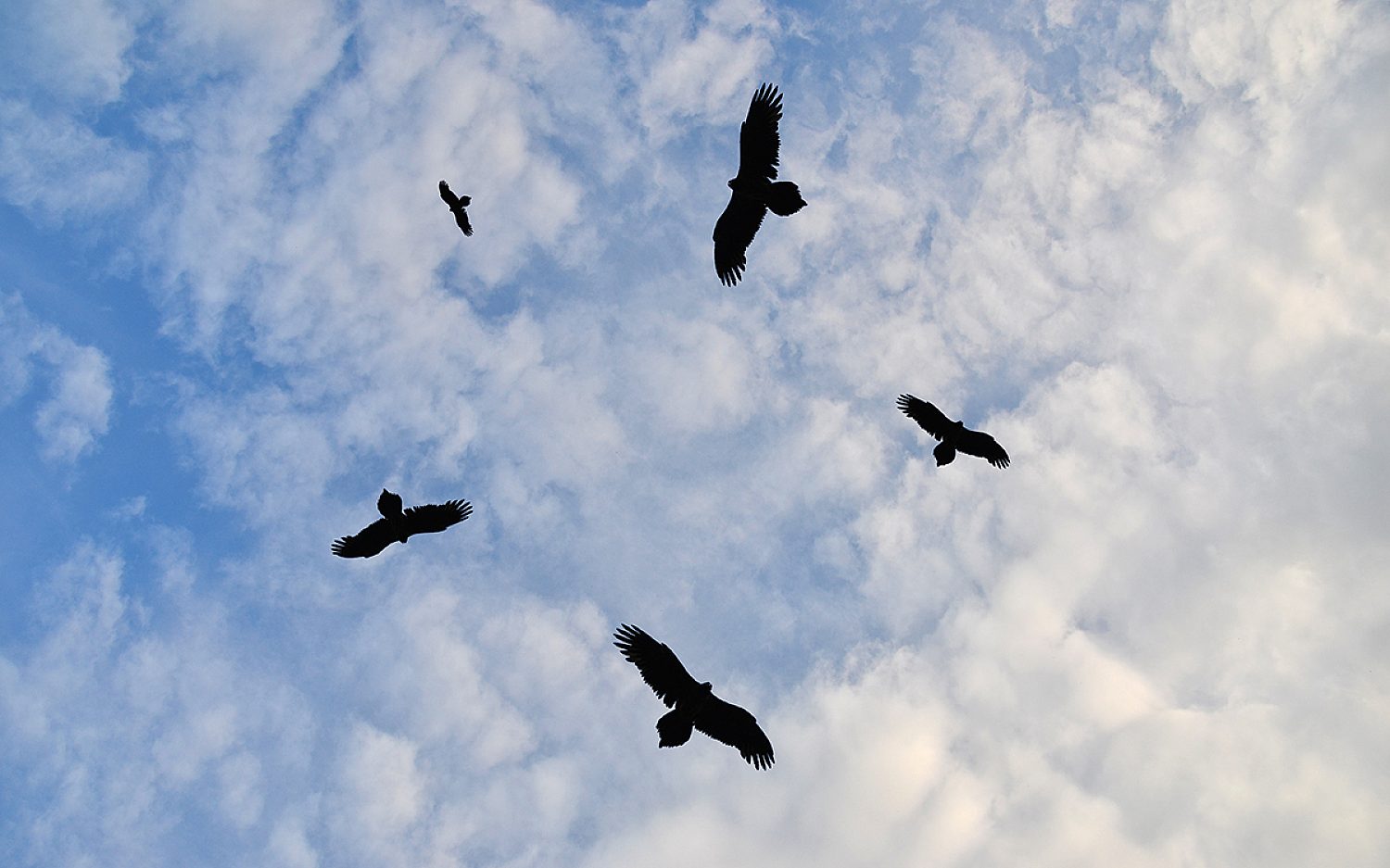
- can see you a mile away. Actually, they can see you four miles away. But don’t worry—it’s not you they’re looking for. They’re looking for dead animals. Once a vulture spots one, it begins to circle above it in the sky. This sends a signal to other vultures: “Dinner time!”
- are often the first to spot dead animals. Rangers can follow vultures to where poachers illegally kill prey. Vultures also help farmers find dead or injured livestock.