
Did you say these cheetahs need their mummy?
Wait. No. They are mummies!
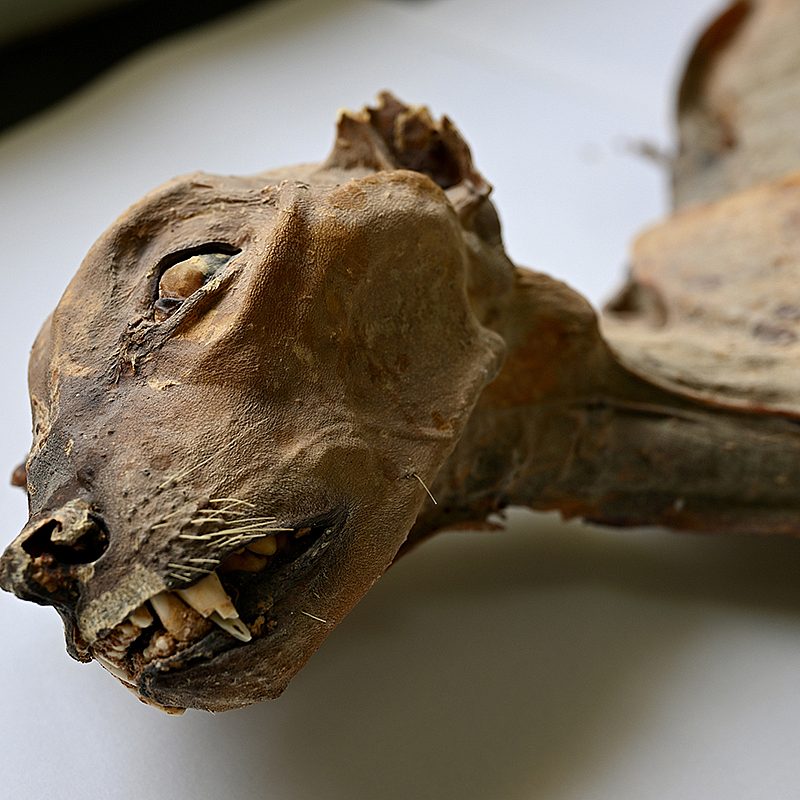
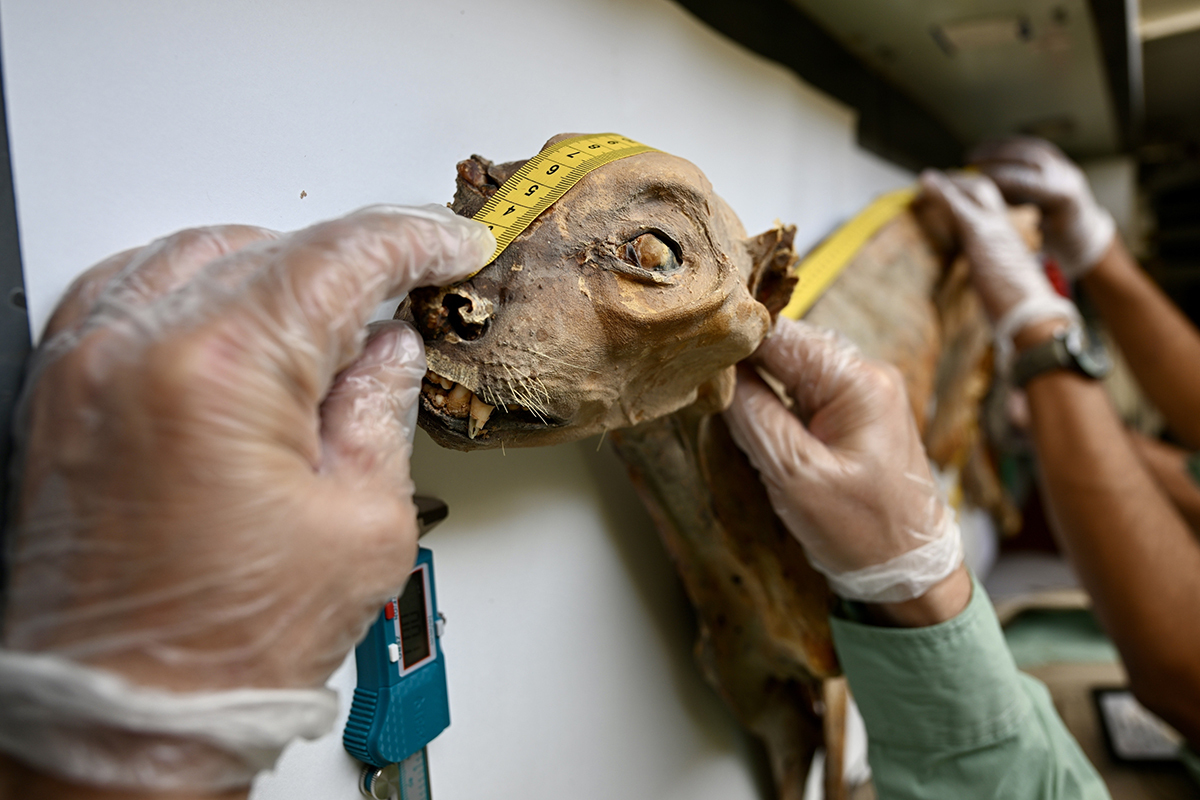
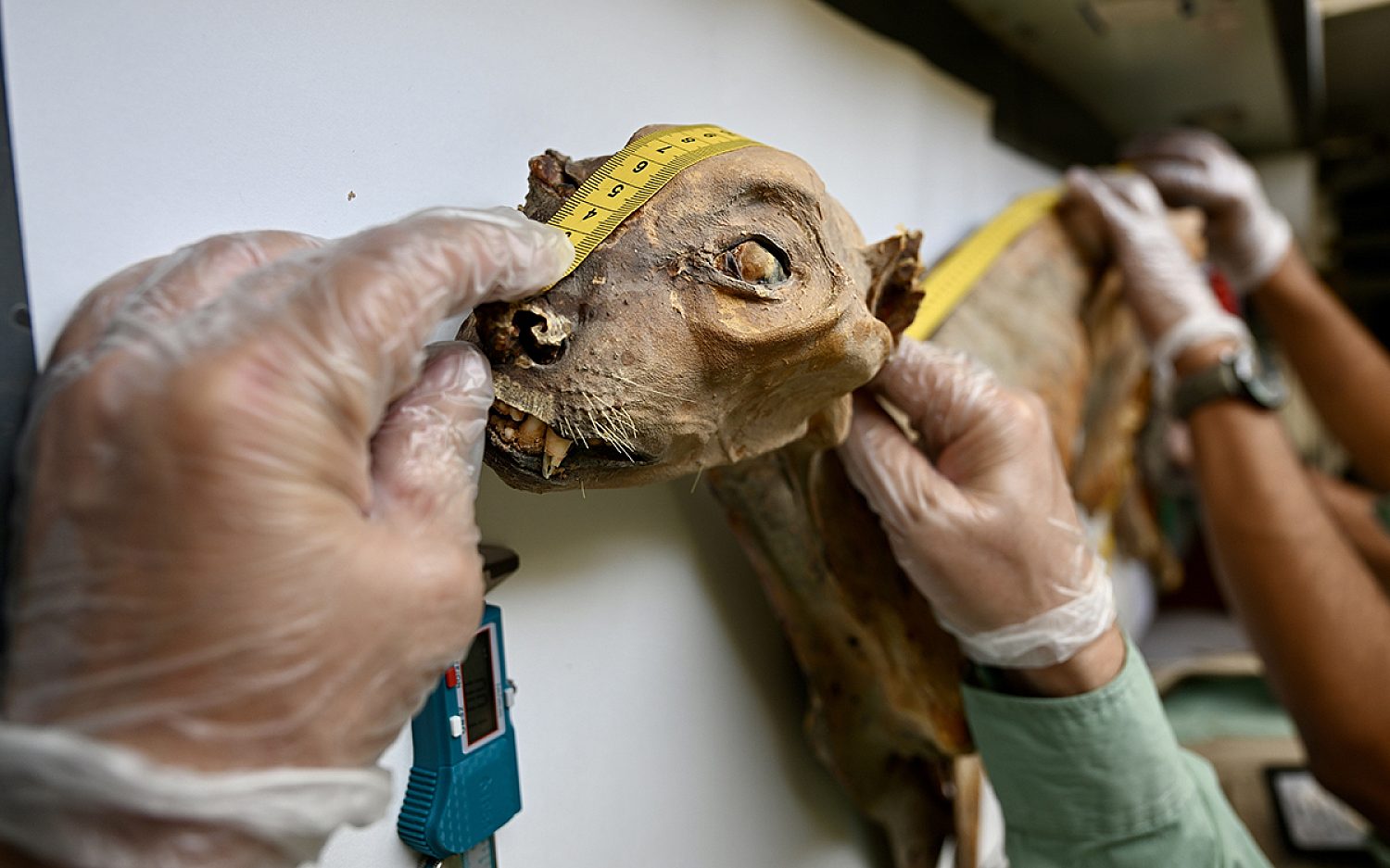
People found the cheetah remains near Arar, Saudi Arabia. Some of the remains have waited there for 130 years. Some have waited for more than 1,800!
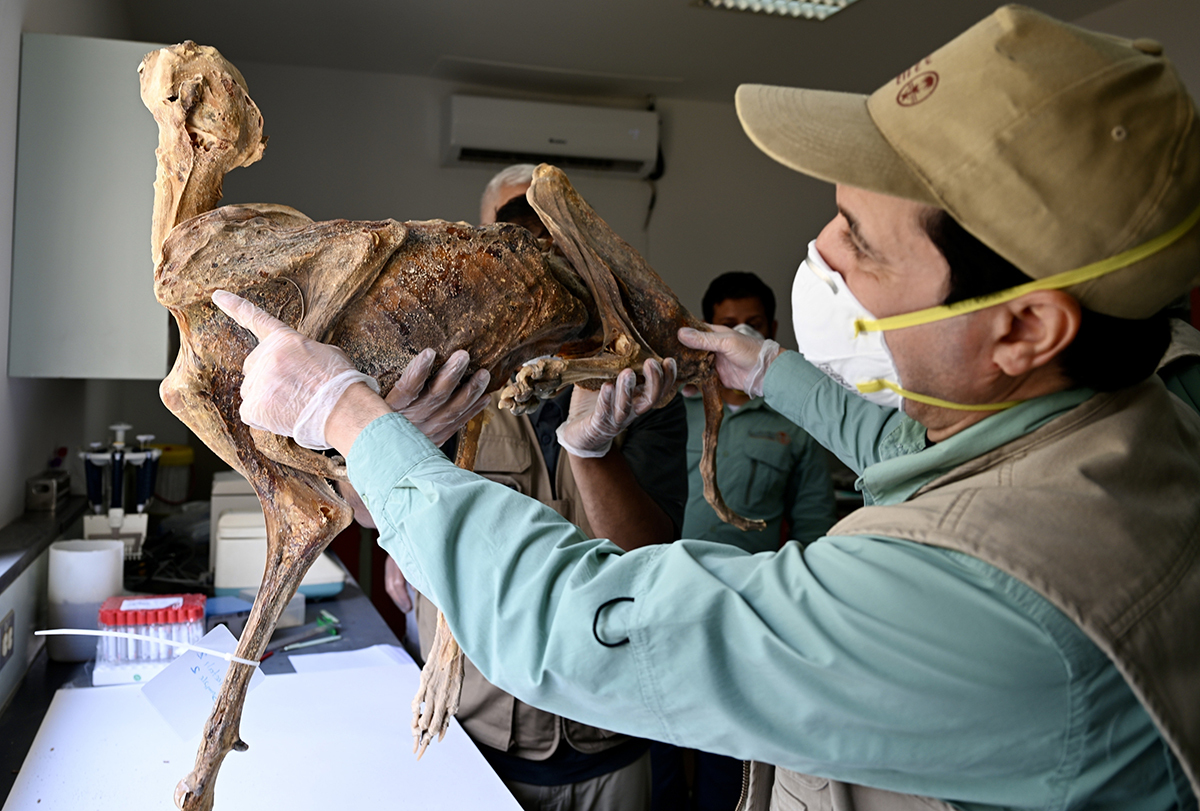
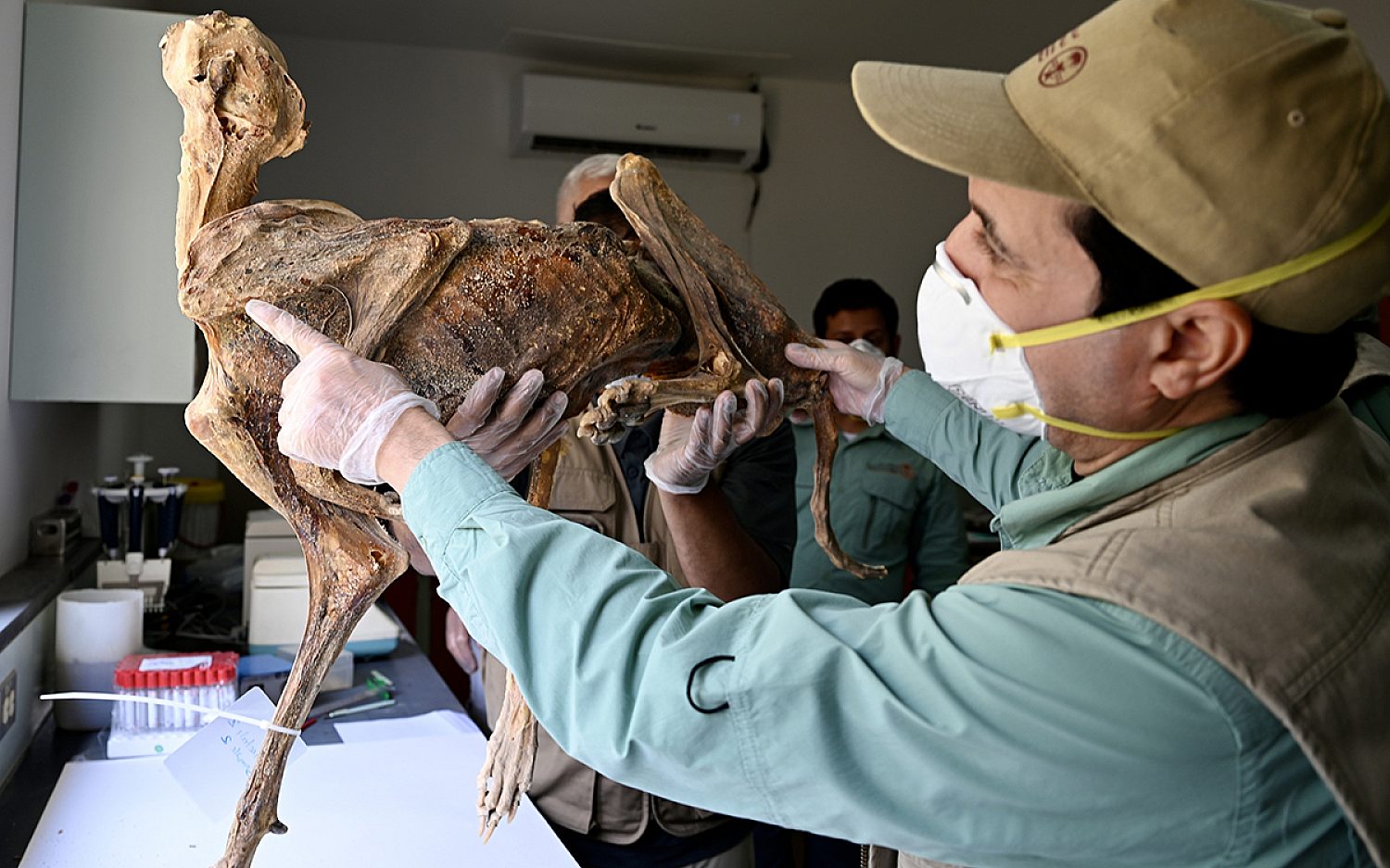
Excavations revealed seven mummies total—plus the bones of 54 other cheetahs.
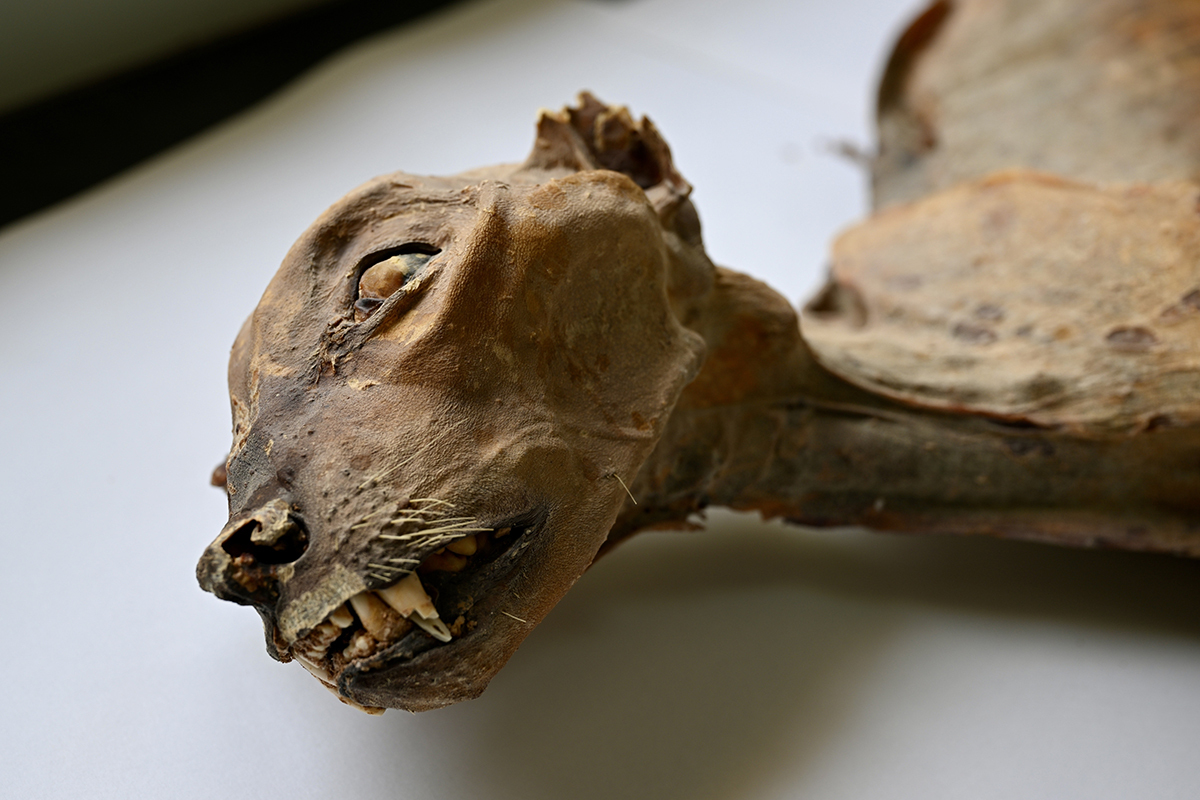
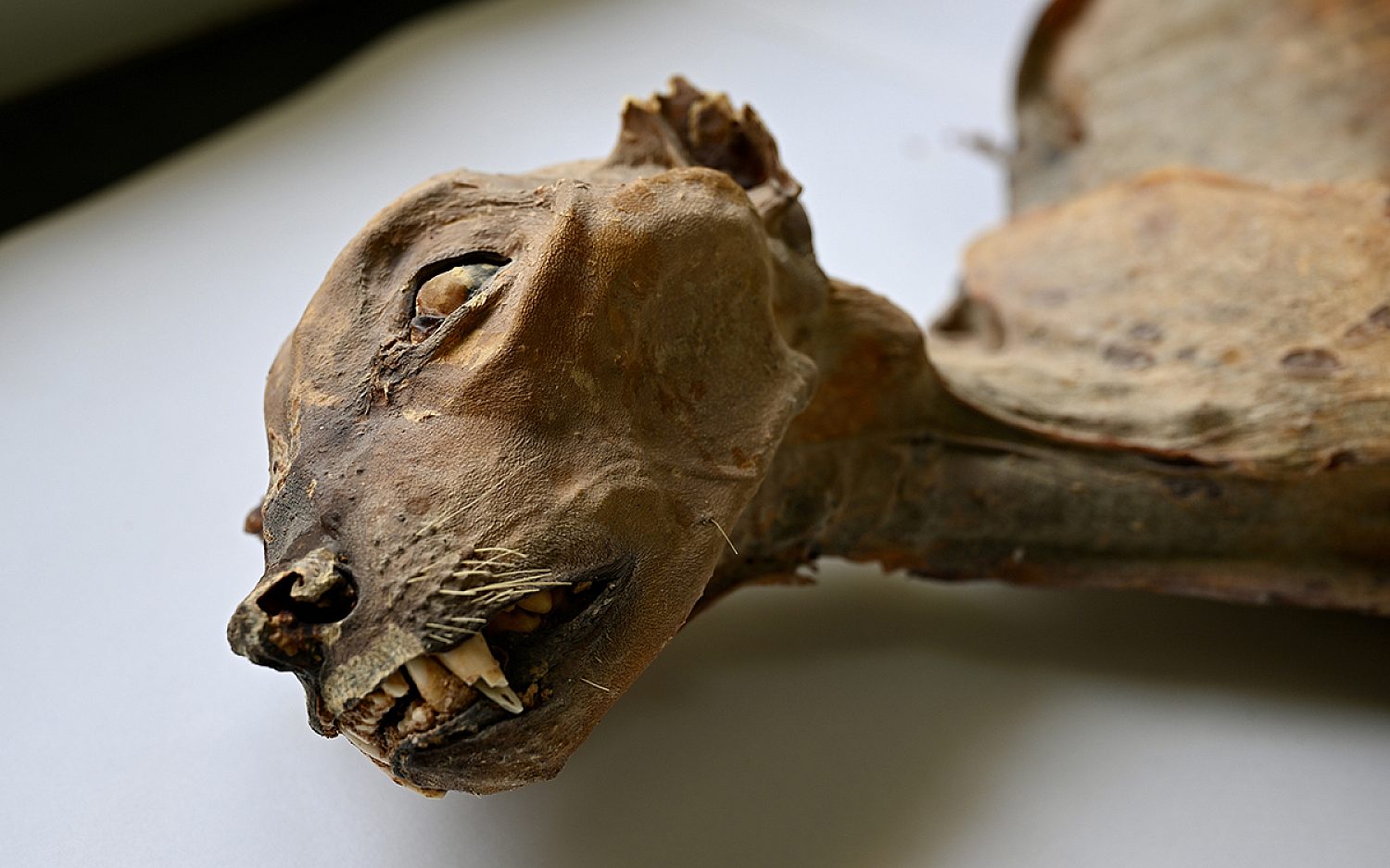
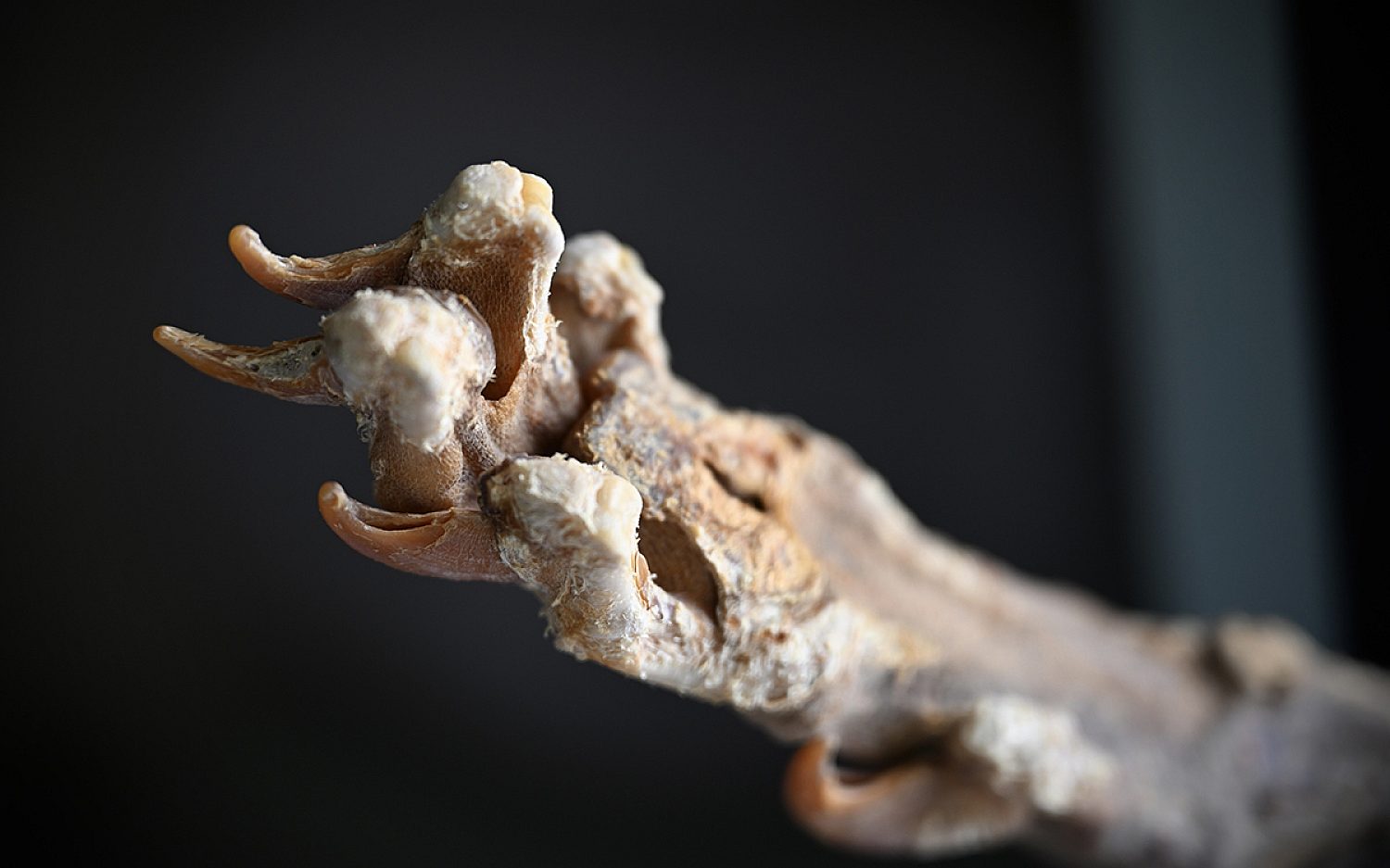
When you think “mummy,” do you also think “Egypt”? Most of us do. Egypt has the most well-known mummies in the world. But people made those mummies. These cheetahs mummified naturally. Mummies can form in glacier ice, desert sands, and bog sludge. Natural mummification slows decay. Dead bodies are preserved.
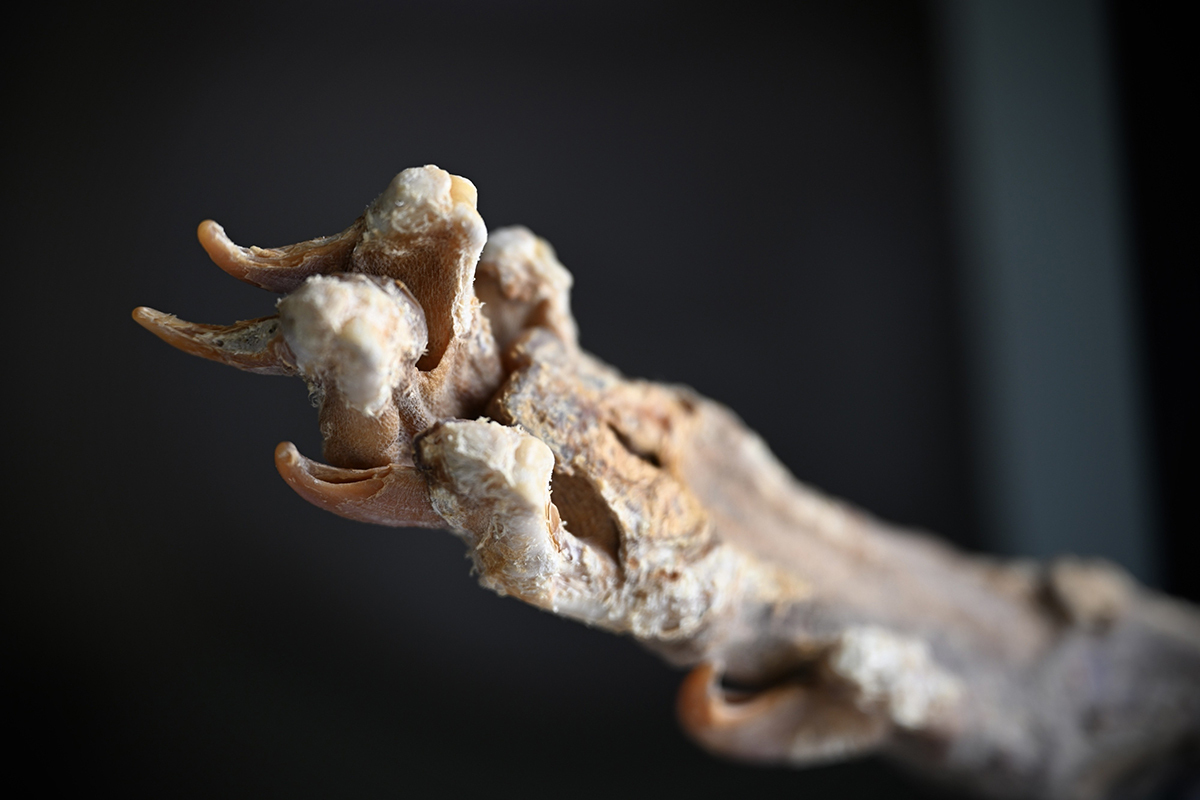
We admit these cats are creepy to look at. They’re large. They have cloudy eyes and shriveled limbs. They look like dried-out cheetah husks.
“It’s something that I’ve never seen before,” says researcher Joan Madurell-Malapeira.
Scientists looked at the mummified cats’ genes. They’re most similar to cheetahs in present-day Asia and Northwest Africa. That’s useful info. It could help conservationists reintroduce the species to places they no longer live.
So how did the cheetahs get mummified? Researchers aren’t sure. Maybe the dryness of the caves did the trick.
Another question: Why were so many cheetahs in the caves? Maybe the caves were a cheetah den where mom cheetahs raised their young.
The speedy big cats once roamed most of Africa and parts of Asia. Now they live in just a small sliver of their previous home. People have not spotted them across the Arabian Peninsula (Saudi Arabia included) for decades.
It’s unusual for large mammals to be so well preserved. Usually hungry scavengers—like birds or hyenas—gobble up their dead bodies right away. And cheetahs this old in this part of the world? That’s a first. Just ask Ahmed Boug. He wrote the study about the cheetah find. He calls the discovery “entirely without precedent.”
Why? Genetic info from mummified animals can help us restore creatures to habitats where they once lived.