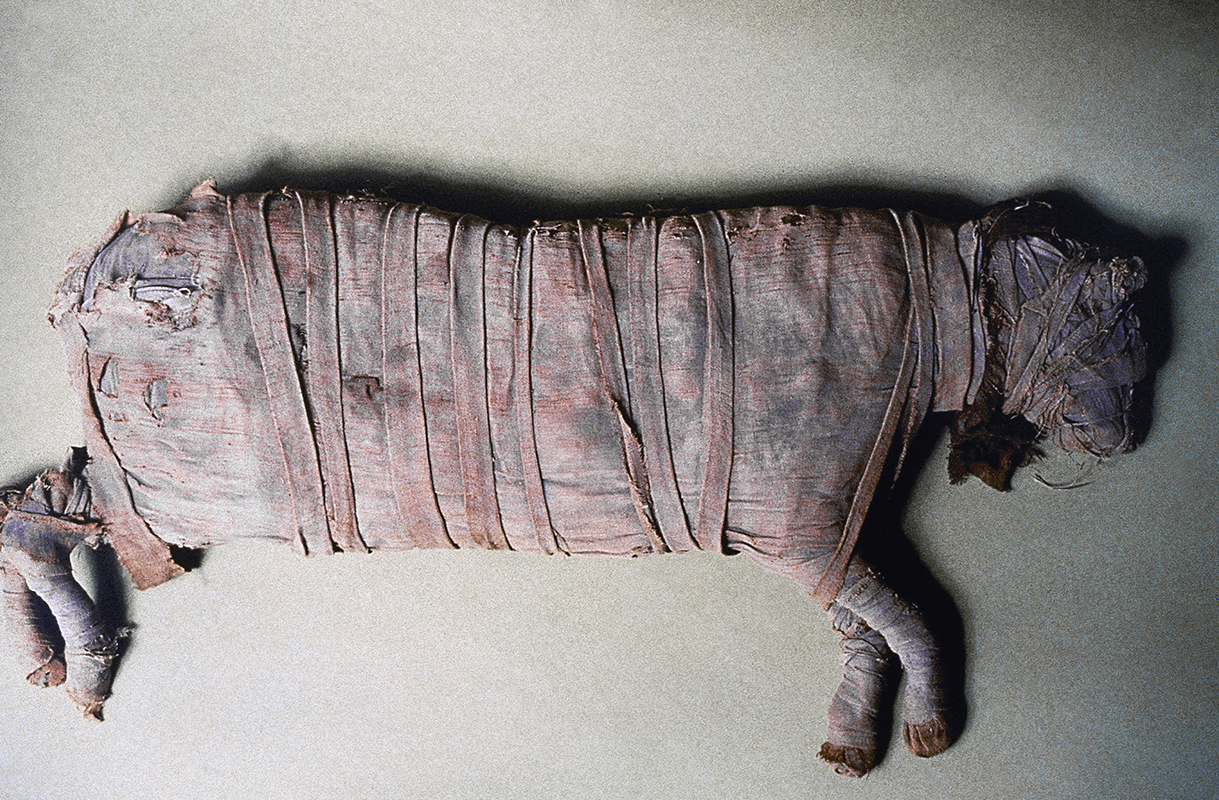
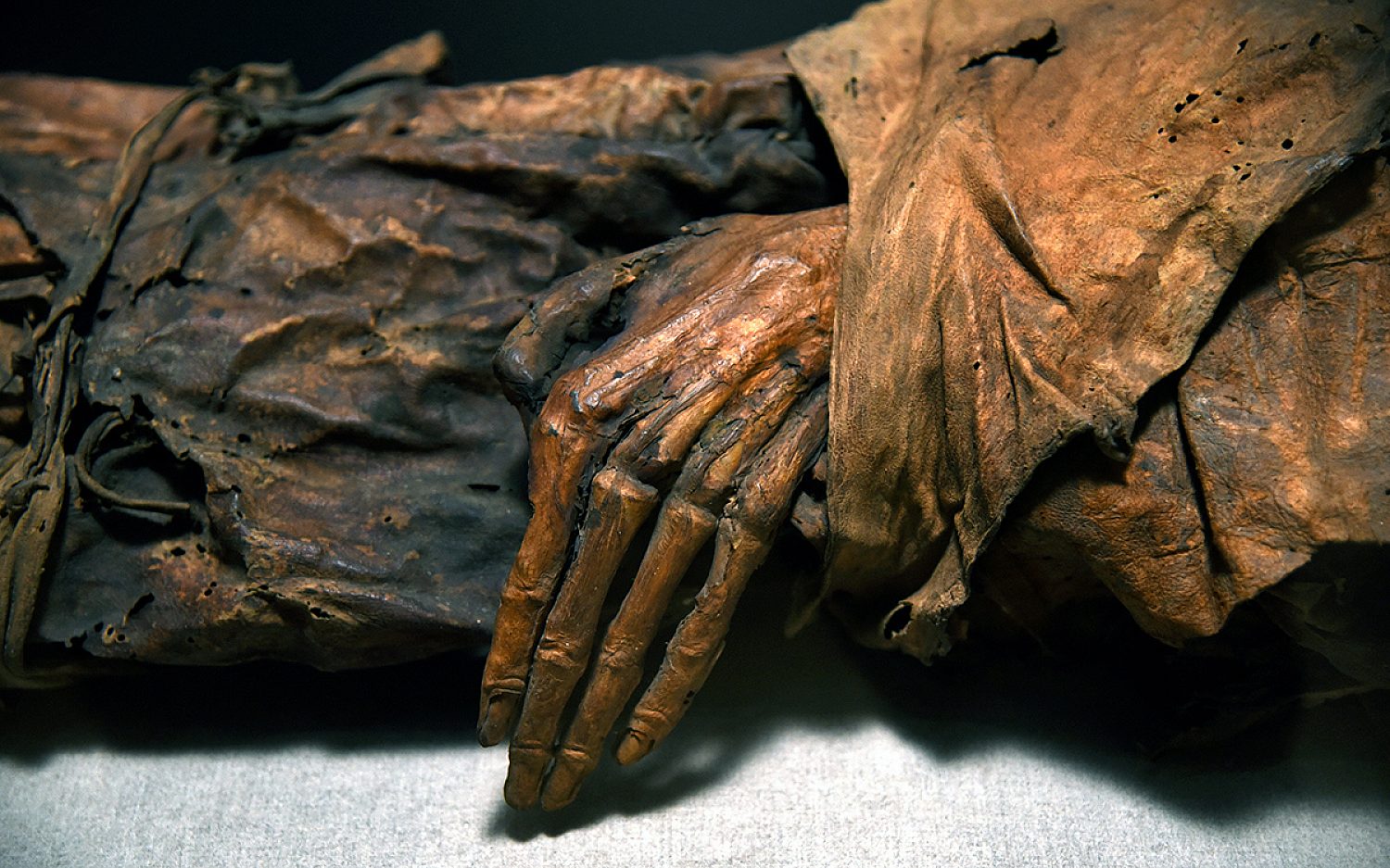
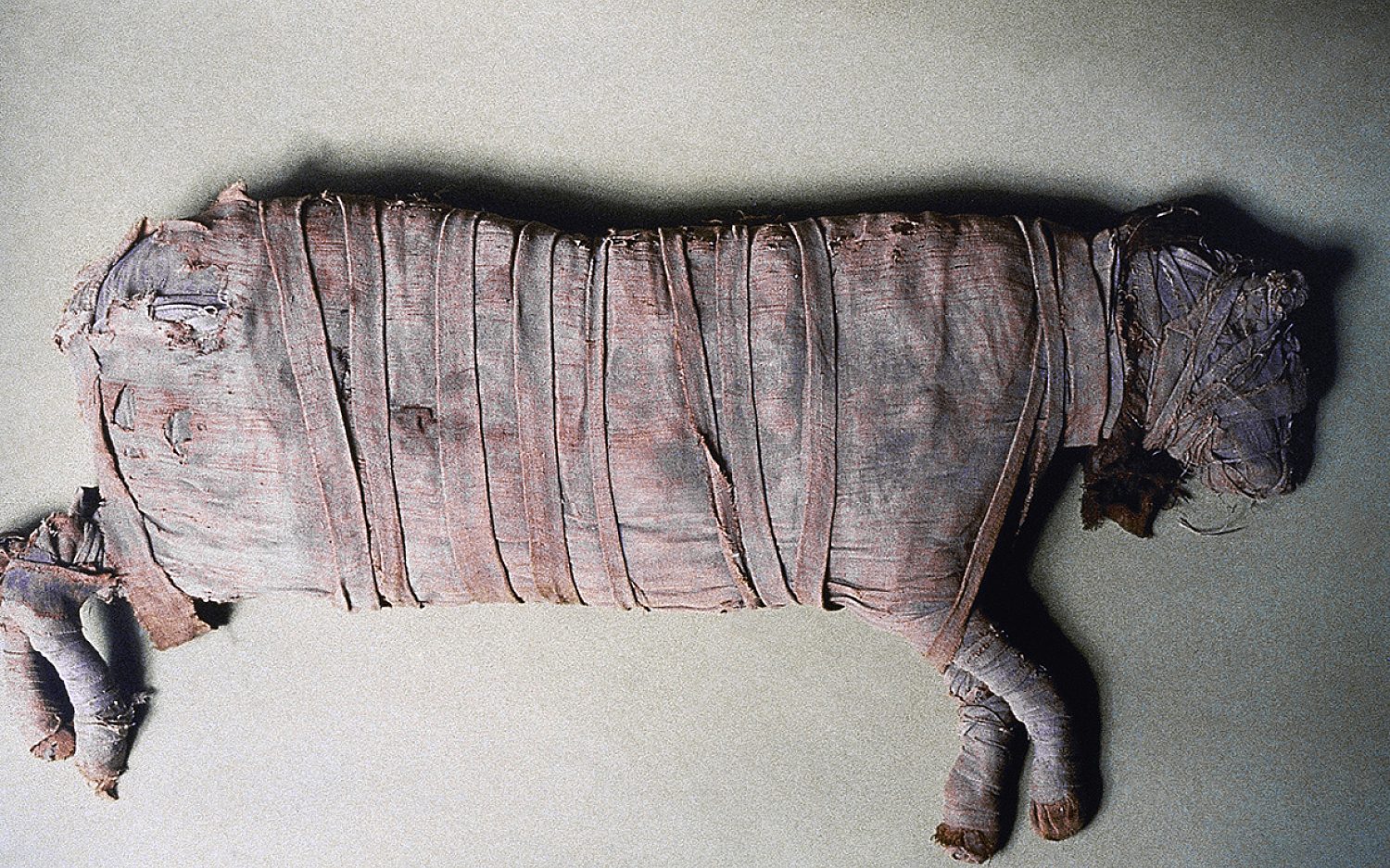
A mummy is a body (human or animal) that’s unusually well-preserved. Mummies have been found from different times in history all over the world.
Here’s one of the stranger examples:
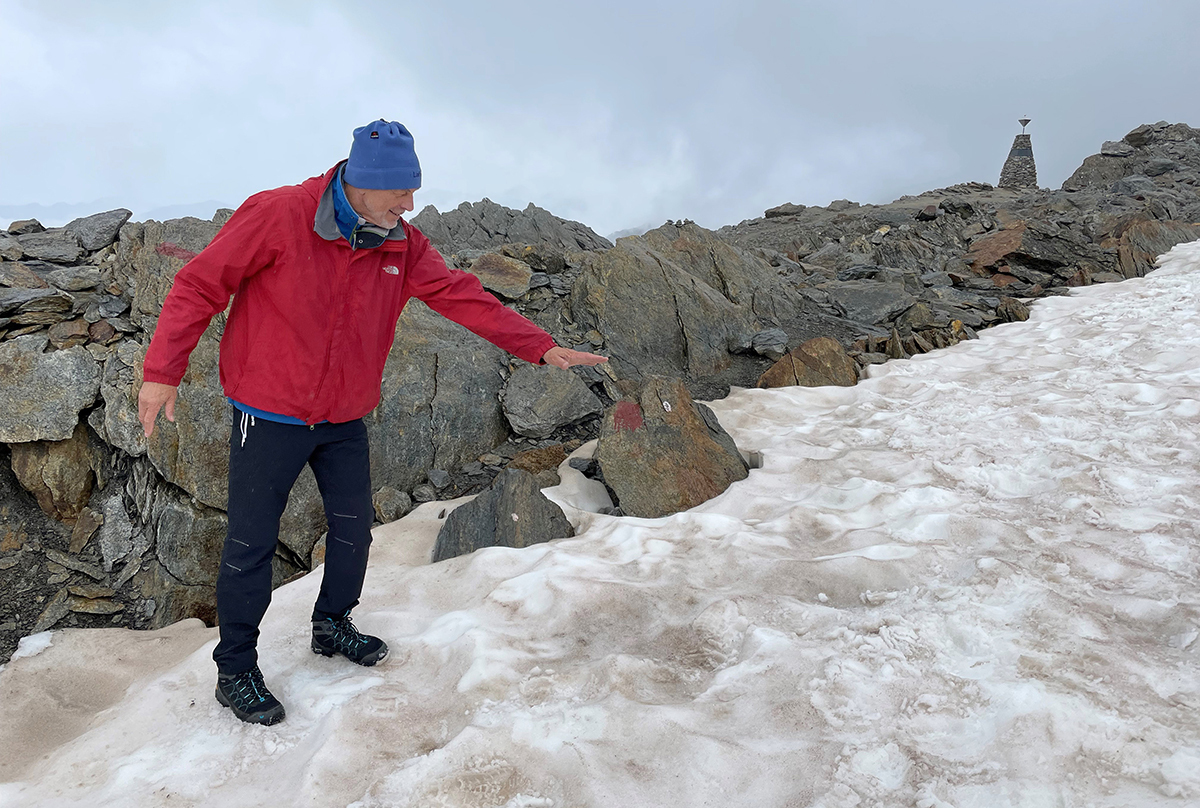
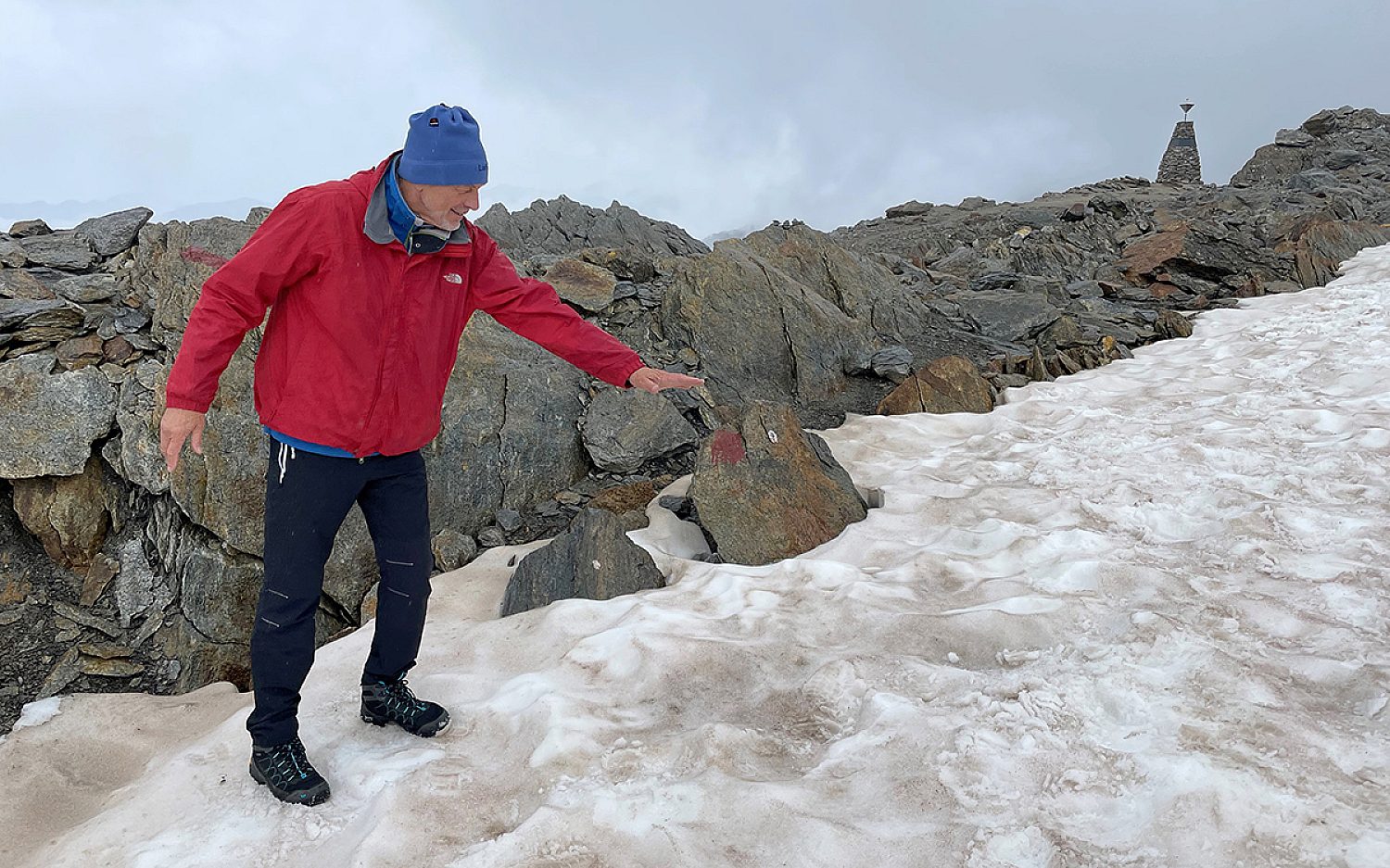
German climbers find a body on top of a glacier in Europe. The year is 1991. The dead person wears a fur coat and a grass cape or mat. He carries a bow and arrows. His shoes are stuffed with grass, possibly to keep his feet warm. The body gets a nickname: Iceman. How long has Iceman been here? Scientists run tests. They think Iceman may have died around 3350 B.C.!
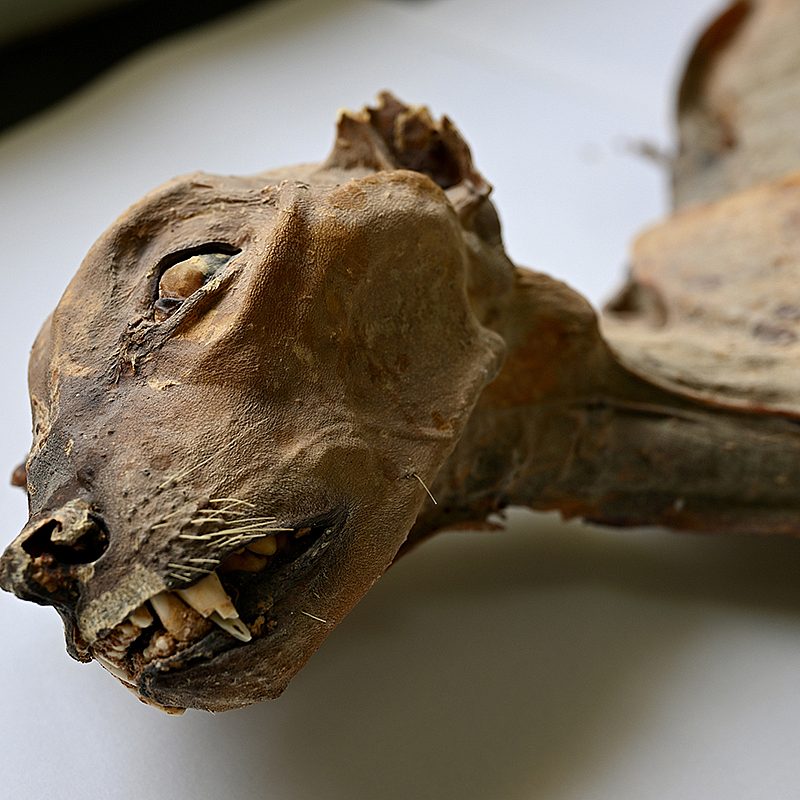
Iceman and the cheetahs show us that mummies don’t always happen due to people’s preservation efforts. They can also happen naturally.
Here’s how they happen.
God created bugs and microorganisms. (Yes, even bugs, bacteria, and fungi are gifts!) These creatures eat dead material. Imagine the world without them. Yuck!
Sometimes, though, these eaters can’t do their job. They need water to live. Extreme desert environments stop them in their tracks. Hot, dry air and blistering heat from the Sun reach the dead creature before the bugs can. Sand or salty dirt covers it, just making it drier.
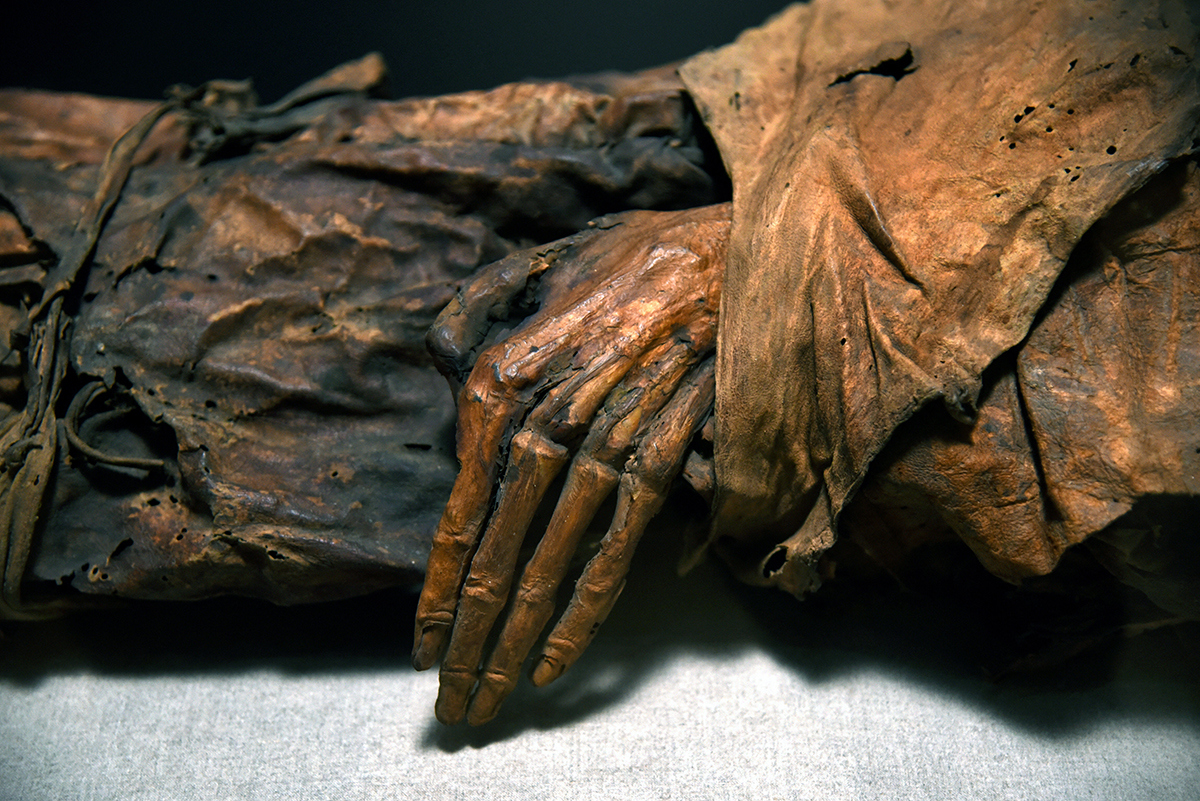
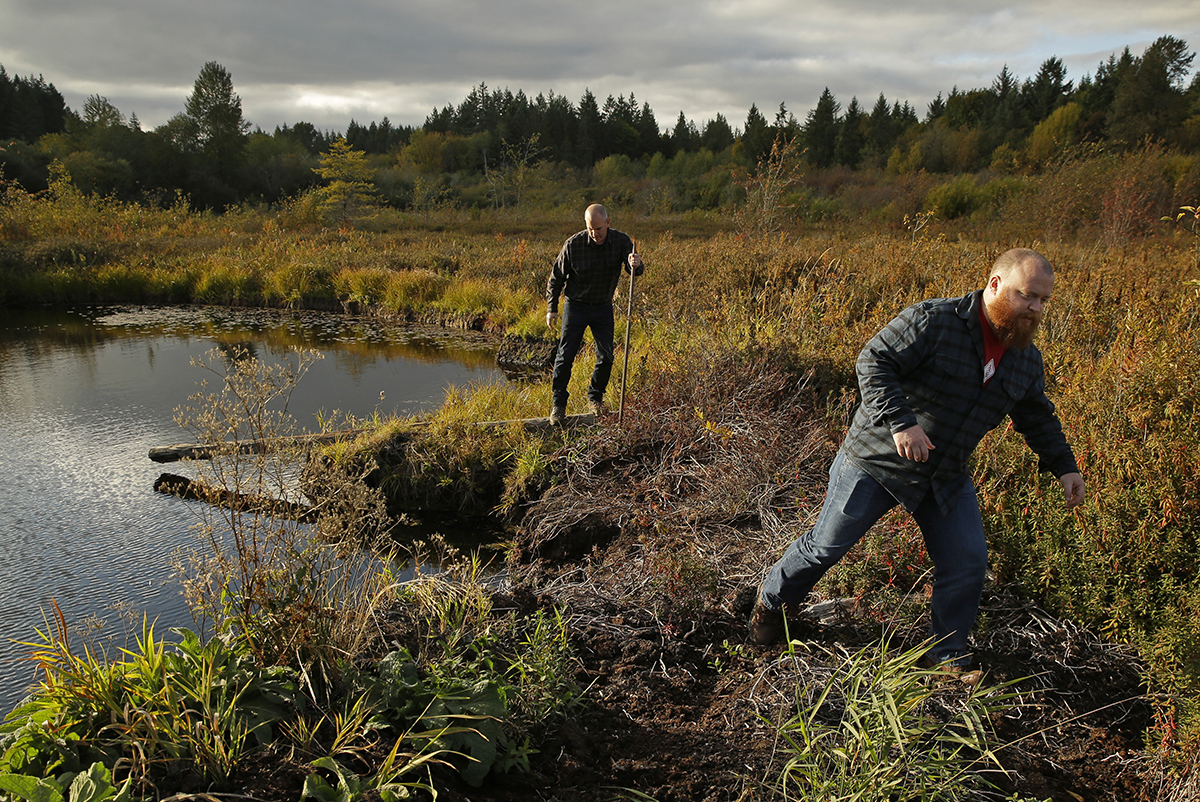
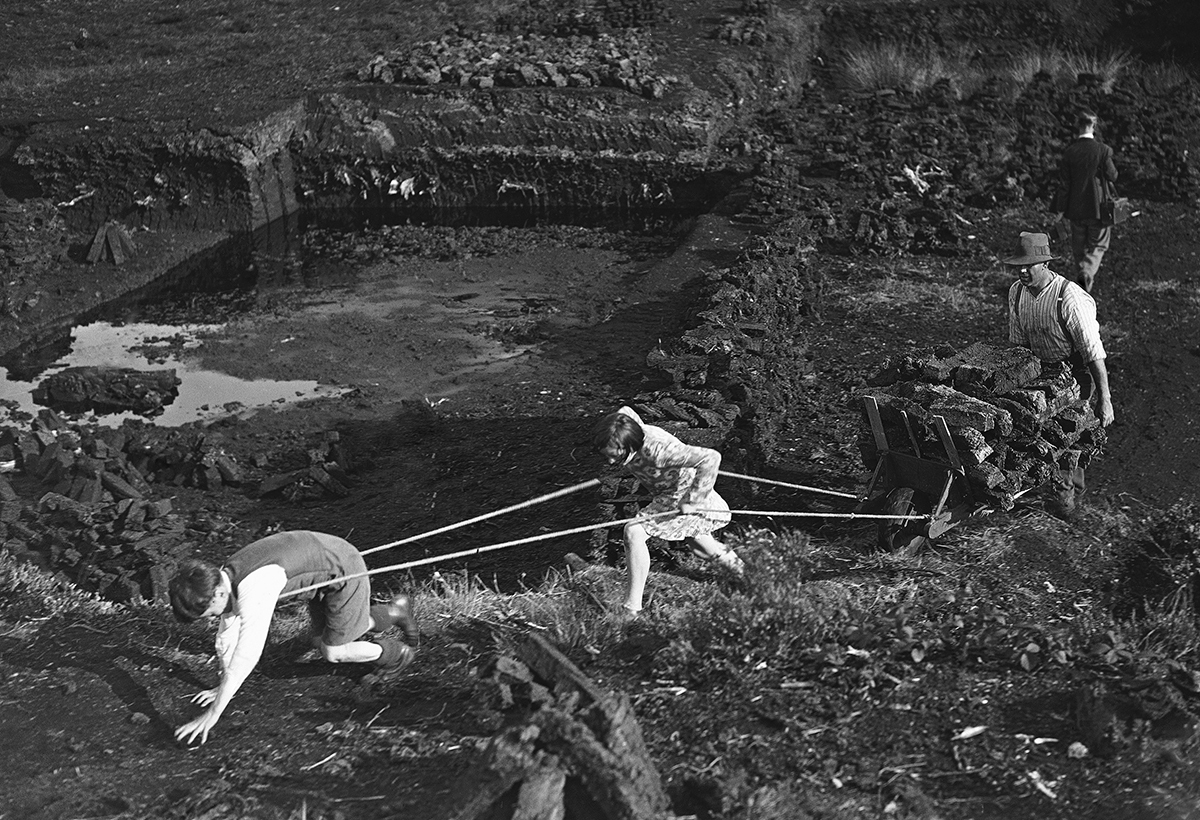
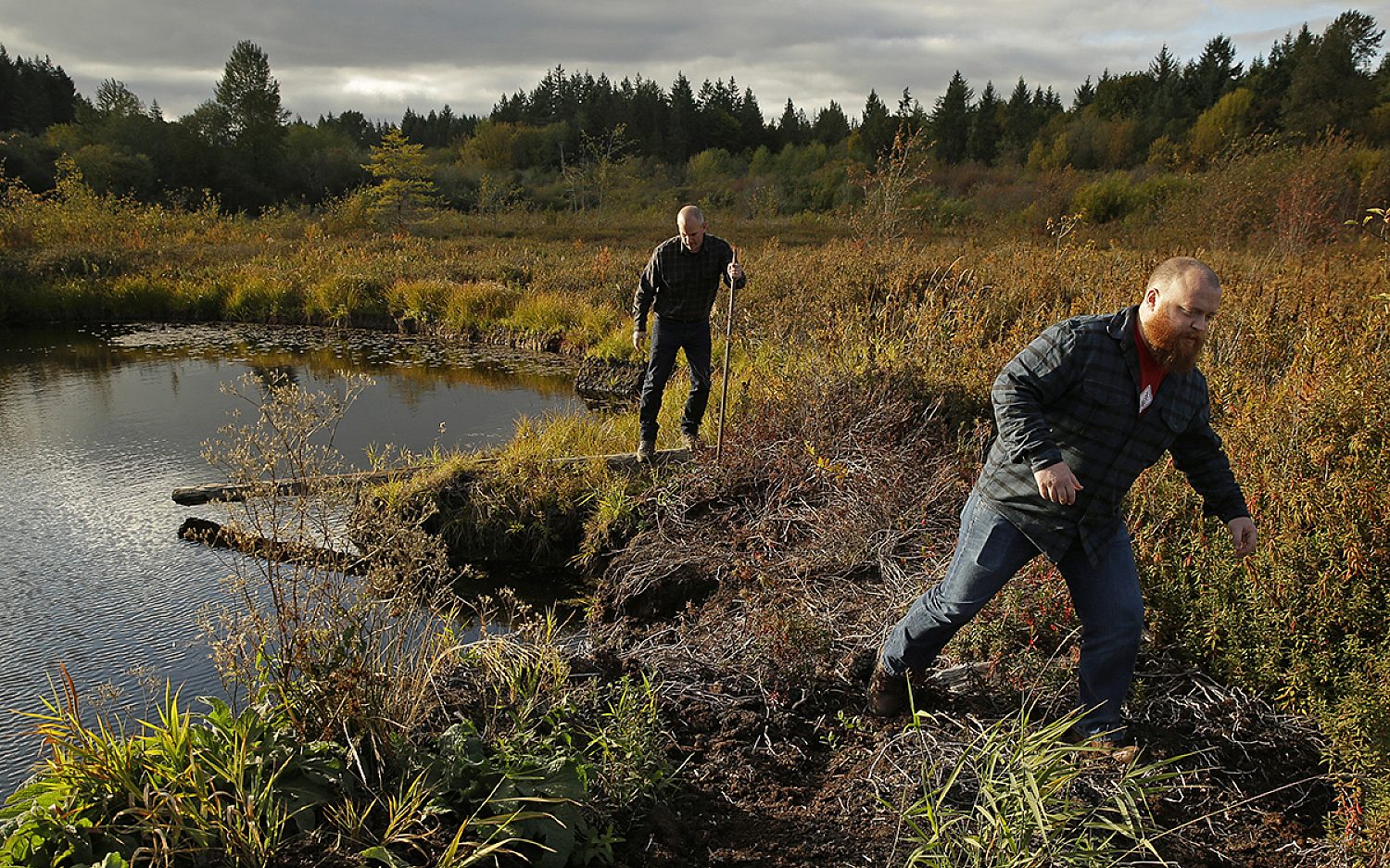
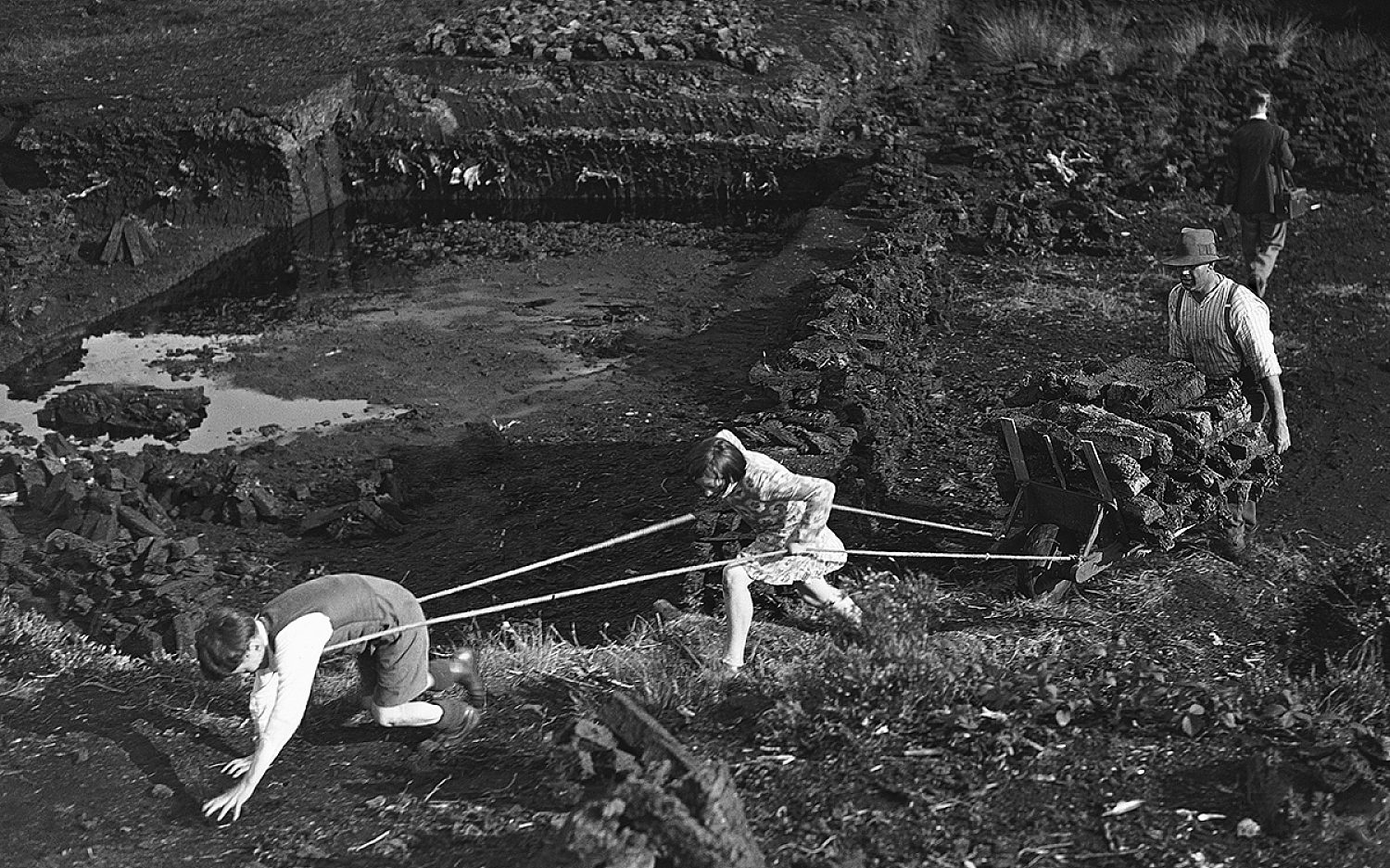
Scavengers can’t do their dirty (cleaning) work in frigid areas either. Or, for that matter, in peat bogs. Peat comes from dead plant material, especially sphagnum moss. Peat makes bogs very acidic. A spongy layer on top of the bog keeps oxygen out. God’s cleanup crew can’t do its work in that environment. The bog’s chemistry also turns skin darker. Peat cutters working in bogs in Europe have found hundreds of tanned mummies! The oldest bog mummy known so far comes from around 2000 B.C.