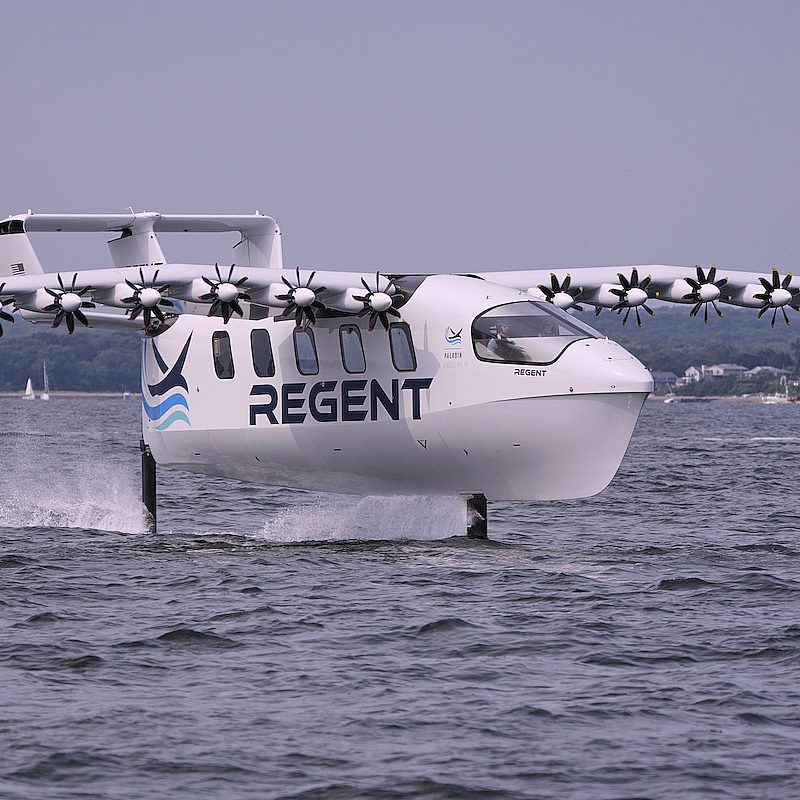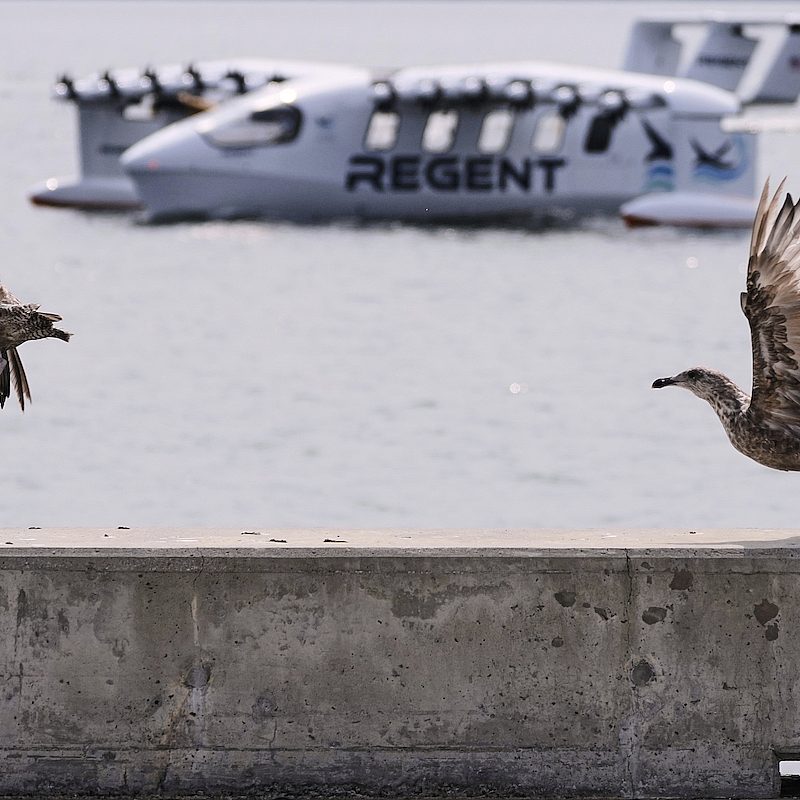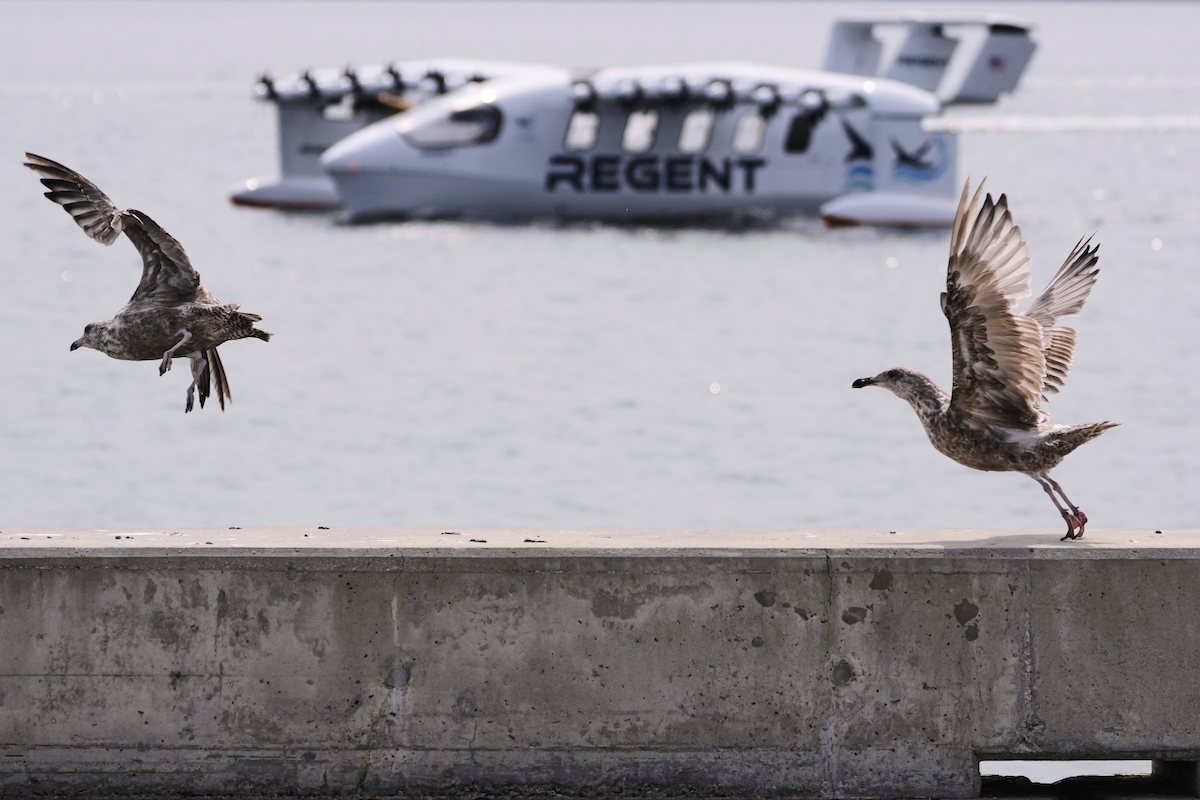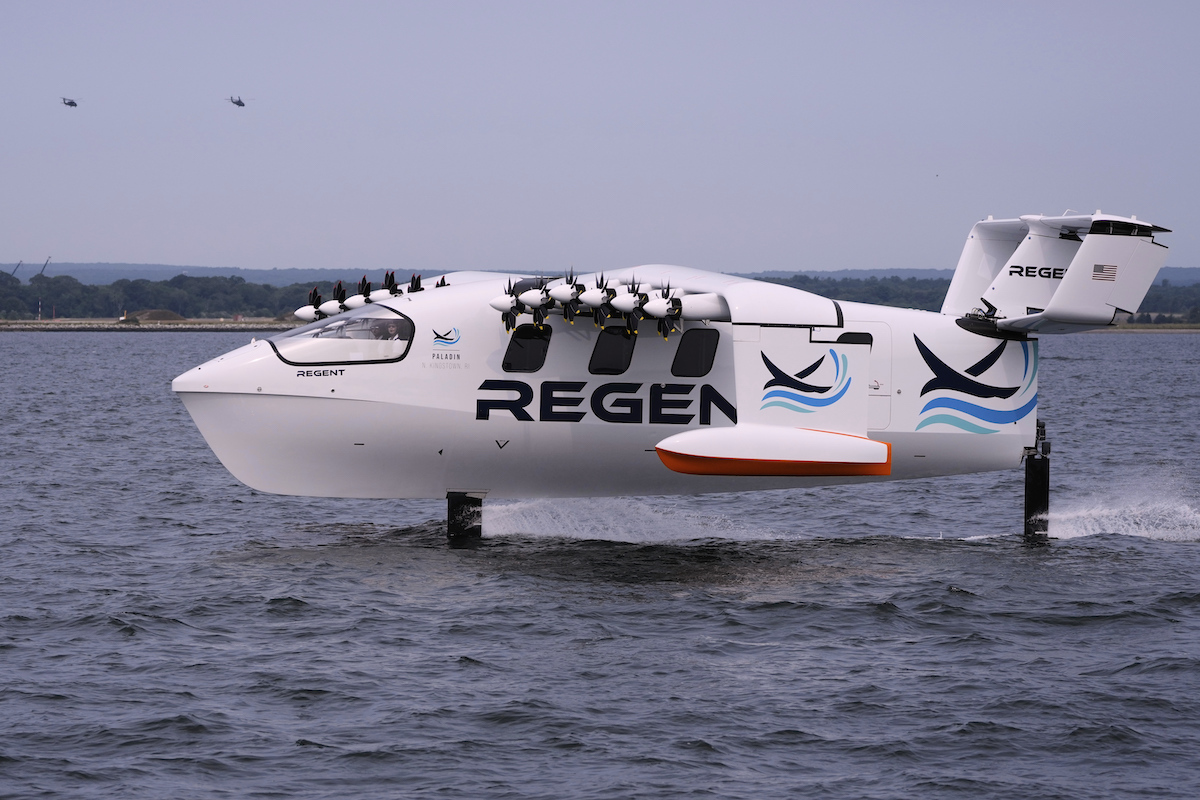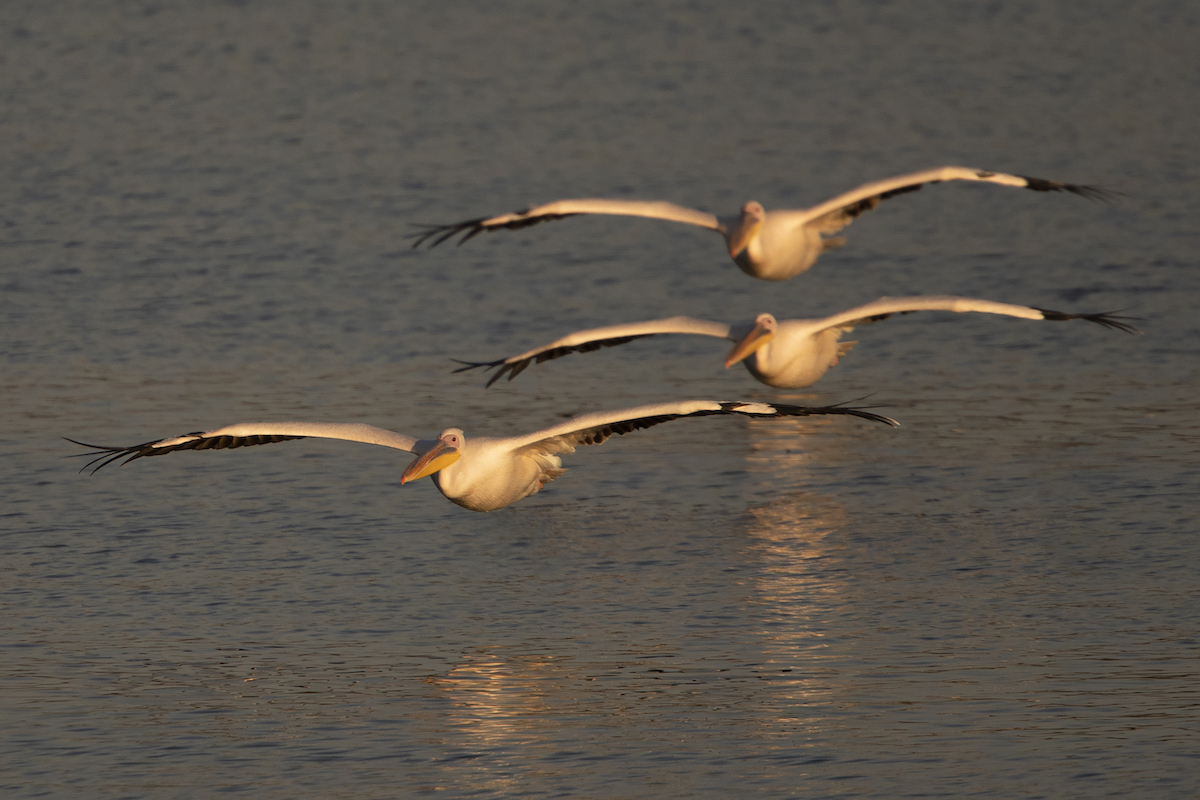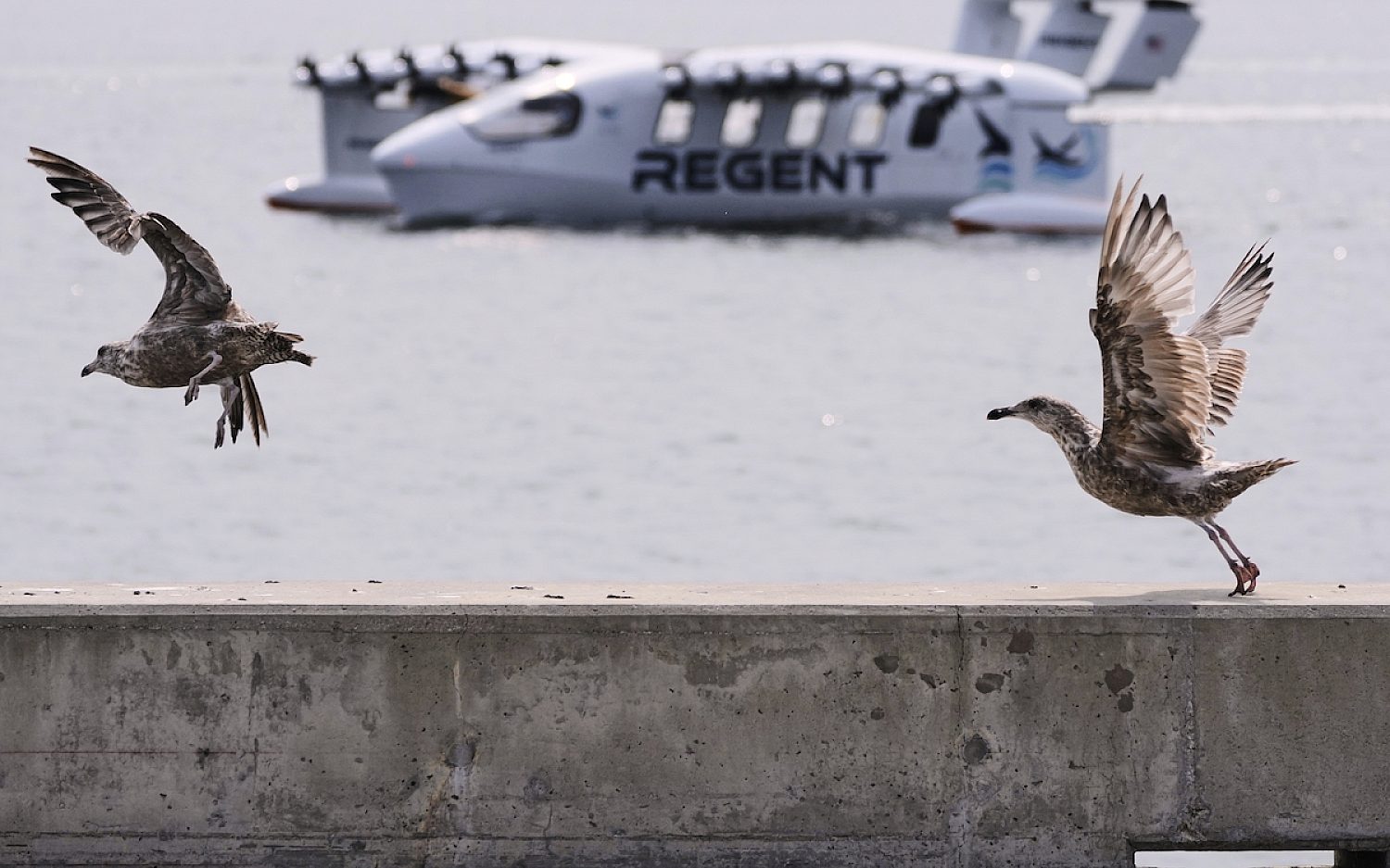
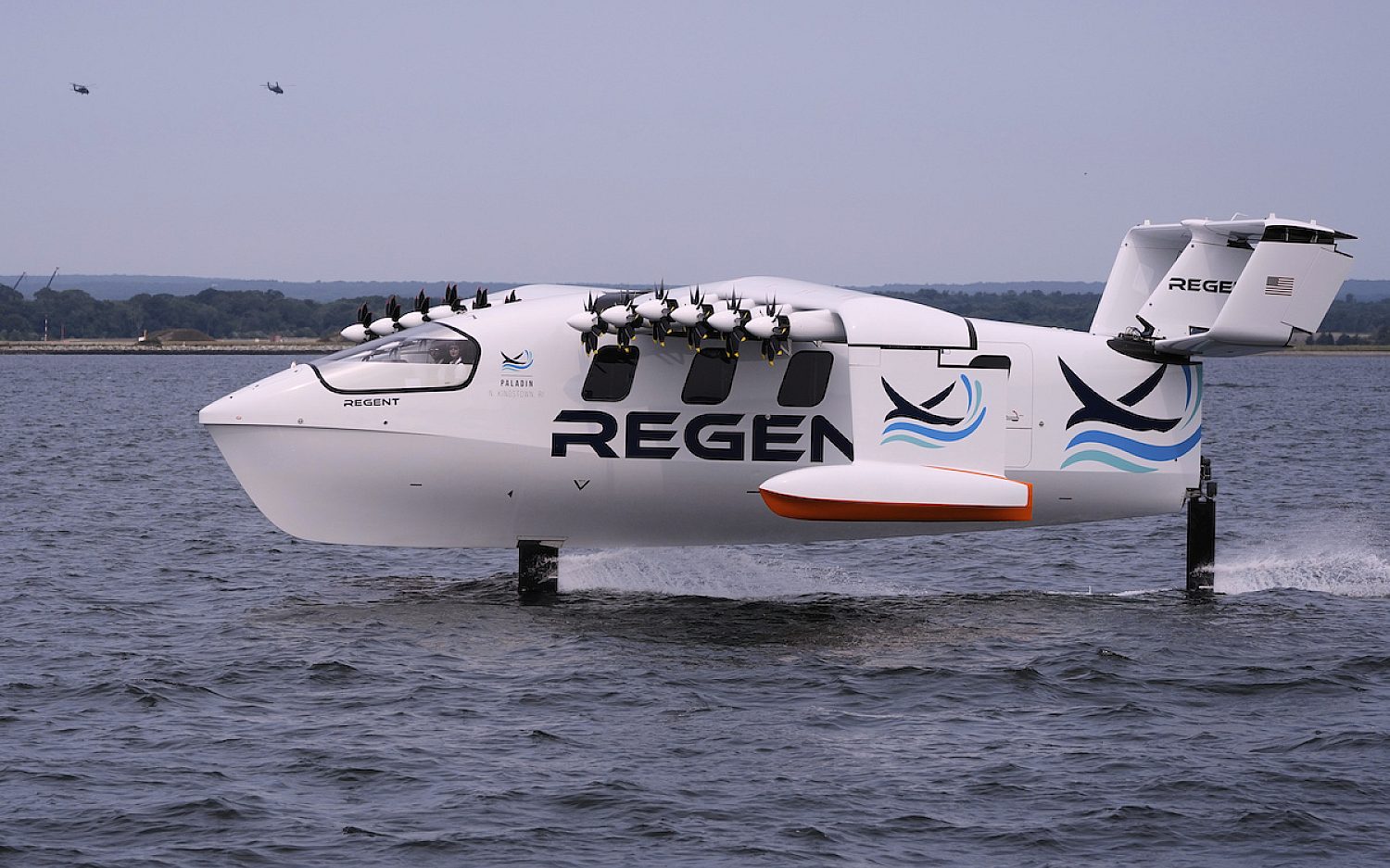
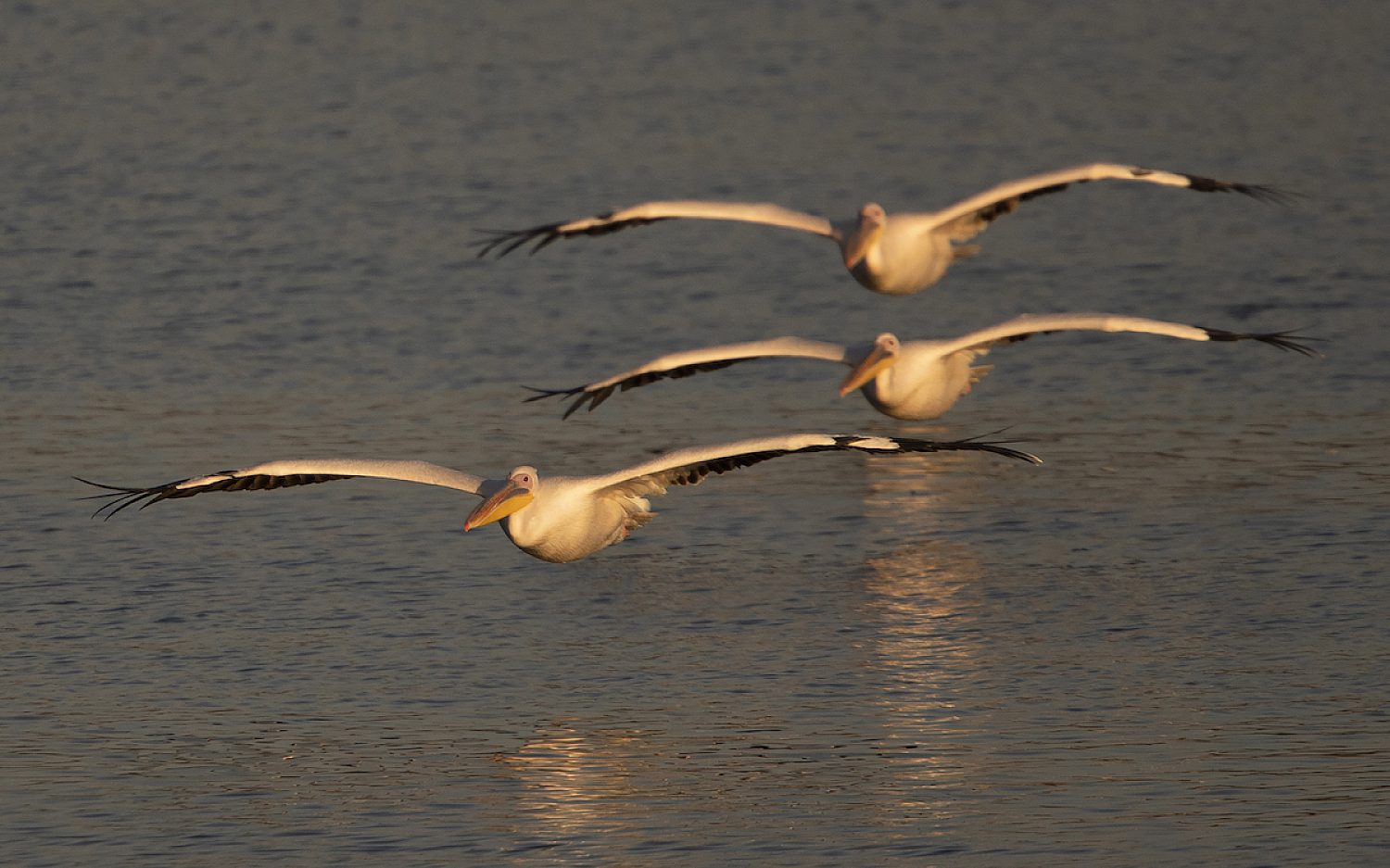
The Paladin seaglider can fly. But it’s not technically an aircraft. The International Maritime Organization calls it a “wing-in-ground-effect” vehicle. It uses the ground effect to soar over water. So do pelicans, cormorants, and similar sea birds.
How does this ground effect work? It starts with the basics of flight. Airplanes use four forces to fly: thrust, drag, weight (or gravity), and lift.
Thrust pushes the plane forward. Drag pulls backward, usually from air moving over the plane. Weight pulls the plane downward. Lift fights against weight to push the object up.
For the plane to fly, thrust must beat drag. Lift must overcome weight. Birds achieve this by beating their wings and angling their bodies away from the ground. Airplanes use engines to create thrust. Their wing and fuselage shape help create lift.
Fun fact: Inventors like brothers Orville and Wilbur Wright studied birds to design airplanes. We’re still gaining flight insights from our feathered friends. Birds have a lightweight bone structure. This helps reduce the force of weight. Engineers copied this to make modern airplane materials.
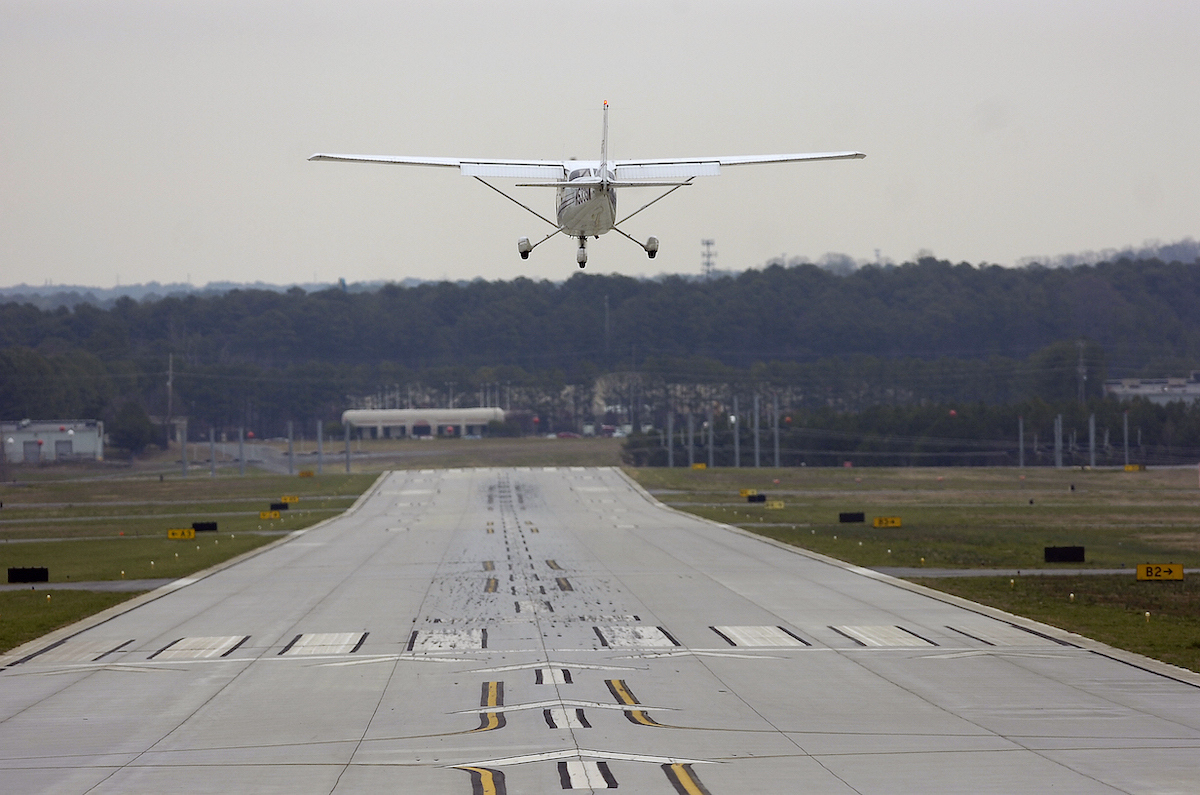
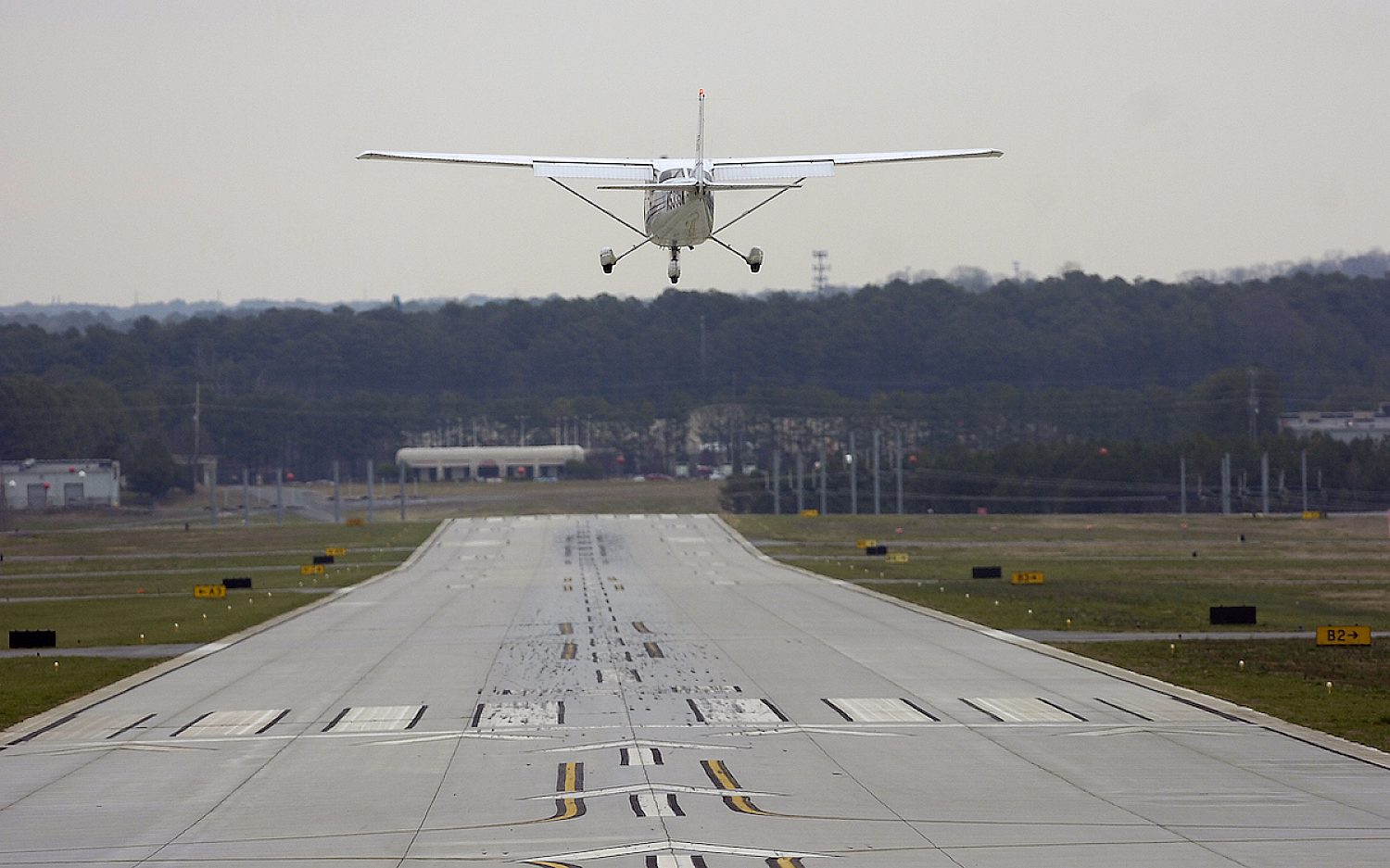
The ground effect happens when a flying object nears the ground or water. Pilots often feel it when landing planes. The ground reduces the force of drag. An “air cushion” forms below. This cushion reduces the pull of gravity. With drag and weight reduced, it takes less energy to fly.
Pelicans wield this force to glide long distances over water. The Paladin seaglider uses it for flight mode. Gliding consumes less fuel than traditional flight. It allows Paladin to run on electricity rather than fossil fuels.
Next time you see a bird gliding over water, think about the forces at work. Praise God for His intricate design!