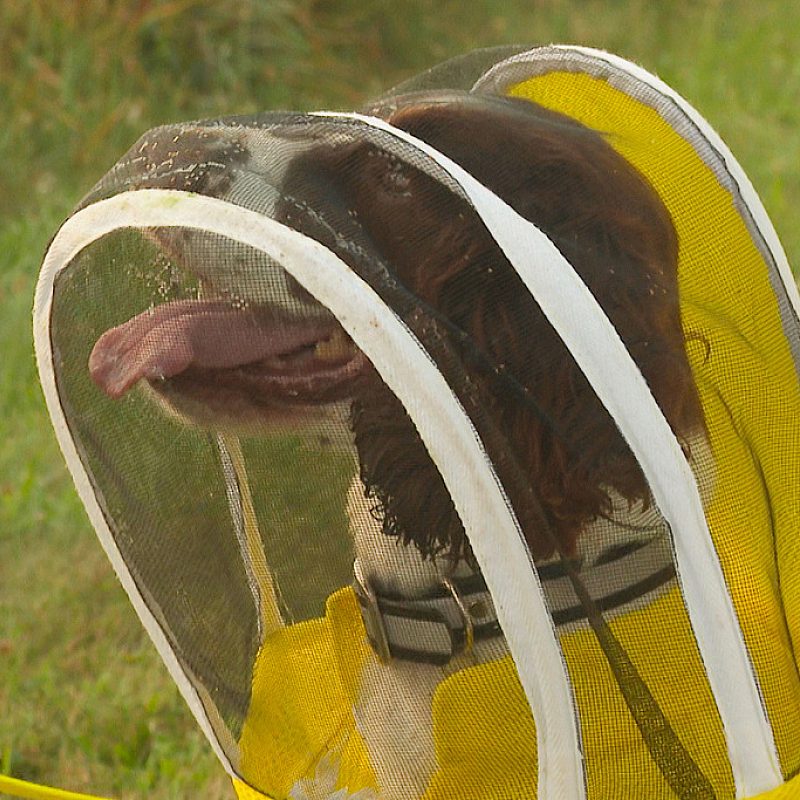

When it comes to smell and hearing, dogs are among the most perceptive of all God’s creatures. But they’re not just herders, helpers, bodyguards, and companions for people. They also help other animals—and not just bees. They’re helping platypuses too.
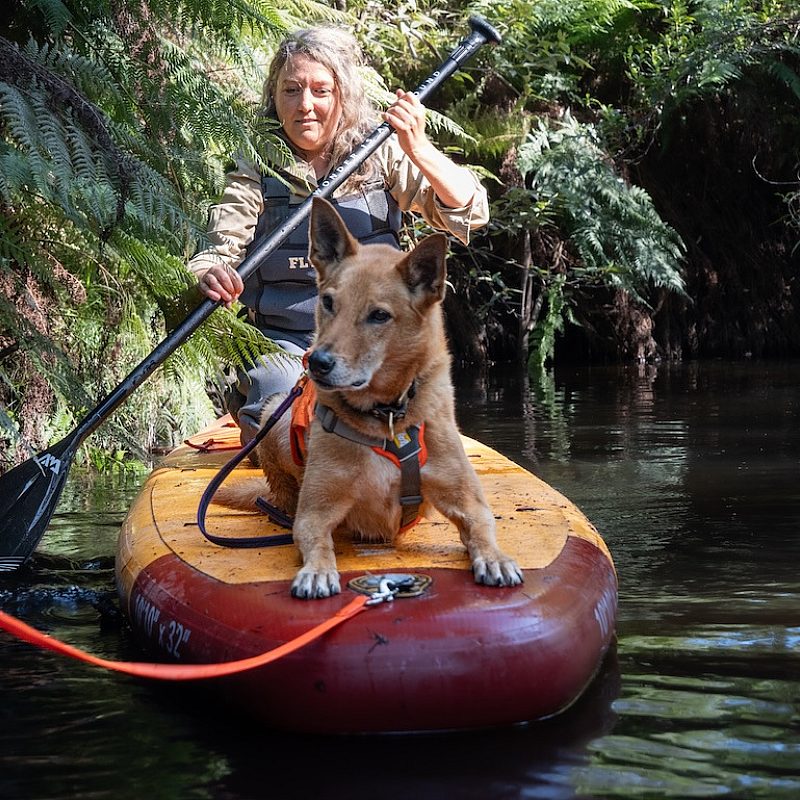
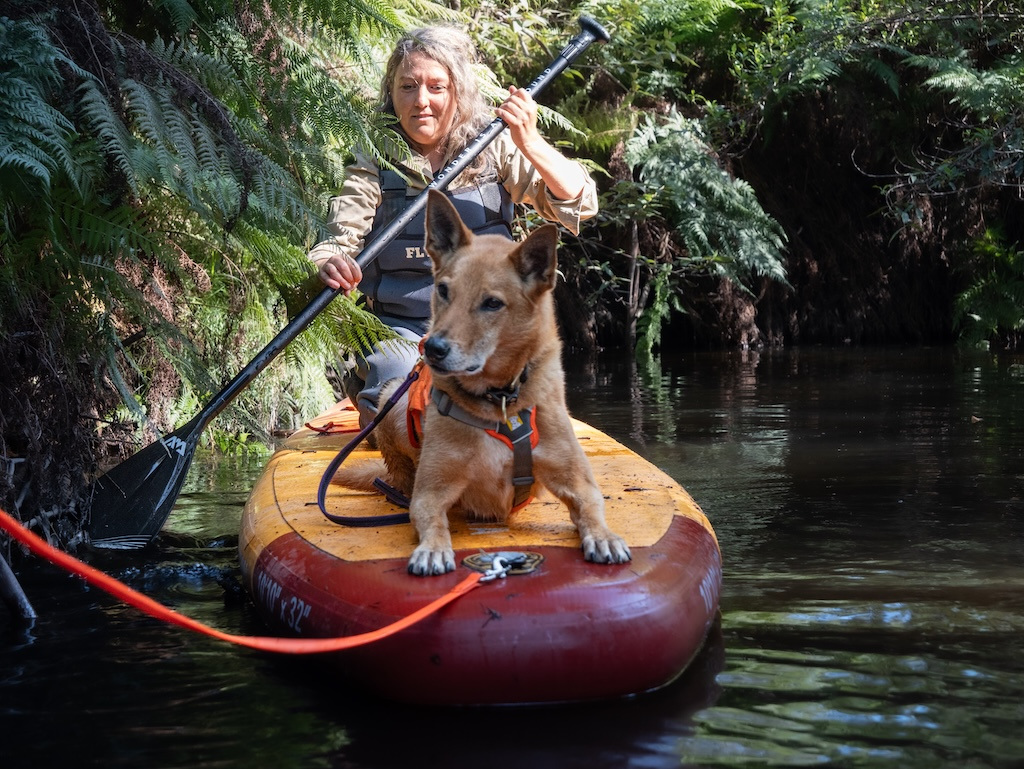
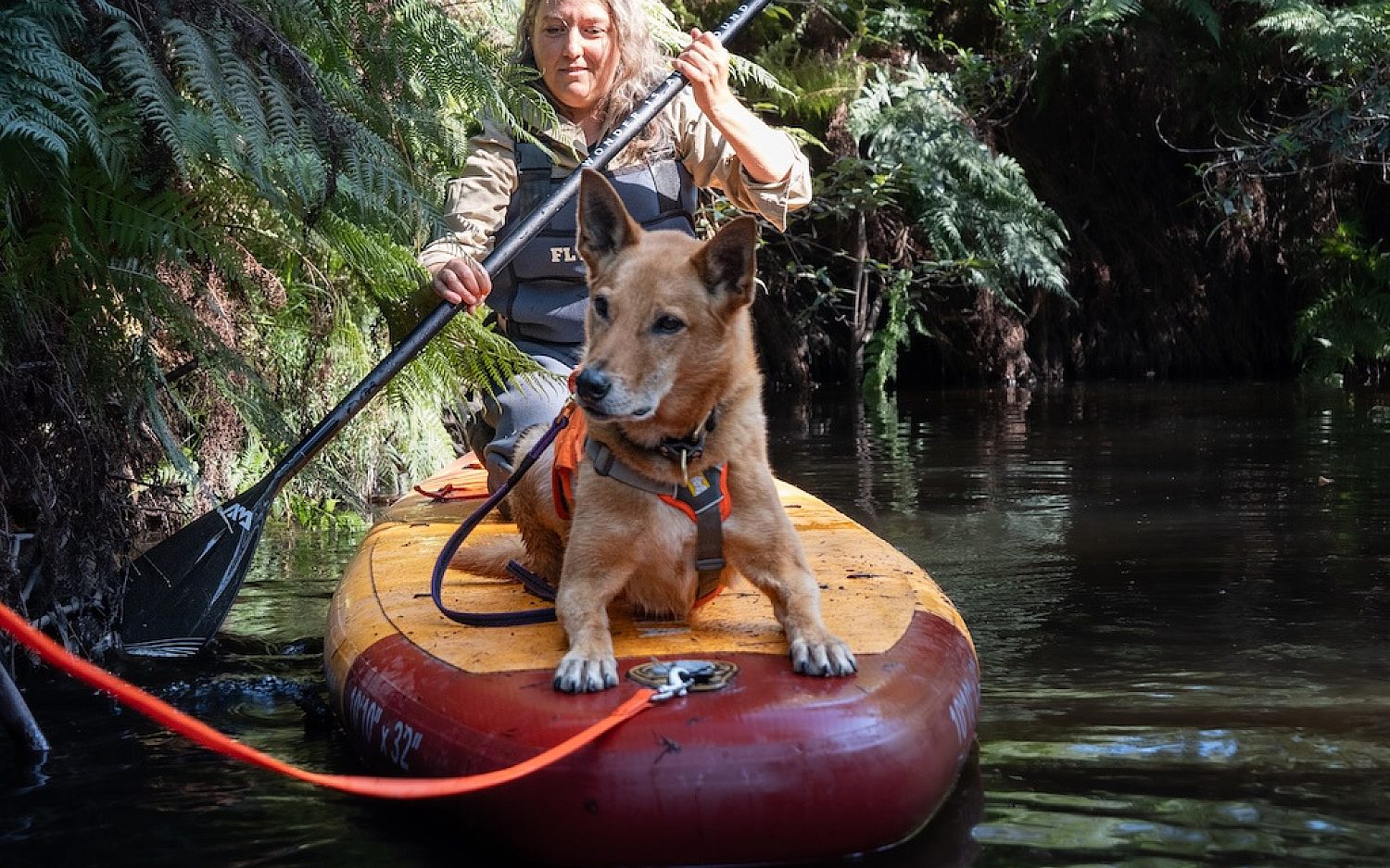
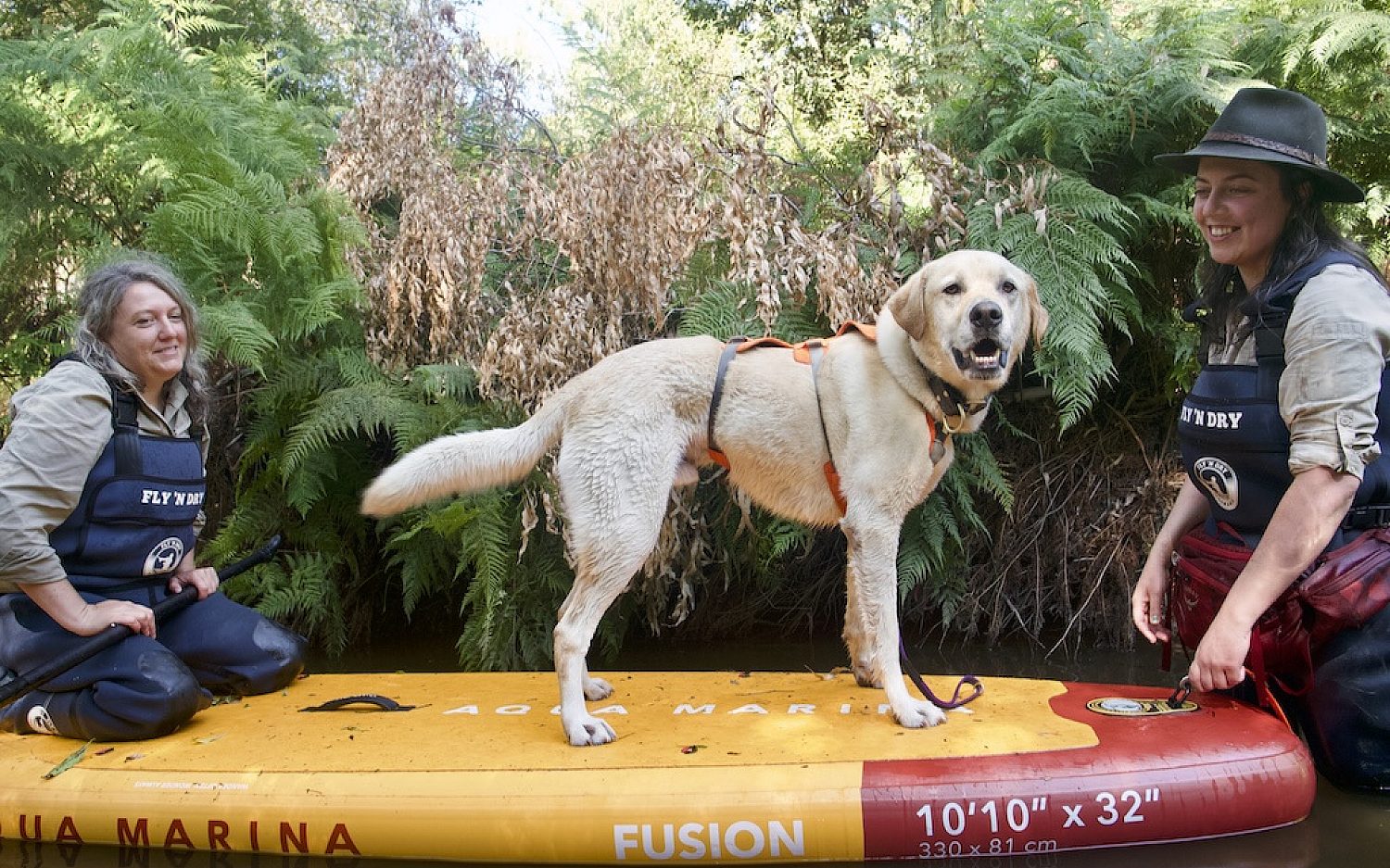
Let’s zip halfway around the world to Australia. There, some dogs put their noses to work. They’re called “paddle pups.” They help researchers study Australia’s platypuses.
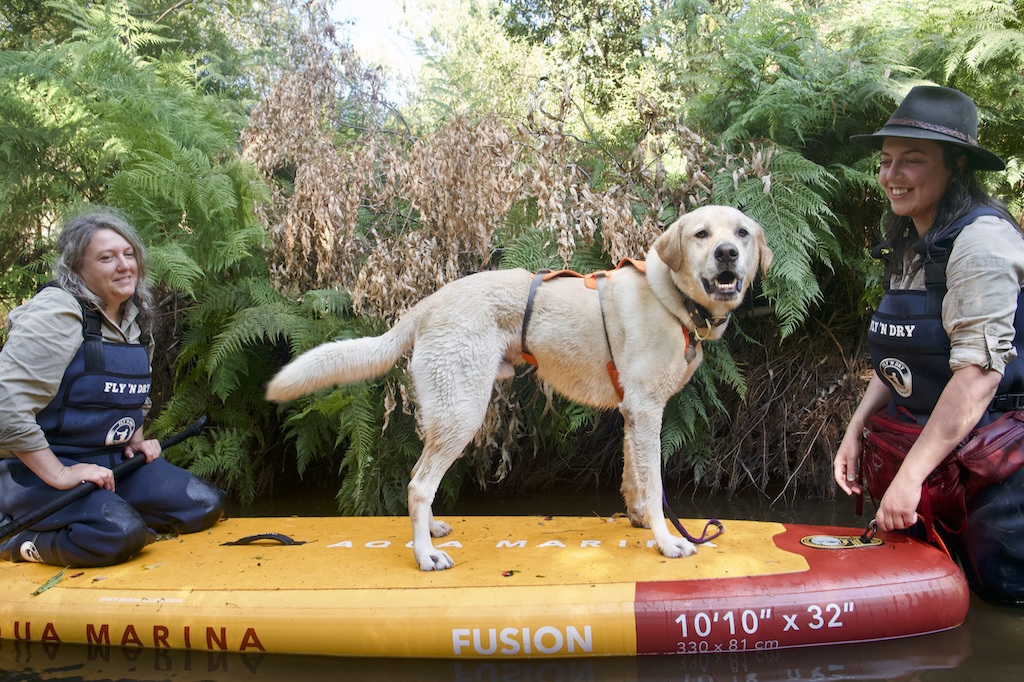
The pups balance atop paddleboards. They seek out platypuses for scientists to follow. Dogs are good for this job because they can smell through water.
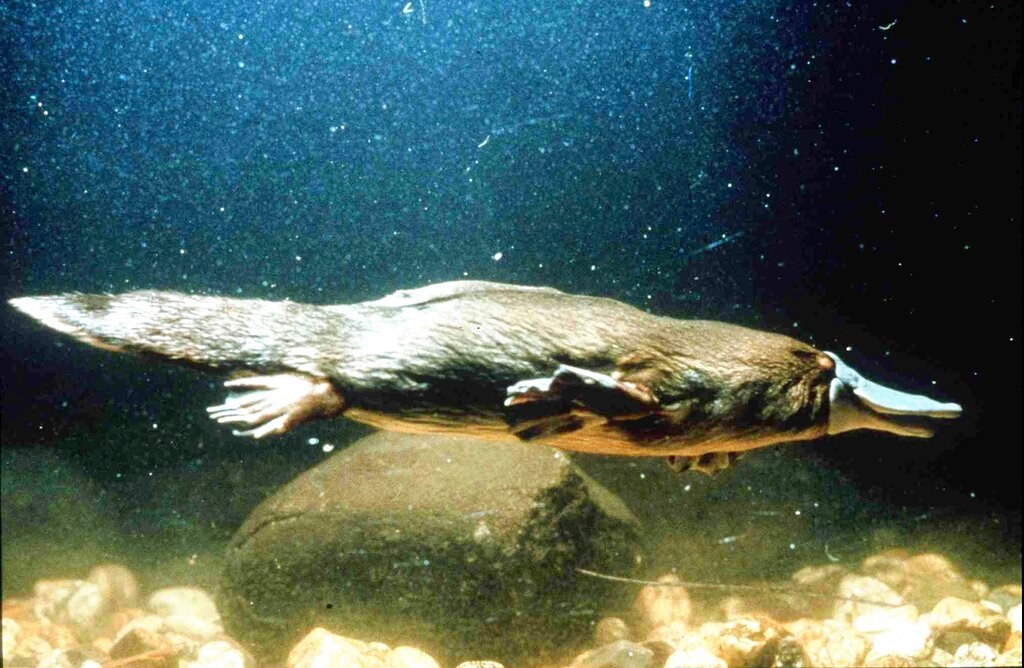
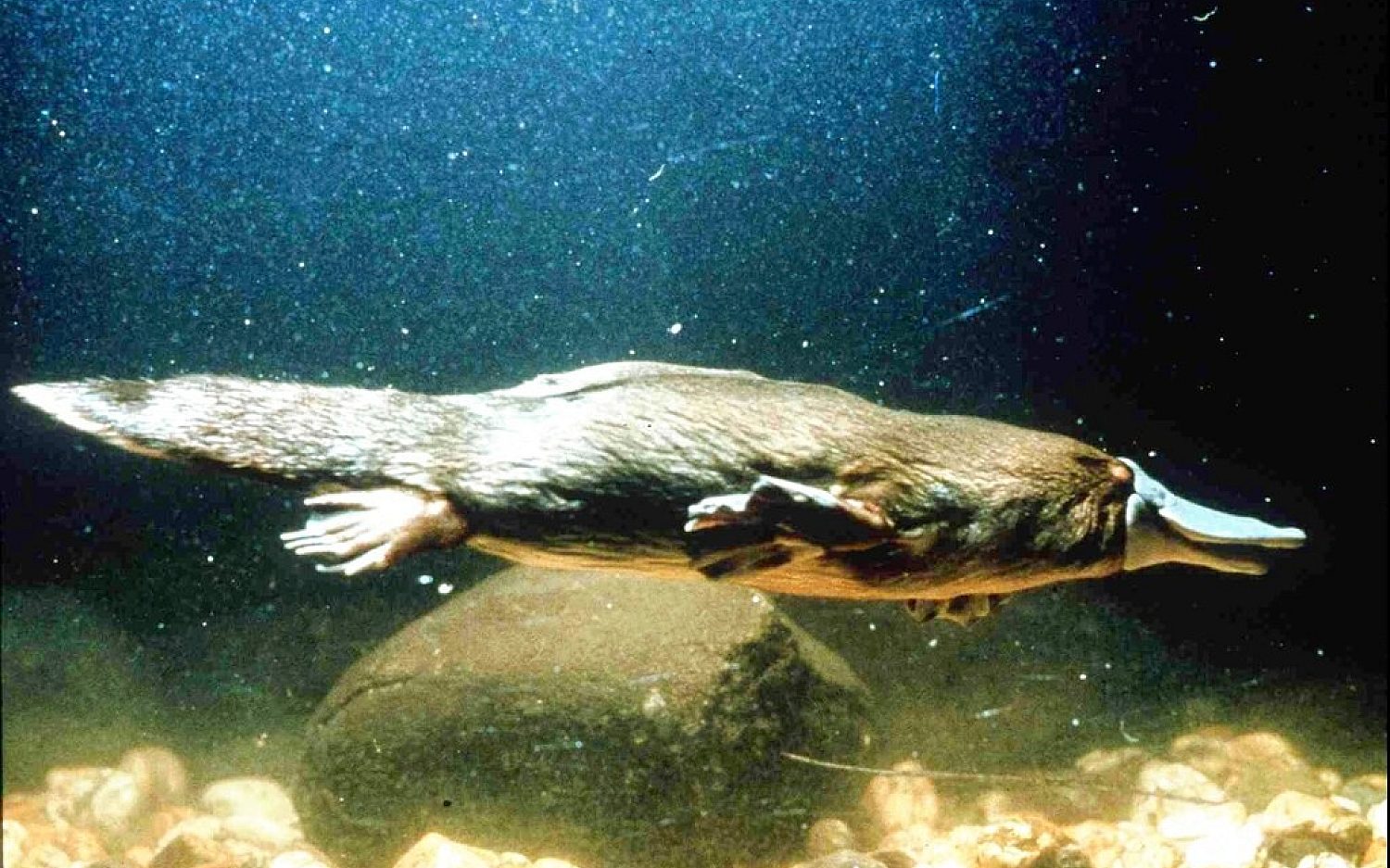
It’s no wonder scientists want to study the platypus. It is a strange animal indeed. On one hand, it has fur and makes milk for its babies. So, it’s a mammal, right? On the other hand, it has a bill and webbed feet like a duck . . . and it lays eggs. That’s unusual.
Platypus expert Dr. Jessica Thomas says scientists don’t know much about platypuses. The mysterious animals are hard to spot. They often burrow along banks behind thick brush. They hang out underwater. They’re also nocturnal—staying awake at night instead of day. It’s hard for researchers to even find them. Dr. Thomas says no one has seen a platypus lay an egg—yet.
Officer La Toya Jamieson works with the paddle pups. She says the dogs took well to paddleboards. Paddleboards allow researchers to be on the water and near the platypuses. But they don’t disturb the animals’ home waters much. The researchers hope the paddle pups will help them learn about how platypuses live in the wild.
Platypuses are good avoiders. But Dr. Thomas says the dogs have such powerful noses they can find a platypus asleep in its burrow.