
A man lies on the ground in the mountains of Tanzania. He is not moving.
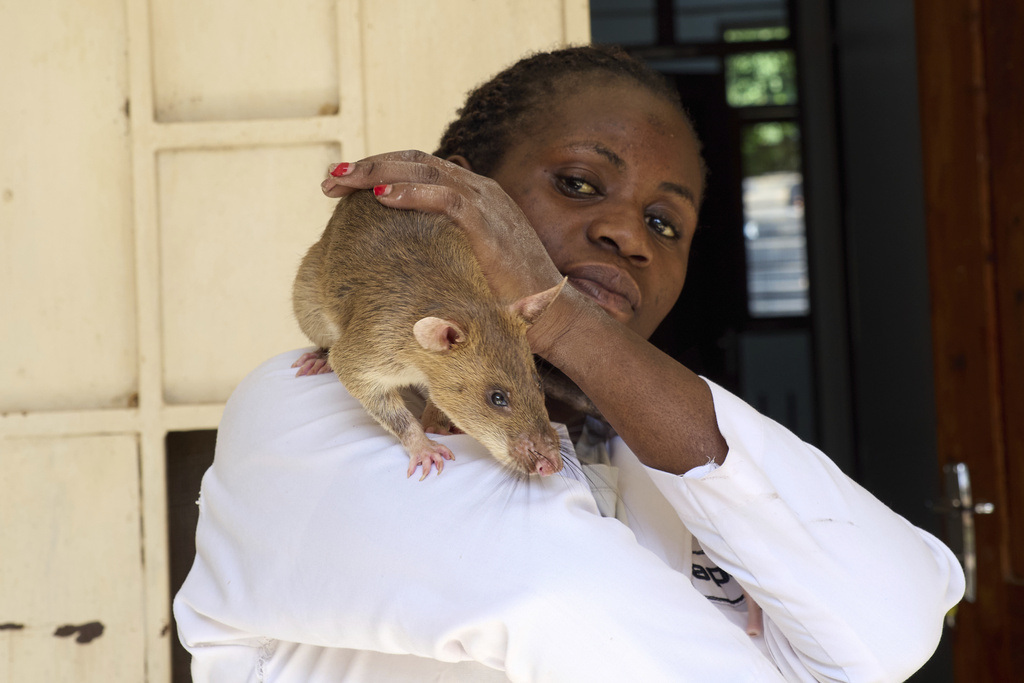
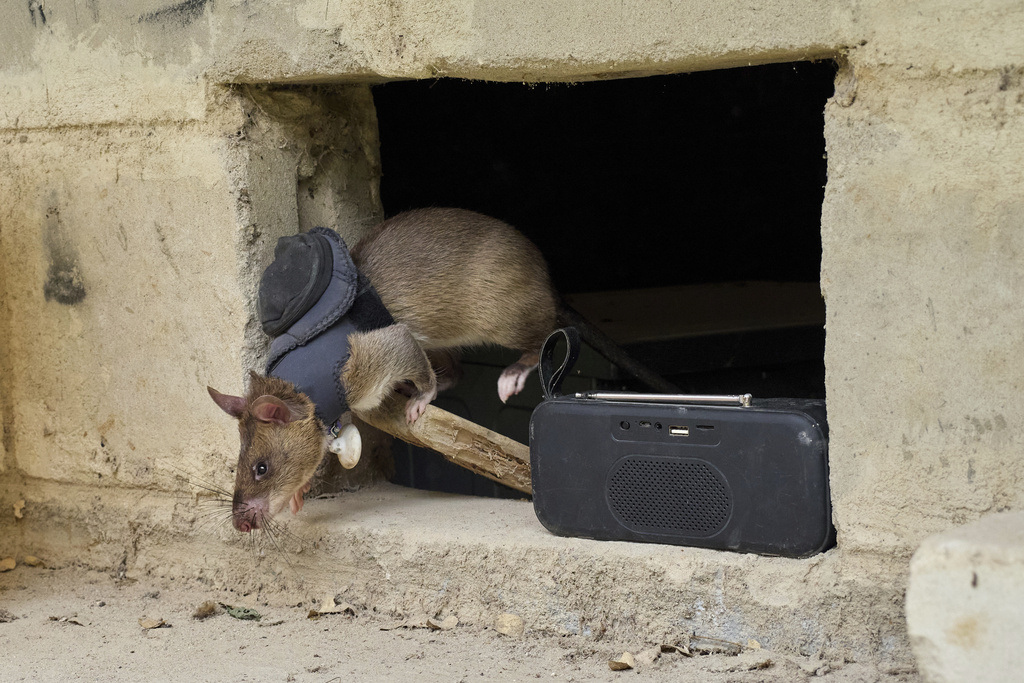
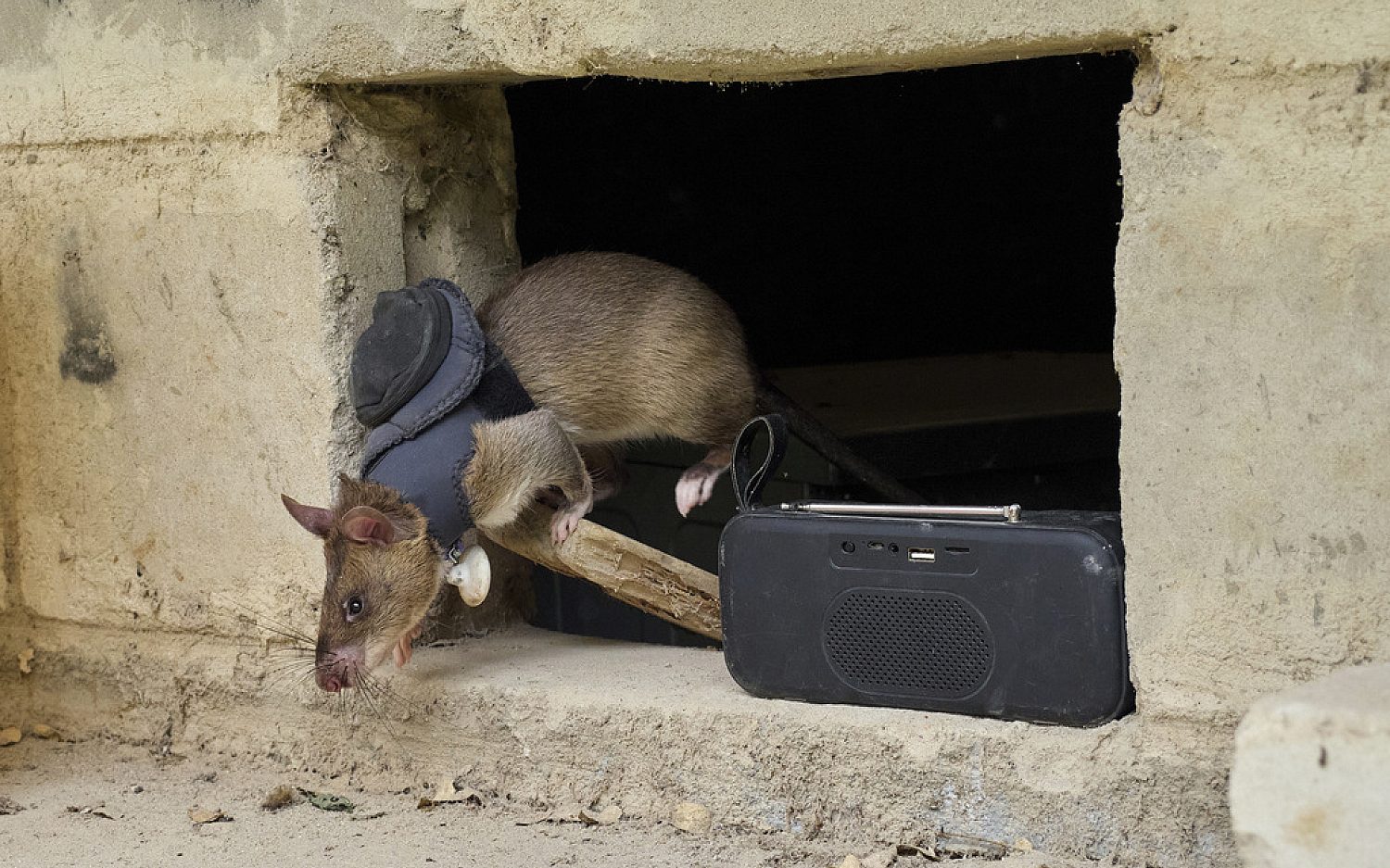
An unlikely rescuer scampers toward him. It’s an African giant pouched rat. A rat wearing a backpack.
Good news: The man isn’t really injured. He’s pretending.
The rat’s whiskers wave. It breezes past garbage, turned-over furniture, and scattered clothes. (These items, too, are “pretending.” What we’re looking at is a pretend earthquake with a pretend victim trapped in pretend rubble.)
The little hero of the story, though, is real. When the rat-in-training finds the man, it pulls a trigger on its backpack. This alerts searchers above.
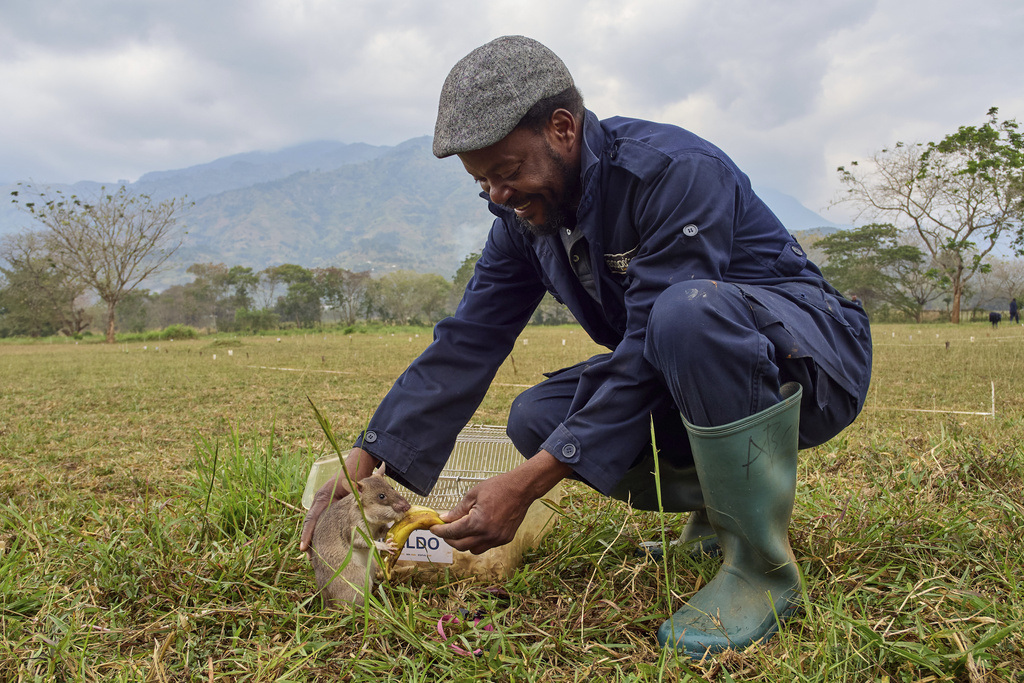
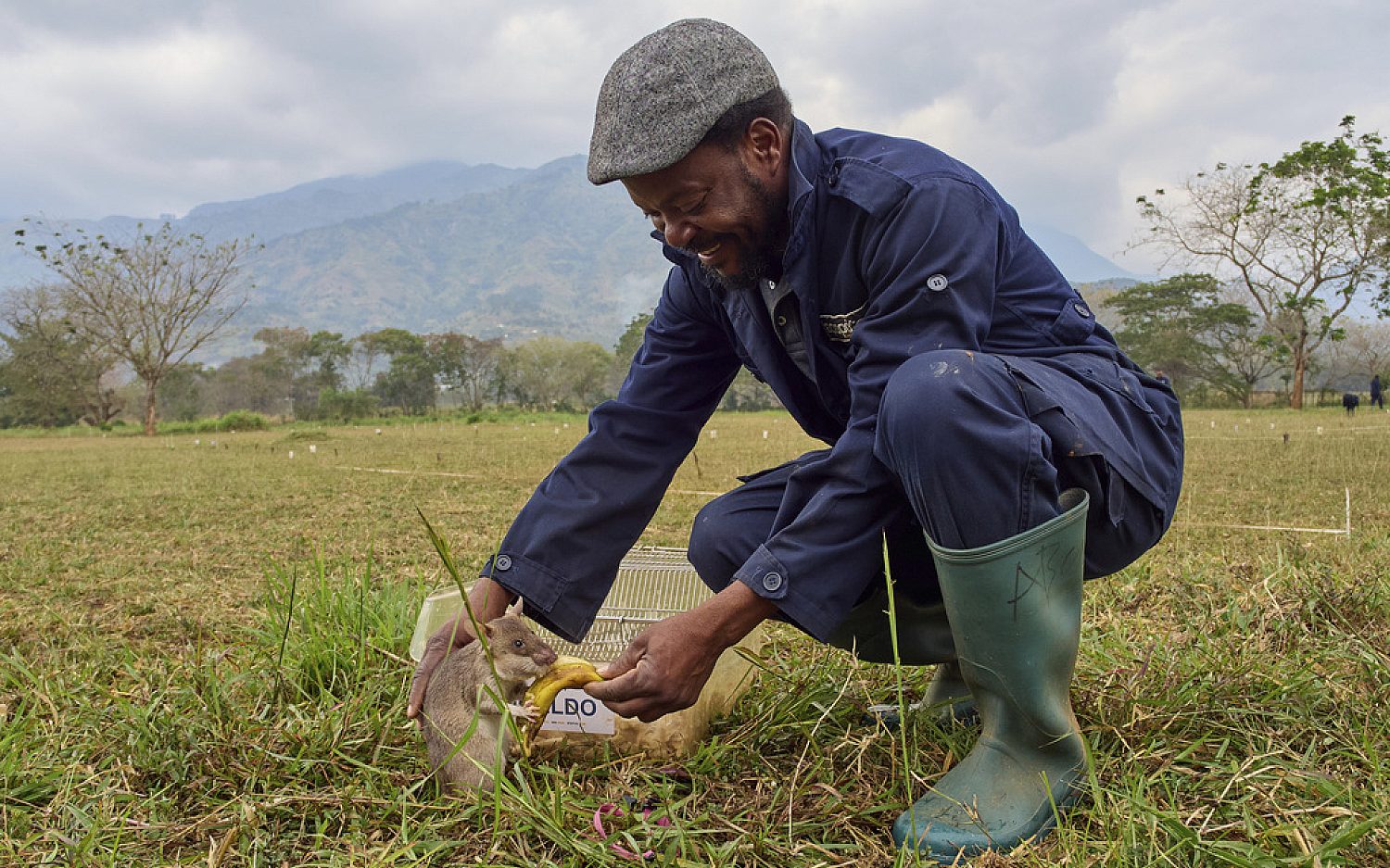
Mission accomplished! The rat scurries out of the abandoned building. His reward? A banana to nibble.
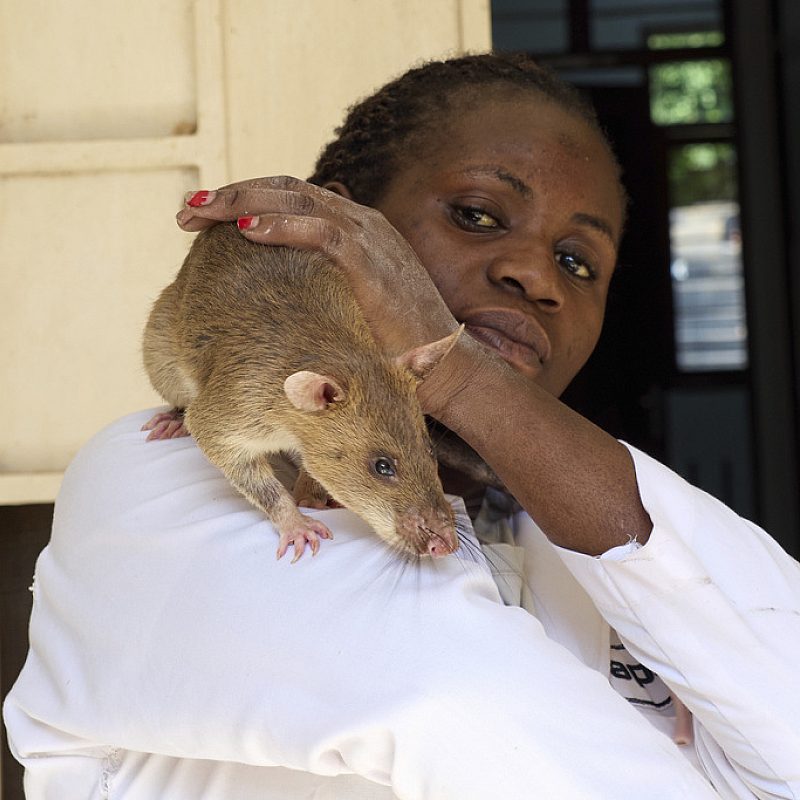
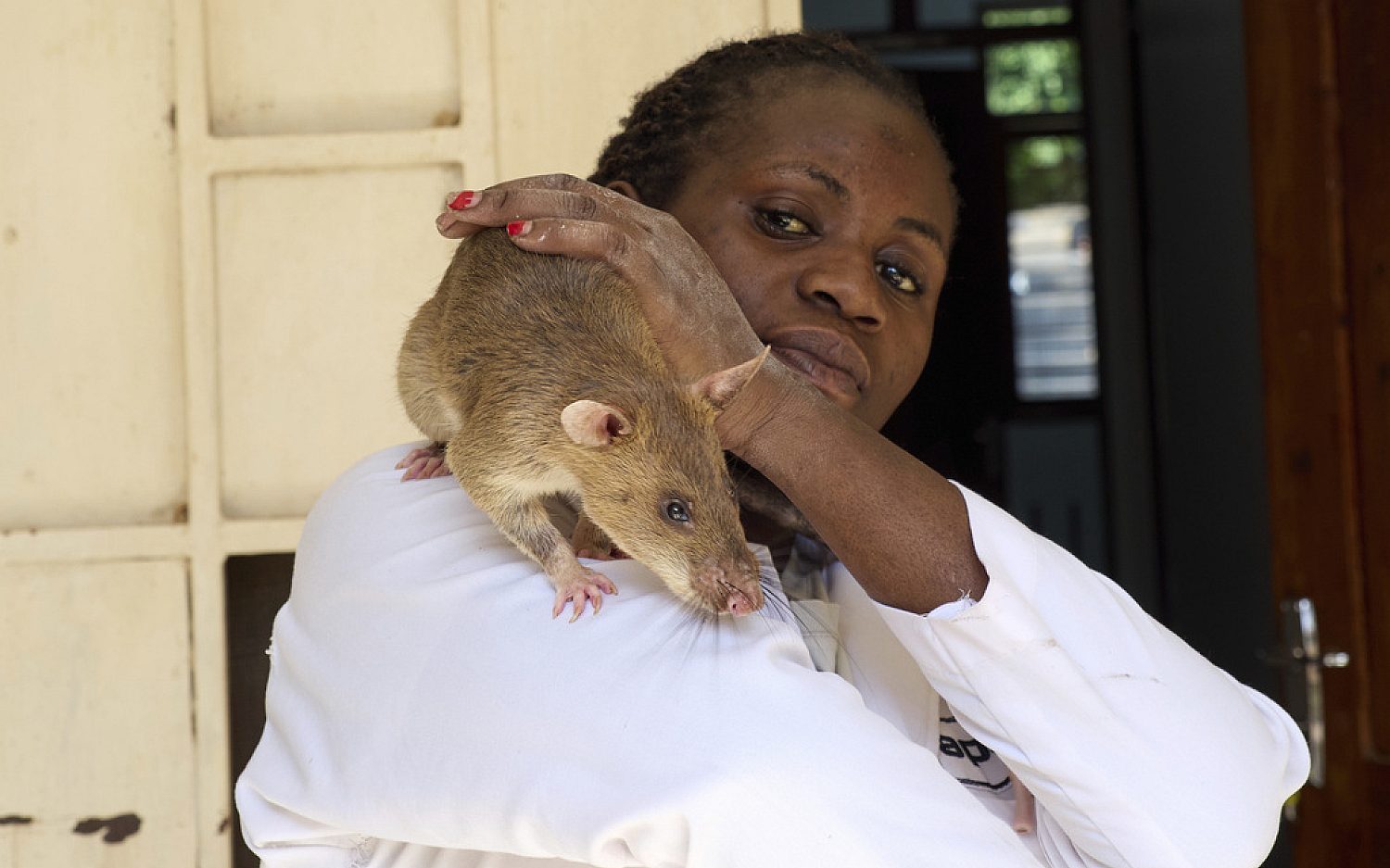
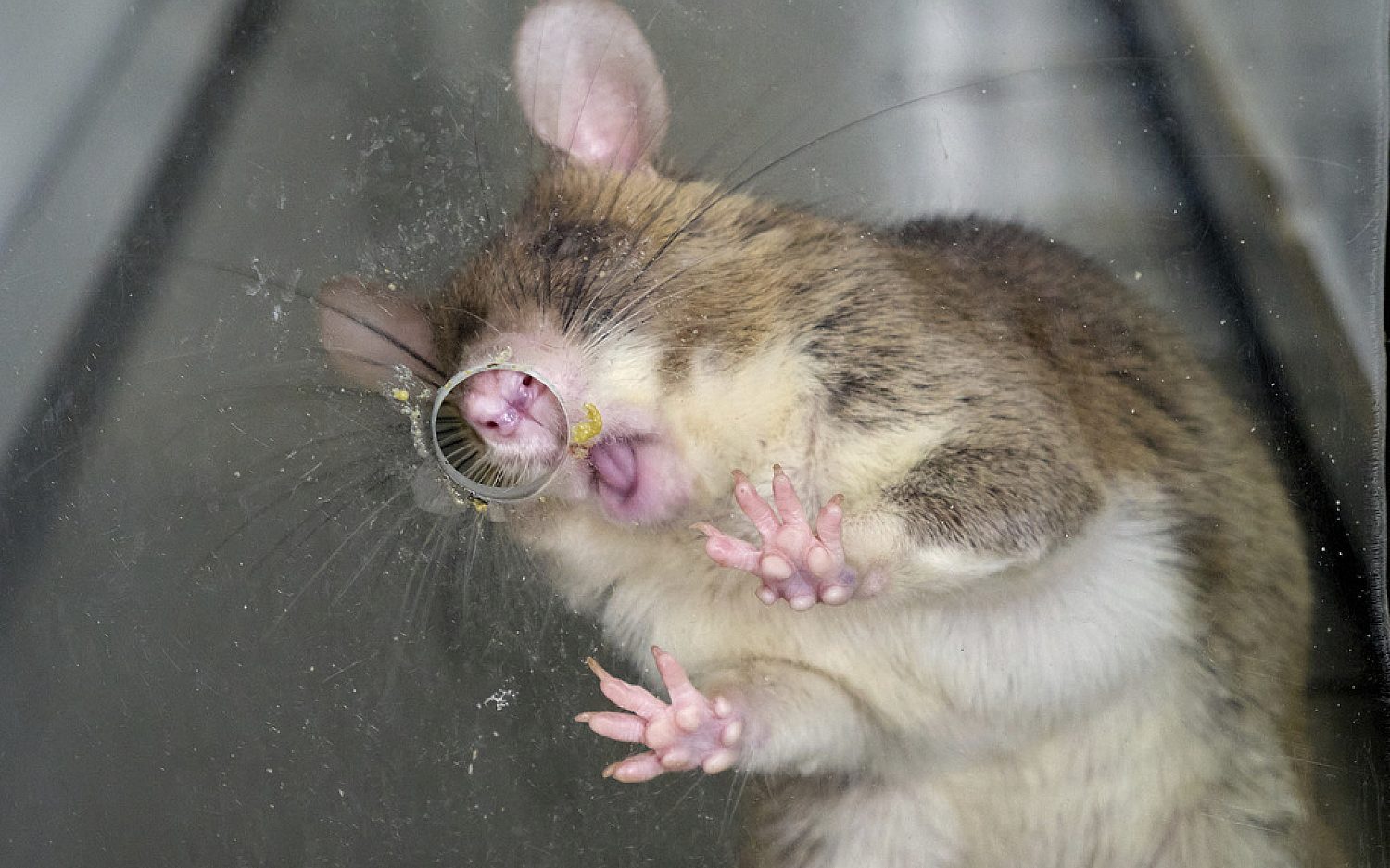
“Their sense of smell is incredible,” says Fabrizio Dell’Anna. He is an animal behaviorist in Tanzania. “These rats are able to detect explosives, tuberculosis—even tiny amounts of the bacteria—and in this project, they are able to correctly identify and indicate humans.”
The Life of a Hero Lab Rat
An African giant pouched rat is born. Like all members of its species, it has one of the most sensitive noses in the animal kingdom. It starts to train for specific missions.
It costs about $6,900 to train each rat. But the rats also have an unusually long lifespan. They might do their good work for almost 10 years each.
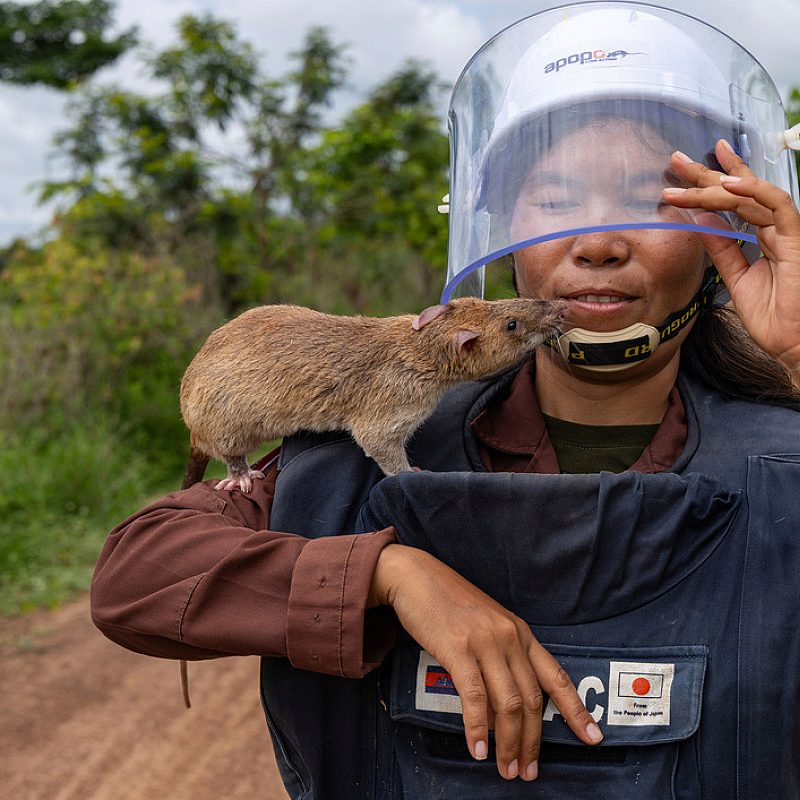
Some rats work out in the field. They look for land mines or people buried in rubble.
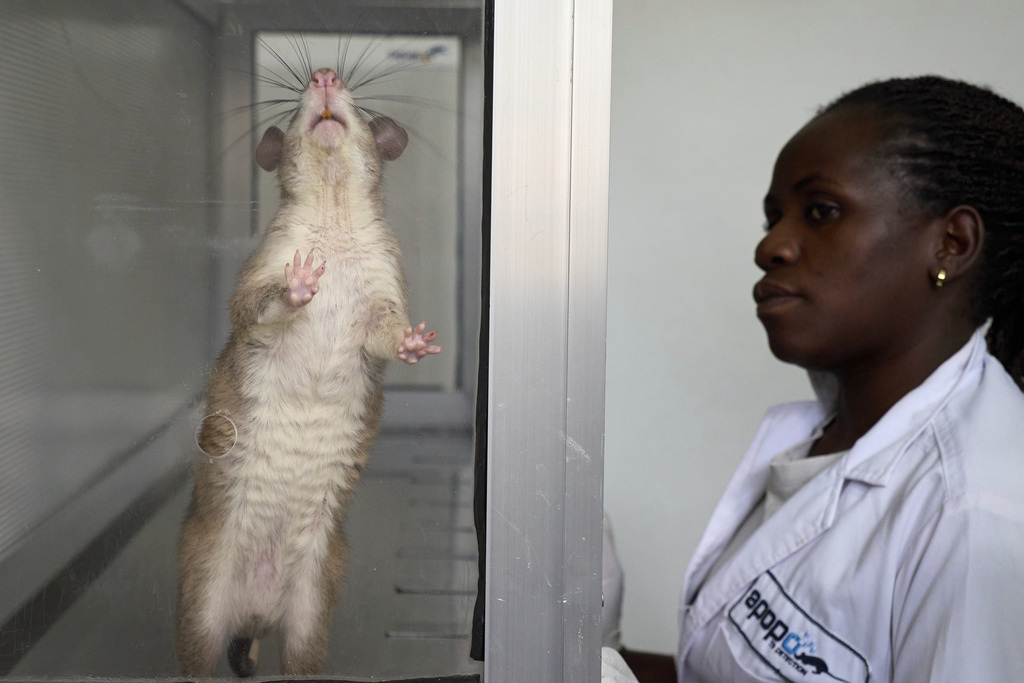
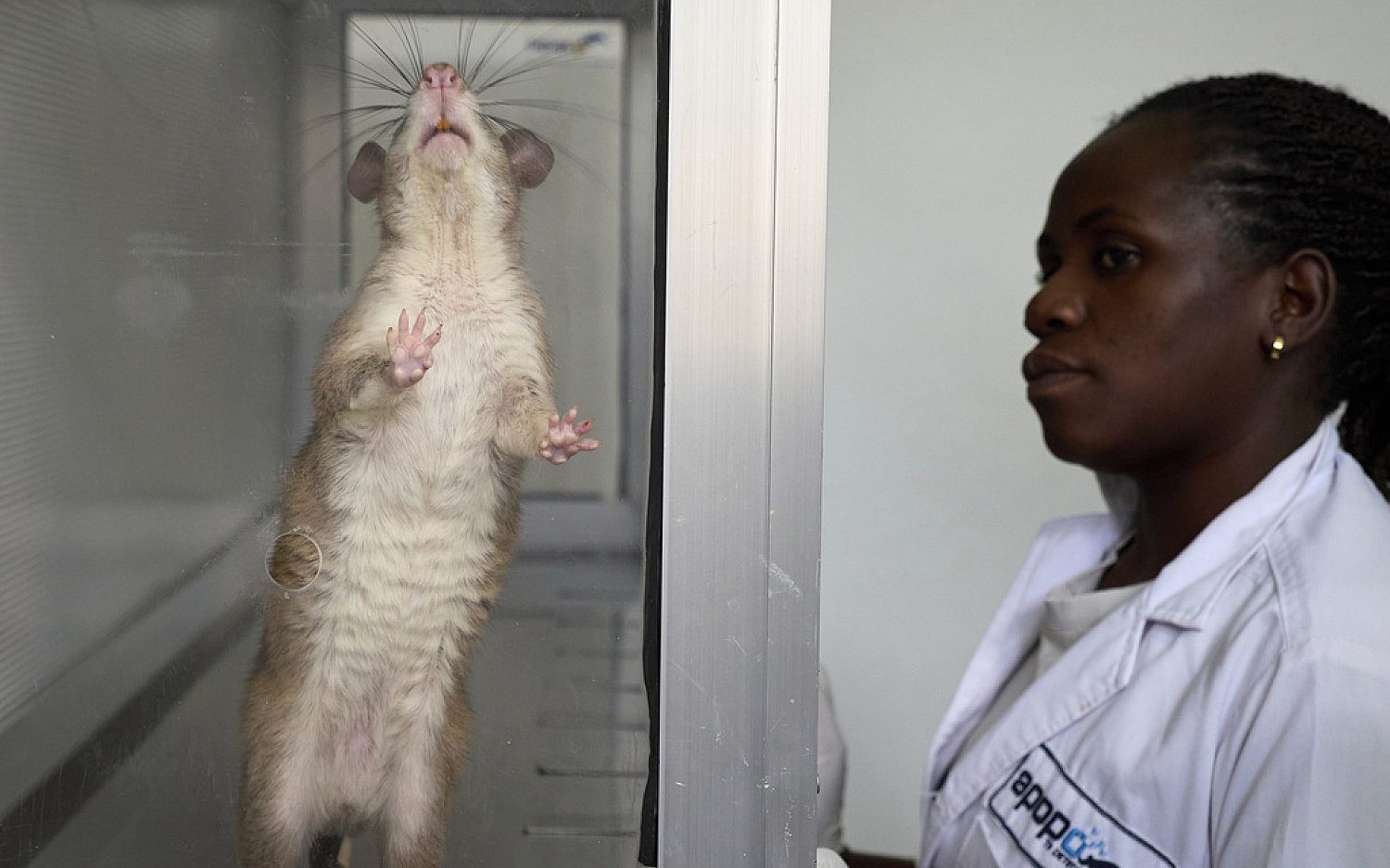
But the rats saving the most lives actually work inside the lab. Their job: Find tuberculosis. Tuberculosis is a disease that attacks the lungs. Far more people die of tuberculosis each year than die from land mines. An especially large number of people in Tanzania get the sickness.
A day in the life of a tuberculosis-detecting lab rat may look like this:
Spit samples come into the lab from 80 hospitals in Tanzania. The spit belongs to patients who tested negative for tuberculosis. Often, those tests are wrong.
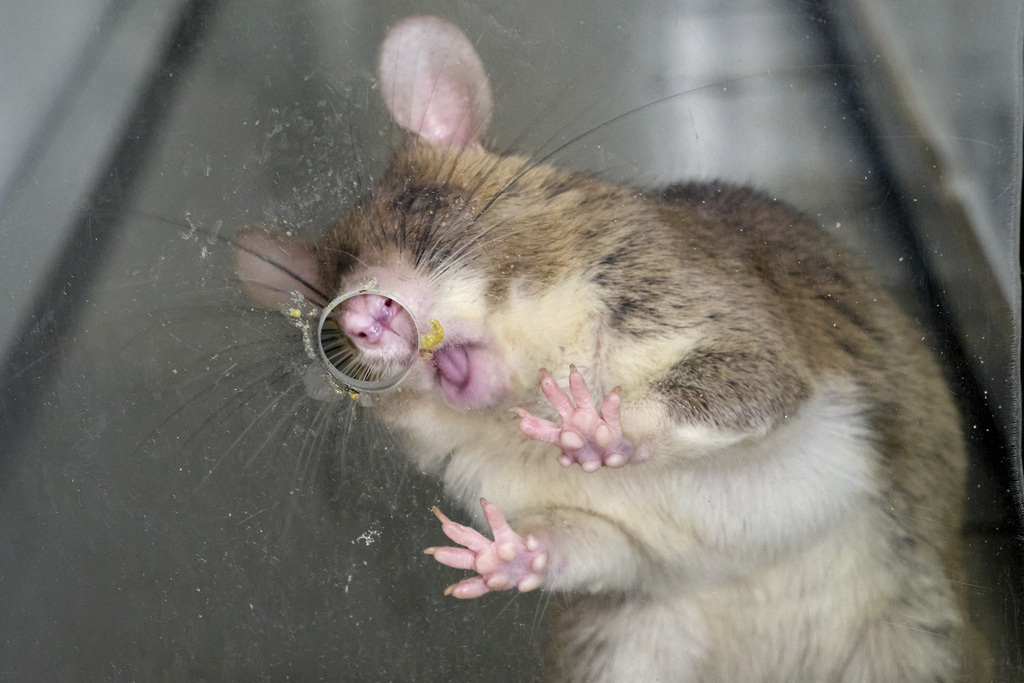
Sniff. Sniff. Repeat. It takes just 20 minutes for rats to scan 100 samples.
The rat lab can do the testing 55 hospitals do in a single day. The rats can find tuberculosis that other types of tests miss. This means sick people can know they are sick and be careful to stay away from others. Less disease will spread.