But not the kind from outer space. In this case, alien means “not from around here.” Alien plants or critters that cause harm are called invasive.
Here are a few pesky invaders that might be in waters near your home:
-
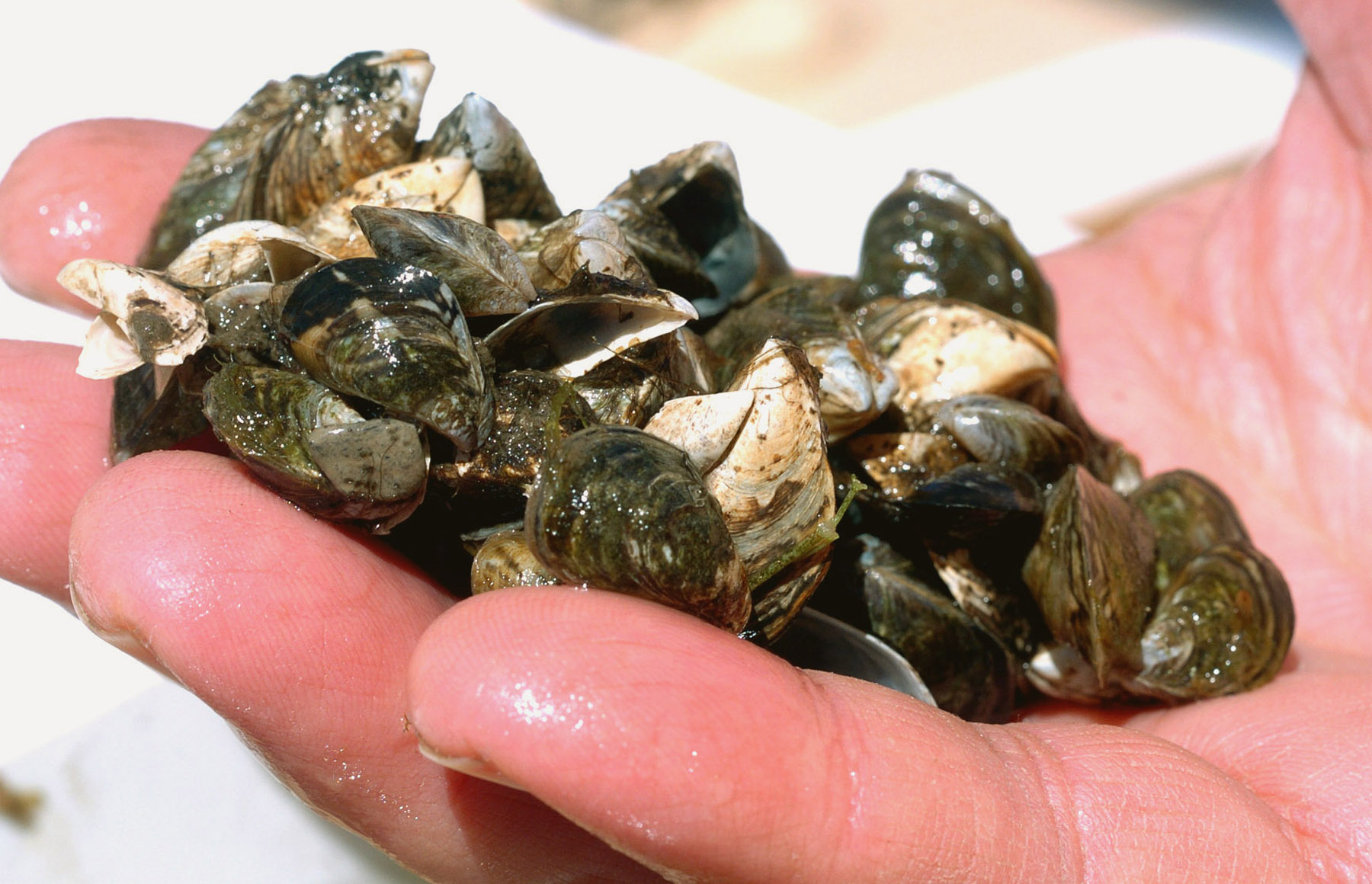
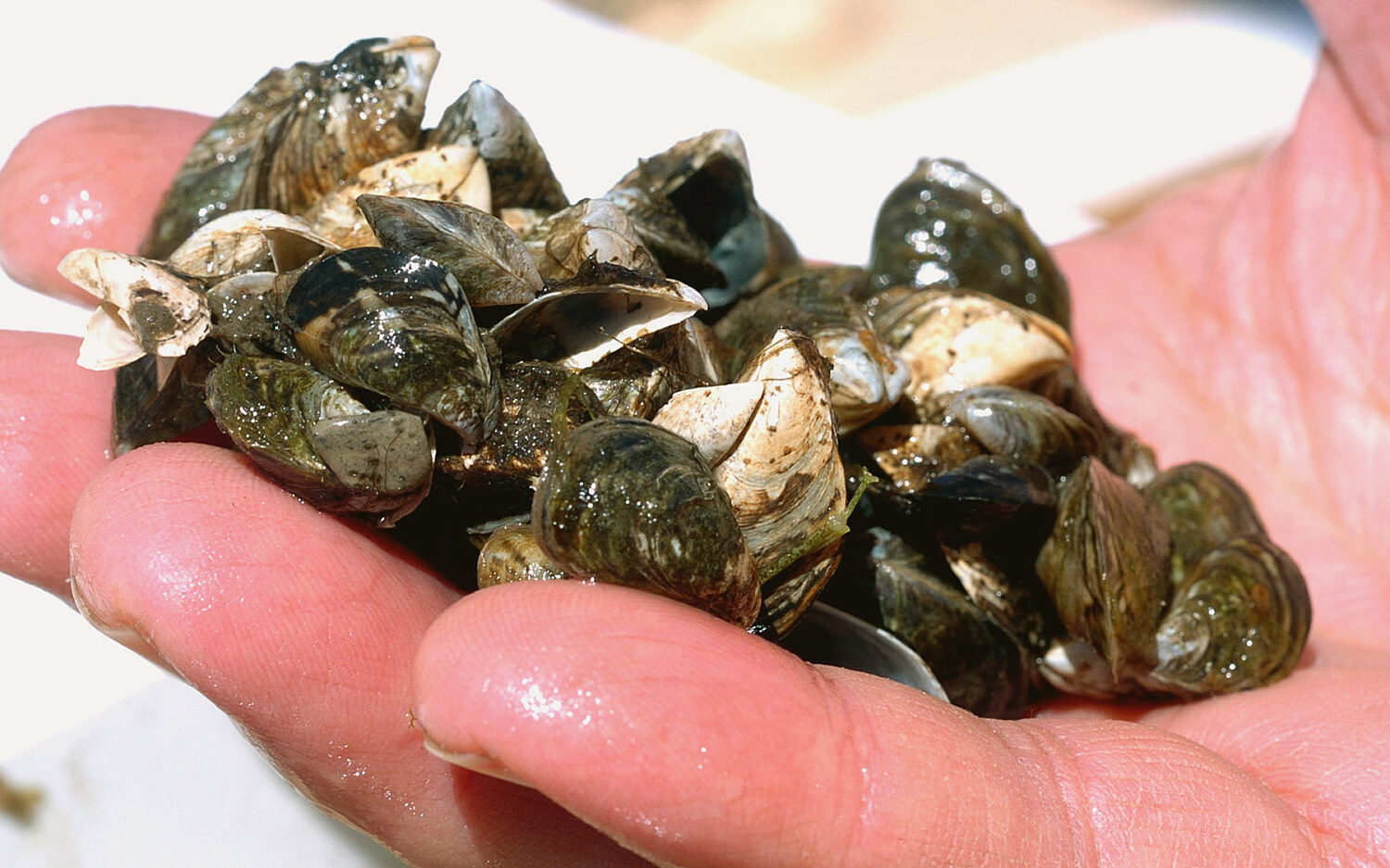
Zebra mussels hitchhike in ballast water. That’s water pumped into a ship. The extra weight of the water helps balance the ship. But when ballast water gets pumped out in another place, zebra mussels go with it. The mussels from Russia have invaded waters of other countries all around the world. They’re now in the United States, Great Britain, Ireland, Italy, and Sweden. They’re known by the striped pattern on their shells. The tiny mussels can damage ships. They also clog up power plants that are cooled with ocean water
-
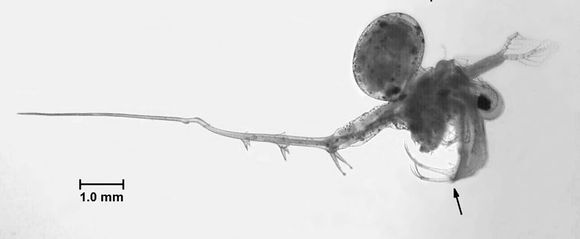
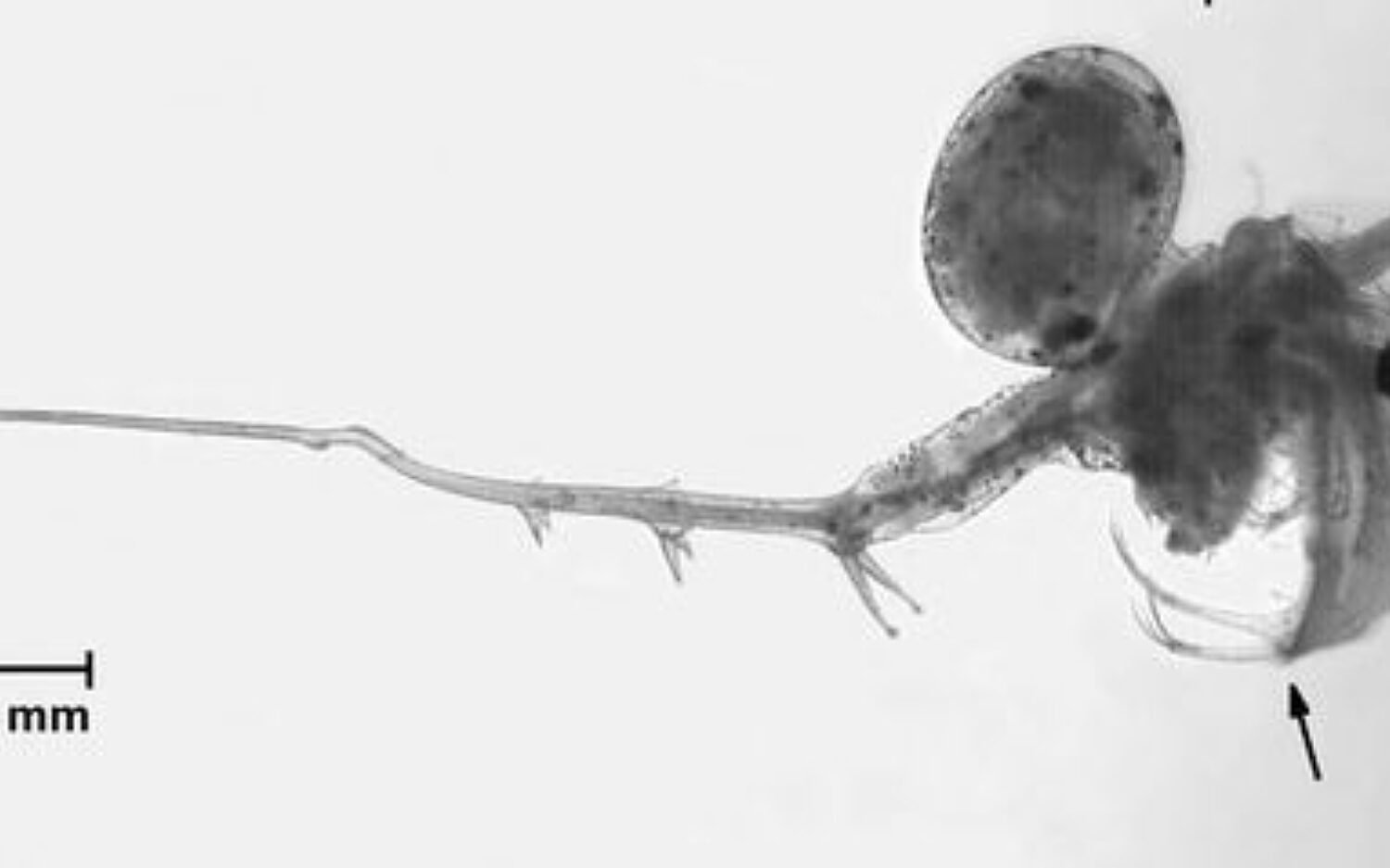
Spiny water fleas aren’t really fleas. They’re tiny crustaceans. They grow to be about one-half inch long. Like zebra mussels, they hitch rides in ballast water. They were first spotted in the Great Lakes in 1982. They eat the food that other small fish need to survive.
-
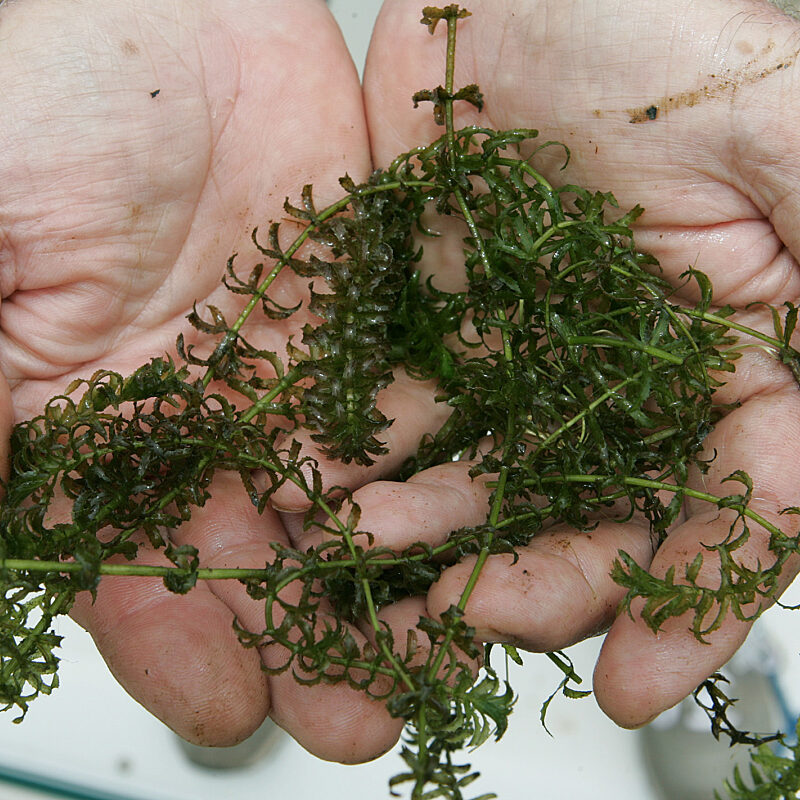
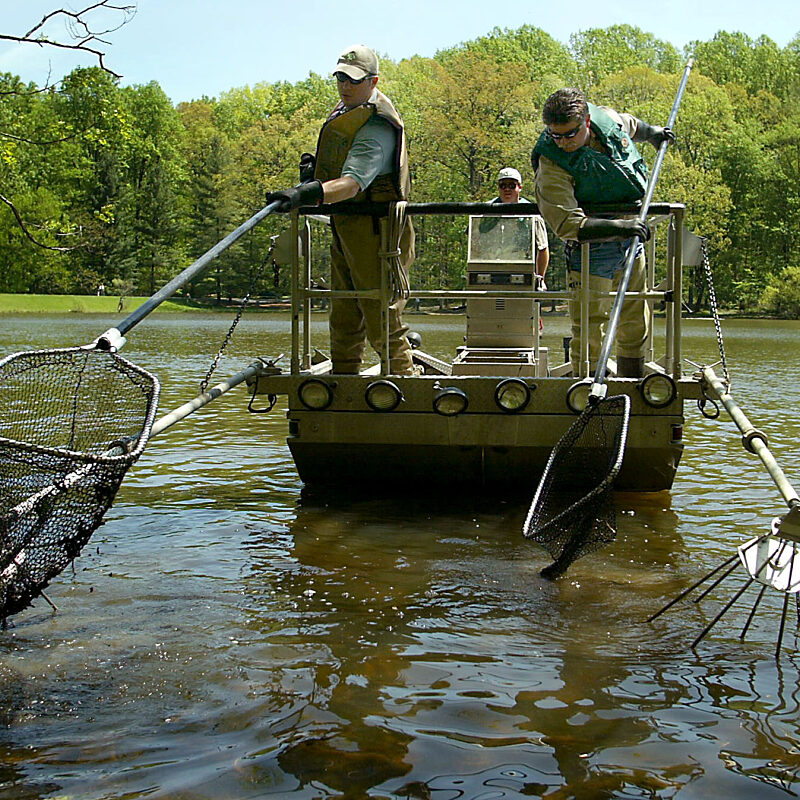
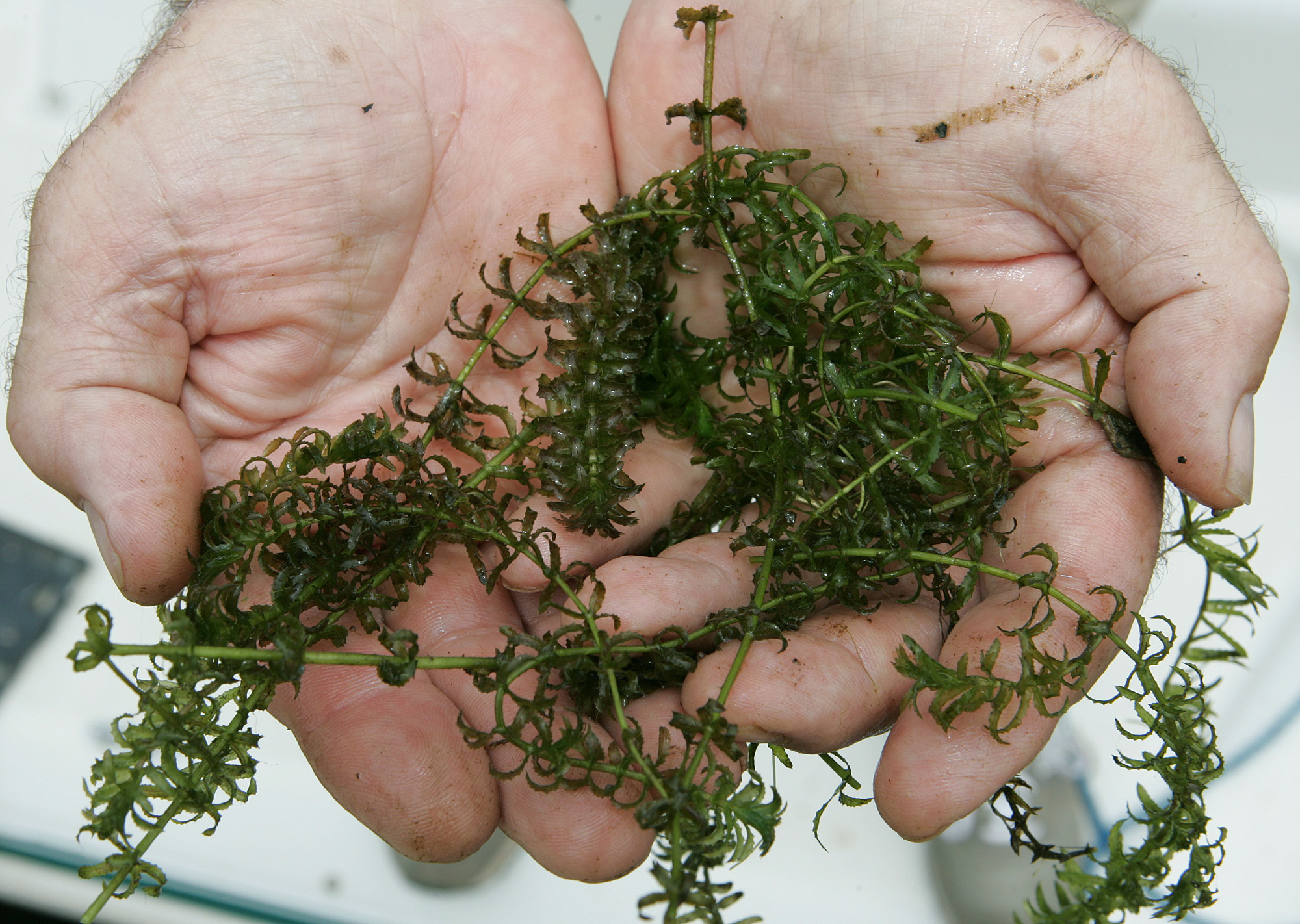
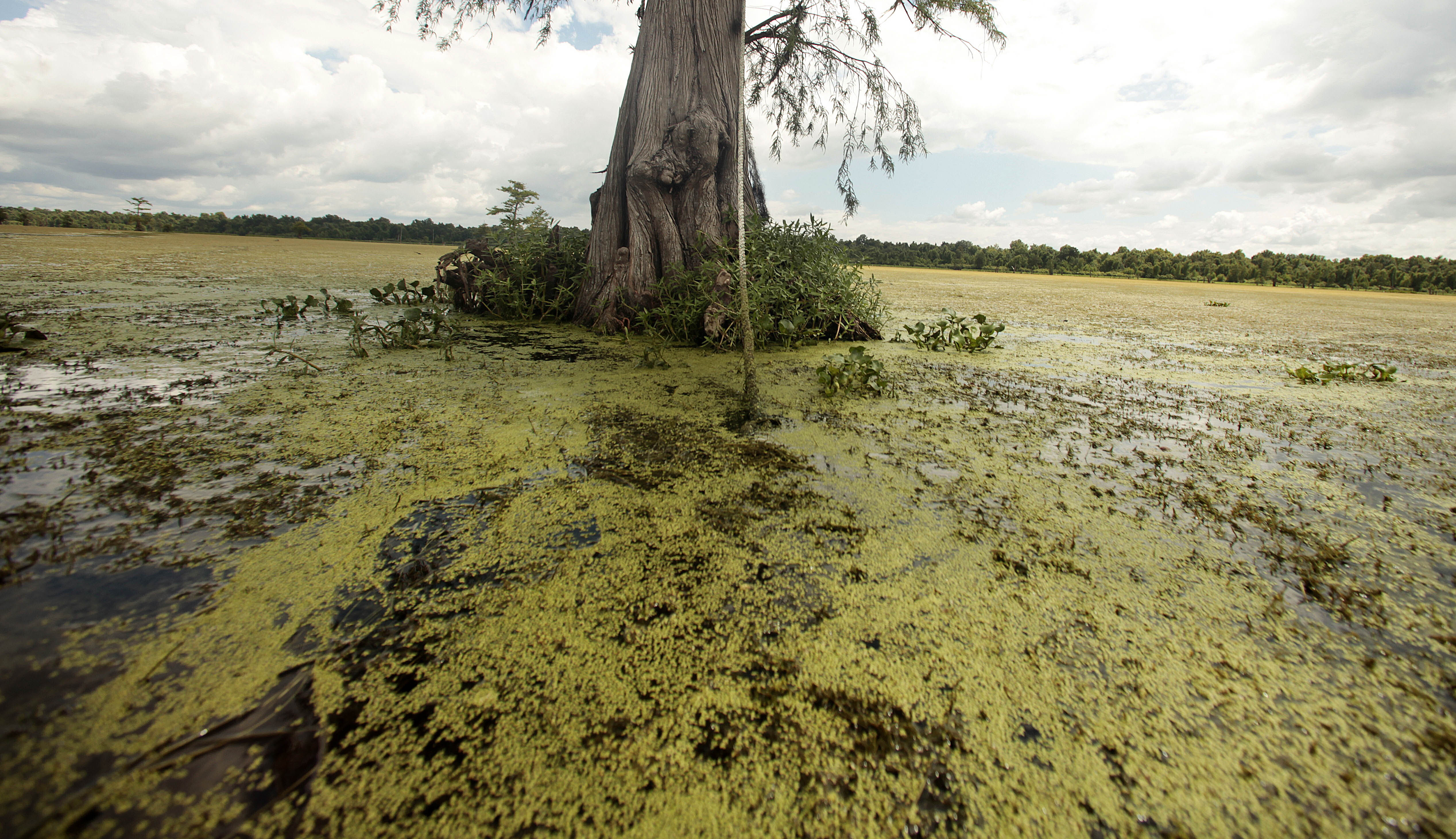
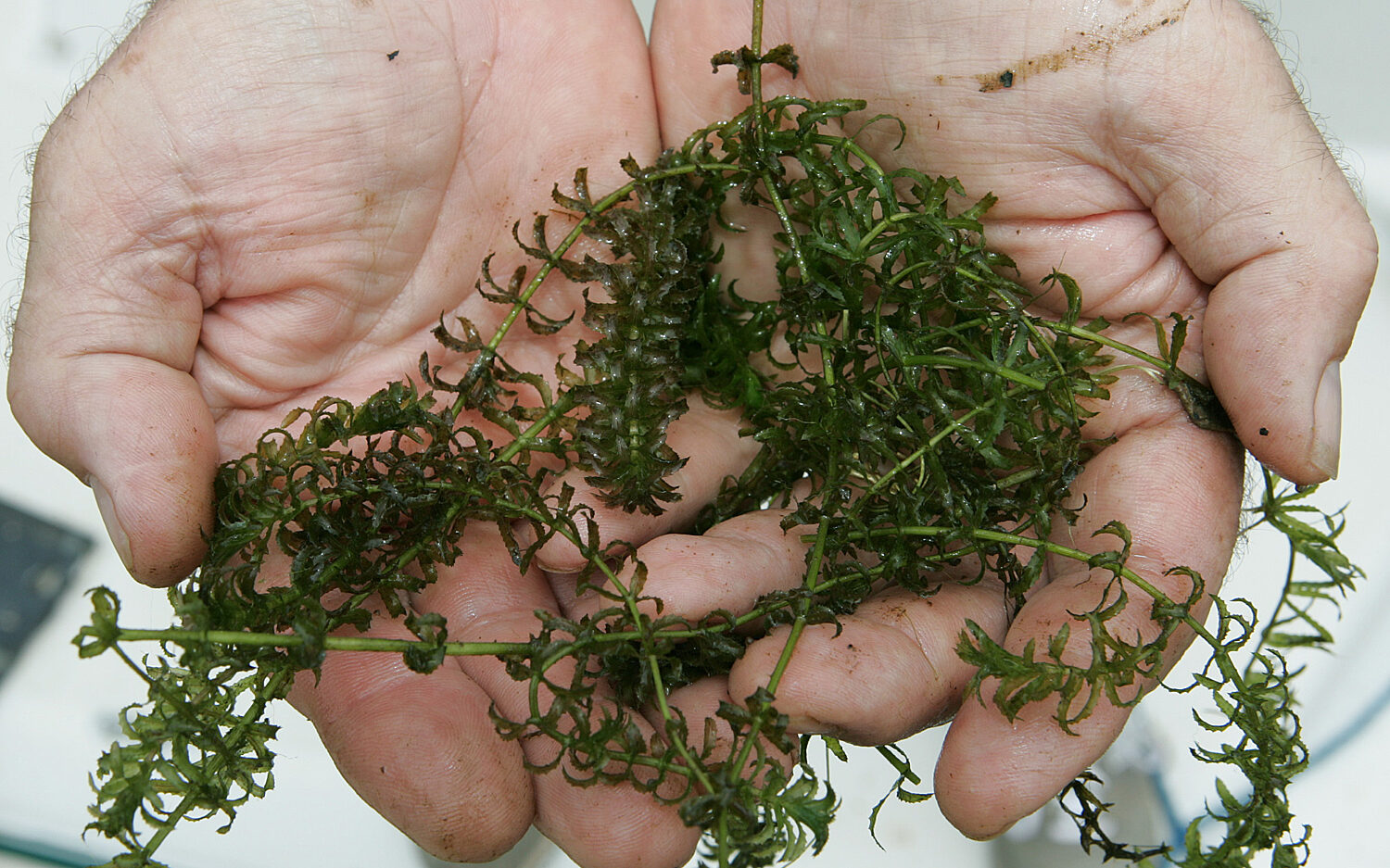
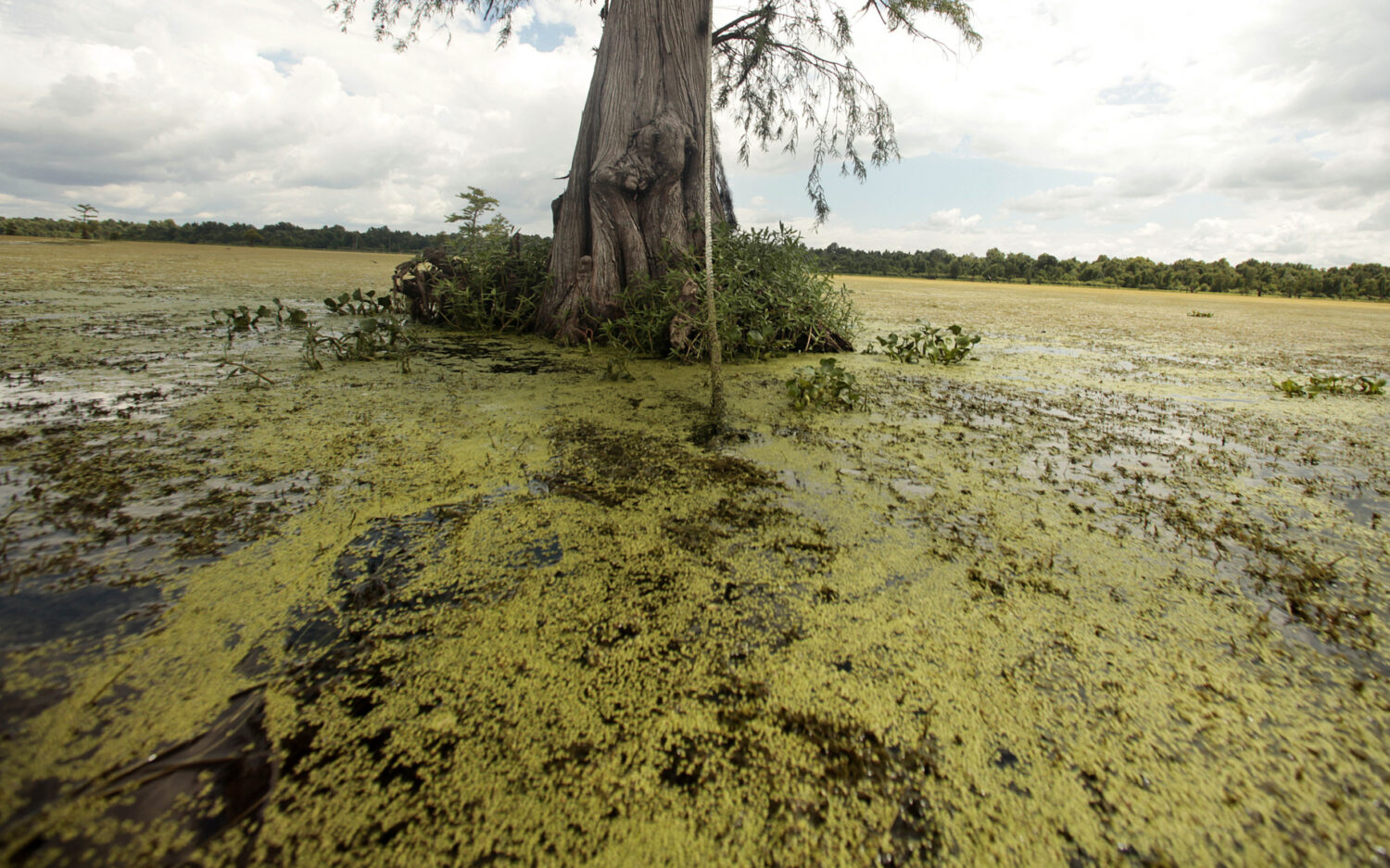
Hydrilla lurks beneath the surface of the water. By the time it’s visible, this water weed can clog a lake or river. Hydrilla came to the United States as an aquarium plant. But aquariums get dumped out. Now Hydrilla has spread across the South. It gets in the way of fun things like boating, swimming, and fishing. More importantly, it can clog water-pumping stations. Millions of dollars are spent each year trying to kill this alien invader.
-
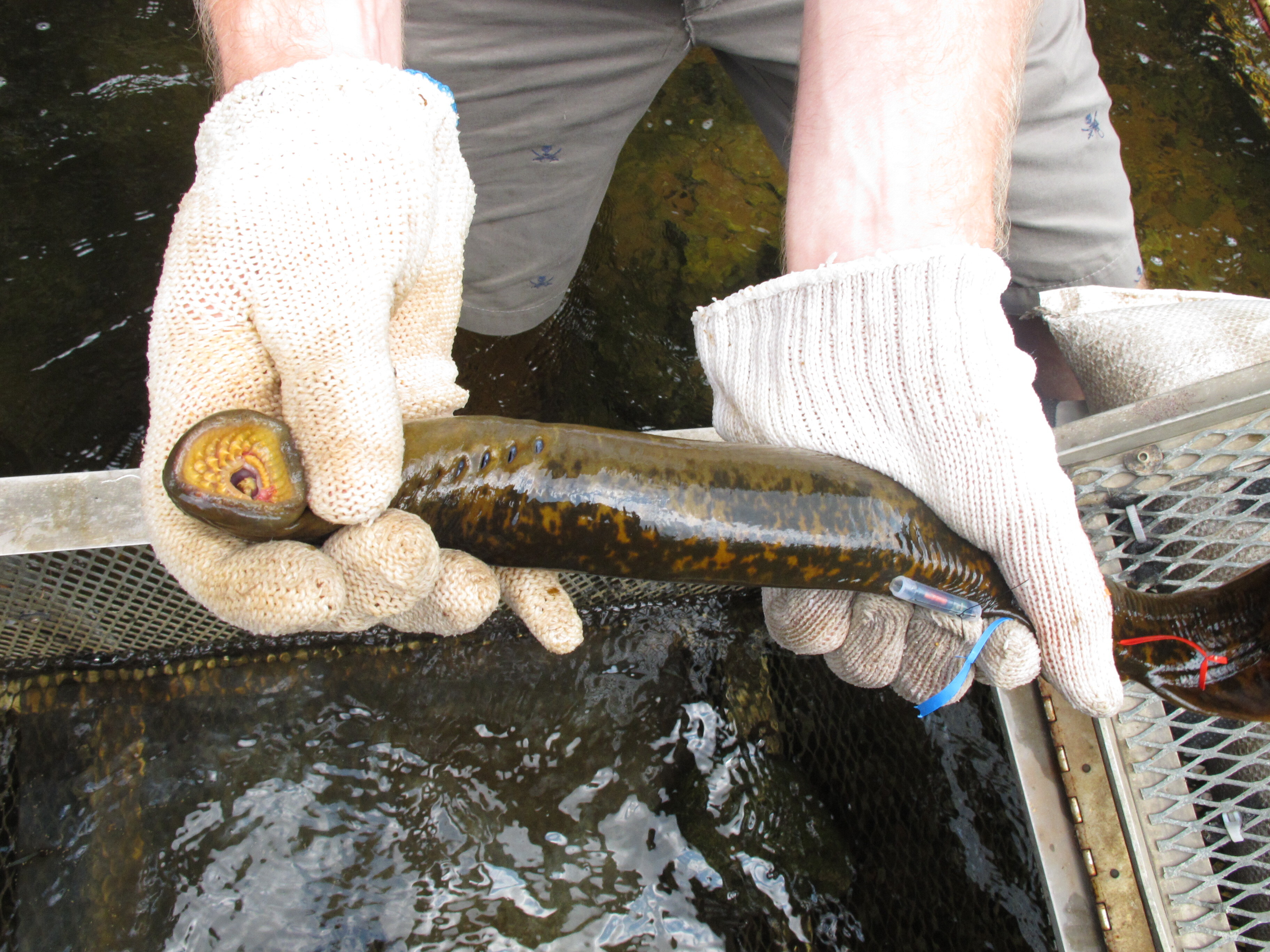
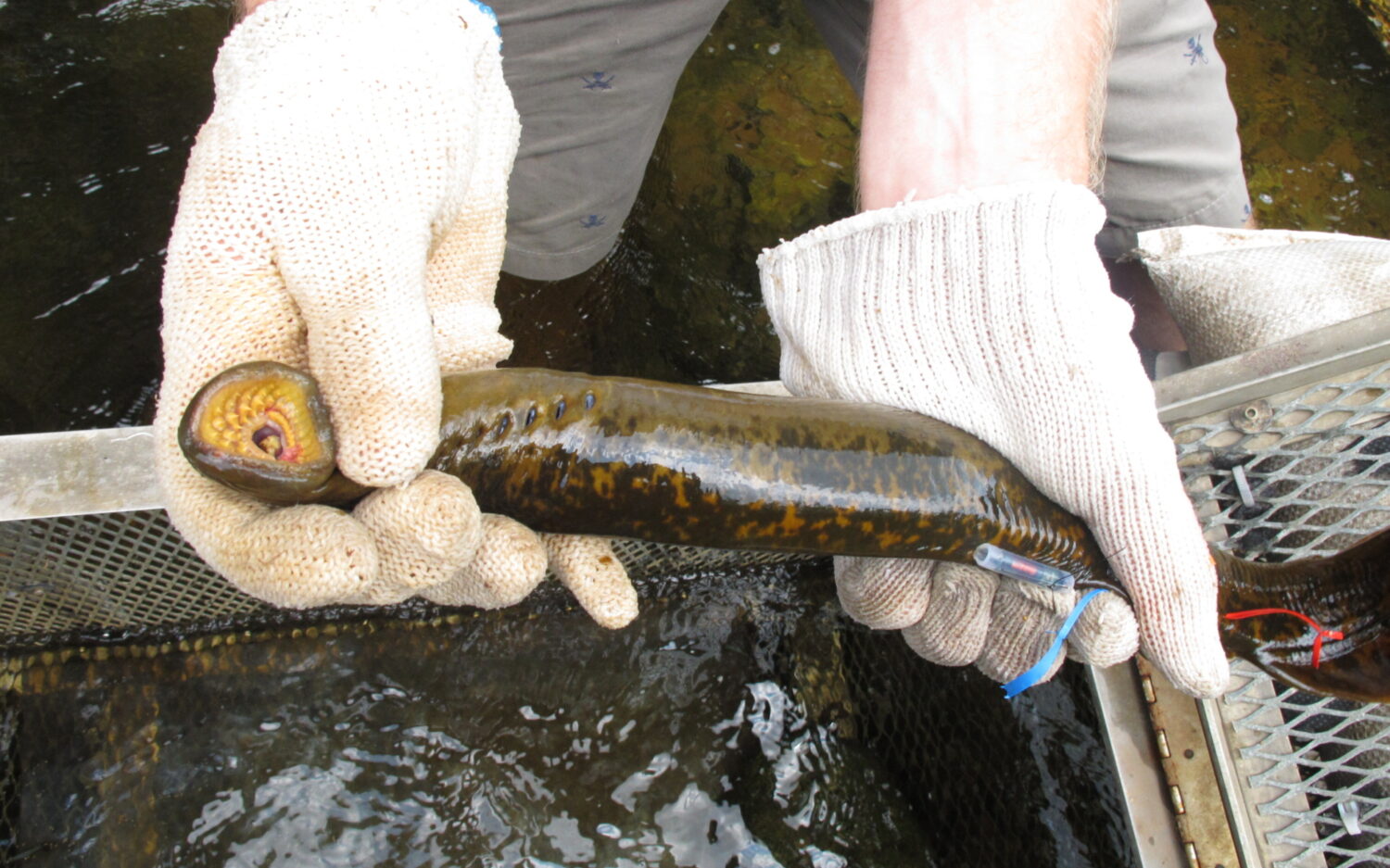
Large numbers of sea lampreys have invaded the Great Lakes. They probably swam there through canals. Lampreys are parasites—they feed on another living animal. They use their suction-cup mouths to attach themselves to a fish. A sea lamprey has a sharp tongue and teeth. It makes a hole in its host—the fish it is attached to. Then it feeds on the blood of the fish. The fish will usually die of blood loss or infection.
-
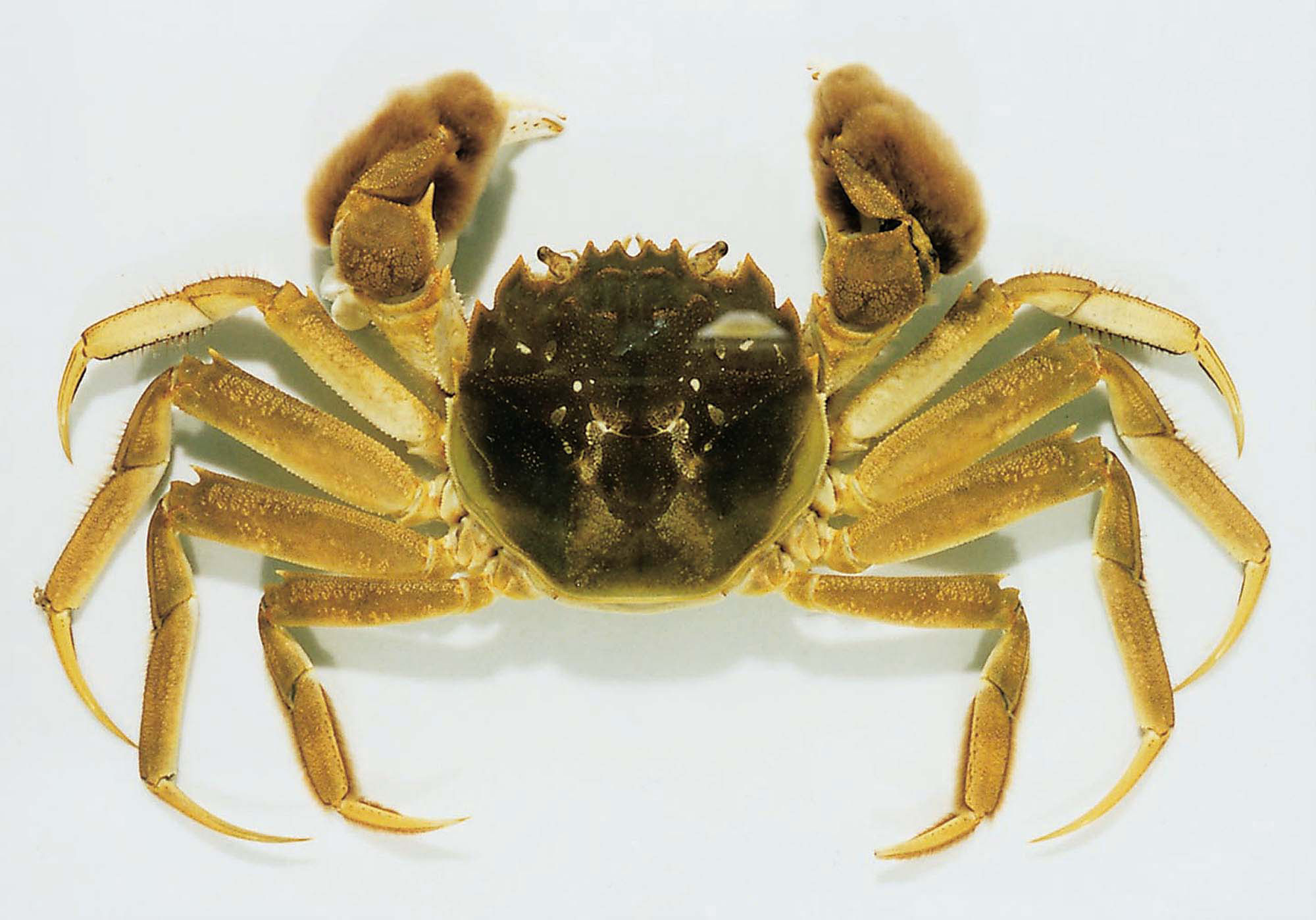
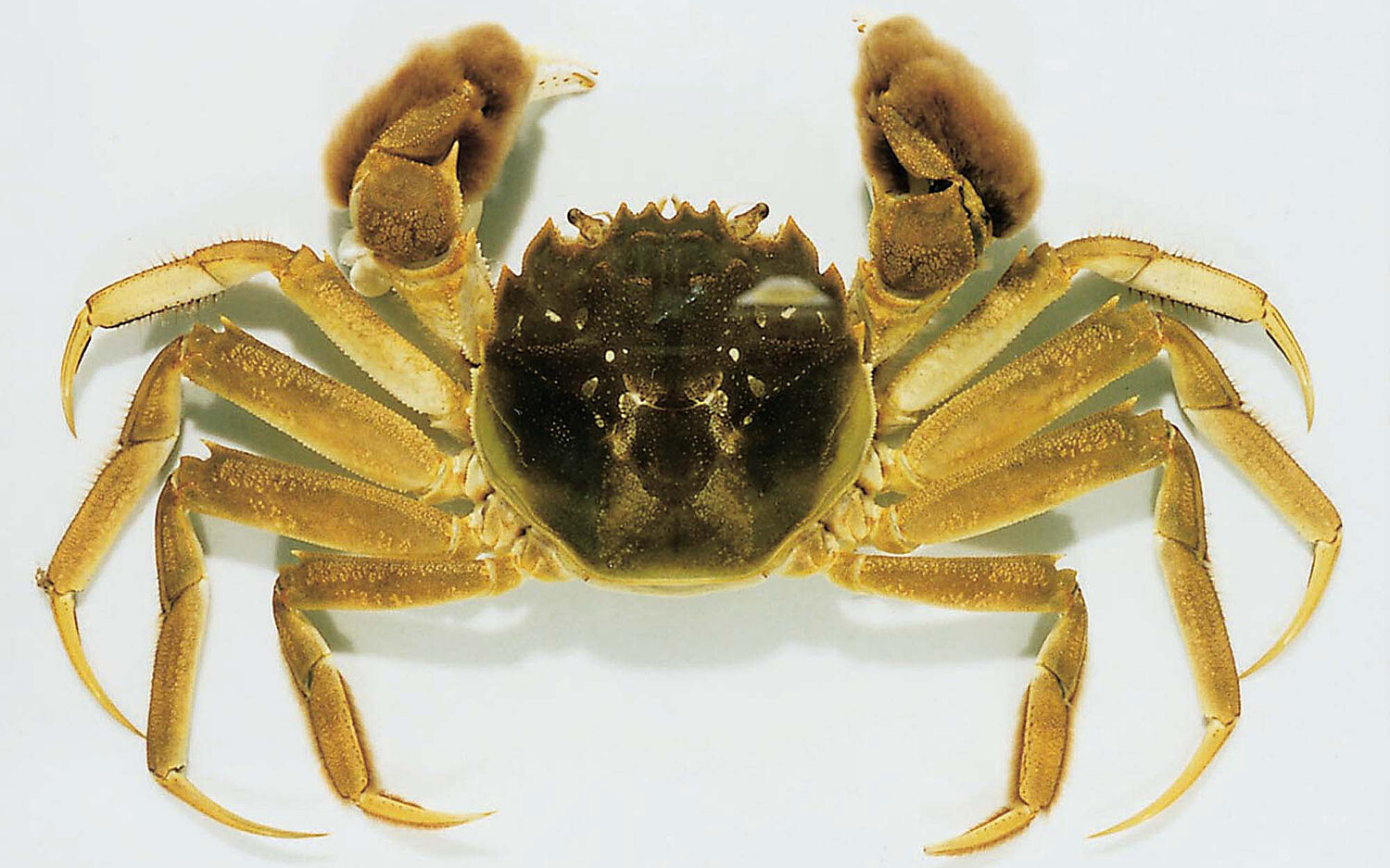
Chinese mitten crabs come from Southeast Asia. This pest has spread to Europe and parts of the United States. The troublemaker is named for its furry claws that look like mittens. In Germany, they destroy fisherman’s nets. Their burrowing can ruin dams and cause flooding. But some people like mitten crabs. In Eastern China people think they are a tasty food to eat.