
According to the U.S. Energy Information Association, energy is “the ability to do work.”
That includes our energy, of course. We exercise, move, and labor with our bodies. But other parts of creation use energy too. Fire burns. Cars zoom along roads. Stoves heat. Freezers freeze. Lightbulbs glow.
In general, you can “dump” or categorize energy into two big “buckets.” And each of those “buckets” pours into several smaller “buckets.”
Big Bucket 1: Potential energy is stored.
Little buckets:
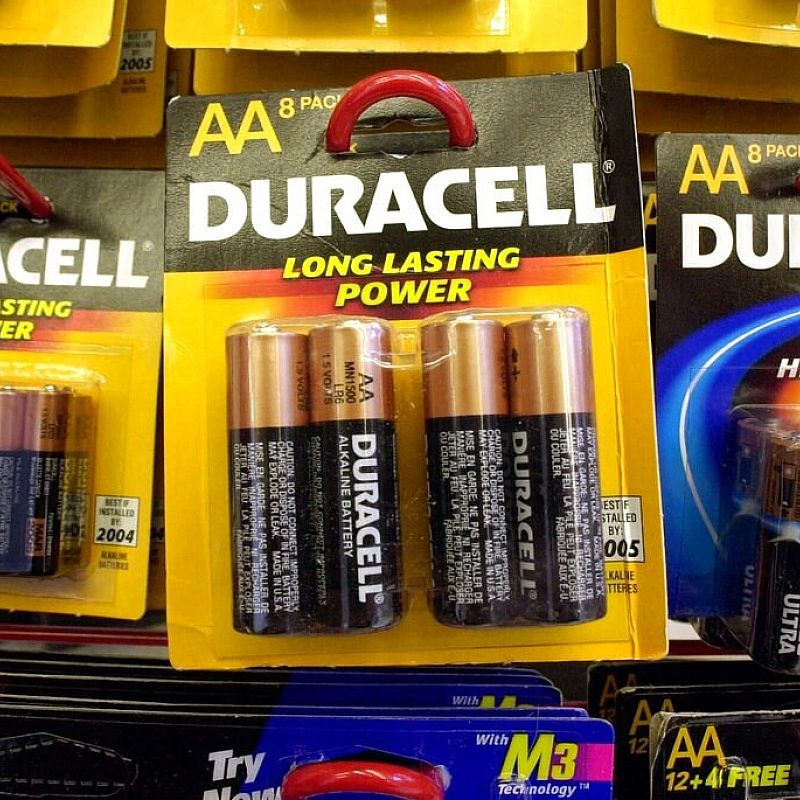
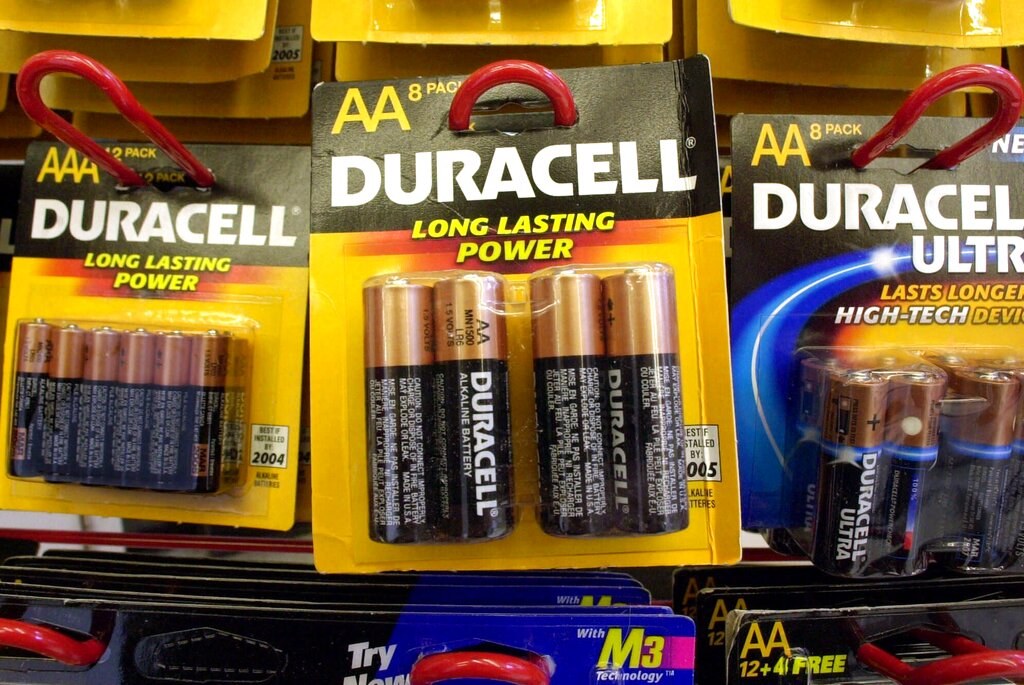
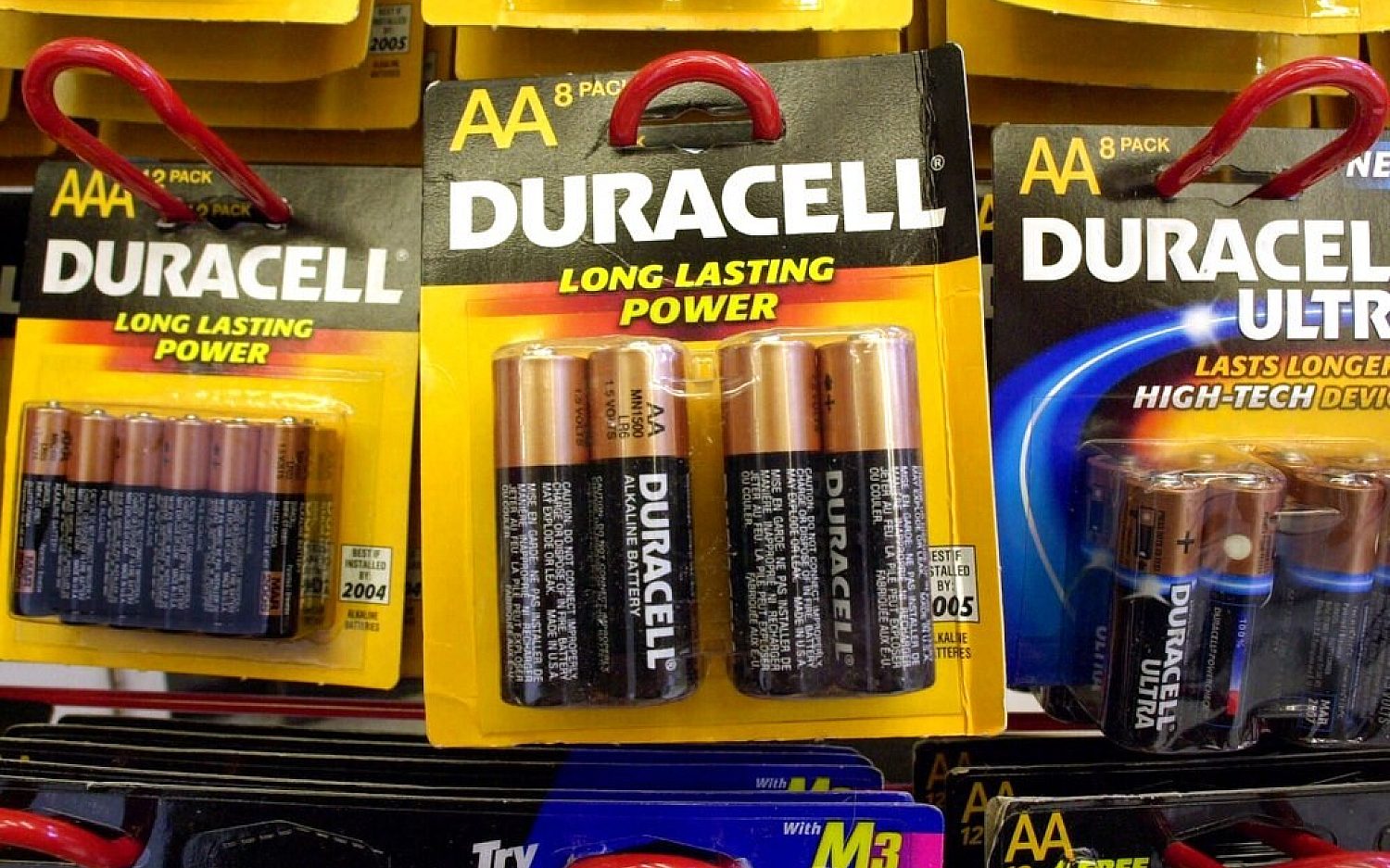
1. Chemical energy is stored in atoms and molecules that are bonded together. You’ll find usable potential energy in batteries, natural gas, and coal.
2. Mechanical energy. Think of an unsprung spring or a stretched-out rubber band. All that energy is just waiting to go.
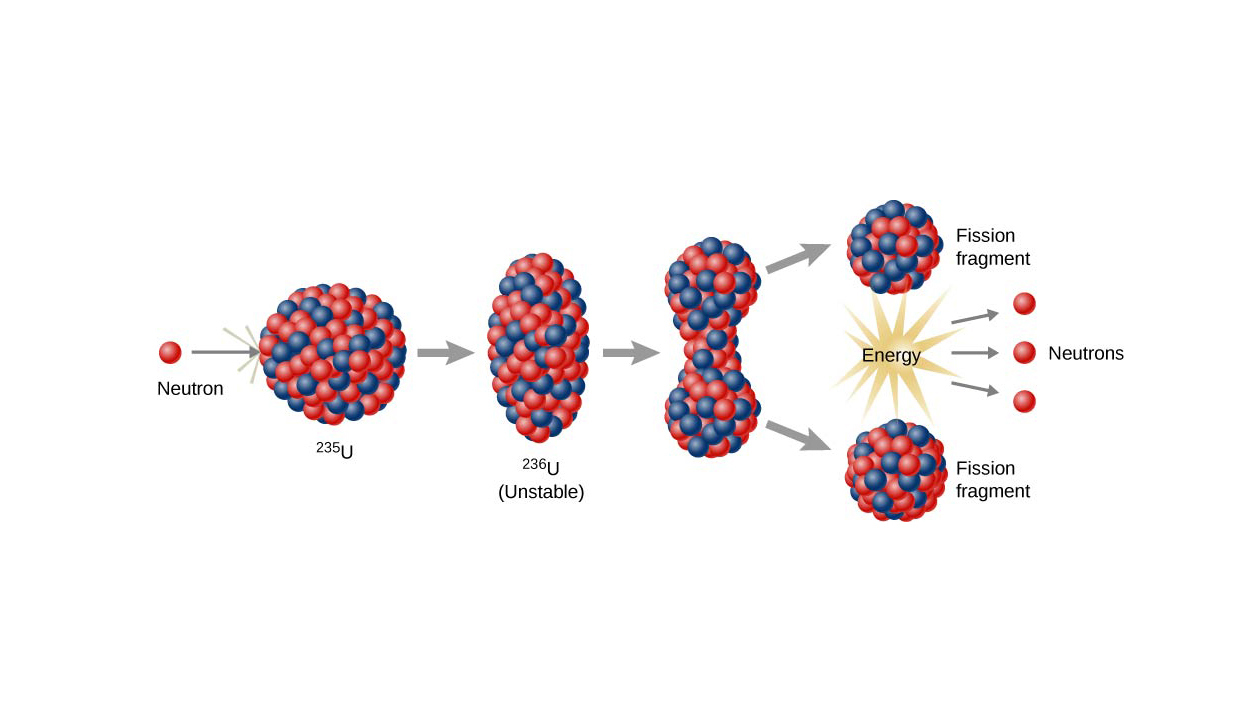
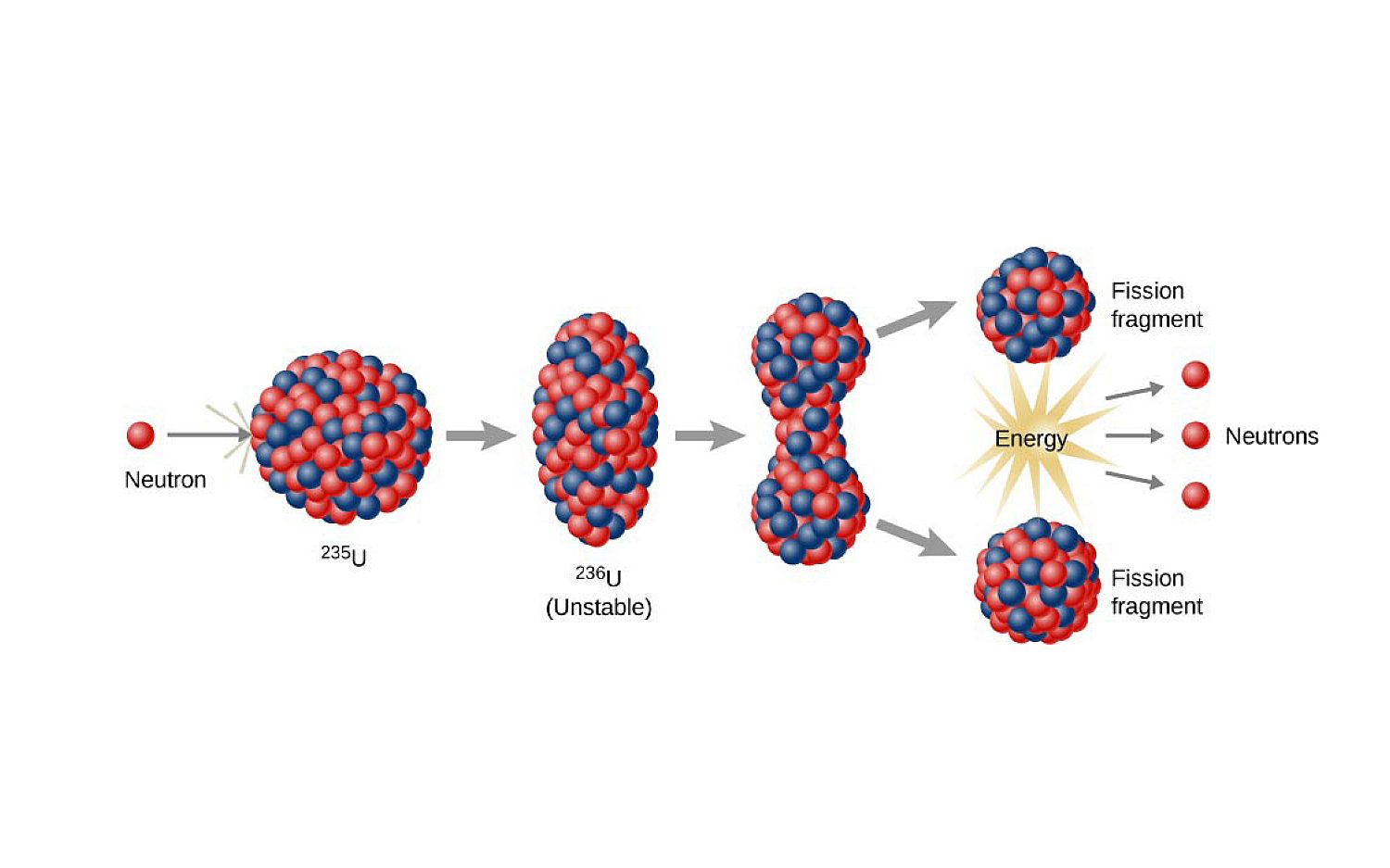
3. Nuclear energy. This resides inside a teeny atom, holding its nucleus together. When atoms are split, huge amounts of energy can be released.
4. Gravitational energy is stored in height. Think about riding a bike down a hill. The higher up you begin and the heavier you are, the faster you go.
Big Bucket 2: Kinetic energy is in motion. The faster something moves, the more kinetic energy it has.
Little buckets:
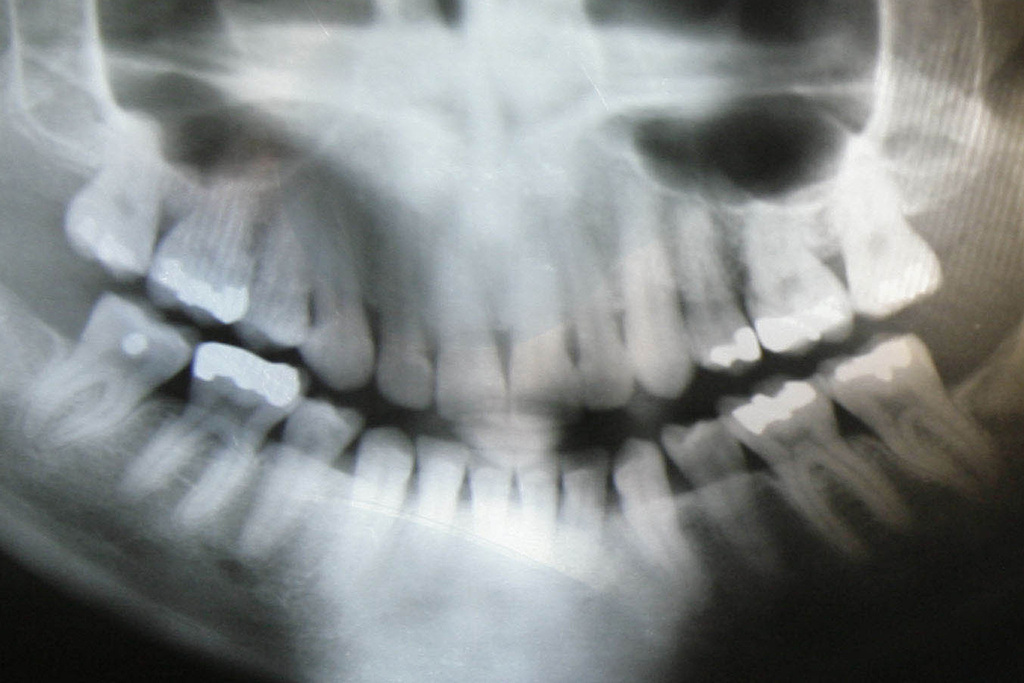
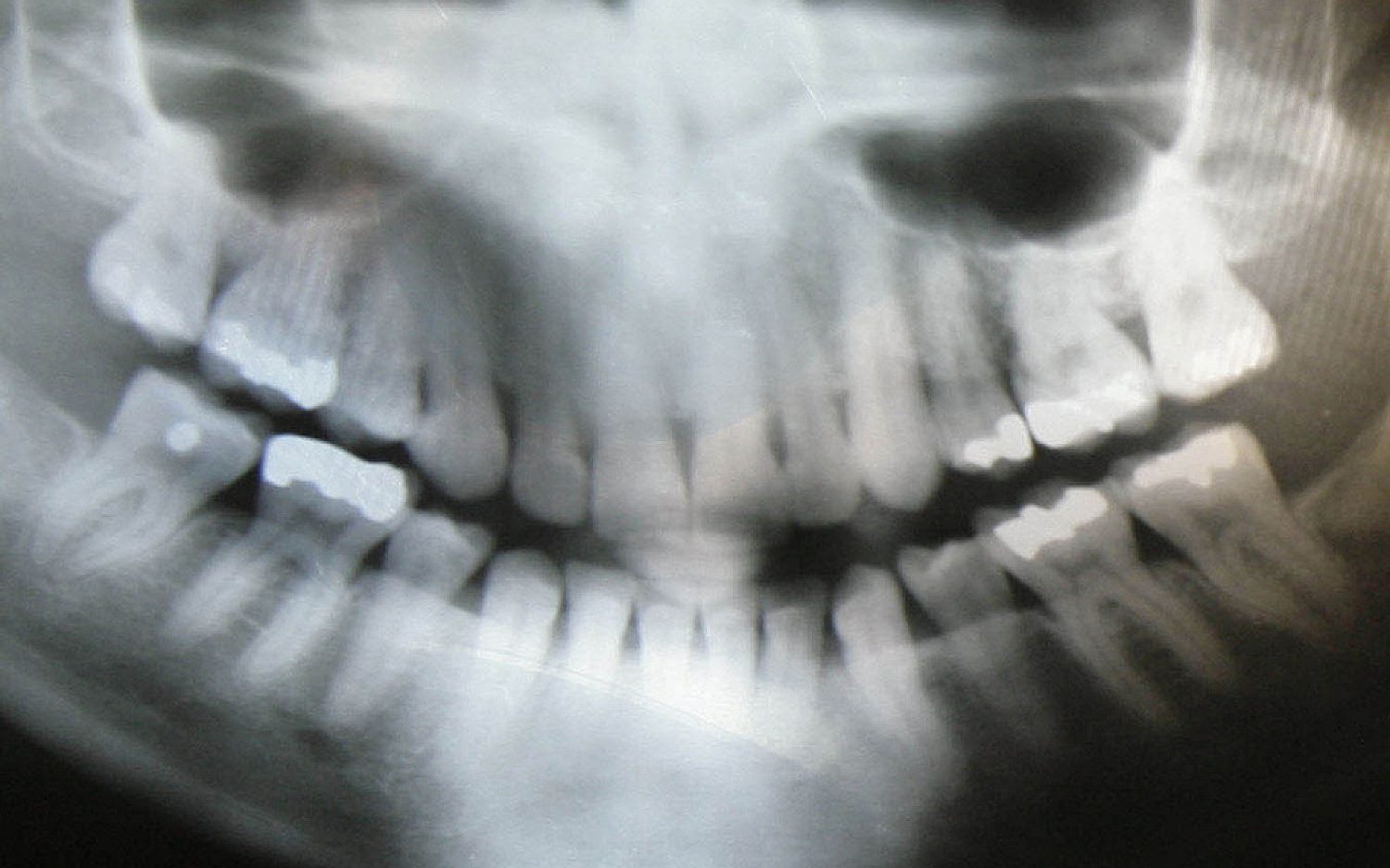
1. Radiant energy includes light, X-rays, and radio waves. Think sunlight!
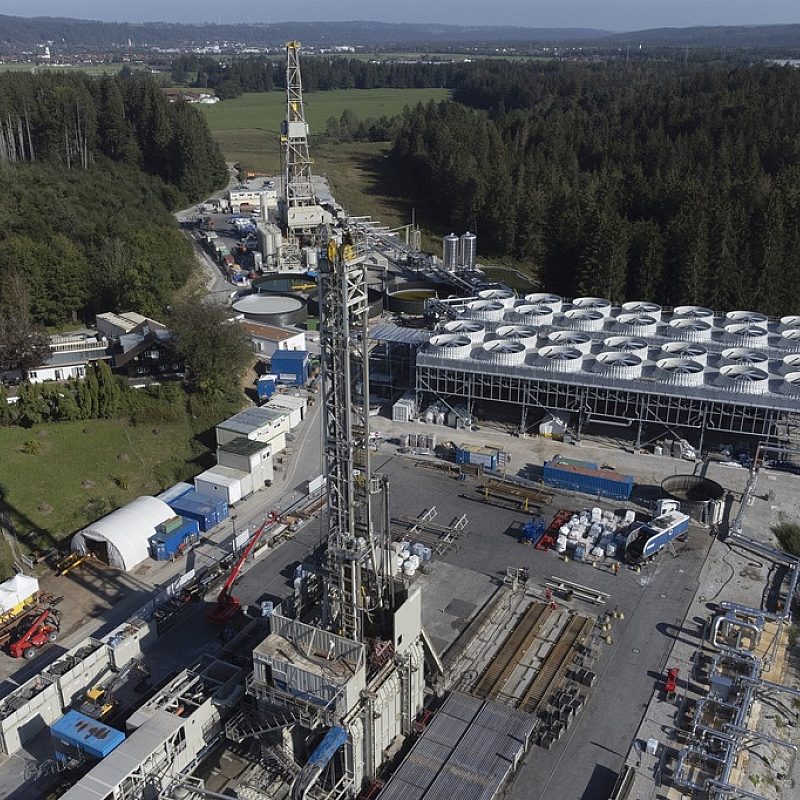
2. Thermal energy is heat. It comes from the movement of molecules and atoms. Geothermal energy is the thermal energy coming from inside the Earth.
3. Motion energy comes from a moving object. Think wind.
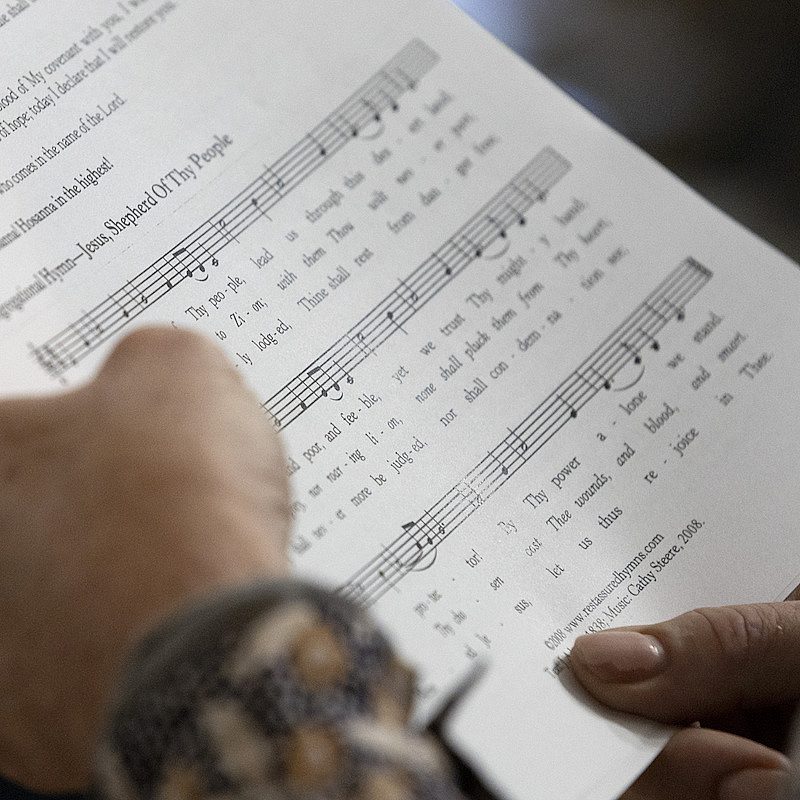
4. Sound energy happens when an object vibrates.
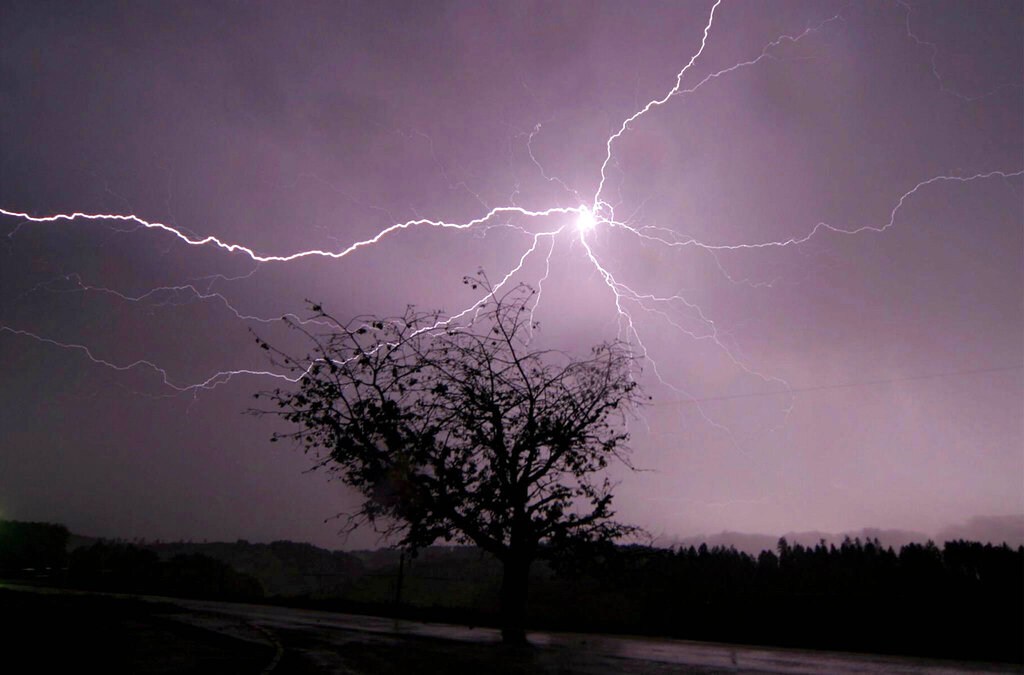
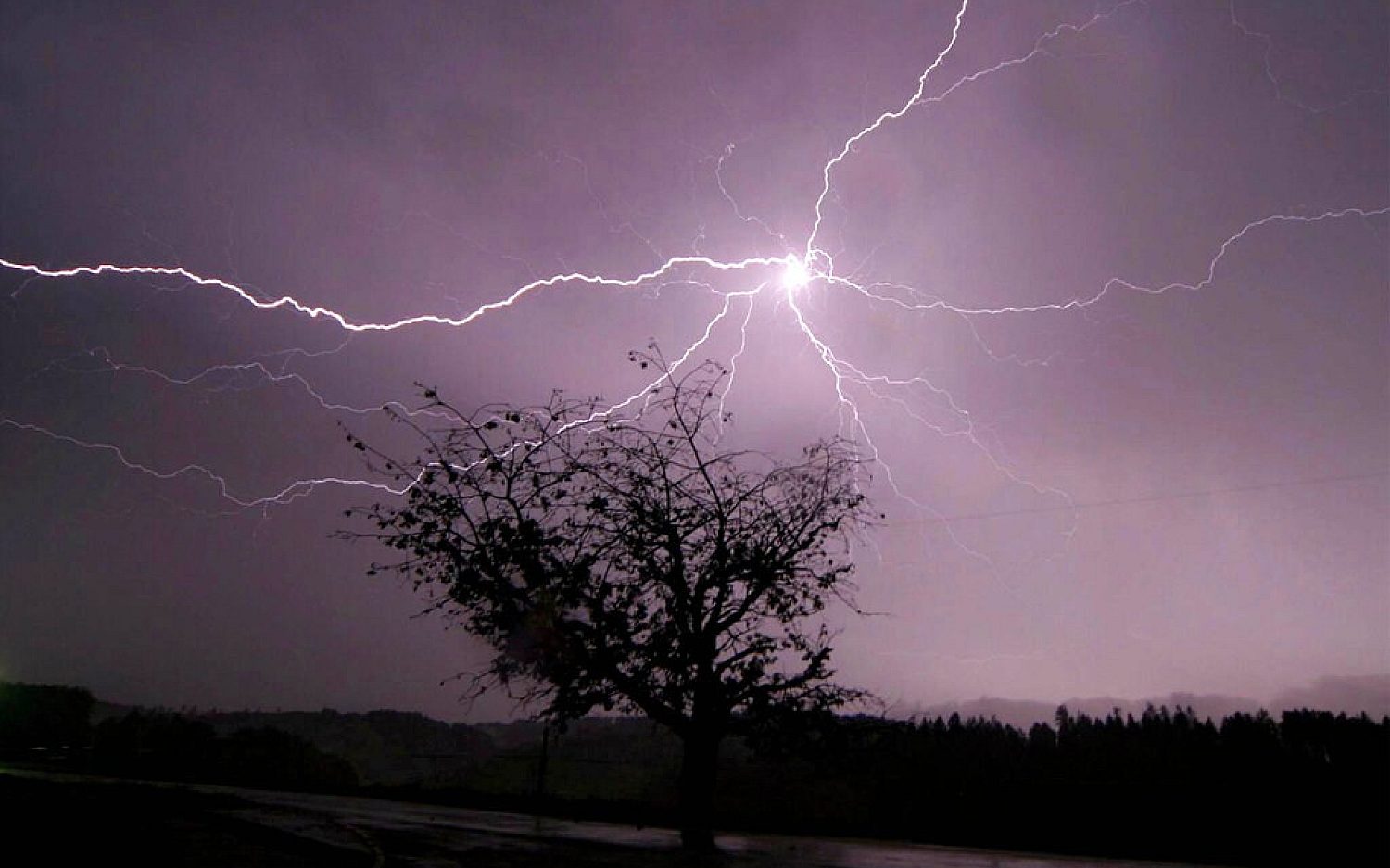
5. Electrical energy results when electrons move. Think powerlines and lightning.