Music in space. Scientists were talking about it long before they discovered chorus waves.
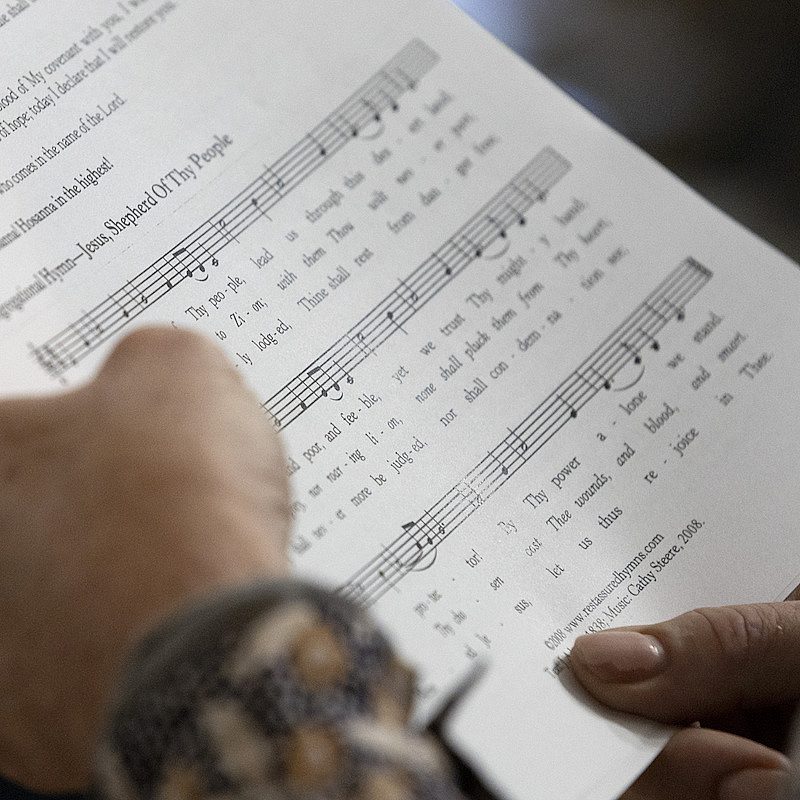
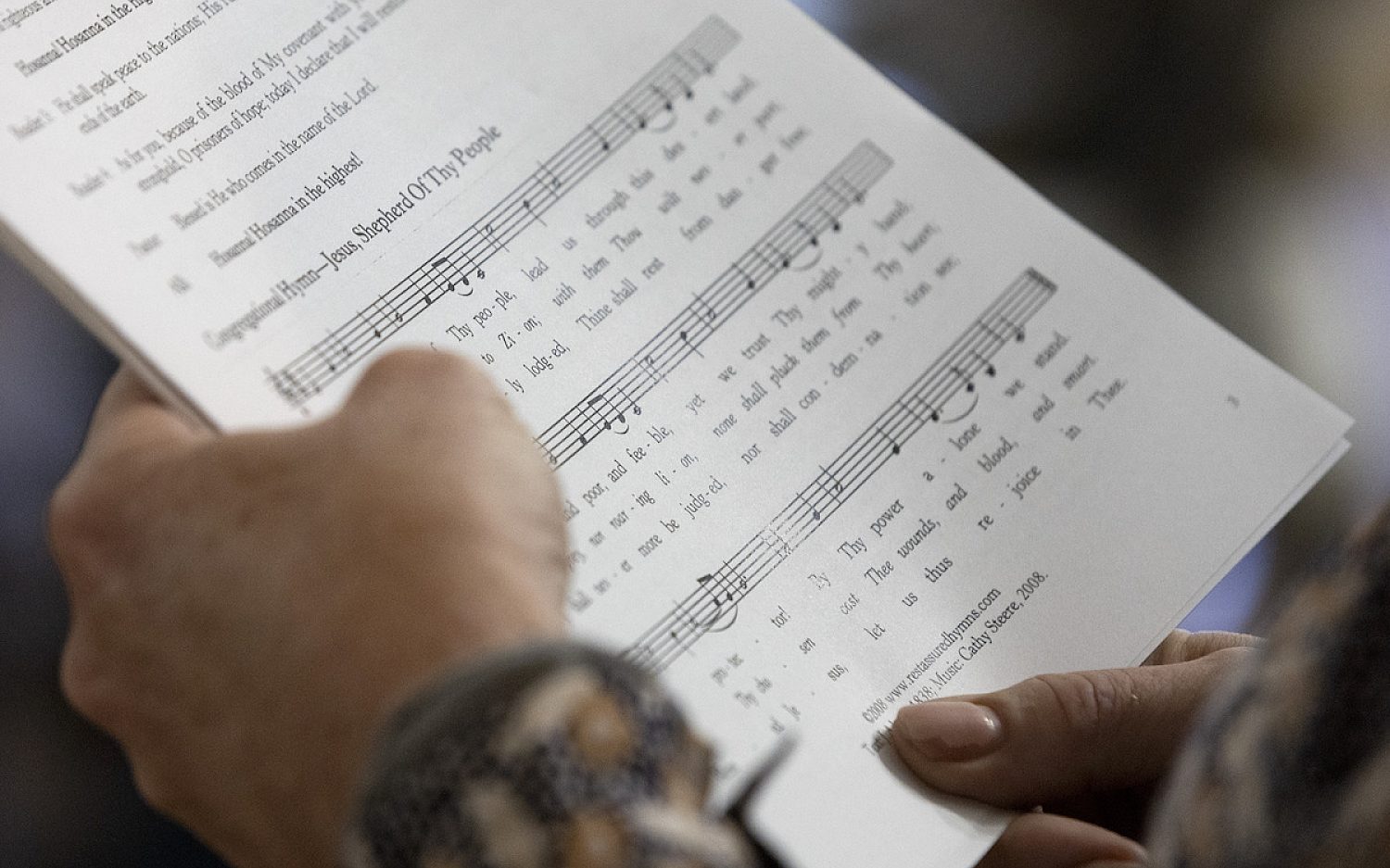
Have you heard the hymn “This Is My Father’s World”? If so, you might know this line:
All nature sings, and round me rings
The music of the spheres.
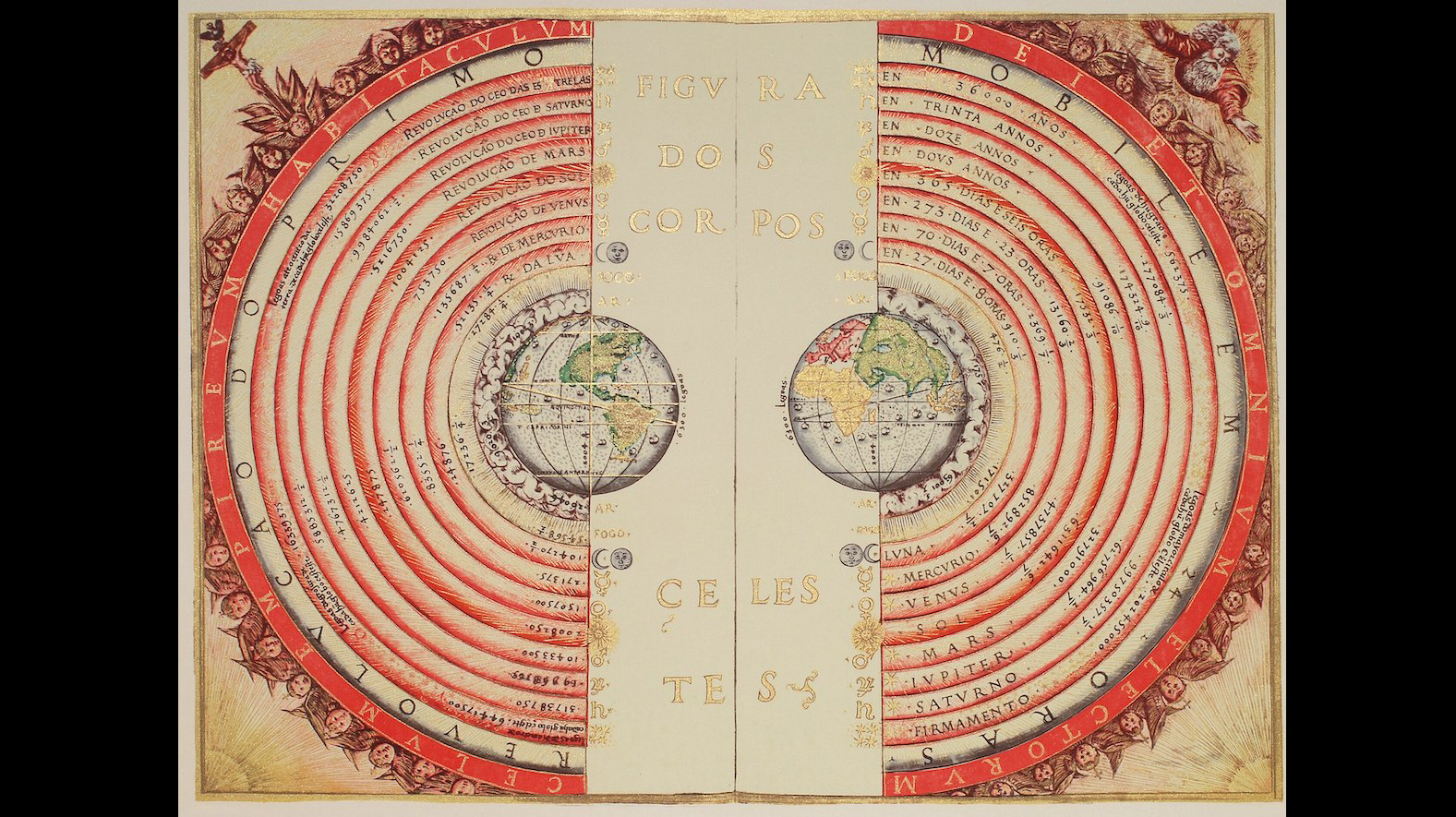
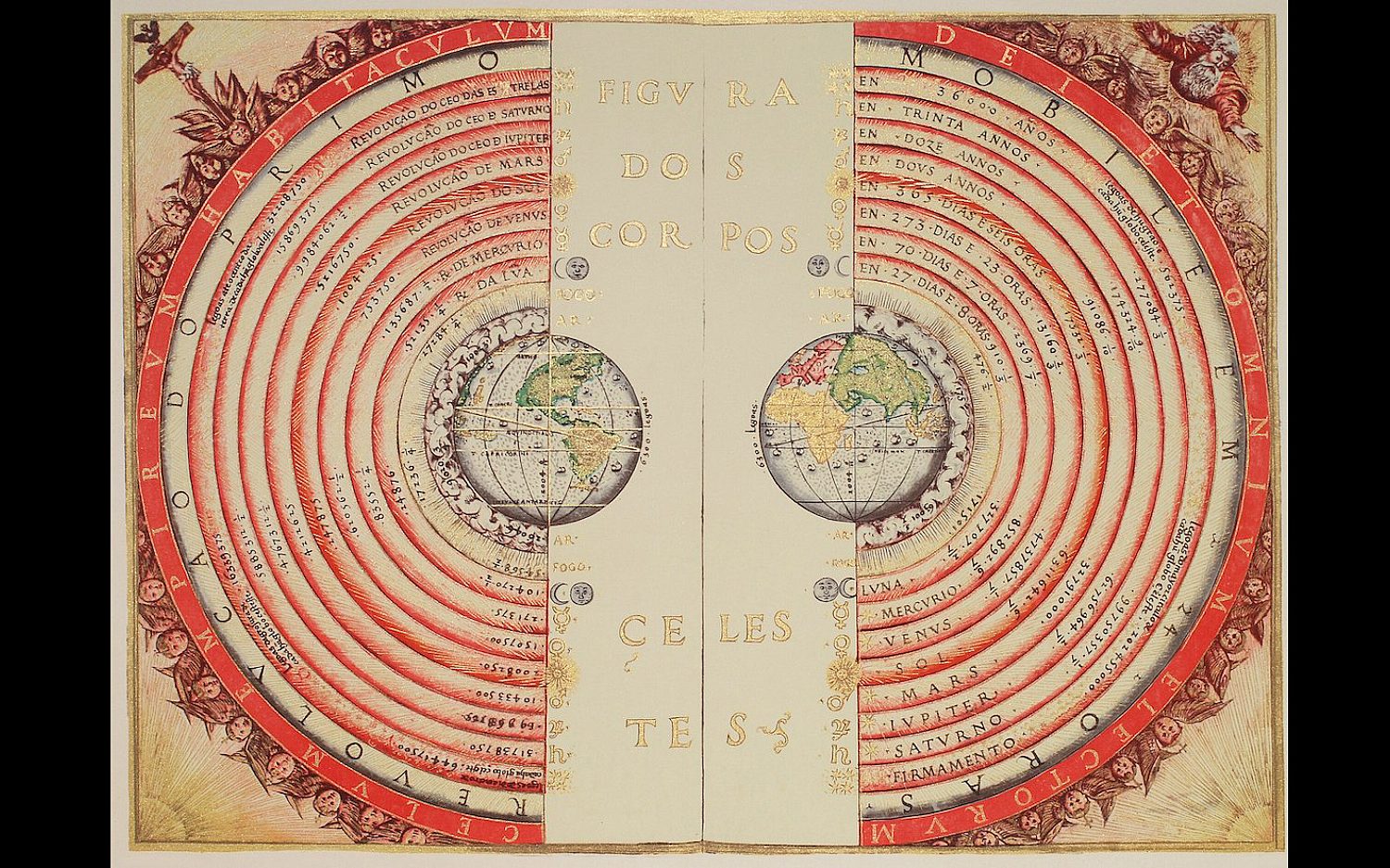
What is “the music of the spheres”? This idea comes from an outdated model of the Solar System.
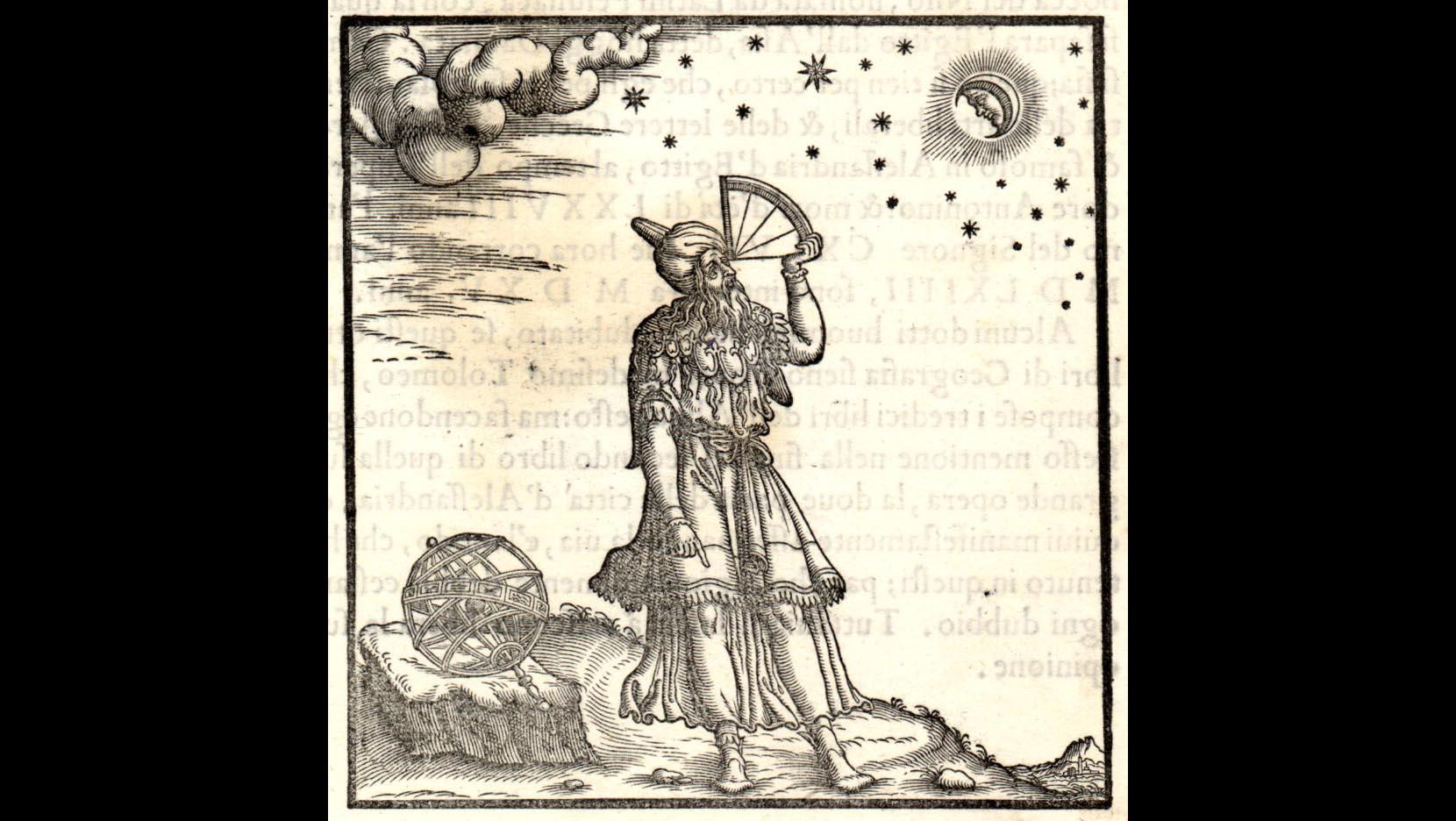
In ancient times, people called the Sun and planets “spheres.” This started in Ancient Greece and lasted into medieval times. Scientists believed these “spheres” revolved around Earth. That’s right—even the Sun! The stars had their own sphere surrounding the planets. People thought those spheres created music as they spun—hence the “music of the spheres.”
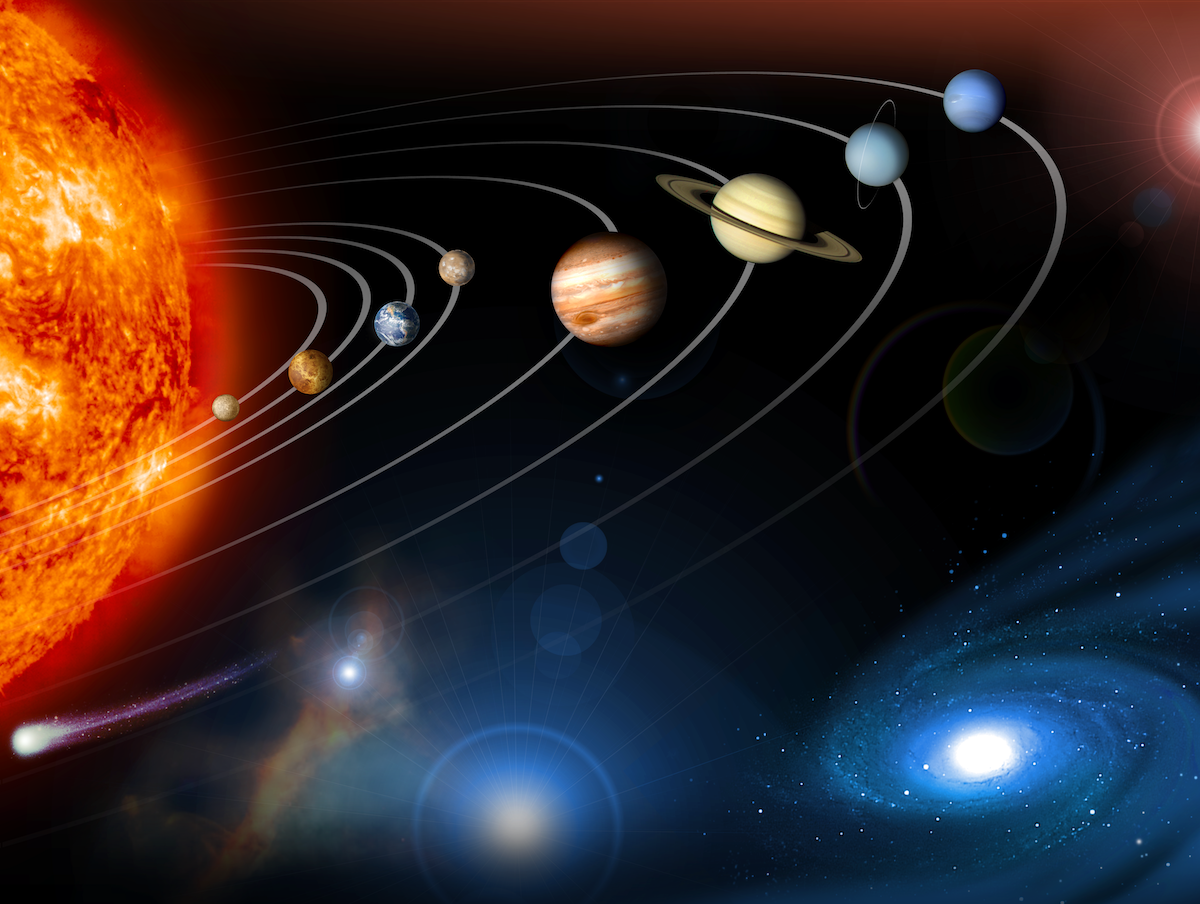
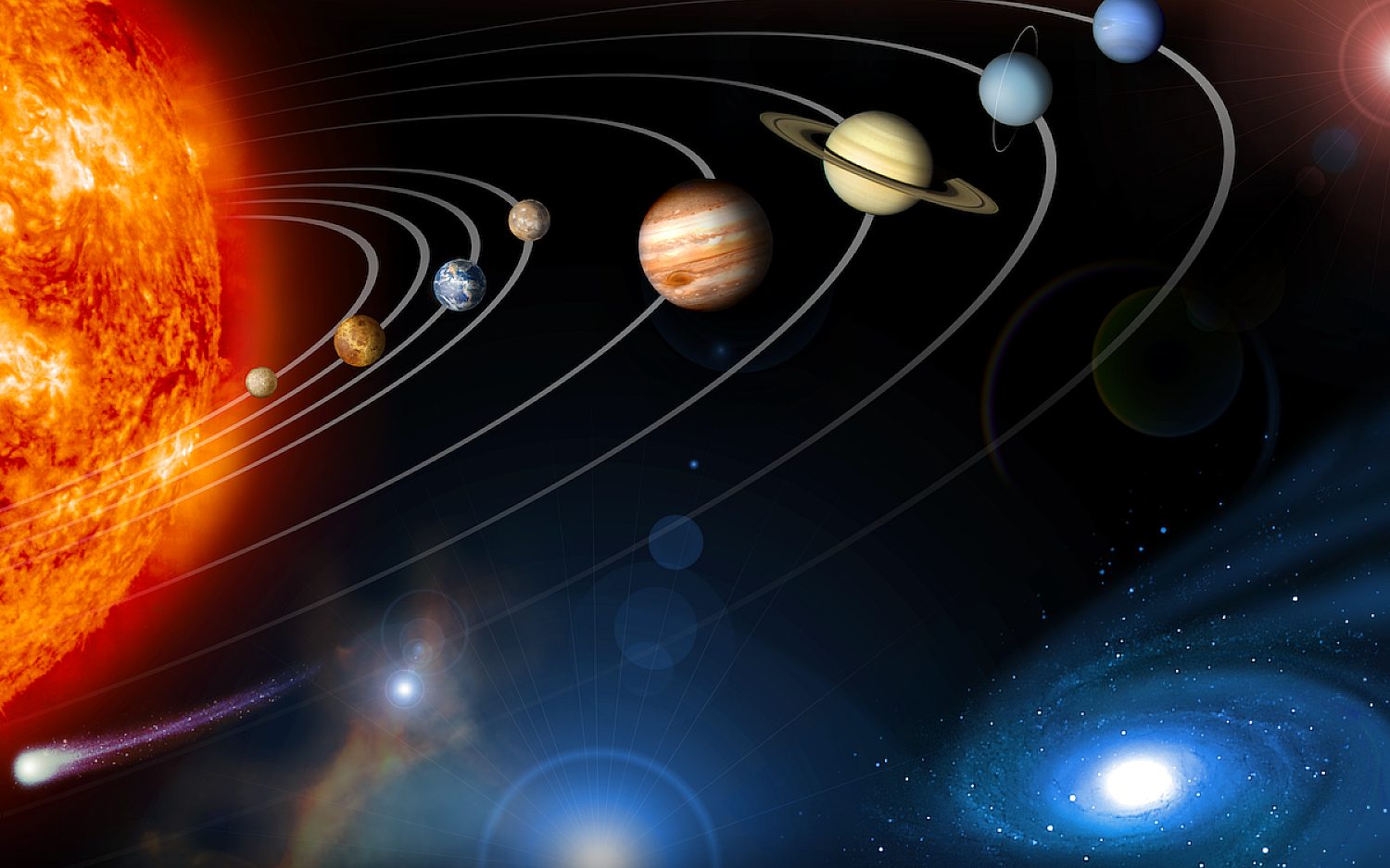
This might sound odd or even silly. Today, we know that Earth revolves around the Sun. We know our Sun is one of many, many stars.
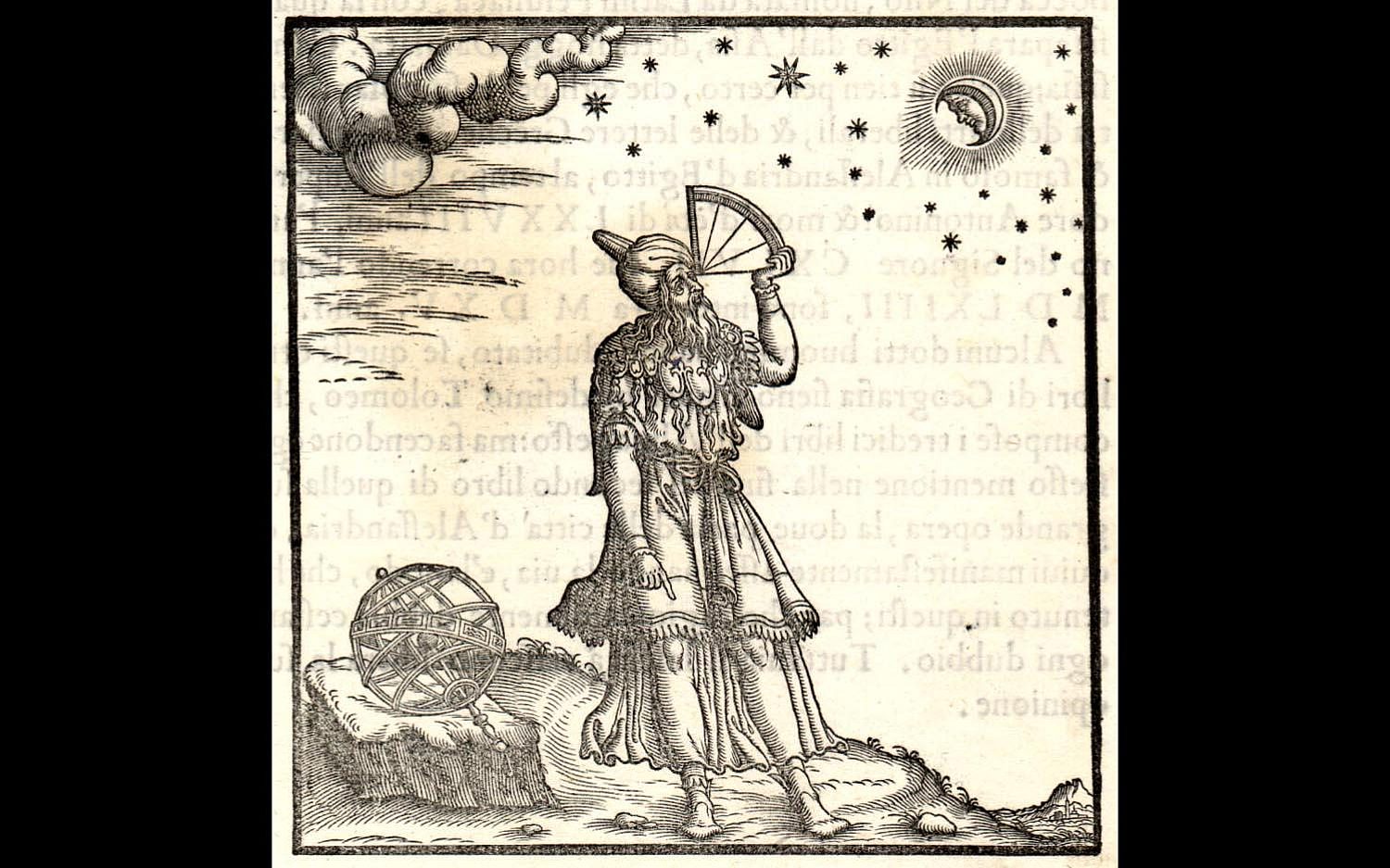
But this picture of the universe wasn’t silly to medieval scientists. It was created from centuries of math and observation.
Science is all about making models. Not plastic models you glue together (although that’s fun too). These models exist in the mind. And sometimes on paper. They’re pictures made to explain how facts fit together.
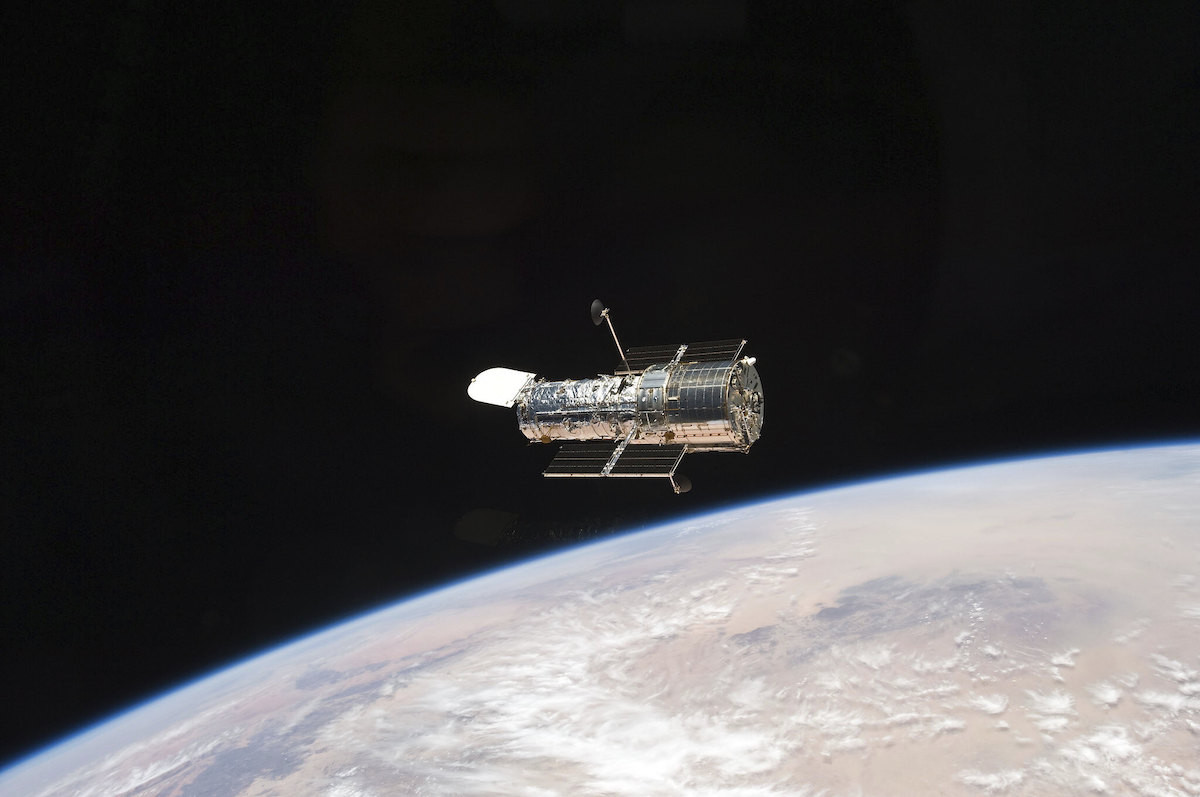
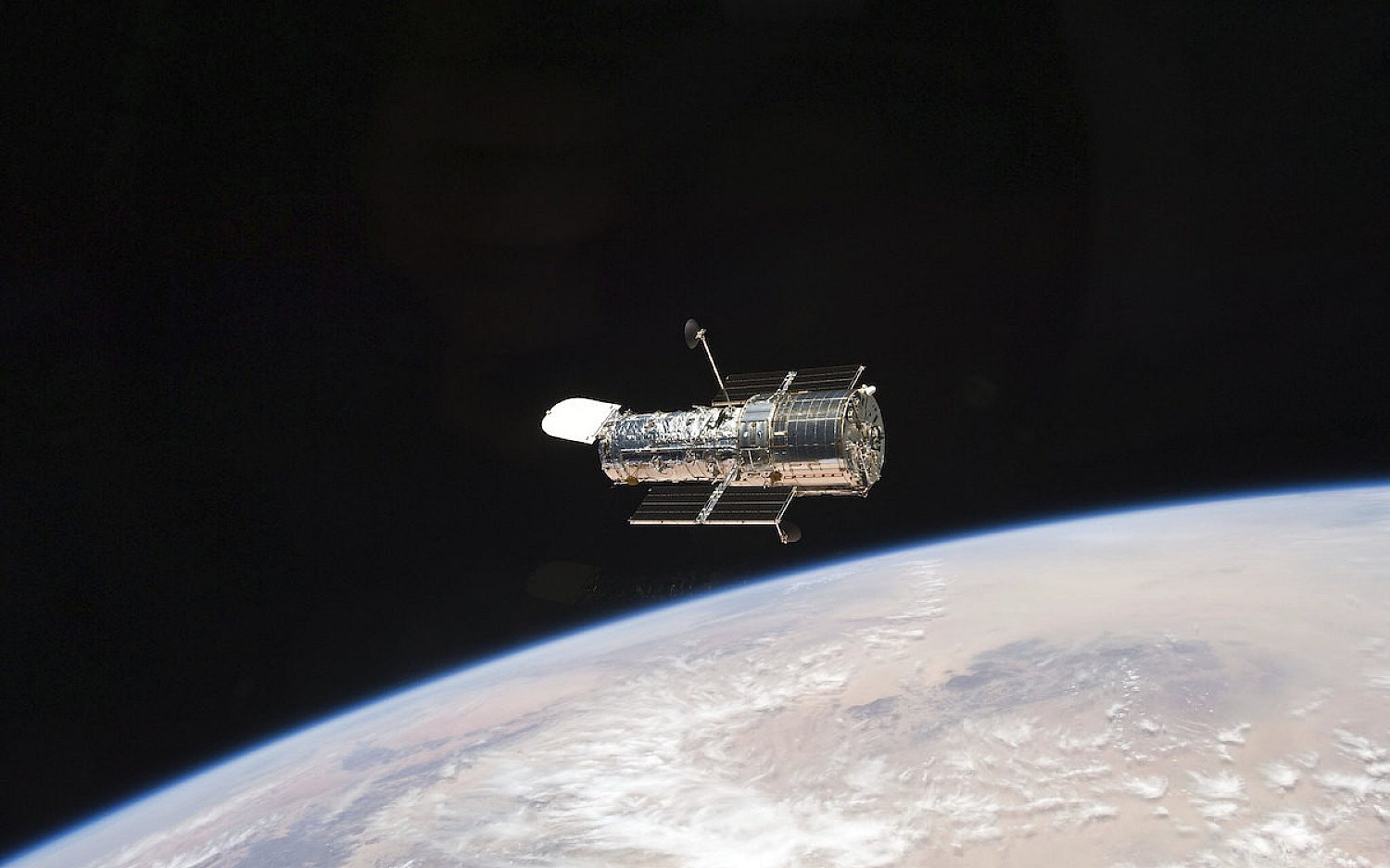
The medieval model of the universe did a great job integrating the facts scientists knew at the time. In other words, it was good science—even though much turned out wrong! As time went on, people learned more about space. Telescopes improved. Space exploration became possible. Science needed new models to fit new facts.
Our picture of the universe today fits the facts we know. But that’s changing all the time. Who knows what we will learn in the future?
Recommended Reading: For more about models of the universe, read Nicolaus Copernicus by Mariana Swift.