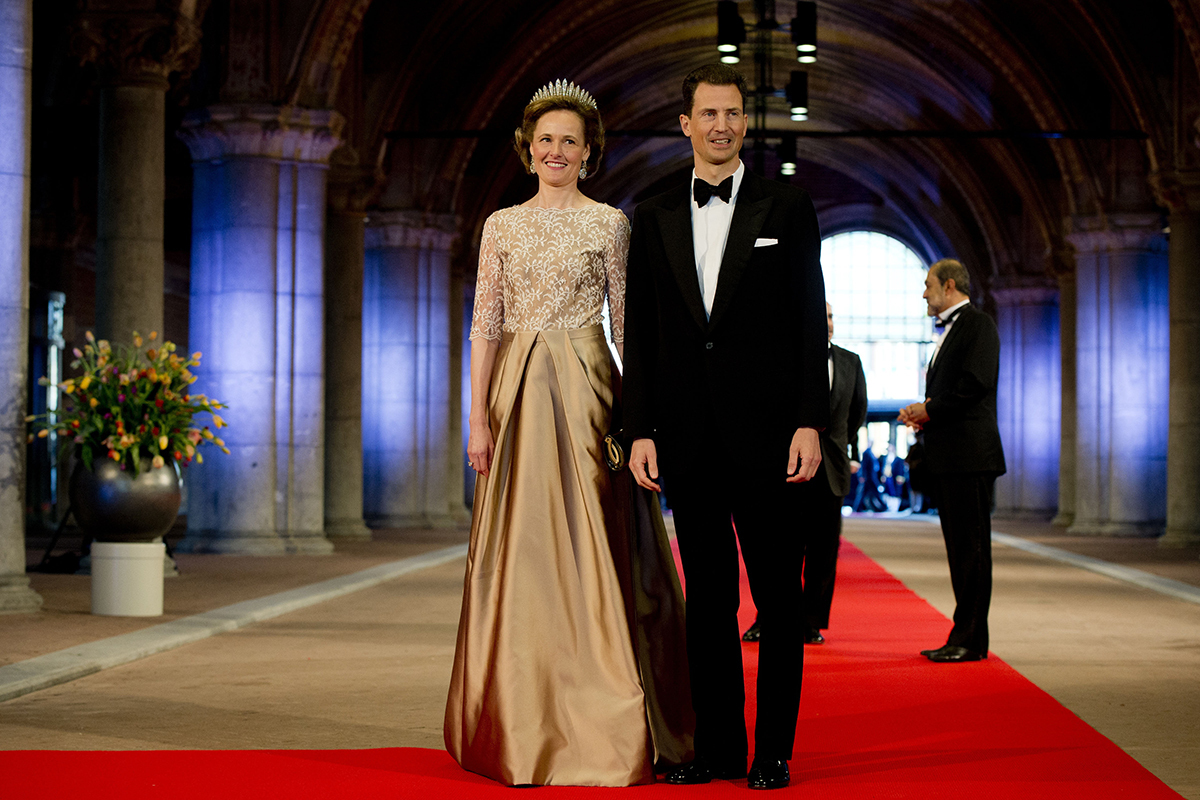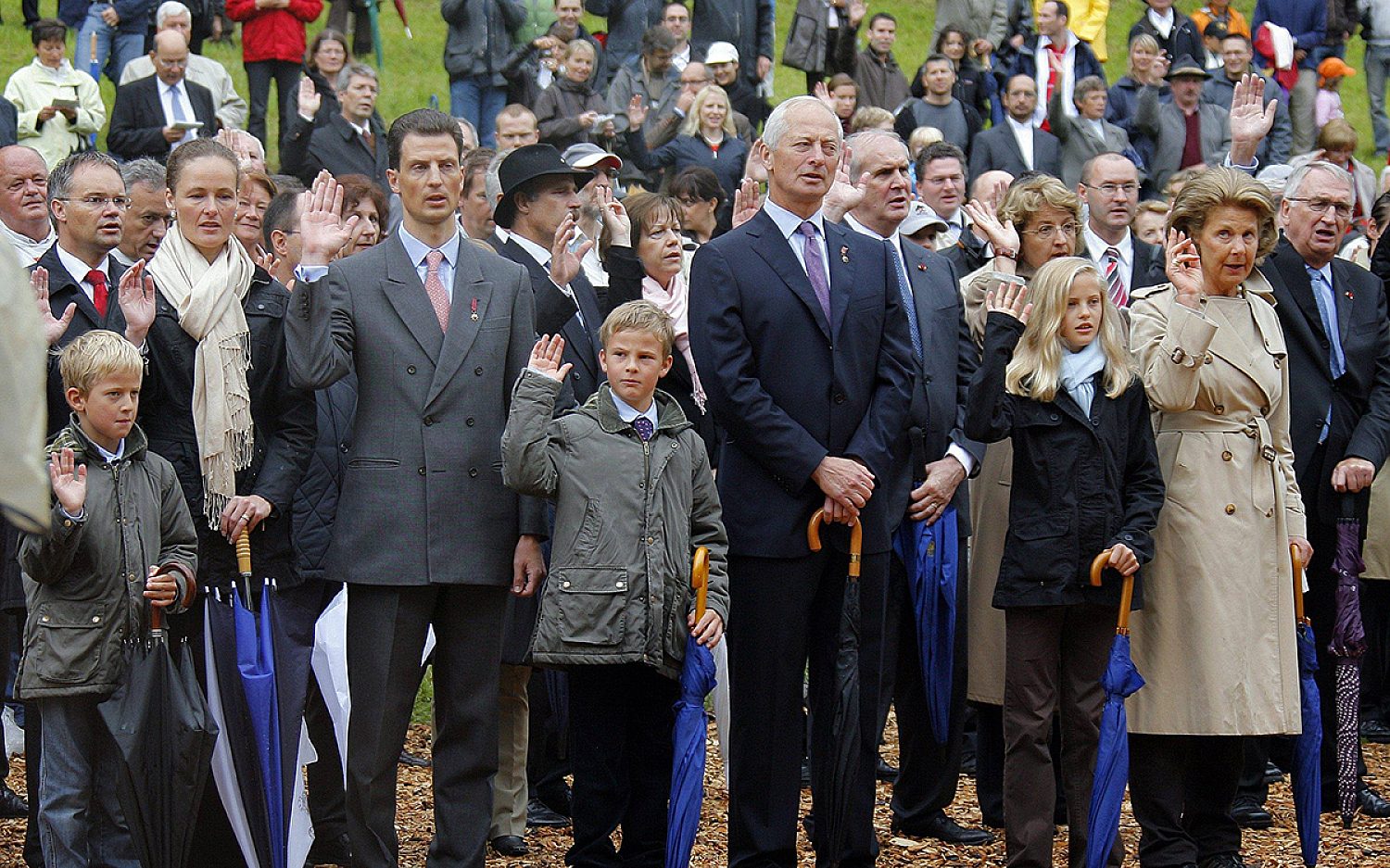
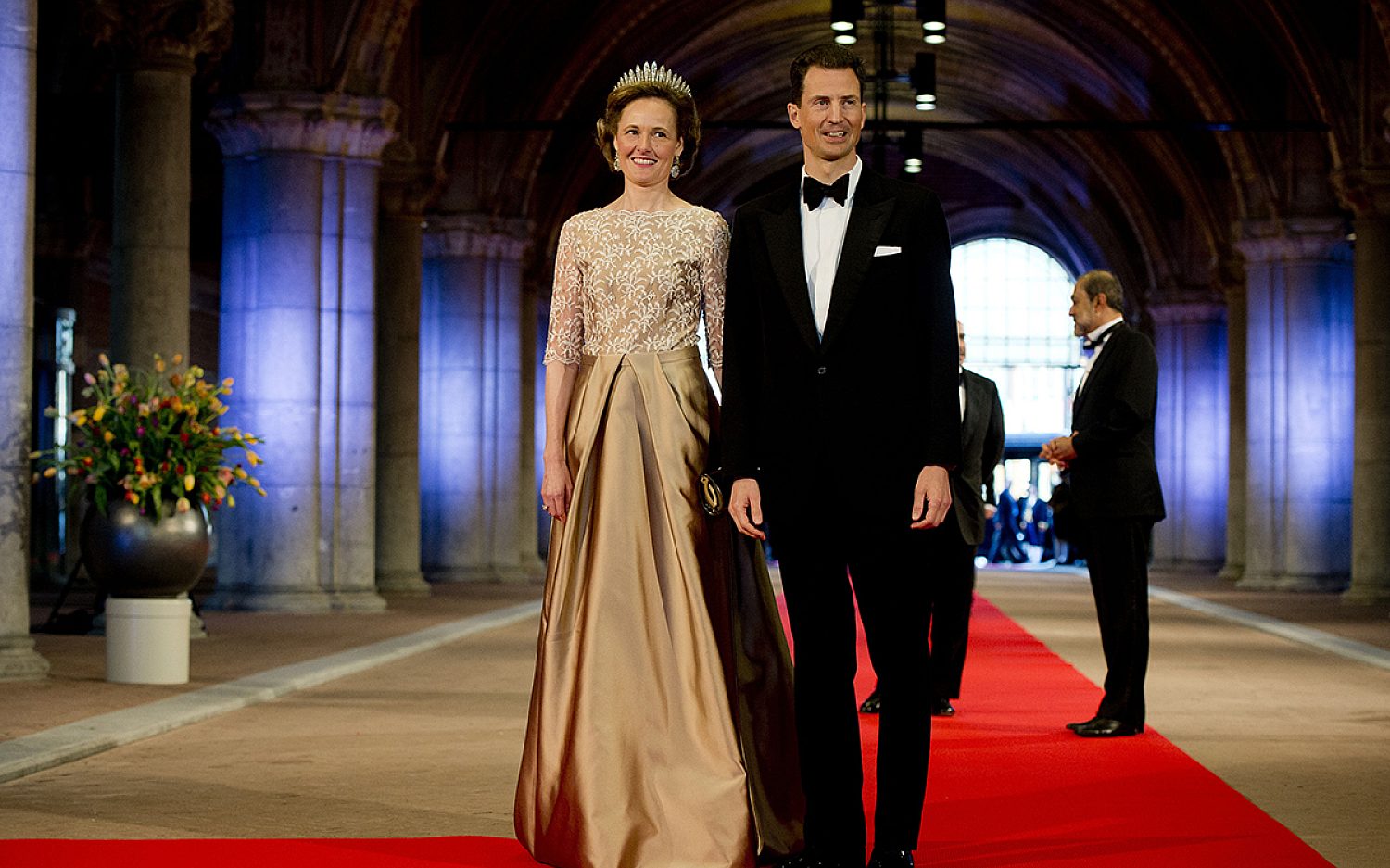
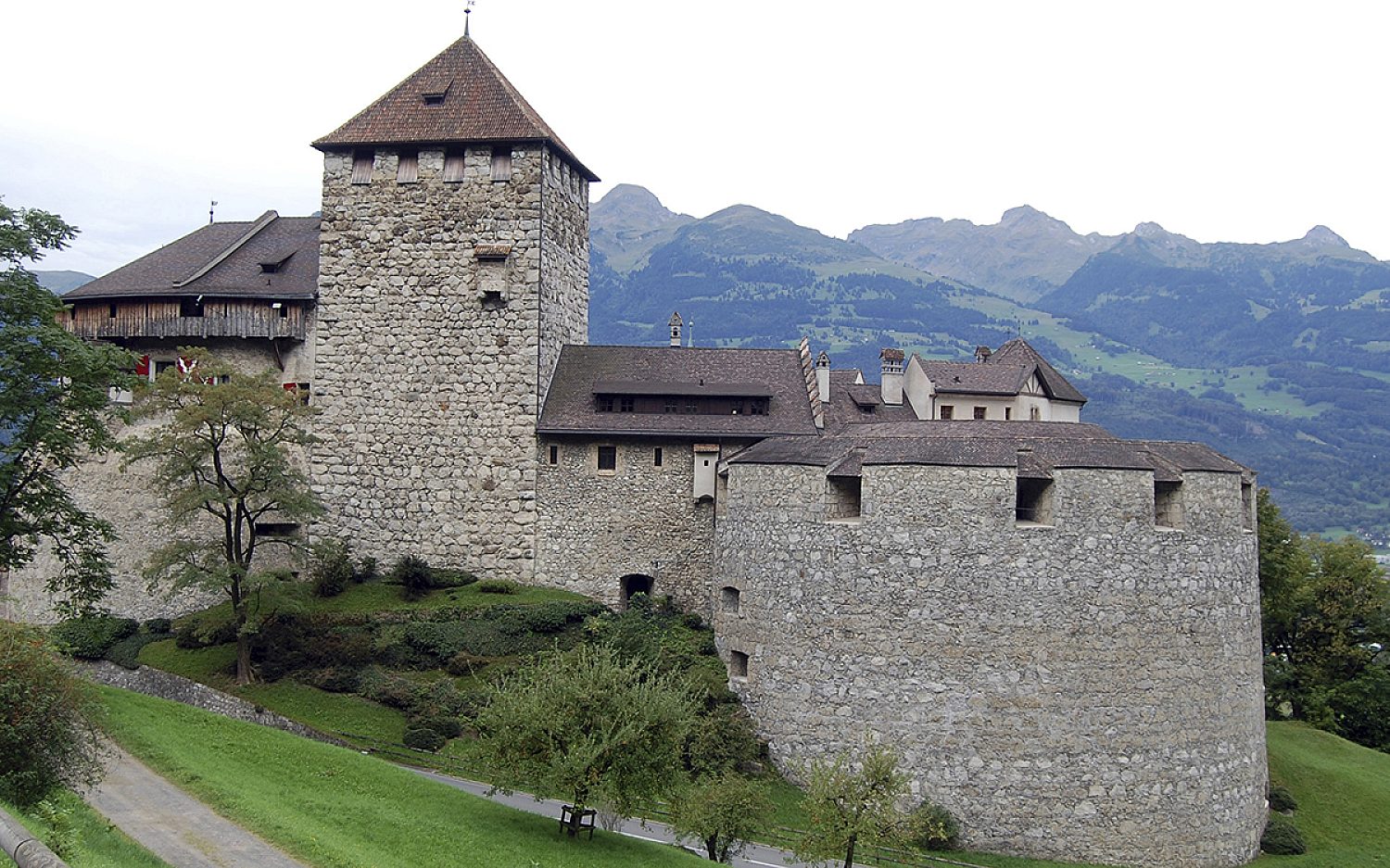

In the tiny country of Liechtenstein, the rules are changing. Once, only princes rose to rule. Soon princesses may too.
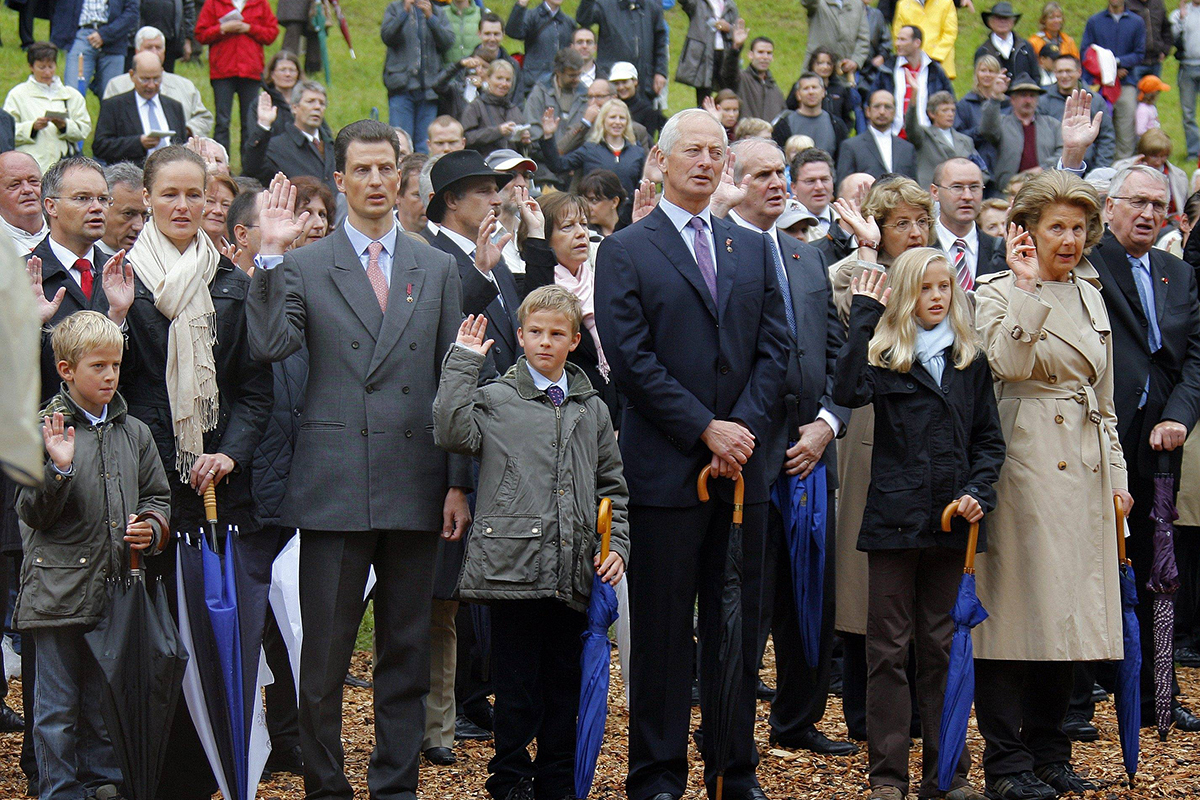
Prince Alois announced the change. Before he did, at least two-thirds of his family members had to agree. The country will still have royalty. But now if a ruler has two kids—an older daughter and a younger son—the daughter will inherit the throne. That’s new. Before this decision, the daughter would be skipped, and the son would rule. The old system is called male primogeniture. The new one is called absolute primogeniture.
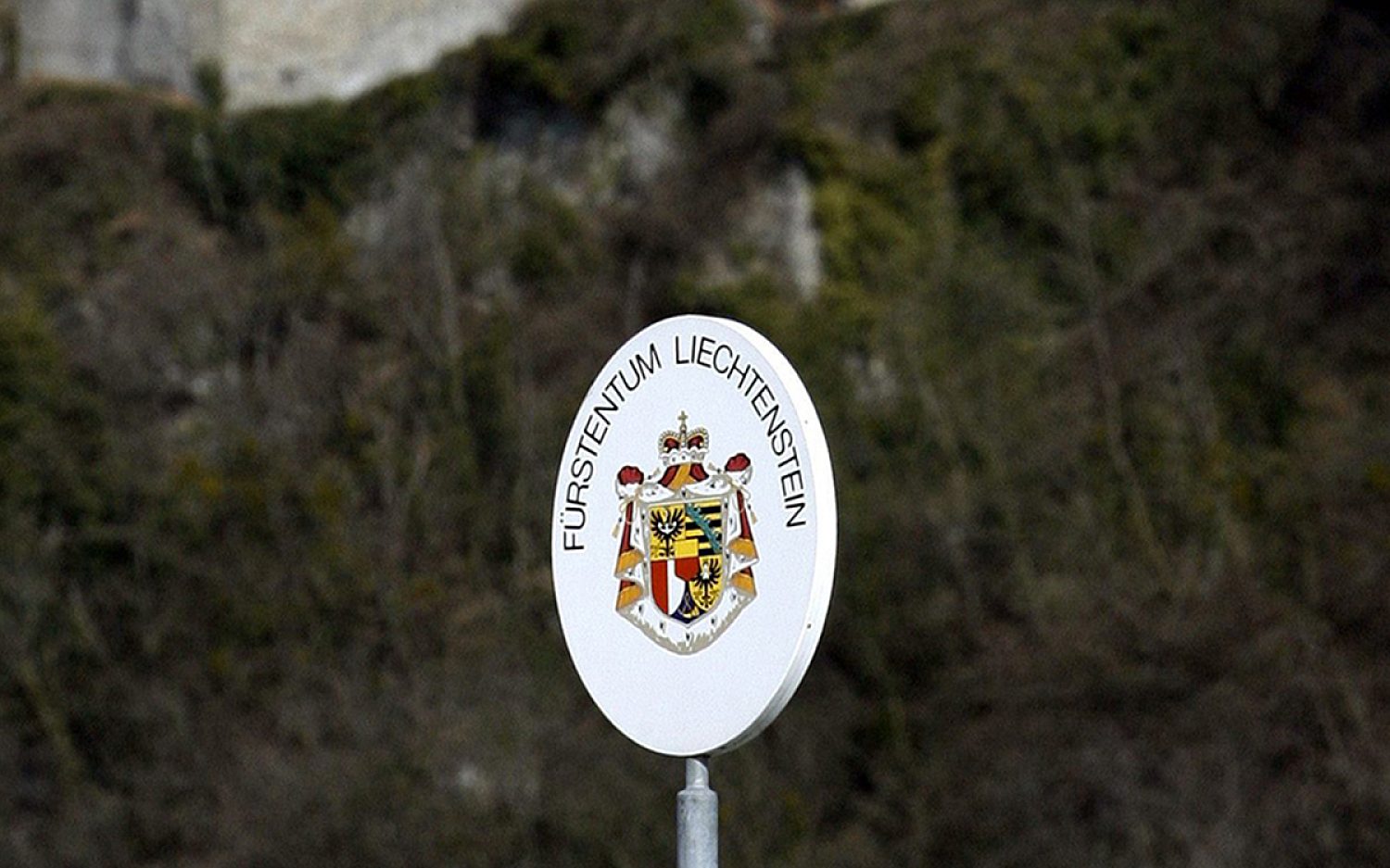
You’ll find Liechtenstein on a map of Europe. It lies between Switzerland and Austria. About 40,000 people live in the small but wealthy nation. And its royals have an unusual amount of power, especially compared to royals in other countries in Europe. A prince can appoint judges. He can also fire the government.
“In the future,” Prince Alois said, “the first-born child will, regardless of sex, become the heir to the throne and later the princess or prince of Liechtenstein.”
The change won’t apply right away. But it will affect the grandkids of Prince Alois and his wife, Princess Sophie.
For now, Prince Hans-Adam II remains the head of state. In 2004, he handed over most of his powers to his oldest son, Prince Alois. Prince Alois has four children. The oldest is Prince Joseph Wenzel, who is 31. The next-oldest is Princess Marie Caroline, who is 29.
The Spirit Himself bears witness with our spirit that we are children of God, and if children, then heirs—heirs of God and fellow heirs with Christ. — Romans 8:16-17
Why? God places rulers over us for our good, but ultimately, He is our perfect King.