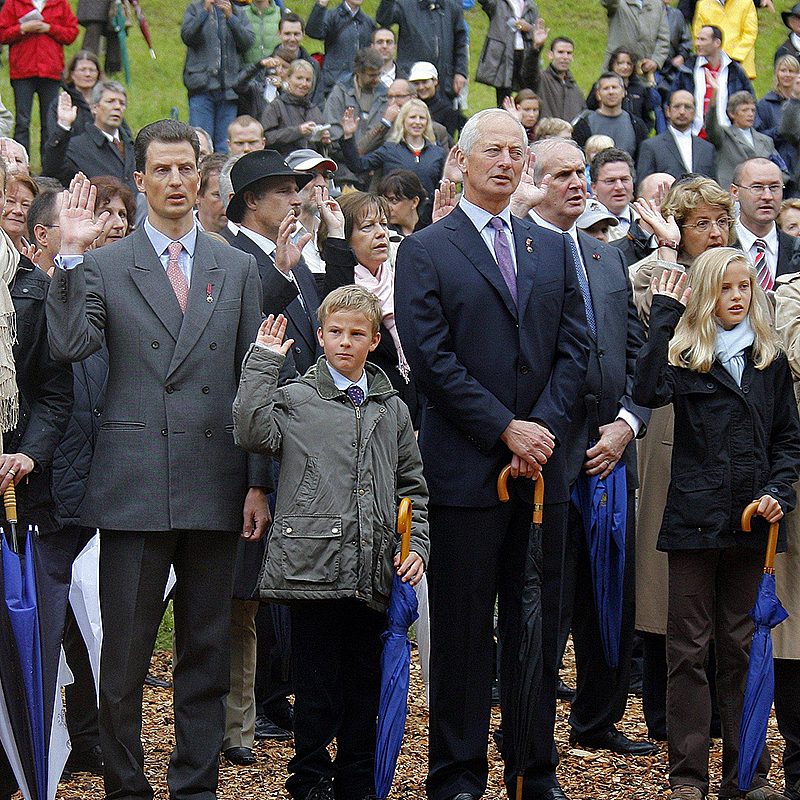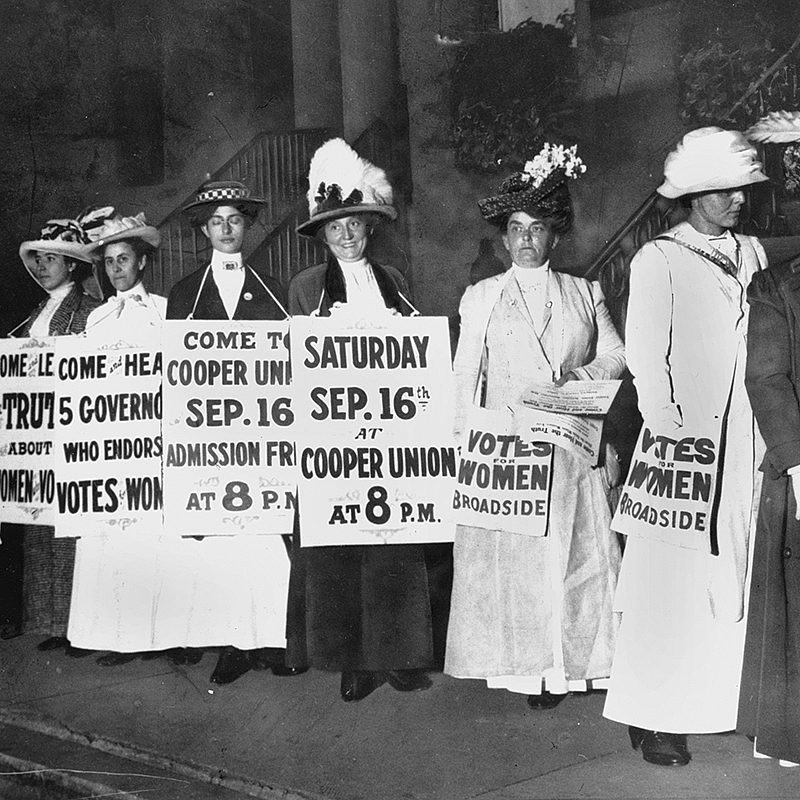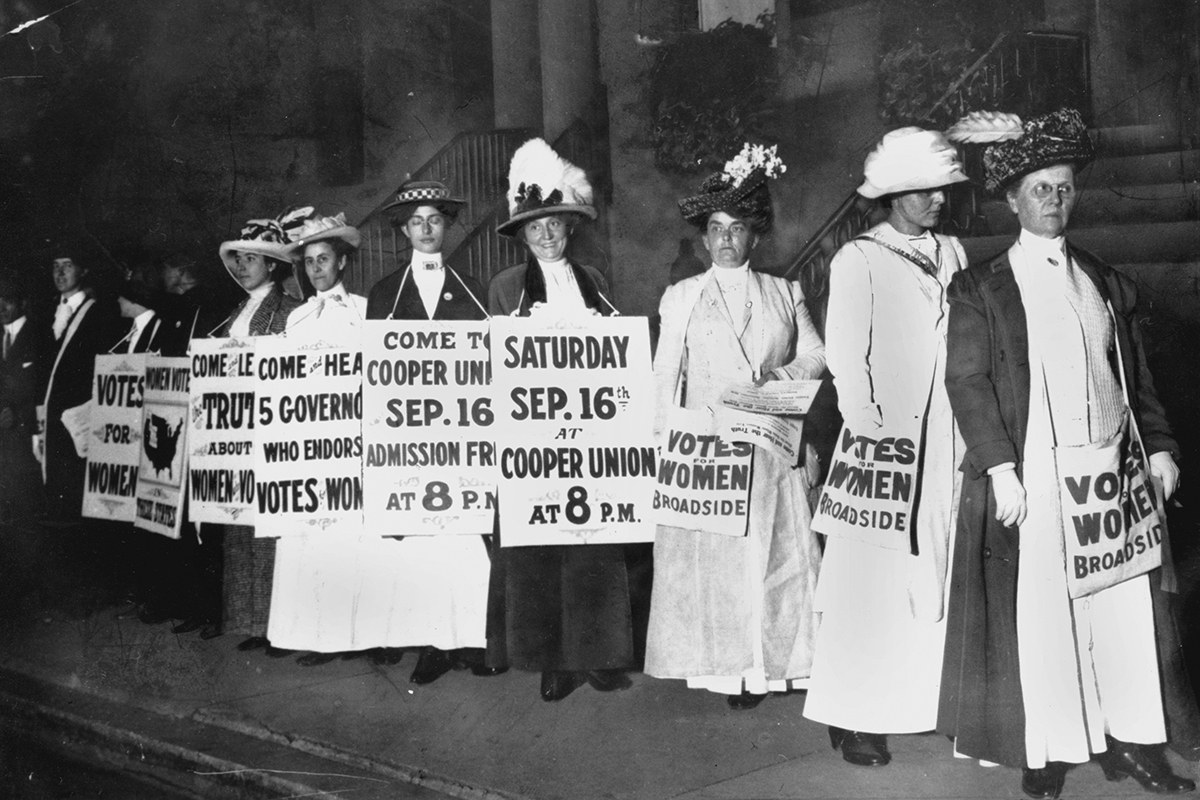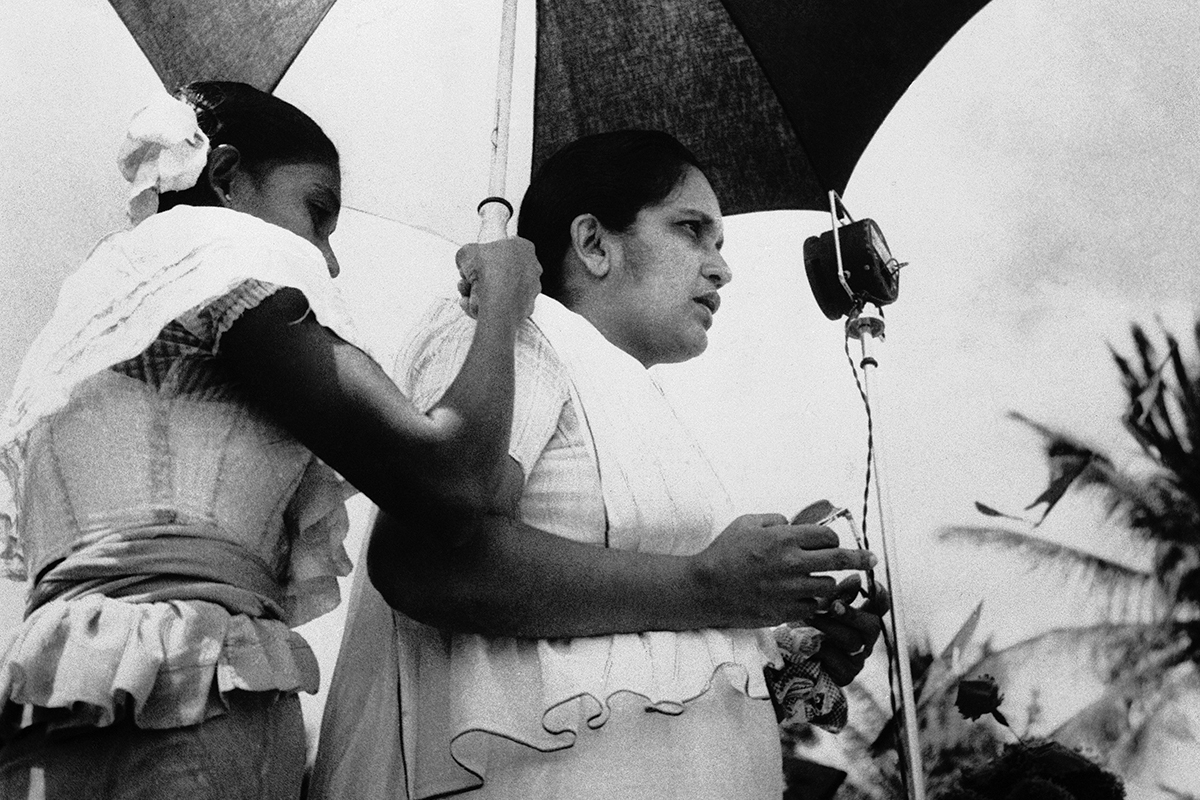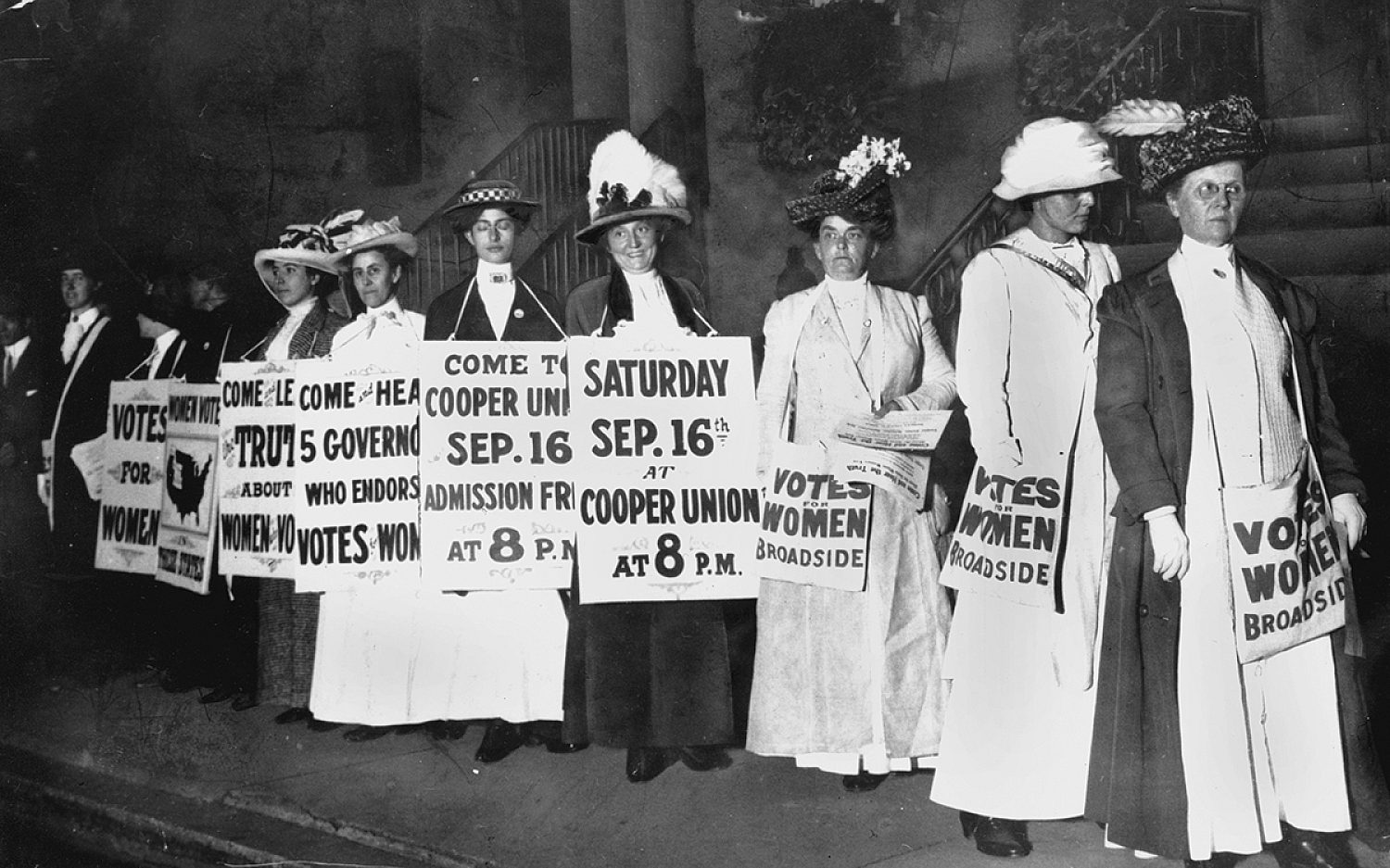
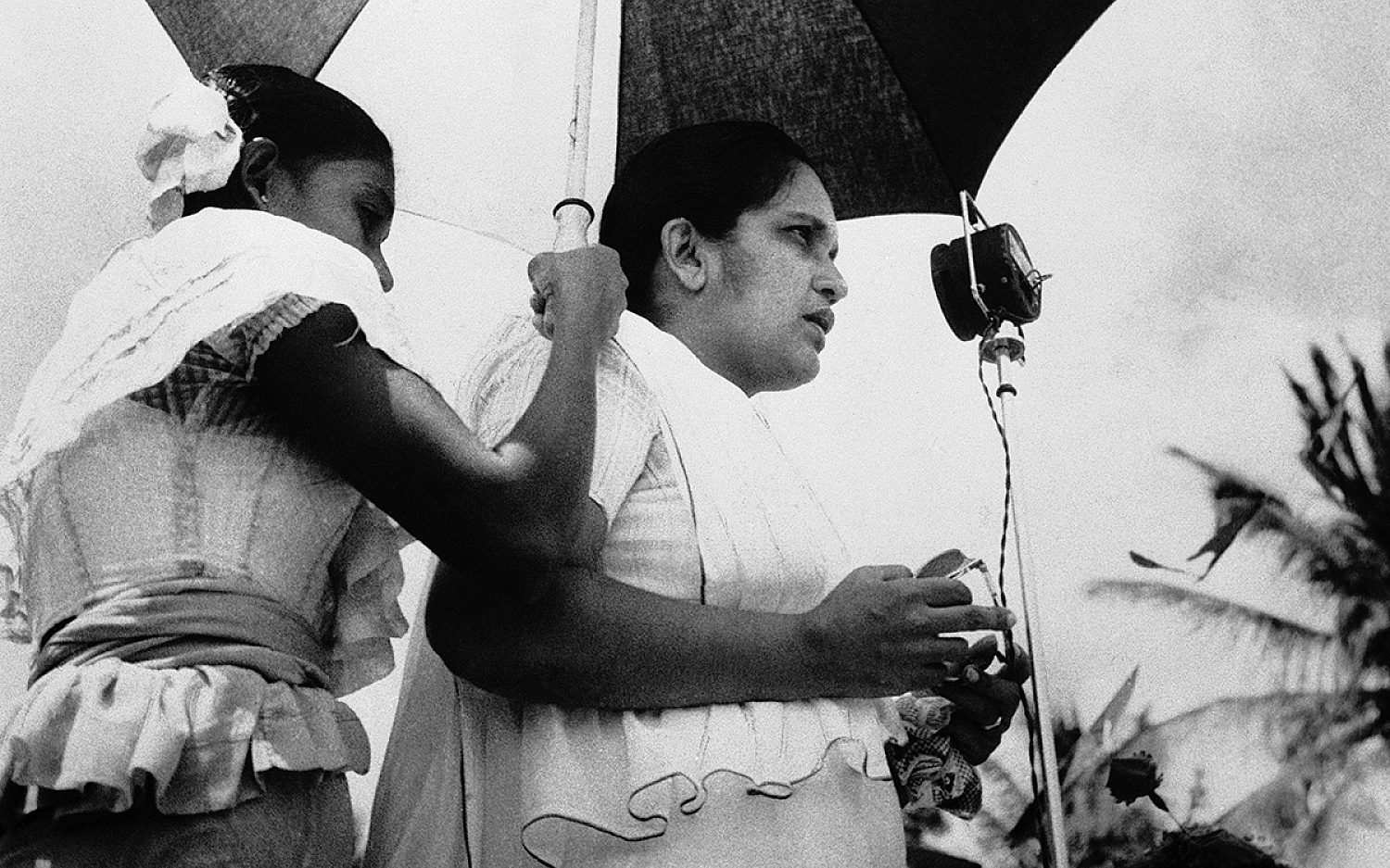

Liechtenstein is traditionally conservative. That means it changes slooowly. Here’s an example. Do you live in a country where women are allowed to vote? For a long, long time, women could not vote in Liechtenstein. They got the right in 1984—after women everywhere else in Europe could vote. Here’s another slow change. The first female prime minister (PM) in the world came to power in Sri Lanka in 1960. But Liechtenstein? It got its first female PM, Brigitte Haas, just last year.
Liechtenstein is a constitutional hereditary monarchy. That’s a lot of big words.
- Constitutional means the lawmakers and royalty of the country have to follow its written constitution.
- Hereditary means its royal members inherit their roles from family.
- Monarchy means royals rule. In Liechtenstein, royals share the job with the Landtag (parliament).
Which type of government do you live under? A monarchy? Or something else? Here are three more government types—though they often get mixed together in a nation. (Like in Liechtenstein, where monarchy mingles with democracy.)
In a democracy, power belongs to the people. They vote. The majority gets the final say in laws and policies. (In a republic, the people choose leaders to represent them and make laws.)
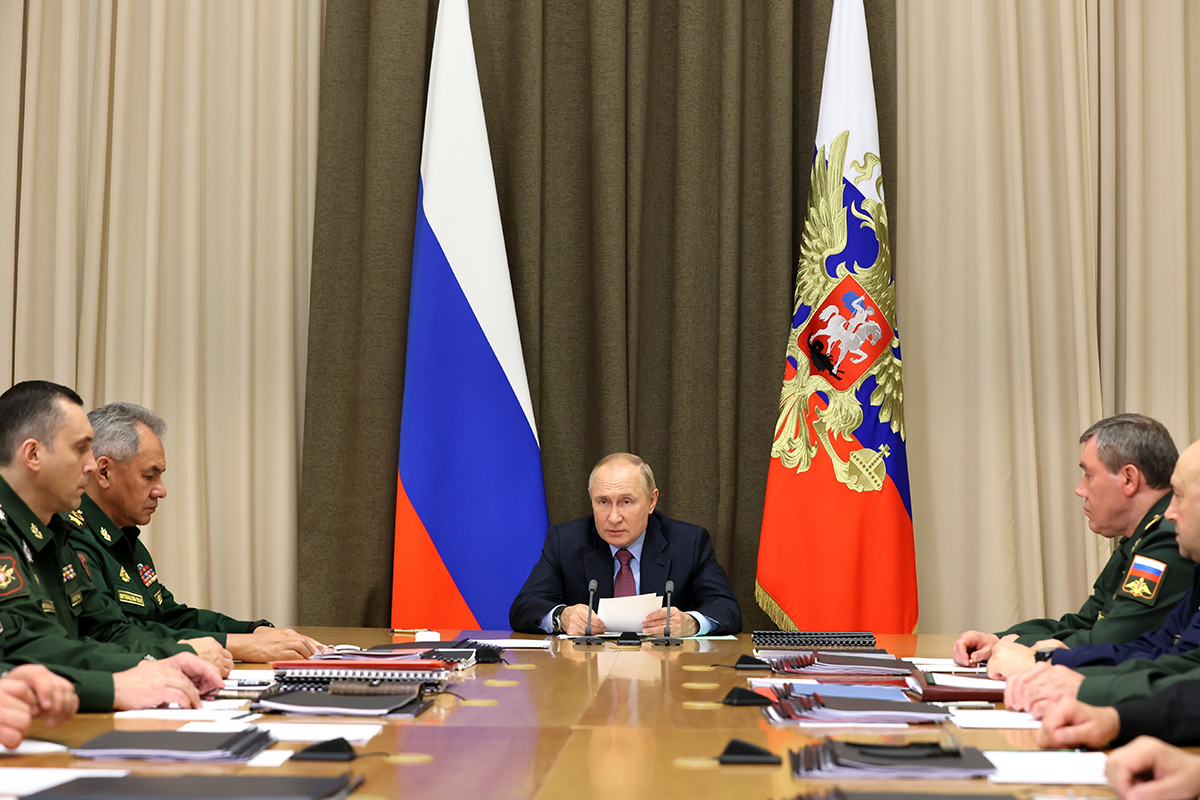
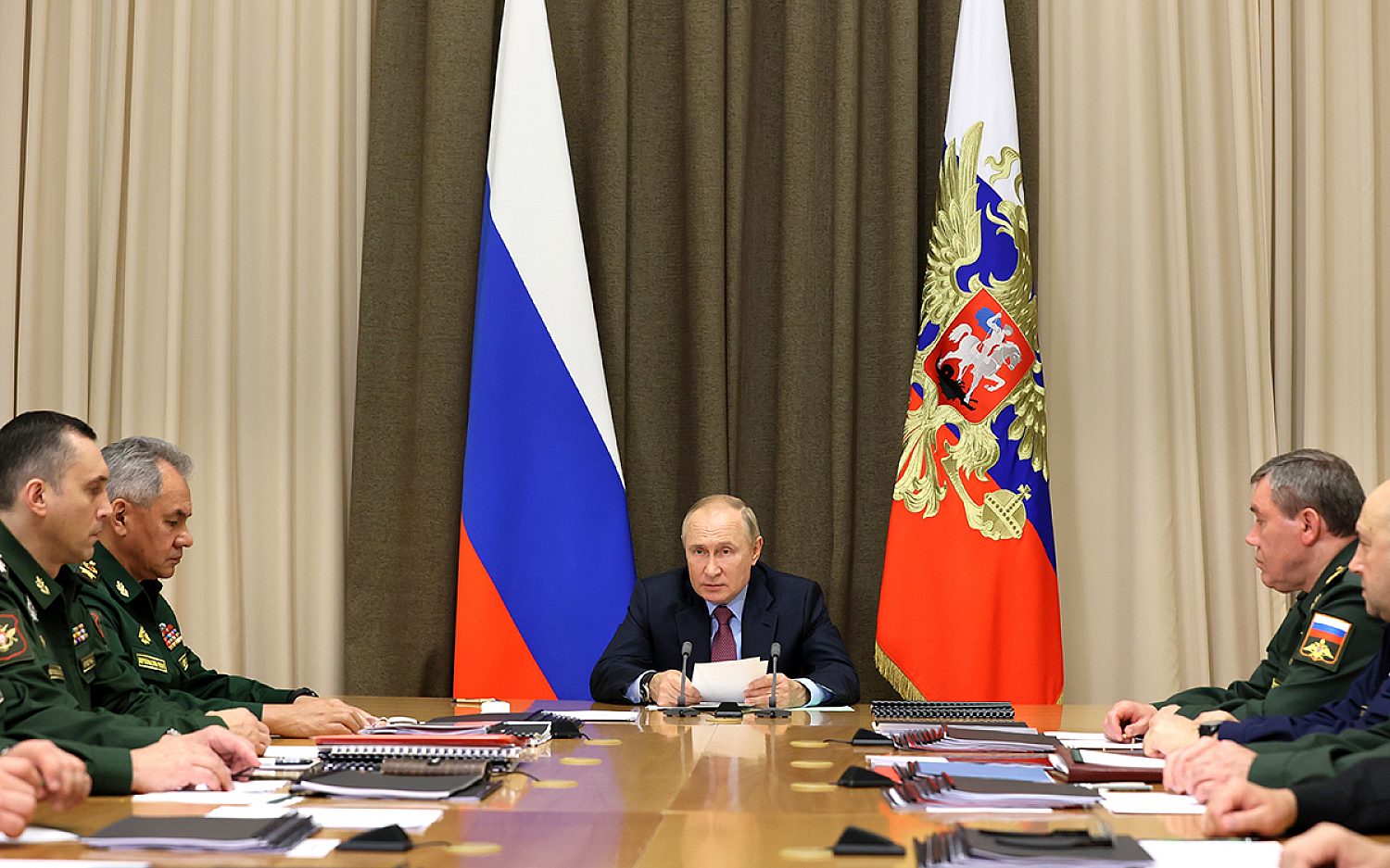
In authoritarian governments, power belongs to just one person or to a very small group of people. The common people often lack freedom and basic human rights.
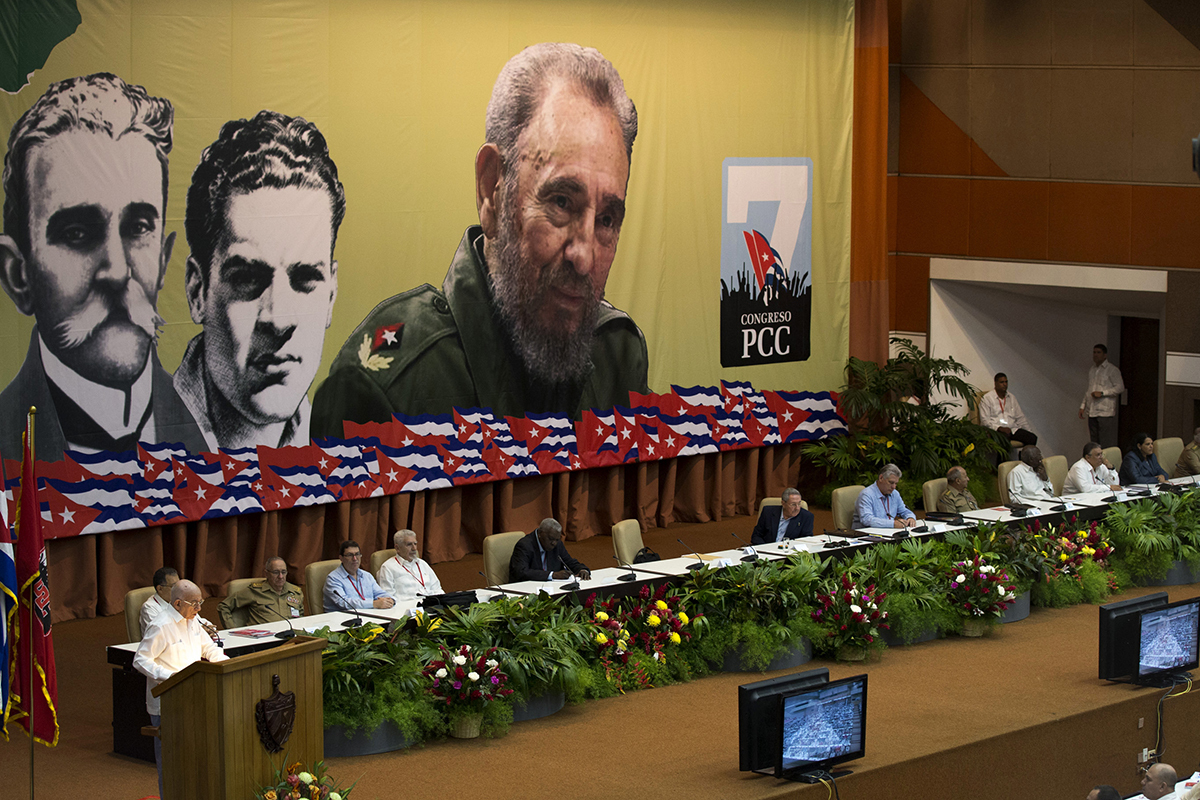
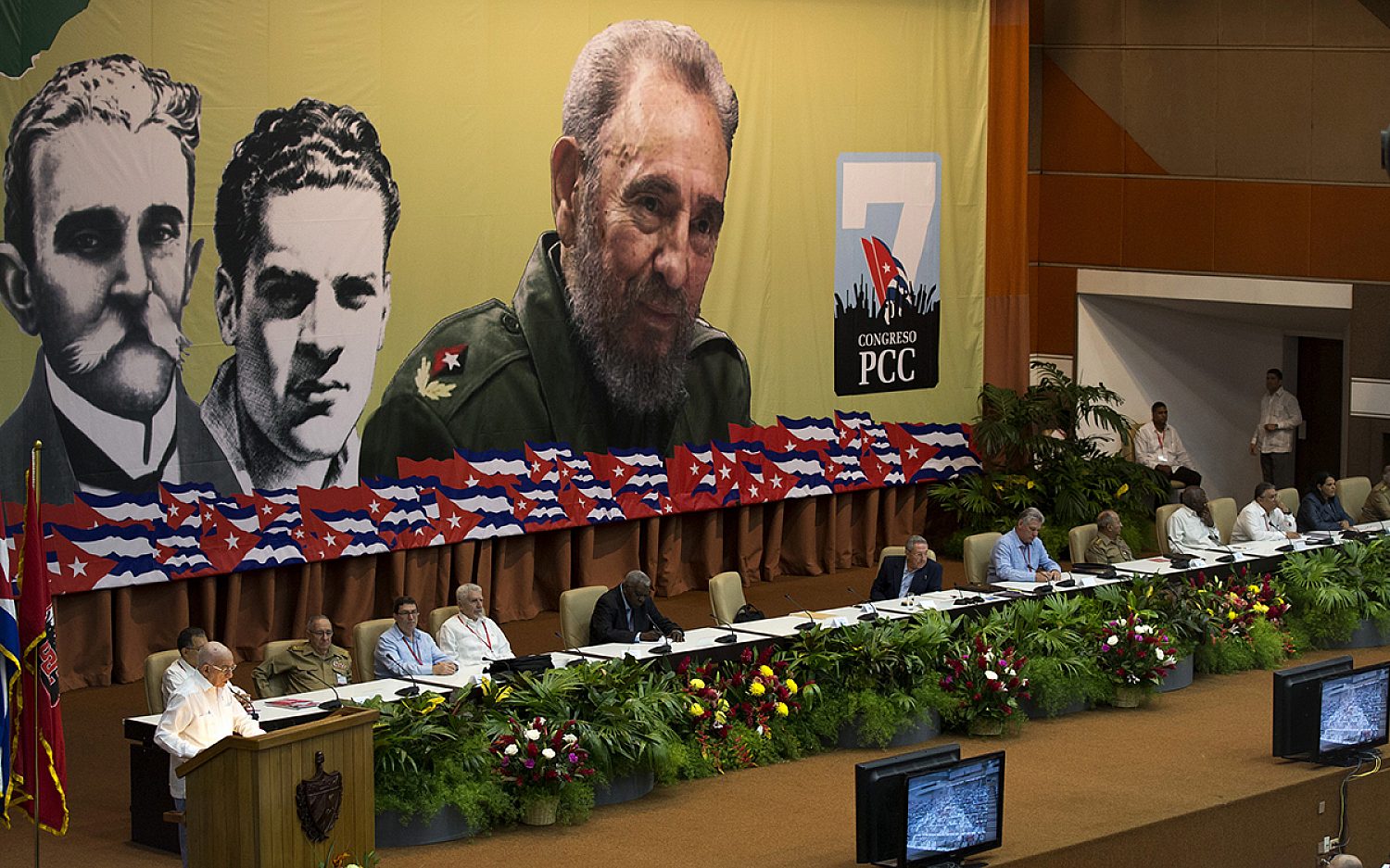
In communist governments, power belongs to a group that says it wants all people to share goods and wealth equally. This usually doesn’t happen though. Without private property, citizens usually grow poorer and poorer.
Some kinds of government work much better than others. But none are flawless. Only one kingdom has a perfect King: God’s kingdom! Jesus, our King, is perfectly gentle and perfectly just.
Your throne, O God, is forever and ever. The scepter of your kingdom is a scepter of uprightness. — Psalm 45:6