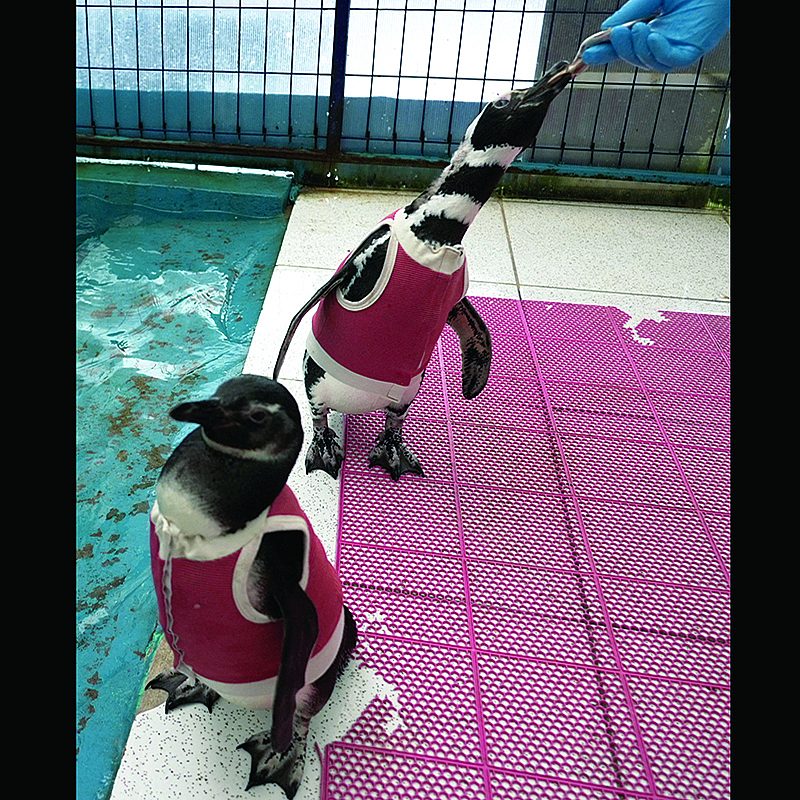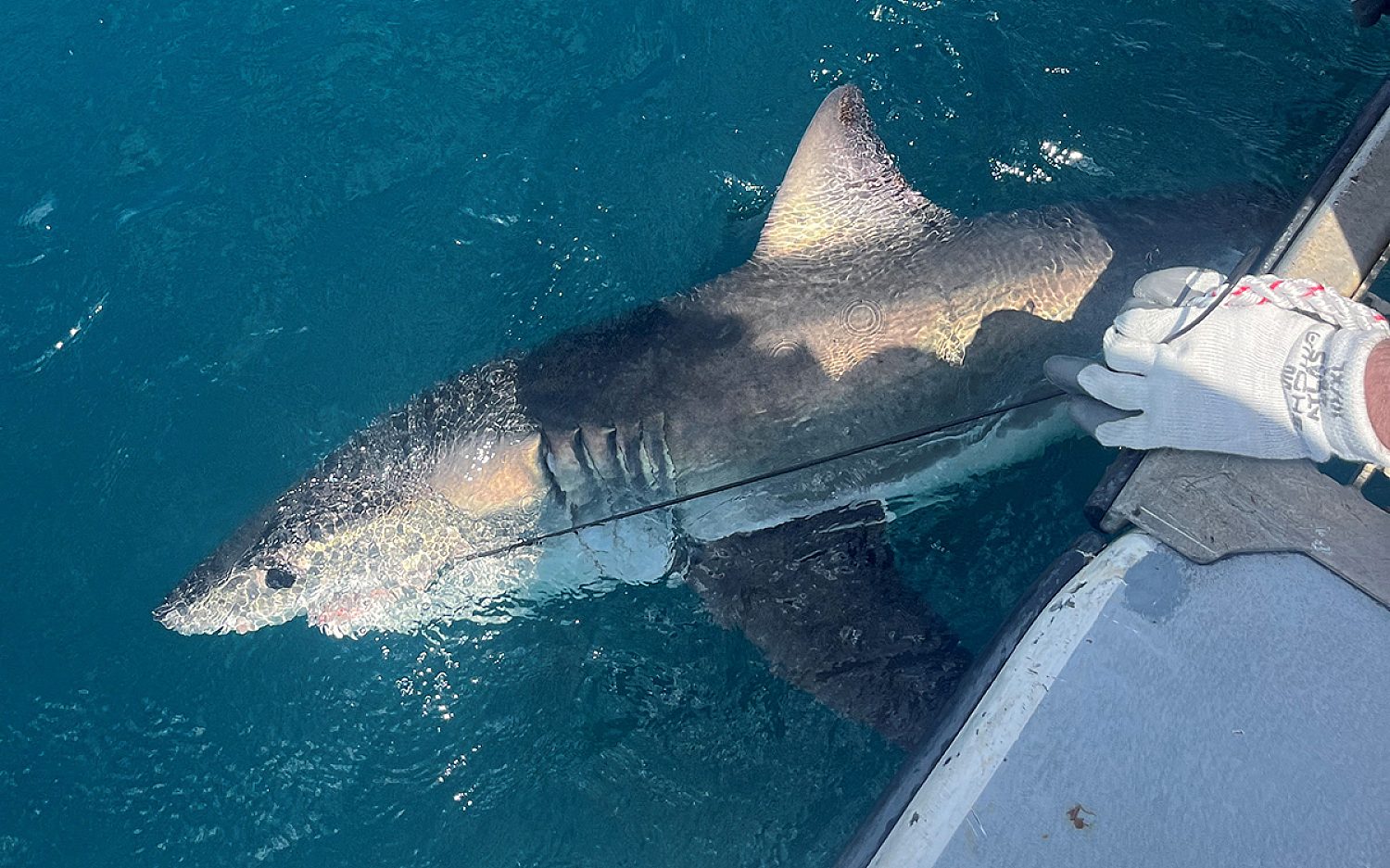
Scientists tag other animals too. One example? Scientists have tagged elephant seals in polar regions. The icy areas are hard for people to explore. But not for elephant seals! These animals can swim around this part of the world easily.
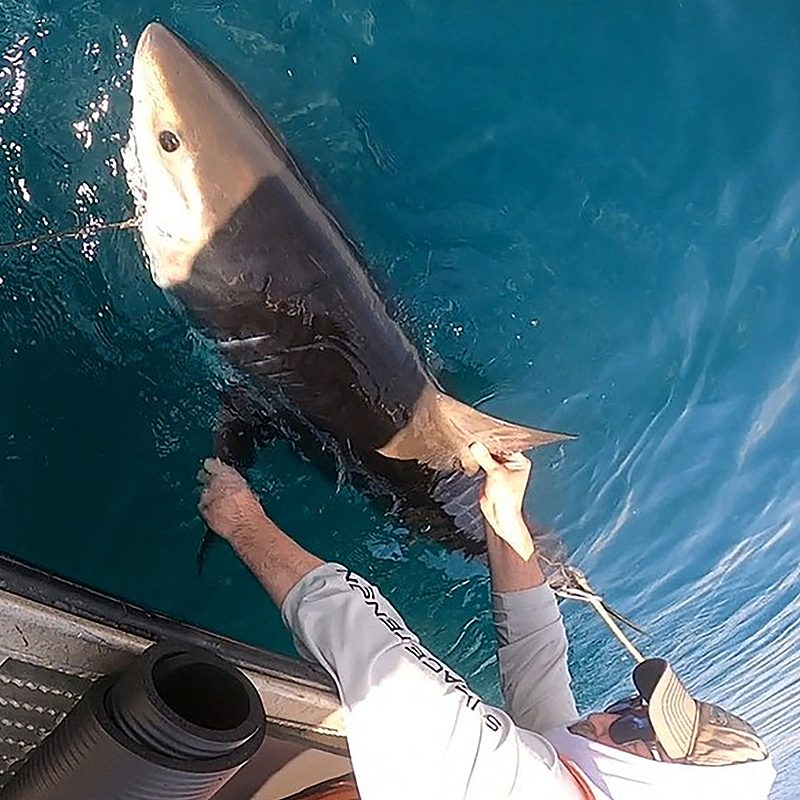
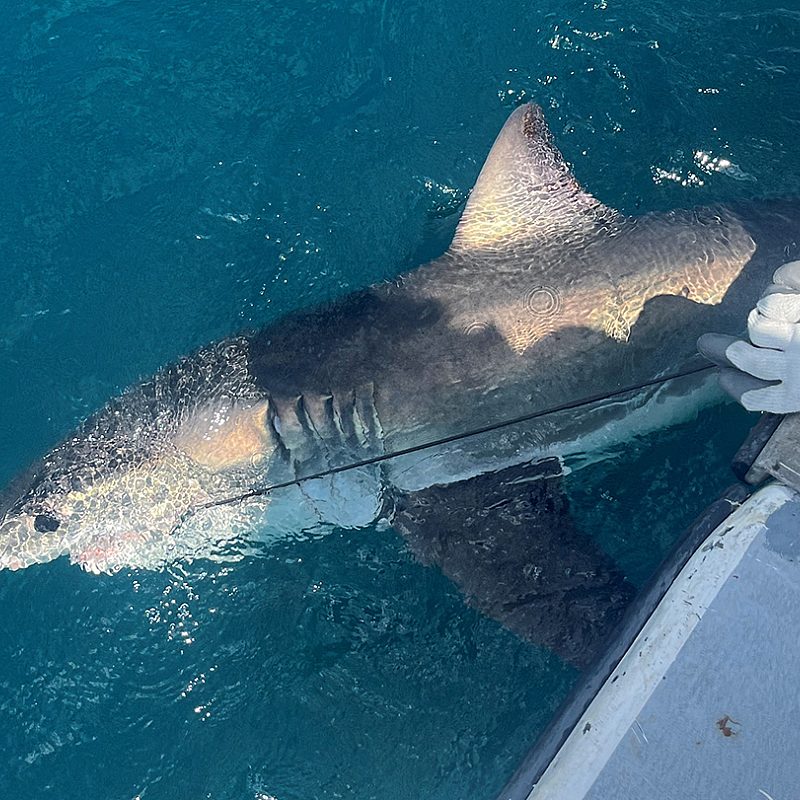
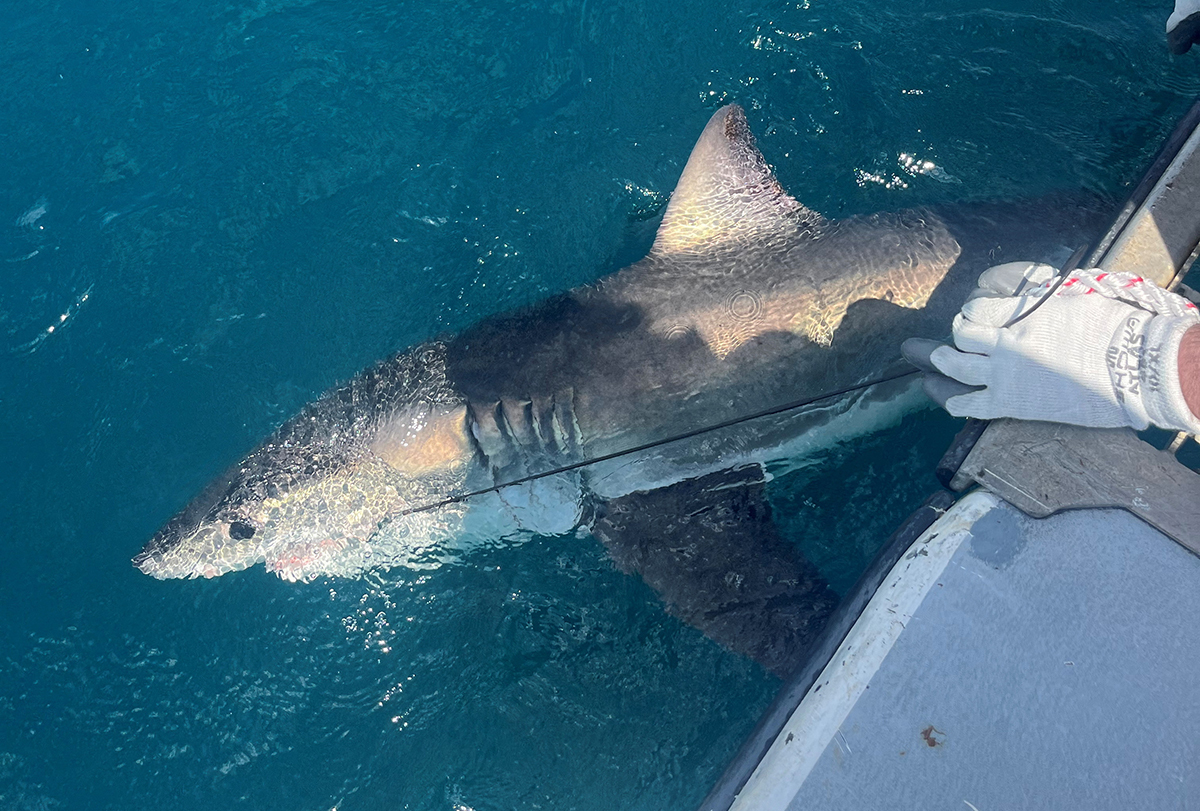
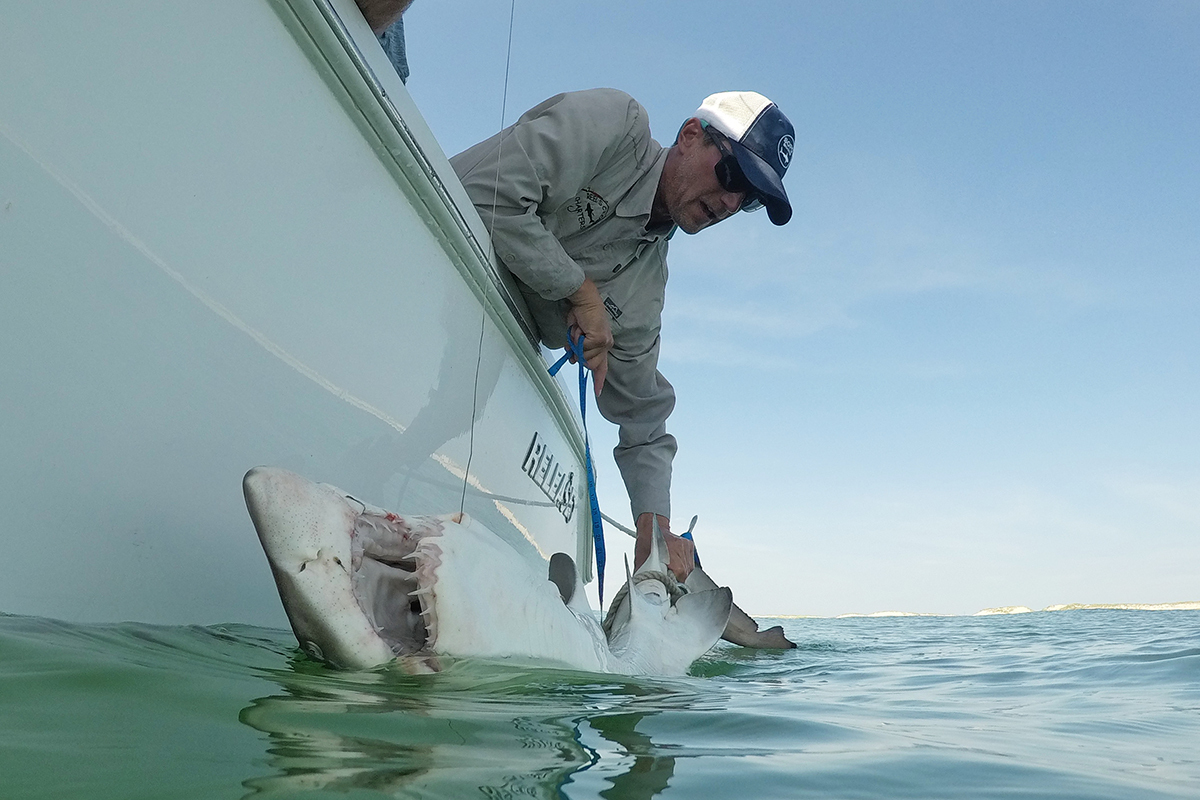
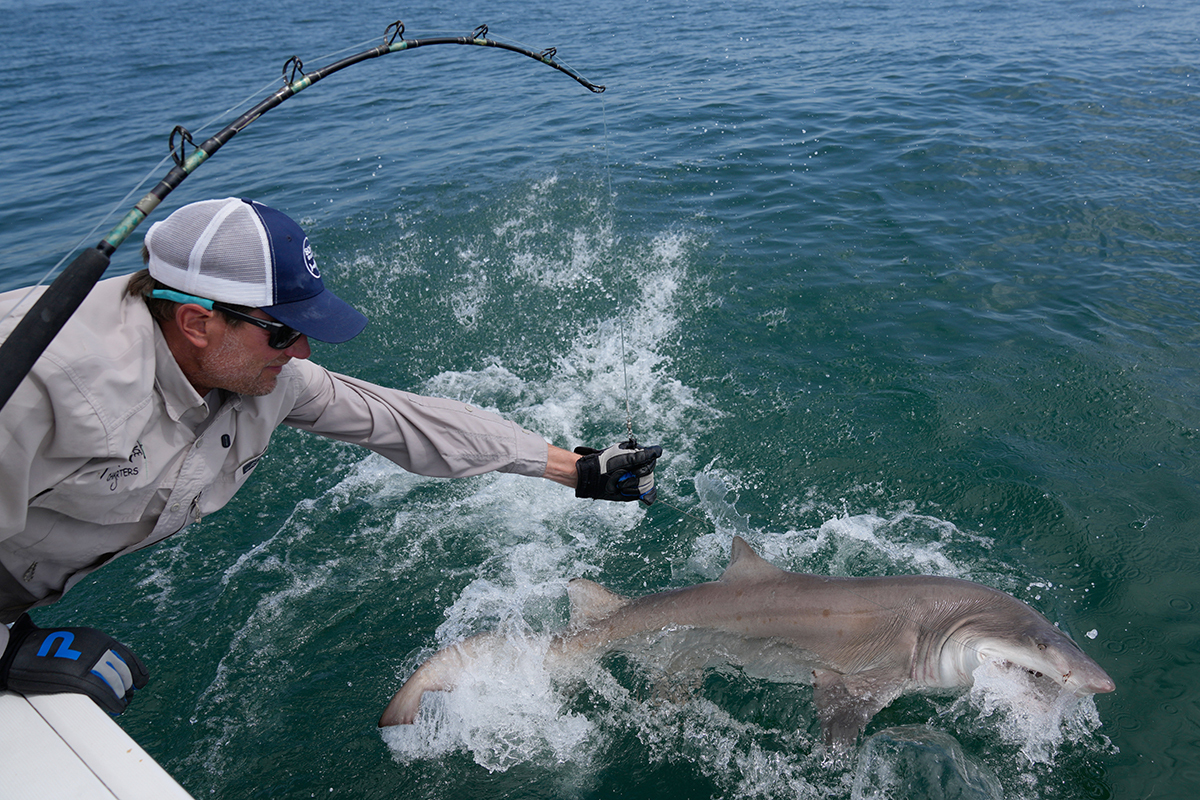
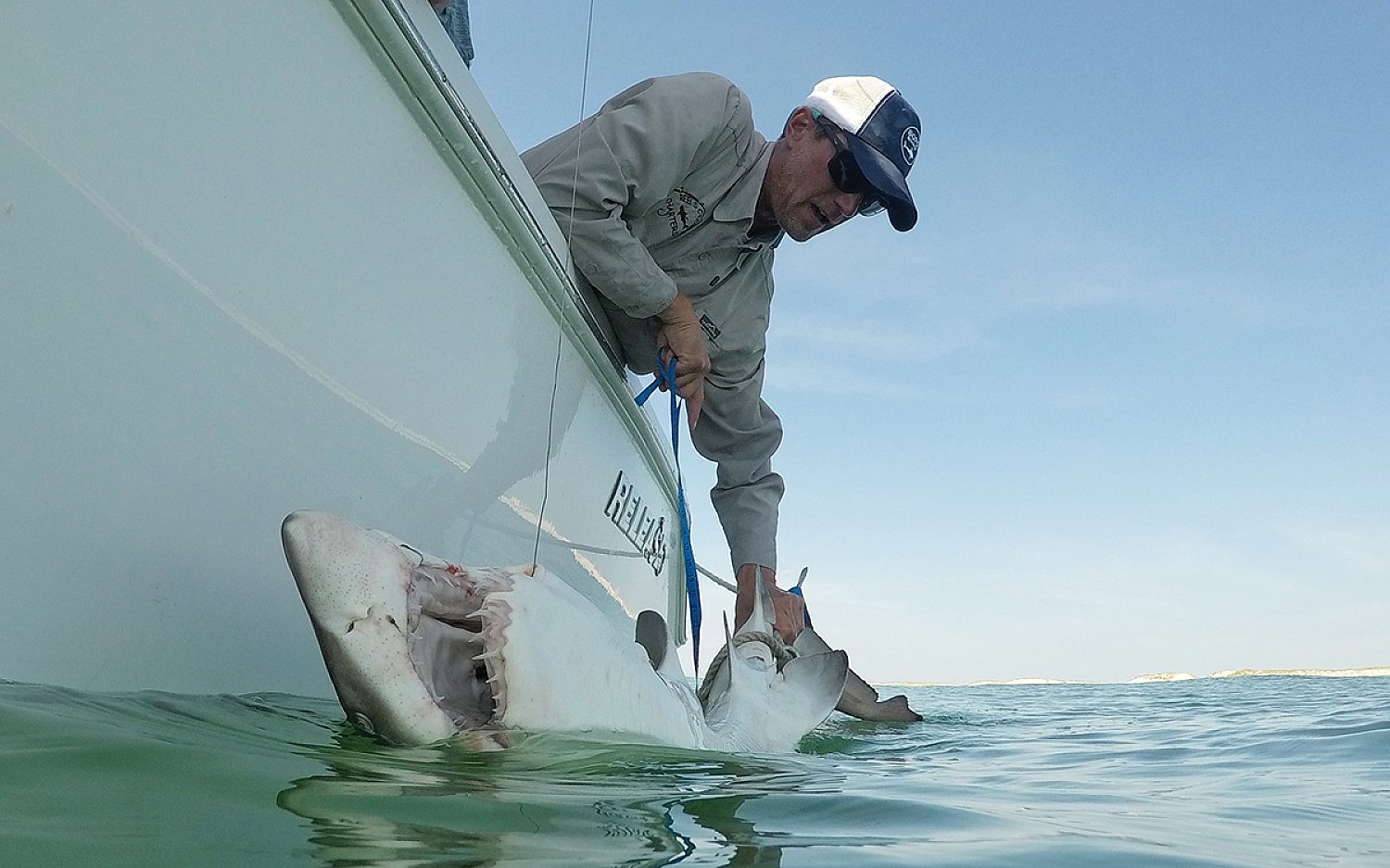
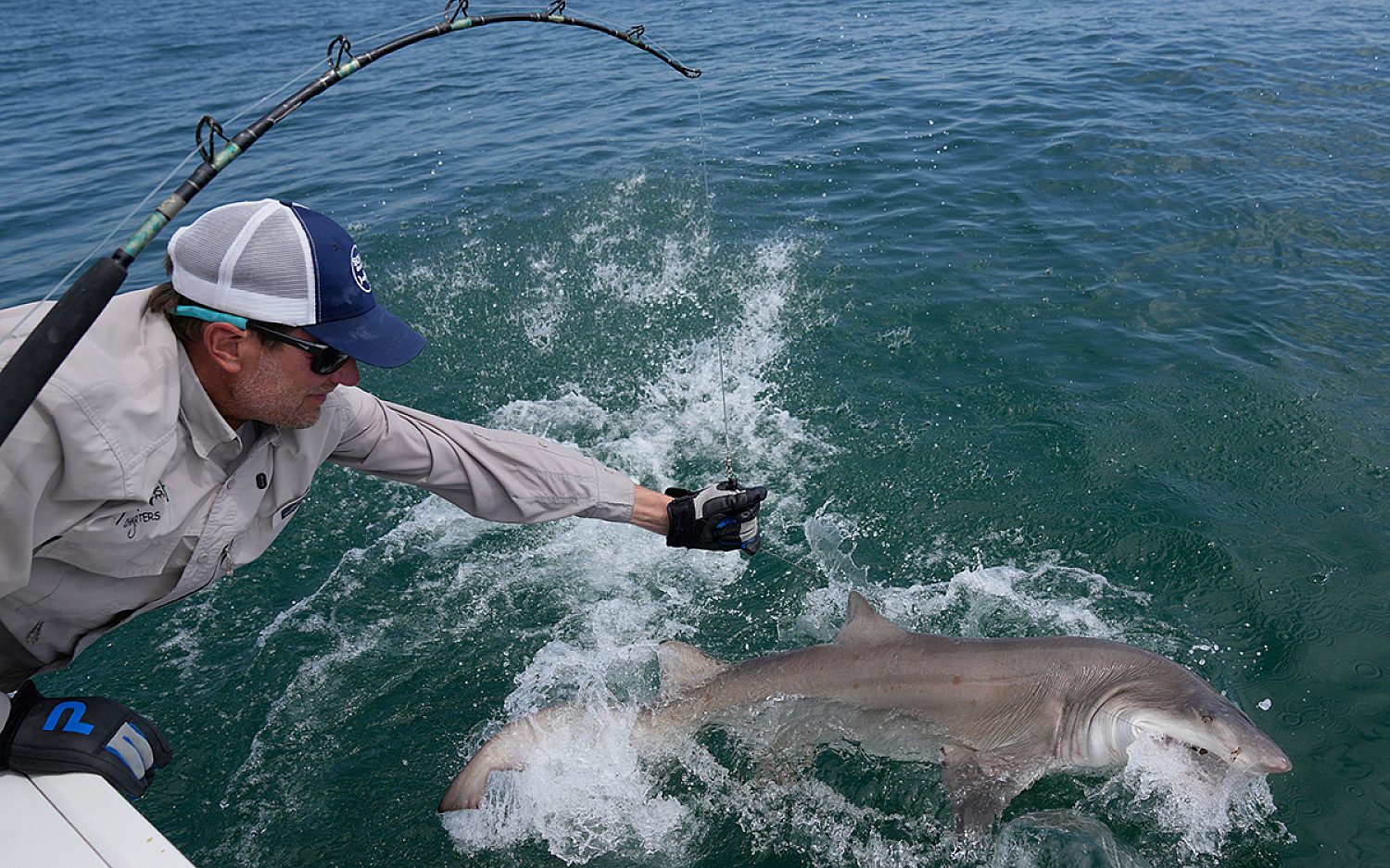
Scientists have tagged sharks before too. But until now, they mostly tracked only where these fish travel and the habitats they use—not the weather.
Sharks offer new ways to research the ocean. That’s because there are lots of them, Dr. Carlisle says. They swim to spots humans can’t reach.
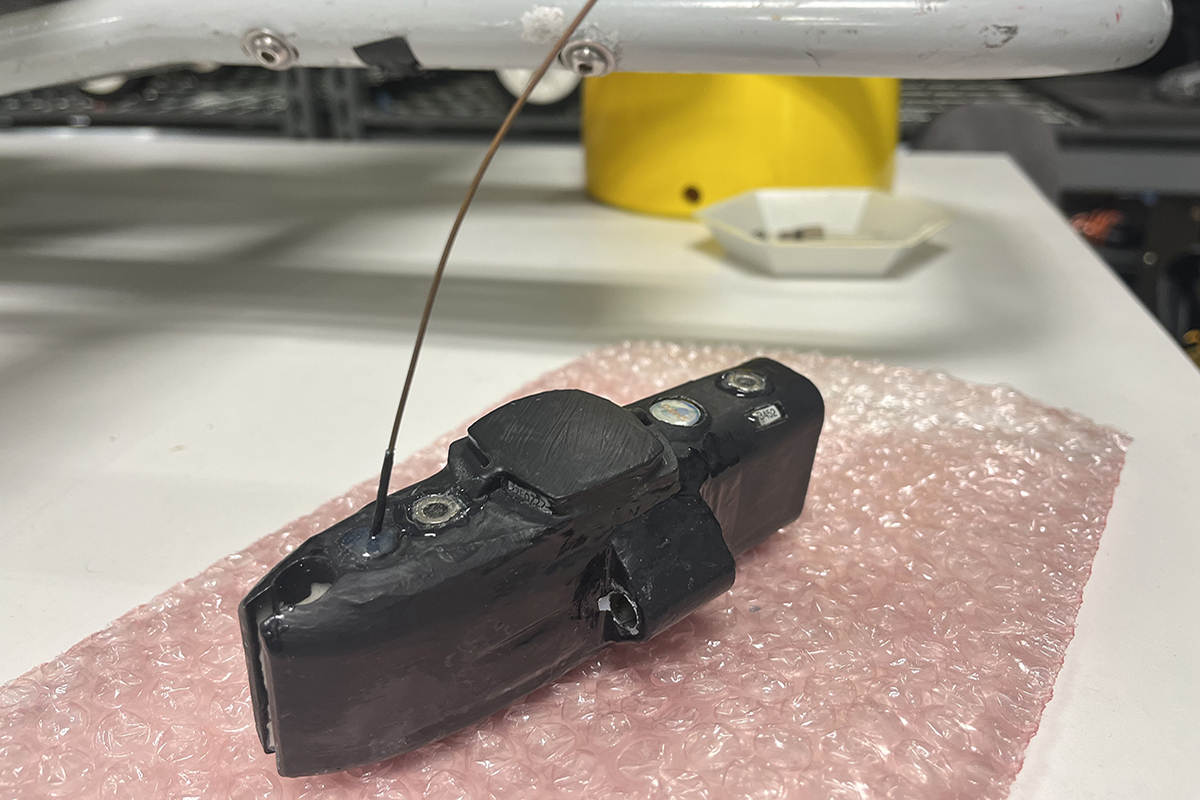
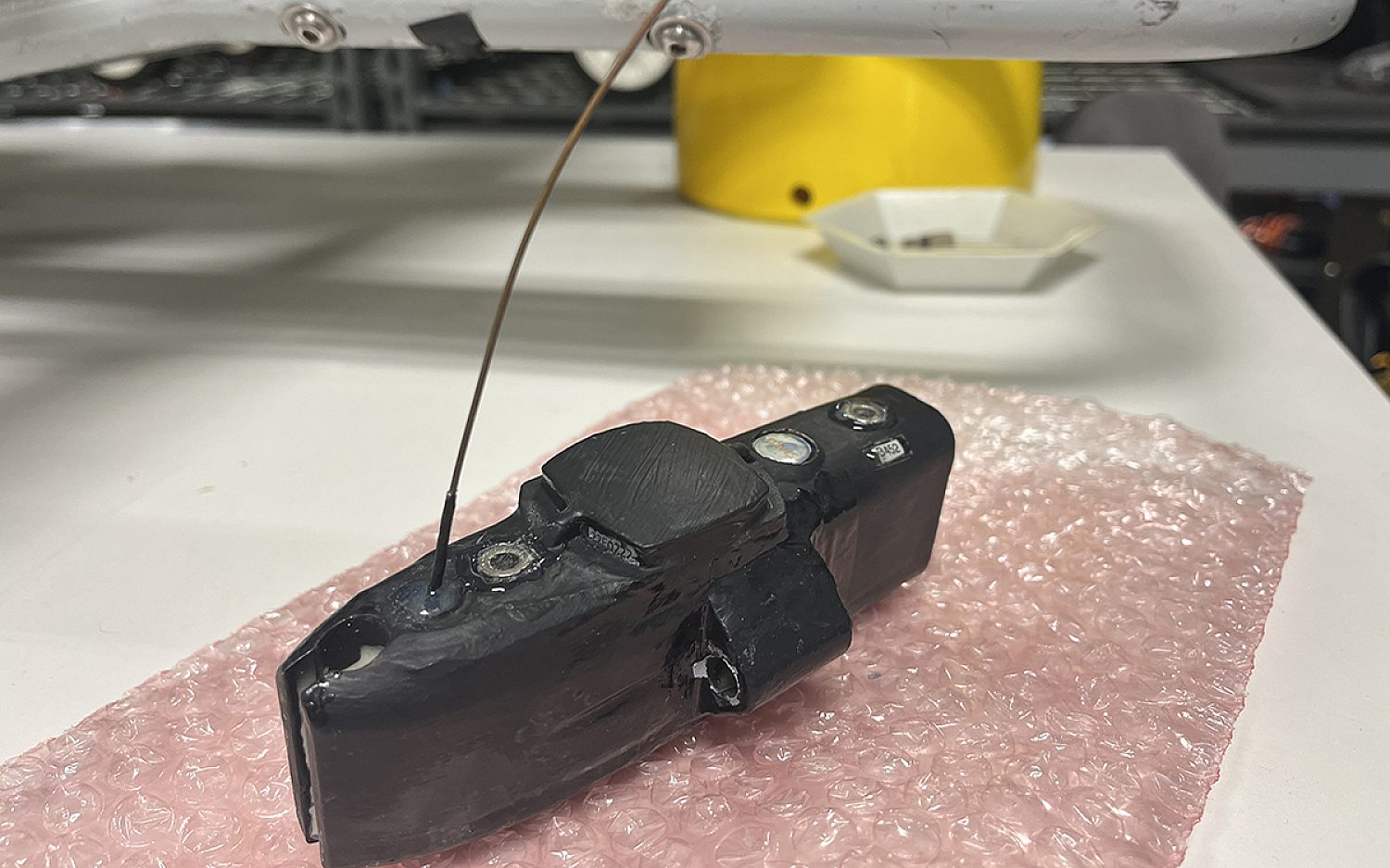
Just what are these tags? The CTD tags are small electronic devices. CTD stands for conductivity, temperature, and depth. The tags measure:
- how salty the water is and how well it conducts electricity;
- water temperature;
- how deep a tagged fish swims.
“We are really most interested in the heat content of the top layer of the ocean,” Dr. Carlisle says. That top section of the water is called the mixed layer. A “warmer mixed layer equals [a] stronger hurricane,” he explains.
The data collected by sharks could help improve forecasts of how strong hurricanes will be. The information could give folks from North Carolina to Massachusetts needed information. People in the path of a hurricane can better prepare.
Dr. Carlisle knows that many people are afraid of the toothy ocean predators. But, he says, “We can learn a huge amount from them. If we can show that sharks can help people, it’s a win-win situation.”