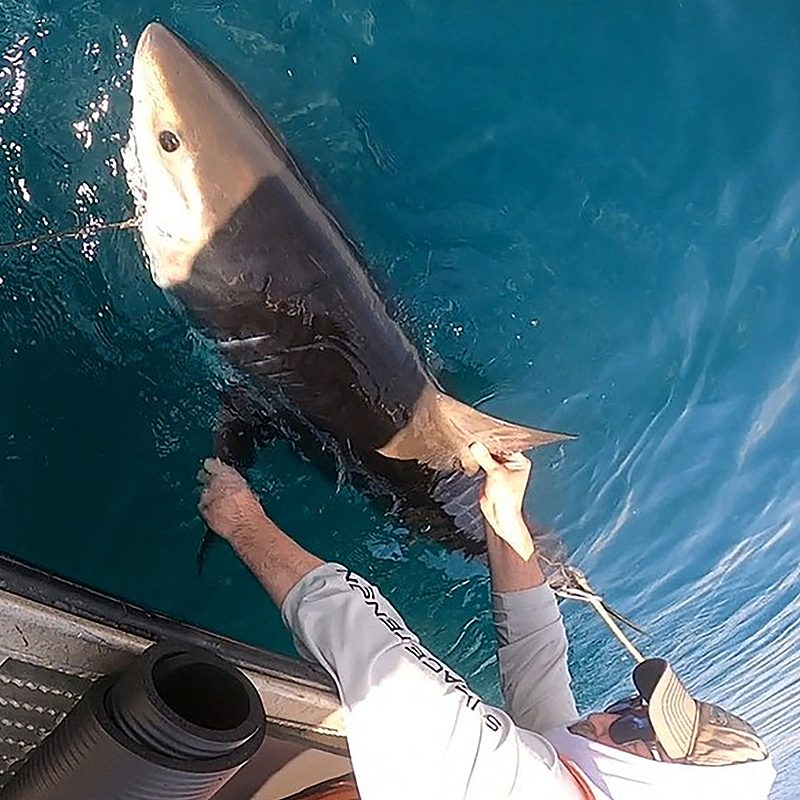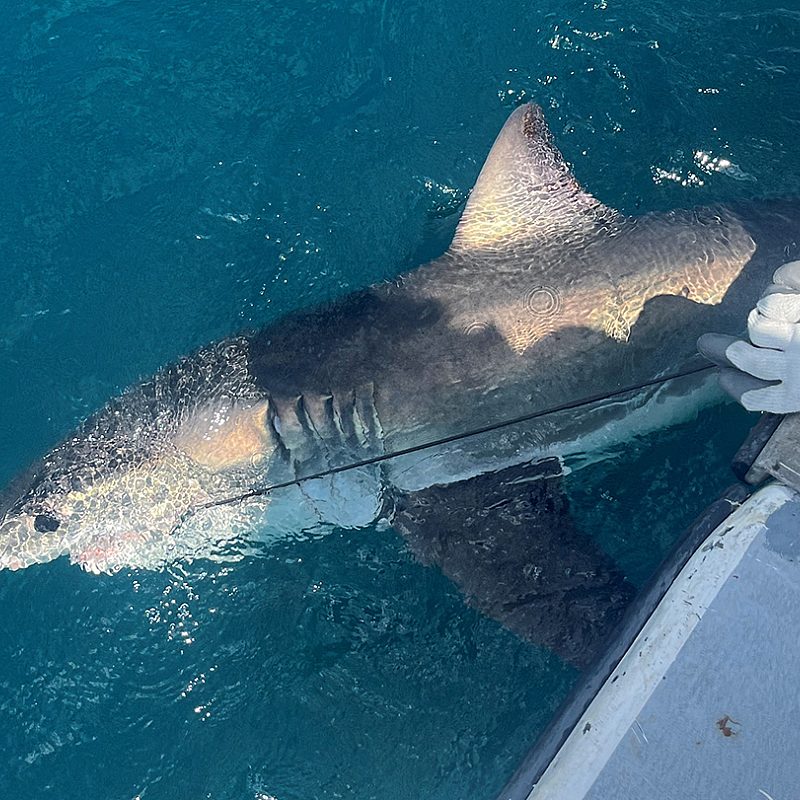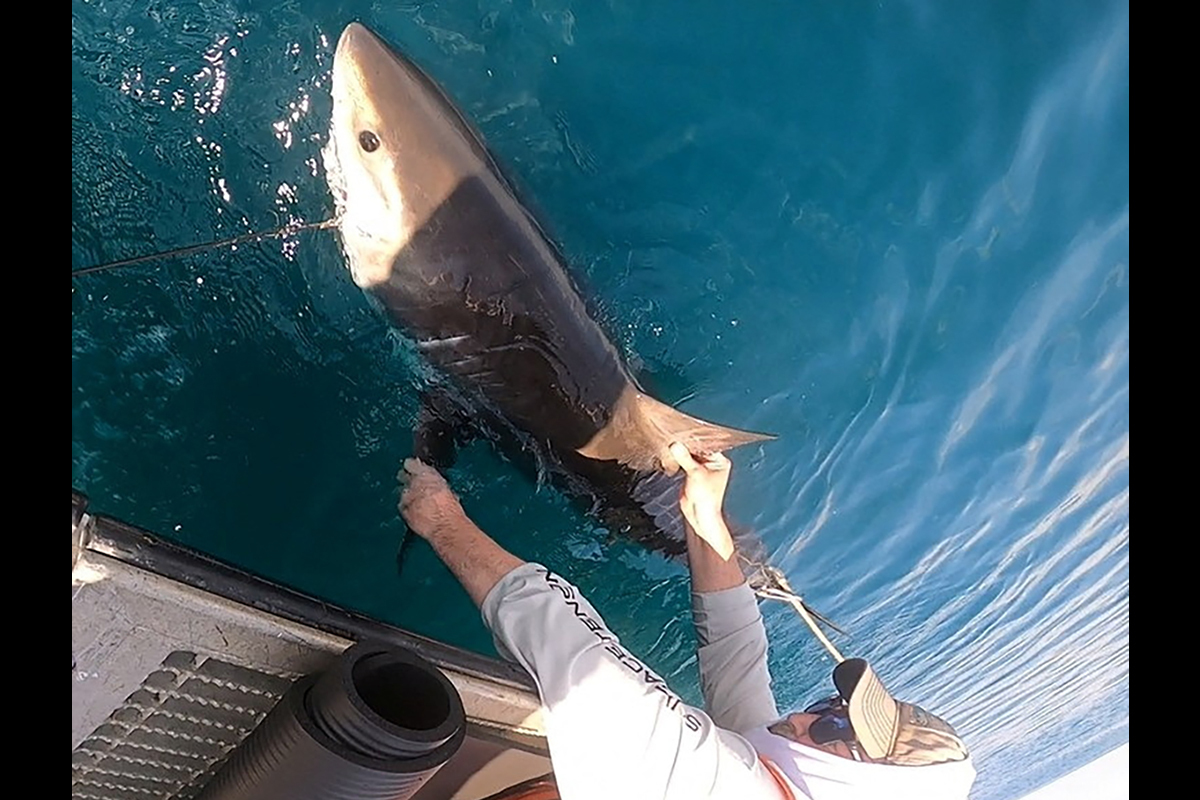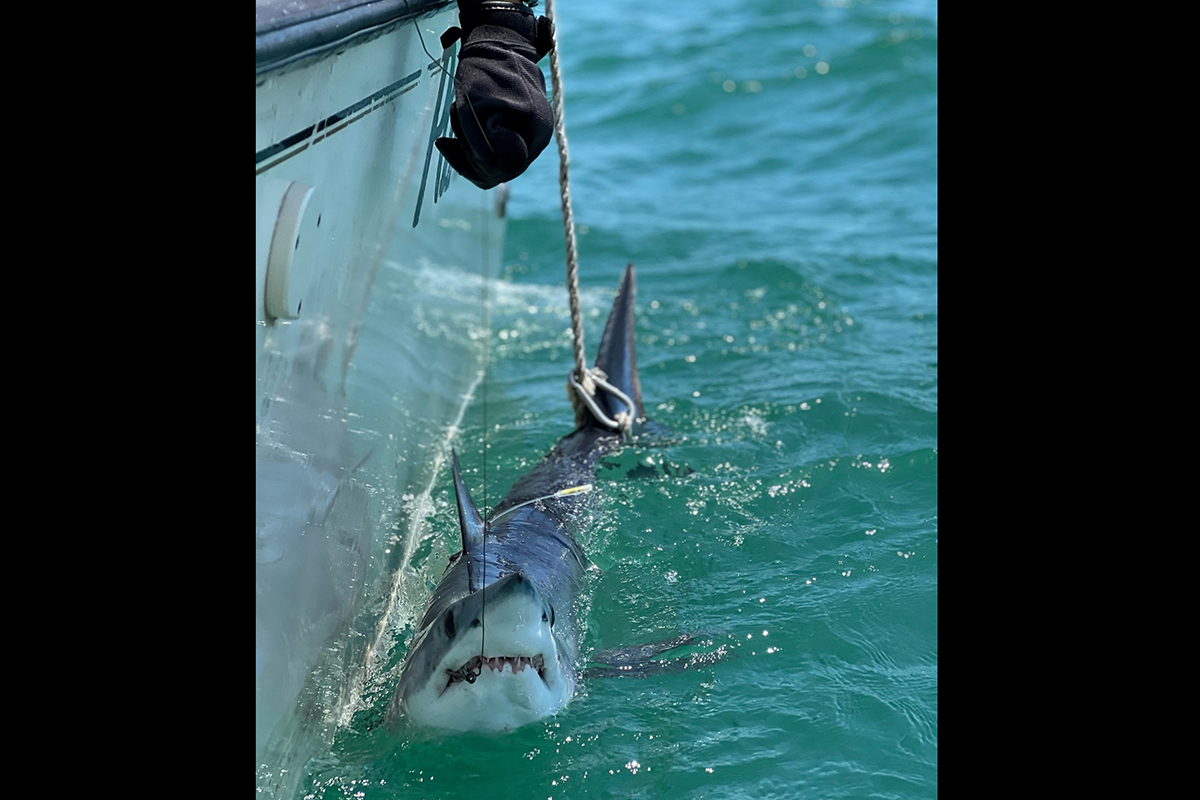
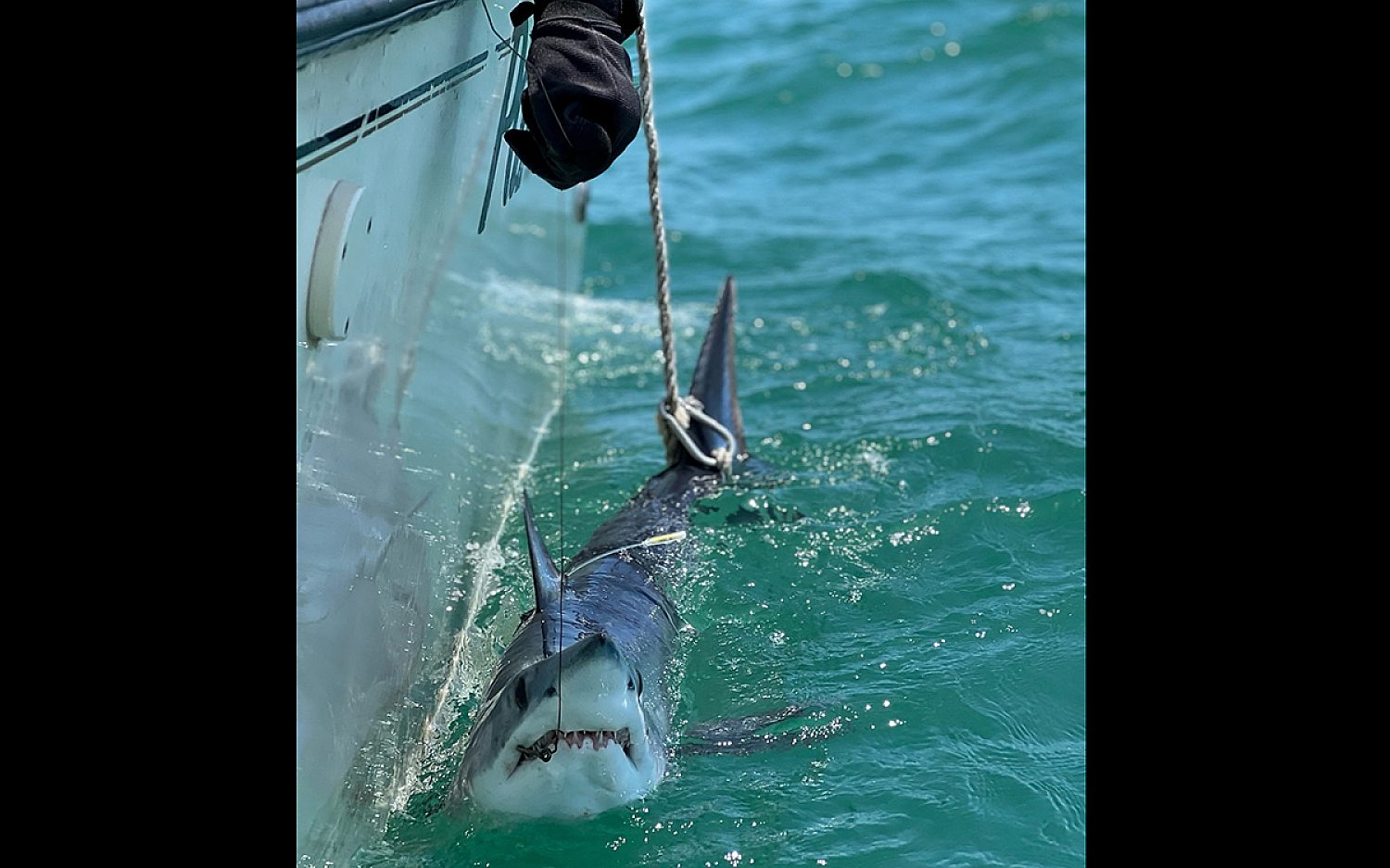

A fin cuts through the water off the U.S. Atlantic coast. But this shark is doing more than hunting for its next meal. It’s also gathering data for scientists.
University of Delaware researchers are testing whether sharks can serve as mobile ocean-data observers. They outfit the creatures with sensors. The tags measure ocean conditions. What will researchers do with that information? Here’s one example. Some of the data may help scientists understand how strong a hurricane is before it makes landfall.
The researchers look for species that surface often. Shortfin mako sharks, blue sharks, smooth hammerheads, and juvenile (young) great white sharks in the North Atlantic do this well. When the sharks come to the surface, their tags transmit information to satellites. Researchers access that information using computers.
The tagging process begins in early May. That’s when migratory sharks move closer to the coast from their winter habitats farther out in the Atlantic.
Researchers take a boat 30 to 40 miles offshore. They put out baited lines and wait, typically two to three hours. Finally, a shark takes the bait.
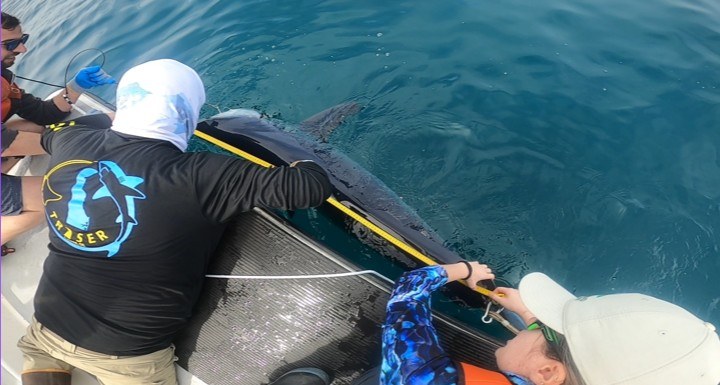
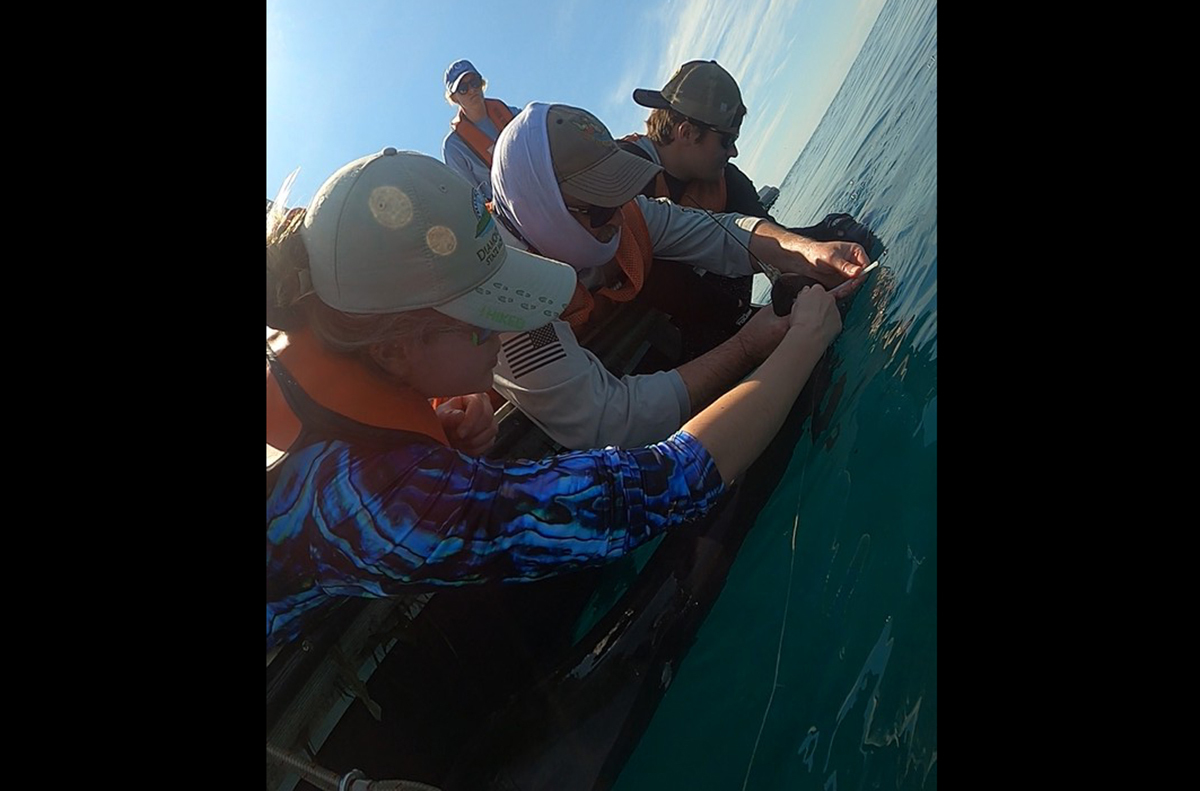
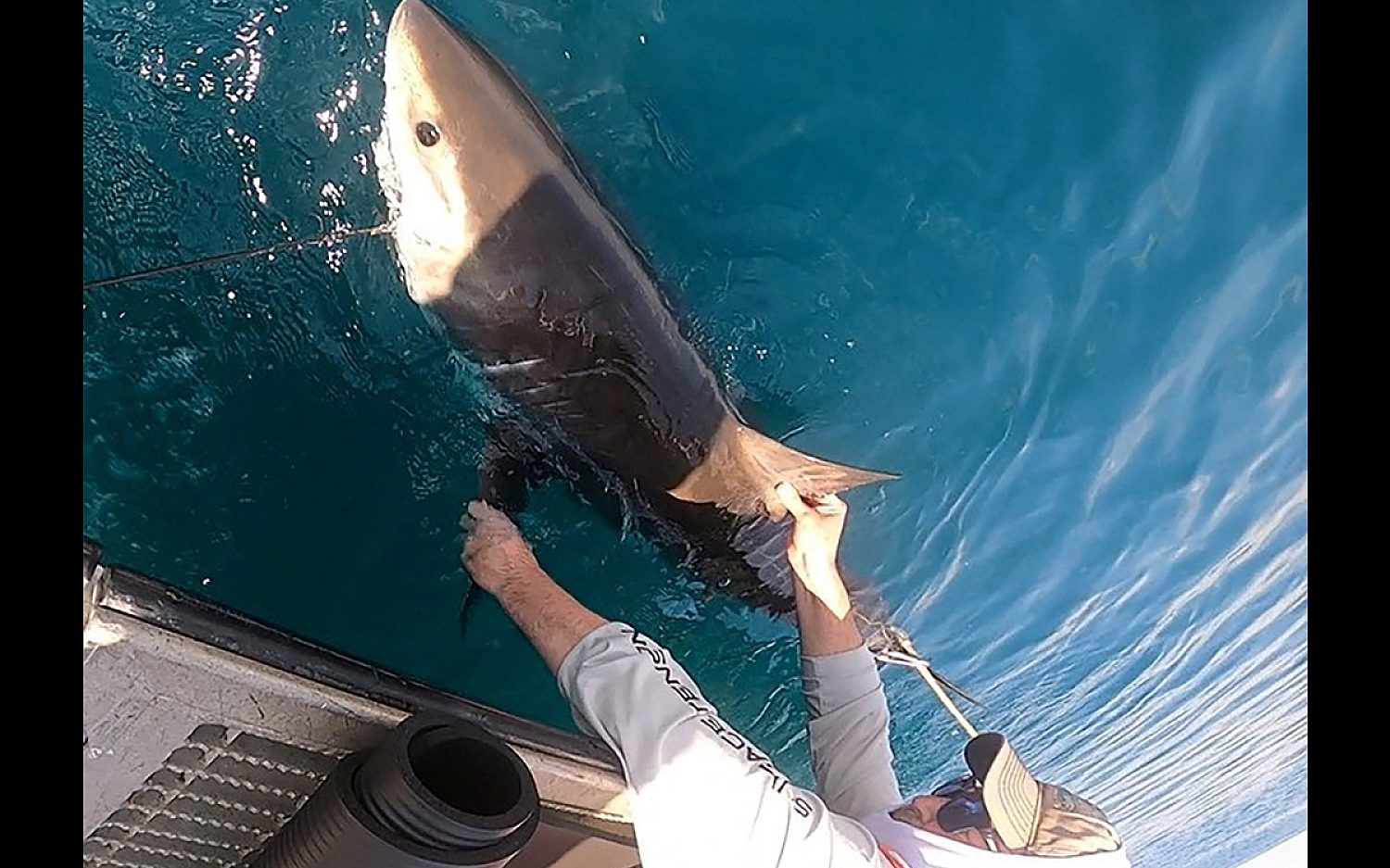
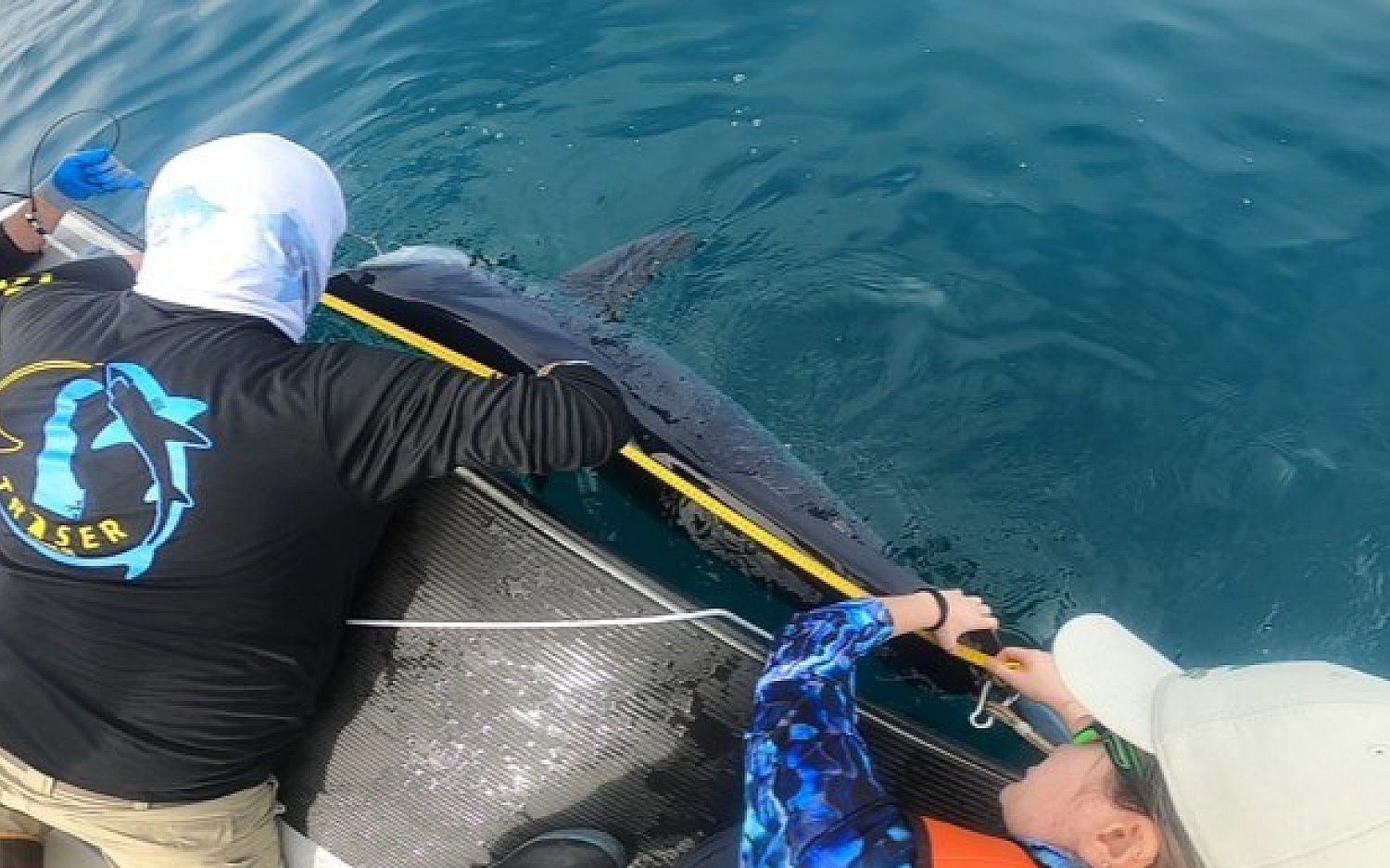
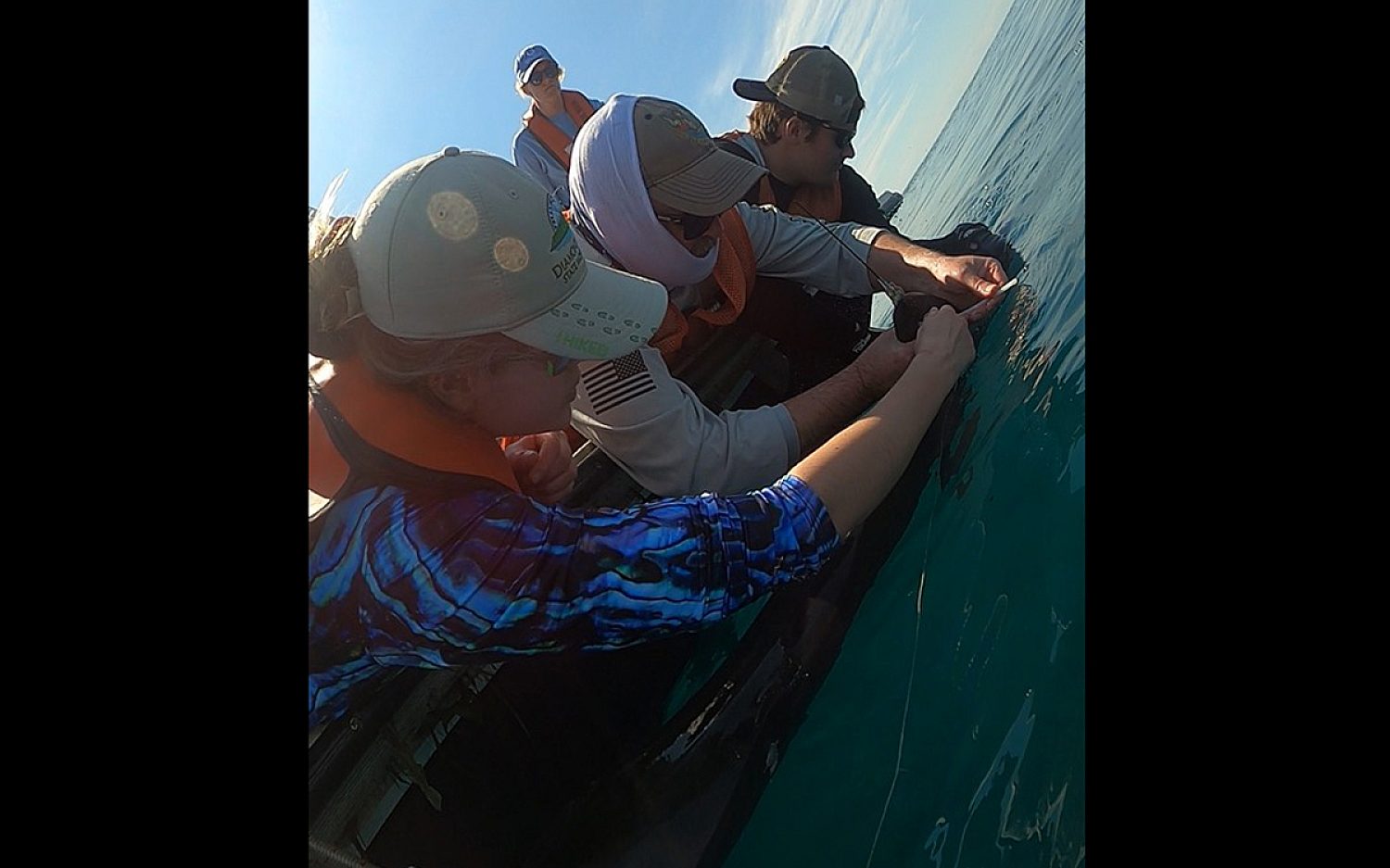
“The tags are attached to the dorsal fin. Then every time the shark fins [come to] the surface, the tag can communicate and transmit data to the orbiting network of satellite receivers,” says Aaron Carlisle. He is the lead researcher.
The team works together to put a tag on a shark. That task usually takes less than five minutes. The researchers follow animal care guidelines to avoid harming the creatures. They do a health check on each shark. And the tags are made to fall off eventually.
Praise the Lord from the Earth, you great sea creatures and all deeps. — Psalm 148:7
Why? Researchers use parts of God’s world—like sharks and ocean temperatures—to learn more about this planet He gave us to live on.