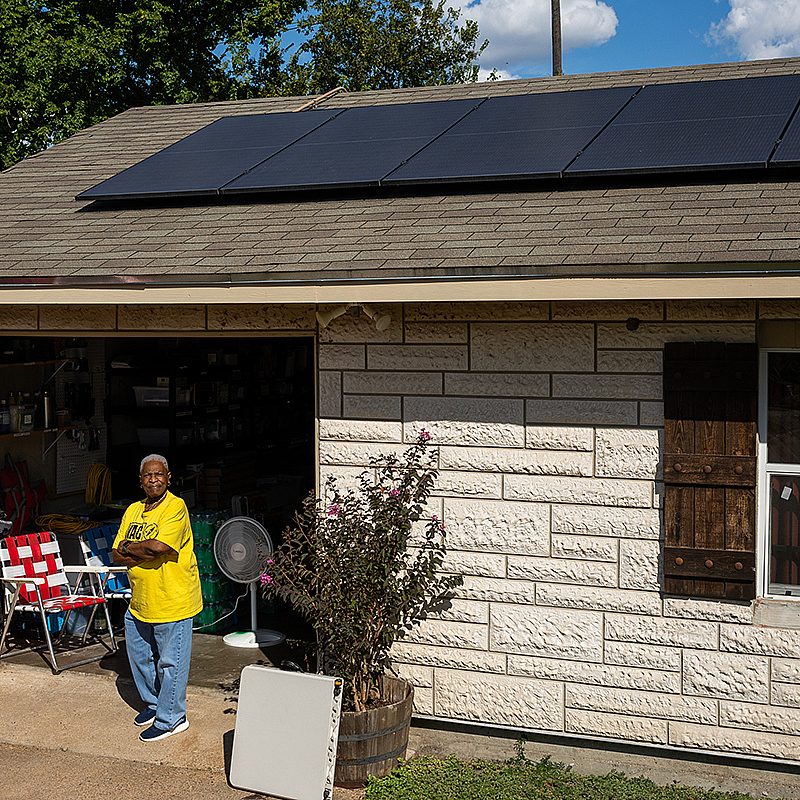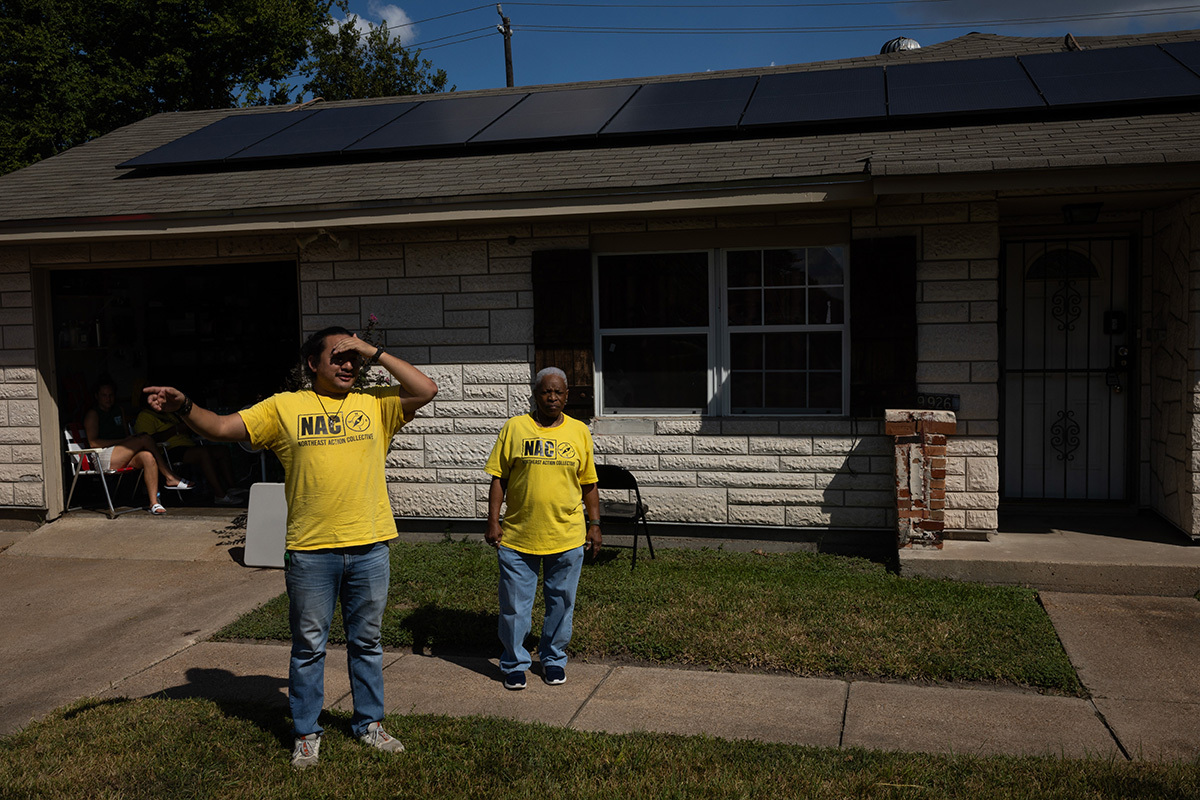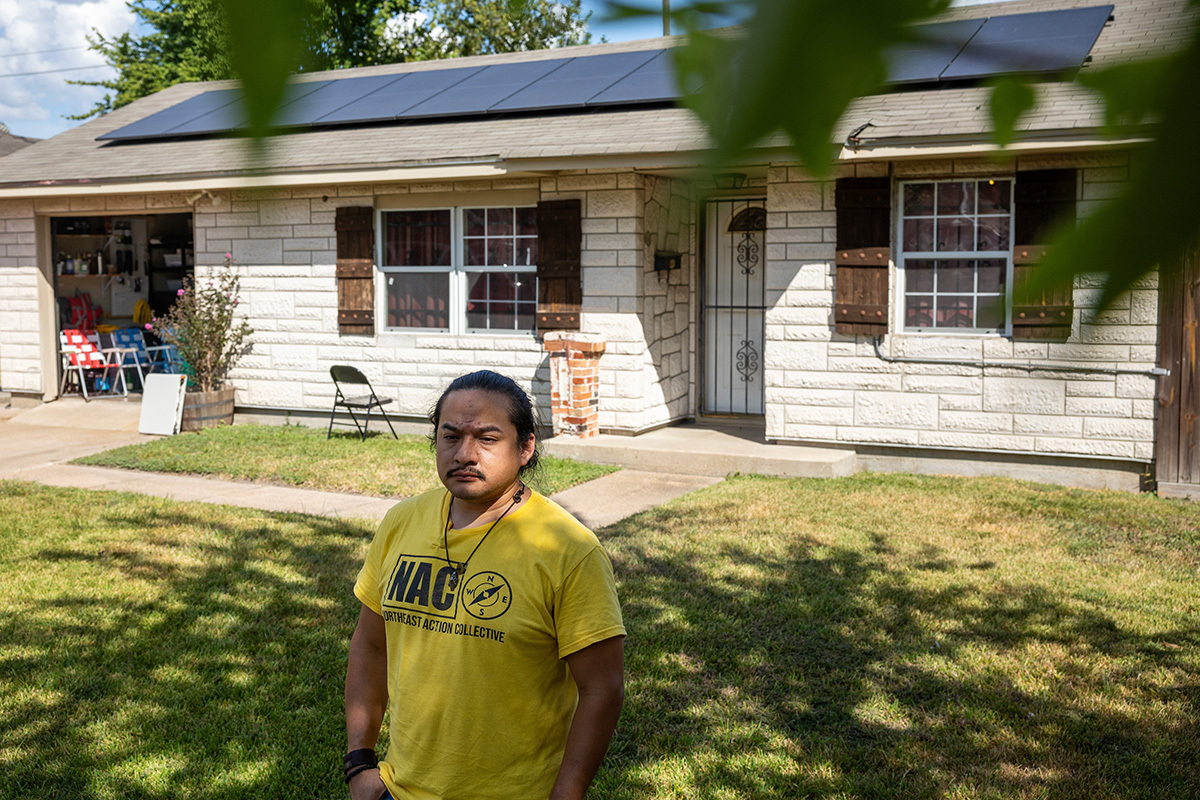
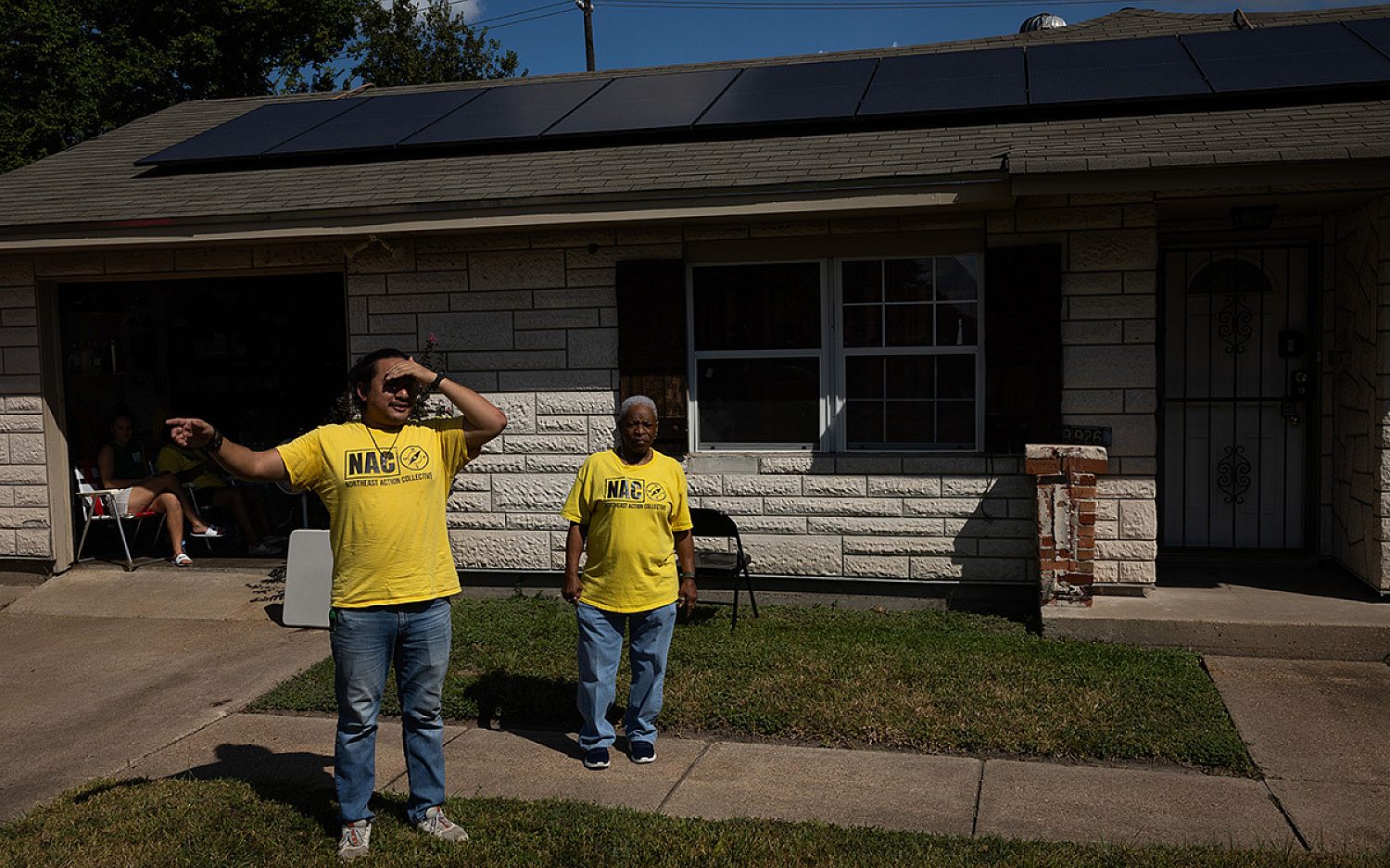
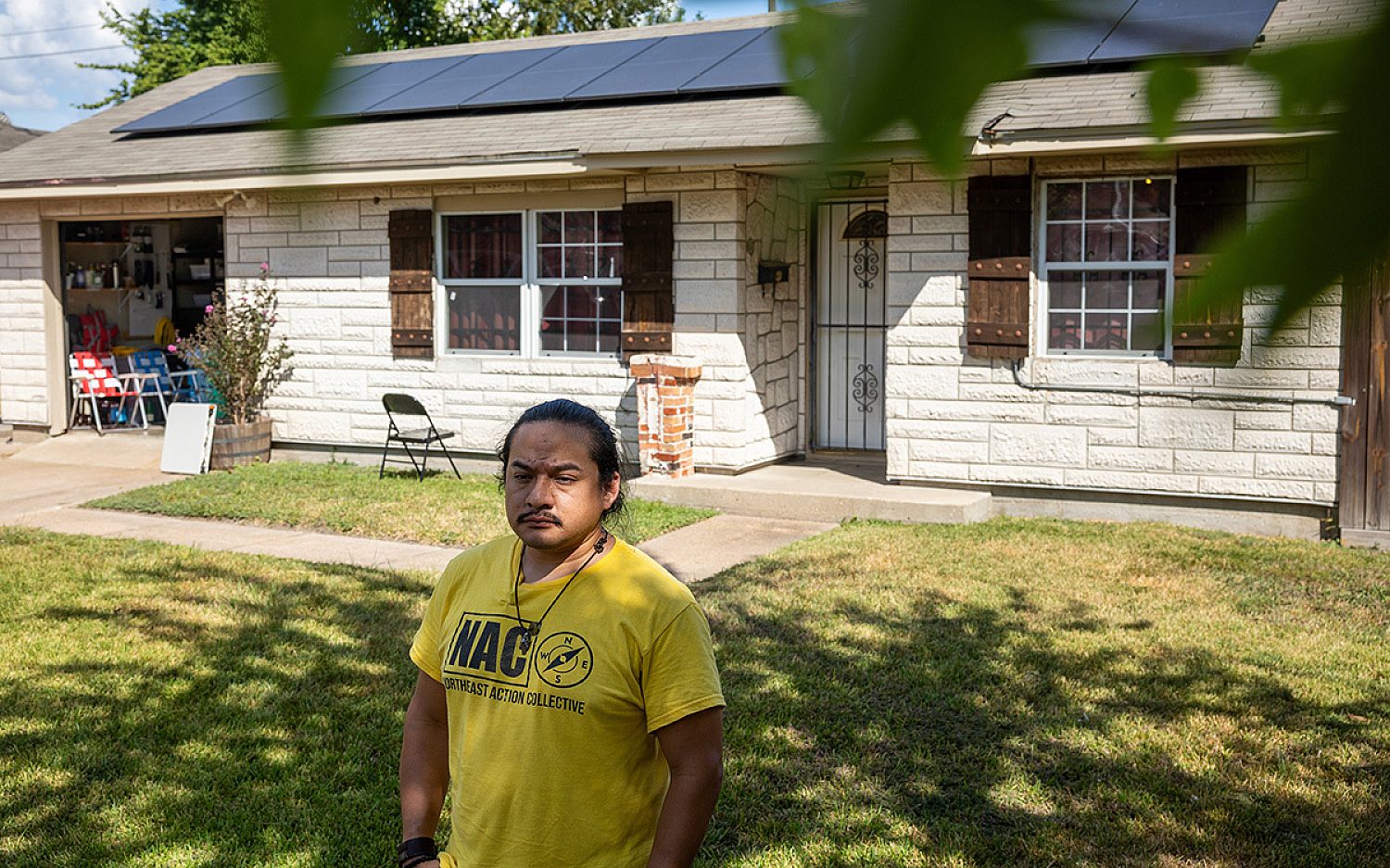
In Doris Brown’s neck of the woods in Texas, people planned to make 30 more solar hubs like Ms. Brown’s house.
Those plans got canceled.
The Environmental Protection Agency (EPA) is part of the United States government. Its workers have a big job—to protect human health and the environment. In August, the EPA canceled the Solar for All program. That program would have paid for more solar hub houses. (But it also cost a lot—seven billion dollars.)
People disagree about whether the EPA did the right thing.
Solar homes are unconventional. But people who have tried them say they work—for now.
“It was a way to increase resilience in those neighborhoods that are often forgotten,” says Sam Silerio. He is the Texas program director at Solar United Neighbors, another organization involved with the solar hubs.
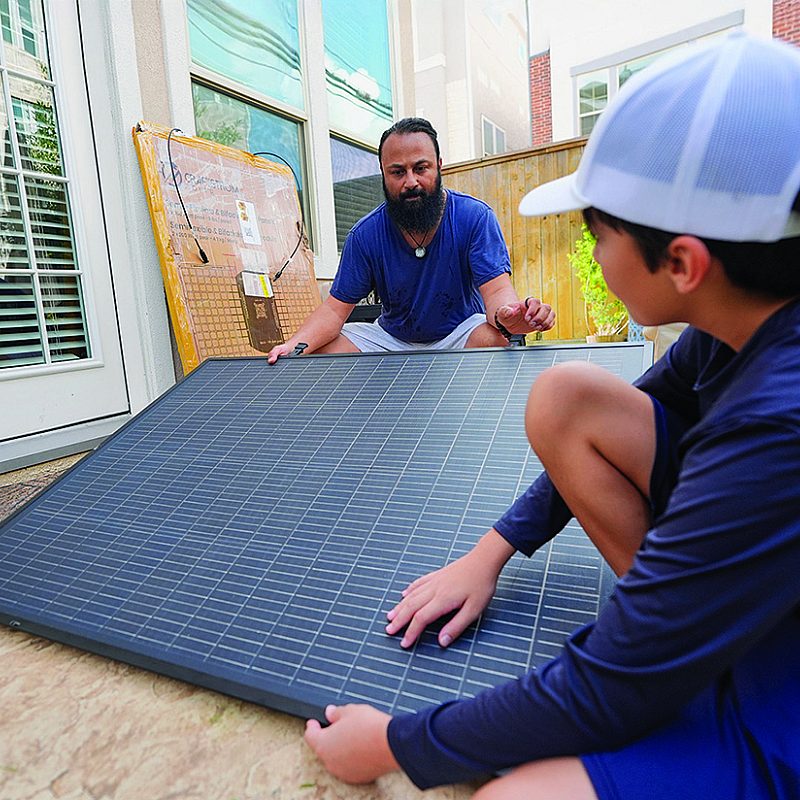
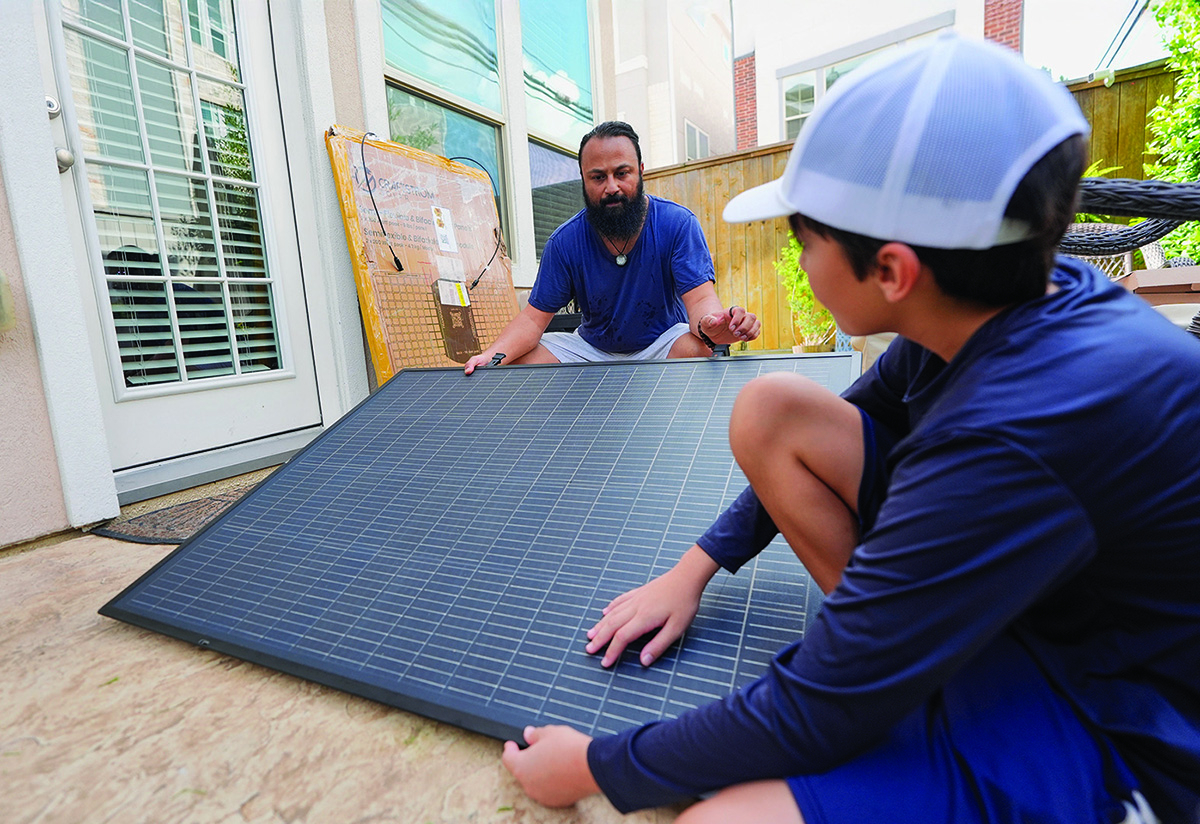
Making solar hubs wasn’t easy. Some roofs had to be repaired before they could hold solar panels. Hub captains had to learn how to use their solar batteries without letting the energy run out. And, of course, neighbors had to get to know each other.
“You have to build that trust,” says David Espinoza. He is a hub home captain too. The 34-year-old went door-to-door on his block. He introduced himself to his neighbors. “I got to know my neighborhood a lot better,” he says.
Two are better than one, because they have a good reward for their toil. — Ecclesiastes 4:9
Solar Pros and Cons:
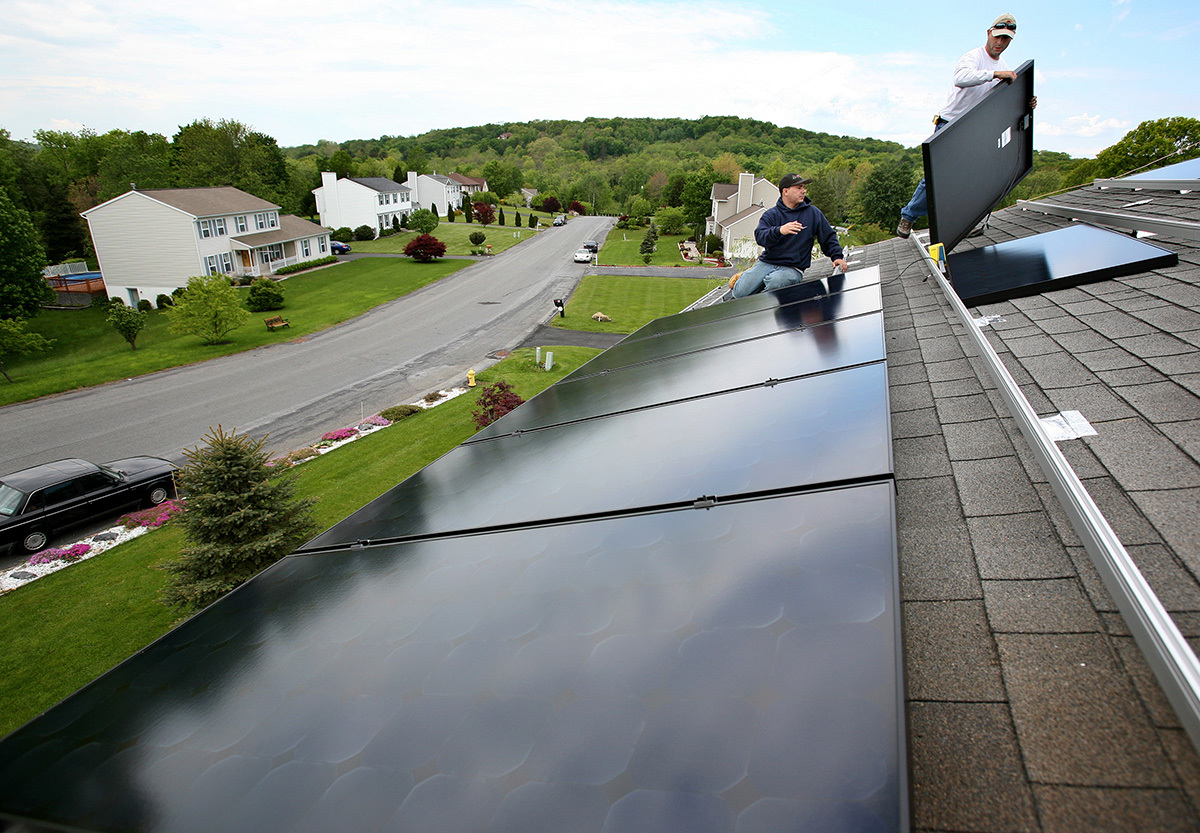
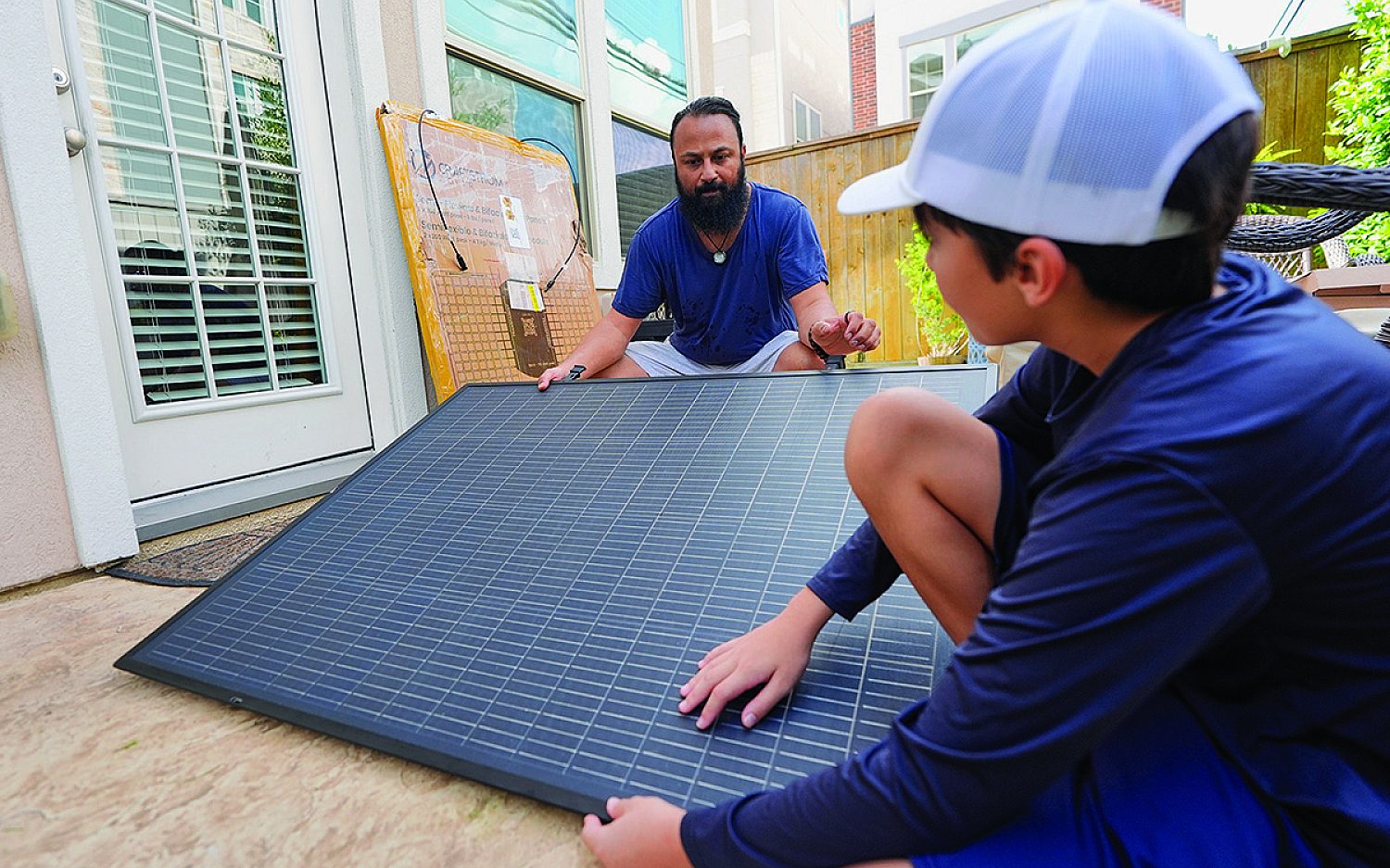
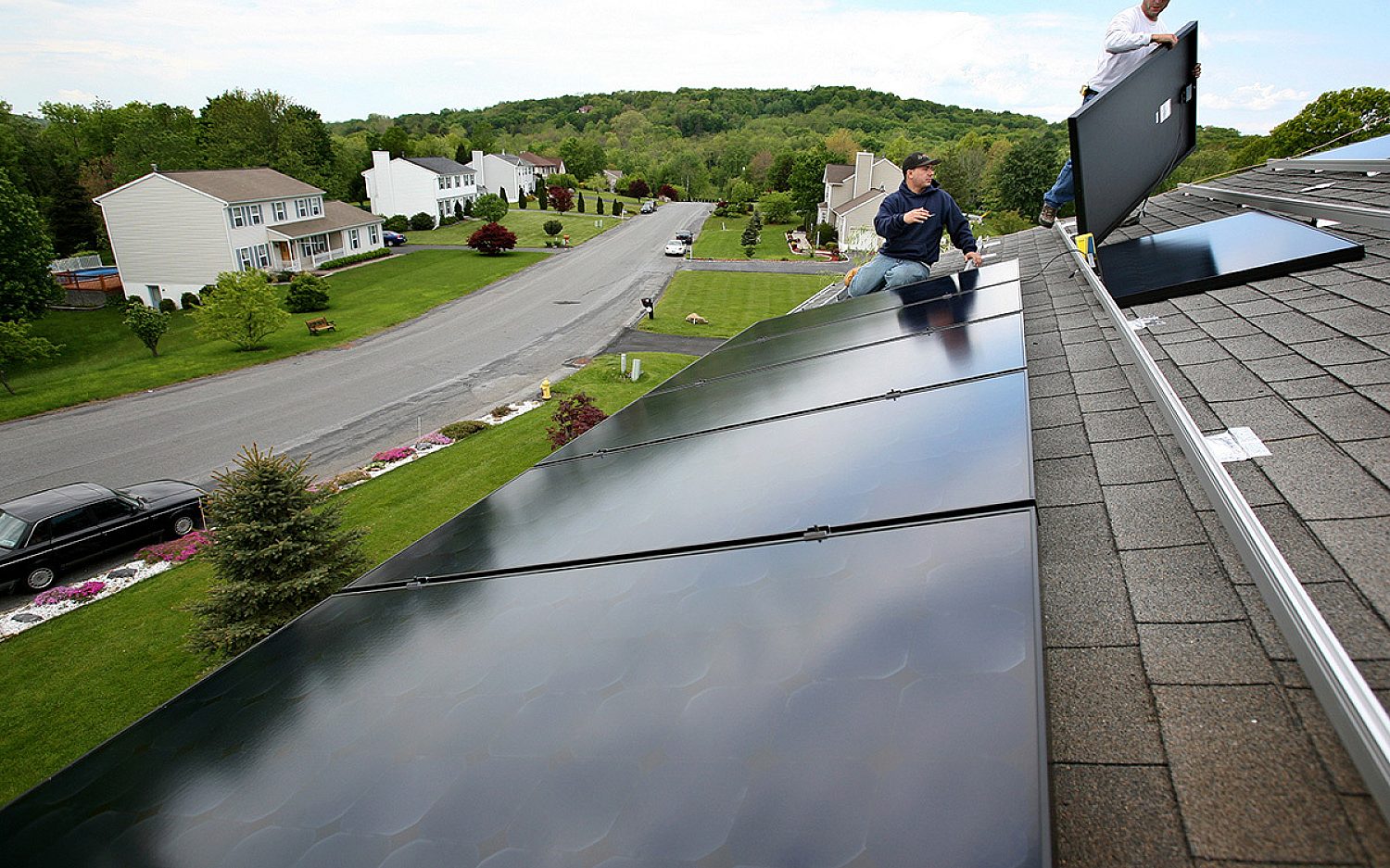
Slap a solar panel onto your roof. Get free energy from the Sun. It sounds like a no-brainer!
But in reality, the choice between solar and other power sources does require a brain . . . and some facts.
Cons:
Solar energy is less available during stormy weather and at night.
Solar panels may cost a lot to install.
It can be expensive to store solar energy in batteries.
Solar panels don’t last forever. Disposing of old panels is a challenge.=
Pros:
Solar panels may save money on electricity after all the start-up costs.
Solar panels use a renewable resource. We never run out of Sun!
Solar panels can increase the value of a house.