
Doris Brown is almost asleep when—KNOCK, KNOCK!
A neighbor waits at her door, telling Ms. Brown to look outside.
“There were no lights,” says Ms. Brown.
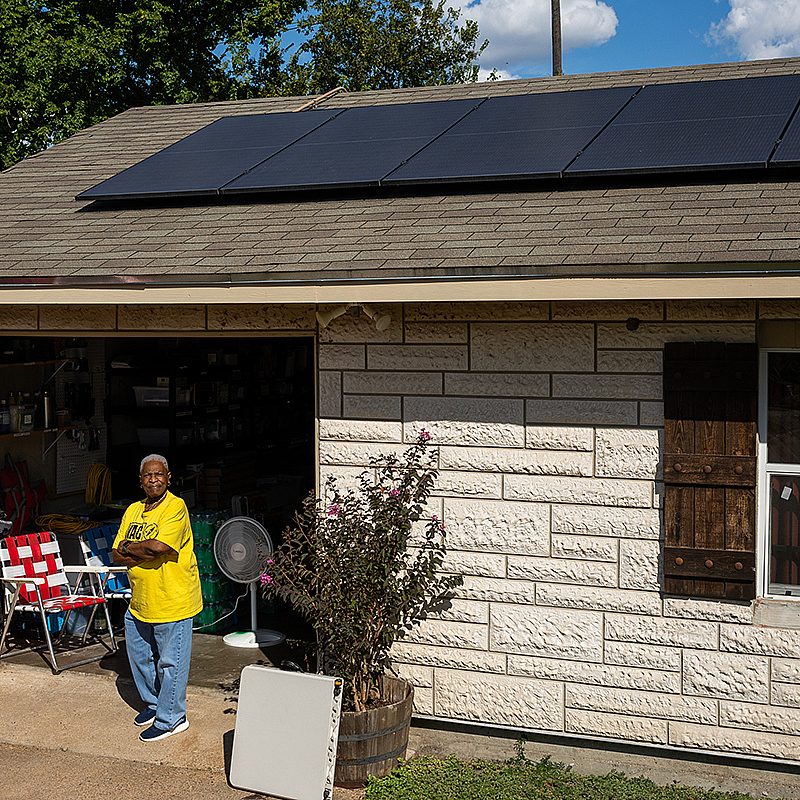
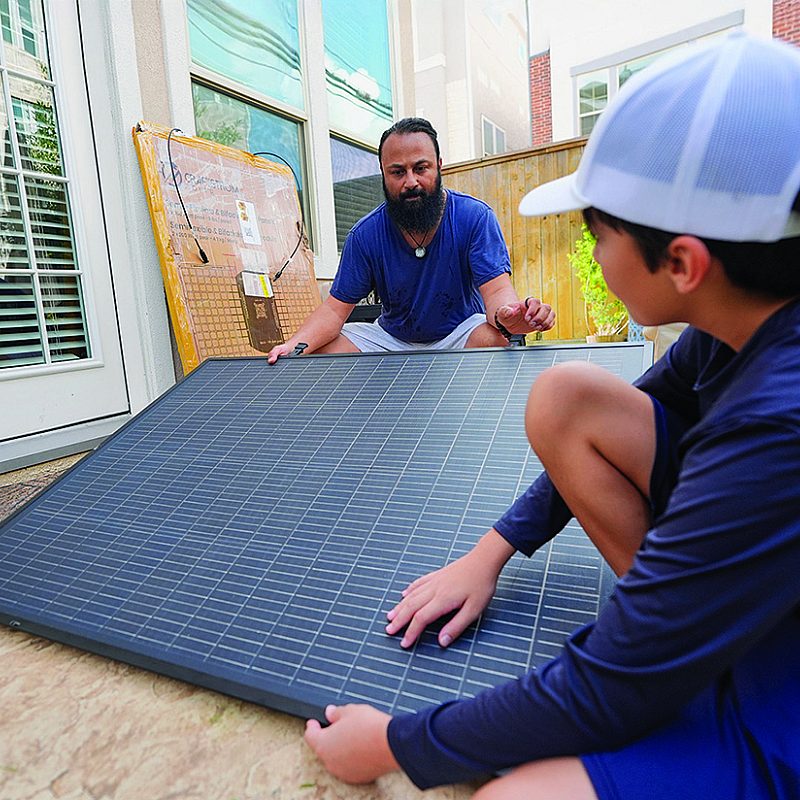
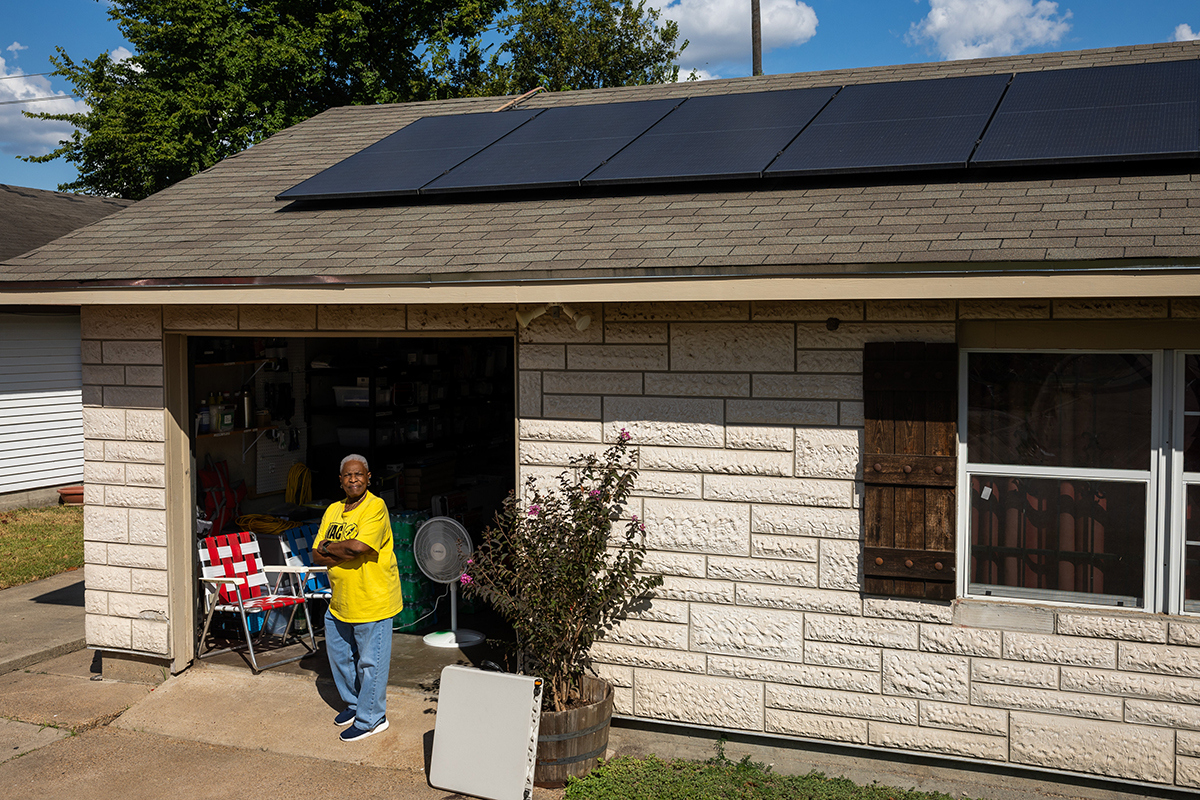
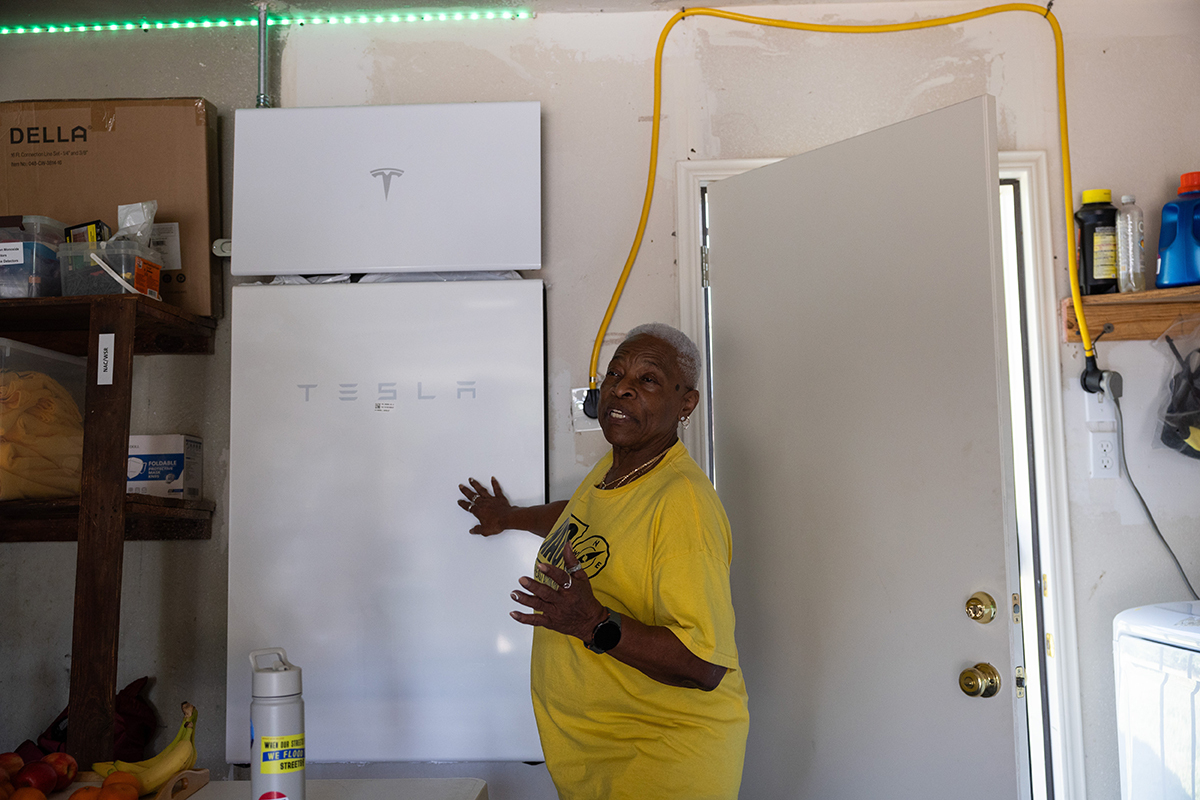
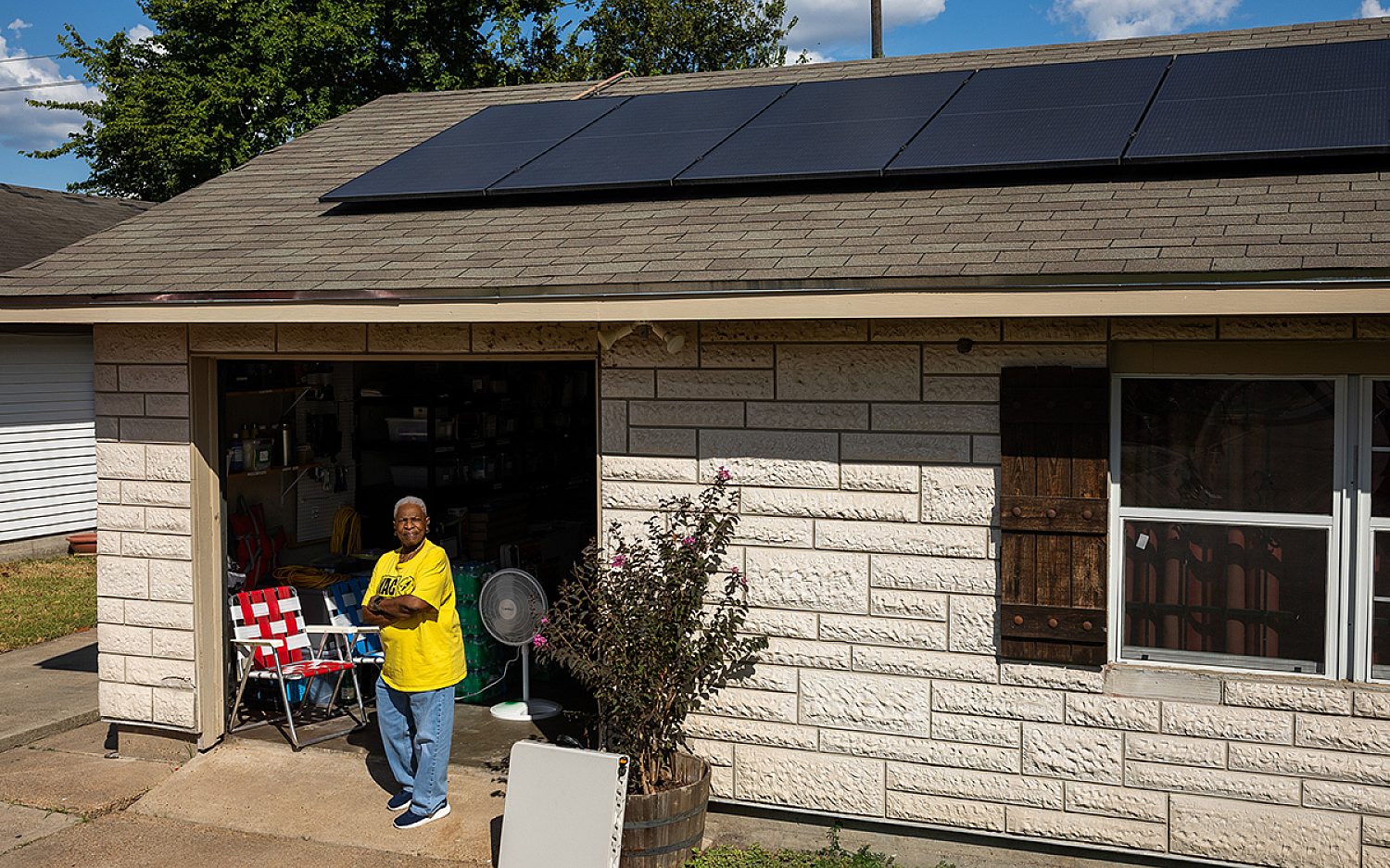
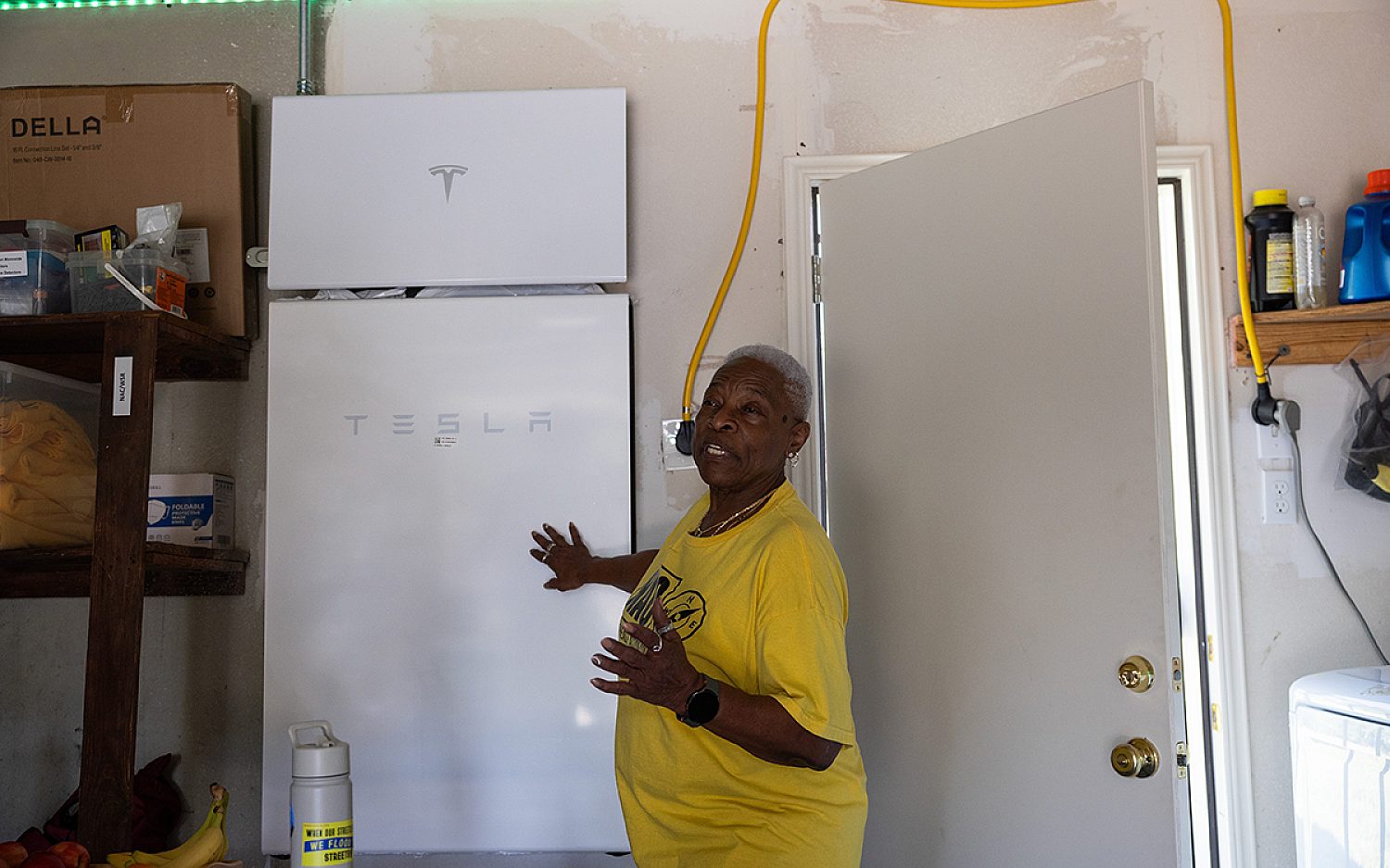
Why hadn’t Ms. Brown noticed the power outage? Because her house runs on solar panels and batteries. Her lights stay on even when city power flickers out.
No worries. She’s been getting ready for a night like this. “Call everybody,” she tells her neighbor.
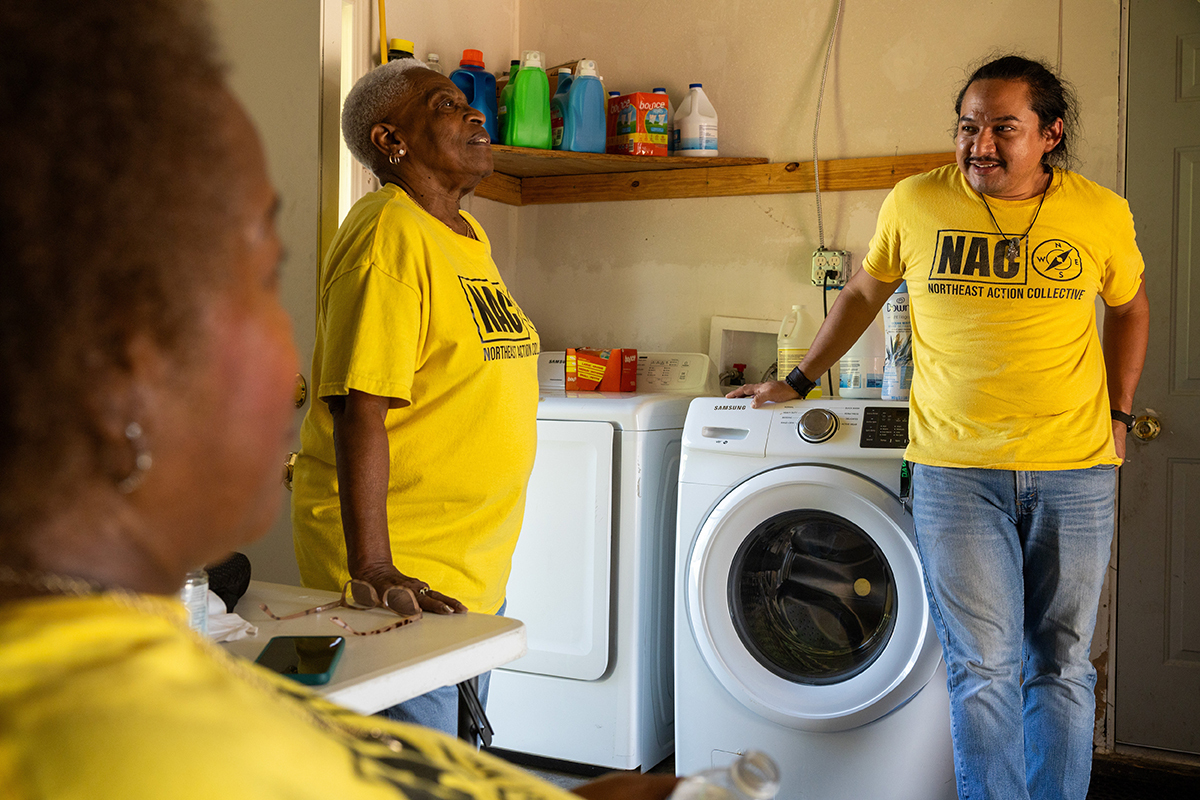
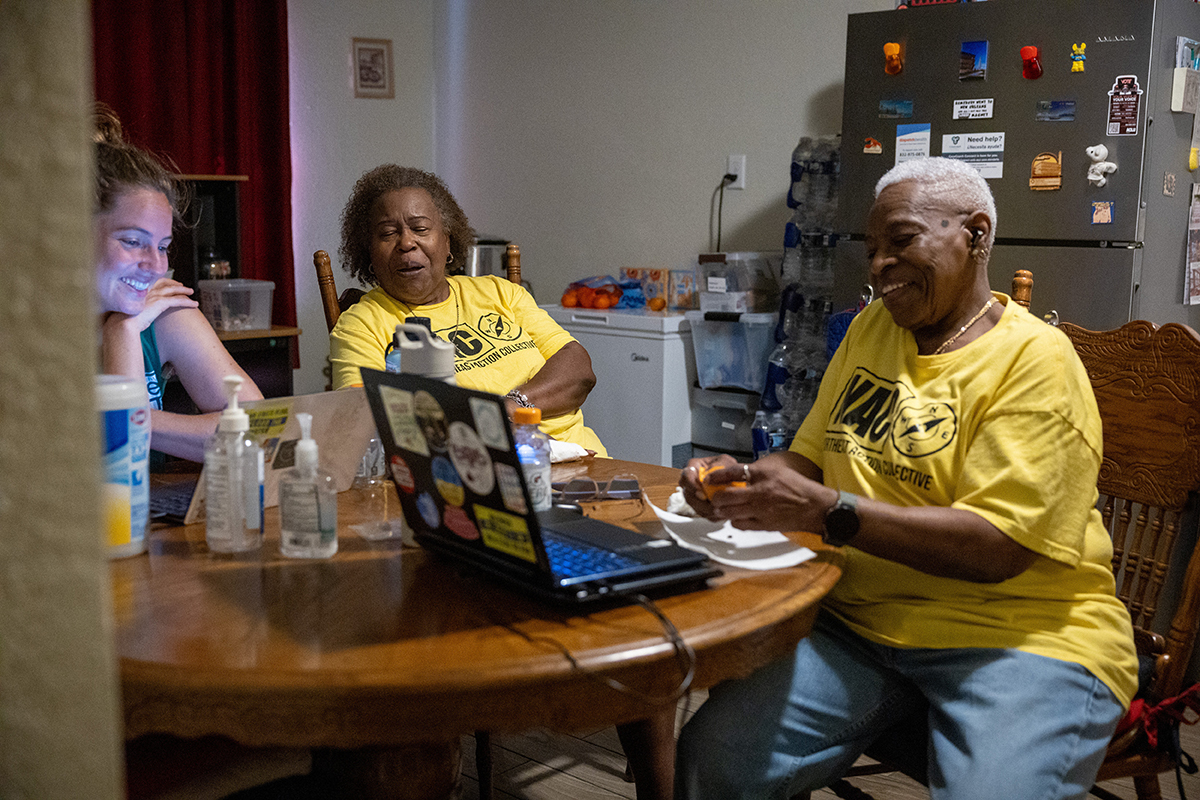
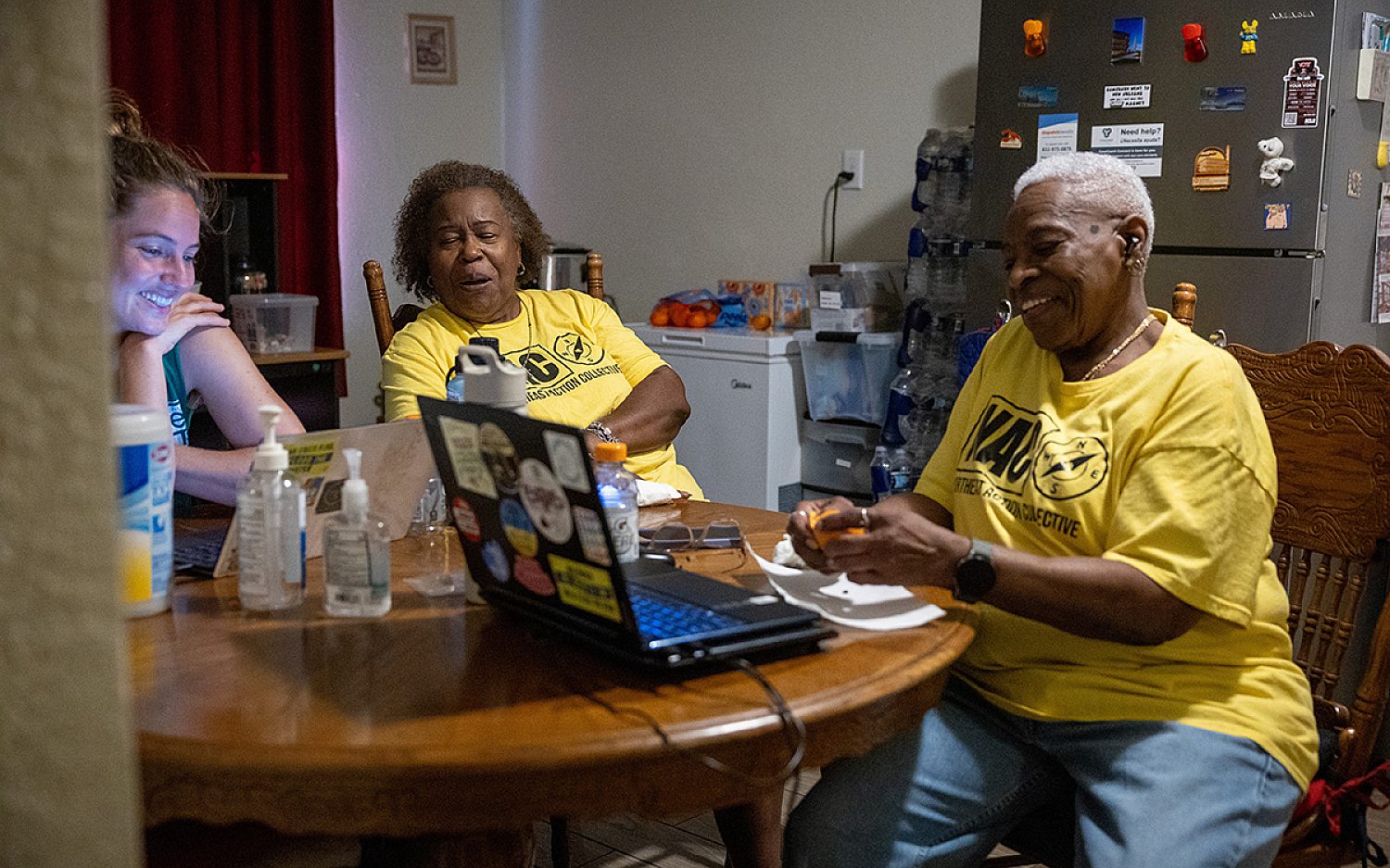
Soon, around 15 “neighbors and neighbors’ neighbors” are inside Ms. Brown’s house. Some charge phones. Others cook and shower before work and school. Some spend the night.
“There were people sleeping everywhere,” says Ms. Brown, who is 75. She is happy to be “a port in a storm.” There is one downside though, she says: “They ate all my snacks.”
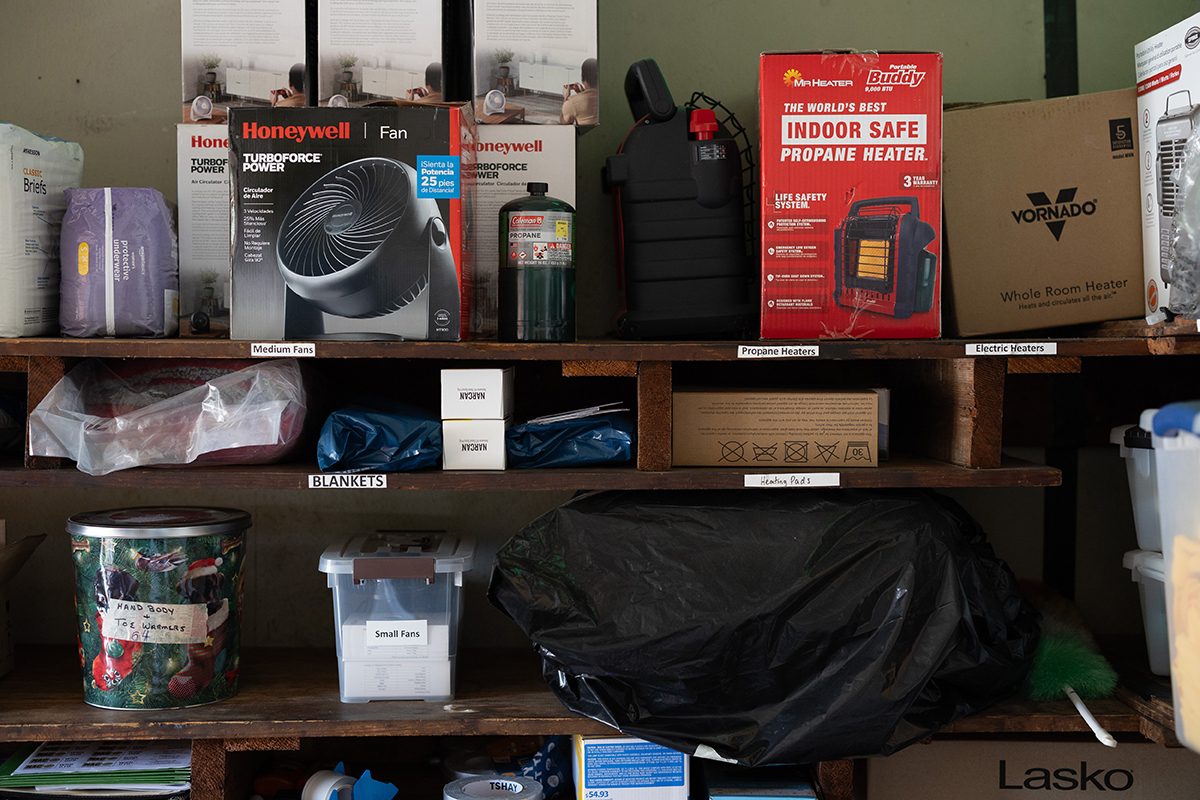
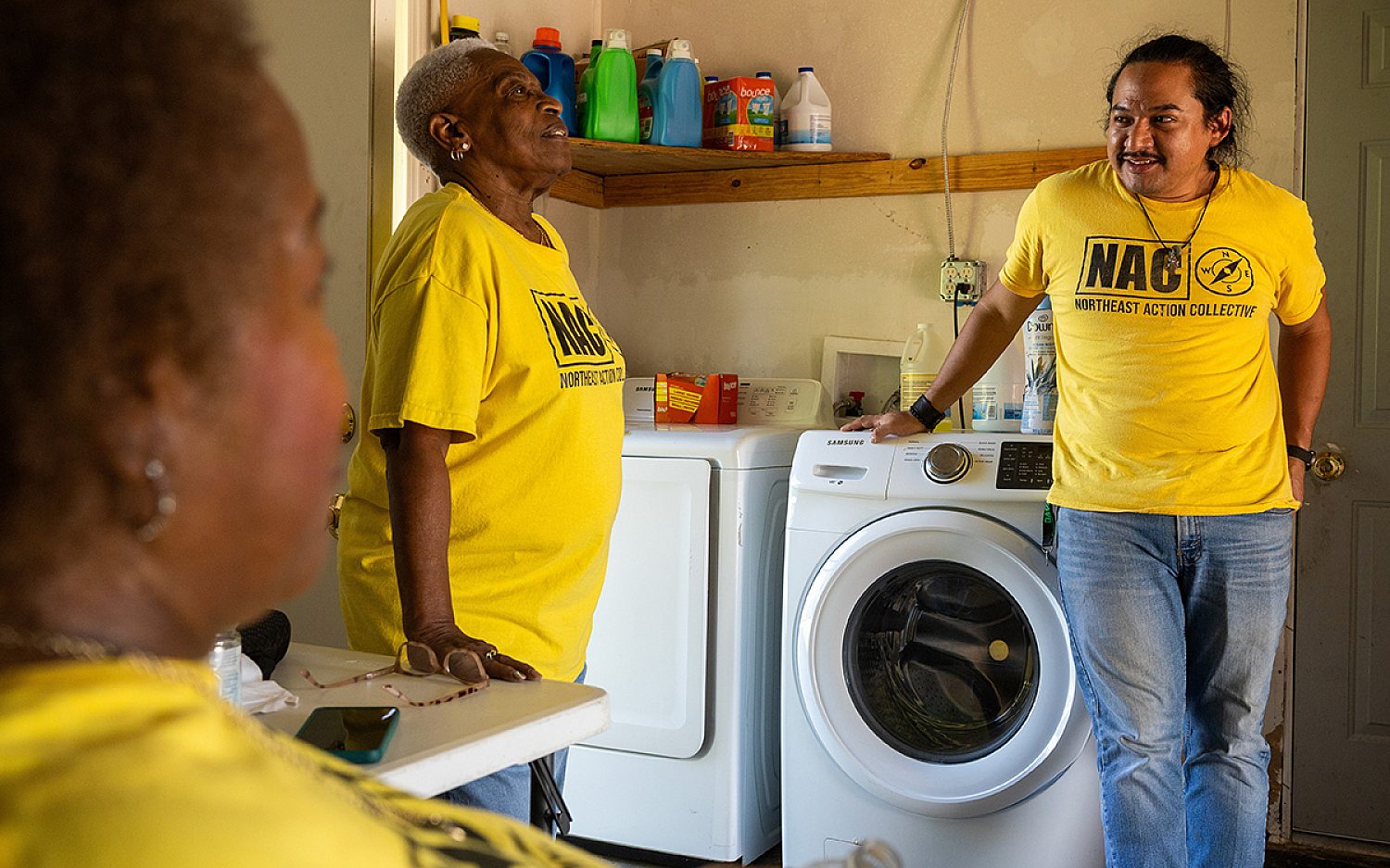
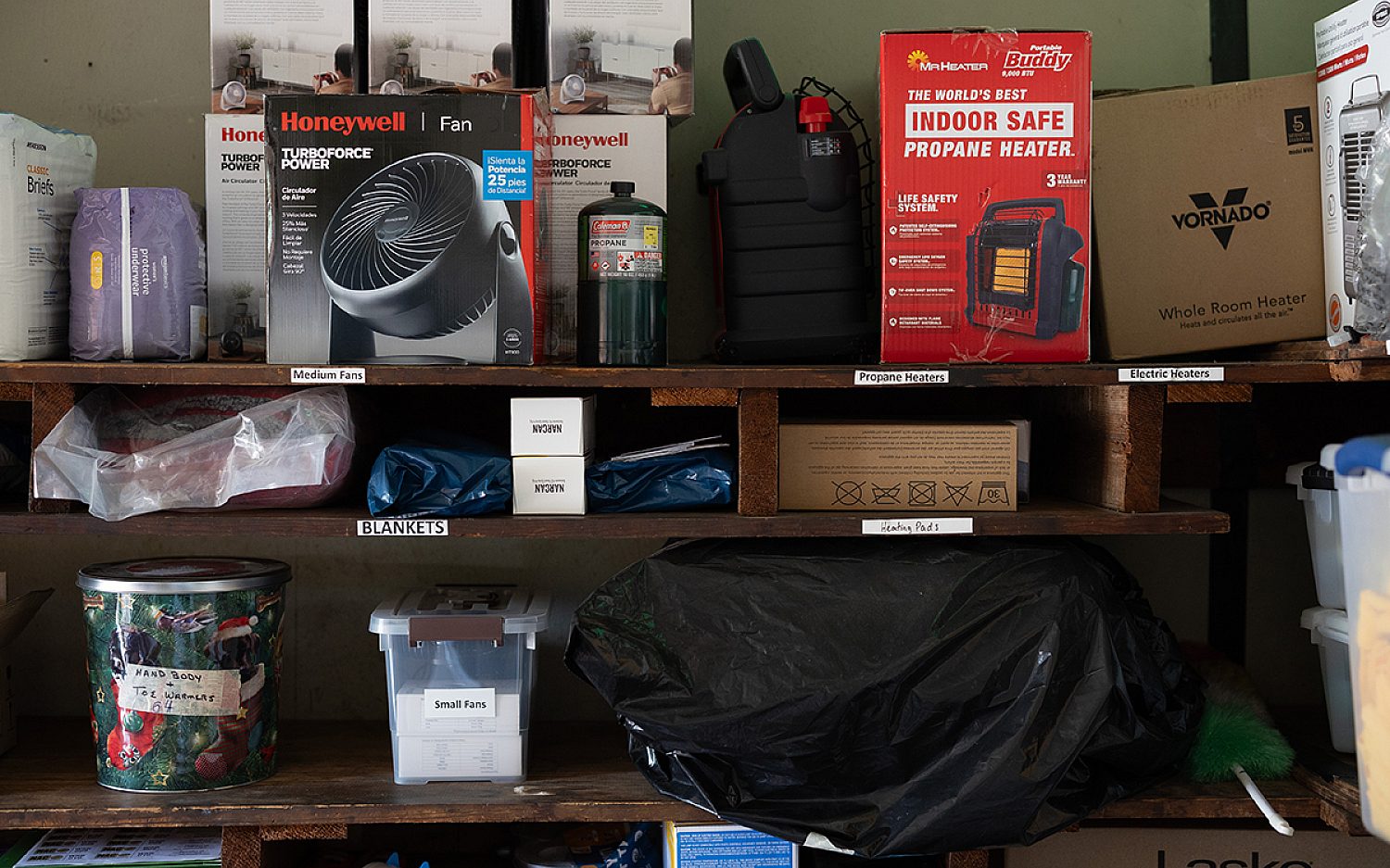
God wants us to show hospitality to neighbors in need. That can be done in many ways. Ms. Brown makes hospitable use of her solar power. Ms. Brown’s house is a “hub home.” It’s one of seven in a new program meant to create emergency safe spots. These safe spots are not at shelters or community centers. They are inside neighbors’ houses.
The hub homes idea started after Winter Storm Uri in 2021. That year, freezing weather hit Texas. People lost power for five days. More than 200 people died—often because of lost power. Some sick people couldn’t refrigerate the medicine they needed. Others could not use life-saving electrical medical devices.
City leaders quickly realized they were not ready for large power outages.
Ms. Brown almost froze to death herself during Winter Storm Uri. Now she helps. She makes her house a hub, sharing warmth and light with neighbors.
Why? God wants us to show hospitality to others. Sometimes non-traditional resources can help.