None of these tiger species is quite like the others. Can you tell them apart?
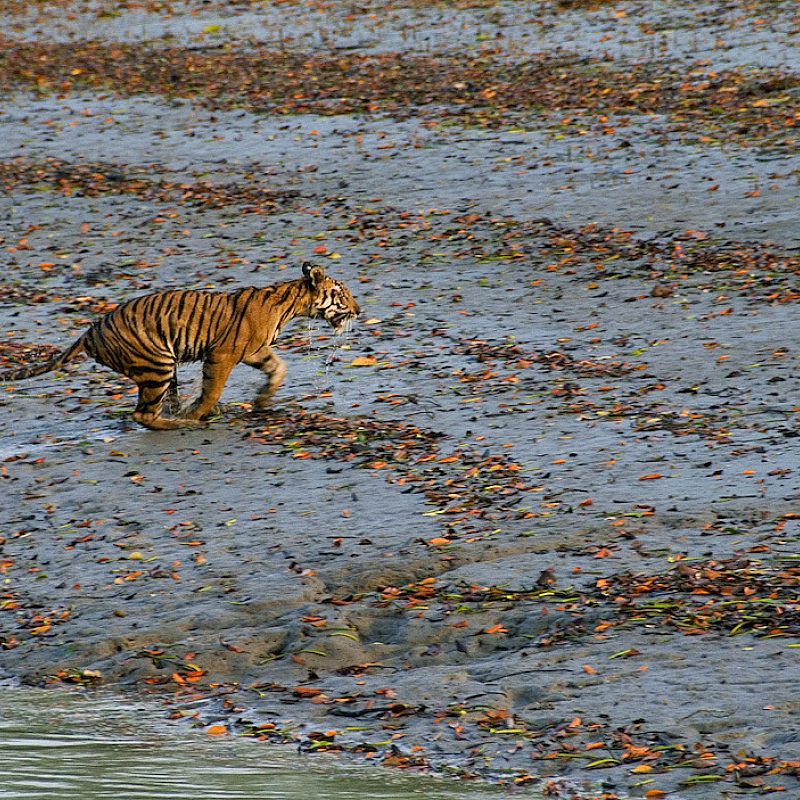
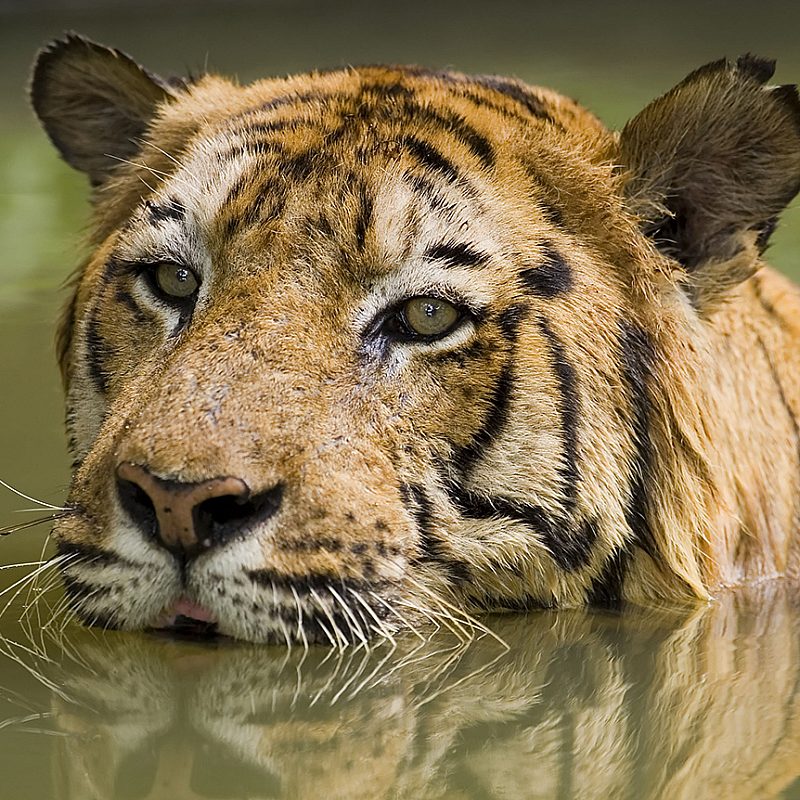
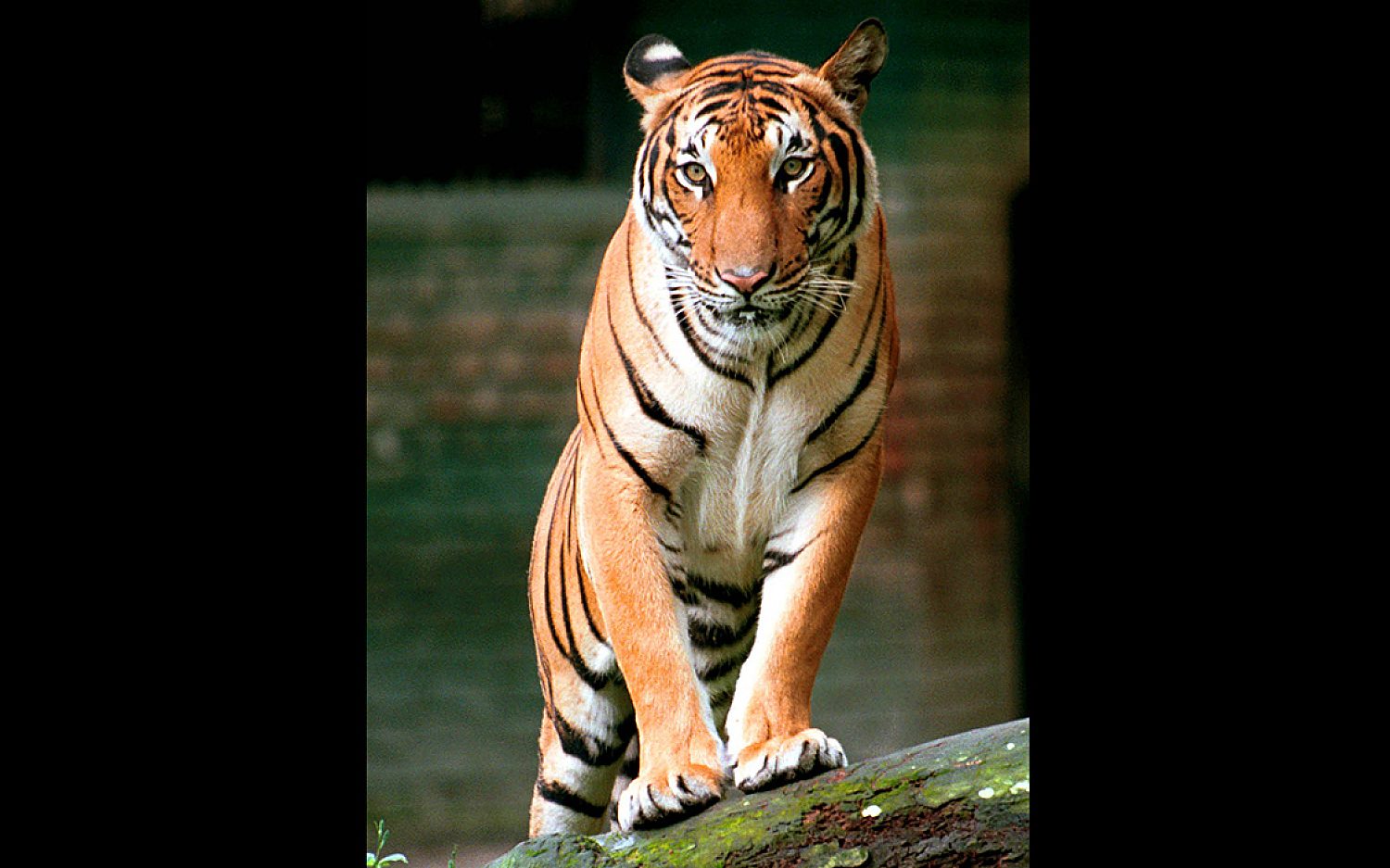
You’ll find wild Sumatran tigers exactly one place on Earth: the island of Sumatra in Indonesia. Identify them by their extra-skinny stripes, which give them good camouflage in the forest. Fun fact: These big kitties are excellent swimmers. They even have webbed toes!
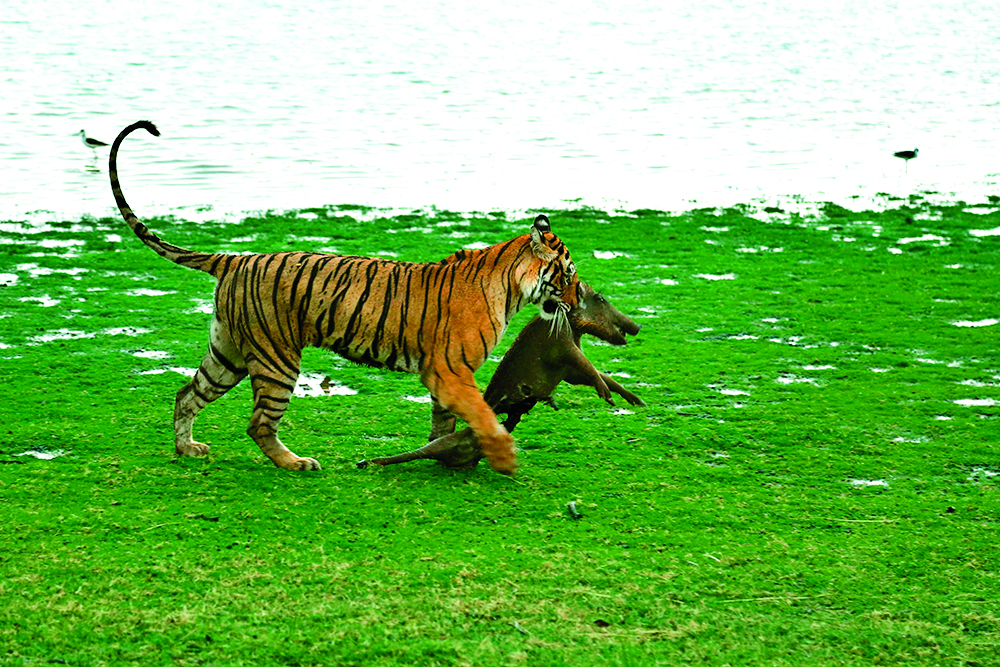
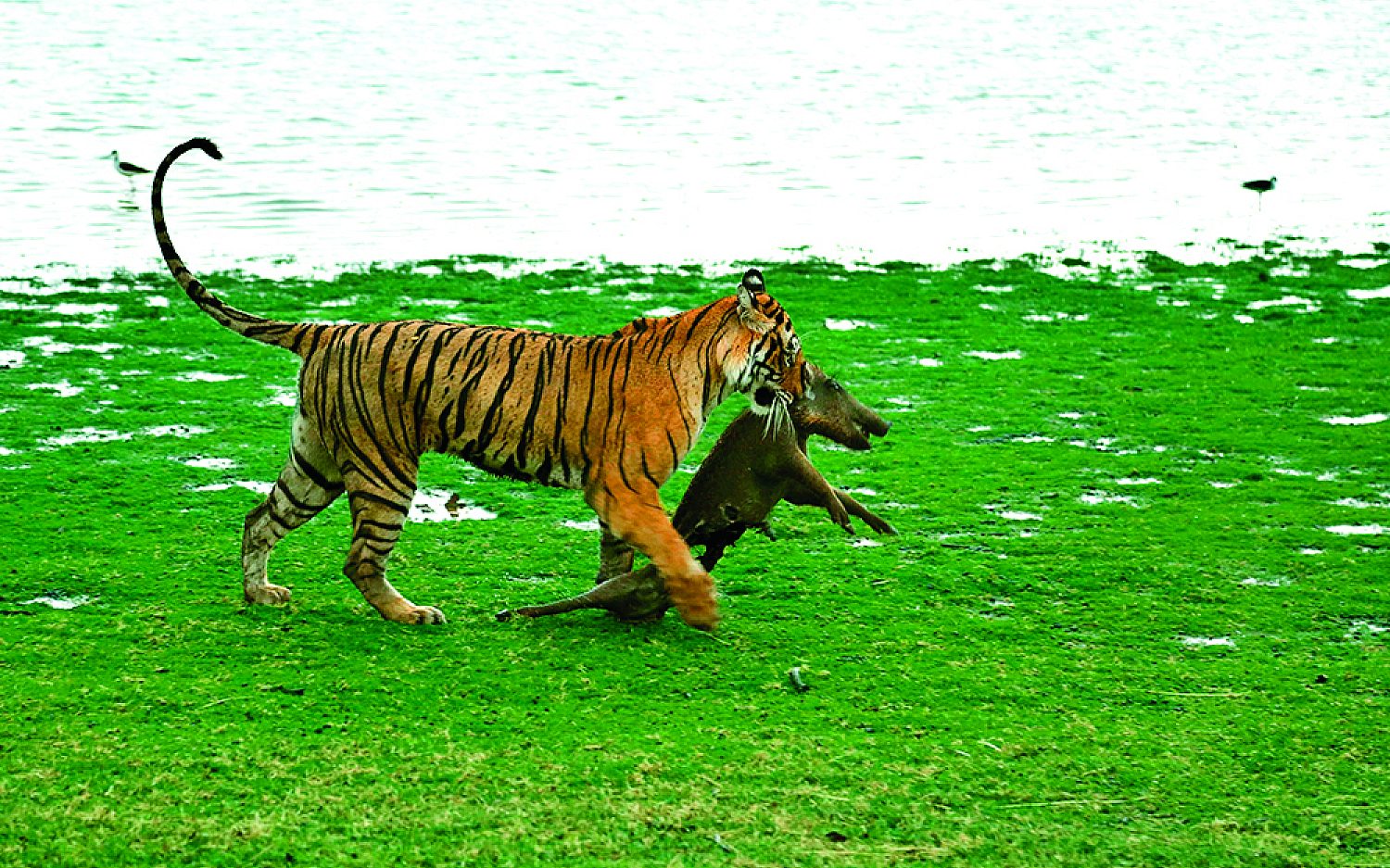
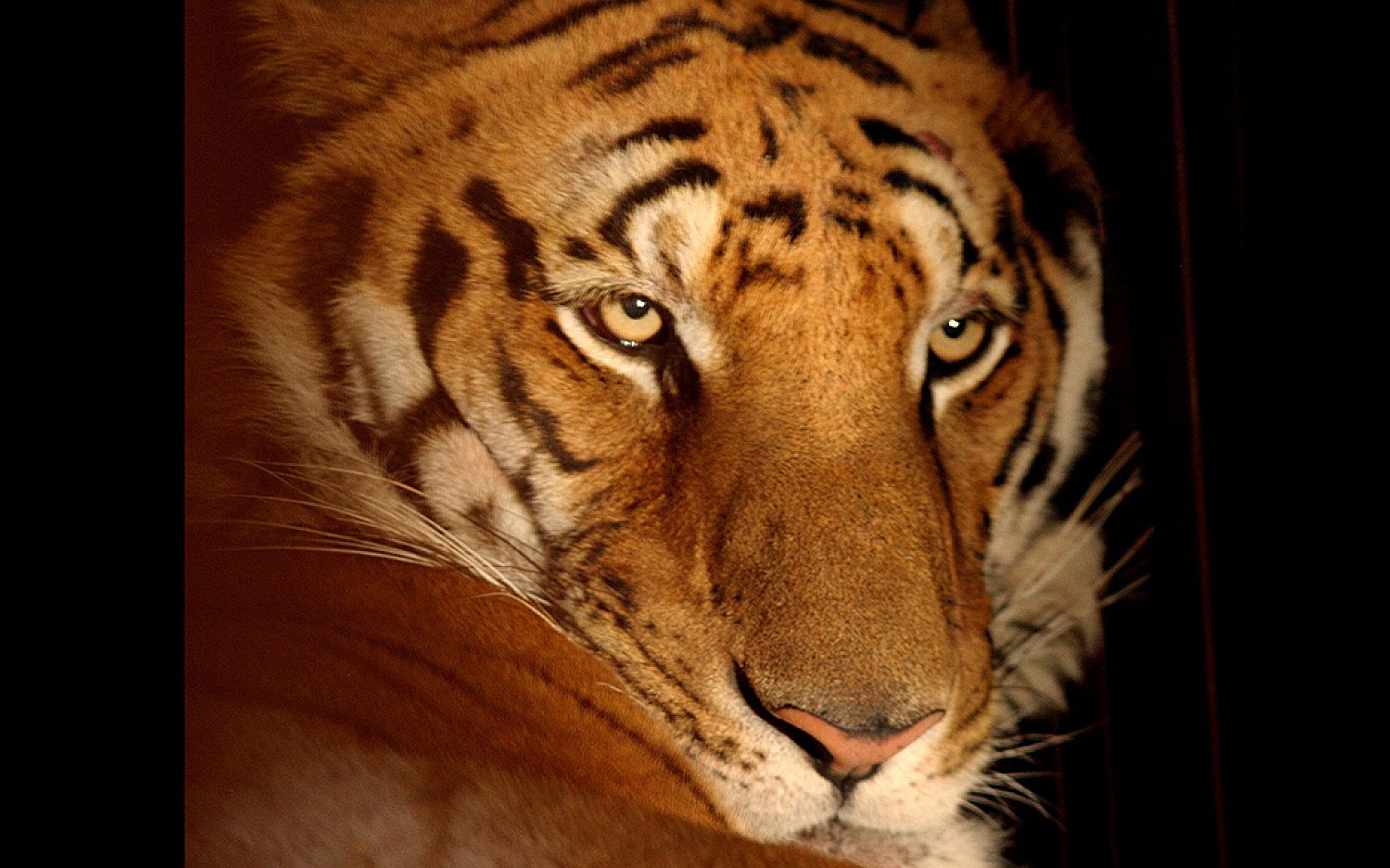
Bengal tigers come from Bangladesh, Bhutan, India, and Nepal. Bengals have orange coats with brownish-black stripes. The biggest Bengal tigers can grow up to 10 and one half feet long—including a three-foot tail—and weigh almost 650 pounds. The tigers mostly eat animals such as deer and wild boars. But they also eat a few people in India and Bangladesh every year.
People believe that South China tigers are now extinct in the wild. The big cats are a lot like Bengals but with smaller skulls and teeth. They also have more yellowish fur with skinnier stripes. About 100 South China tigers live in captivity in China.
Just over 200 Indochinese tigers still exist in Myanmar and Thailand. These medium-sized cats have dark orange fur with short, narrow stripes. Like other tigers, they eat wild boar and deer. But they’ve also been known to chow down on birds, reptiles, monkeys, and fish.
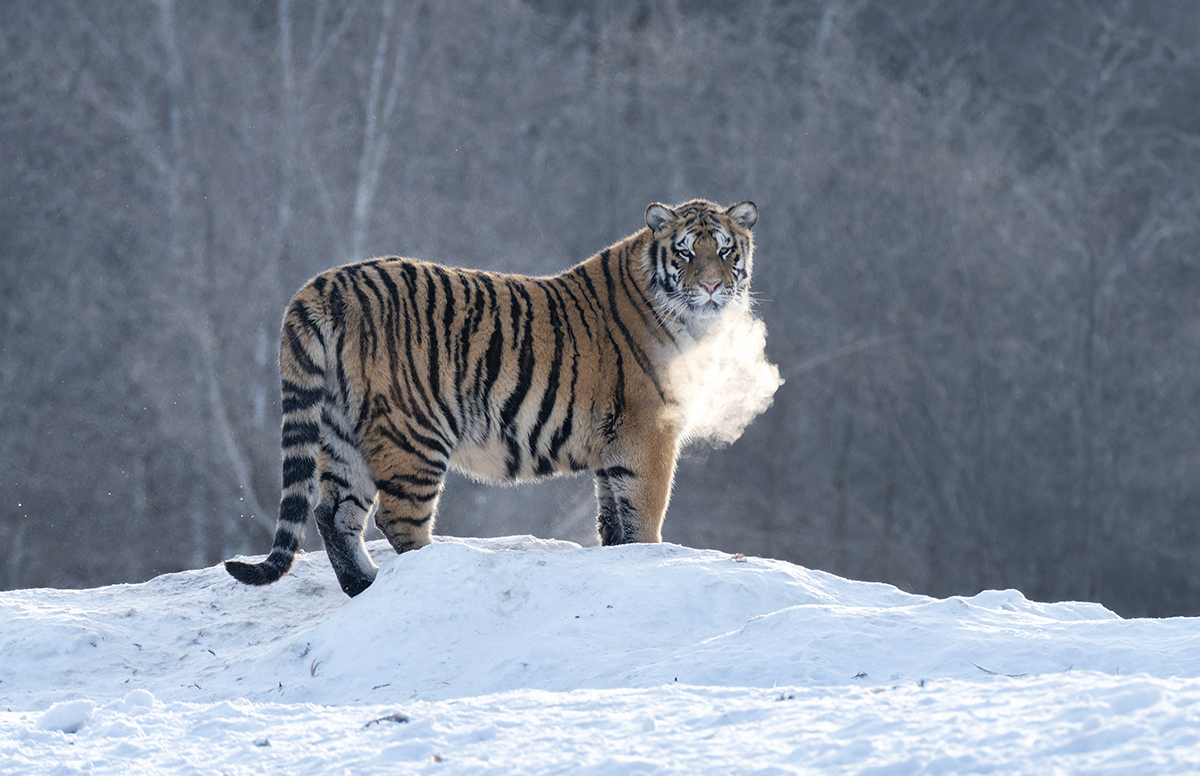
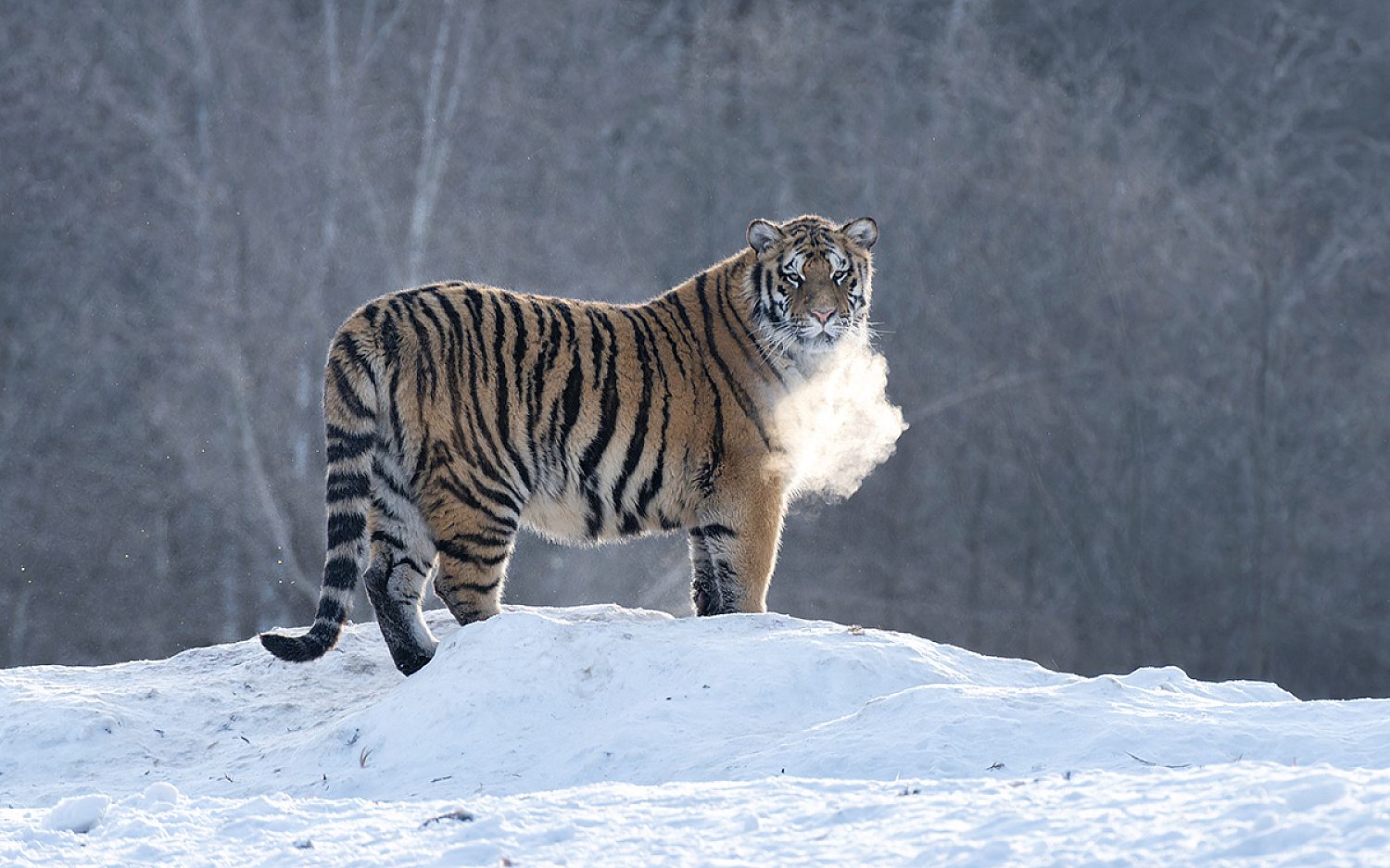
Siberian tigers live in frigid forests of China and Russia. God gave them extra-thick coats for warmth. Siberians are the biggest of all tigers. The largest measure 12 feet from nose to tail and weigh nearly 1,000 pounds. Fewer than 600 live in the wild.
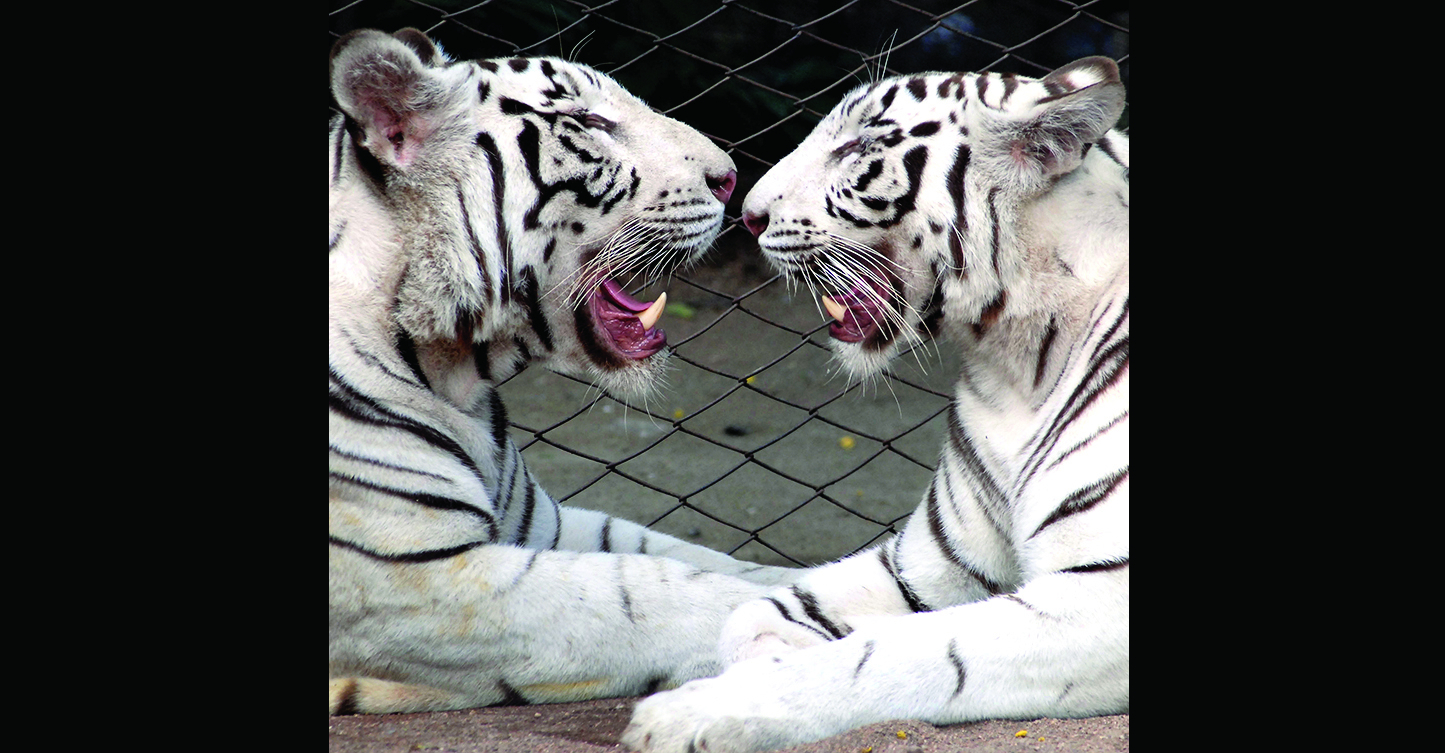
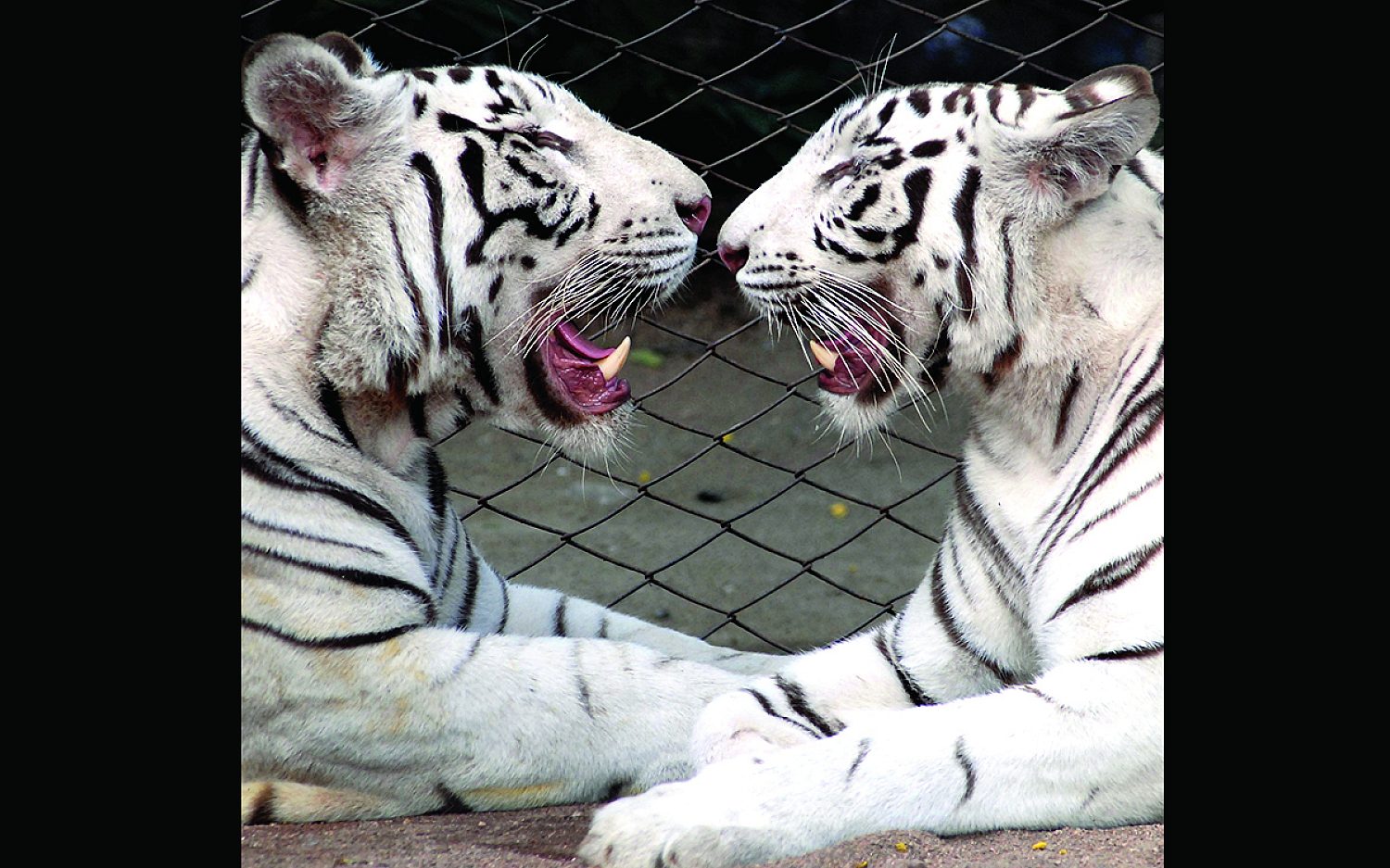
White tigers aren’t actually another species. They are Bengal or Siberian tigers with a rare genetic mutation that gives them white coats.
Extinct species: The Javan, Caspian, Bali, Longdan, Ngandong, Trinil, and Wanhsien tiger species are all long extinct. Conservationists work hard to make sure that list doesn’t grow.
Recommended Reading: For more about tigers, read Tiger Boy by Mitali Perkins.