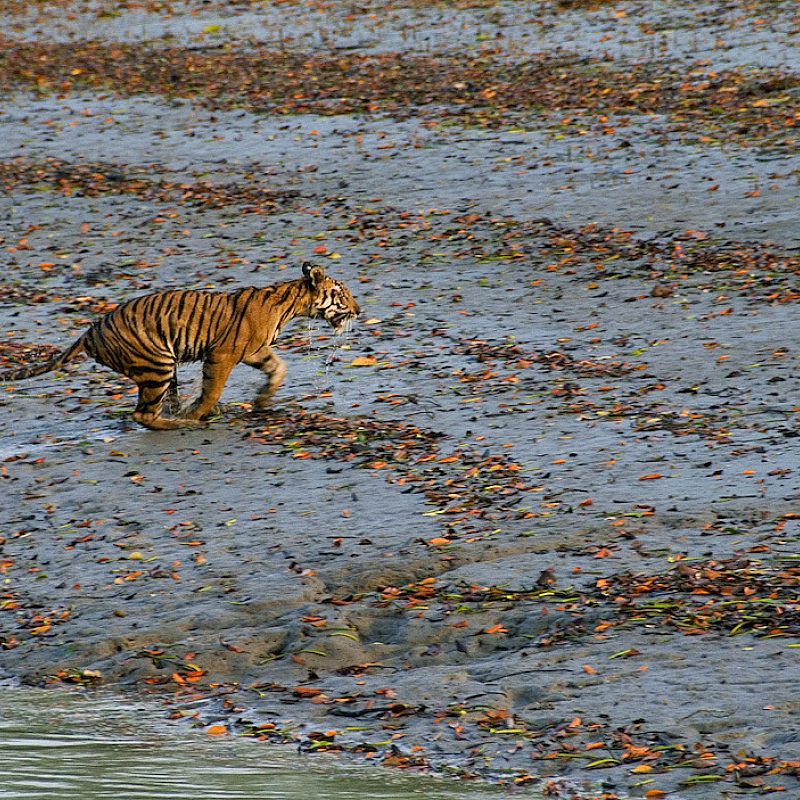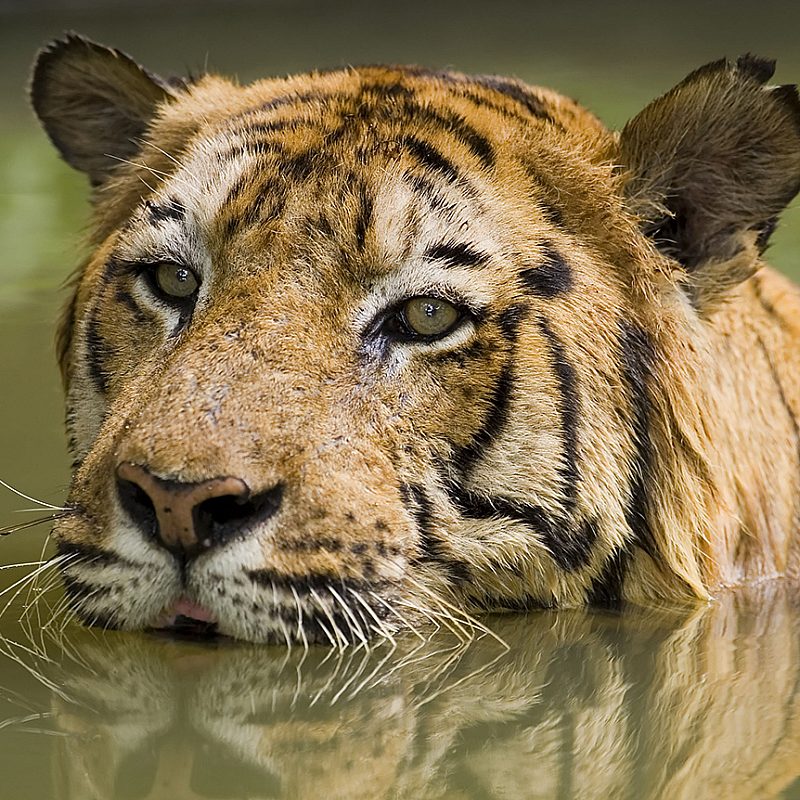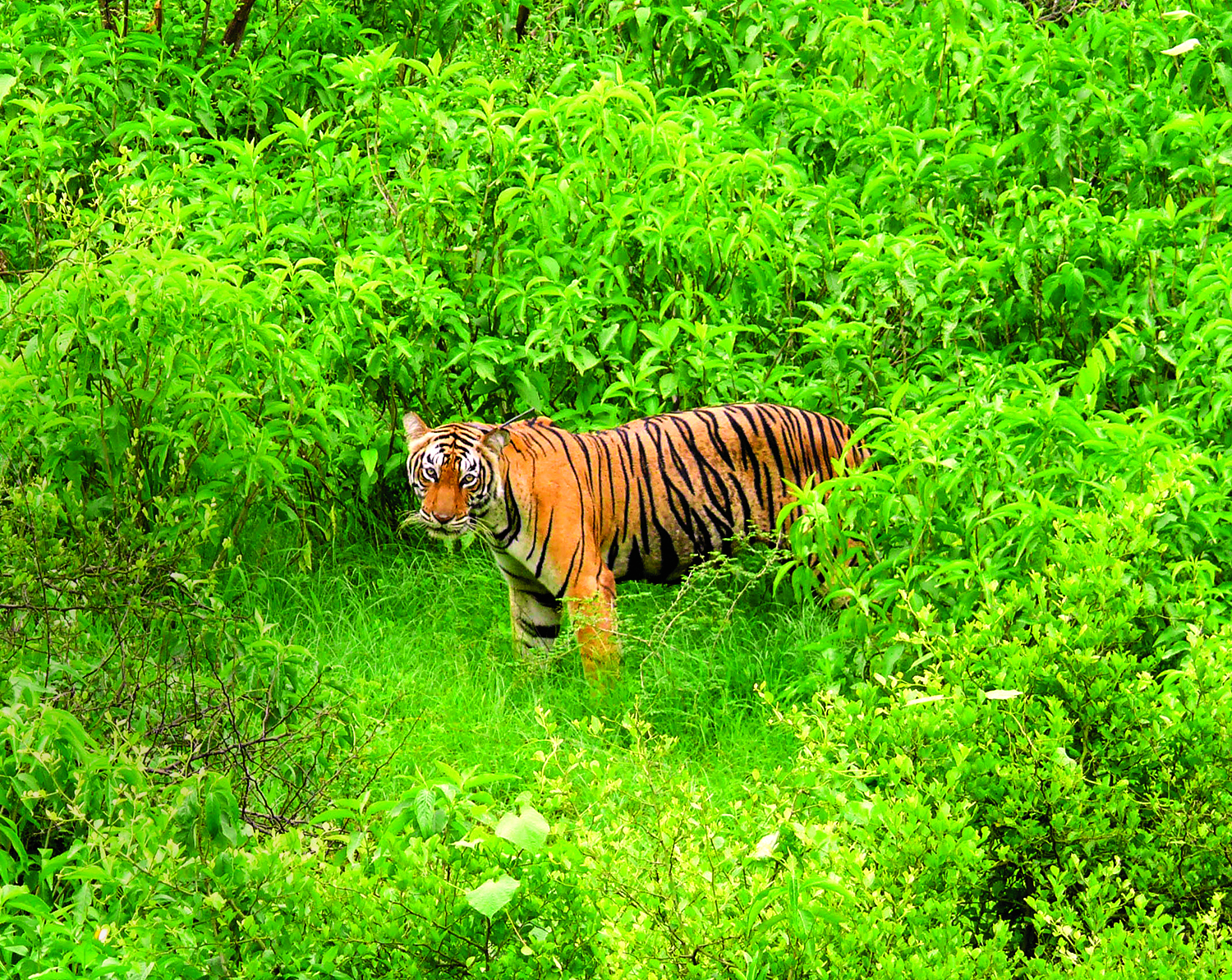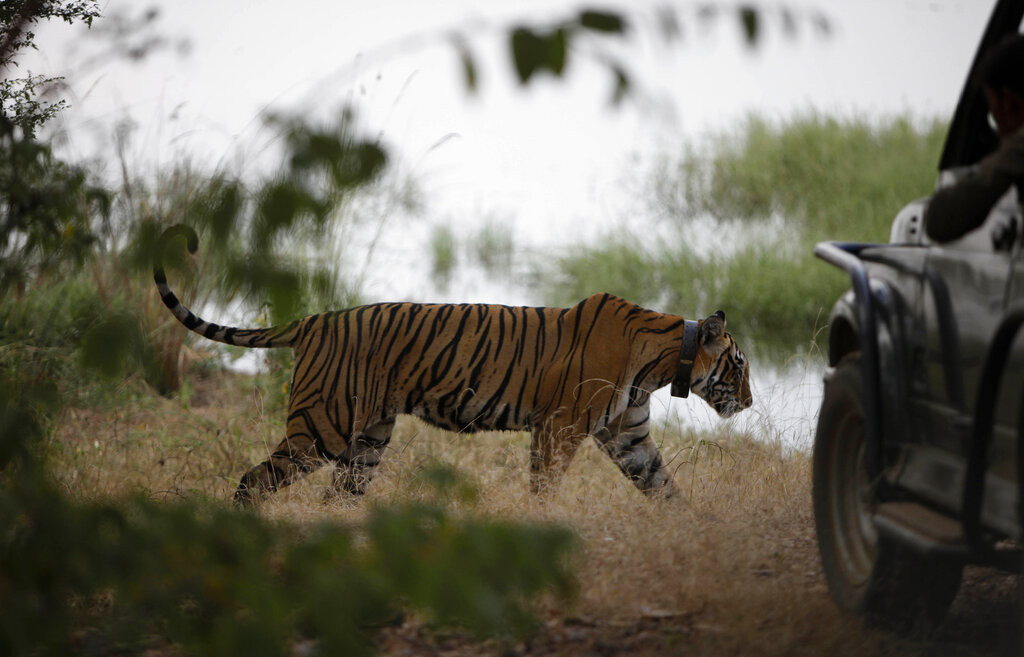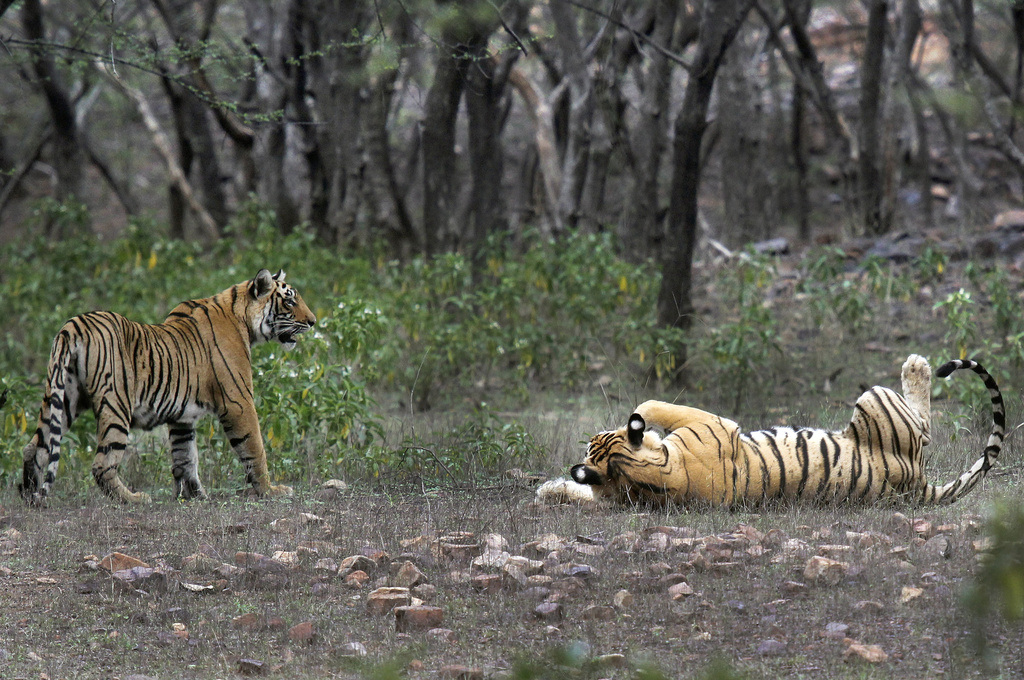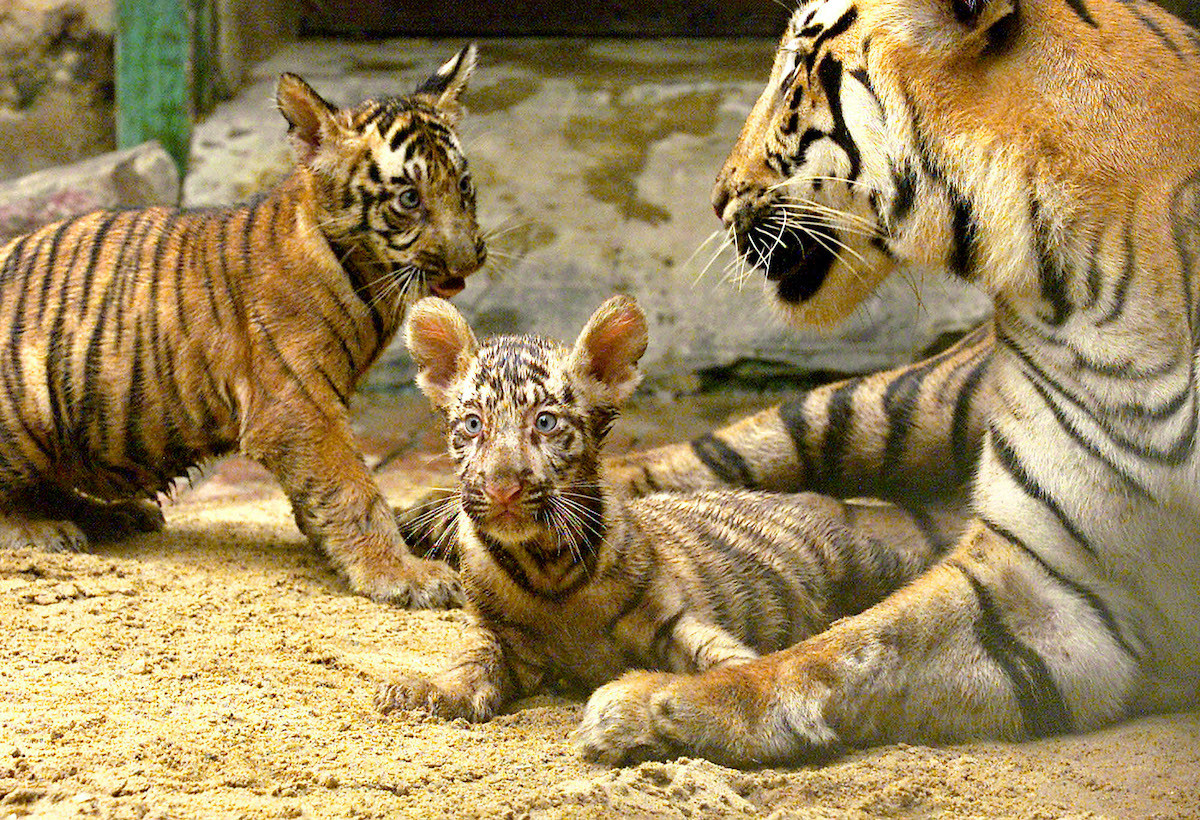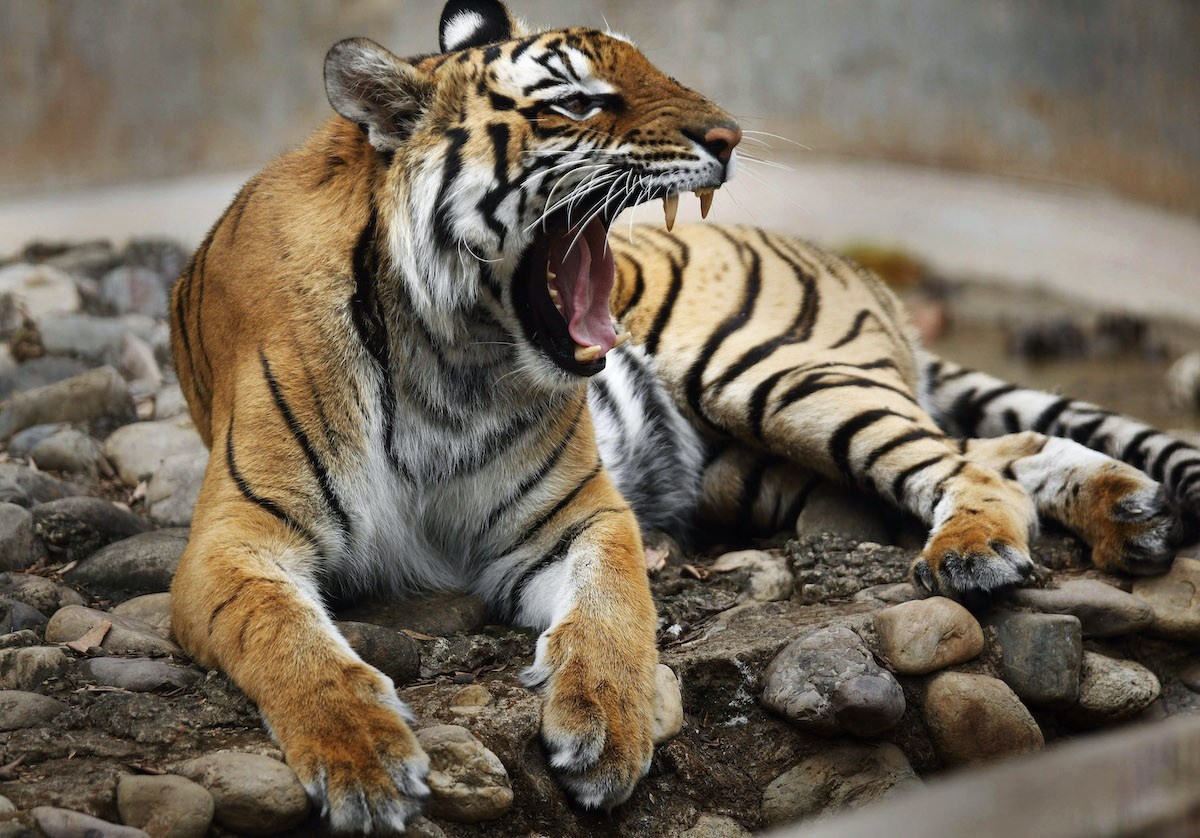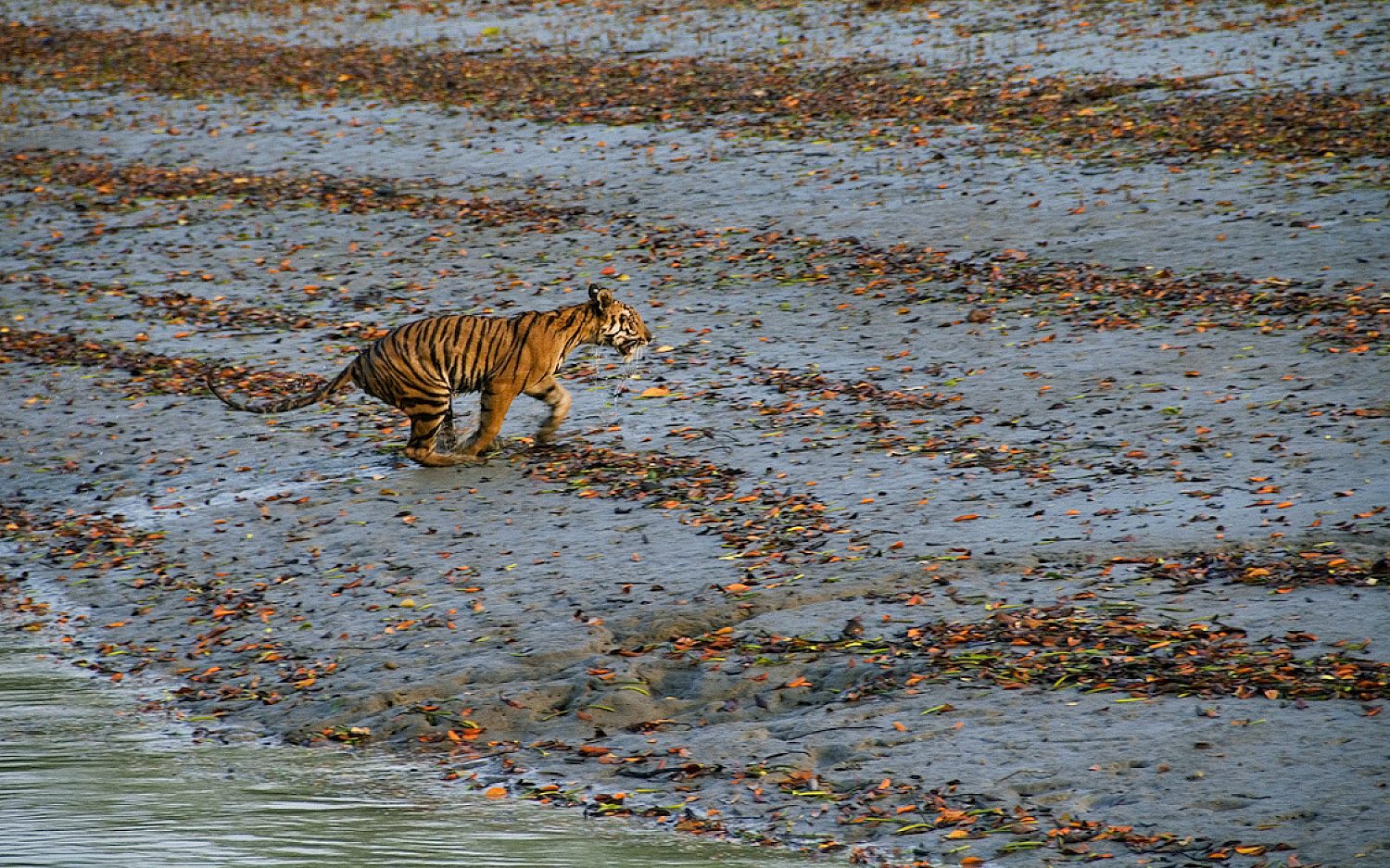
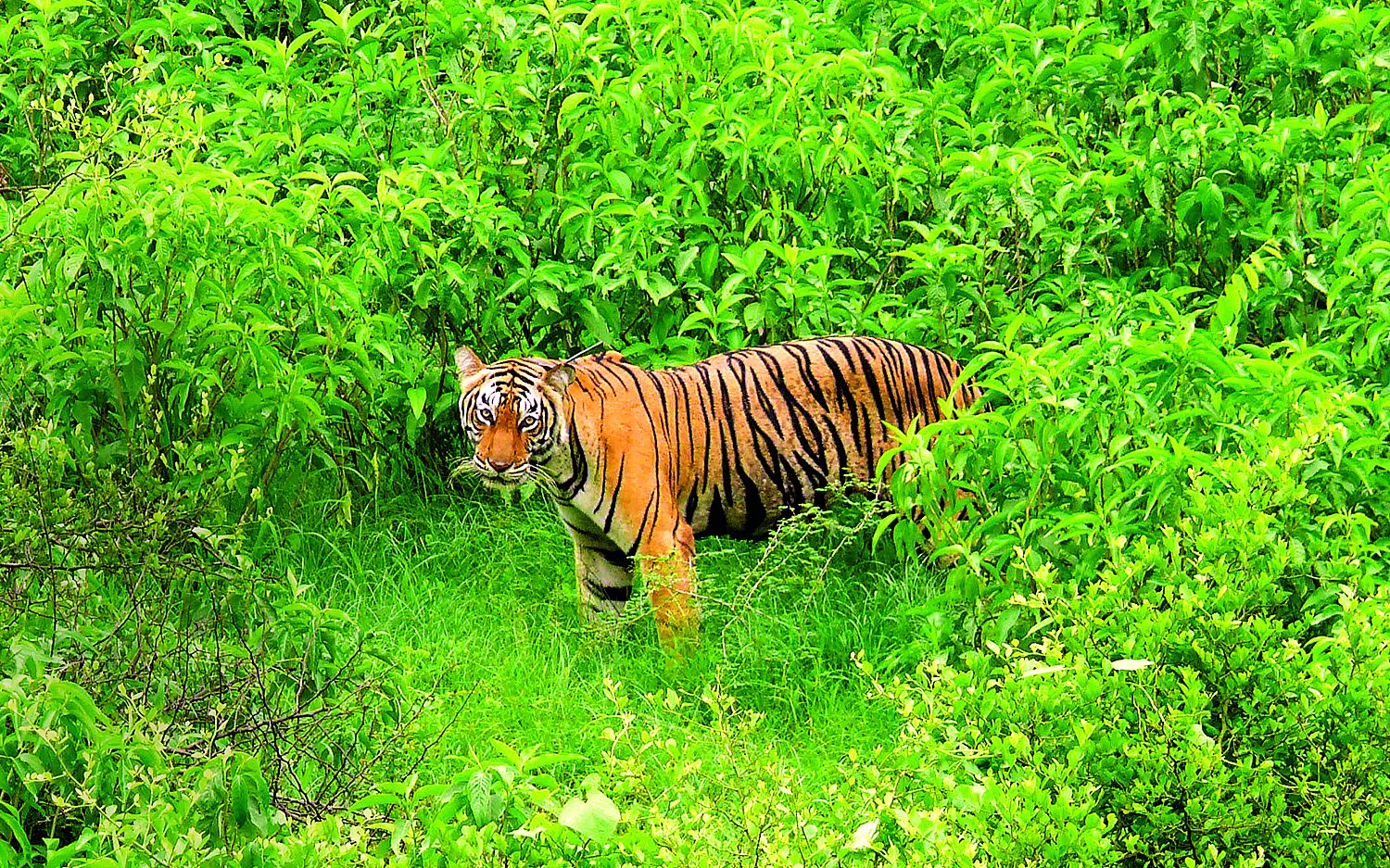
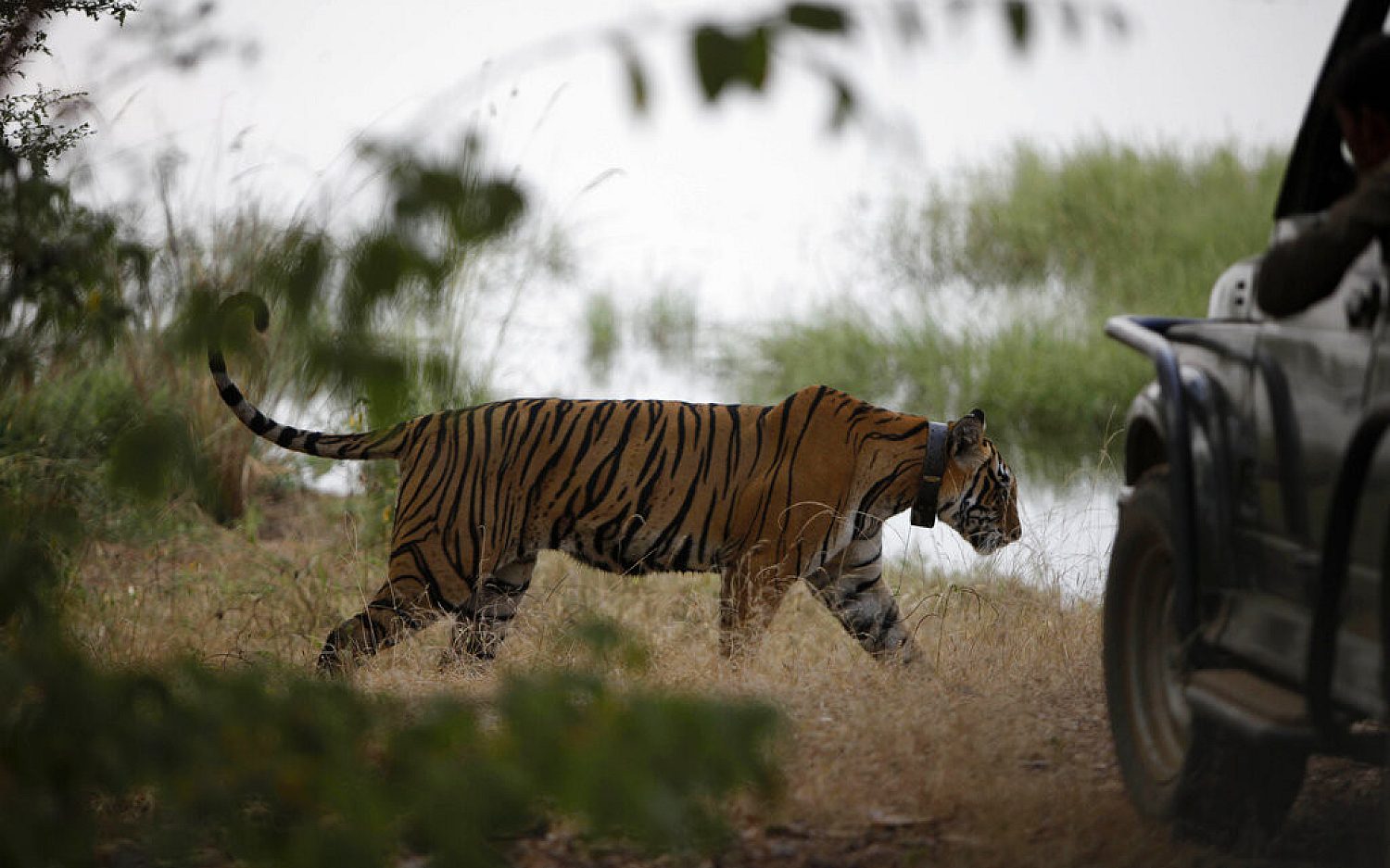
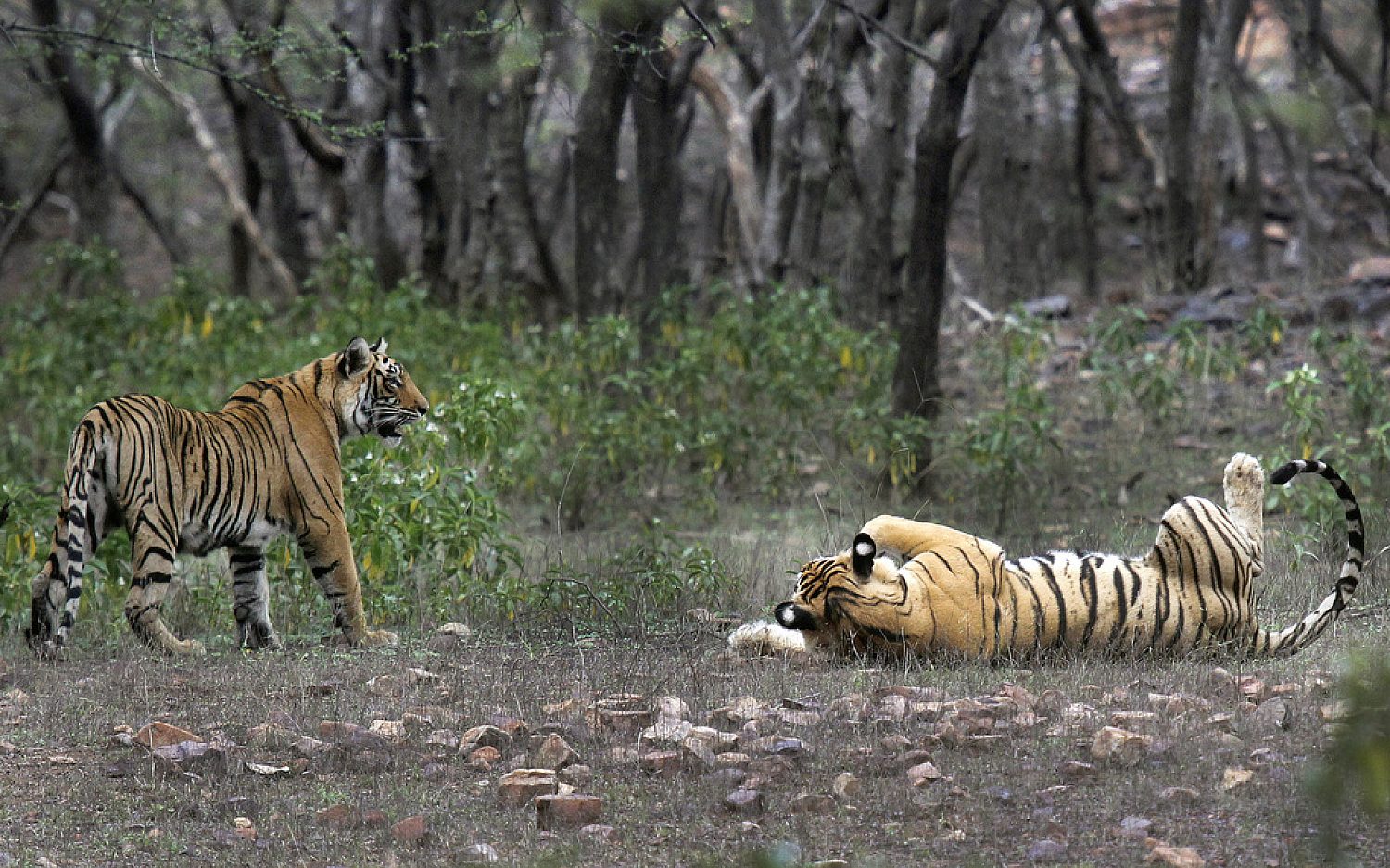
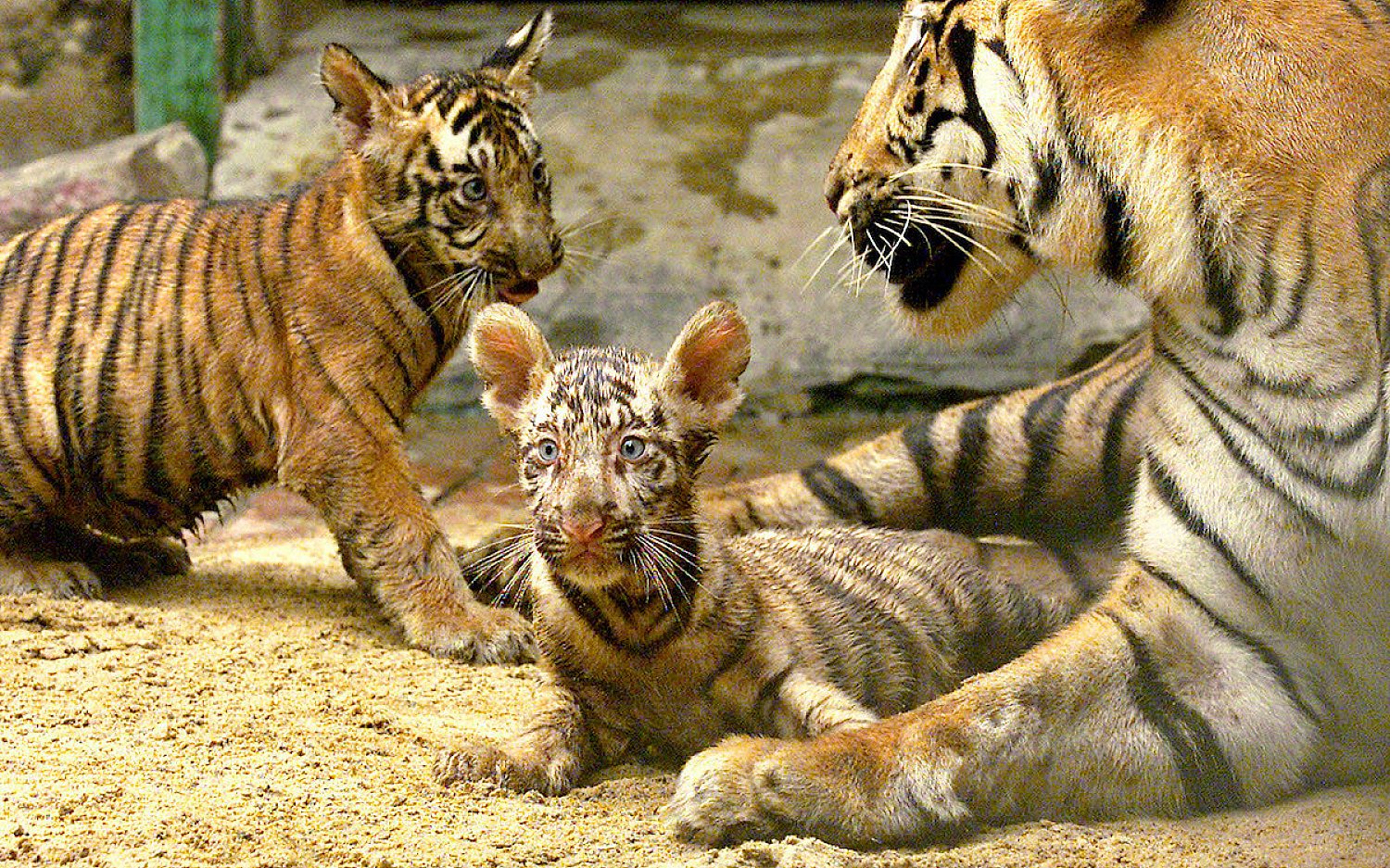
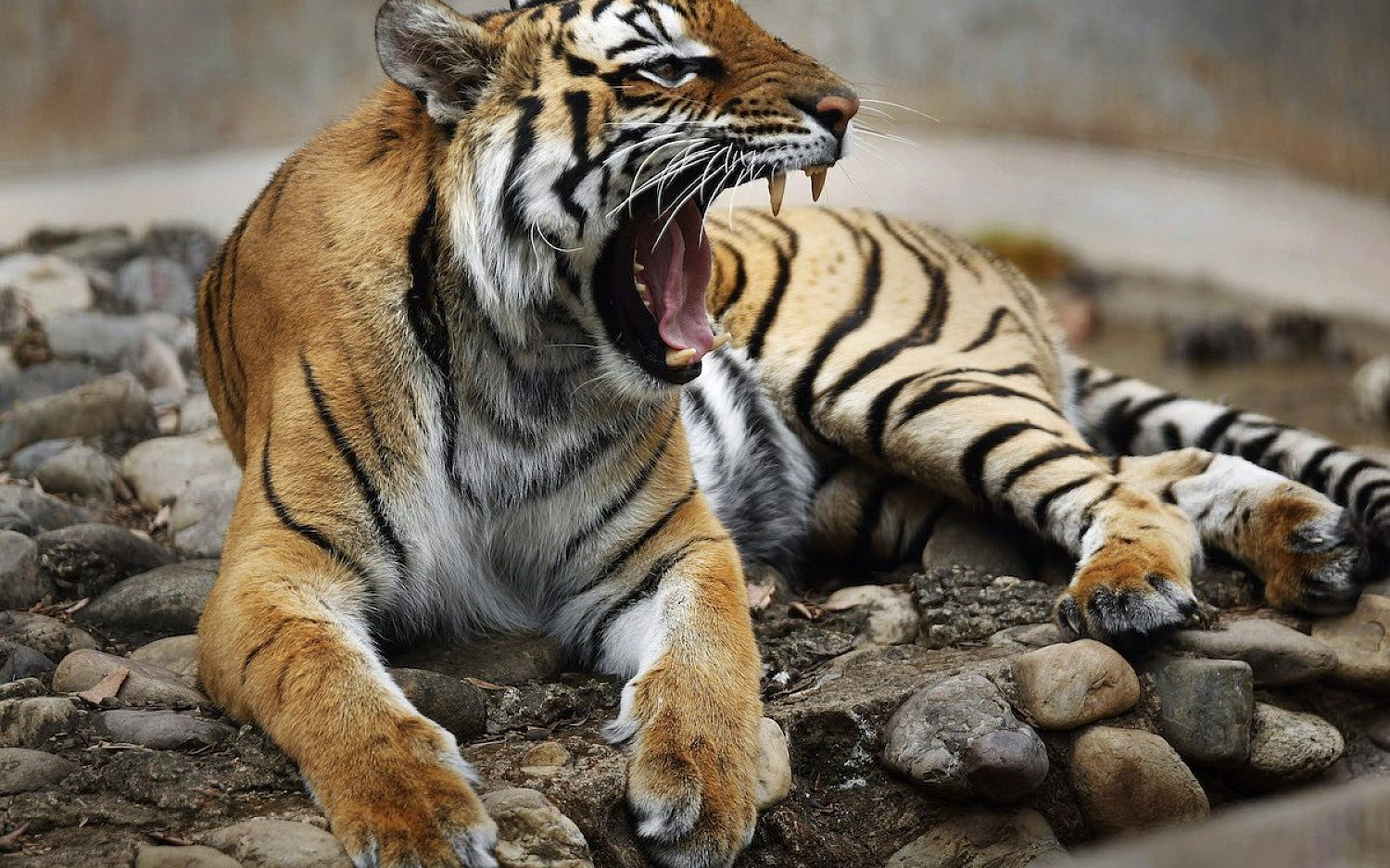

Good news: India has twice the tigers it had a little more than a decade ago. How did India do it? People worked to protect the big cats from poaching and habitat loss. They also made sure the animals had enough prey to eat.
Back in 2010, India had only 1,706 tigers. A new study shows that by 2022, that number had grown to 3,682. Out of every four tigers in the world, three live in India. And it turned out that more tigers was good for local people too. The tigers drew tourists. Tourists spent money in nearby communities.
And India has plenty of people. In fact, it has the largest population of any nation in the world.
Tigers are spread over about 53,359 square miles in India. (That’s about the size of the state of New York.) But just a quarter of that area is a really good tiger home. This part of India has prey for the tigers. In this area, laws protect the tigers. Another big chunk of India’s tiger habitat is shared with about 60 million people. How would you feel about a family of tigers living next door?
Until now, people thought growing tiger communities and growing human communities couldn’t live well side by side. It turns out that what really matters is the attitude people have toward their tiger neighbors. Life works better for both groups if the humans and animals don’t fight.
So, is the “twice the tiger” news too good to be true? Wildlife conservationists hope not. But some also question the study. They think more reliable data should have been used.
Why? God gave people dominion over animals. This means humans must learn to balance the needs of animals and people well.