

Mr. Rötzel says that during an illness 13 years ago, he learned more about herbs. He made teas that he says helped him get better. He also set up a medicinal garden.
Medicinal herbs are plants used to treat diseases or keep people healthy. Some are used in cooking. Others are made into supplements or poultices. (Poultices are soft, moist substances. They are usually placed on a cloth and put over a sore or injury.)
Herbal medicines can change how other medicines work in your body. Some cause side effects. A doctor or pharmacist can help you figure out whether an herbal medicine is safe for you to take. It’s always best to ask before taking any herbs to treat illnesses.
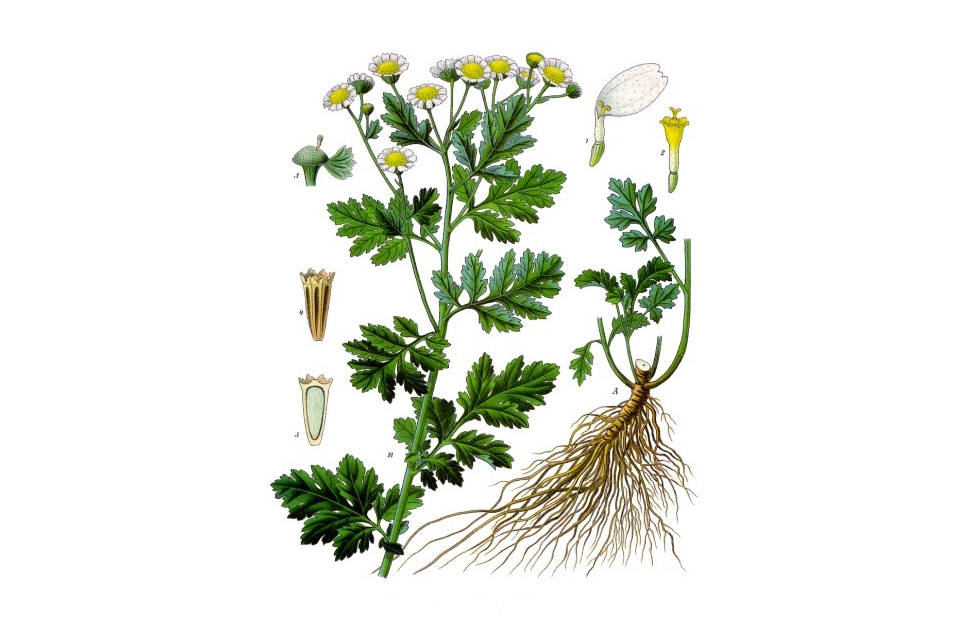
Feverfew
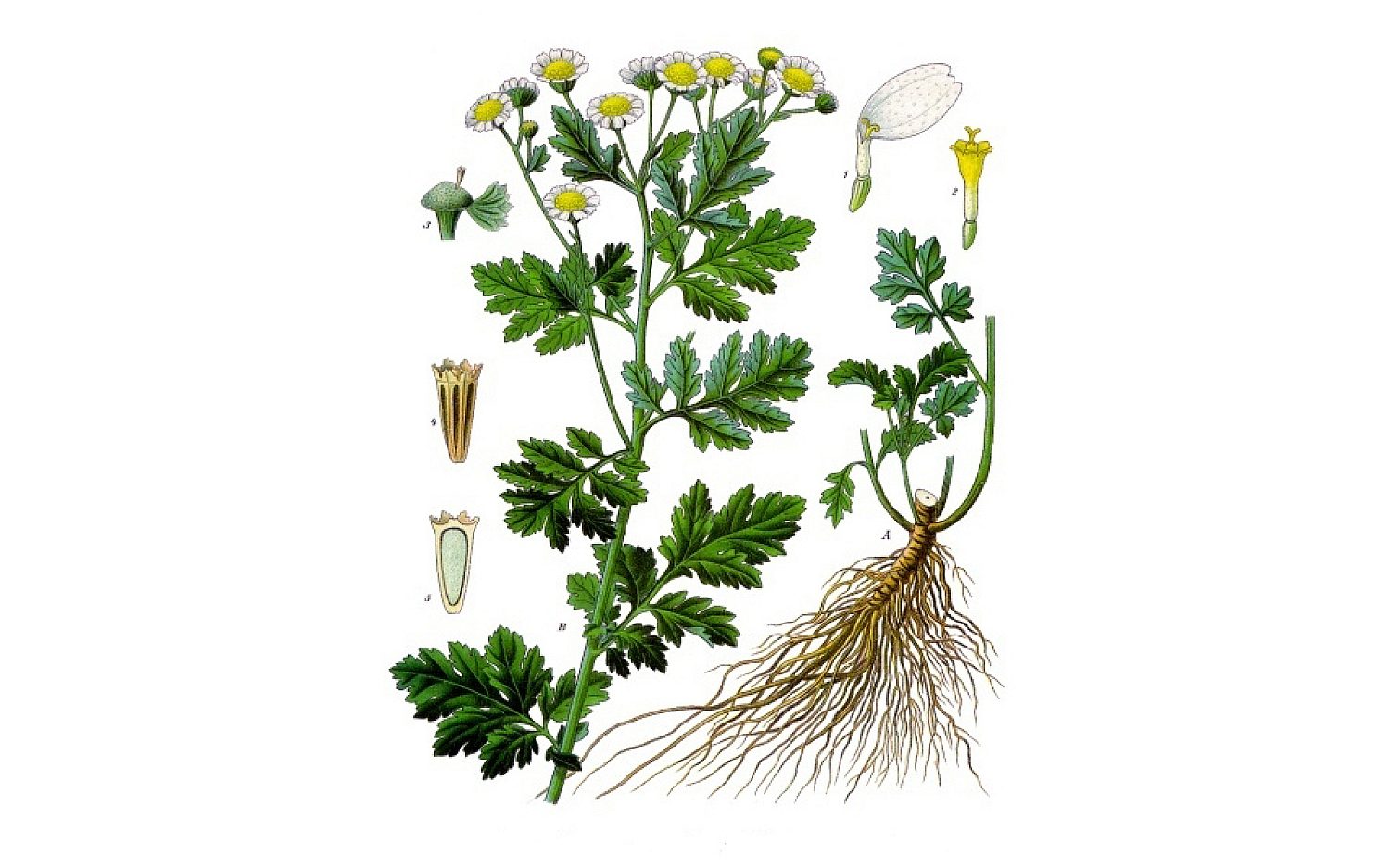
People have used feverfew for centuries. It’s thought to treat headaches and muscle and joint pains.
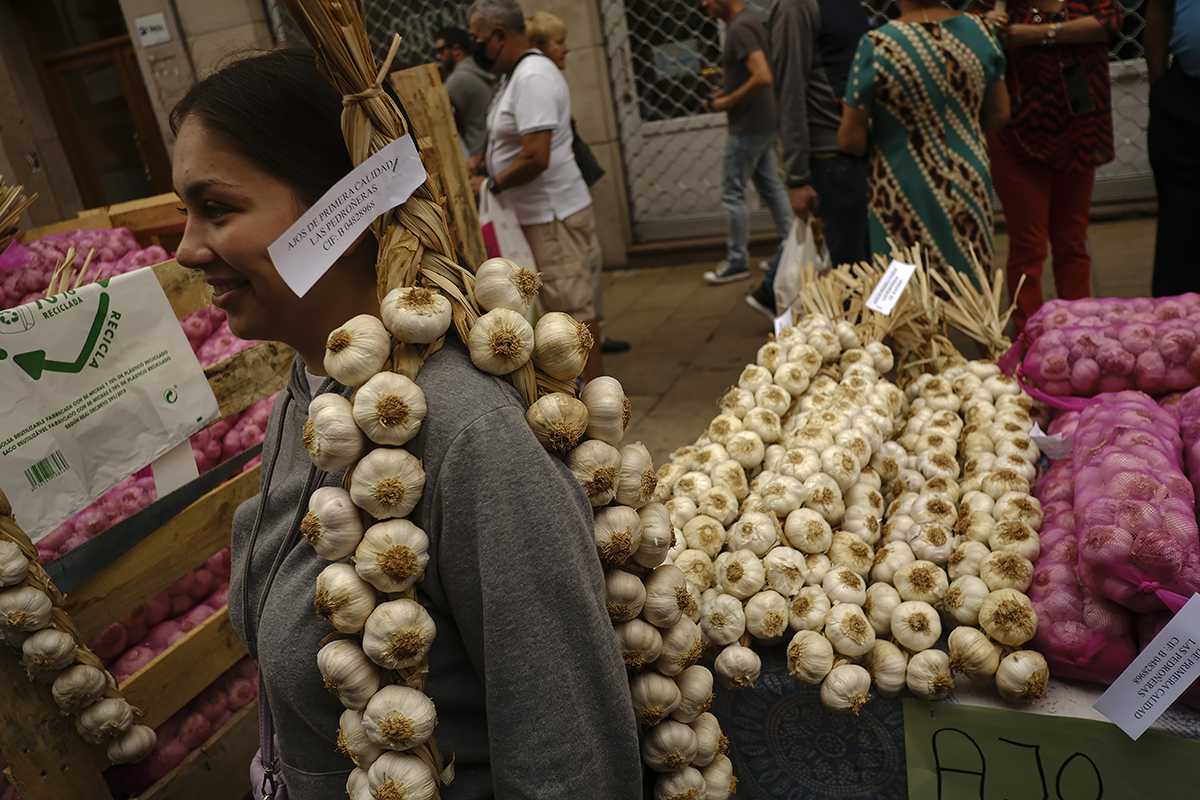
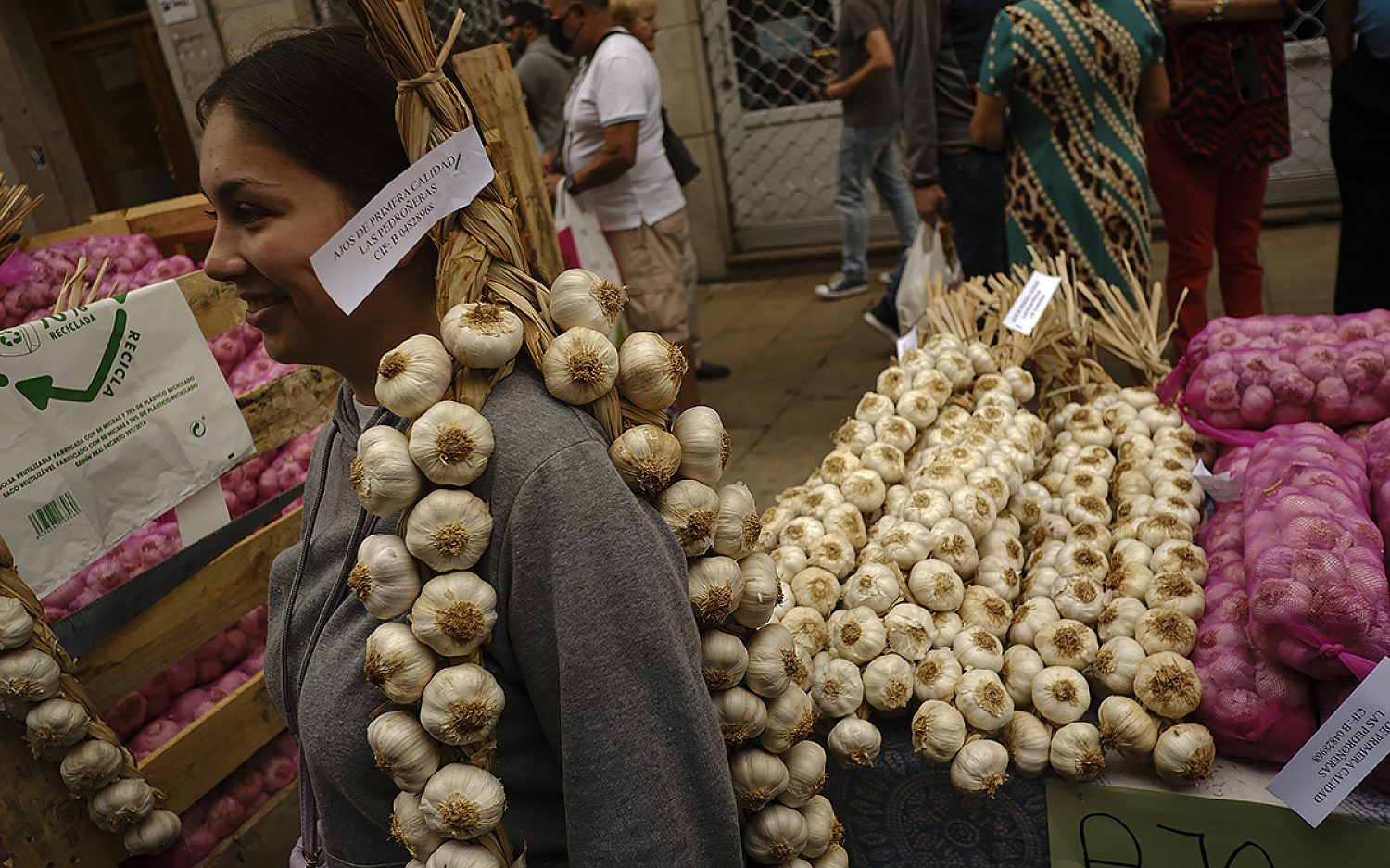
Garlic
Garlic in food, tablets, and ointments may help lower high blood pressure and cholesterol levels. (Plus, it tastes delicious.)
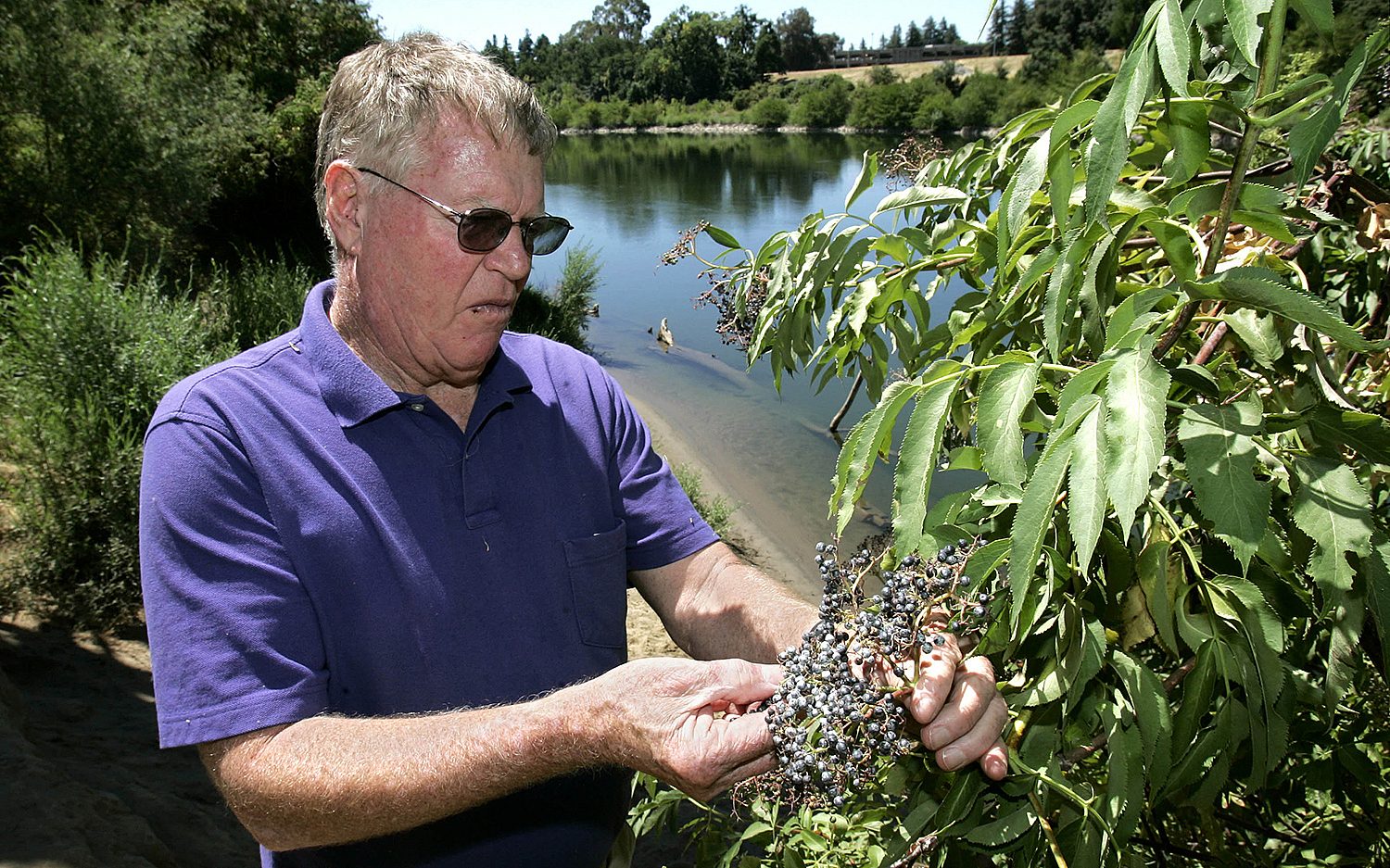
Elderberry
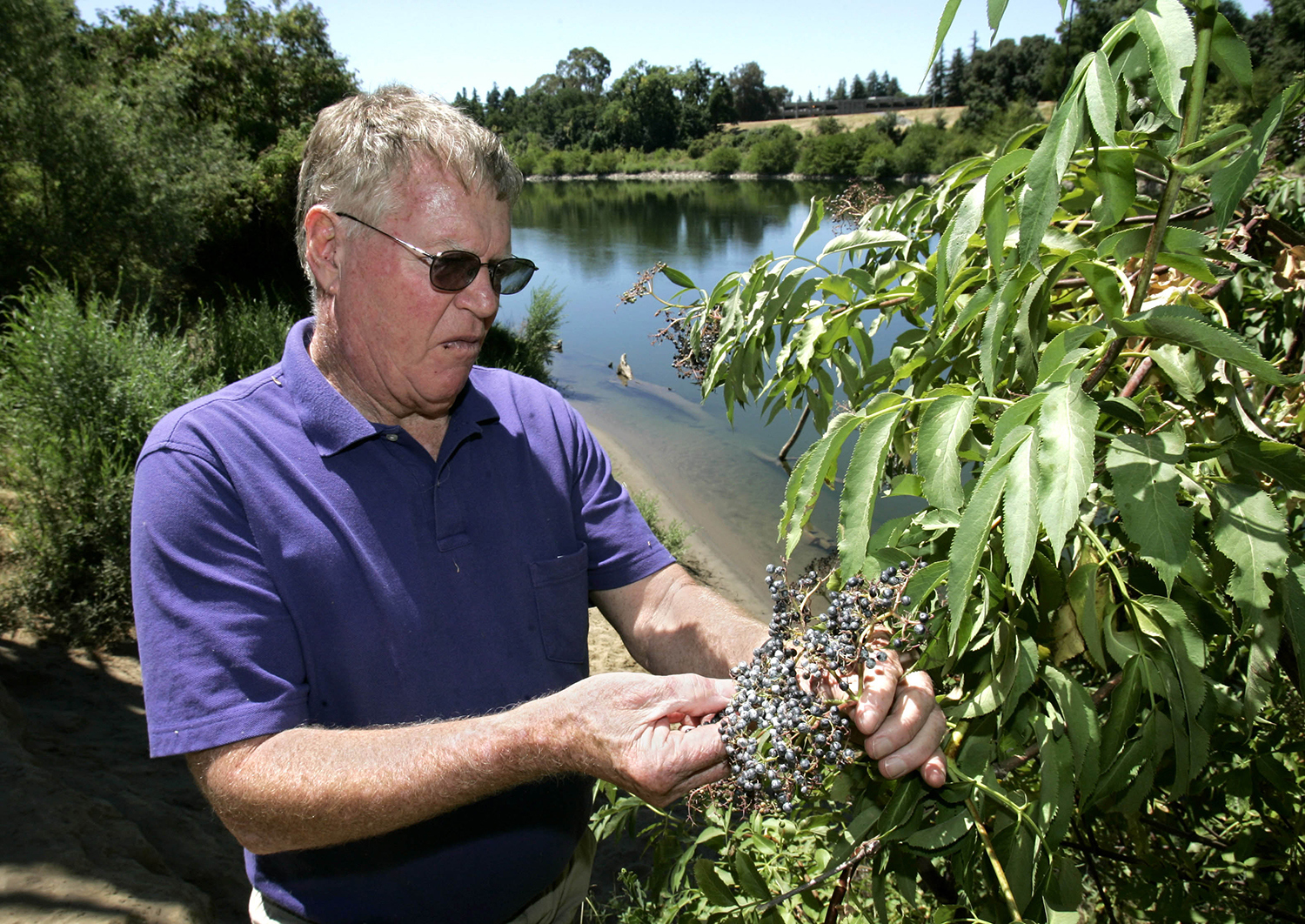
Elderberry syrup is used for cold or flu symptoms. But the raw berries, leaves, and bark can make you sick!
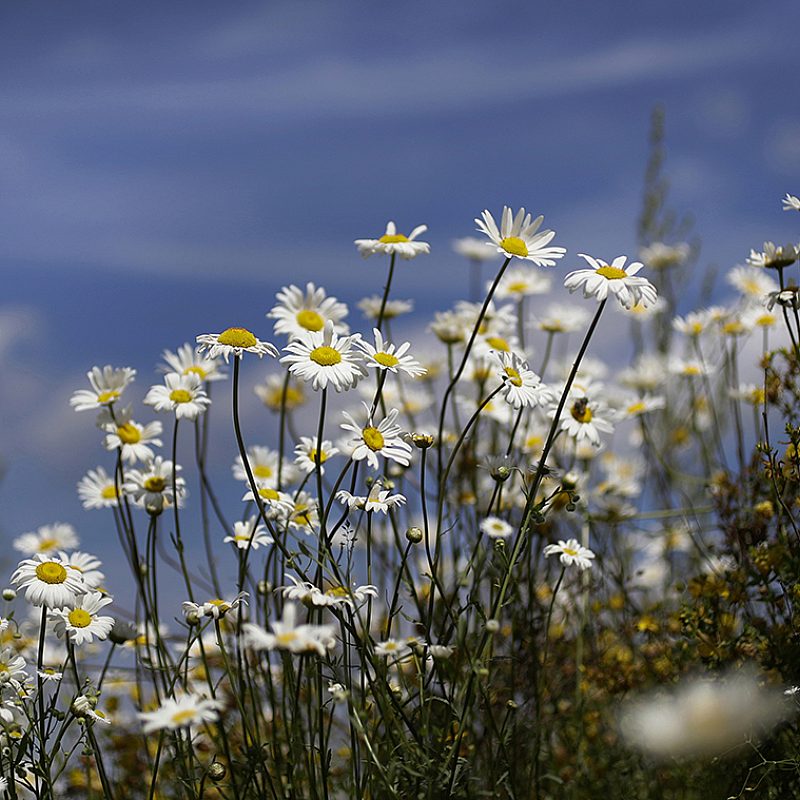
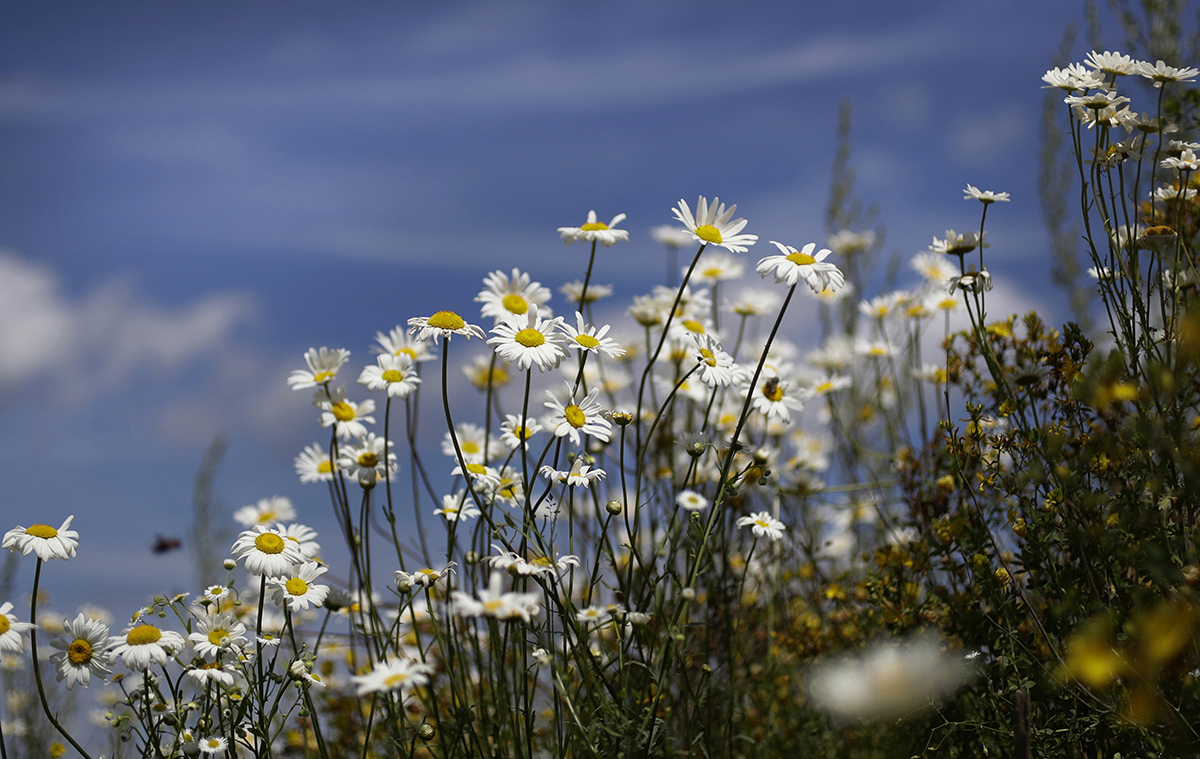
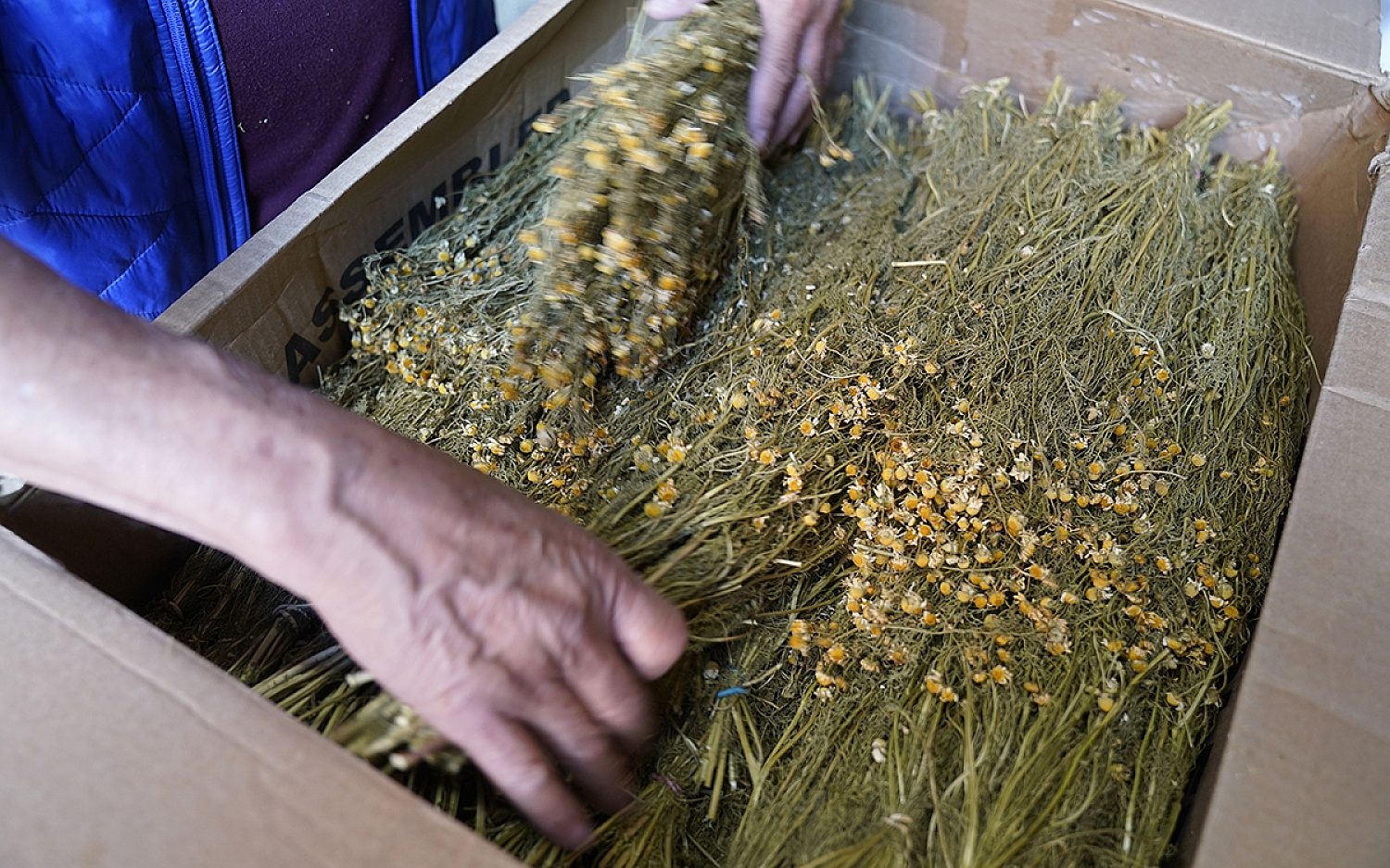
Chamomile
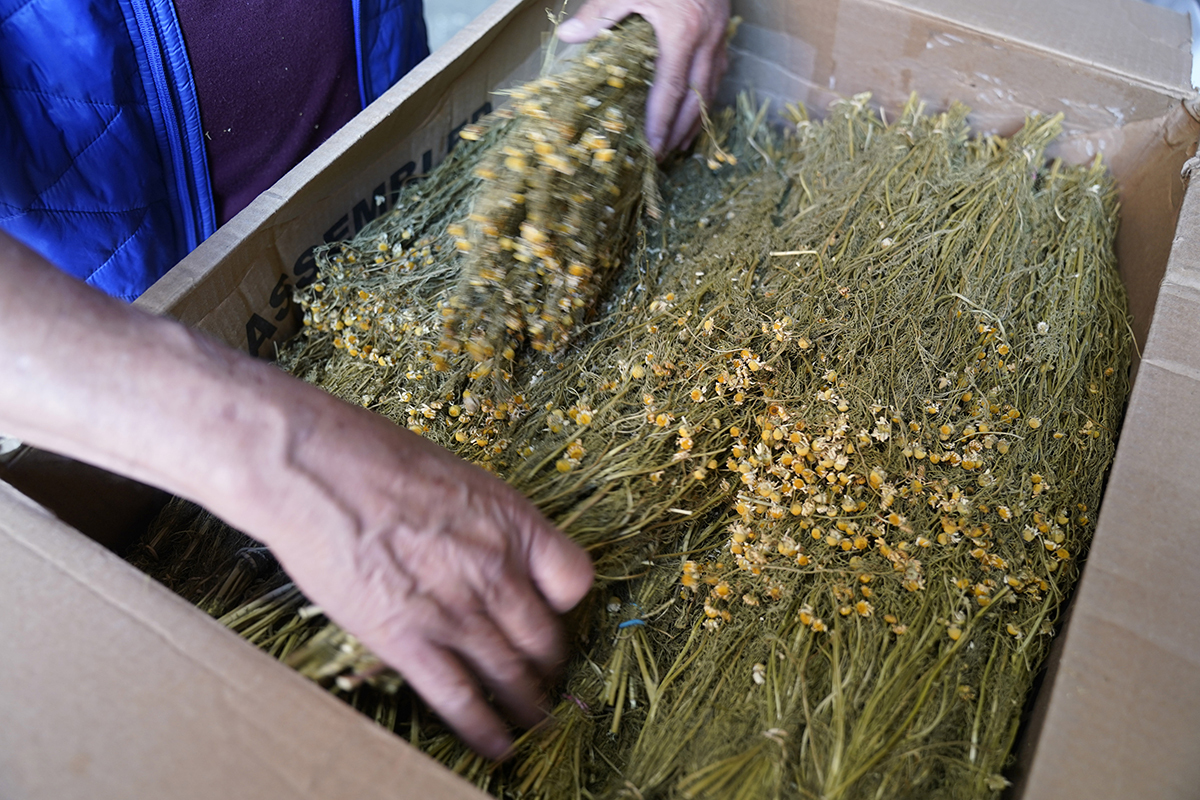
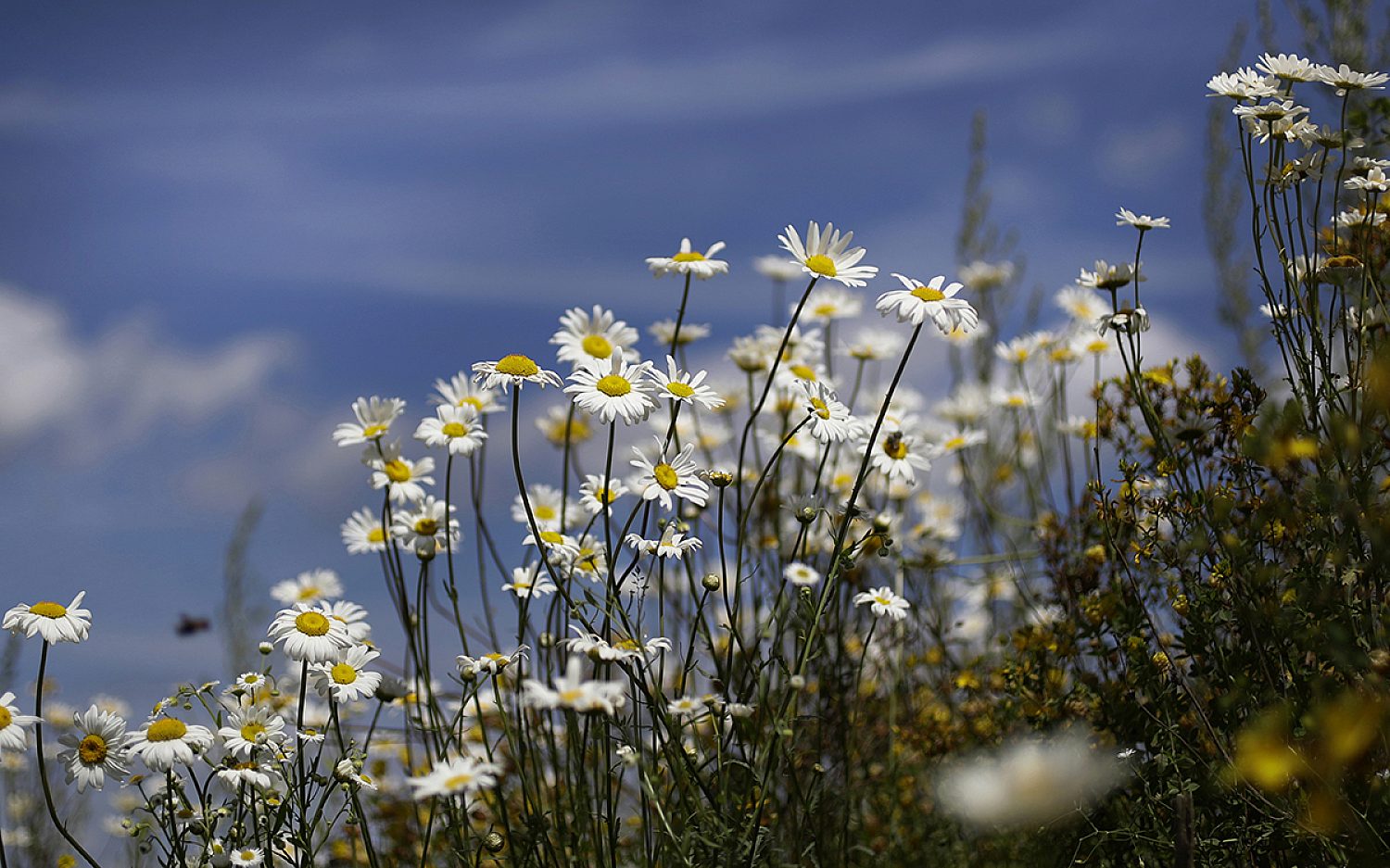
Chamomile comes in many forms: pills, oils, and ointments. But you probably know it best as a tea. People use it for many illnesses: colds, fever, sore throat, acid reflux, diarrhea, upset stomach, and more. Even the ancient Egyptians used it!
European Mistletoe
Mistletoe is a parasitic plant. It grows on the branches of trees and shrubs. It is a traditional holiday decoration. But people have also used it to treat conditions such as arthritis and high blood pressure. (Note: American mistletoe is toxic. Do not consume its berries or leaves!)