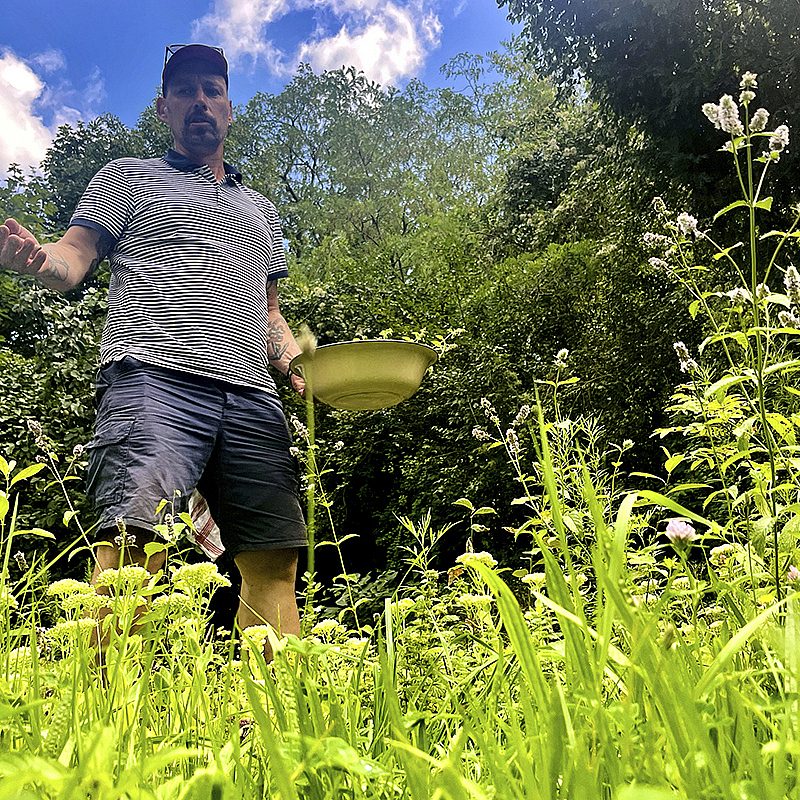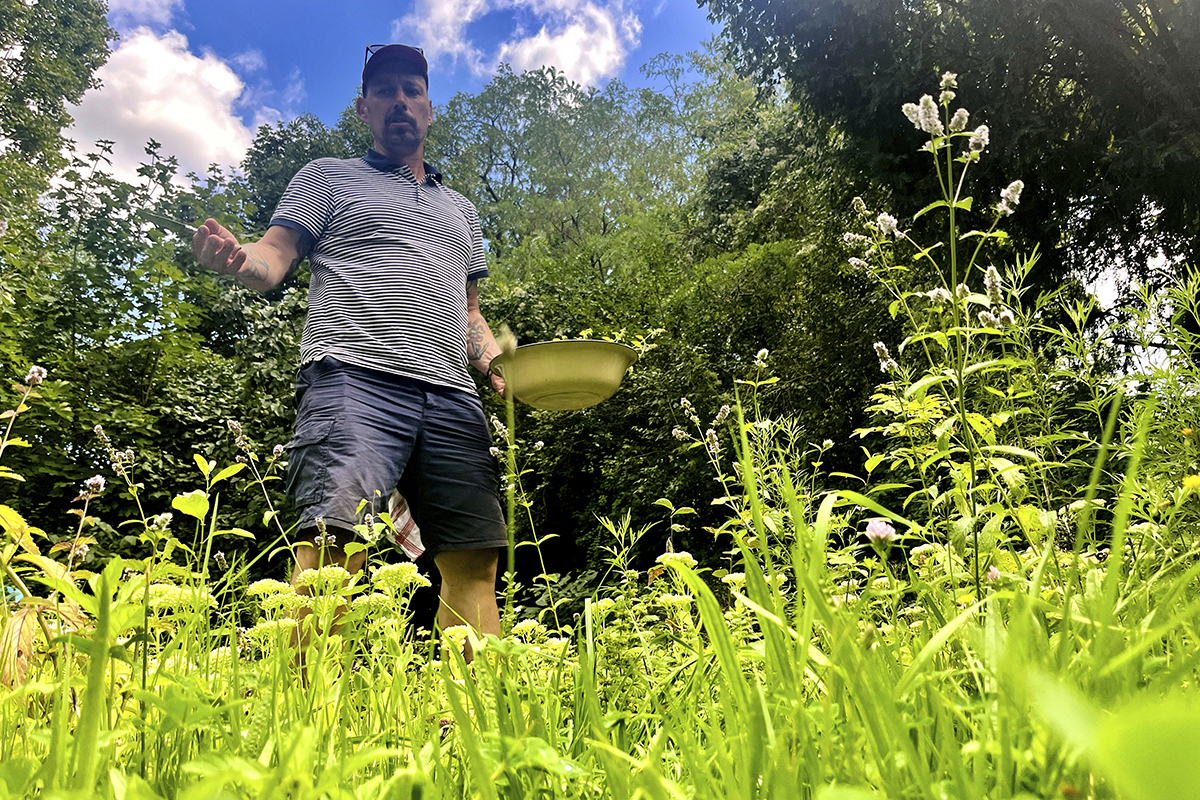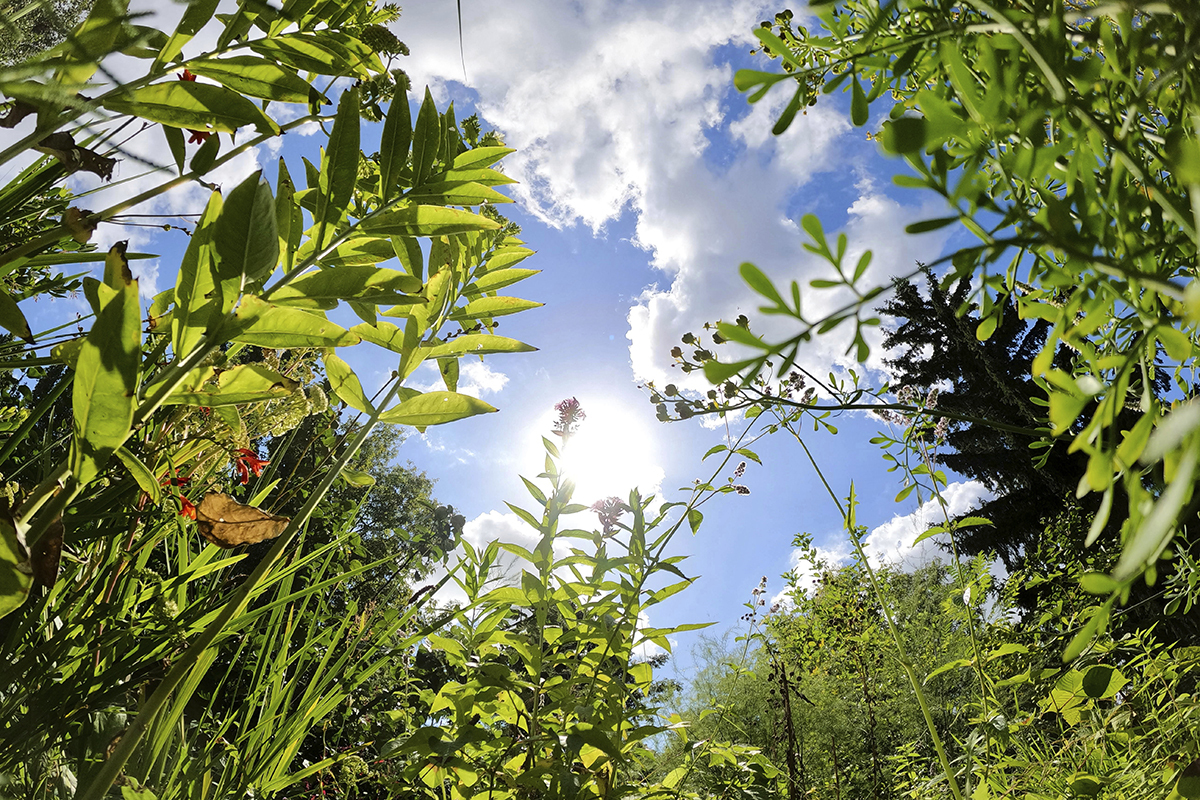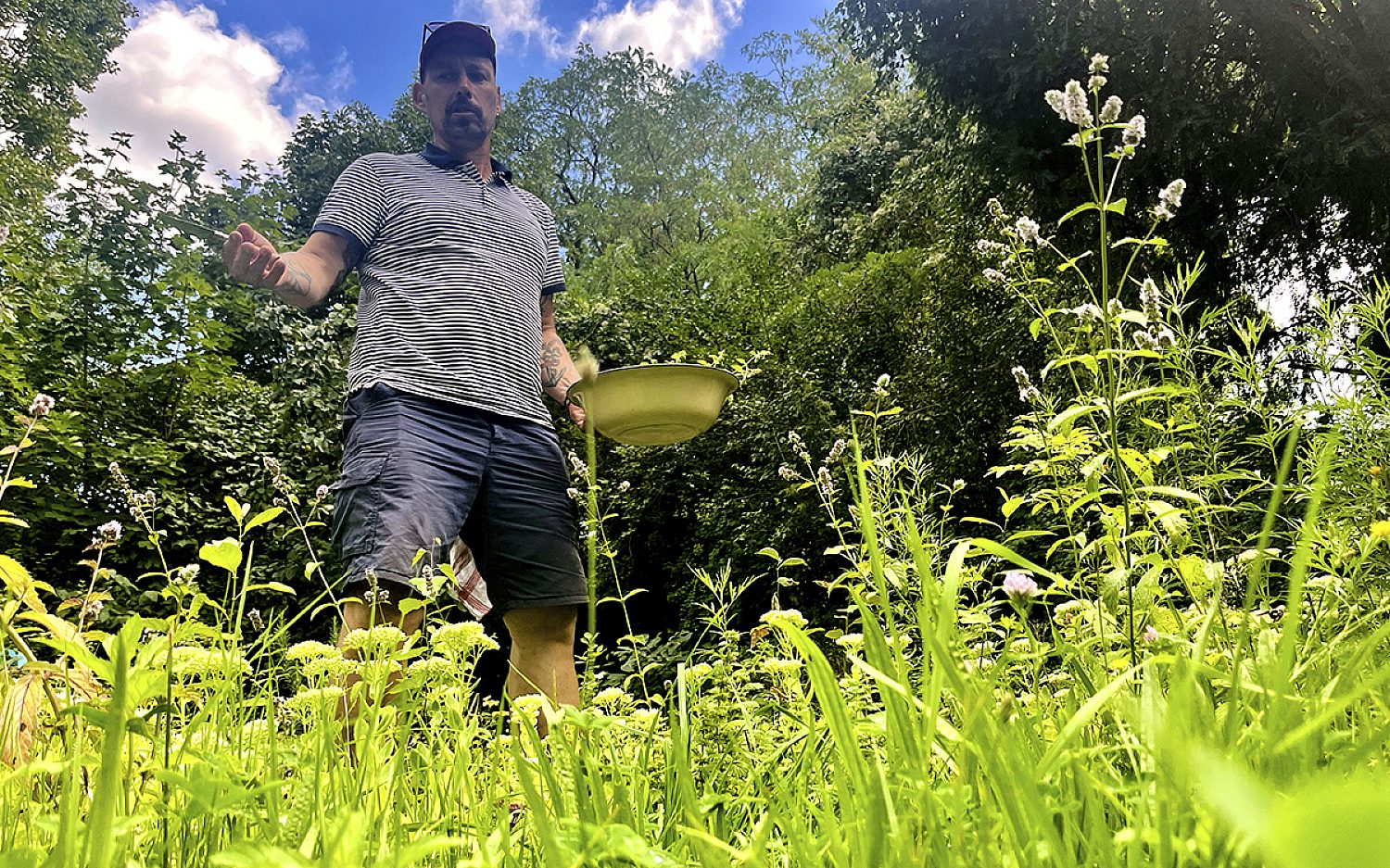
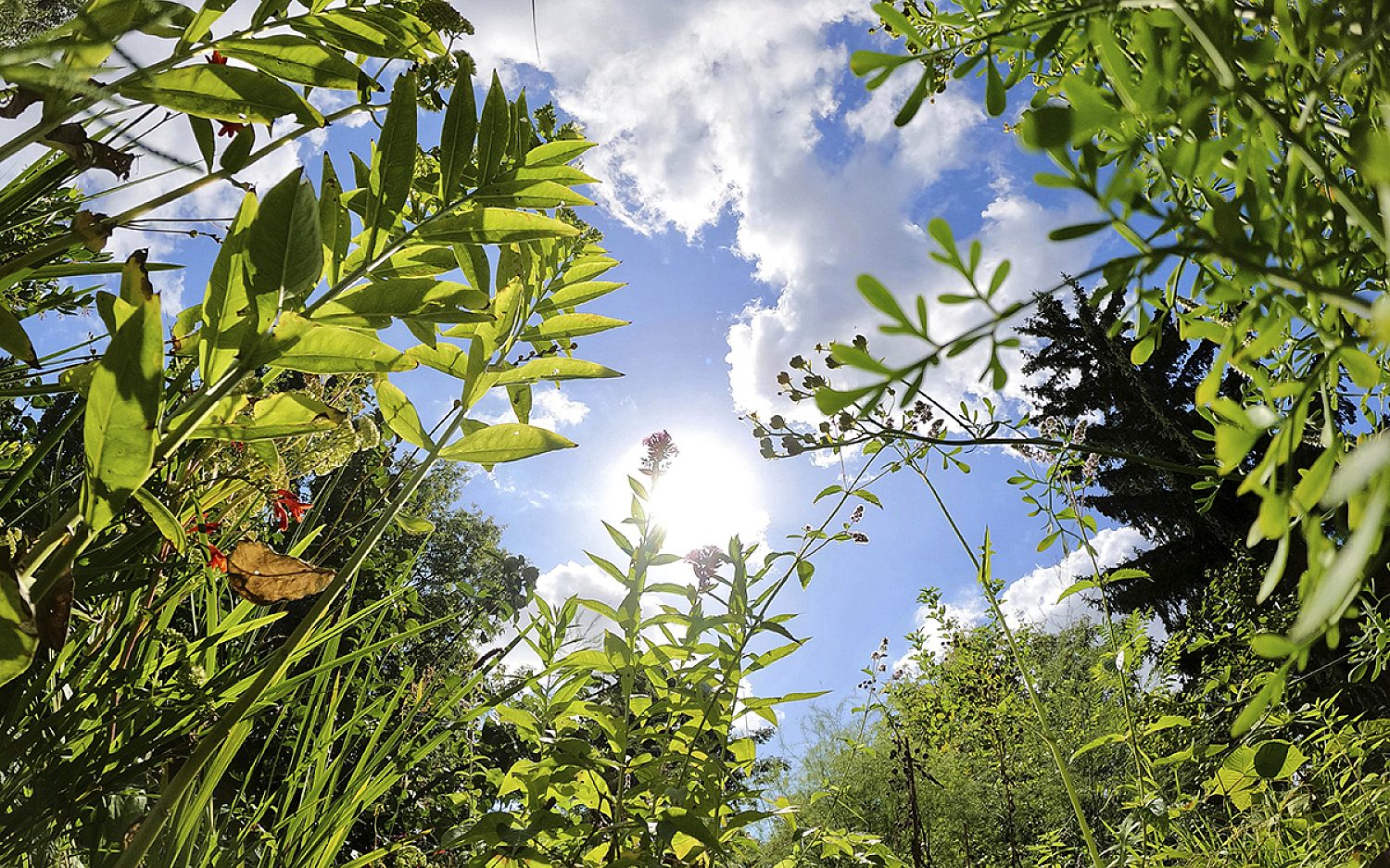

Martin Rötzel carries on an old tradition. He grows a monastery garden in Berlin, Germany.
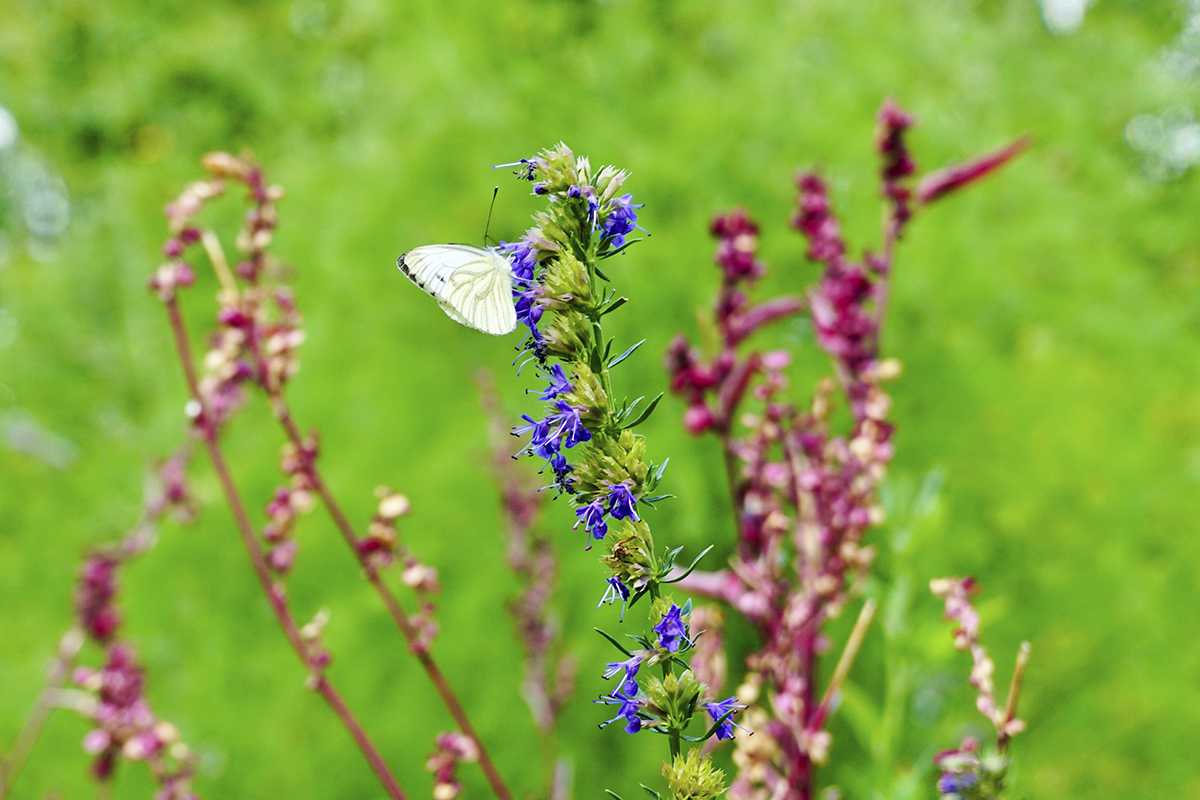
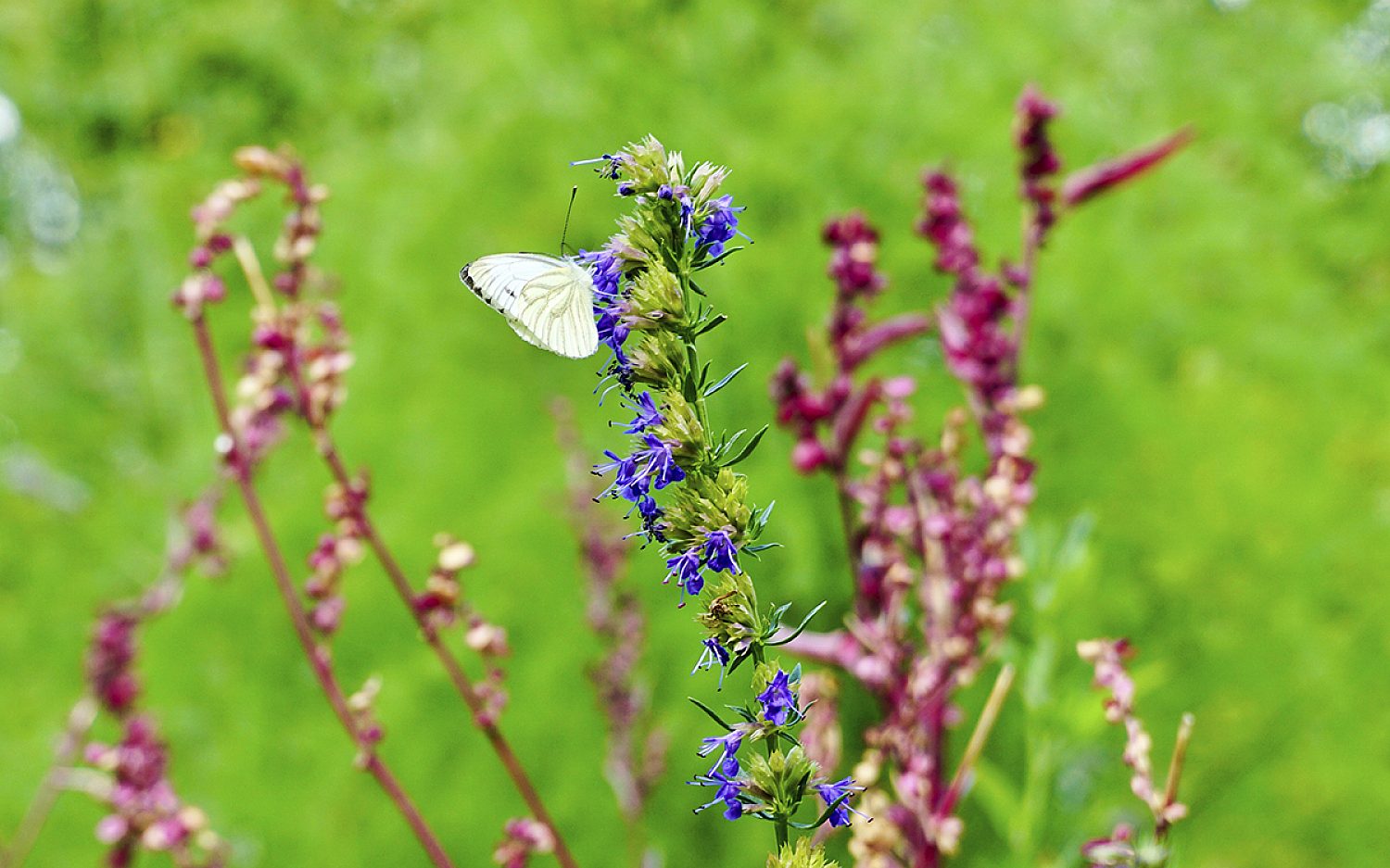
What’s in Mr. Rötzel’s Monk Garden? It holds between 150 and 200 types of herbs, leaves, and trees. You won’t find all of them at a supermarket. There’s mint, oregano, and cilantro. You’ll also find hyssop, New Zealand spinach, four-leaf sorrel, yarrow, and tarragon.
In the Middle Ages, monasteries usually had large gardens. These served multiple purposes. They were a place to pray or enjoy the outdoors. They included vegetable plants and fruit trees. Those provided some of the food the monks who lived there needed. Gardeners also grew medicinal herbs to treat some types of illnesses.
The Monk Garden business began in 2022. Mr. Rötzel sells flavorful plants to restaurants. He organizes “wild herb walks.” In workshops, he teaches people how to make skin cream from the plants.
Mr. Rötzel says his plant knowledge came from his father. As a child, Martin started collecting wild herbs around age four.
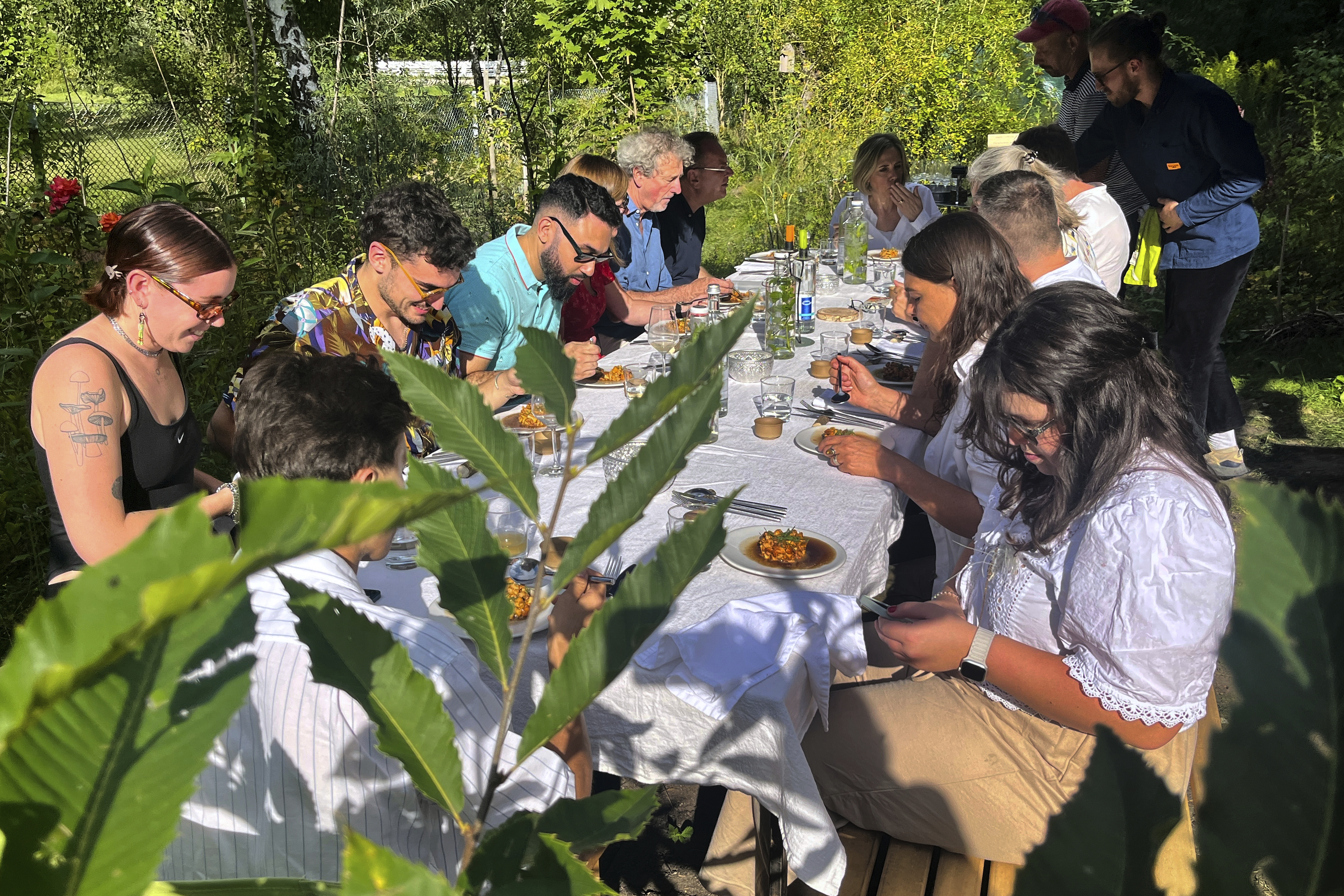
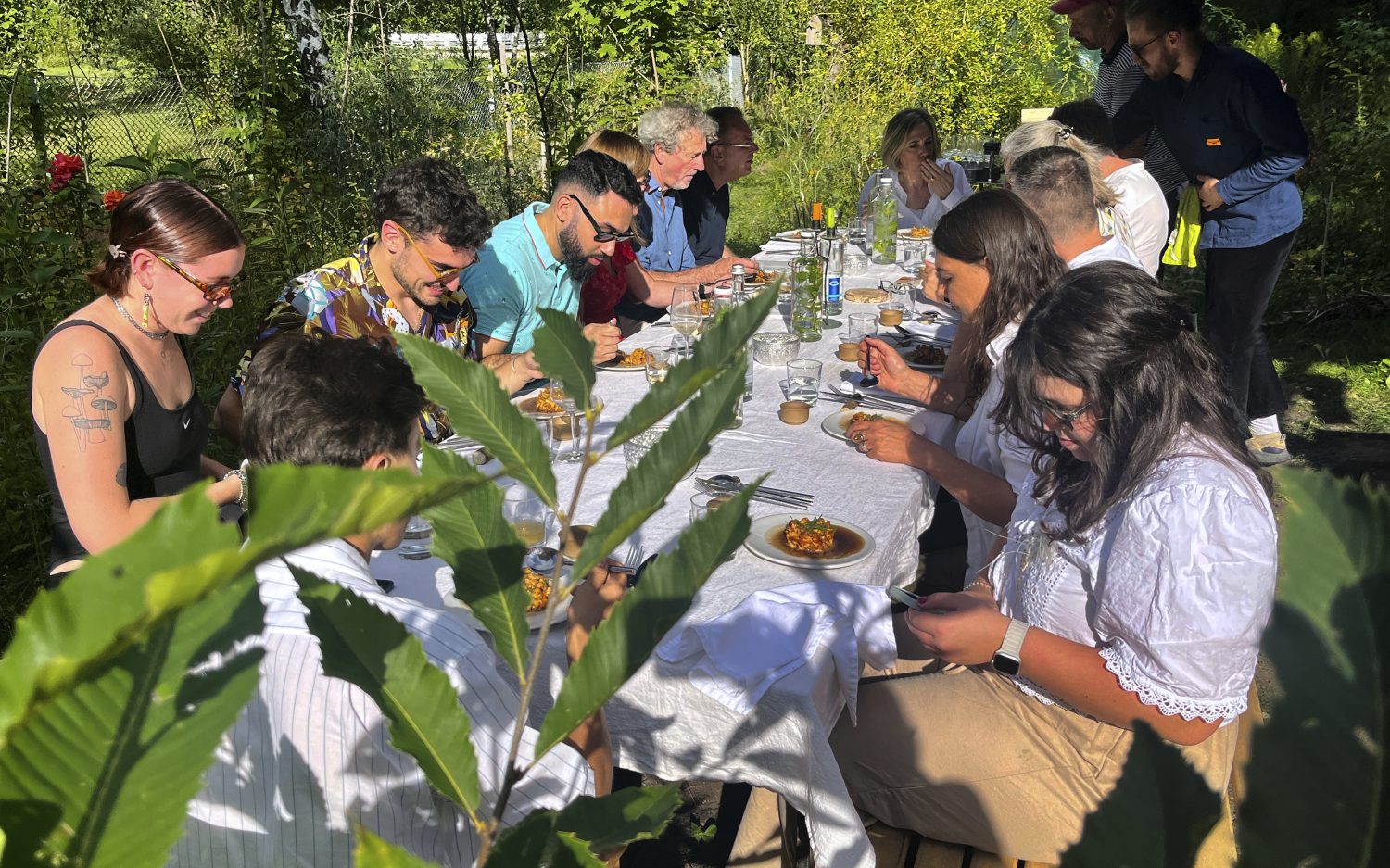
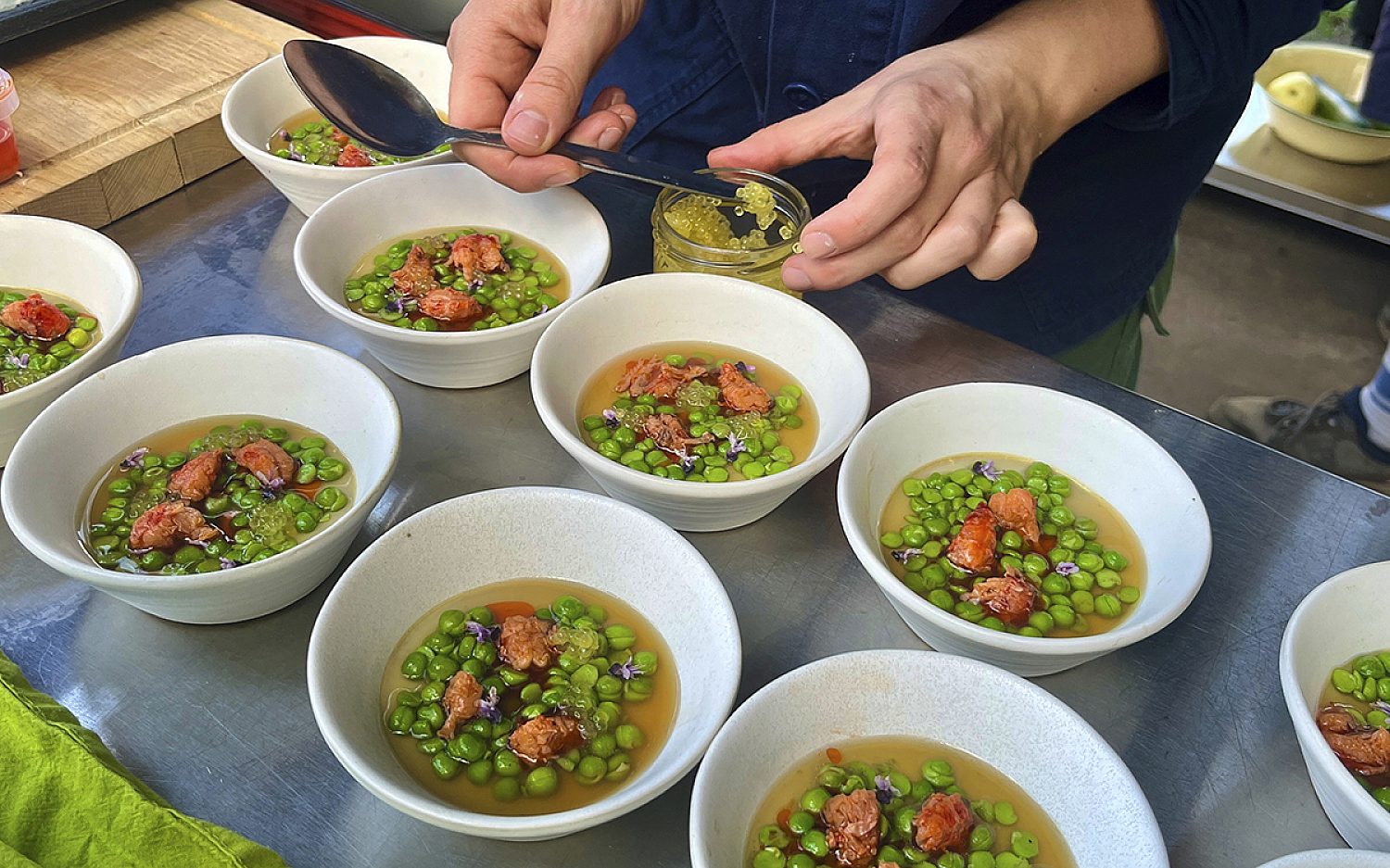
At the garden, Mr. Rötzel passes on knowledge. He hosts dinners in the garden. Visitors sample five courses. Each course comes with a different herbal tea.
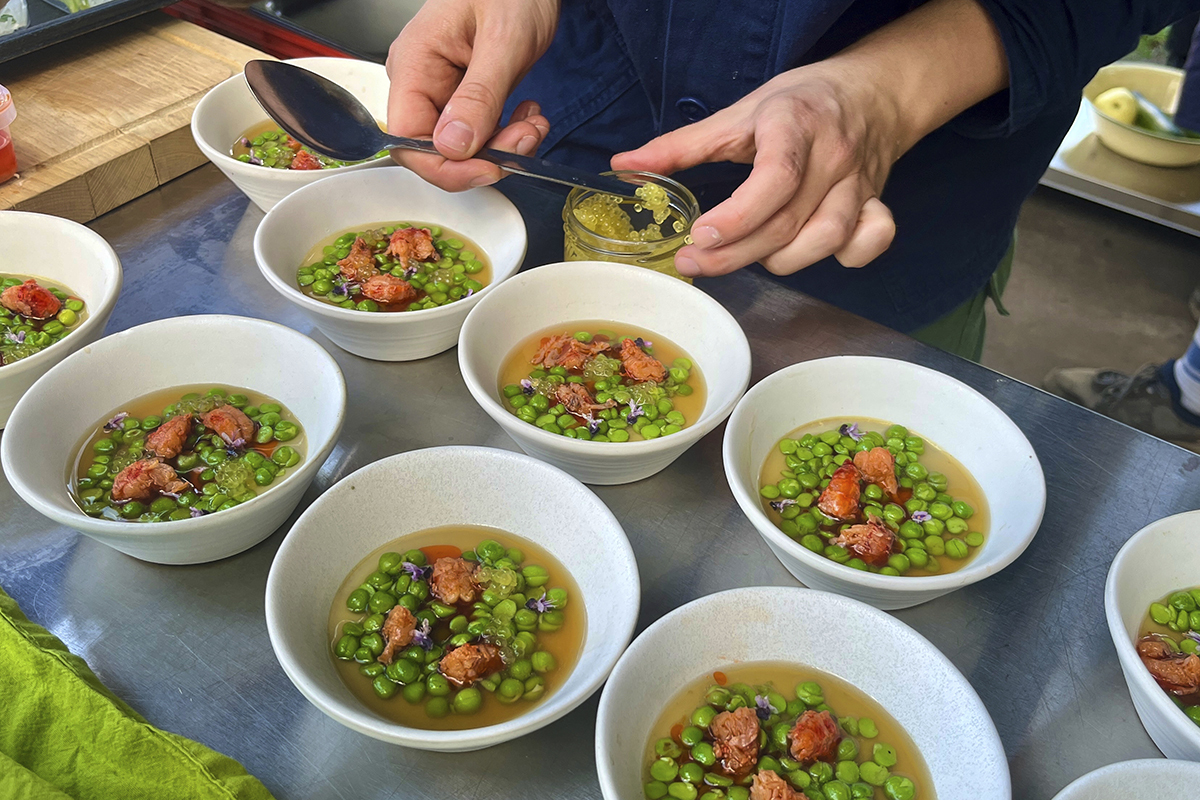
Diner Britta Rosenthal enjoyed a dish of crayfish and peas with basil. She says she wants to “become a bit more courageous preparing food.” To her, that means cooking “not just with pepper, salt, and paprika but also with green, fresh stuff.”
Why? Herbs provide nutrients, flavor, and even healing properties. These many plants are a good gift from God.