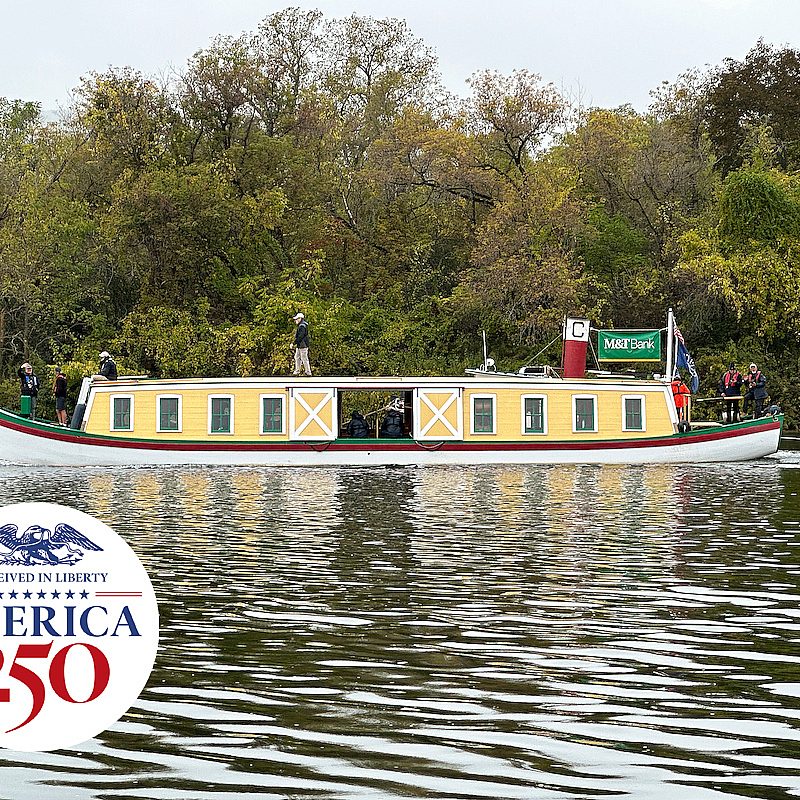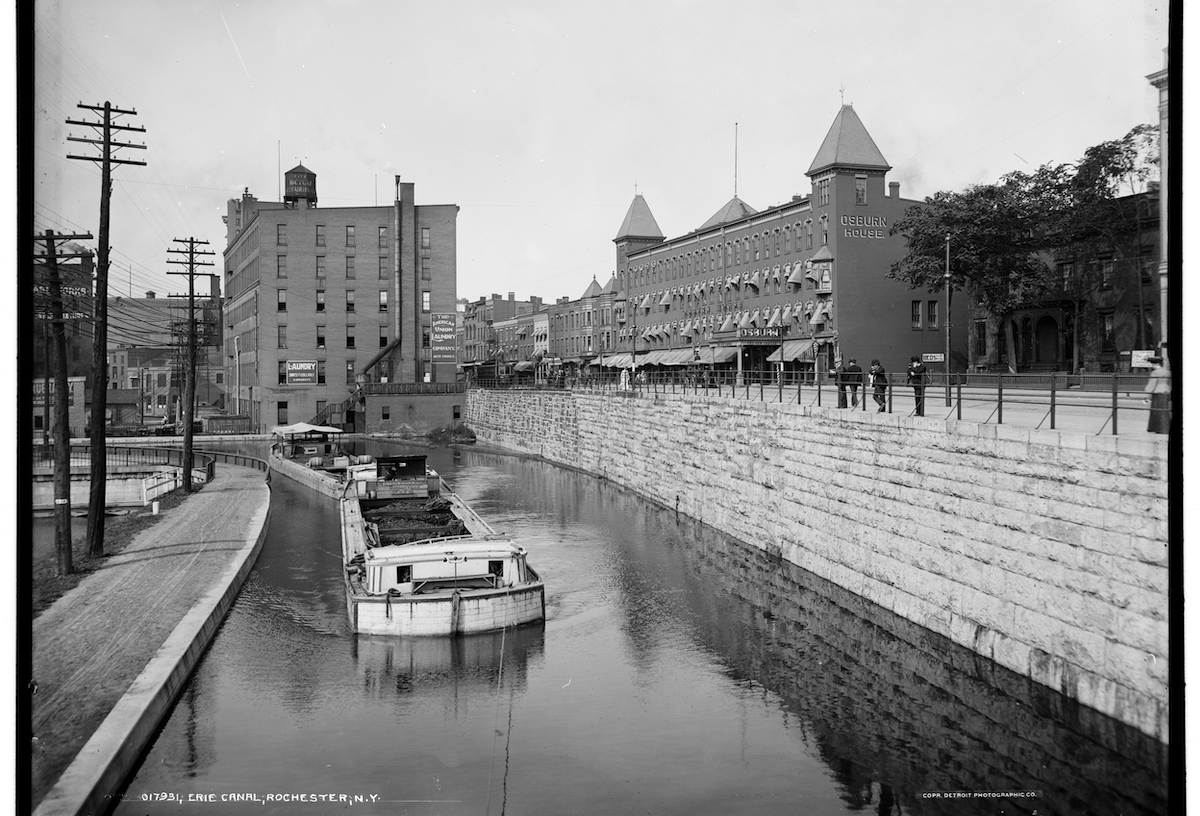

In the early 1800s, Americans wanting to spread westward had an idea. What if you could take a boat from the Atlantic Ocean to the Great Lakes?
You couldn’t—not yet. To do that, they had to build a canal. The project took about eight years. Thousands of workers dug with picks and shovels.
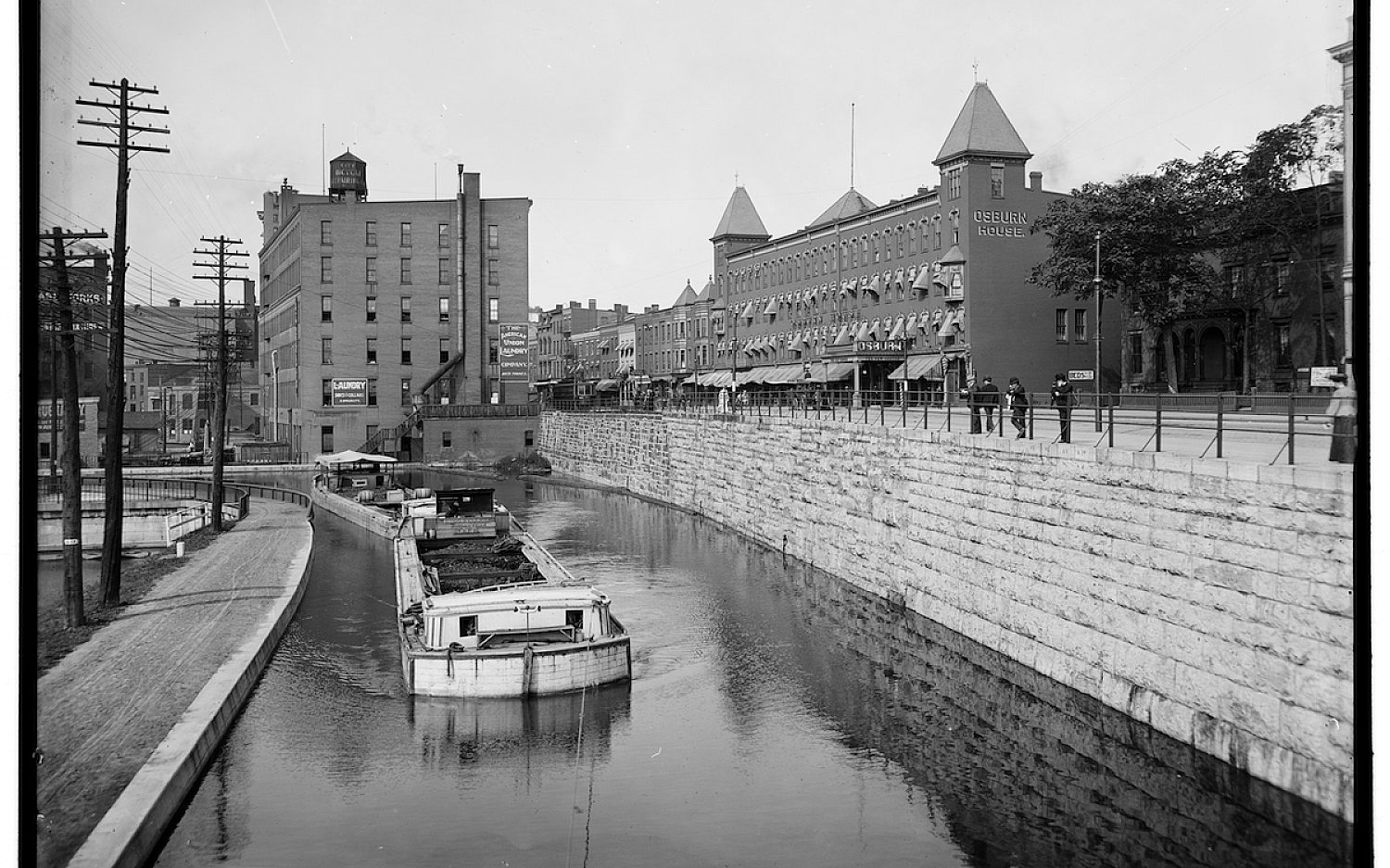
The finished Erie Canal is 363 miles long. It connects Buffalo, New York, on Lake Erie to Albany on the Hudson River. That river flows to New York City and the Atlantic Ocean.
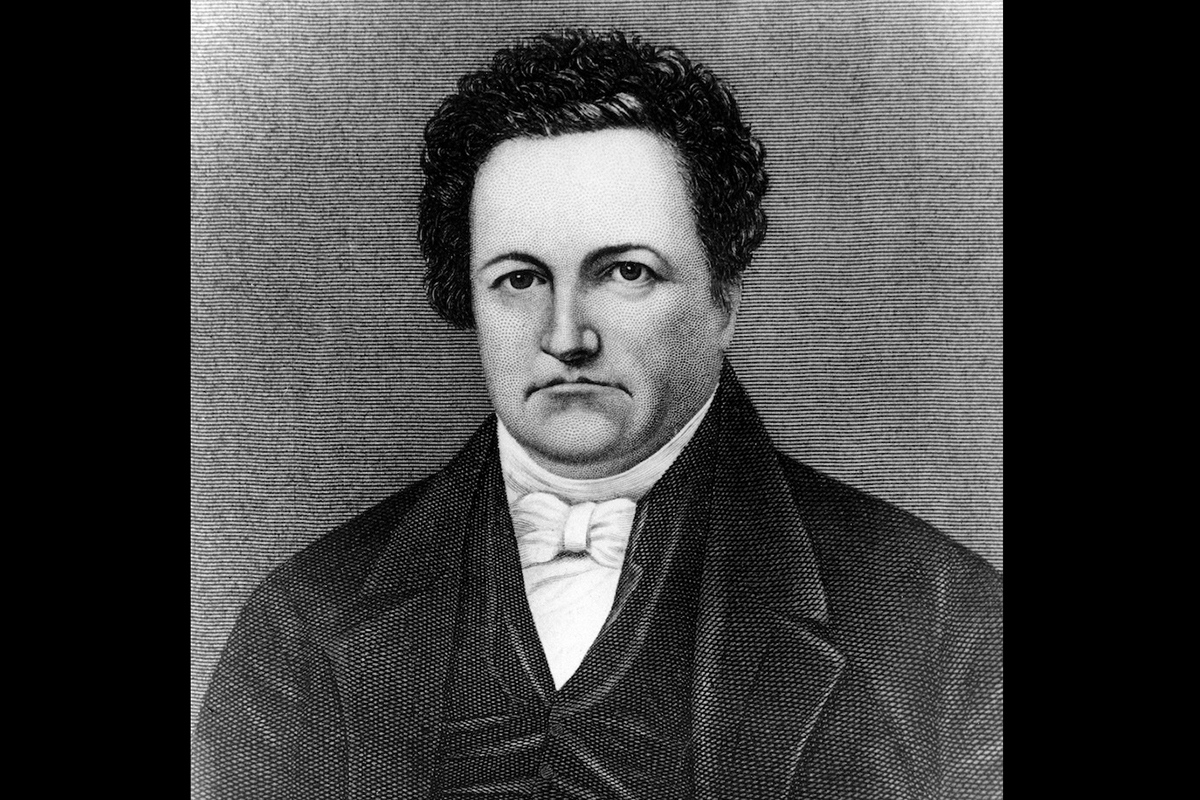
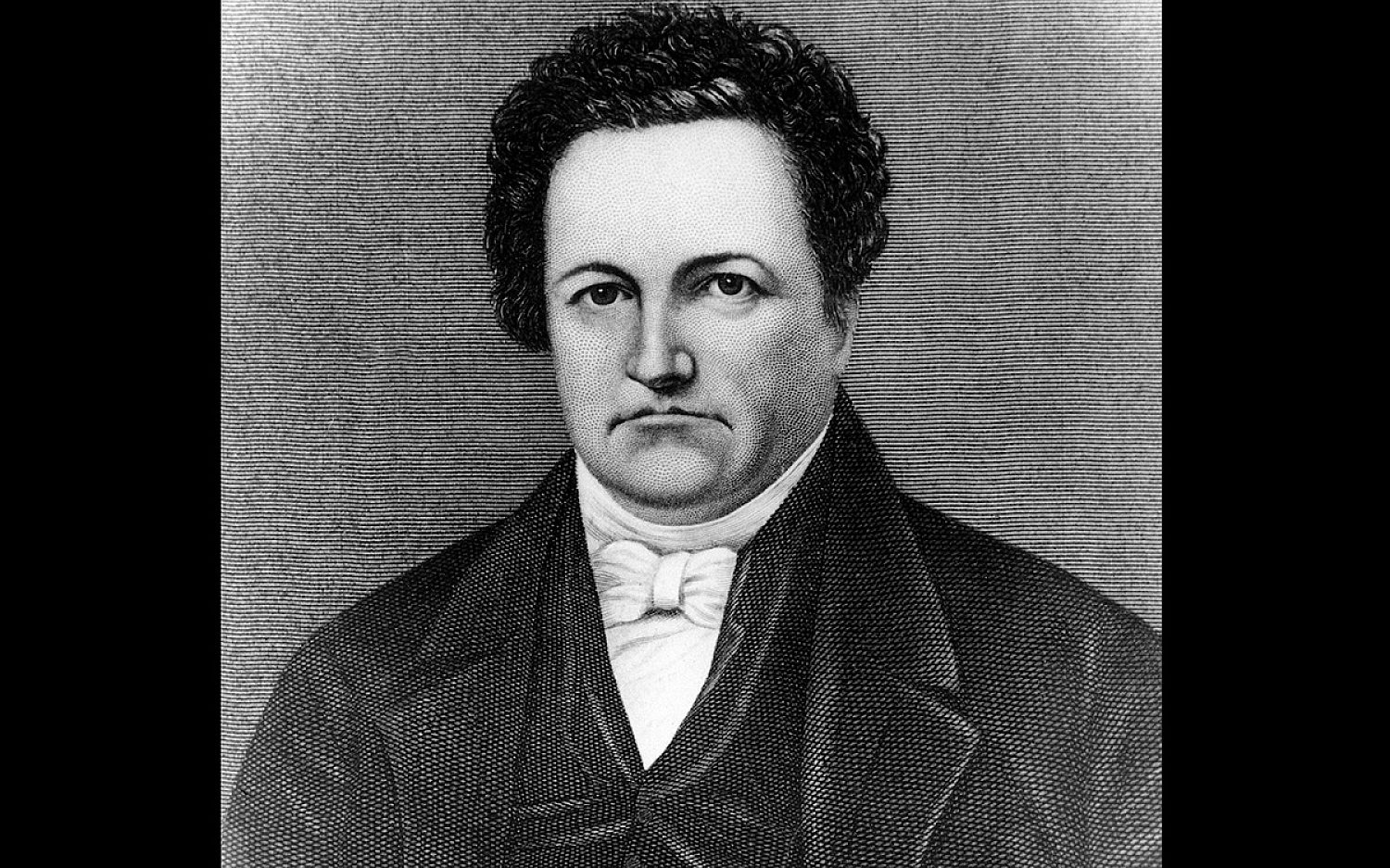
Early on, critics mocked New York Governor DeWitt Clinton. They thought he was wasting time and money building the waterway. They called the canal “Clinton’s Folly.”
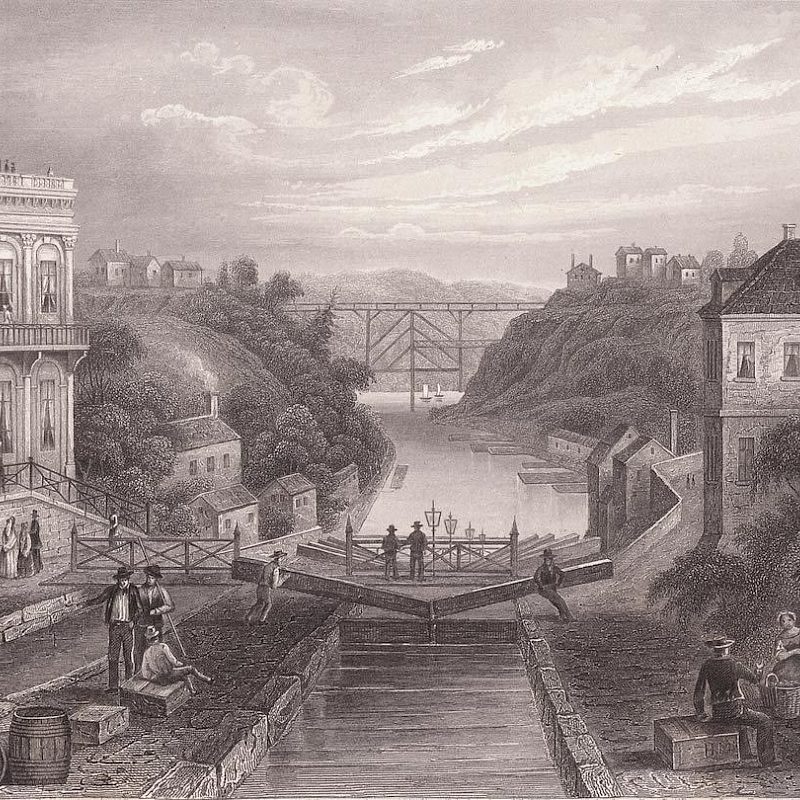
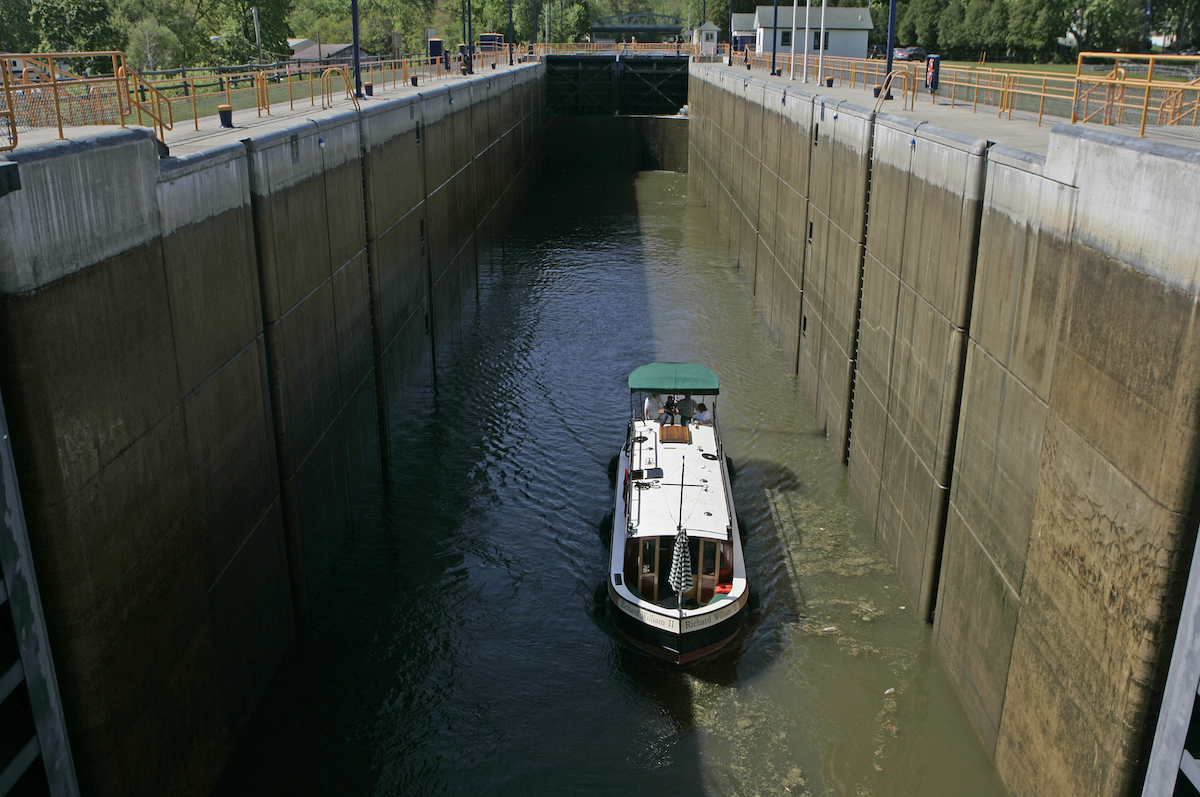
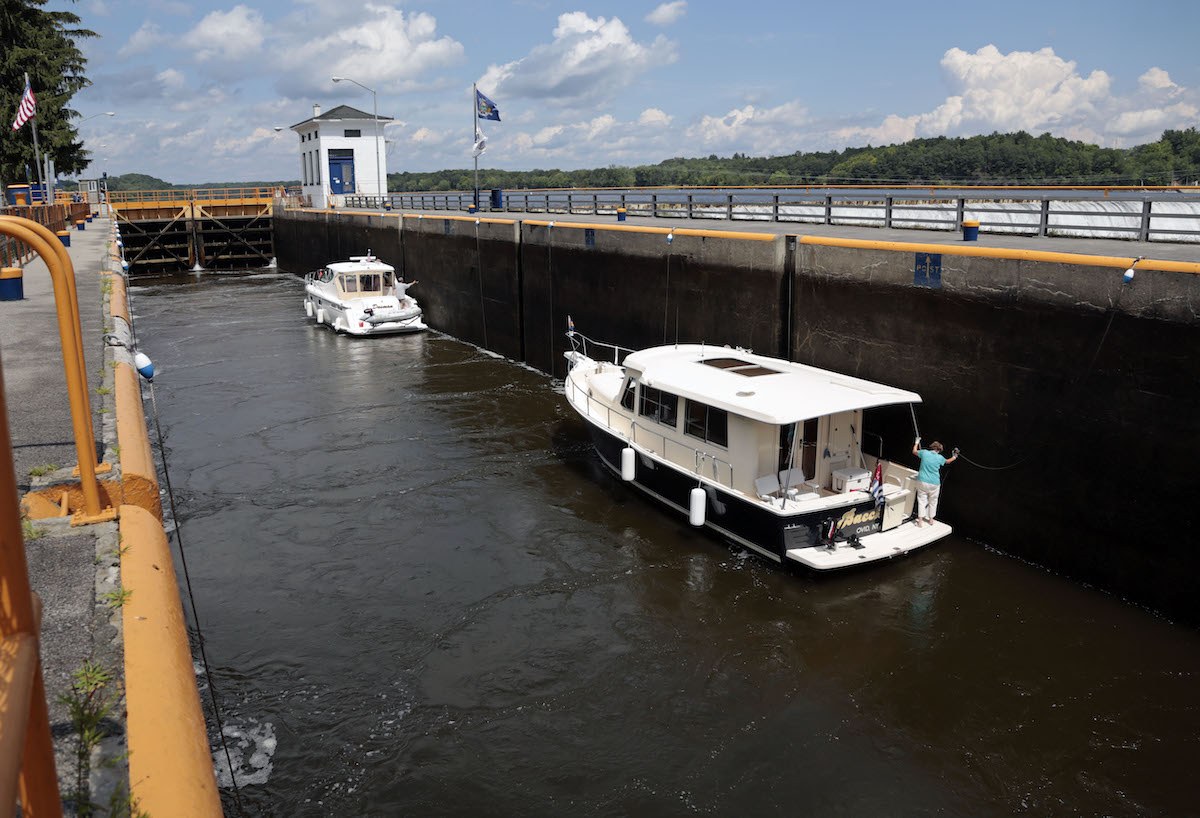
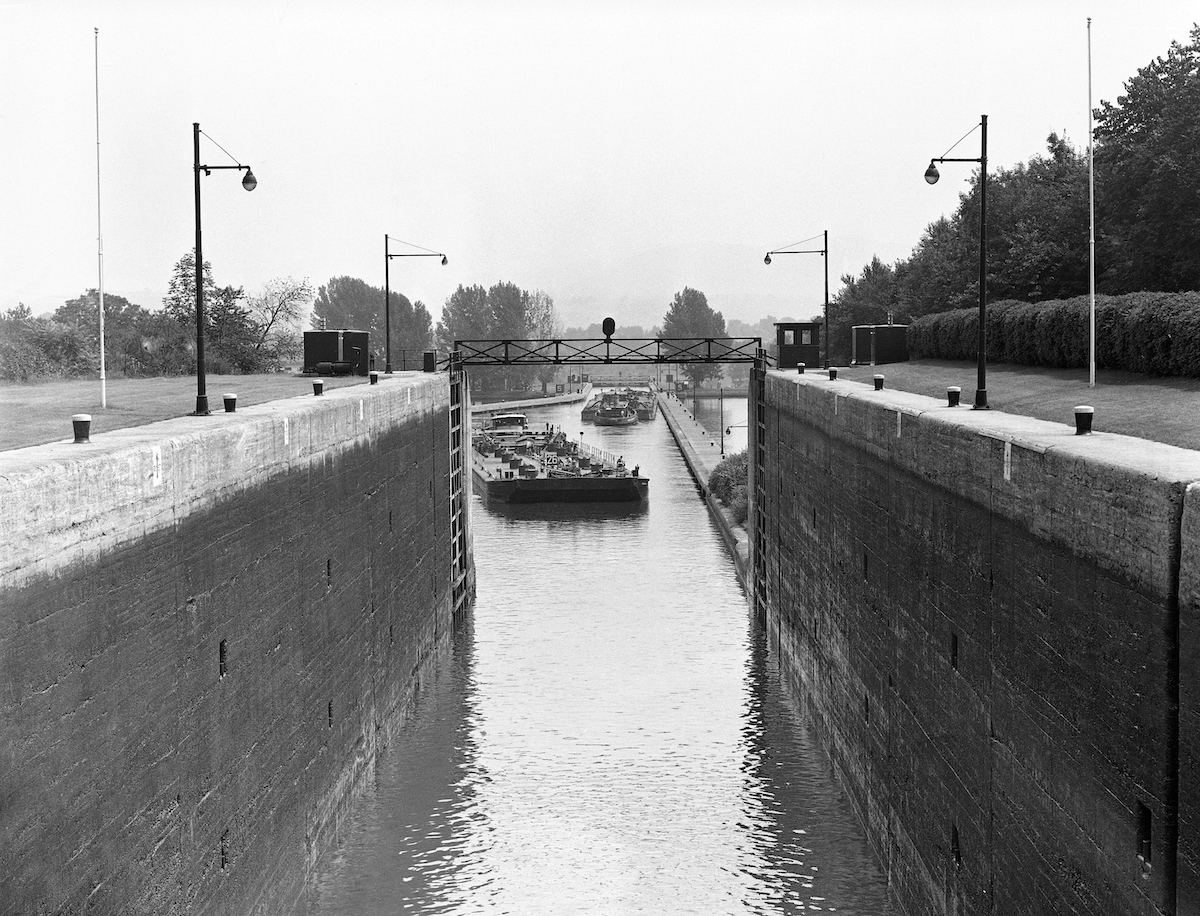
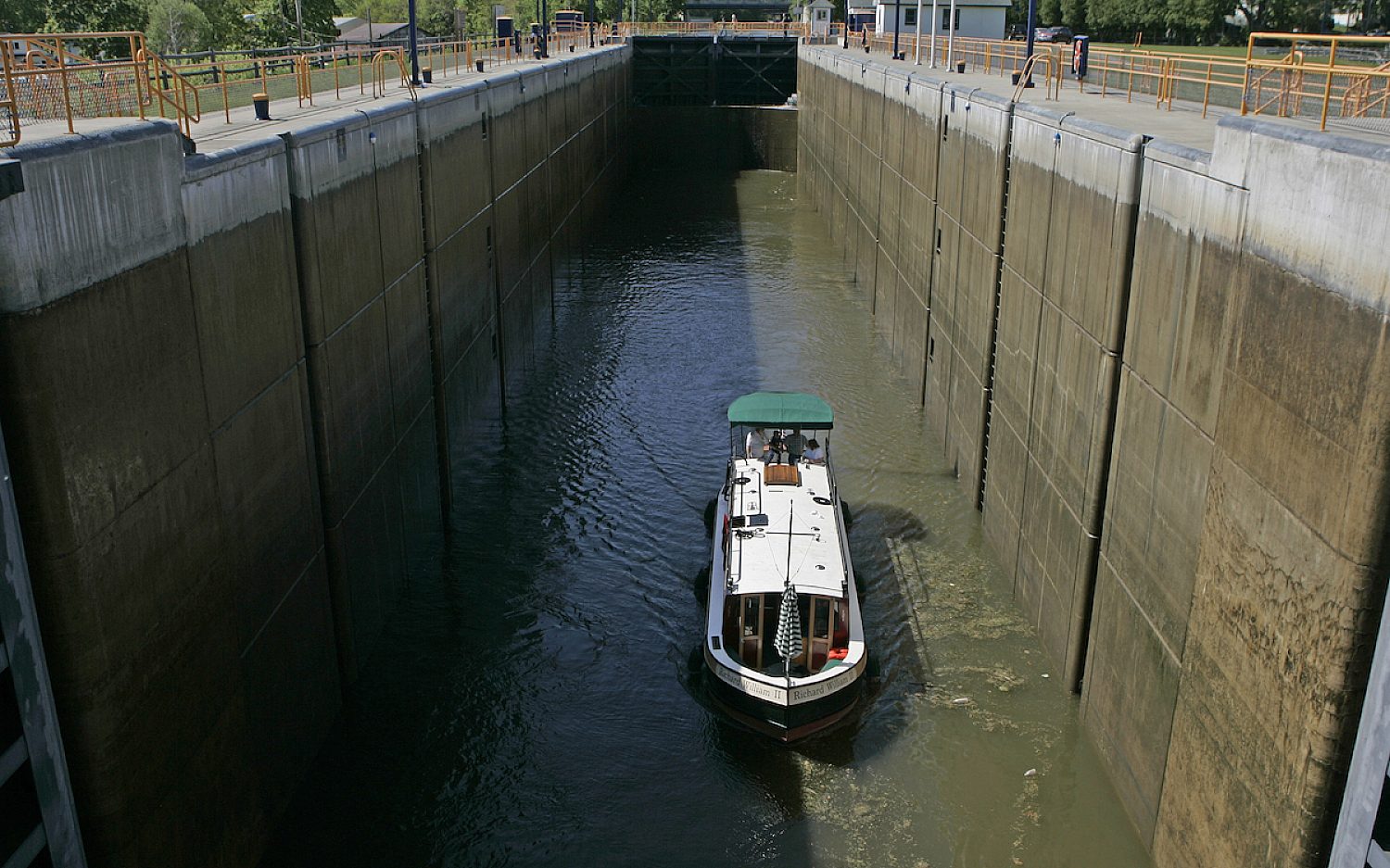
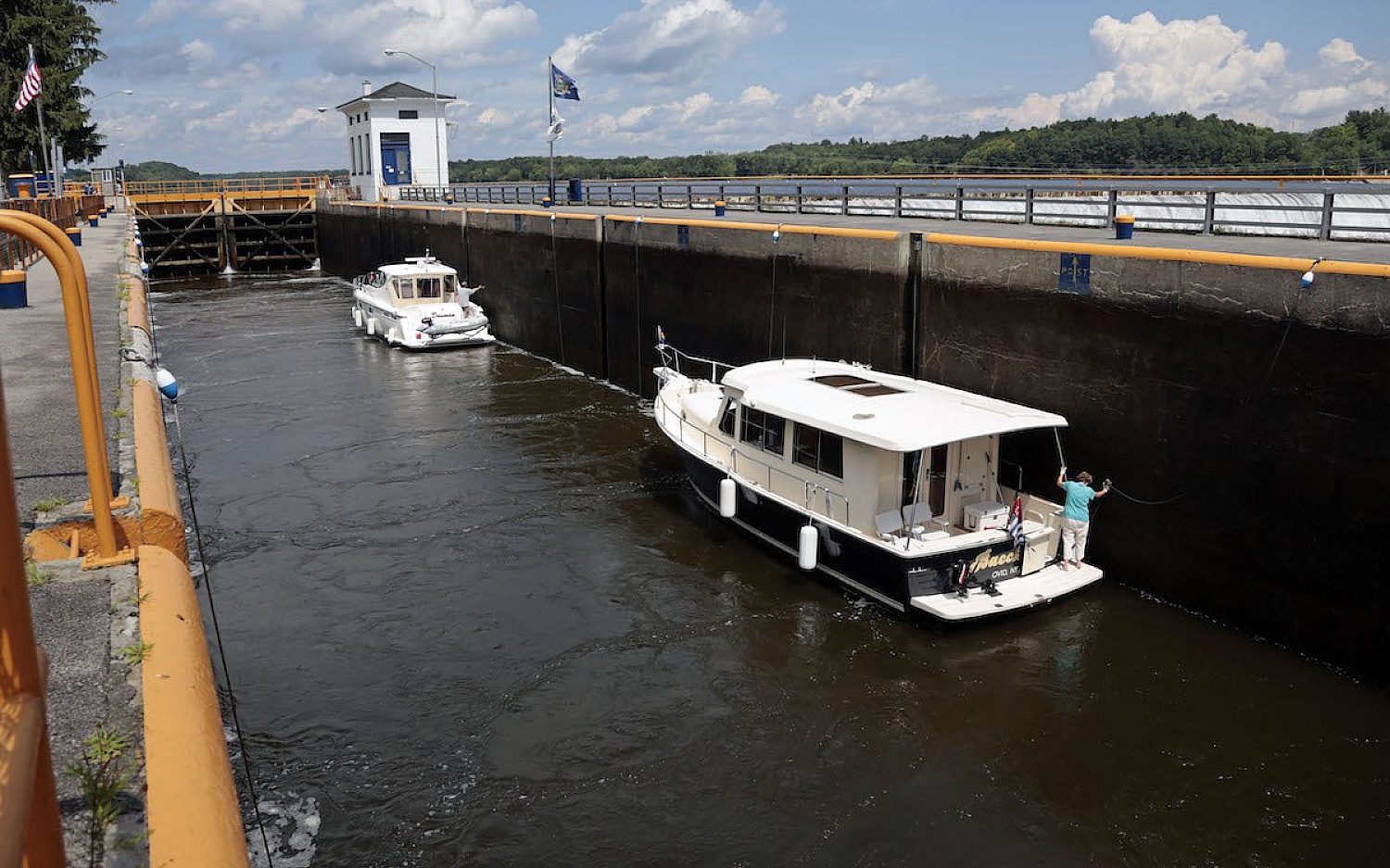
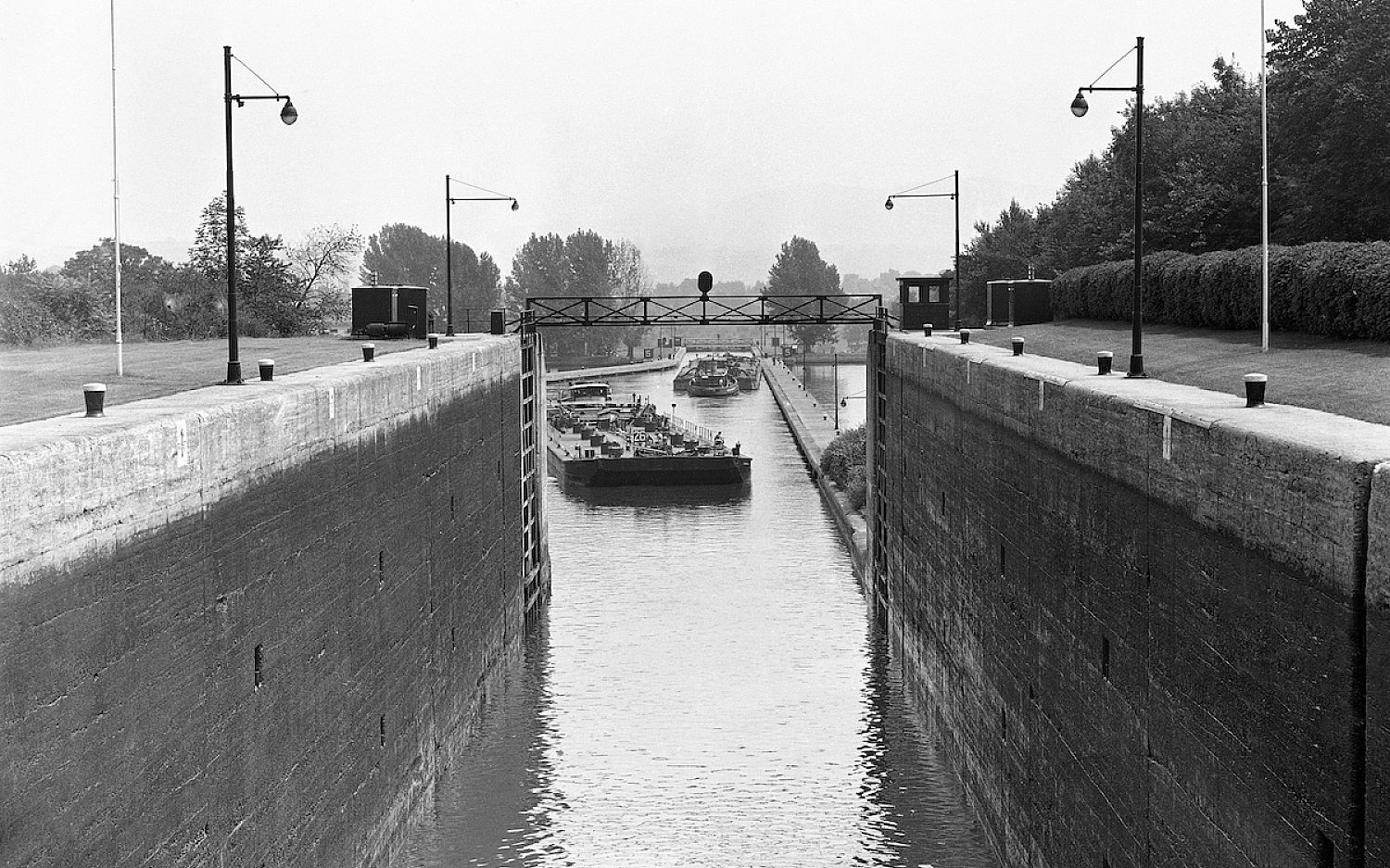
To get from Buffalo to Albany, the canal had to cross hills and valleys. But water flows only downward. How could ships change elevation? With locks.
Locks are sections of a canal with watertight gates. When a boat enters a gated section, lockkeepers let water in or out. That raises or lowers the water level. A ship in the canal rises or drops with the water. Once at the level of the next lock, the gate opens. The ship passes through.
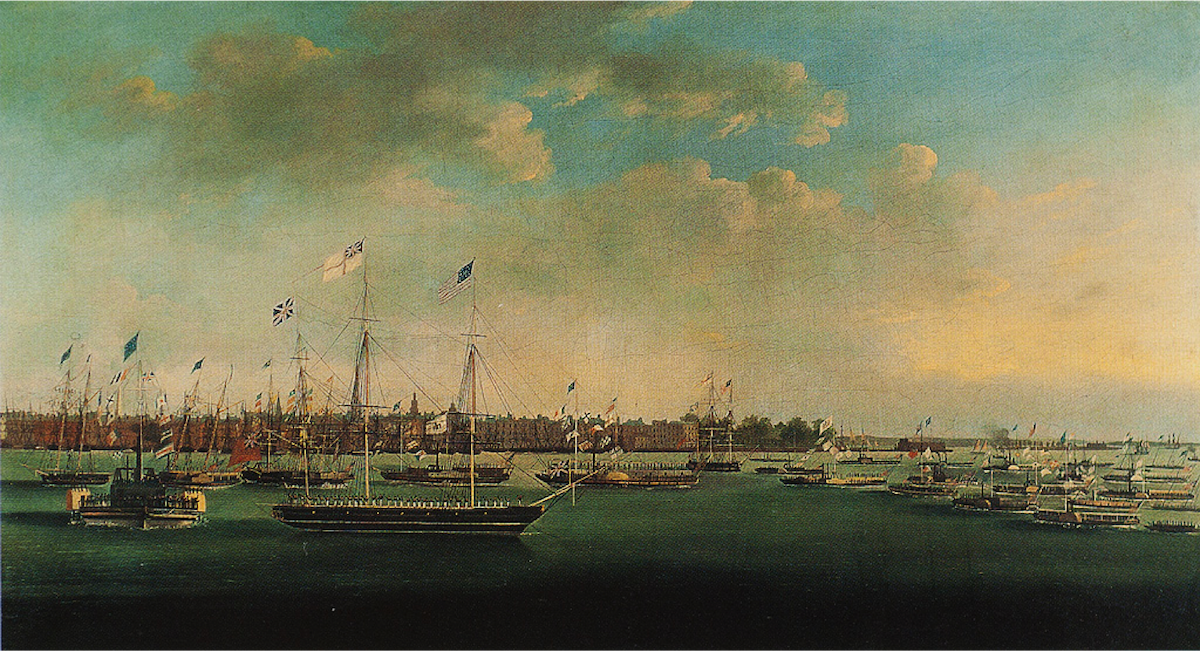
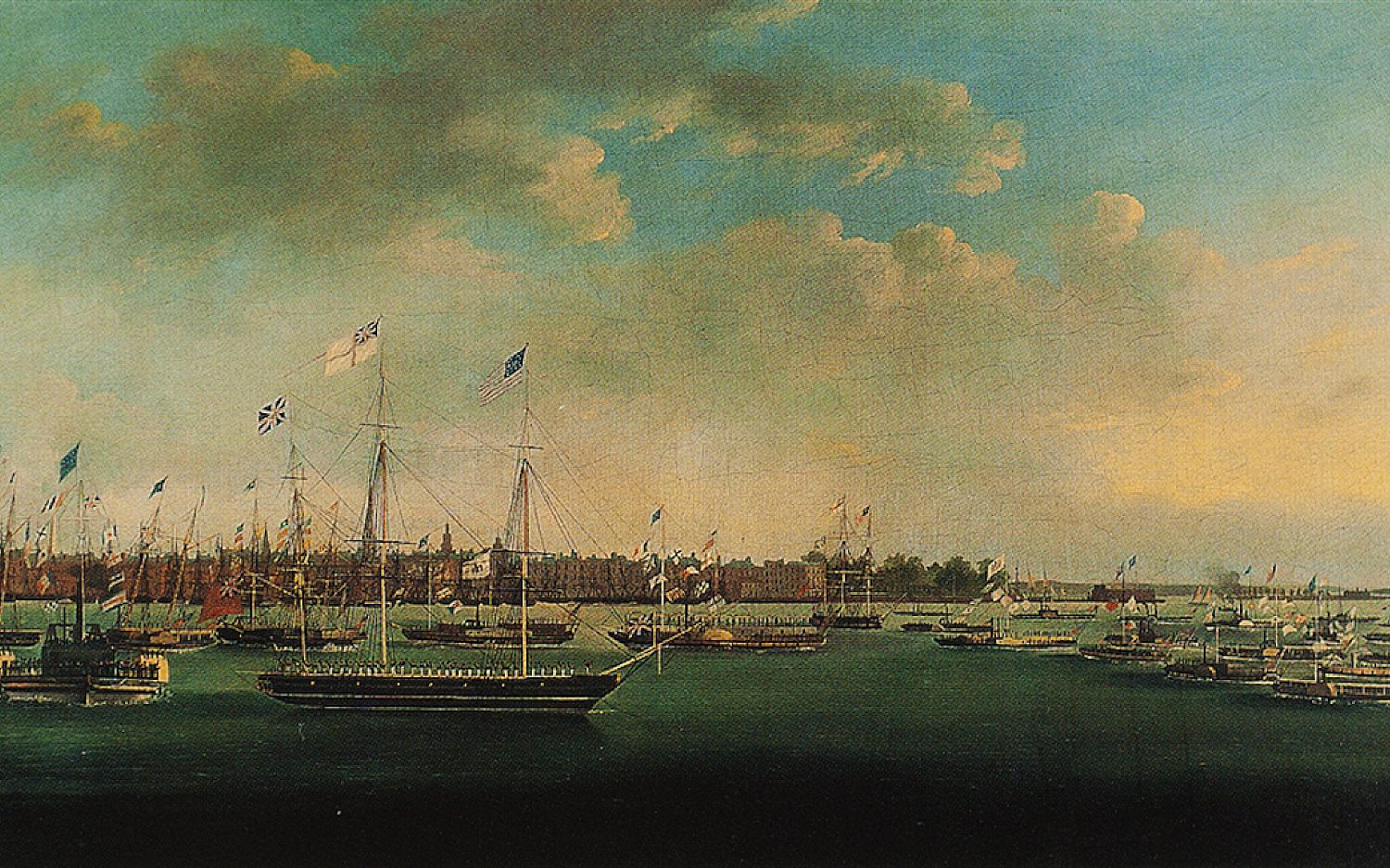
On October 26, 1825, Seneca Chief set out. It finished its journey on November 4. Governor Clinton poured a barrel of Lake Erie water into the Atlantic Ocean. He called it a “wedding of the waters.”
The Erie Canal proved its worth. Shipping costs shrank for goods like wheat and flour. Travelers from the east could reach the Great Lakes quicker than ever. Tiny towns along the canal became thriving cities.
The Erie Canal helped the United States grow. More settlers could reach the Midwest. New York City became America’s business hub.
Governor Clinton and his allies could have given up in the face of criticism. Instead, they changed American history.
Recommended Reading: For more about historic canals, read The House on the Canal: The Story of the House That Hid Anne Frank by Thomas Harding.