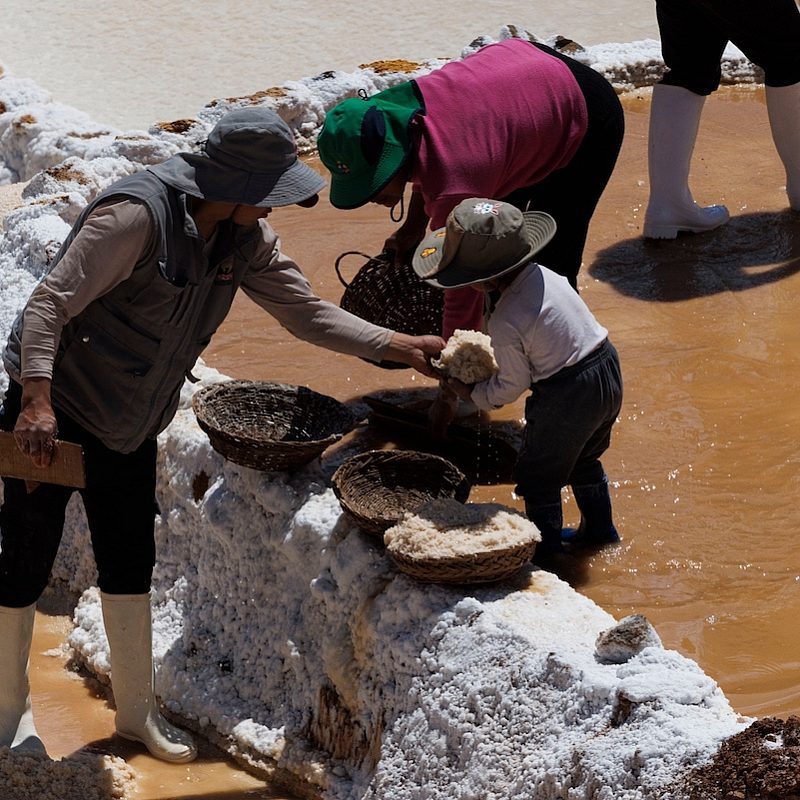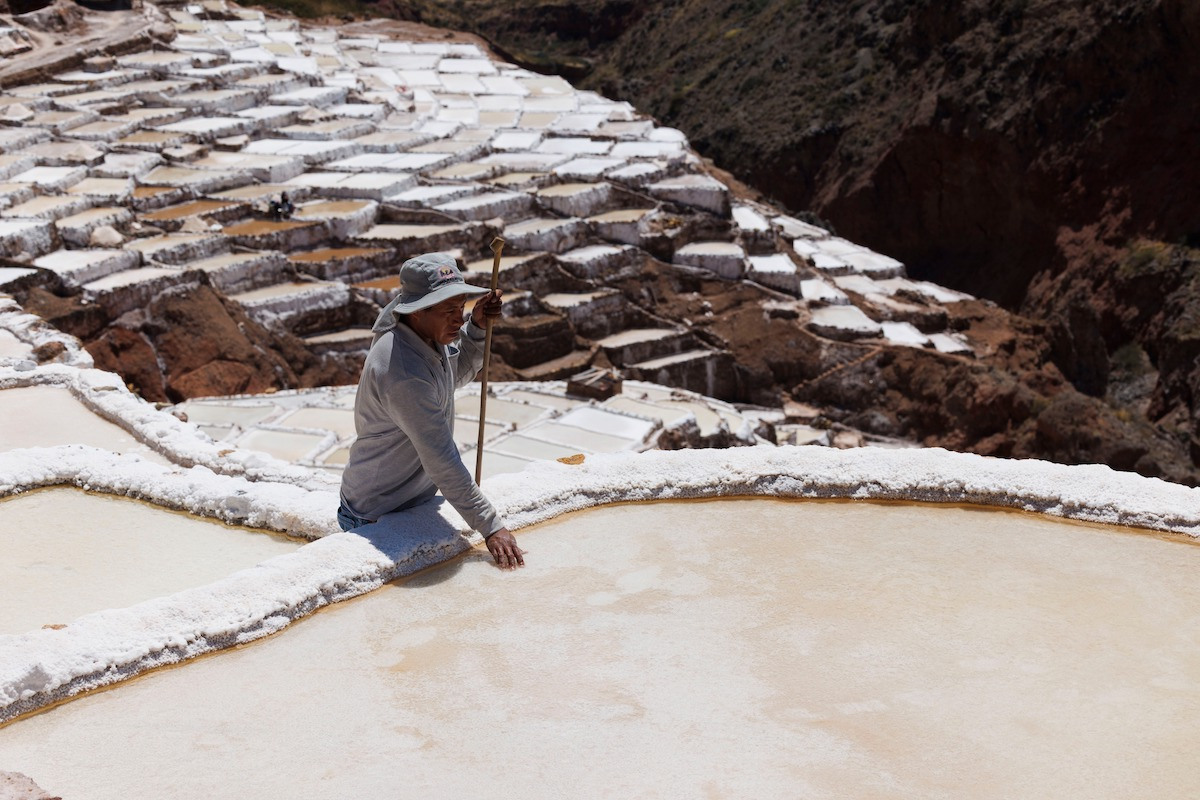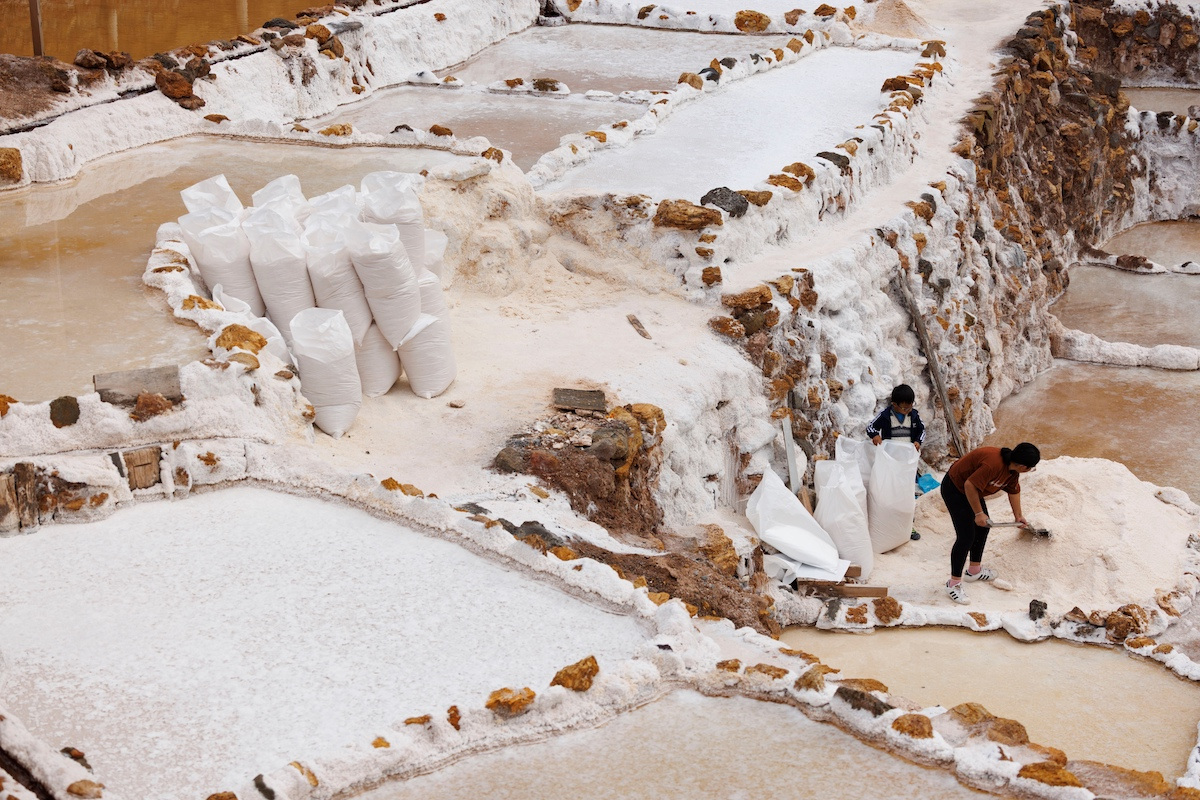
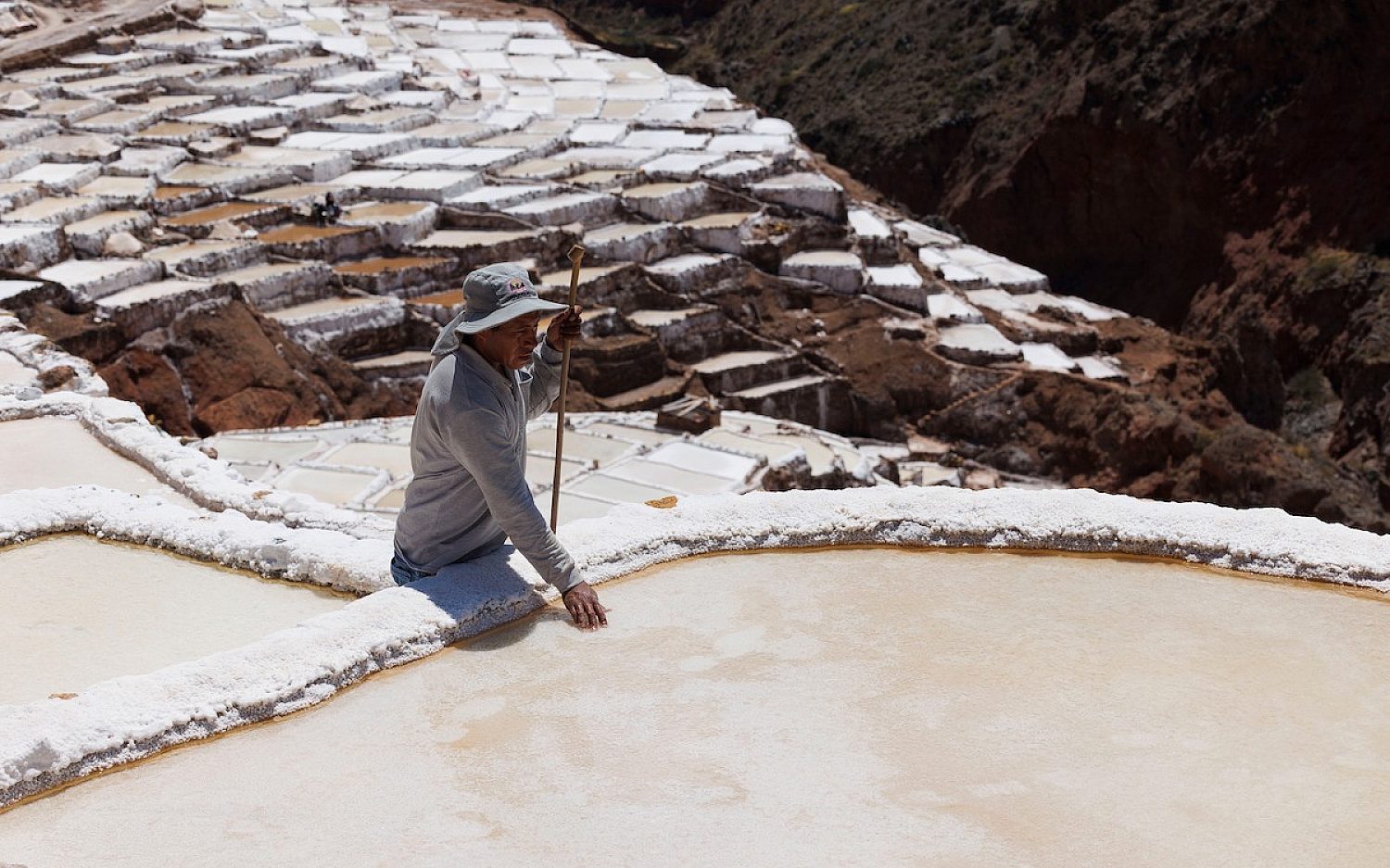
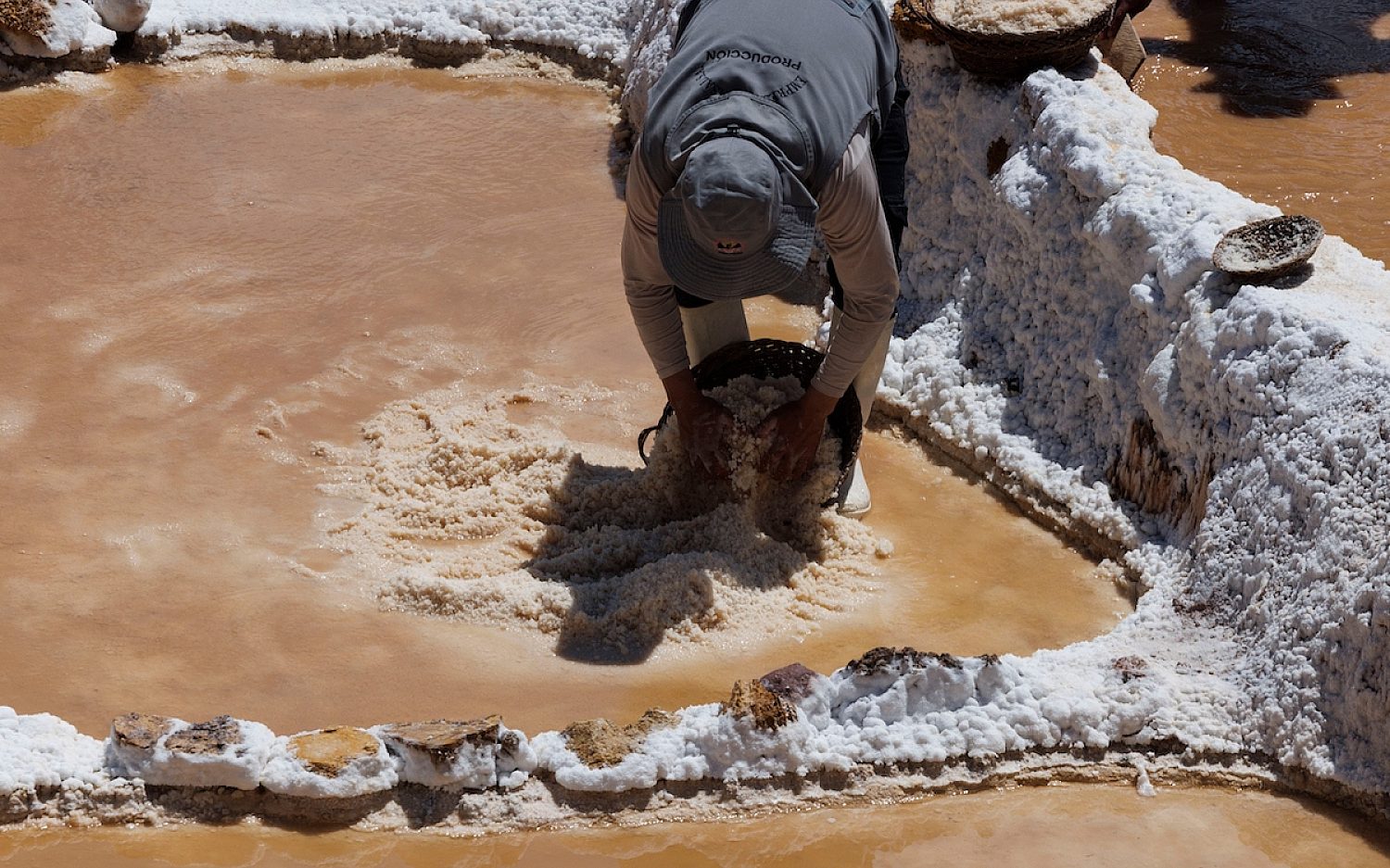

Uriel gets ready for his workday in the mountains of Peru. His first decision: Which friend’s salt pond he will work today?
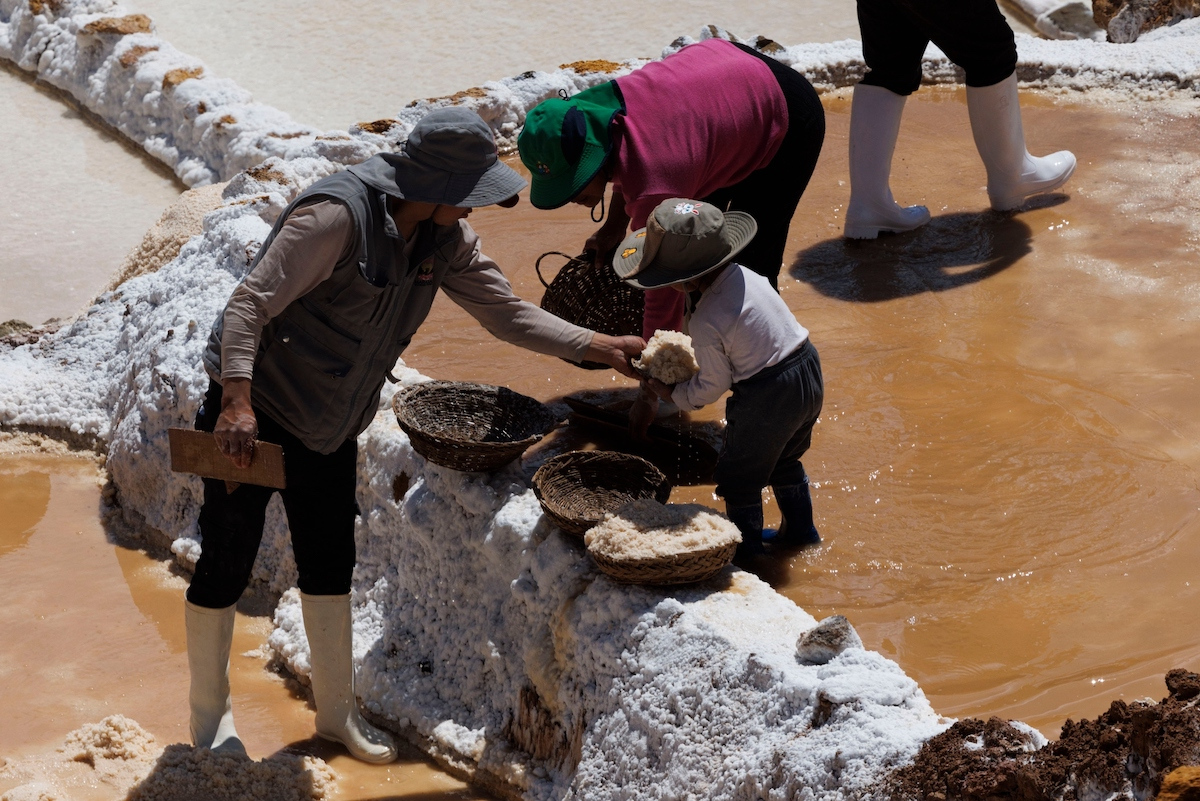
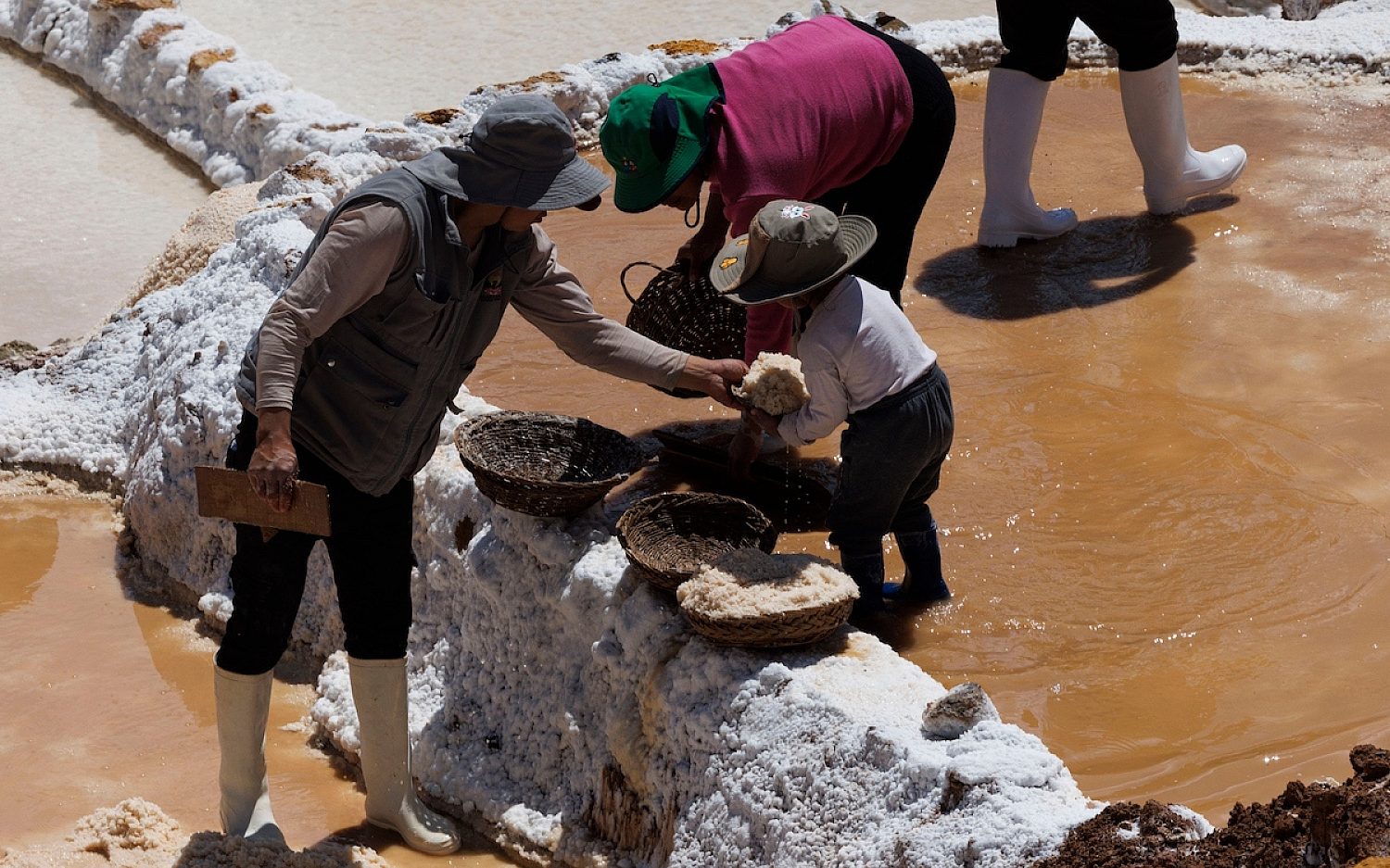
In his village, people practice anyi. That’s an old, old word. It means “helping each other.” Villagers work together to collect their salt once each month during the dry season.
“Today we worked on my ponds, and tomorrow we will work on my friends’ ponds,” says Uriel. (He and the others in this story chose to give only their first names.) Uriel’s family has mined salt for generations. Local salt ponds have been around for five centuries!
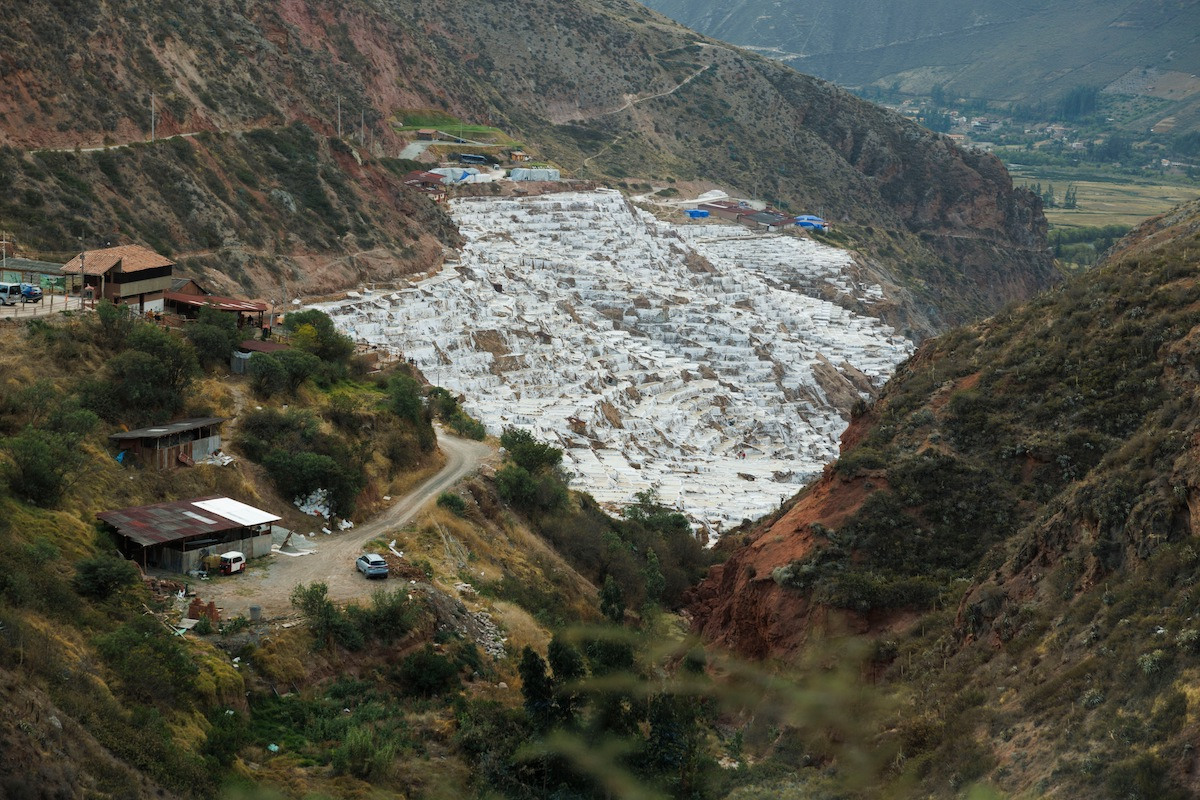
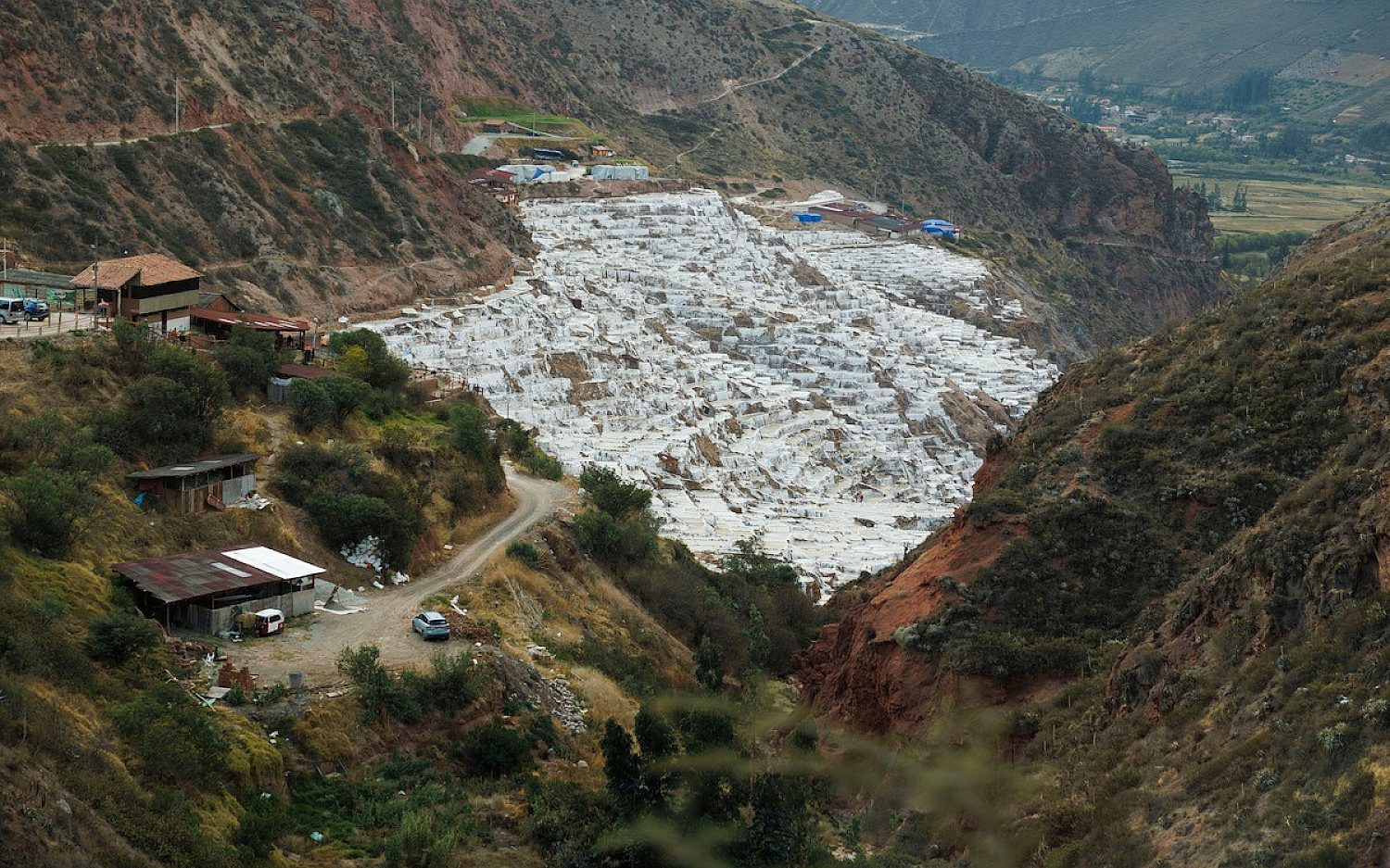
How did the ponds get so salty in the first place? Here’s what a geologist (rock and soil scientist) will tell you. Long, long ago, a section of ocean existed in the place that would later become the Andes Mountains. The ocean receded. It left rich salt deposits behind. Groundwater picks up the salt. Mountain springs move it around.
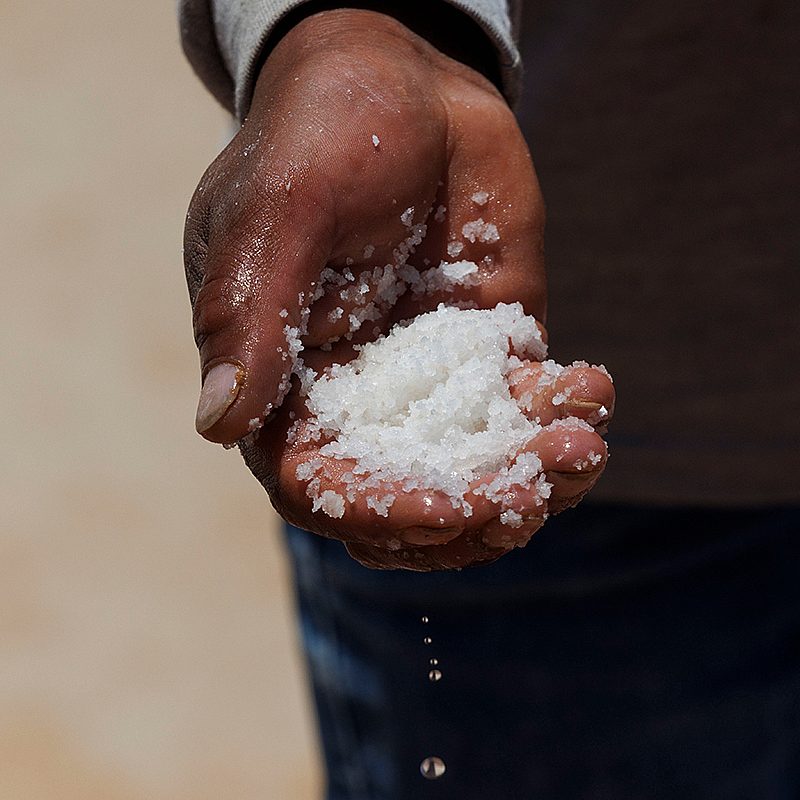
Salty streams fill villagers’ valley ponds. The people dig small channels. In dry season (May through October), the channel water evaporates. What’s left behind? Salt.
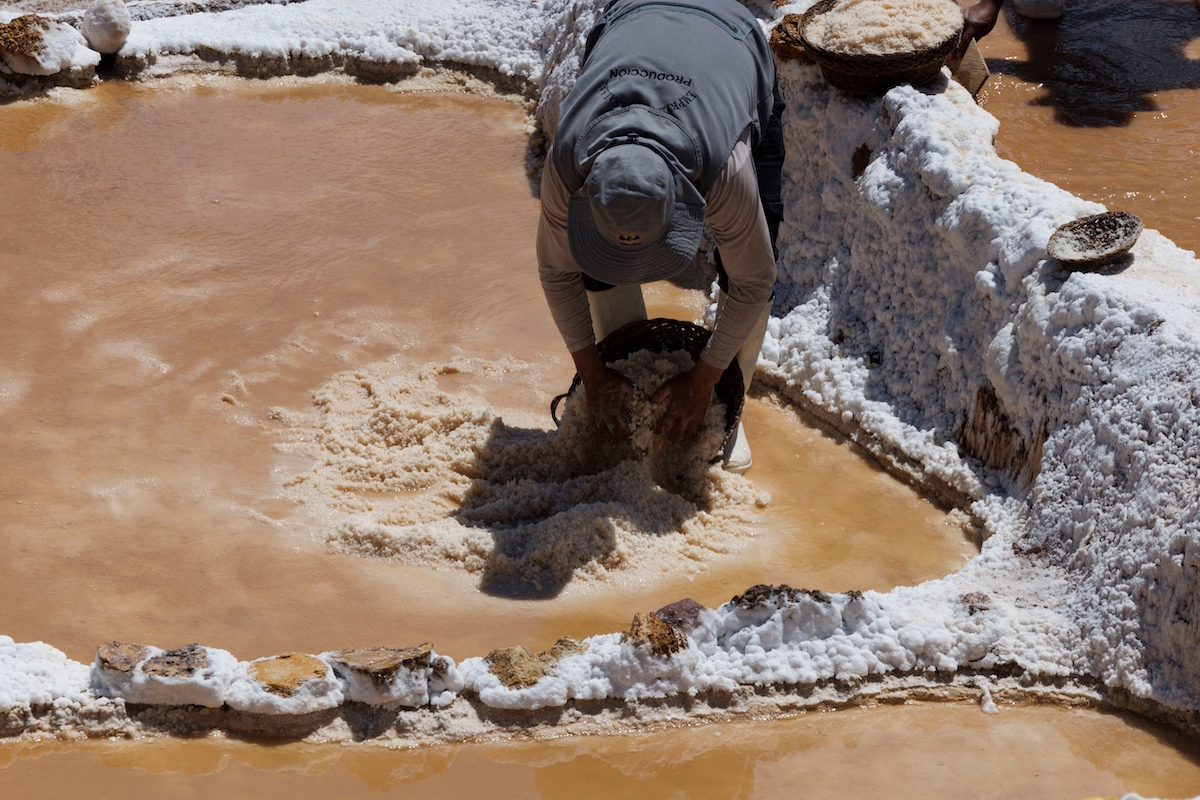
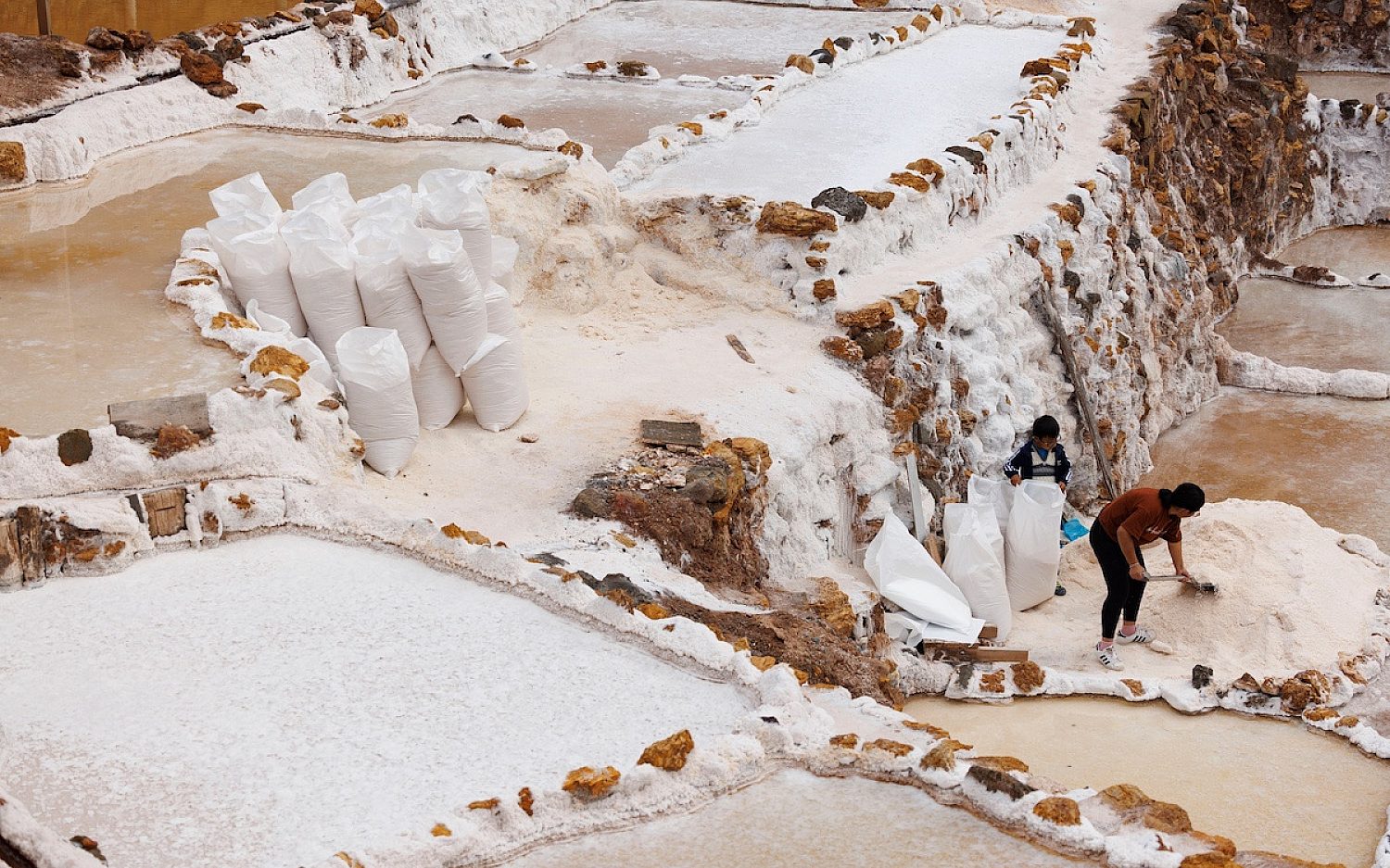
The people scoop it up. They rinse it and lay it out to dry again.
Then comes the heavy lifting. Salt farmers haul 110-pound bags of salt up the mountain, where it gets weighed. Next, they take it to be processed.
During harvest time, each pond produces between 330 and 440 pounds of salt per month.
Why? In Peru, neighbors “worth their salt” work together in harvest time and pass their work through generations.