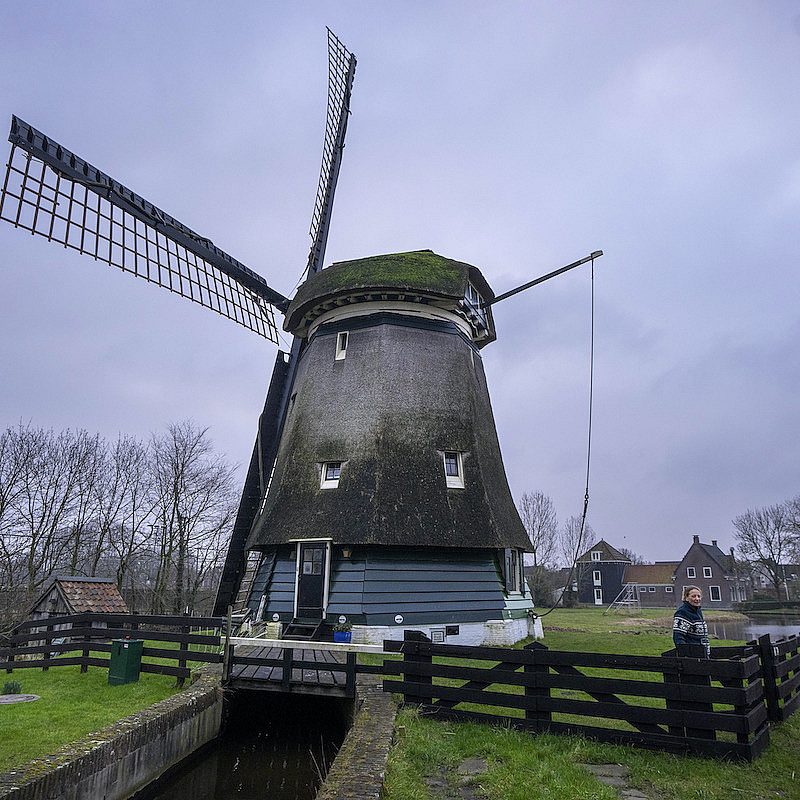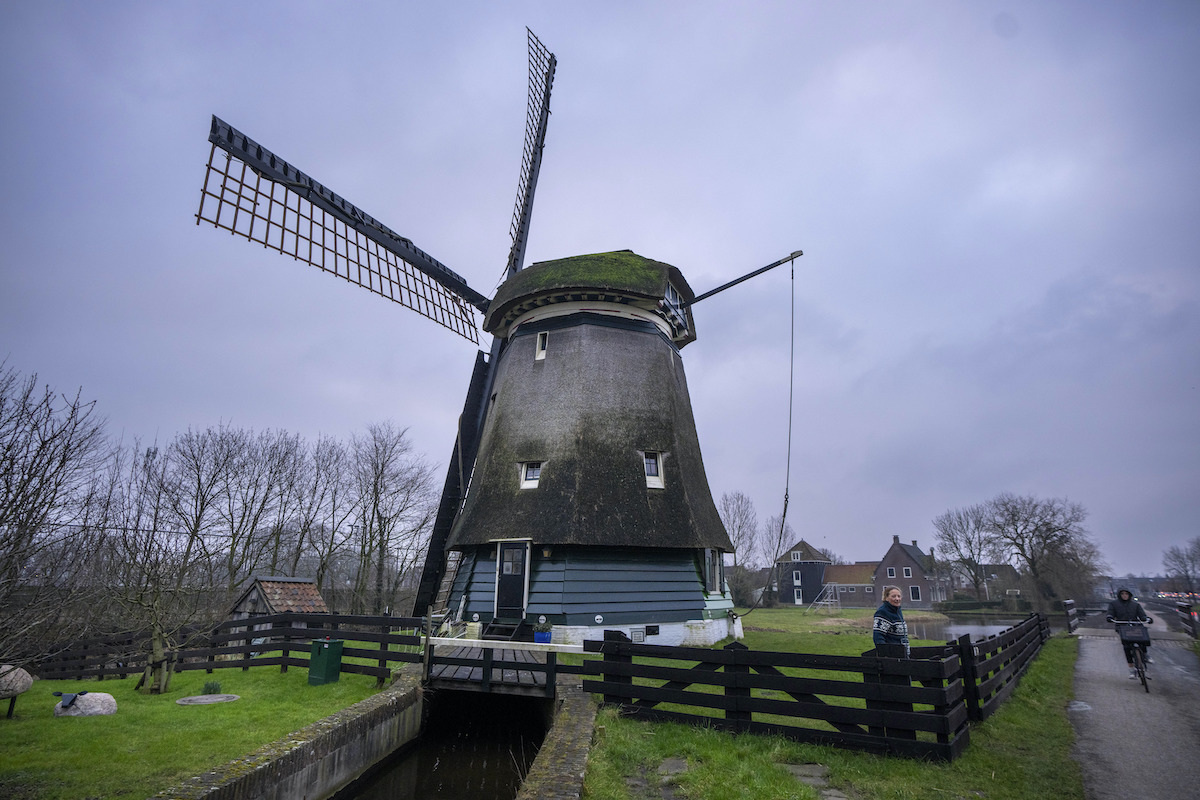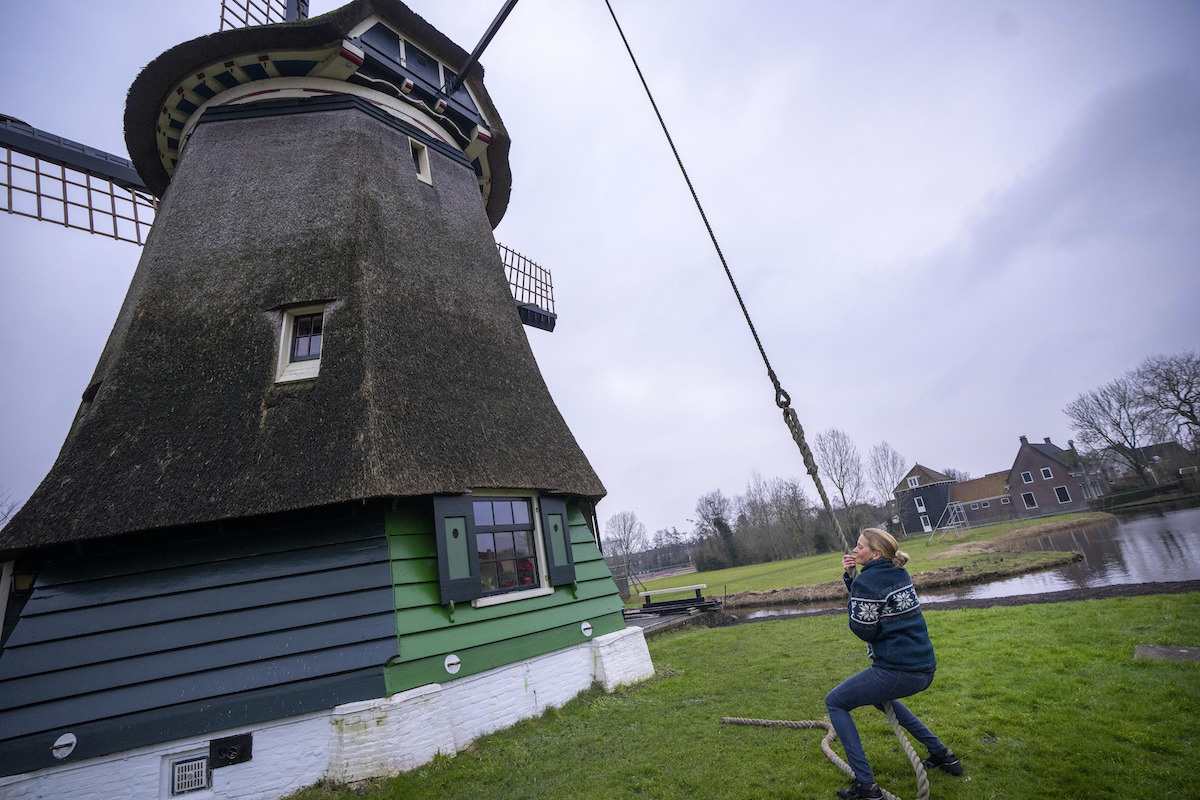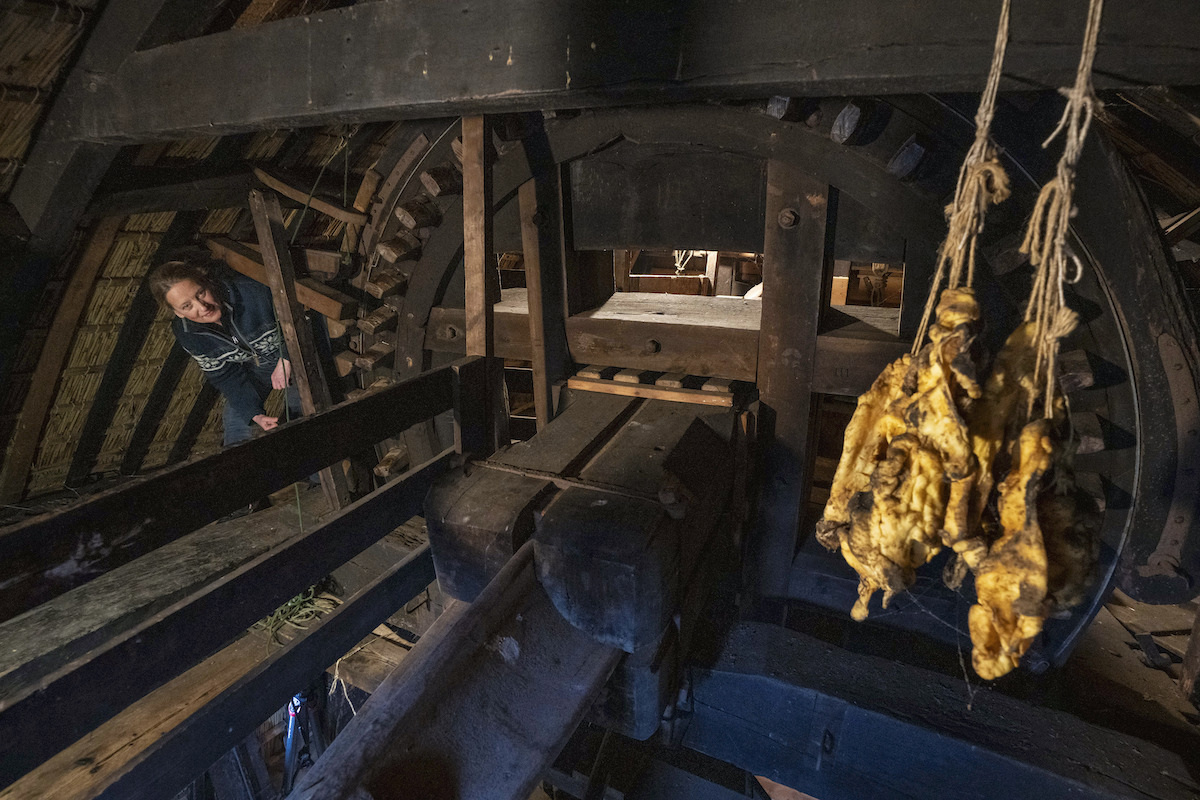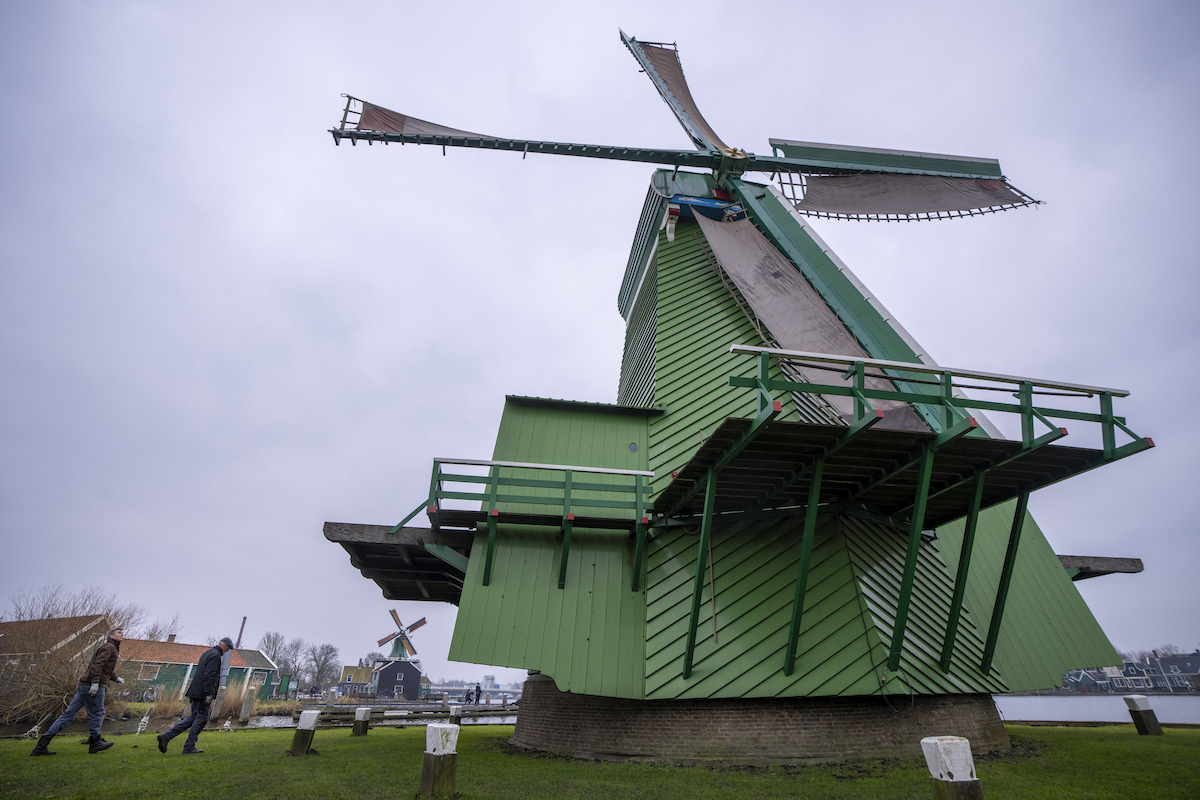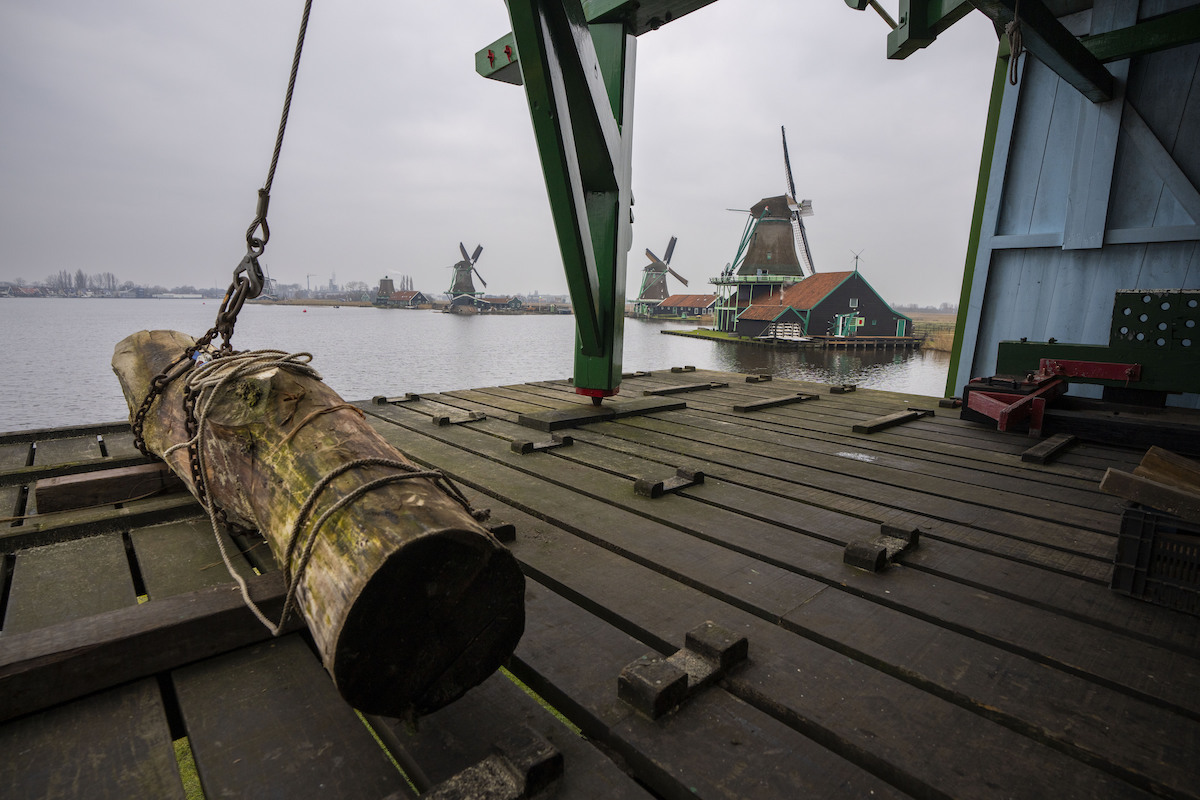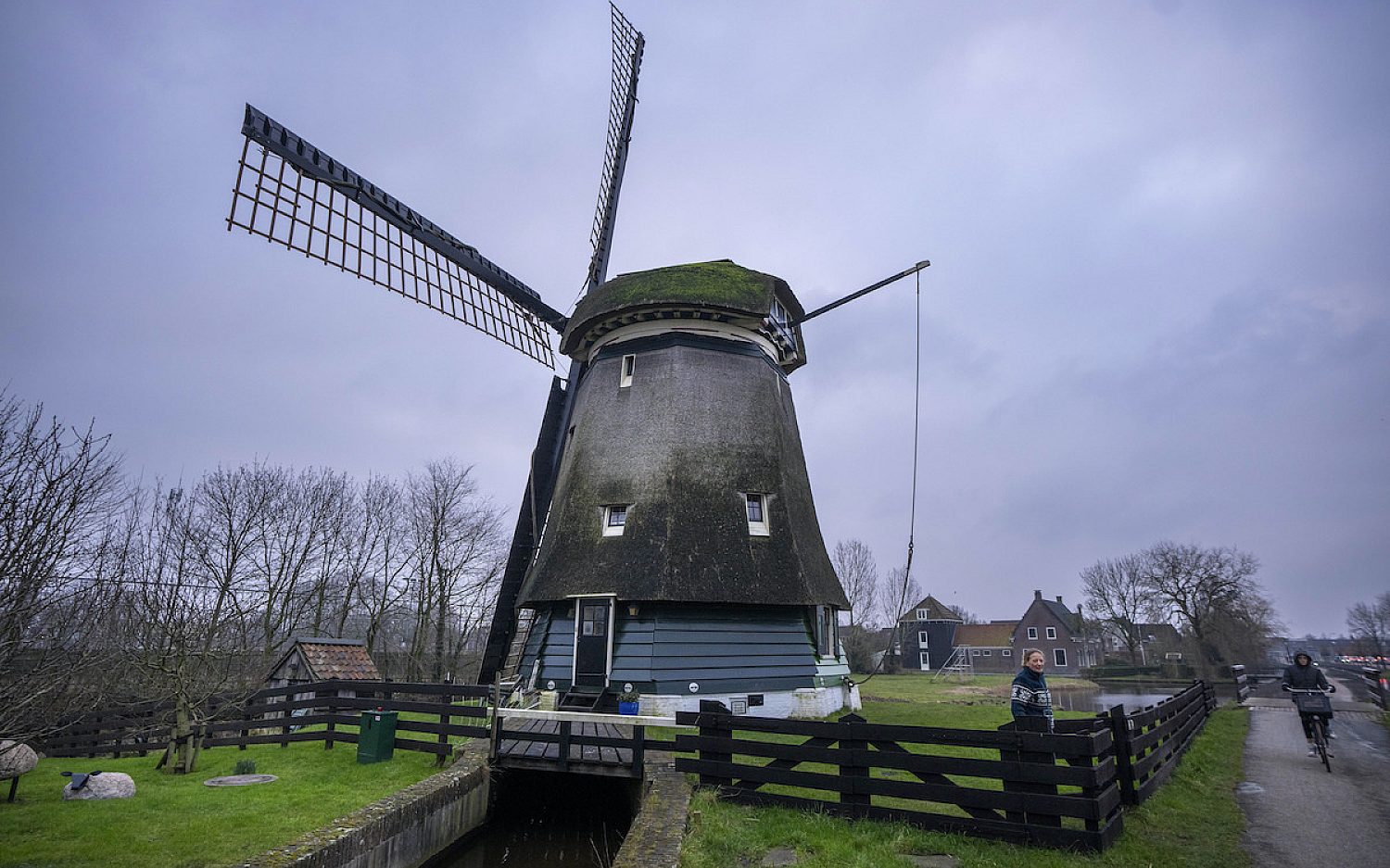
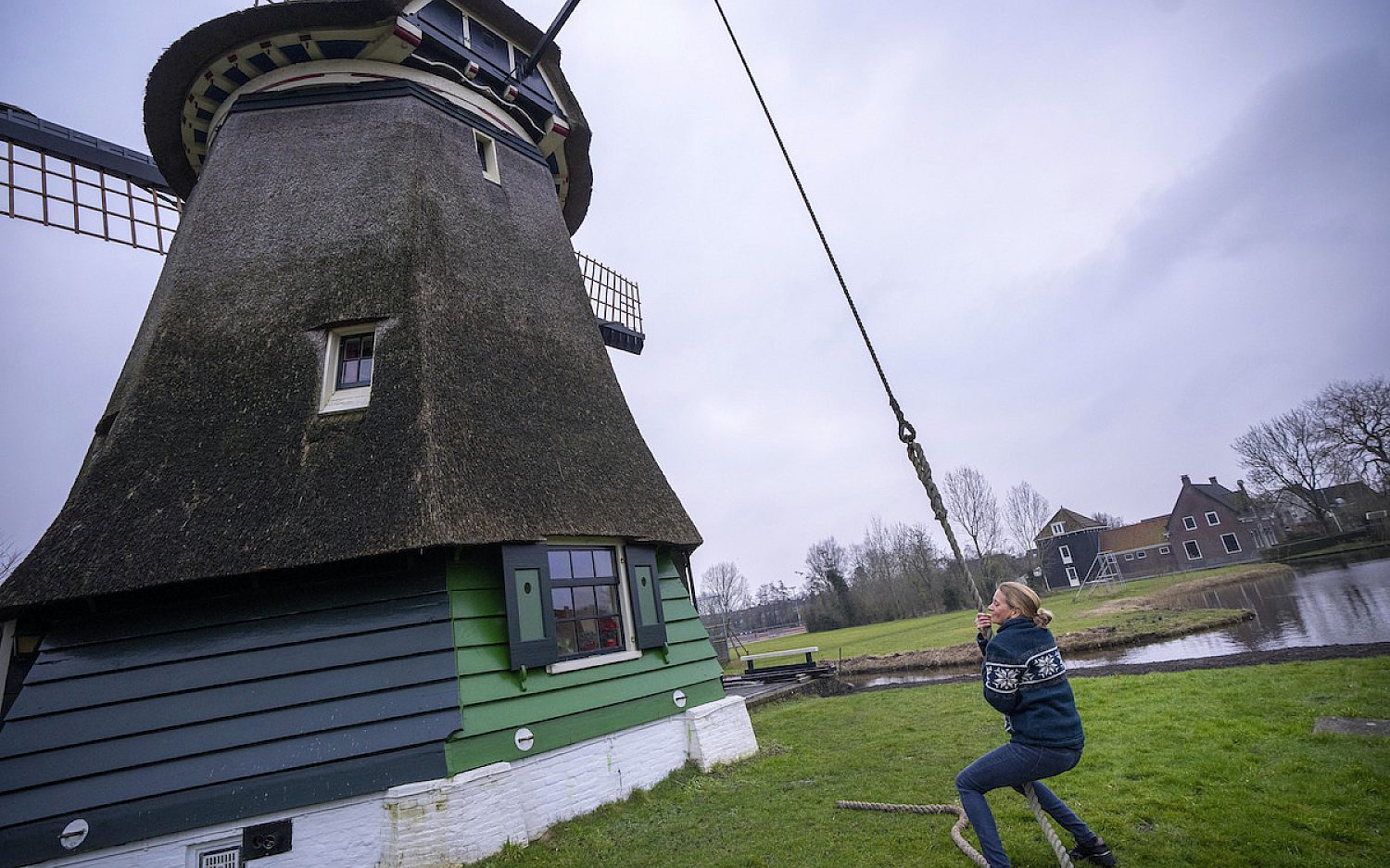
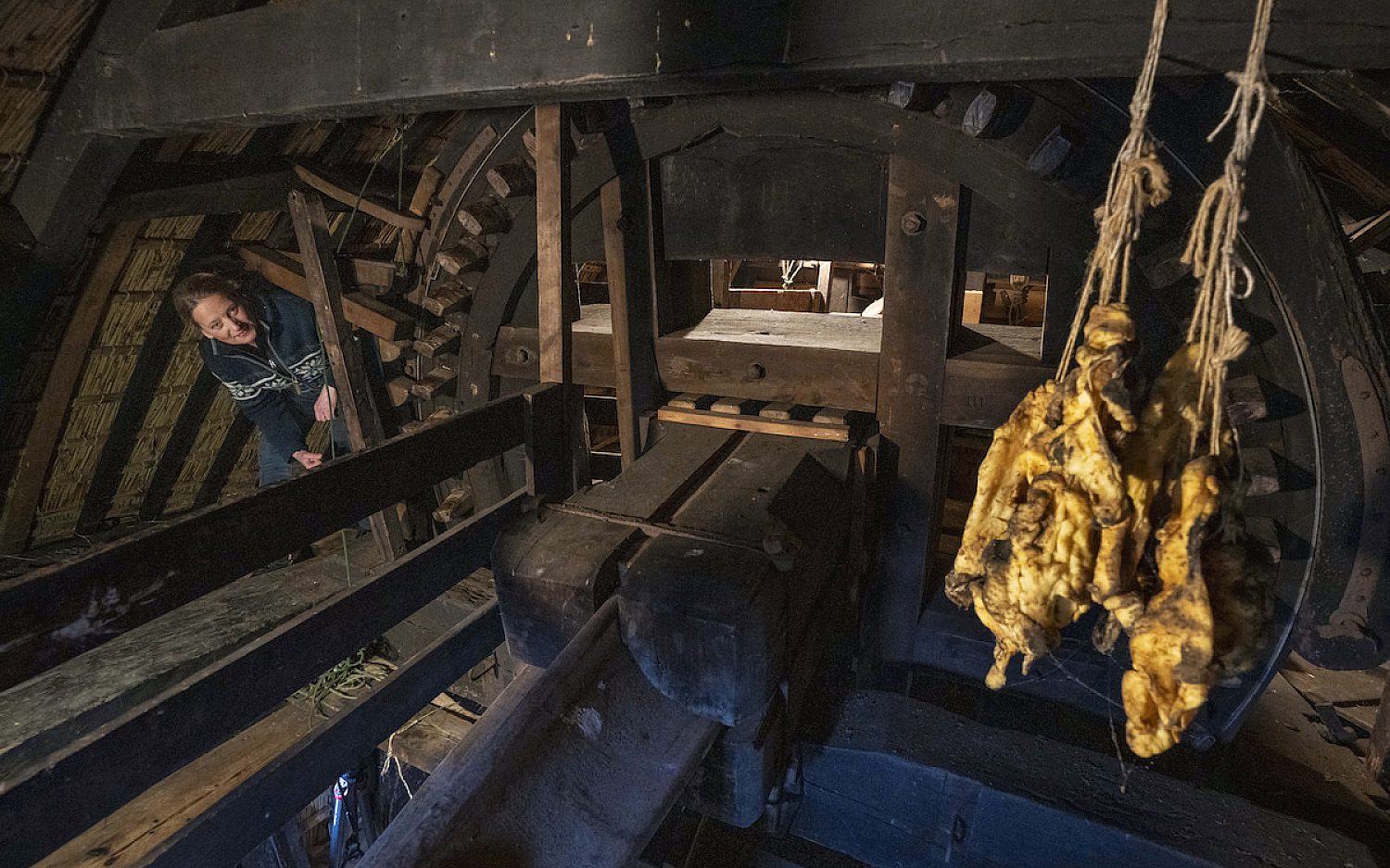
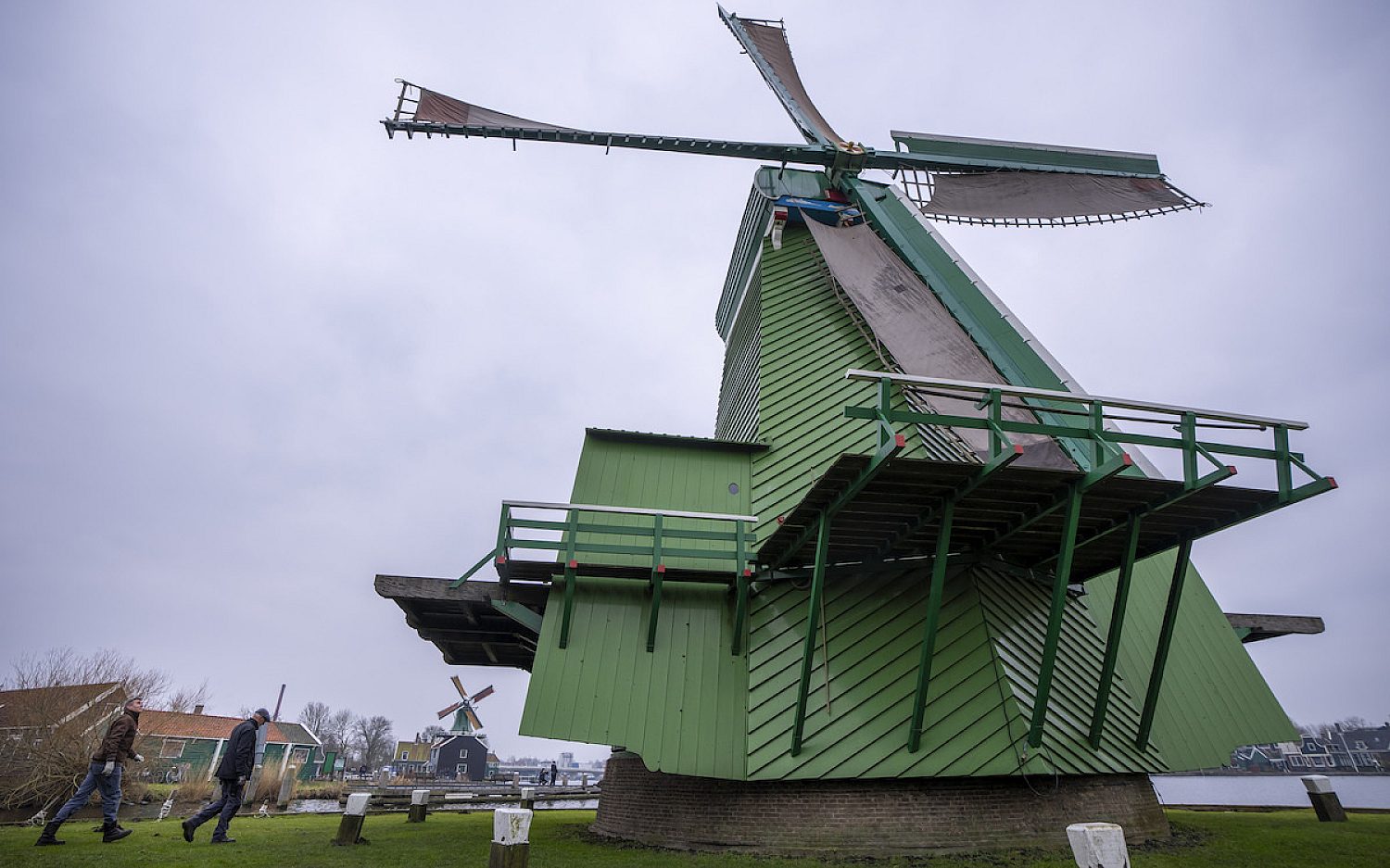
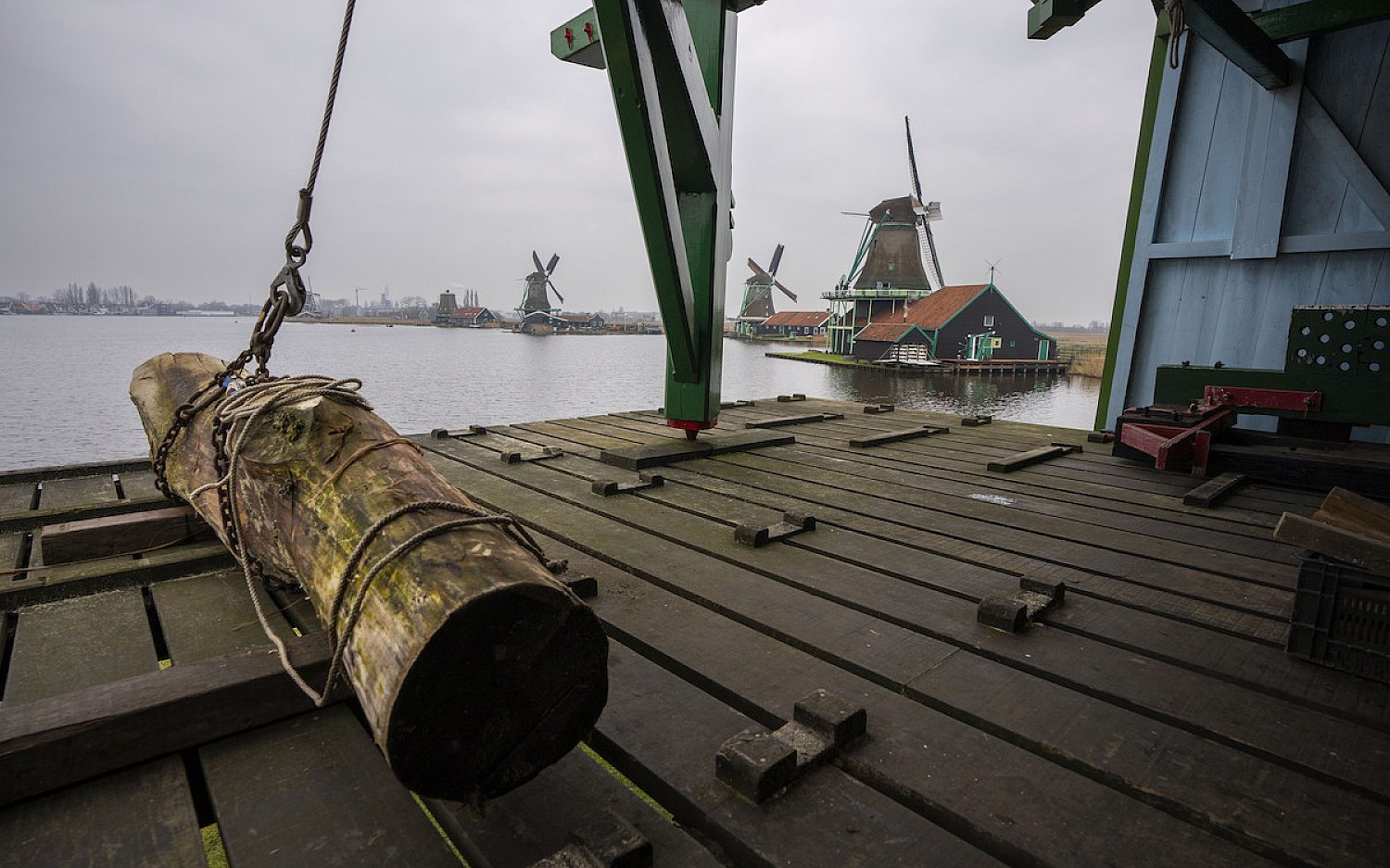

A gust of wind starts the giant sails of a centuries-old windmill turning near Amsterdam, the Netherlands. On the mill’s cutting floor, six blades rise and fall. They saw into a plank.
Then the wind drops. The mill’s sails and saws grind to a halt.
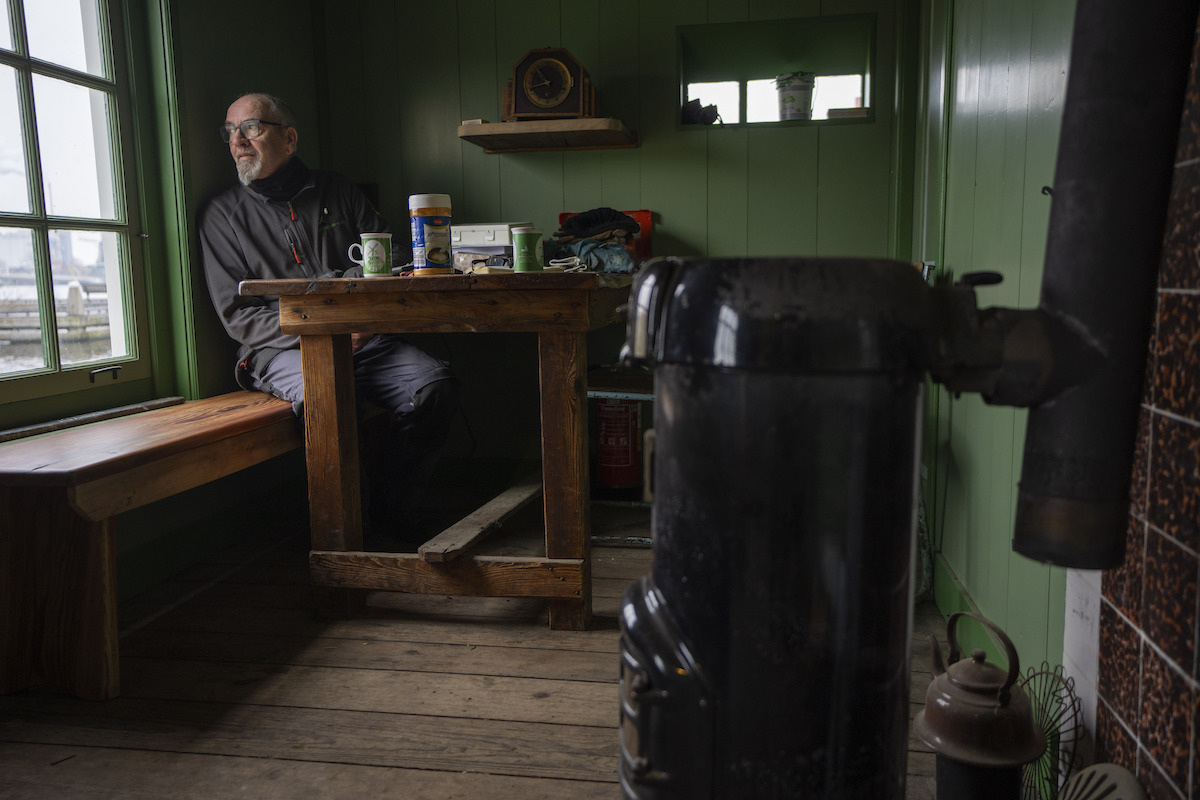
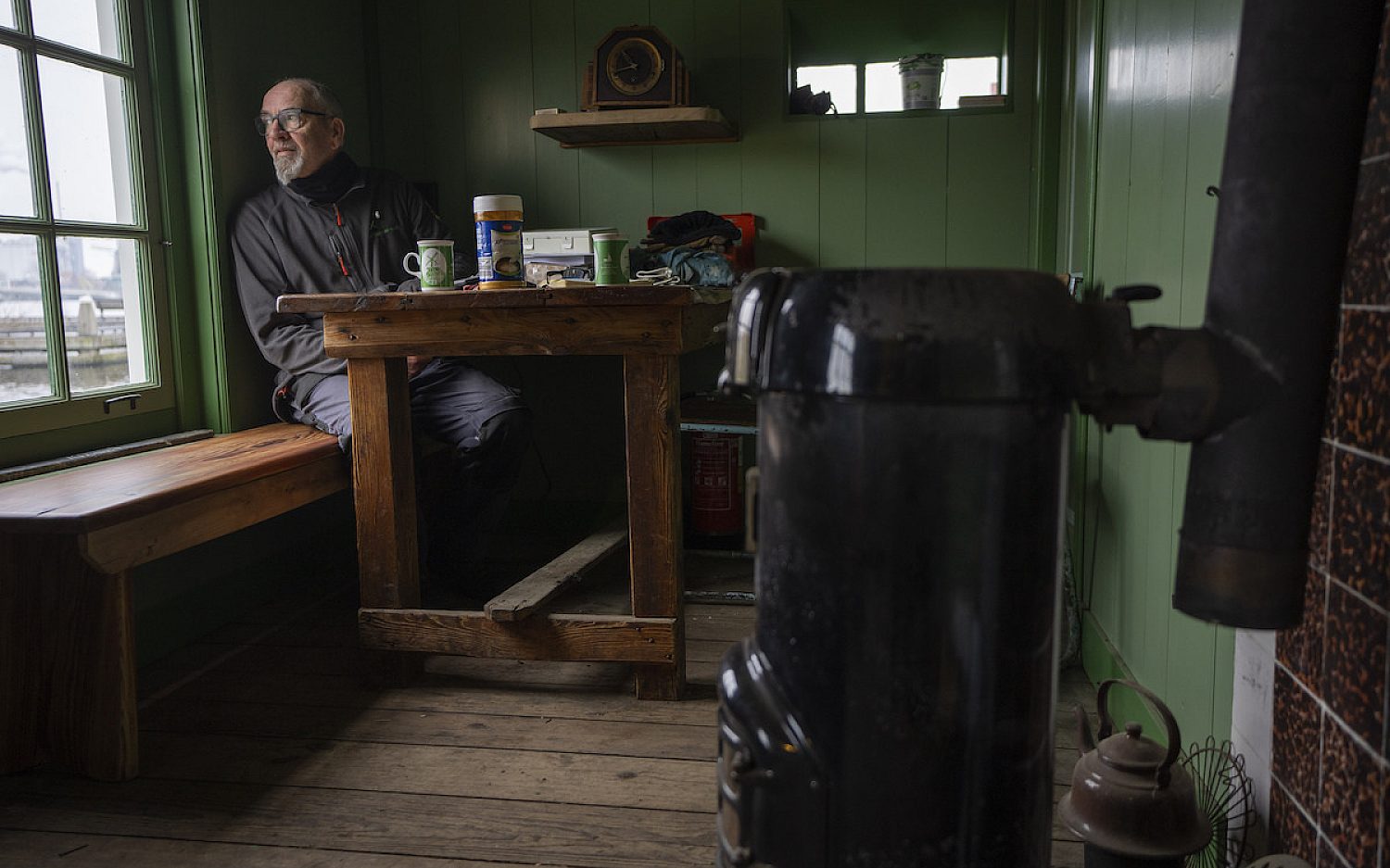
“If the wind doesn’t blow, we’re unemployed,” says Erik d’Ailly. He’s a 69-year-old volunteer miller.
Despite the stop-and-go work, the old craft of harnessing wind power is becoming more popular again in the Netherlands. The nation is famous for the windmills that dot its landscape. Mr. d’Ailly and Peter Booij are part of a class of 110 newly trained millers. Their group was the largest ever.
It takes two to three years of training to work in a windmill. Most of it is hands-on experience. Trainees take an exam at the end. Many graduates become volunteers at windmills. The mills must keep turning. Otherwise they will fall into disrepair.
“It’s very important to keep the 1,200 mills we still have. And a mill is like a car. It needs to run. It needs to move,” says Nicole Bakker. She is the director of De Hollandsche Molen. That group started in 1923 to help windmills and millers.
Mr. Booij’s fascination for windmills started small and grew. The now 68-year-old began by working on a scale model of a mill. Then he moved on to the real thing.
“You have to know everything about the mill,” Mr. Booij says. “You have to know what you can expect from certain kinds of weather and the wind, of course.”
“Every Dutch citizen sees mills everywhere,” he adds. “But they are not aware of what happens inside, and they are intrigued.”
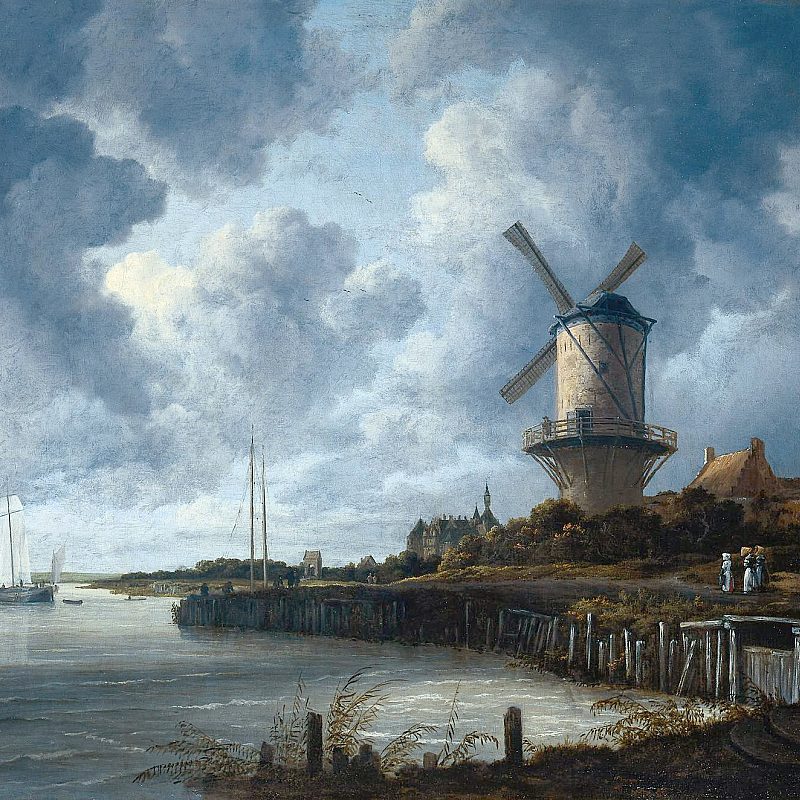
Why? Windmills are an iconic part of the Netherlands. But they’re not just history—the Dutch still carry on the milling tradition today.