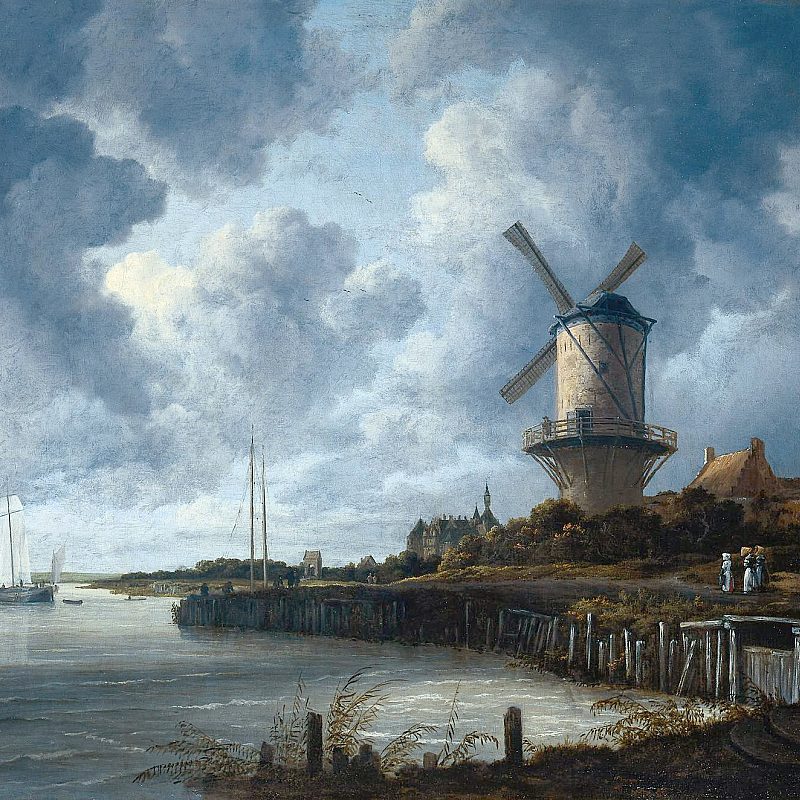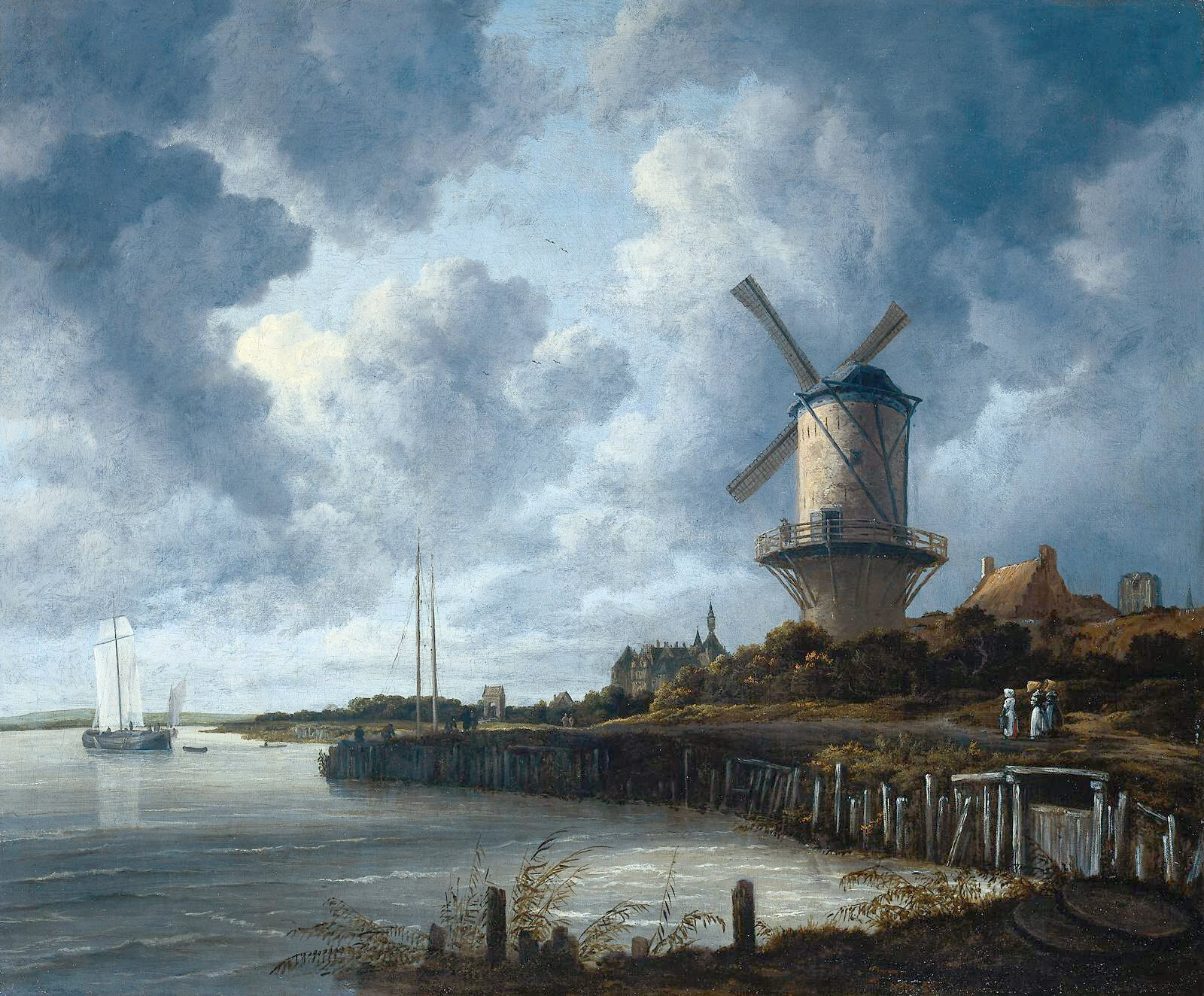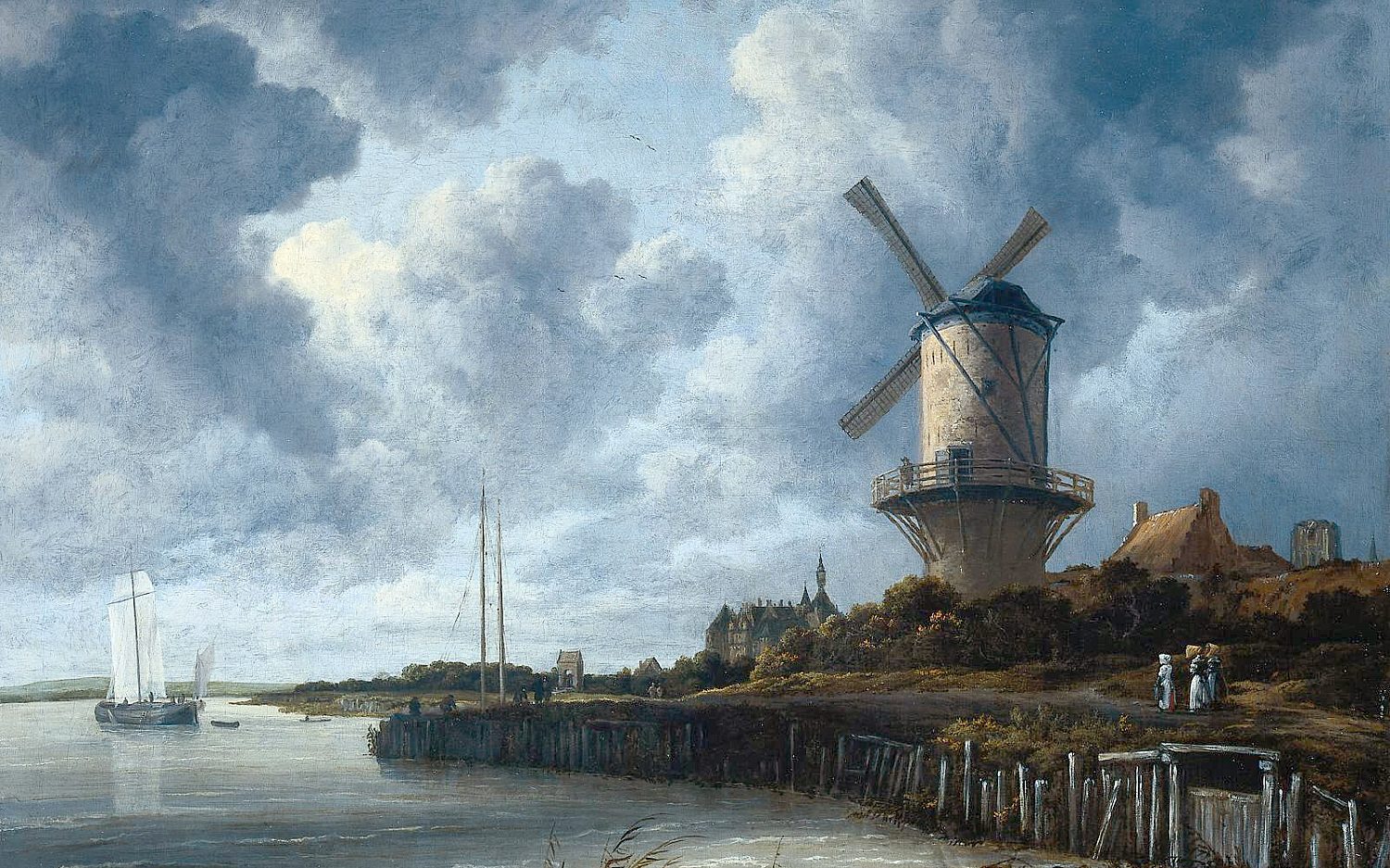

When most people think of the Netherlands, windmills come to mind. They show up in paintings and pottery. But why?
People have been building and using windmills for more than 1,000 years. But the Dutch really needed them.
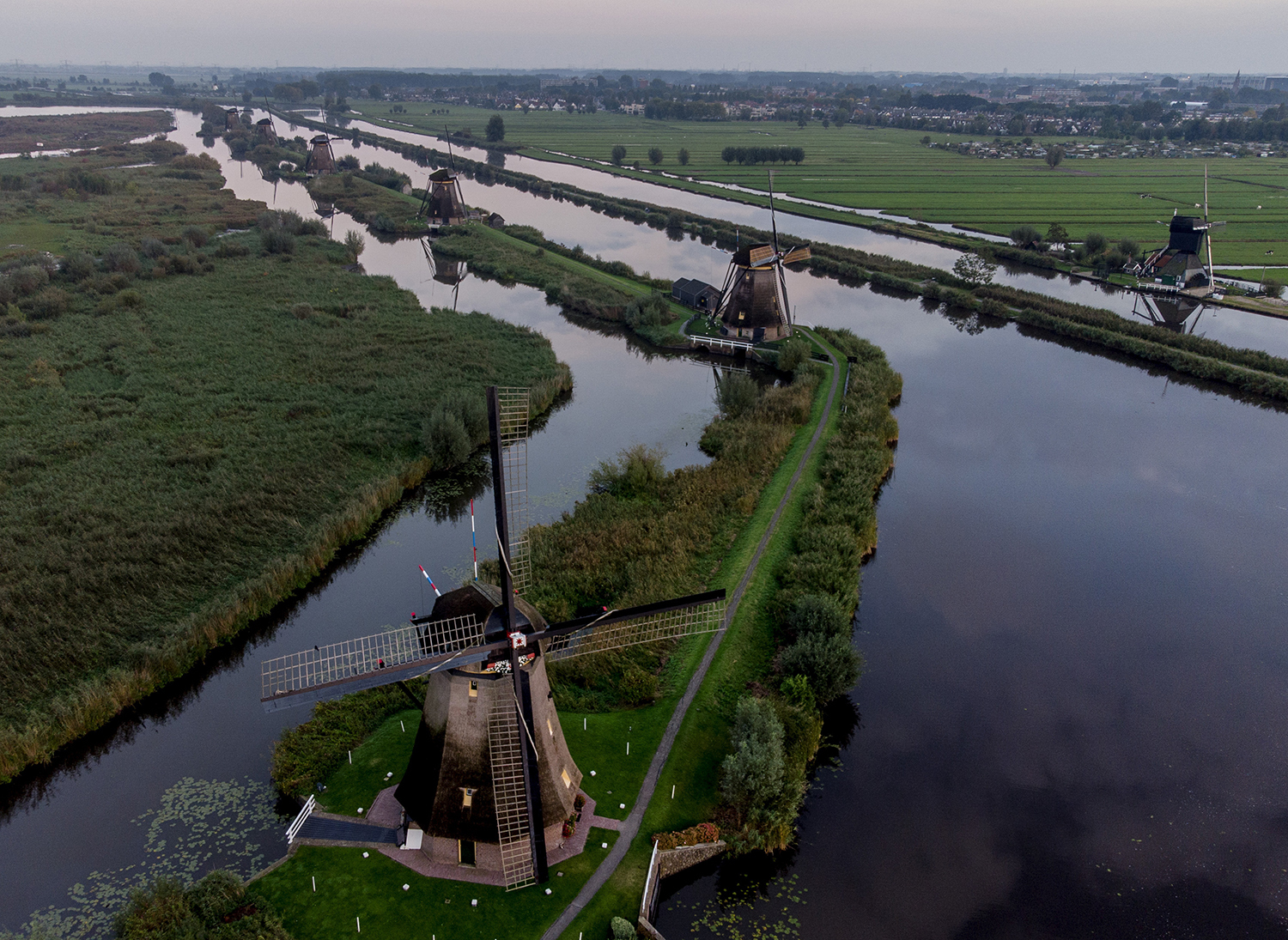
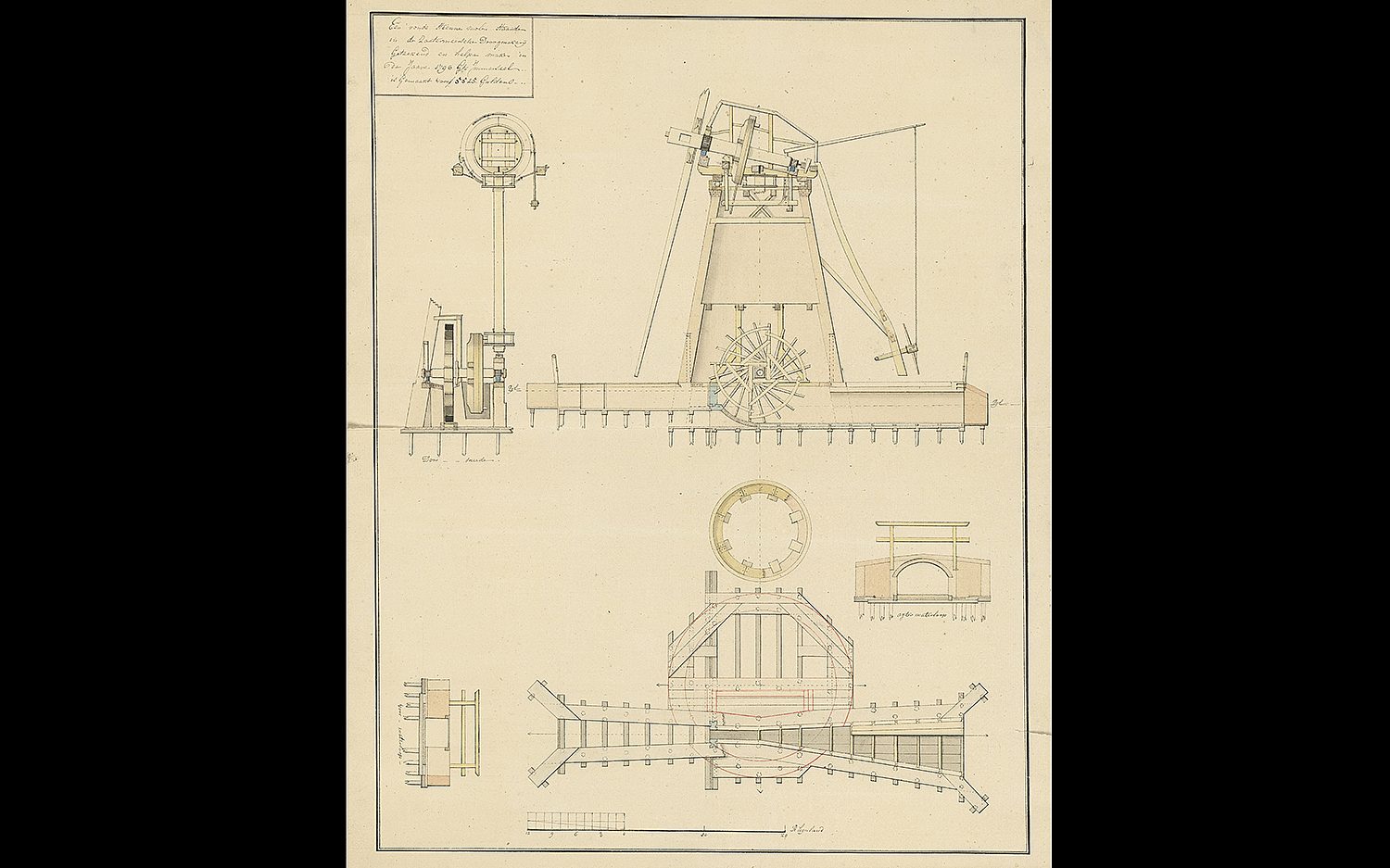
Parts of the Netherlands lie below sea level. Without windmills to pump water out of swampy land, about one of every four acres would be underwater. Even more would be at risk of flooding. (That’s part of the reason the Dutch wore wooden clogs. They help keep feet dry while walking on muddy ground.)
The windmills also ground grain into flour. People used them to grind spices from Dutch colonies in places like India or Indonesia. They sawed wood used in sailing ships.
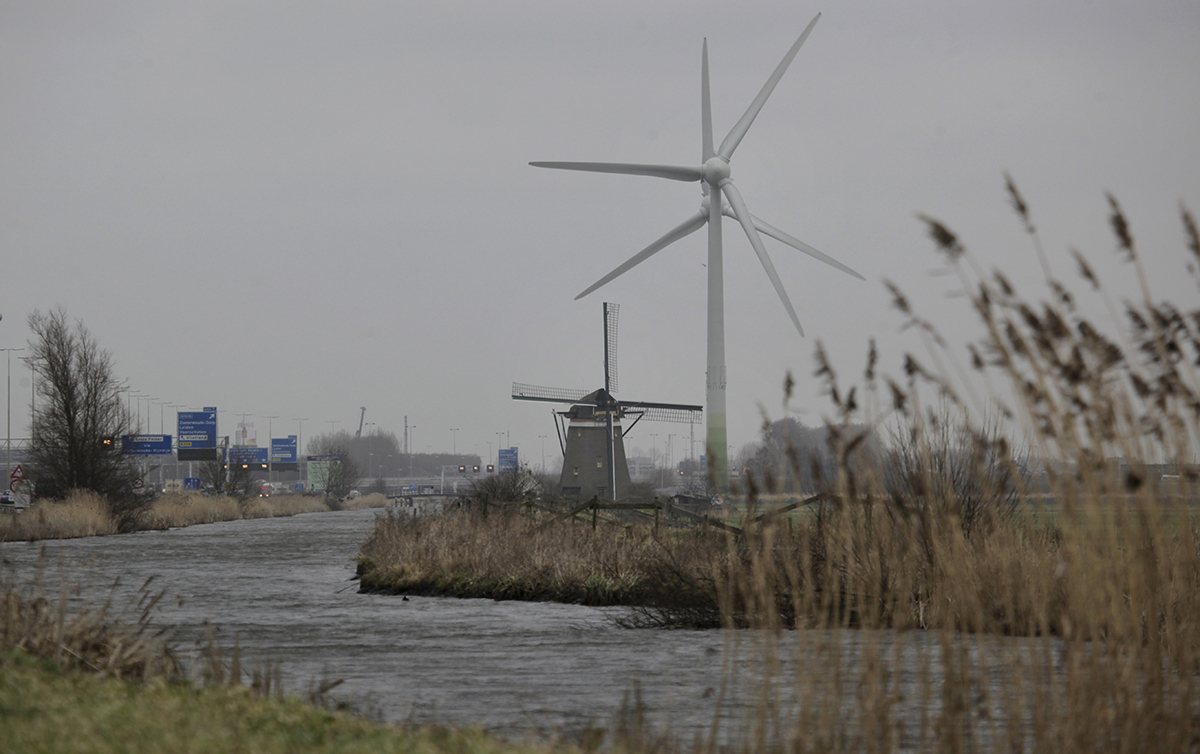
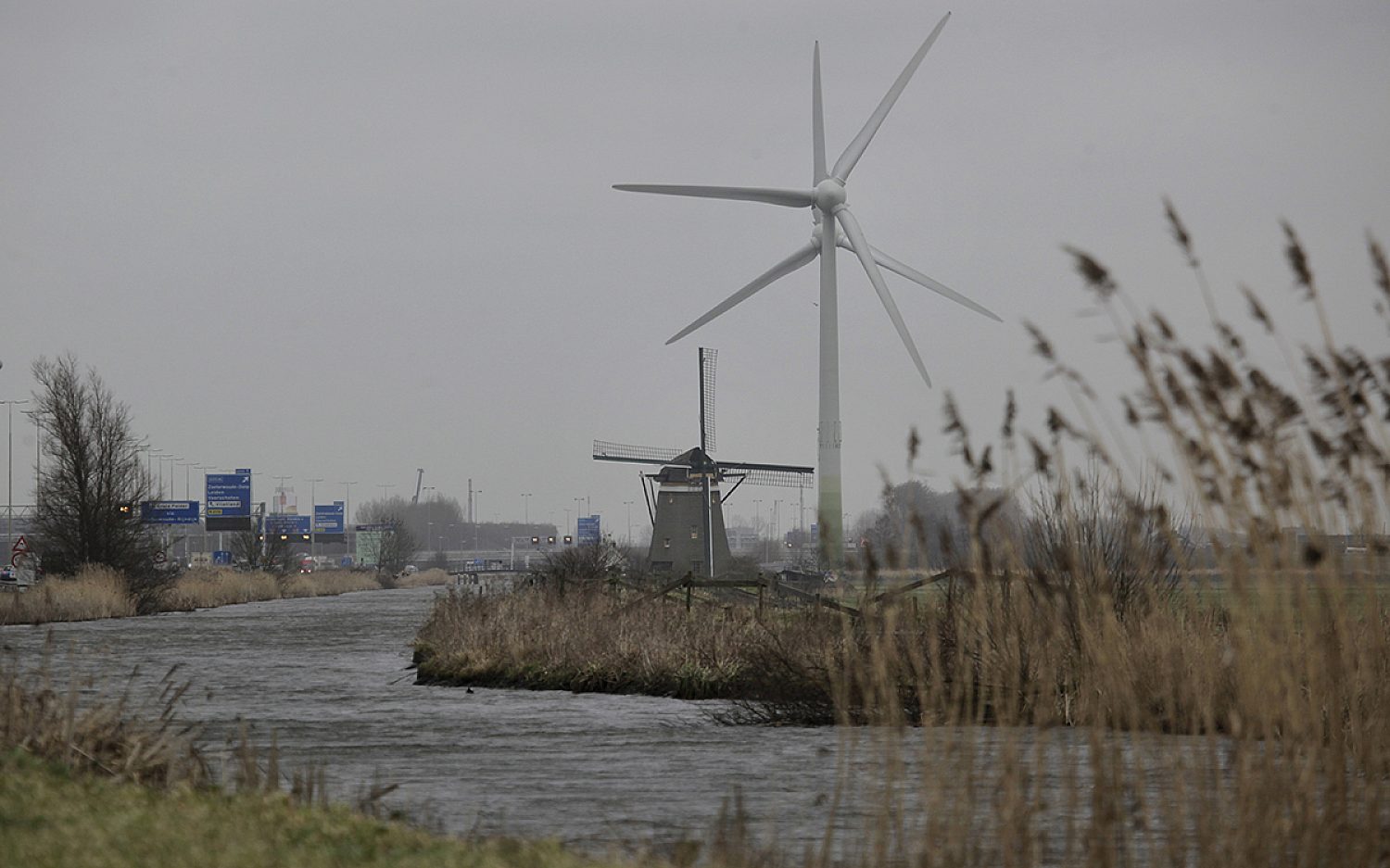
These days, the Dutch have modern technology. Electric pumping stations take care of most of the water. But some of the windmills still work. They can help shift water during times of heavy rainfall.
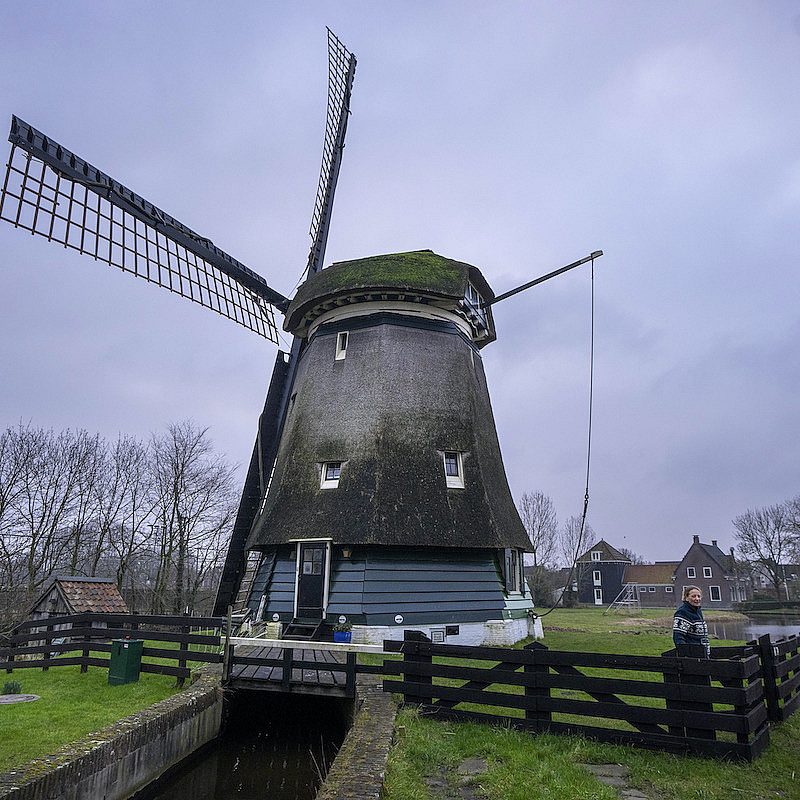
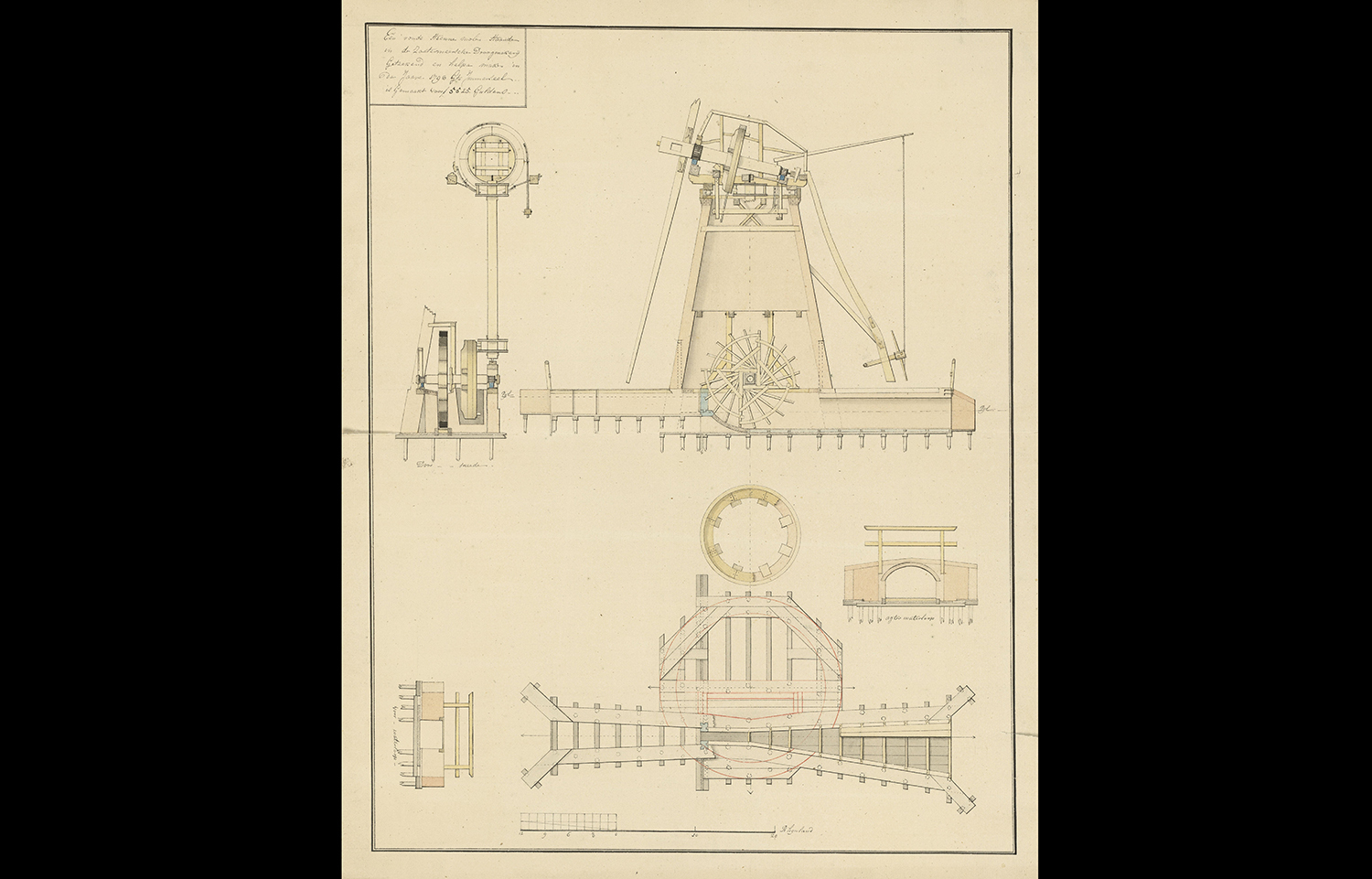
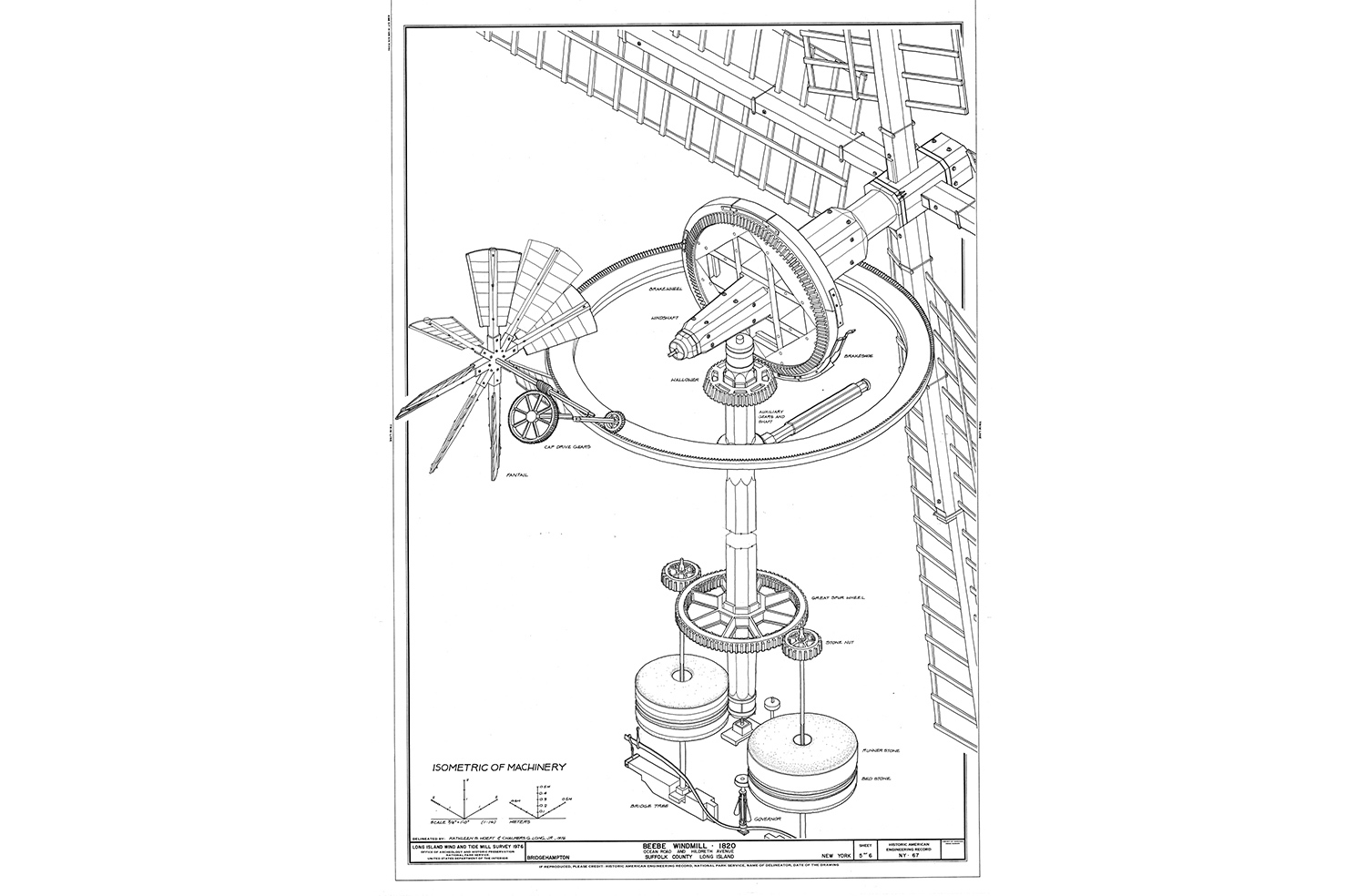
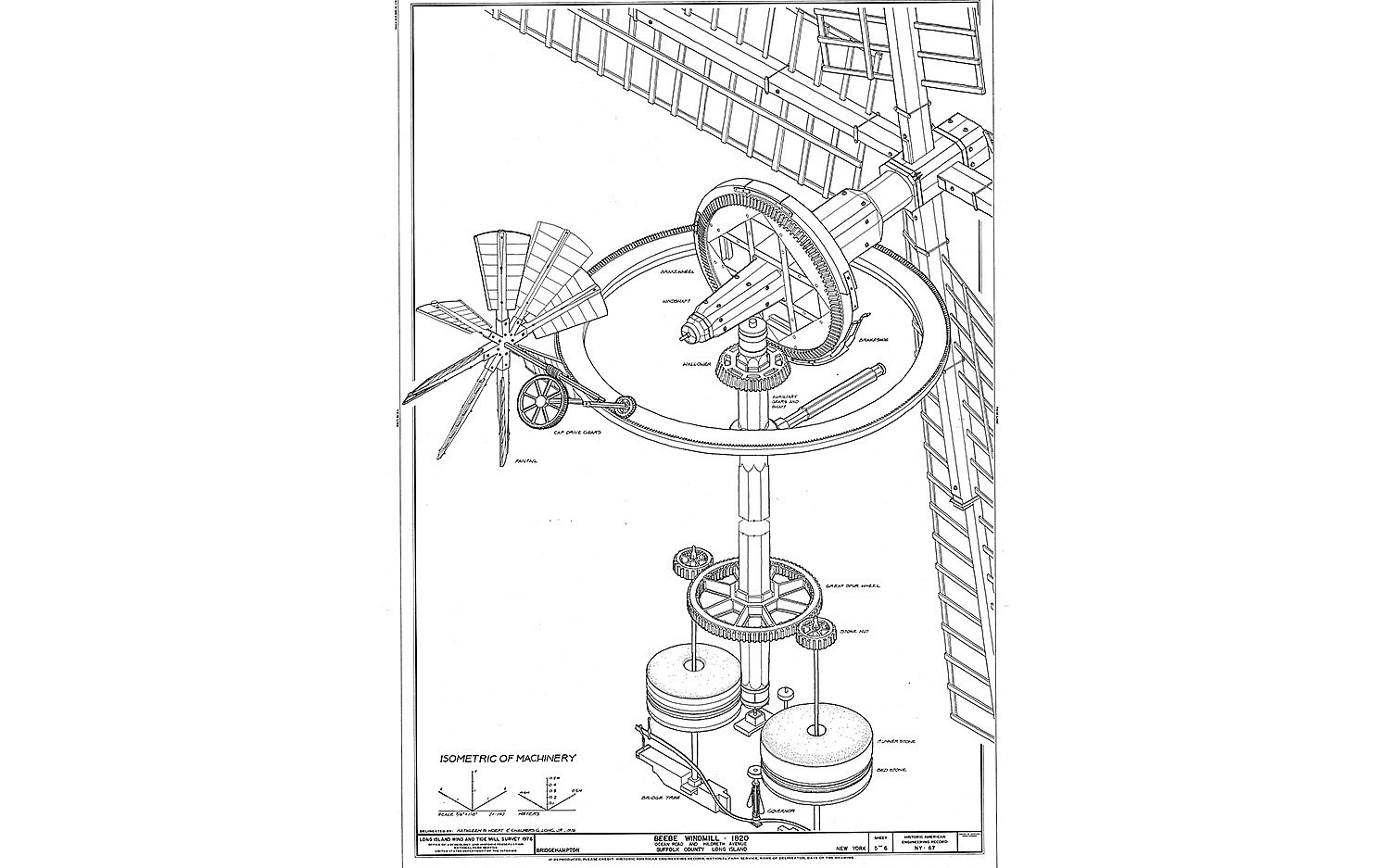
How do these windmills work? Wind turns the sails. Those sails turn gears or a shaft inside. The energy from the wind can power a device. In some mills, it turns a giant screw that lifts water from a ditch. In other mills, it spins a millstone to grind grain. In a sawmill, it moves a saw to cut wood.
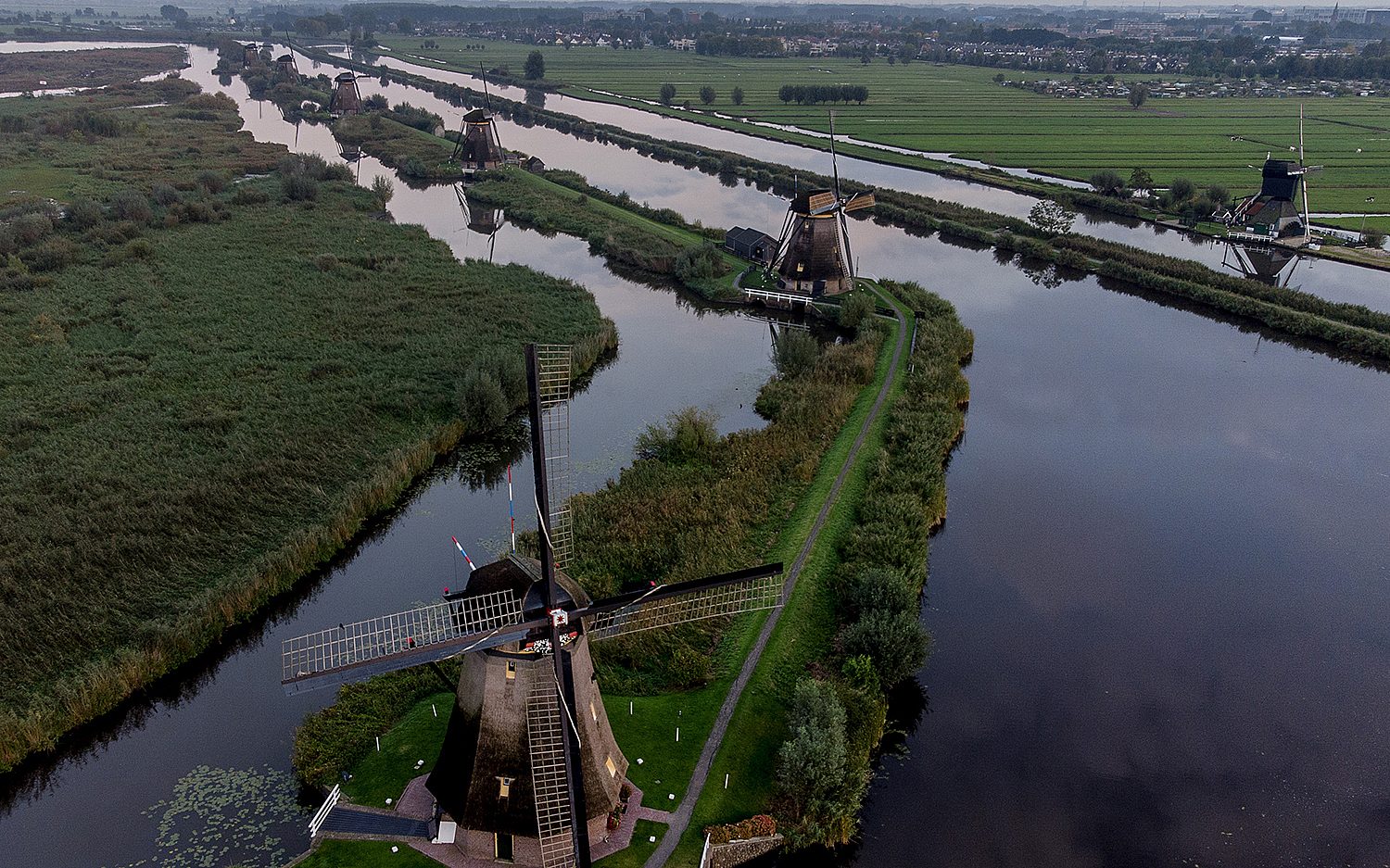
Another use for windmills? Homes! Millers often live in the lower part of their mills with their families. Arie Hoek lives in Kinderdijk, a town with 19 windmills that were built in the 1700s. He is part of the 10th generation of his family to work and live in the mills, according to the historic site’s website. He grew up in one of the mills. Now he lives there with his wife and two daughters.
Recommended Reading: For more about windmills and wind power, see The Boy Who Harnessed the Wind by William Kamkwamba. Also, read Whirligigs: The Wondrous Windmills of Vollis Simpson's Imagination by Carole Boston Weatherford.