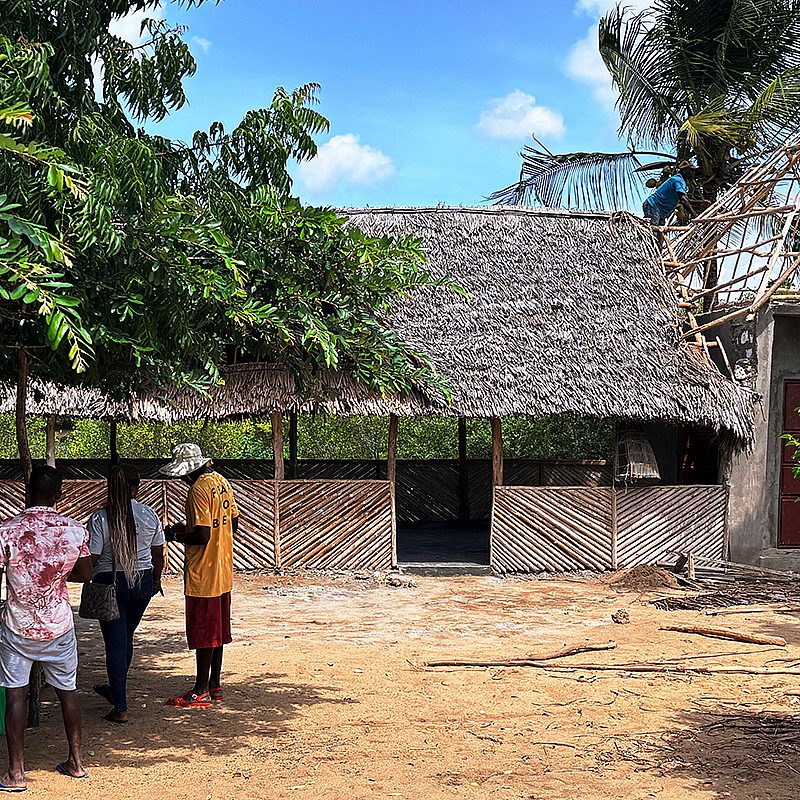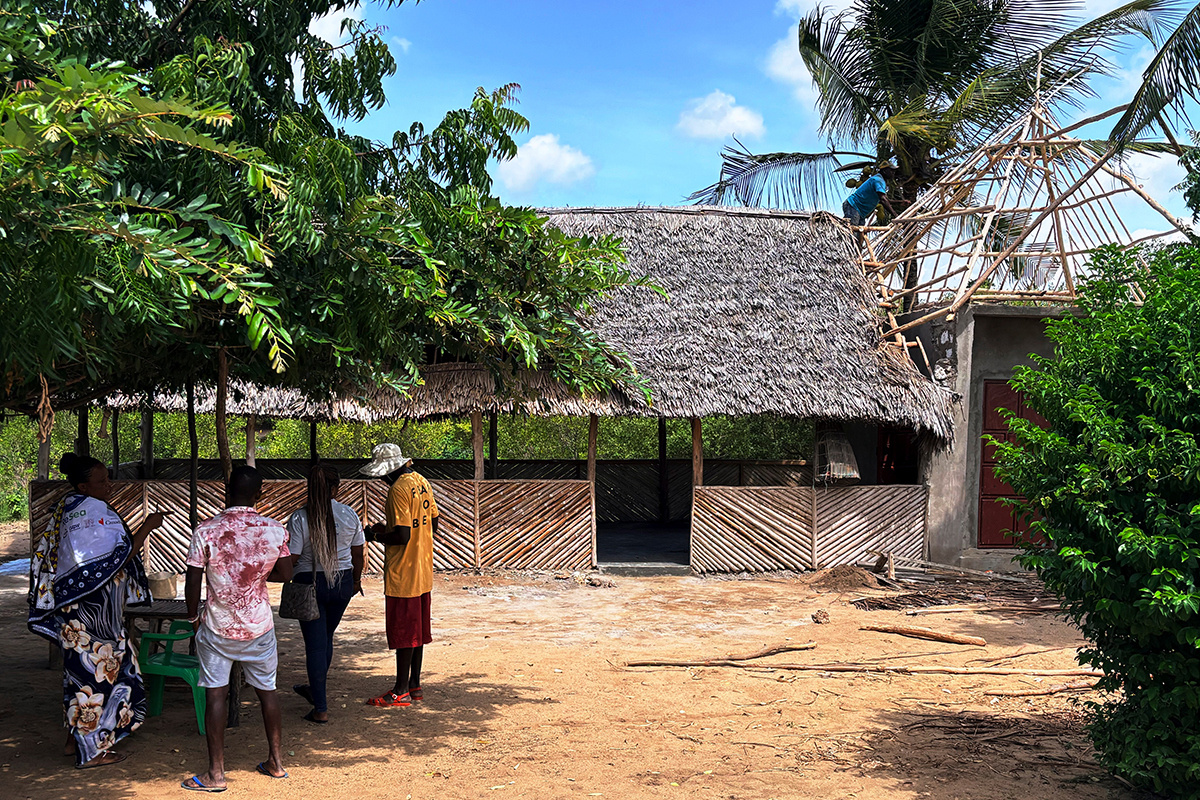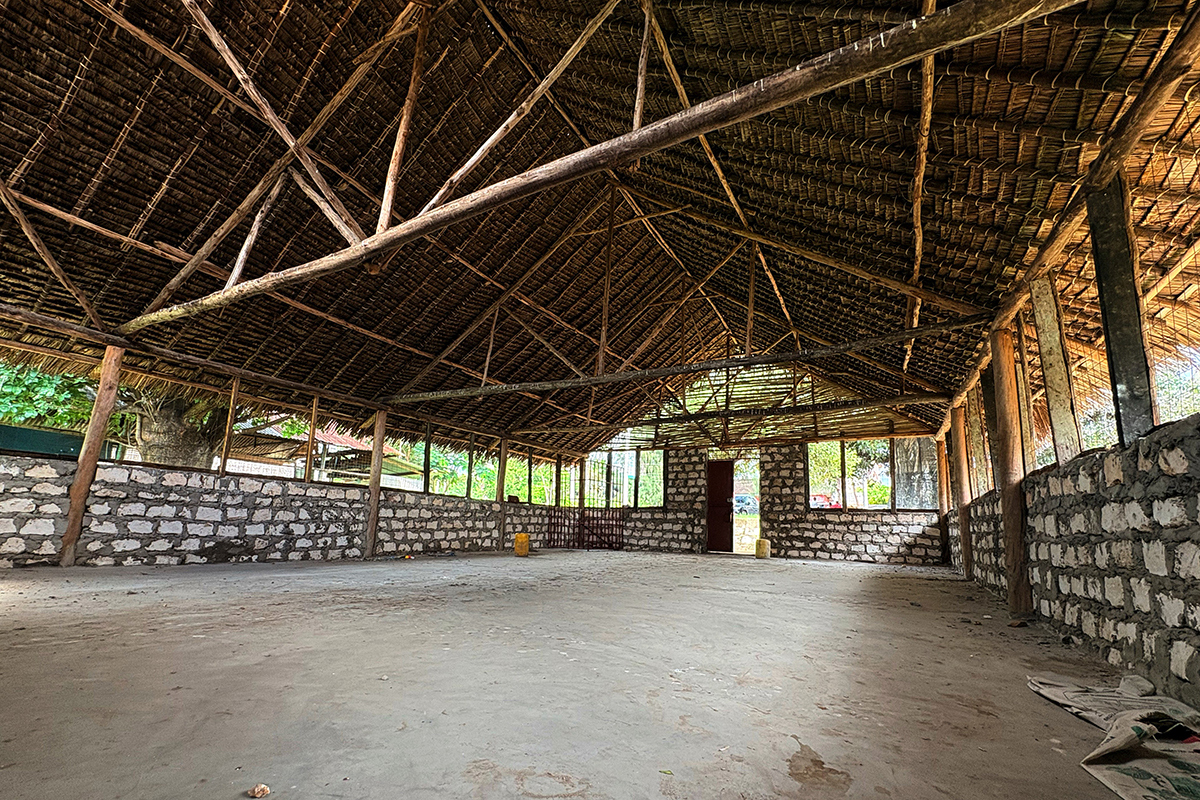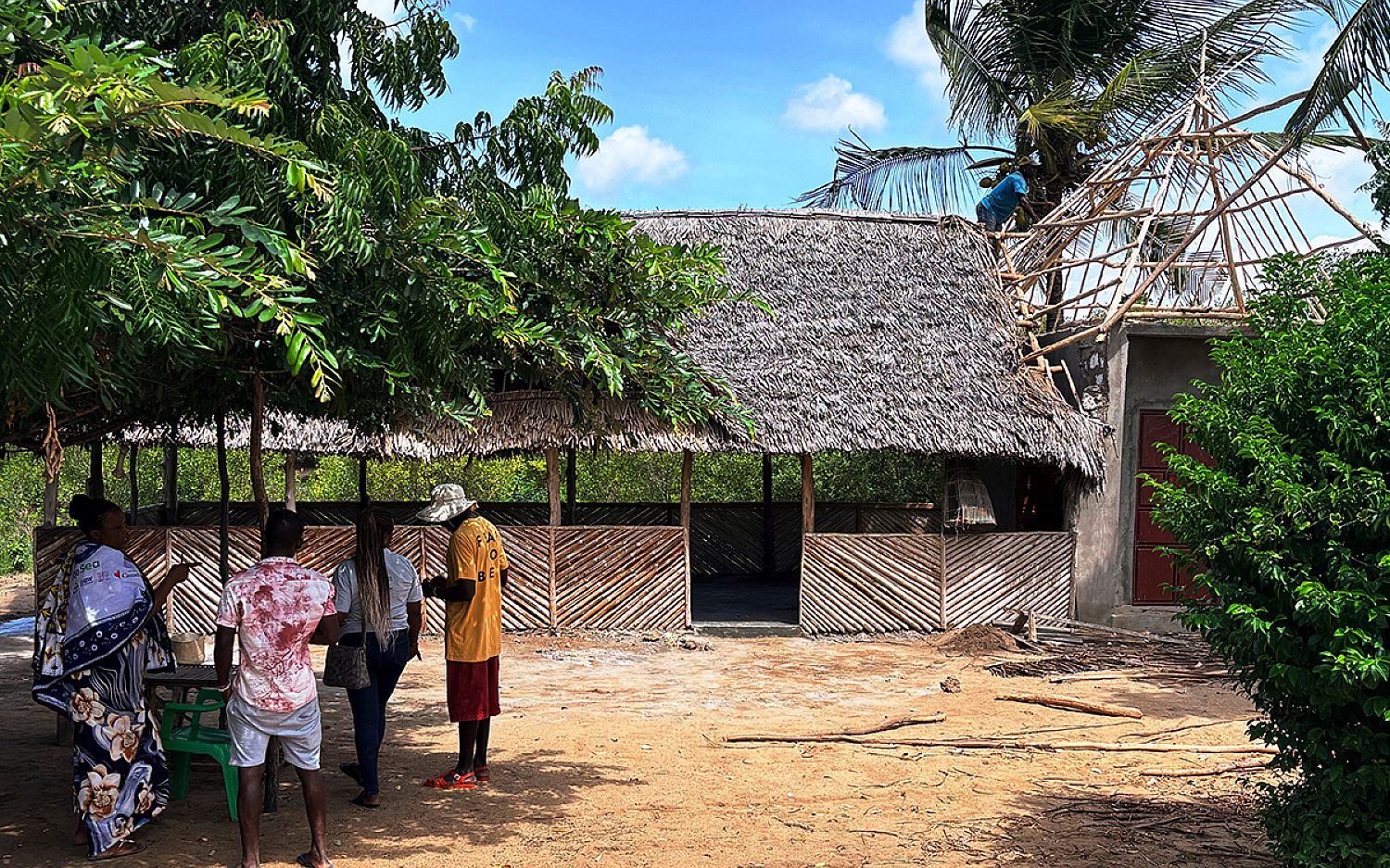
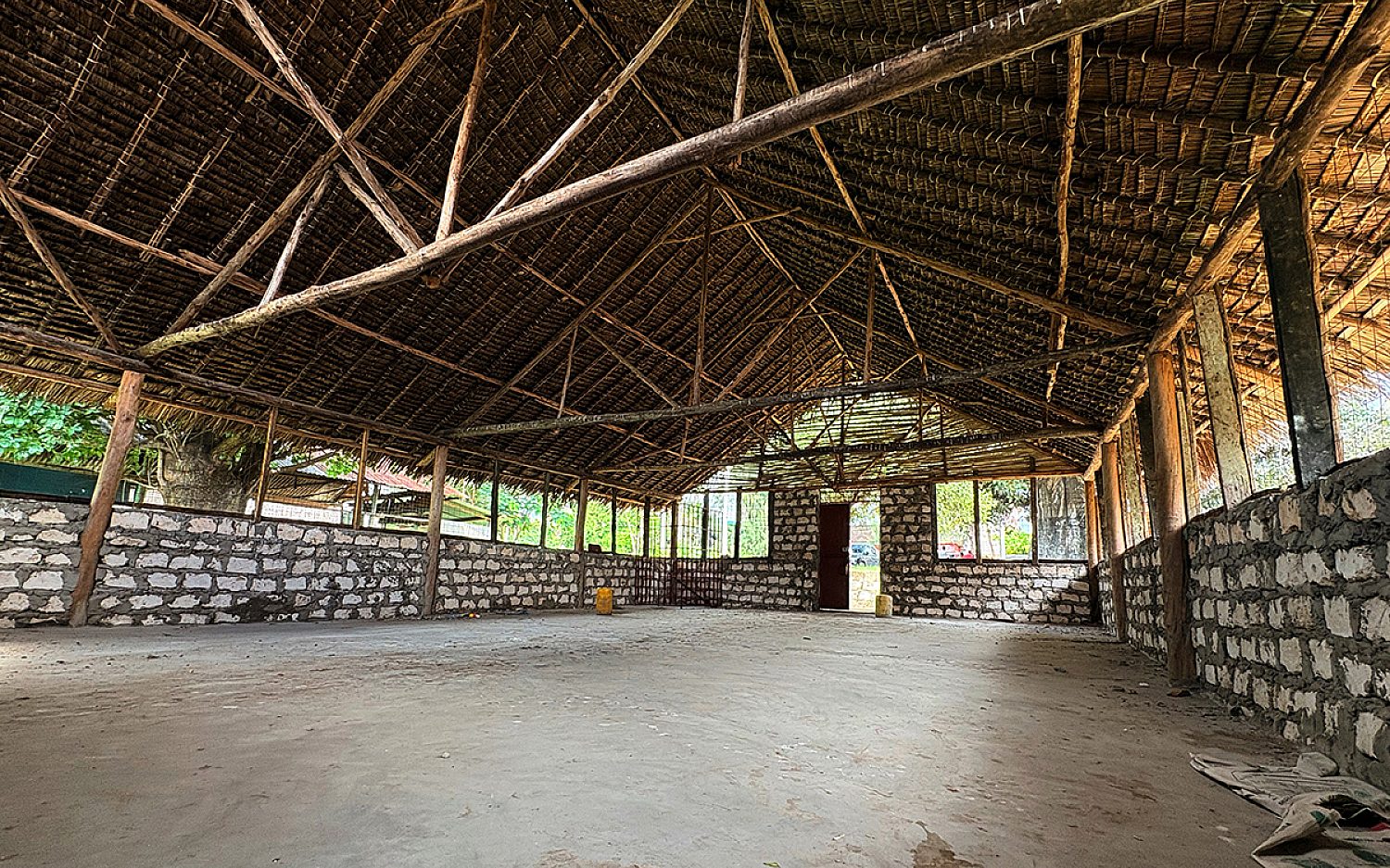

Concrete walls. Wooden beams. The restaurant isn’t quite finished. But it still stands for hope.
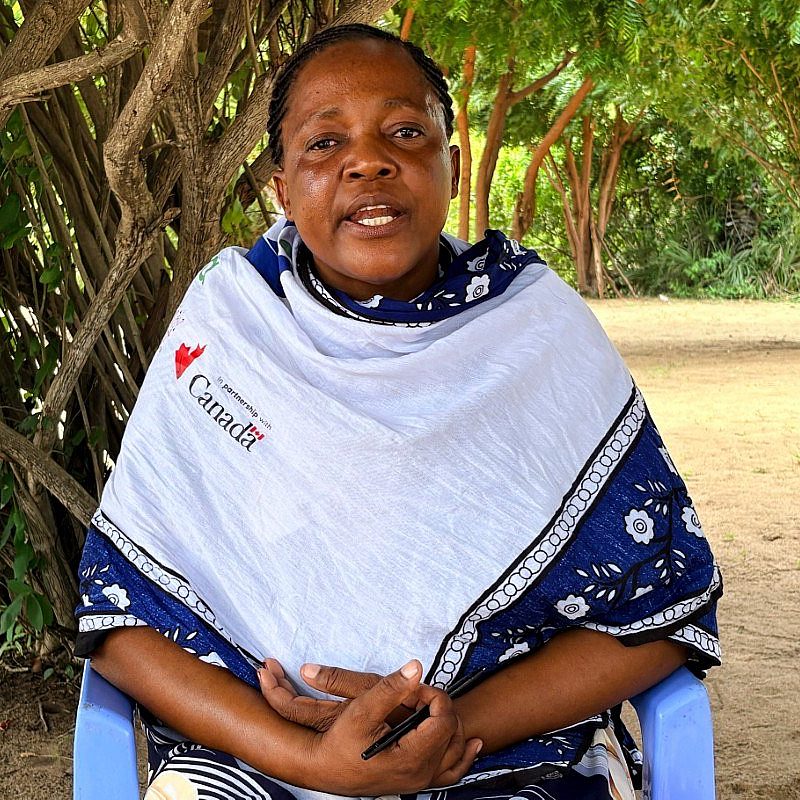
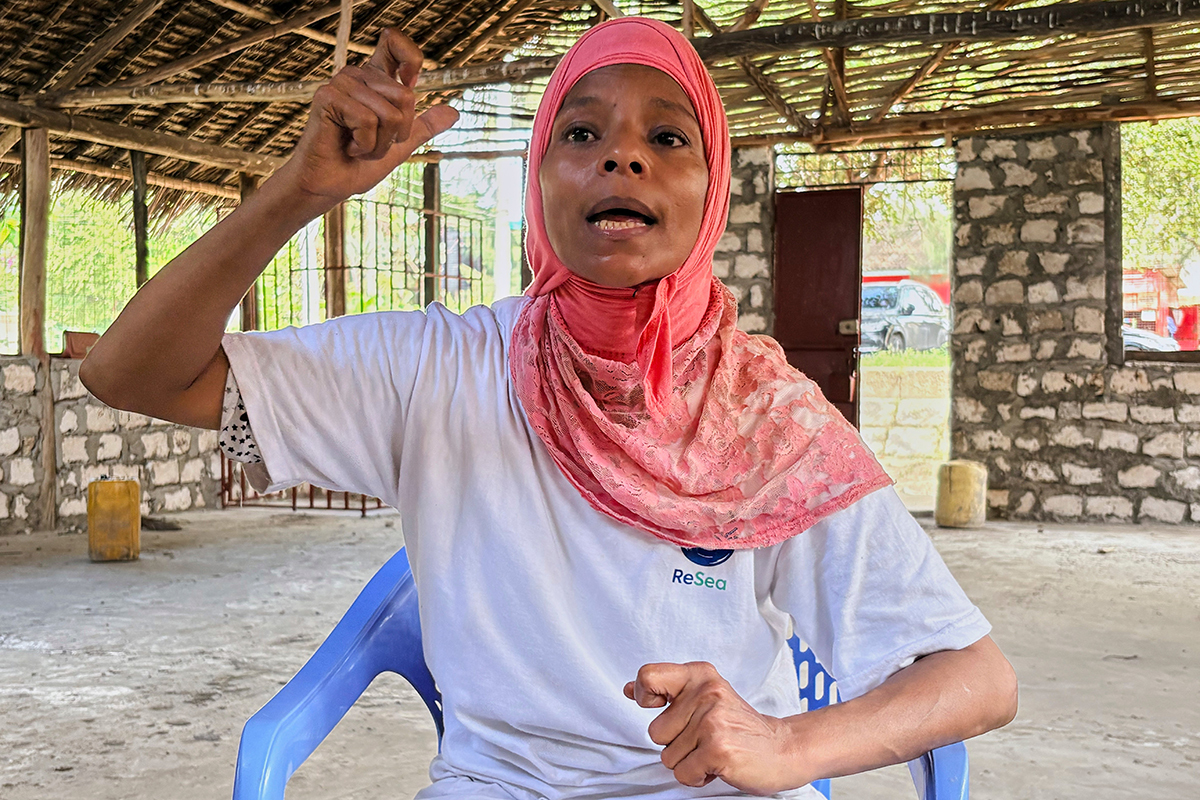
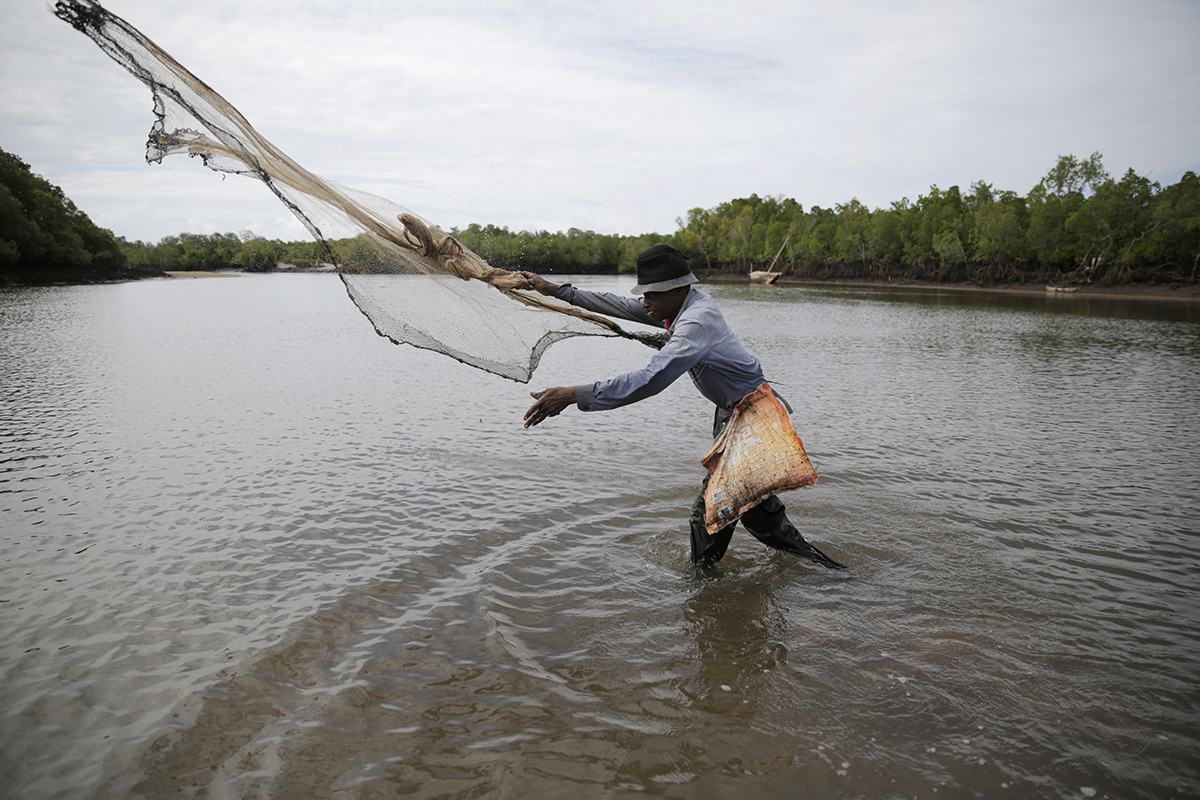
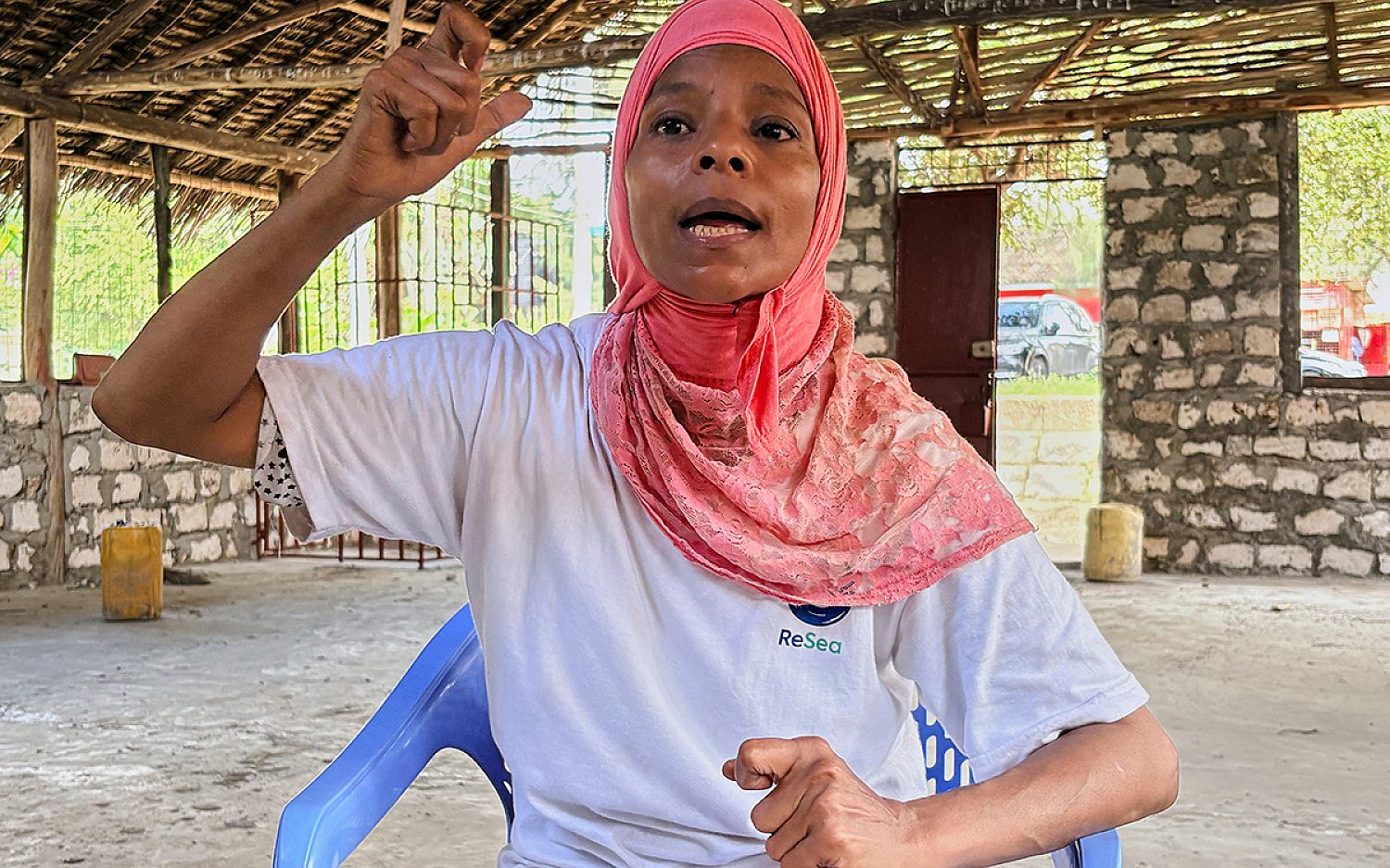
In just a few days, the beachside eatery will open on Kenya’s Indian Ocean coast. For most of her life, Nuru Mohammed caught fish. Now she will have a new way to make a living.
Women hang fishing nets for decoration. Ms. Mohammed guides them as her daughter sweeps away the last piles of sand.
“For us women, this is hope,” she says. “It will help support many families that have depended on the ocean for decades.”
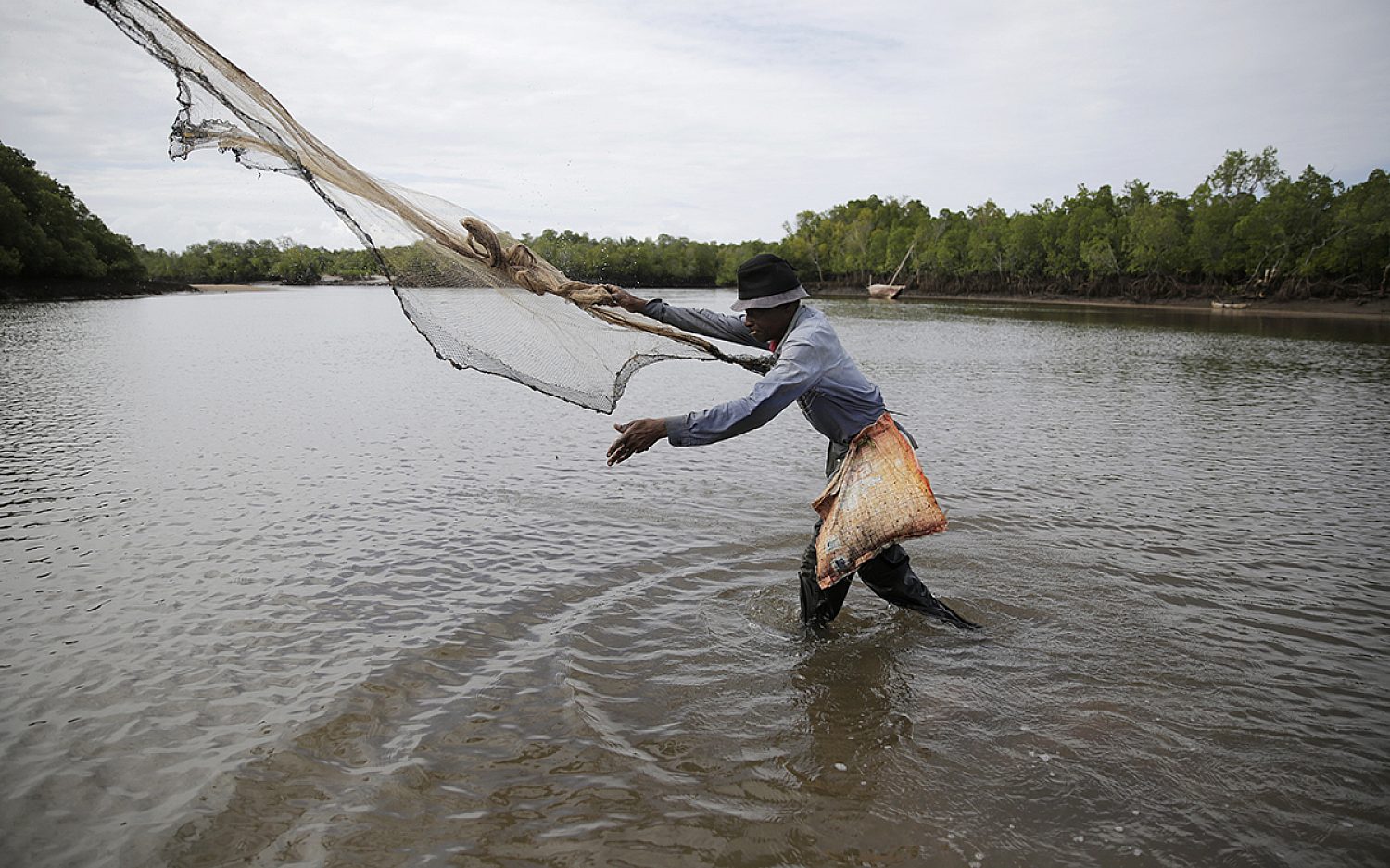
Ocean work is getting tough for coastal Africans. Ms. Mohammed says that back when she worked as a fisherwoman, people stole her boats. She also had to compete with huge trawling boats owned by big companies. Meanwhile, the ocean got dirtier and warmer. Fisherwomen like her found fewer fish to catch.
They now seek out new ways to live. Two popular choices: 1) They create businesses tourists will use. 2) They work to bring the ocean back to health.
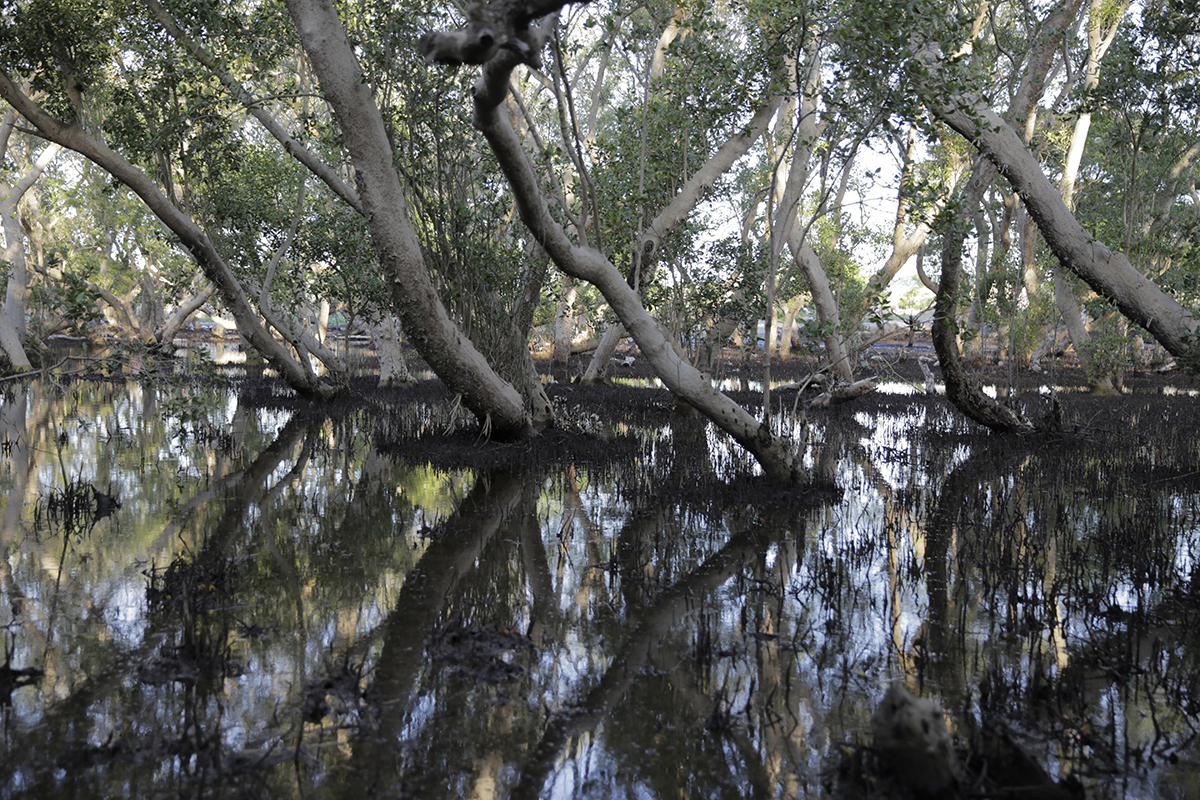
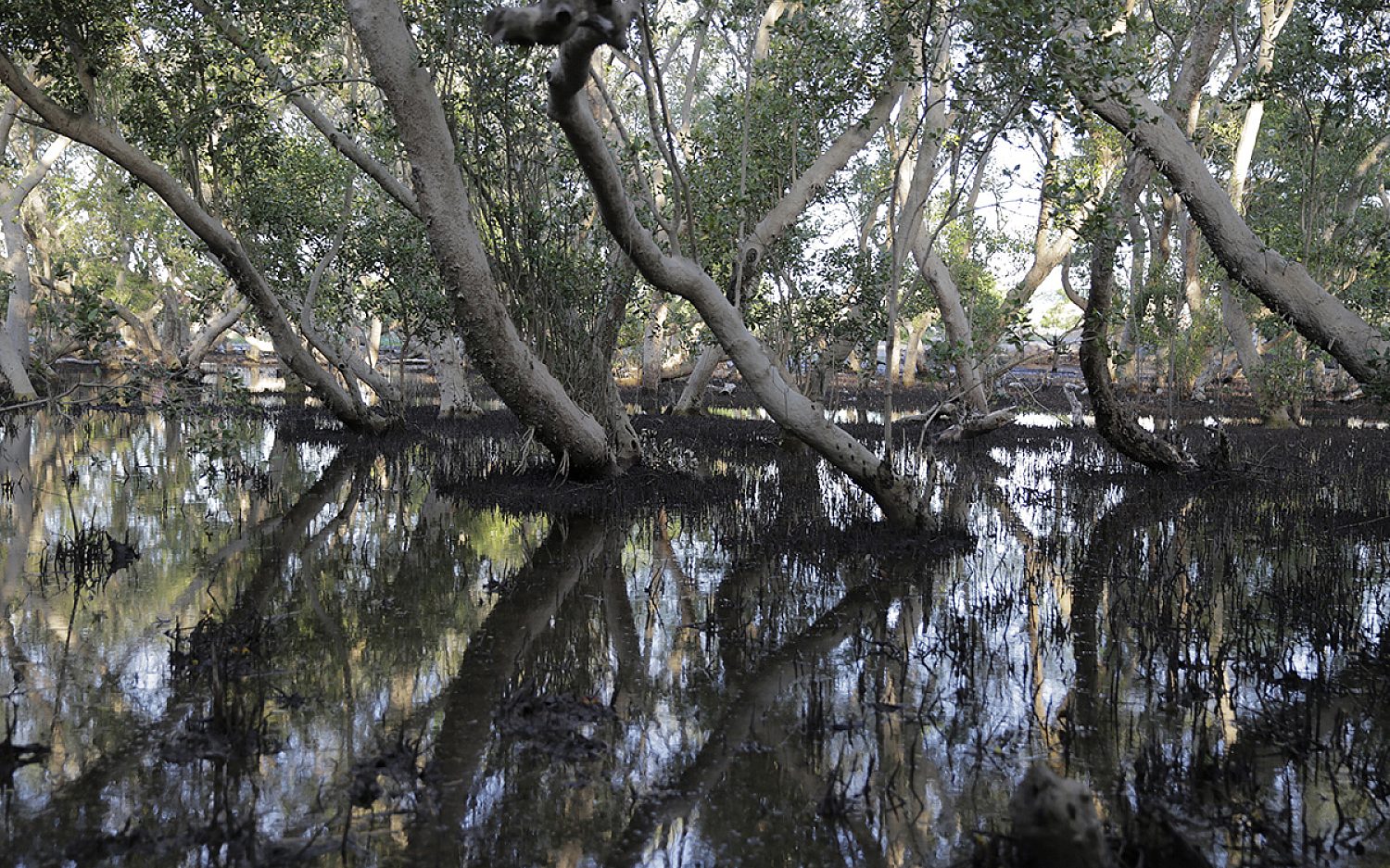
In Kenya, women restore mangrove forests. They keep bees. They guide tours.
In Tanzania, fishing communities protect coral reefs.
In Mozambique, people find jobs restoring sea grass.
In other words: These folks aren’t running away from the problem. They’re finding creative ways to address it . . . while supporting their families.
Andréanne Martel directs projects for a conservation program called ReSea. She says, “Communities that depend on the ocean are also its best stewards.”
Why? God gives the people the ability to creatively adapt to new challenges.