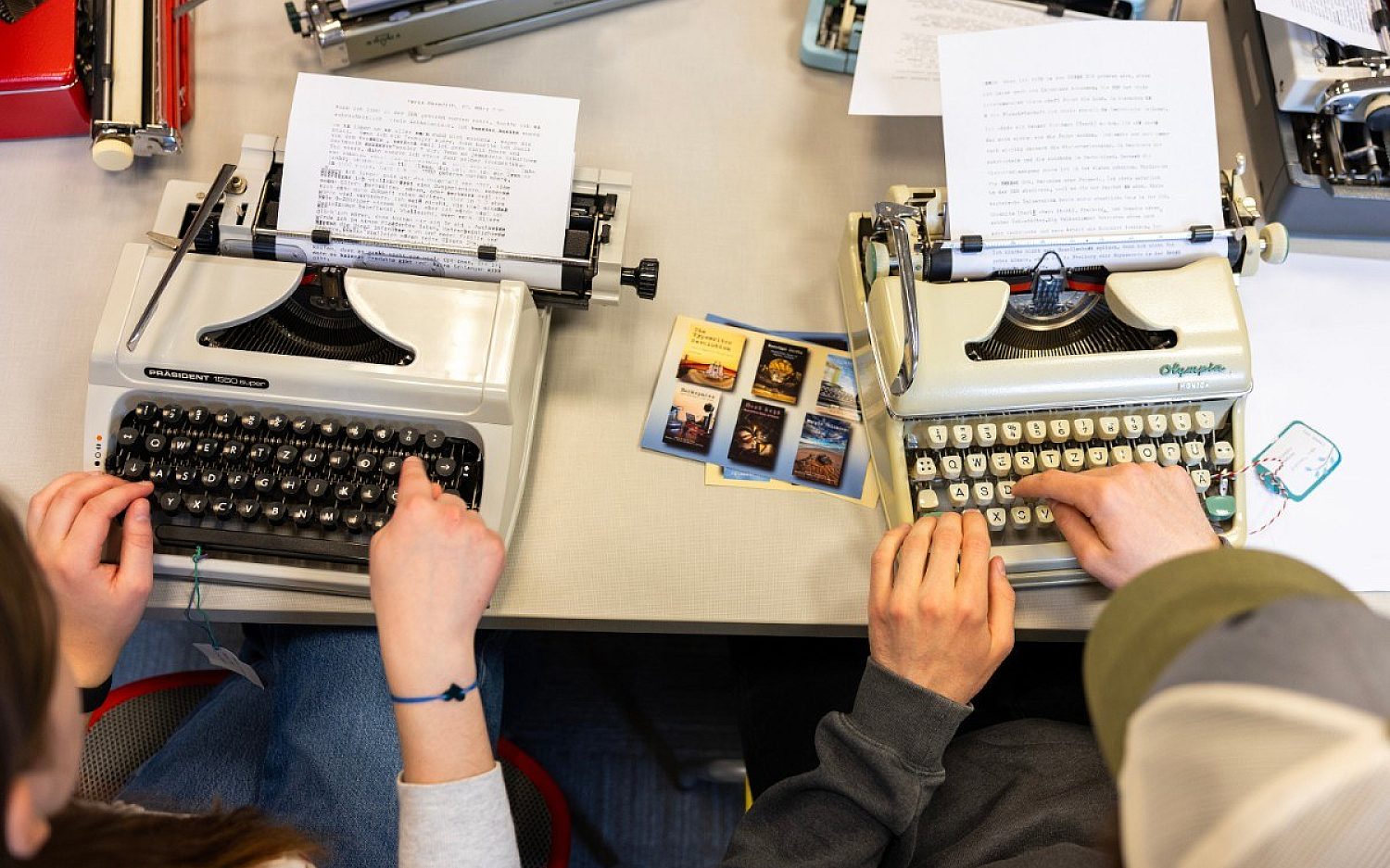

Click click click. Tap tap tap! Ding!
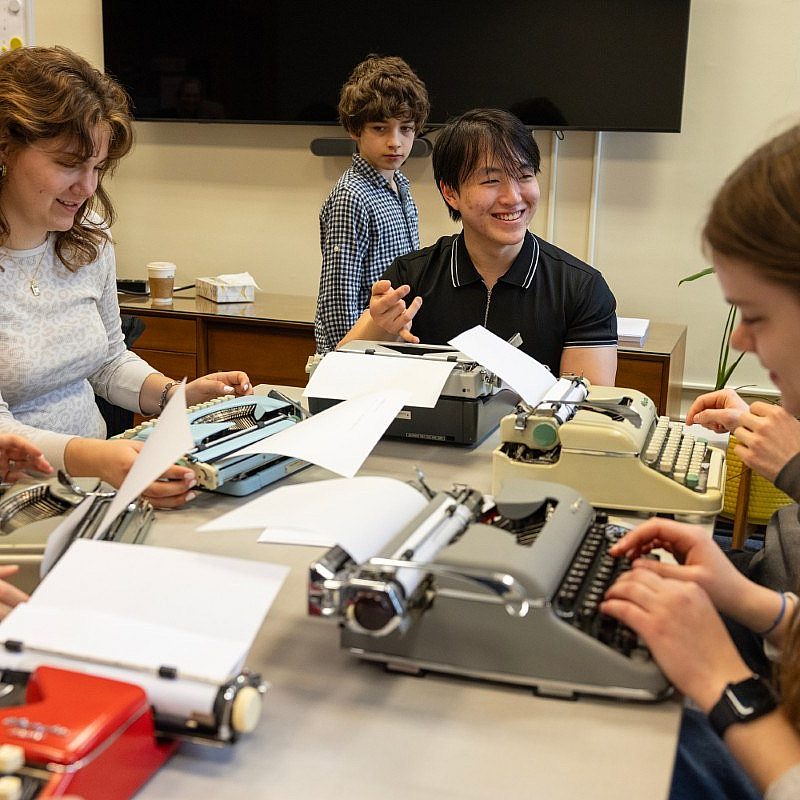
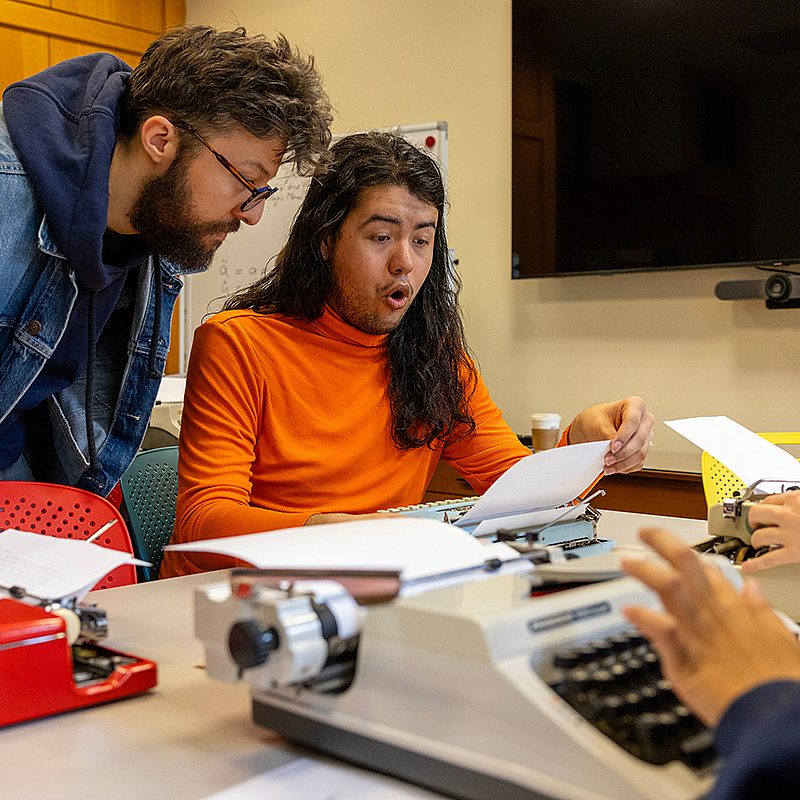
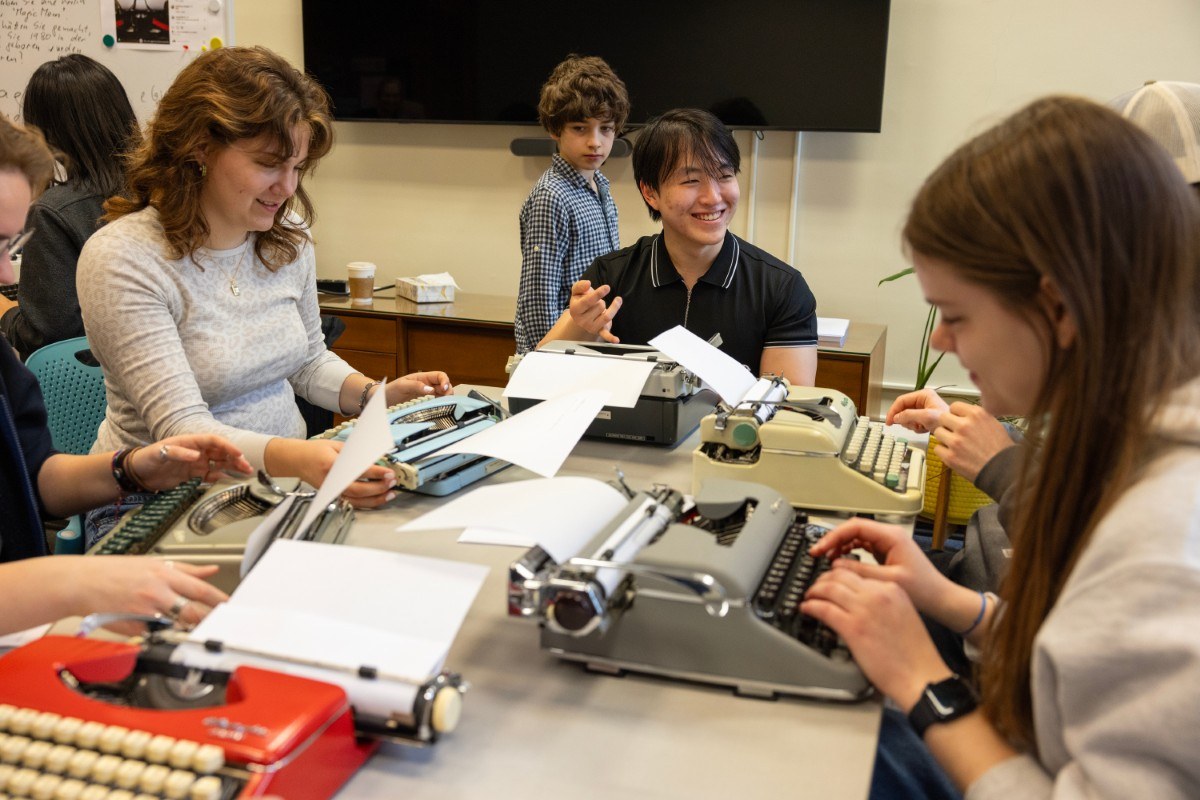
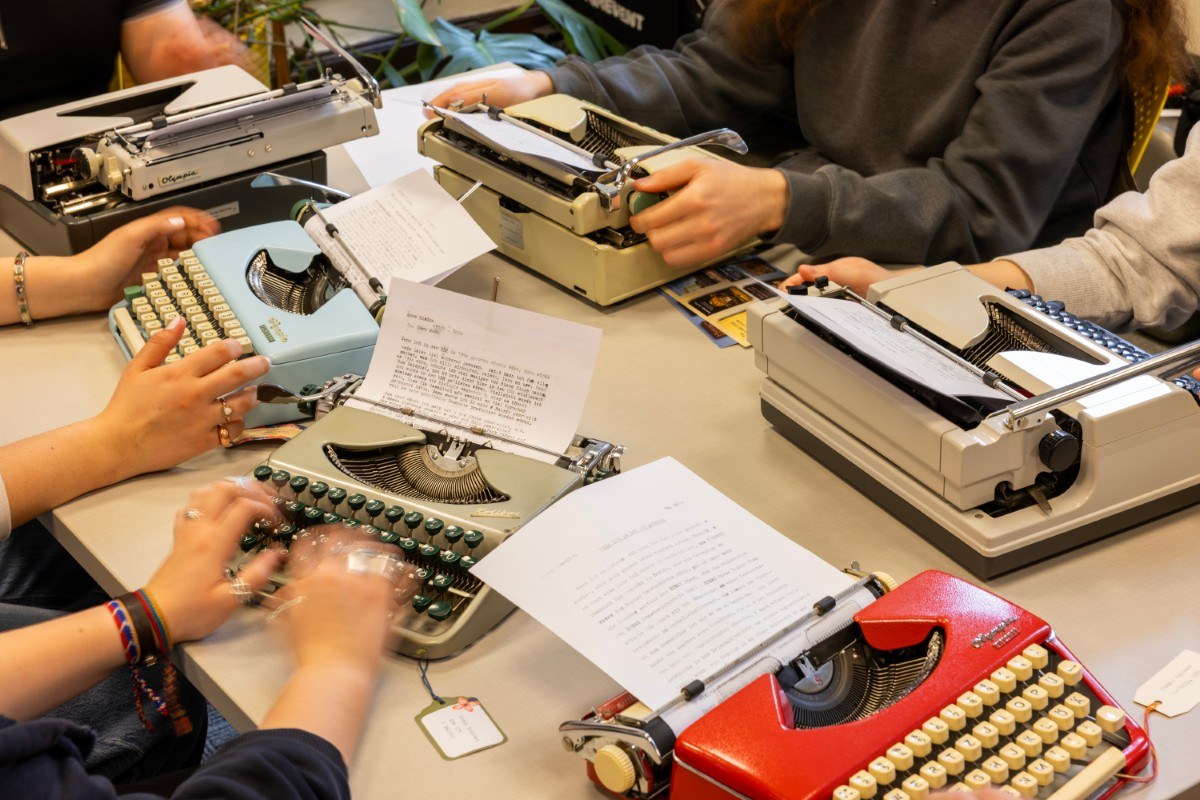
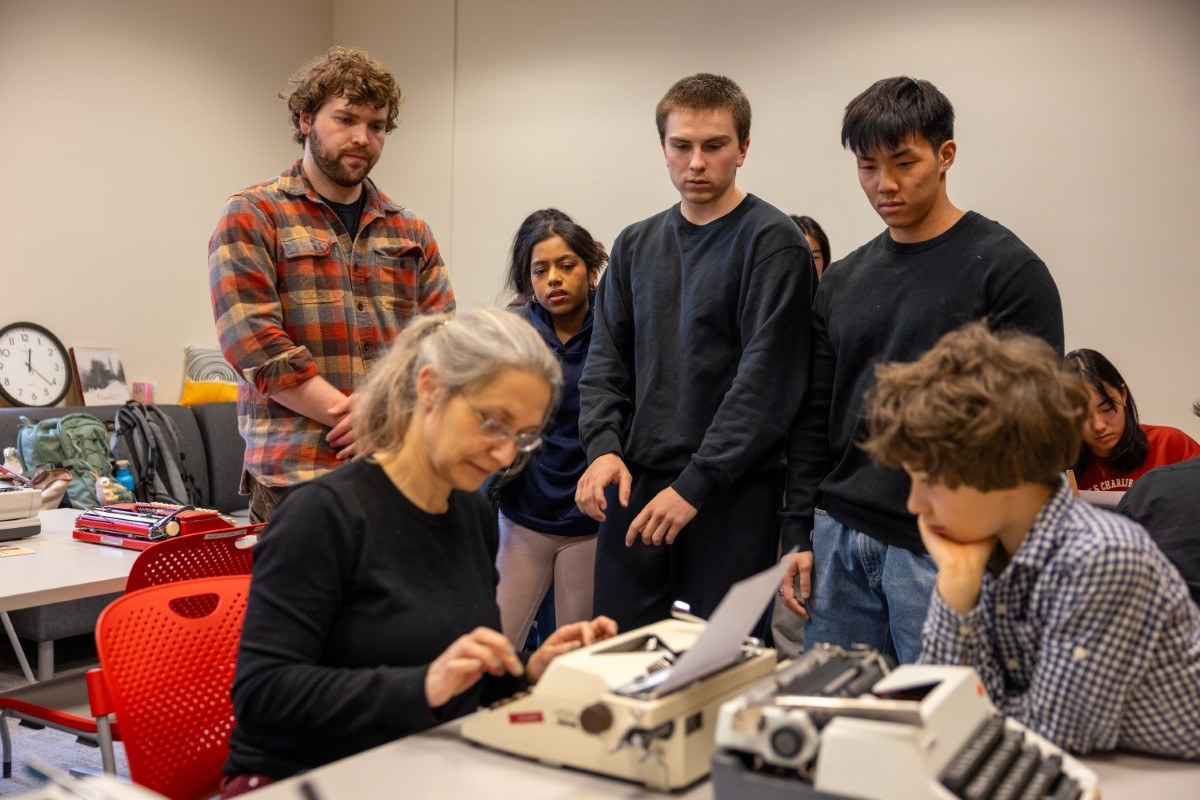
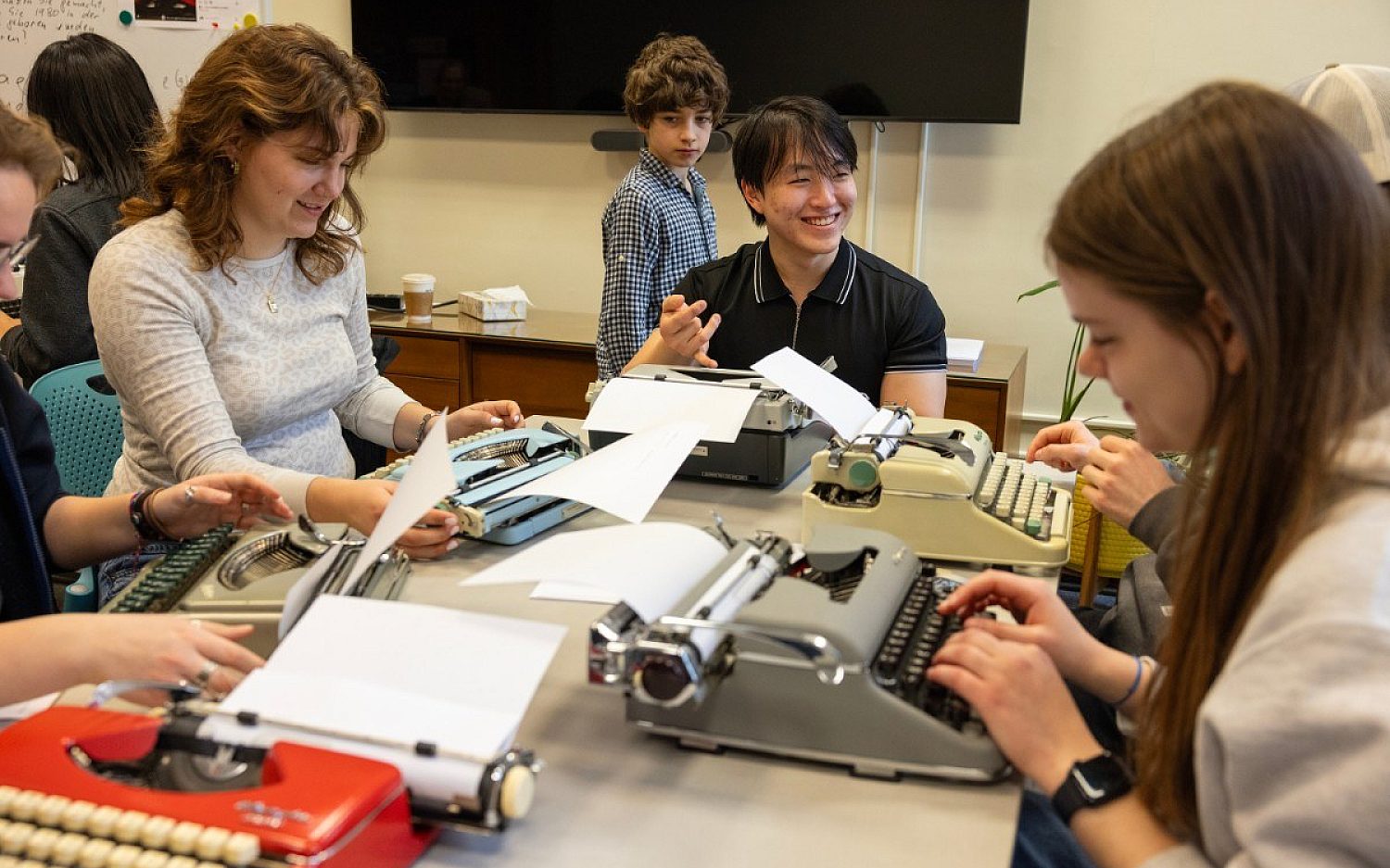
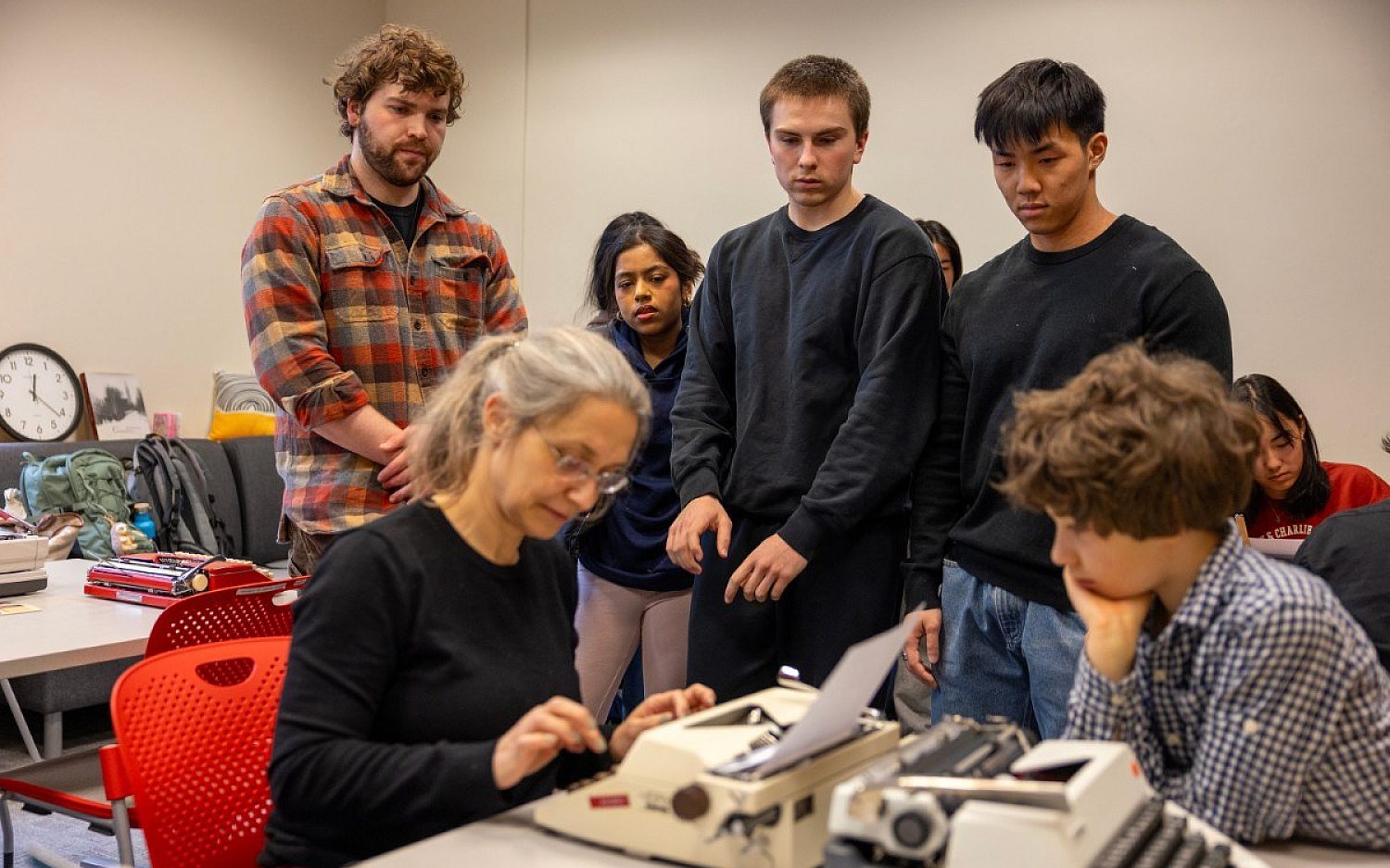
This classroom looks like a scene from the 1950s. Students peck away at typewriters. Each time a typist reaches the end of a line, the machine emits a ding.
Grit Matthias Phelps teaches German at Cornell University in Ithaca, New York. She introduces her students to the old-fashioned type of typing.
No screens.
No online dictionaries.
No spellcheckers.
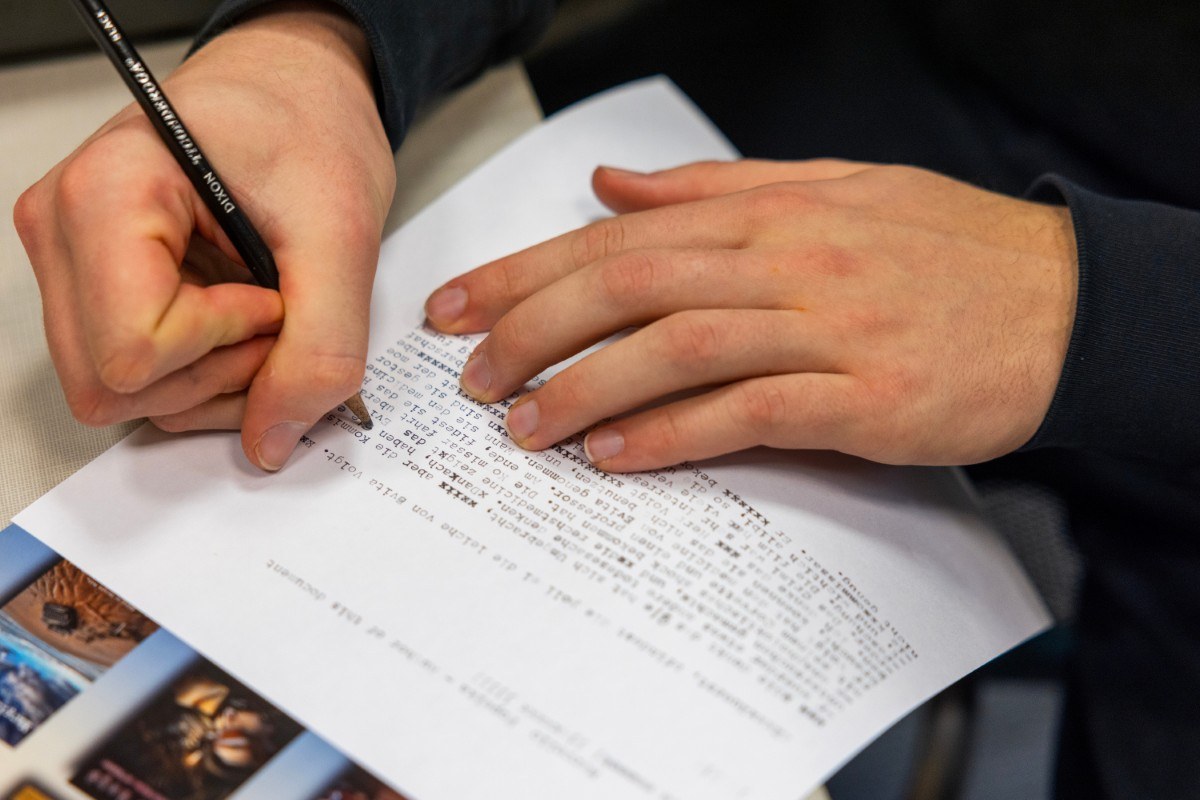
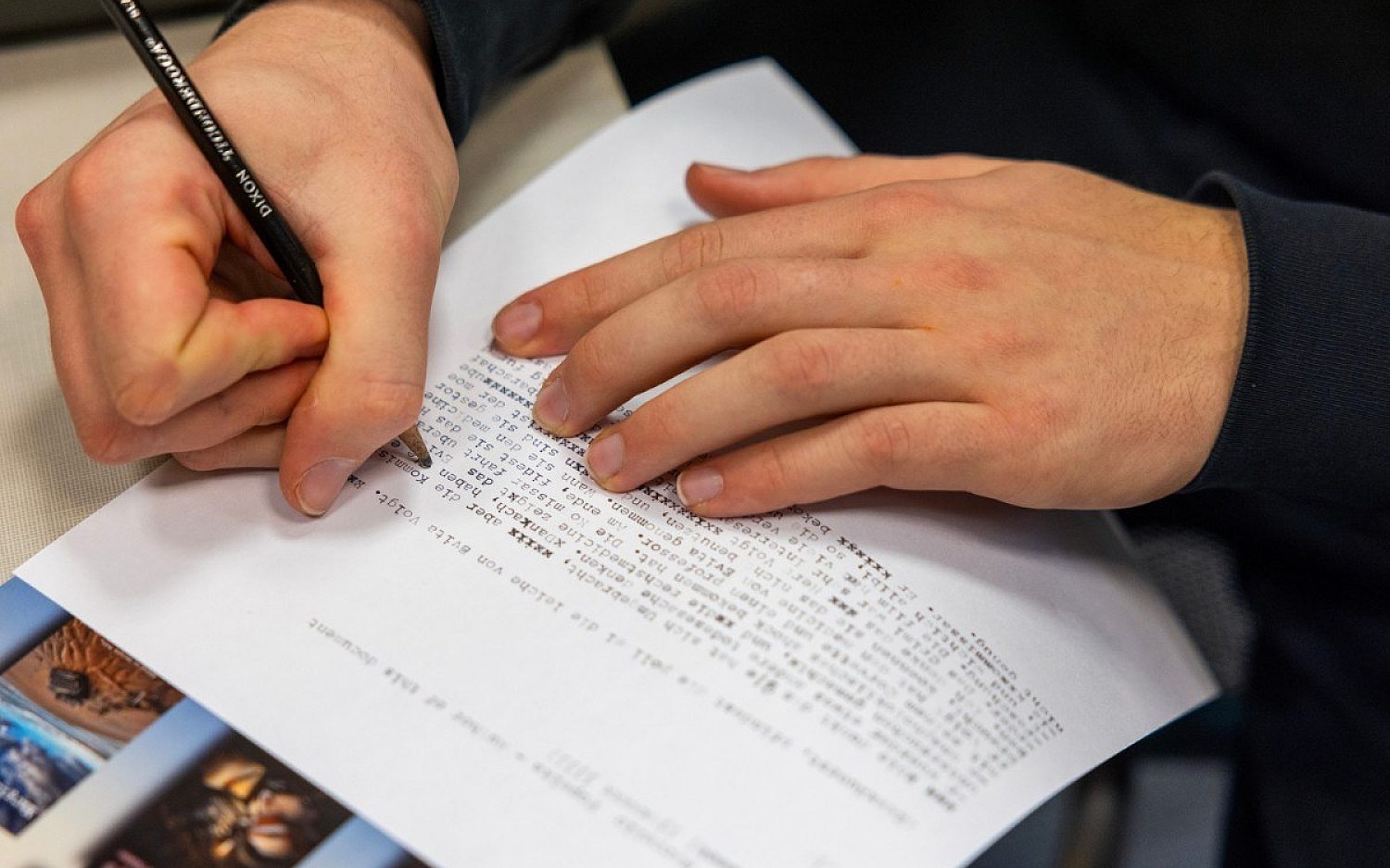
Maybe most frightening of all, no delete keys. No erasing mistakes.
Ms. Phelps started her students on typewriters back in 2023. Why? She was getting frustrated. Students were handing in perfect assignments. Too perfect. She could tell they used artificial intelligence (AI) tools and online translation to do at least some of the work for them.
“What’s the point of me reading it if it’s already correct anyway, and you didn’t write it yourself?” she asks. “Could you produce it without your computer?”
Do you remember what the world felt like before digital technology? Do you remember life before iPhones? Life before computers? Life before AI? Young people often don’t—for the simple reason that they’re “digital natives.” That stuff was already around when they were born!
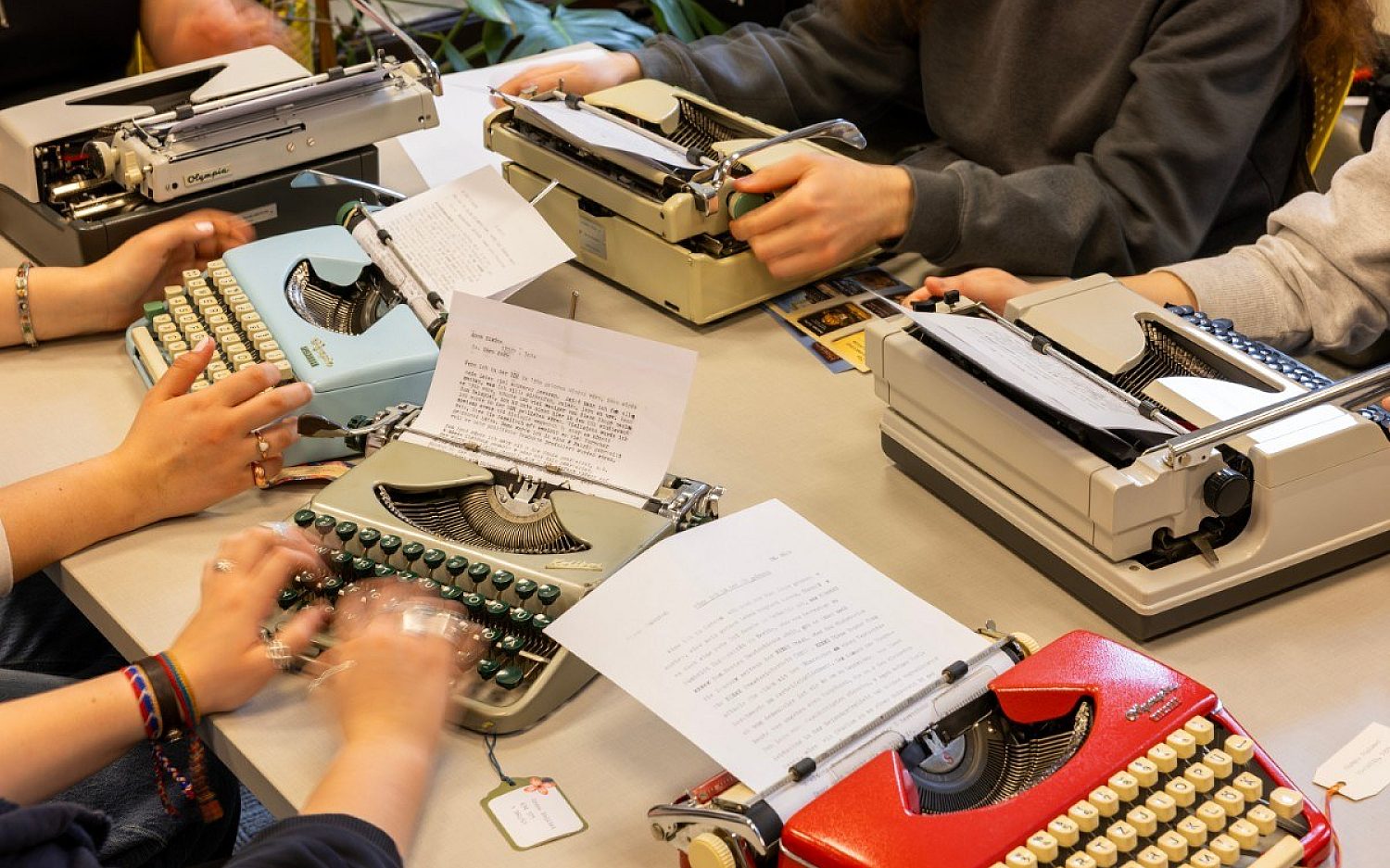
Ms. Phelps wanted students to understand the tech-free past. So she scoured thrift shops and online marketplaces. She found a few dozen manual (hand-operated) typewriters.
She’s not alone. Other teachers find old-fashioned ways to keep students from using AI to cheat. In-class pen-and-paper exams. Oral tests, in which teachers ask questions out loud and students reply in person. They don’t even have to write down answers on paper.
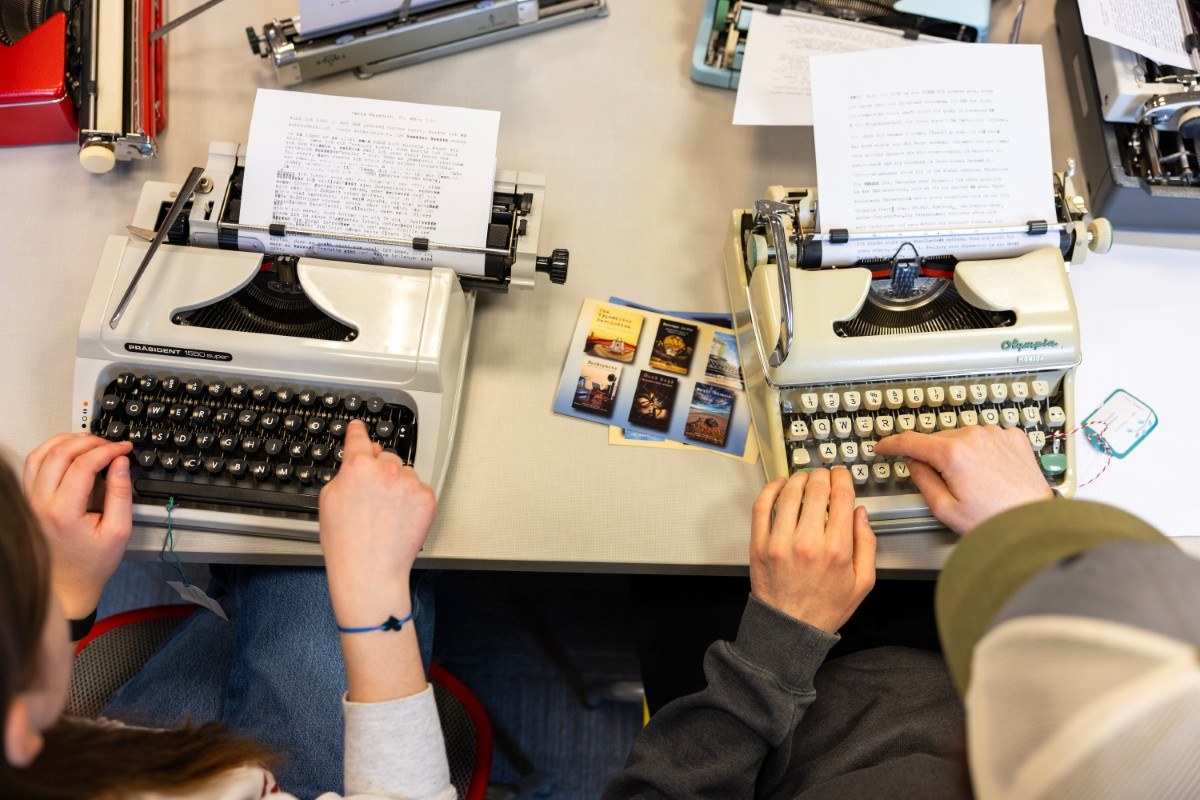
Students arrive in Ms. Phelps’ class. Typewriters wait on the desks. Some have QWERTY keyboards, like those used in the United States. Others have German keyboards.
“I had no idea what was happening,” says student Catherine Mong. “I’d seen typewriters in movies, but they don’t tell you how a typewriter works.”
Why? Using technology to cheat never pays. The cheater loses an opportunity to learn and grow.