

Americans are famous for apple pie, denim jeans, music, and movies. (Thank global trade for the pie—apples come from Asia!)
You likely have enjoyed these lesser-known American inventions.
Swim Fins
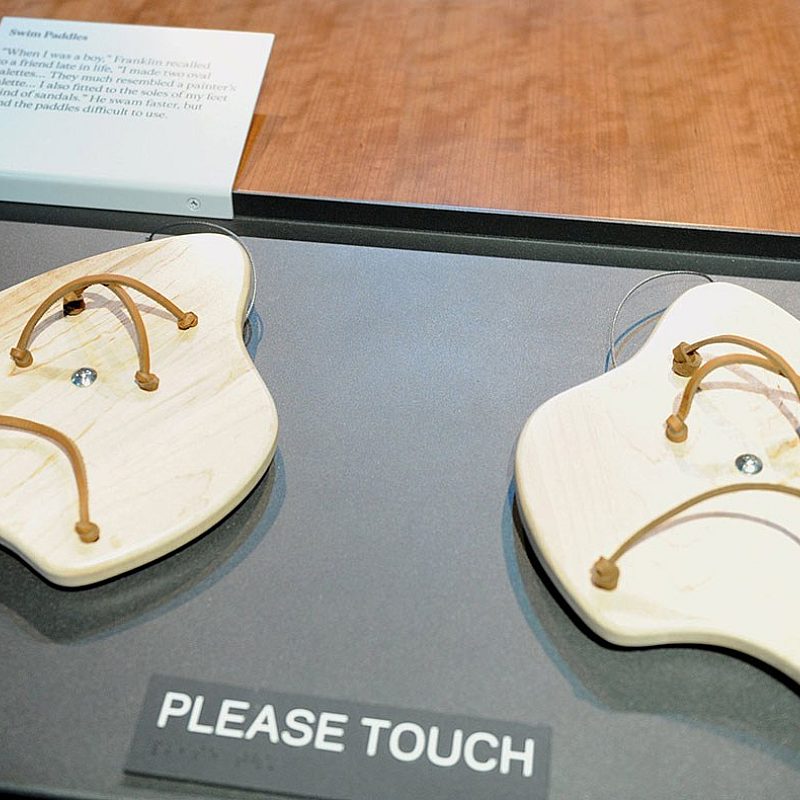
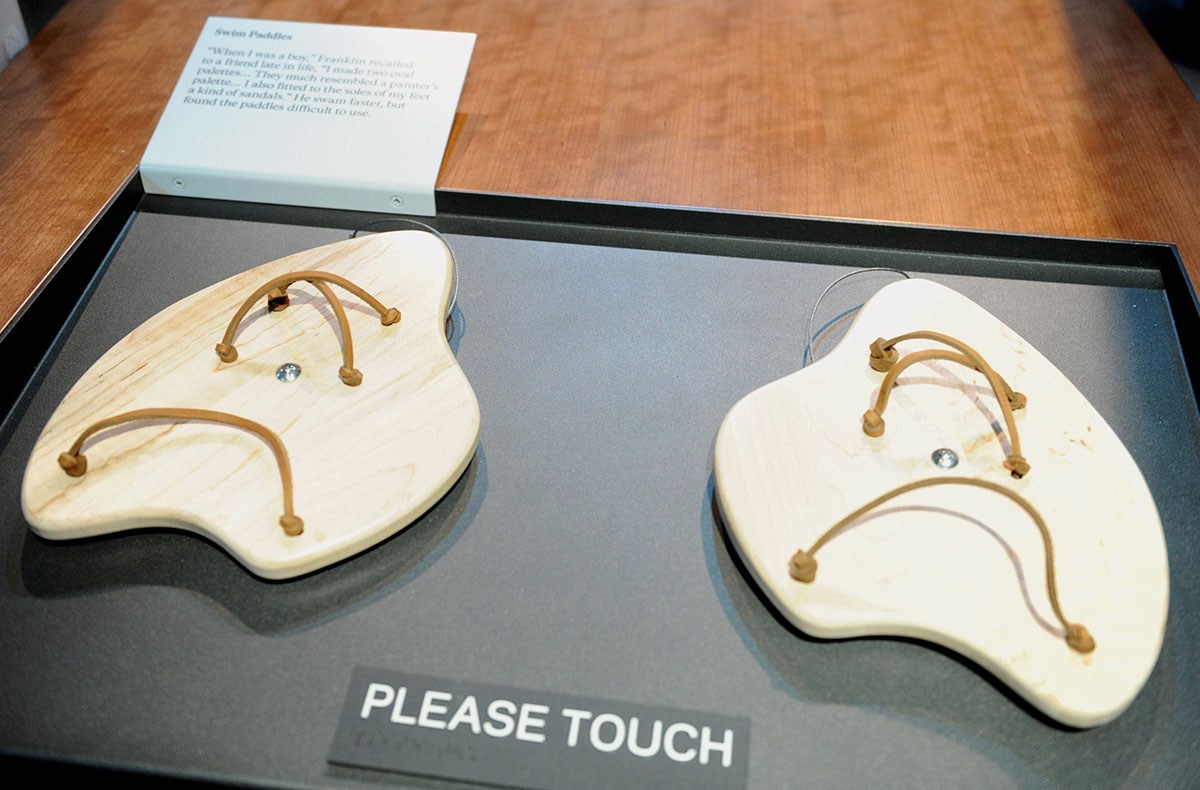
Benjamin Franklin didn’t just help draft the Declaration of Independence in 1776. He also invented swim fins for his hands. He made his first pair when he was 11. The avid swimmer took two oval wooden pallets. Each was about 10 inches long and six inches wide. He left holes for his thumbs. He wrote, “I remember I swam faster by means of these pallets, but they fatigued my wrists.” He inspired future inventors to fine-tune his design.
Sporks
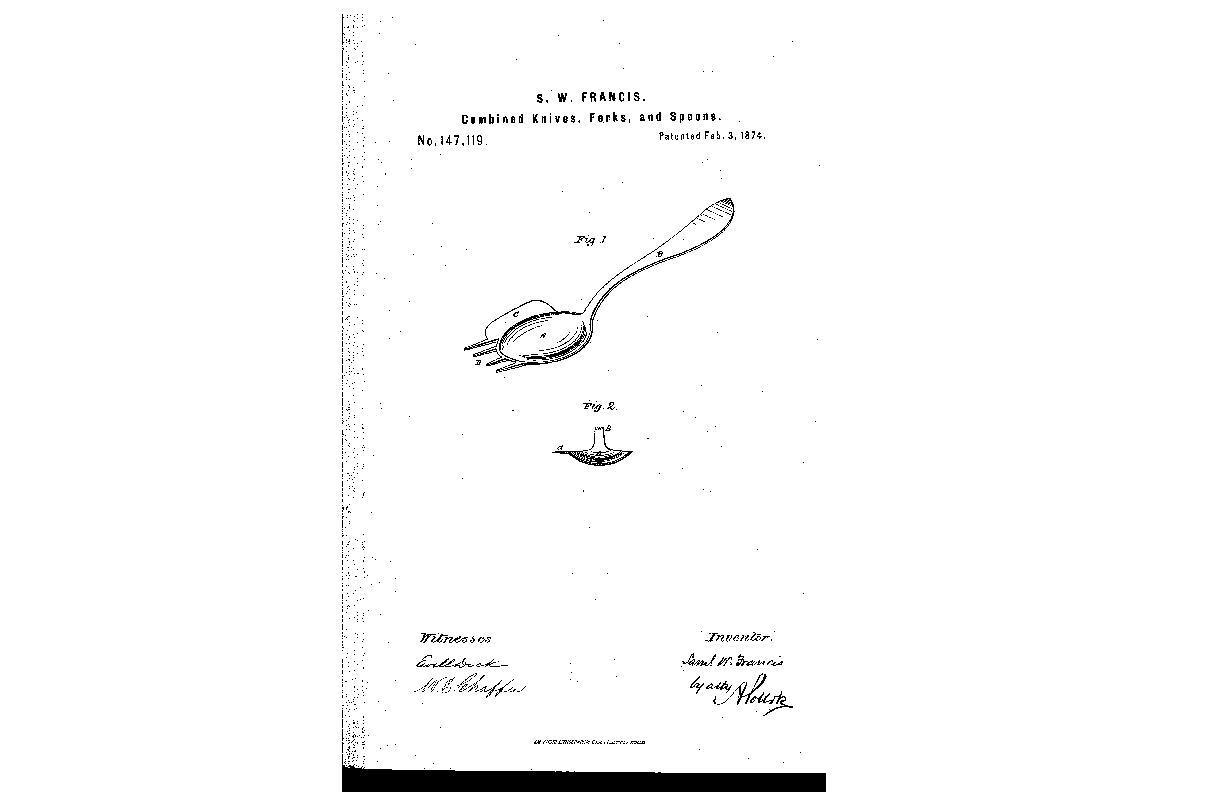
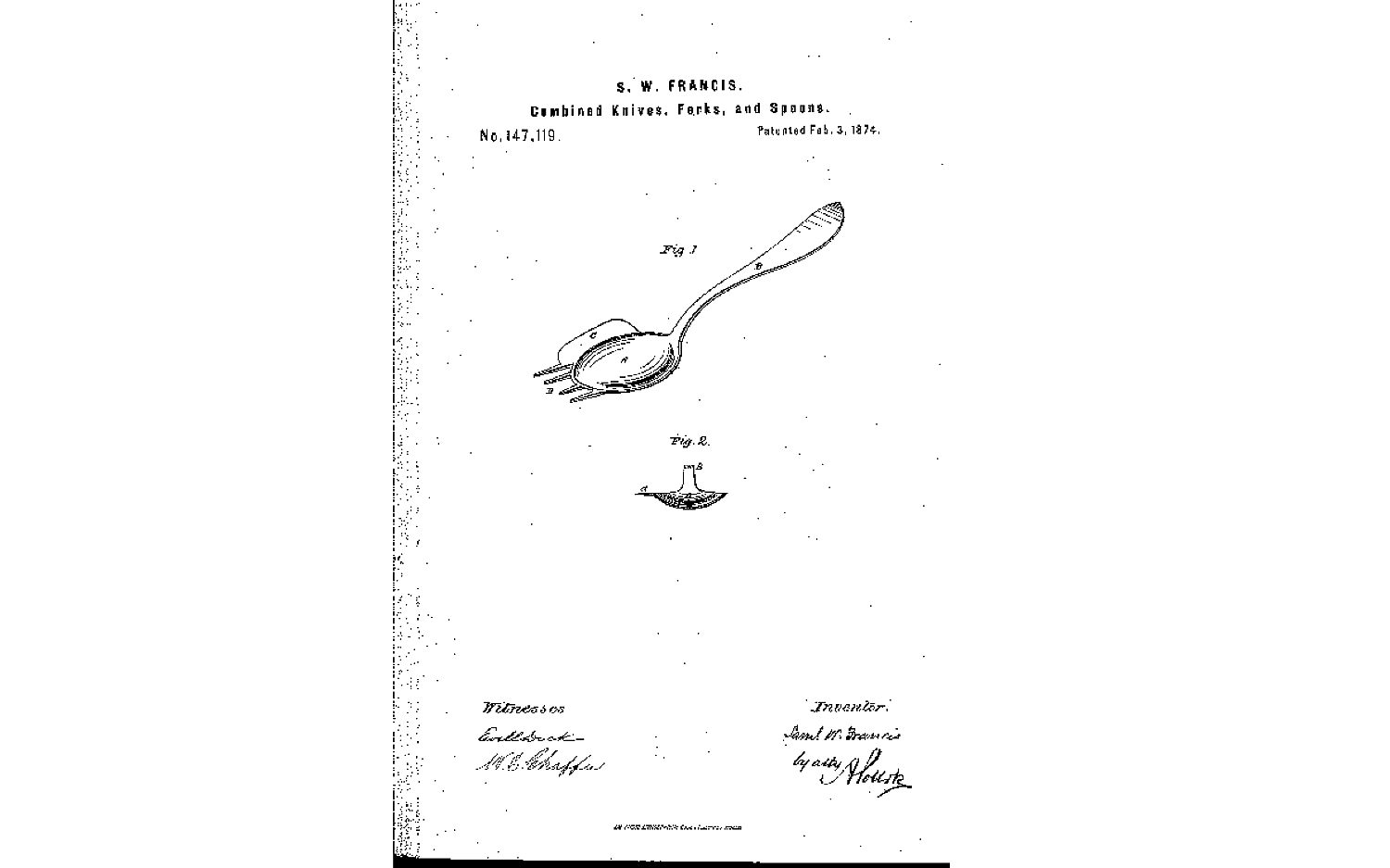
Samuel W. Francis of Rhode Island requested a patent in 1874. It was for a combined knife, fork, and spoon. He put a small blade on the edge of the spoon bowl. He attached fork tines at the front. (The blade was removed in later models. Whew!) Turtle soup, with its creamy broth and chunks of meat, became popular. Mr. Francis’ creation became a must-have. The word “spork” appeared in print as early as 1909.
Chewing Gum
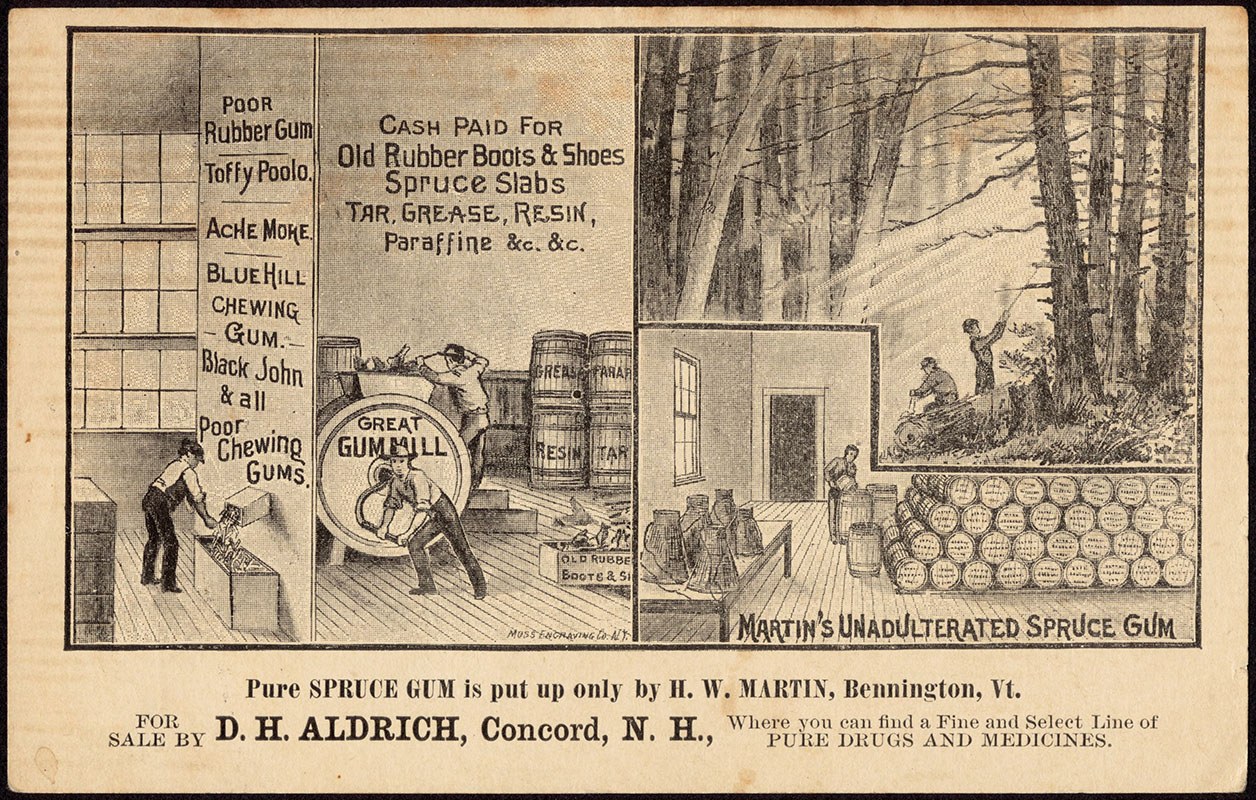
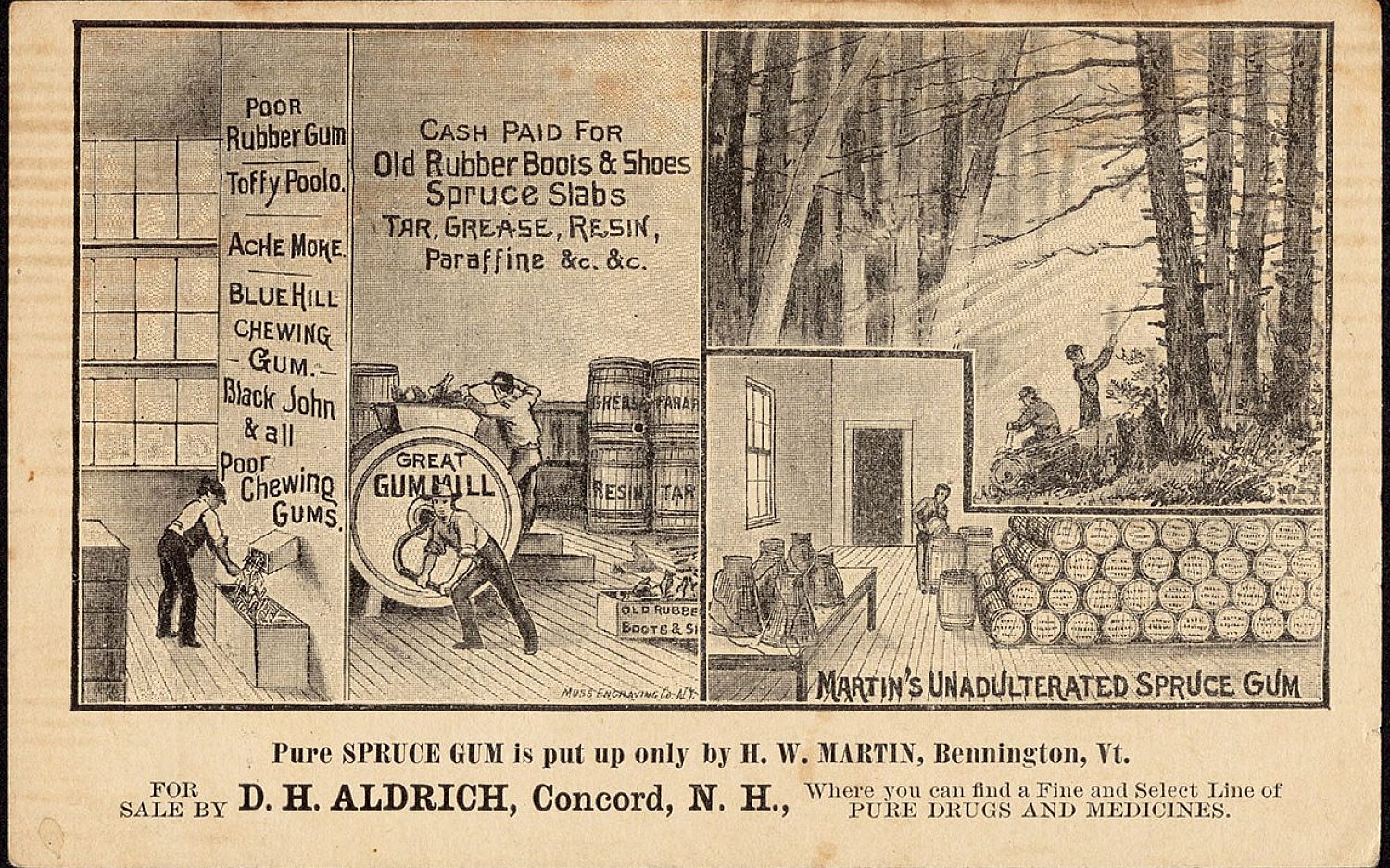
Maine’s John Curtis made the first spruce tree gum to sell in the late 1840s. The flavor wasn’t great. It also became brittle when chewed. Thomas Adams of New York took chicle from Mexico. (Chicle comes from the sapodilla tree.) He hoped to make a product like rubber. His efforts failed. But he used his knowledge to form a tastier gum. Pennsylvania’s Walter Diemer was the first to invent a gum that could stretch to form bubbles in 1928. What kept the gum from being too sticky? Latex from rubber trees.