
Have you ever had school canceled for a snow day? A hurricane day? How about a volcano day?
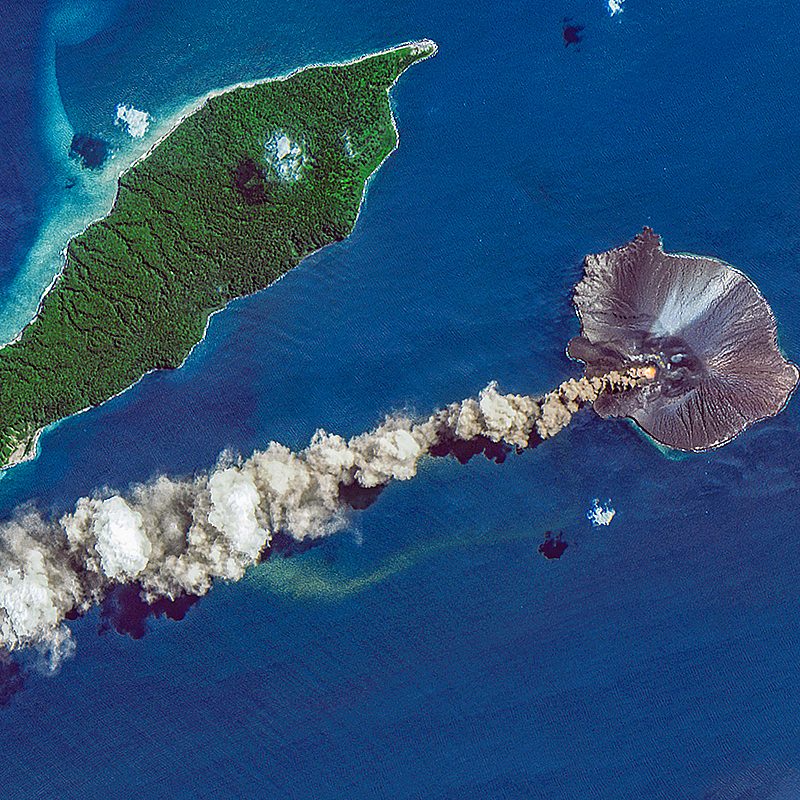
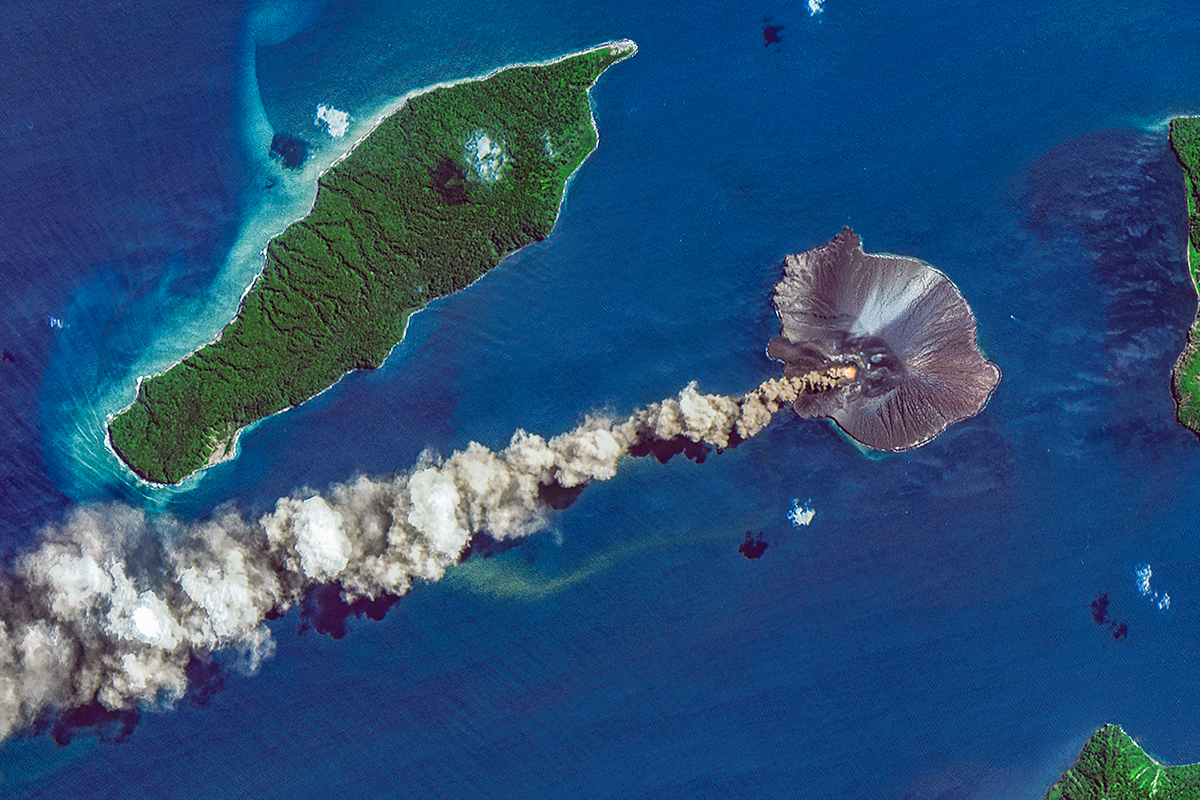
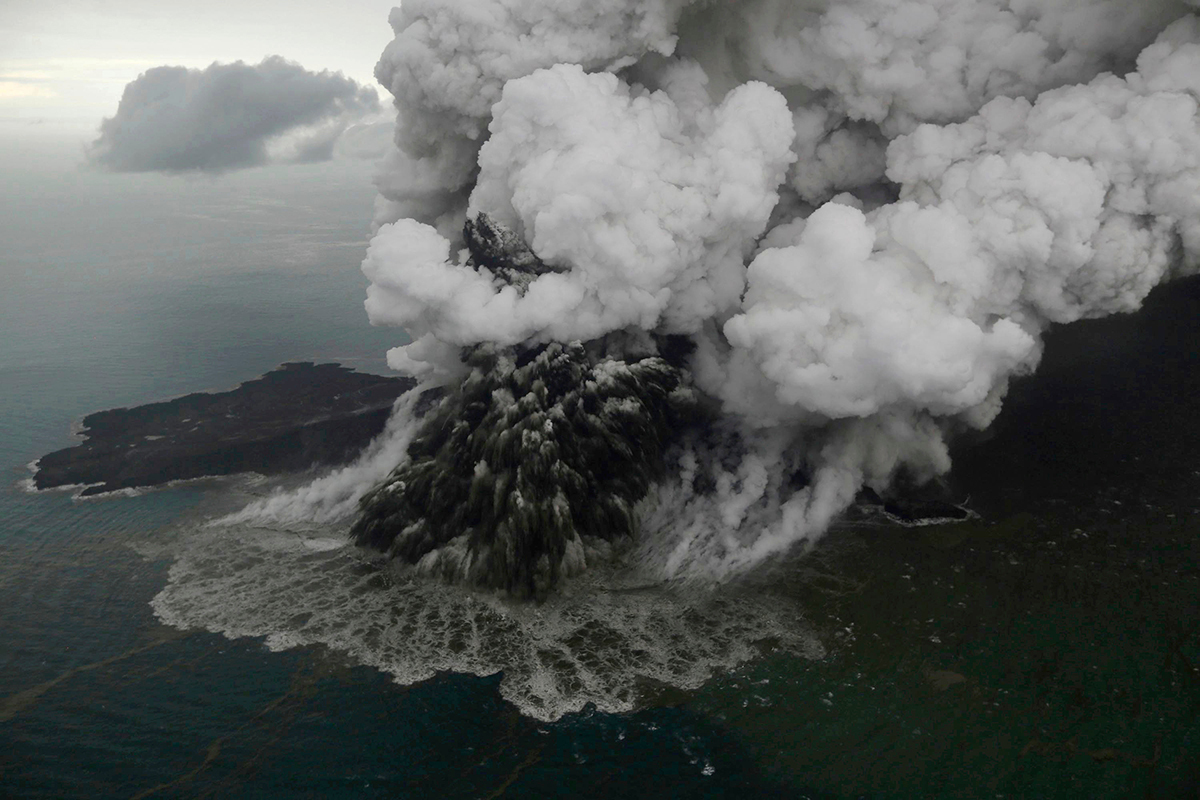
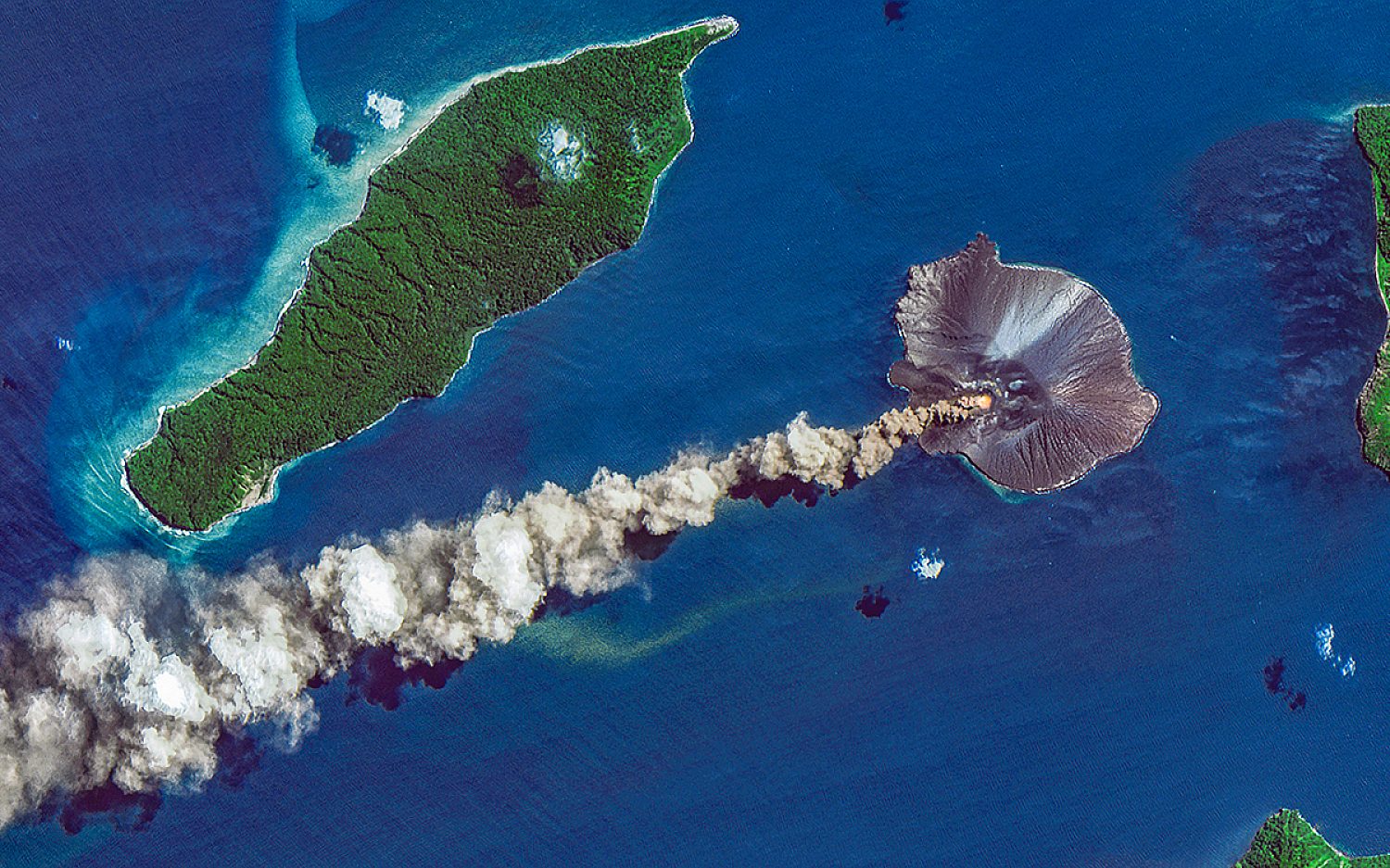
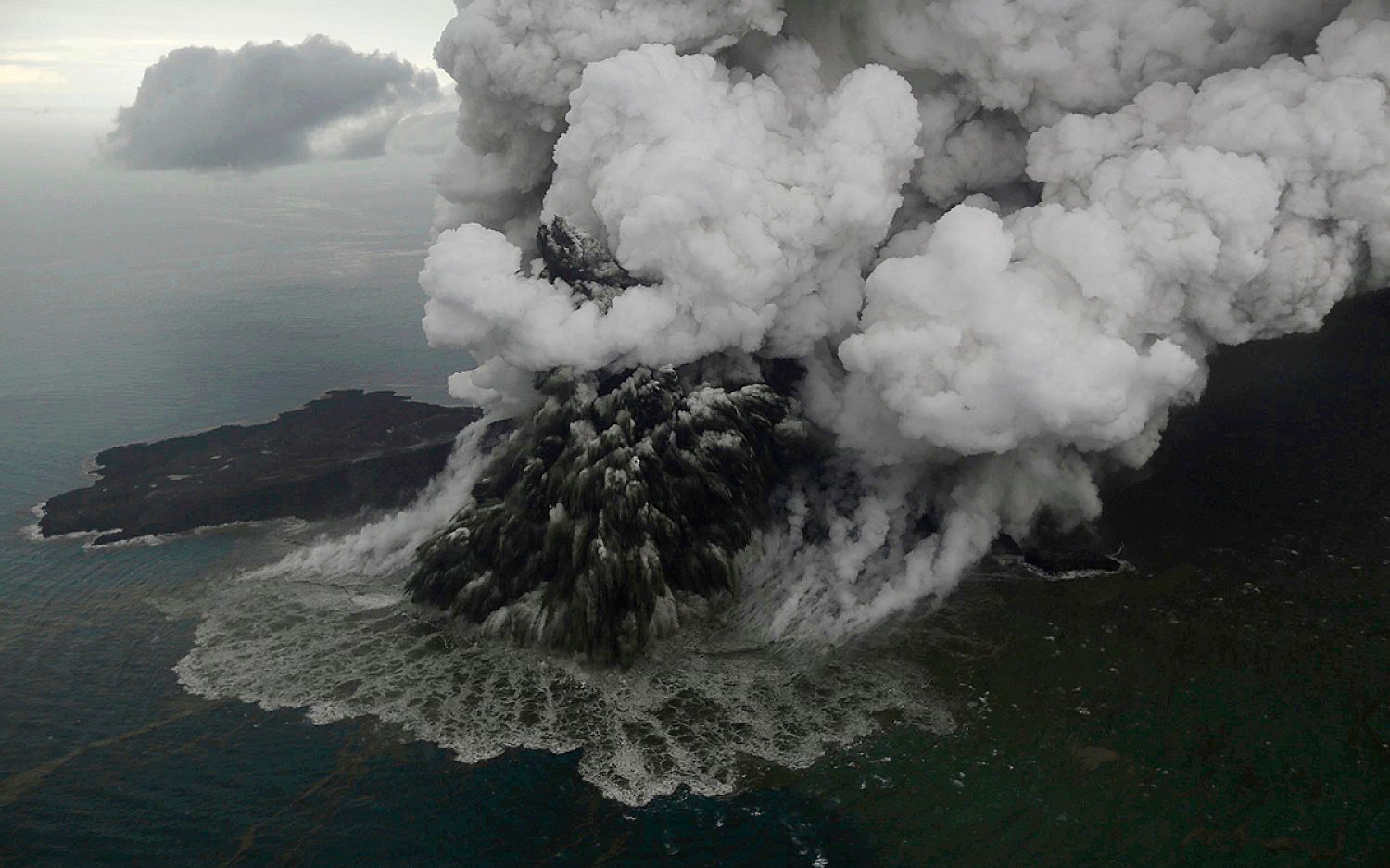
In September, a volcano in Indonesia erupted. The volcano is called Anak Krakatau. (In English, we usually spell the second part Krakatoa and say krak-uh-TOH-uh. Sort of like, “I walked into the couch last night and cracked my toe-Ugh!”)
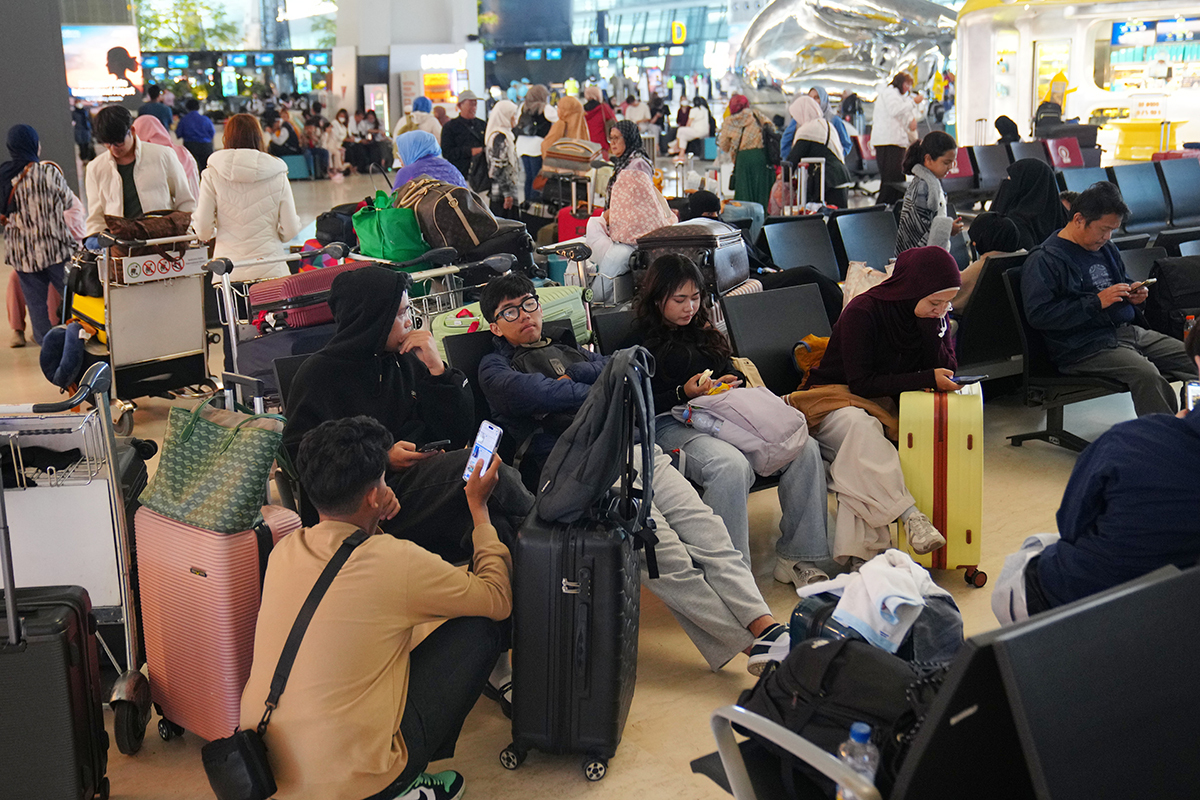
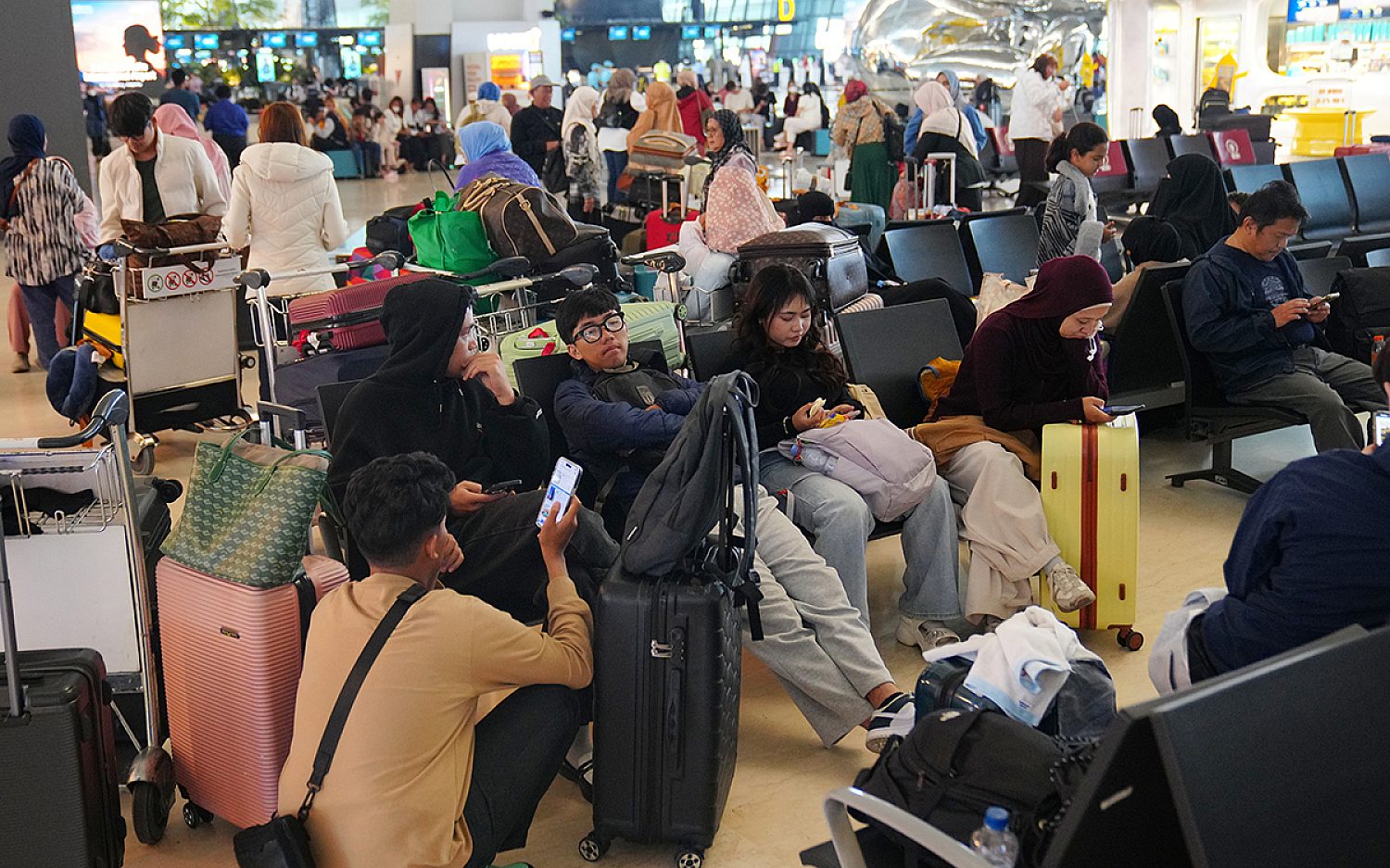
Anak Krakatoa kept erupting for 25 hours straight. Kids in Indonesia couldn’t go to school. Airlines canceled nearly 3,000 flights. The volcano coated the land with ash. A fountain of lava gushed out. People heard Anak Krakatoa’s BOOM 435 miles away!
Airports stayed closed even after the eruption stopped. That gave airport operators time to check runways for safety and clean anything exposed to ash.
The Indonesian name for the volcanic island is Anak Krakatau. On a map, you’ll find it between Indonesia’s two main islands—Java and Sumatra. Its name means “child of Krakatau.”
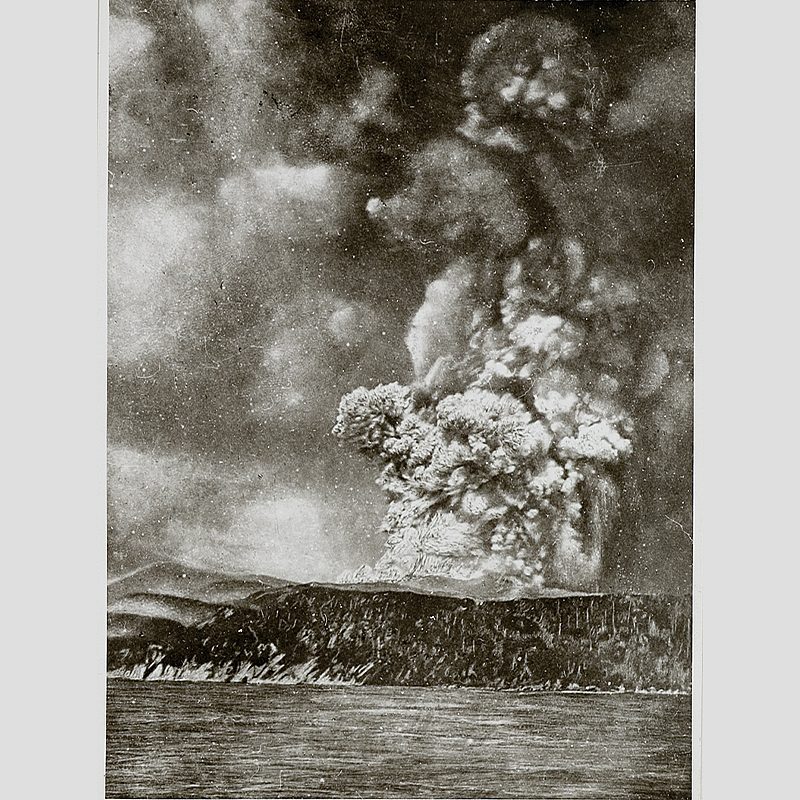
Yep, this volcano had a parent. The original Krakatoa erupted in 1883. (And what an eruption it was! Read about it in When the Moon Turned Blue.) The Anak Krakatoa we know now came from that volcano. It made a new island as it formed.
Anak Krakatoa (the baby volcano) also erupted in 2018. It caused a tsunami—a giant, lethal ocean surge. Sadly, about 430 people in Sumatra and Java died.
Thanks to the parent volcano, no one lives on Anak Krakatoa. But hundreds of thousands live on islands nearby. It’s treacherous. But it can also be fruitful.
The plus sides of volcanos:
1. Tourists love to visit them. Tourists bring money. They need hotels to stay in. They need restaurants to eat in. They need stores to shop in. All those needs create jobs for people living near volcanos.
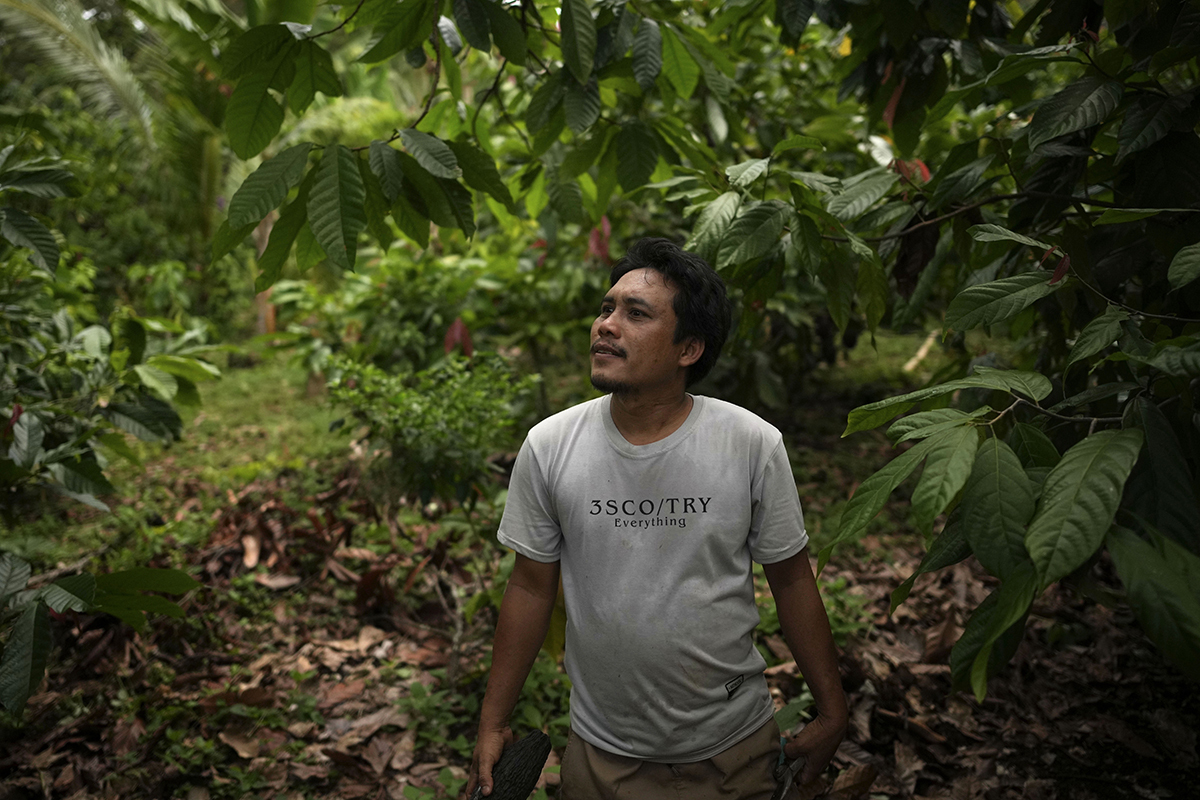
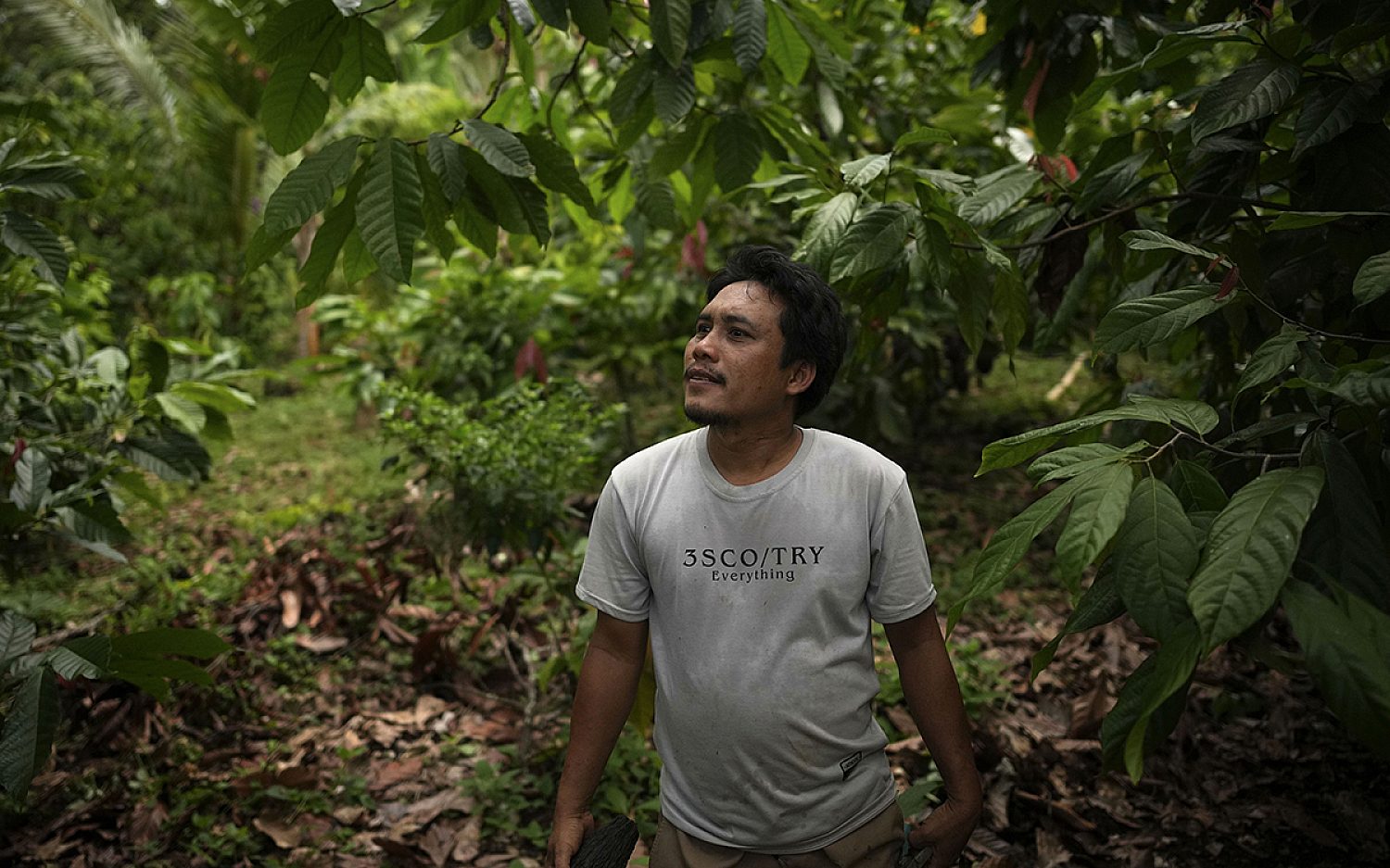
2. Volcanos make fertile soil. When a volcano erupts, volcanic ash spreads all around. The ash contains nutrients plants need. Places near volcanos often have bountiful crops. Indonesians may live in volcano alley. But they also grow plants that produce coffee, sugar, spices, fruit, rubber, and palm oil.
Why? Life near volcanos can be treacherous—but God also designed these landscapes to be fruitful.