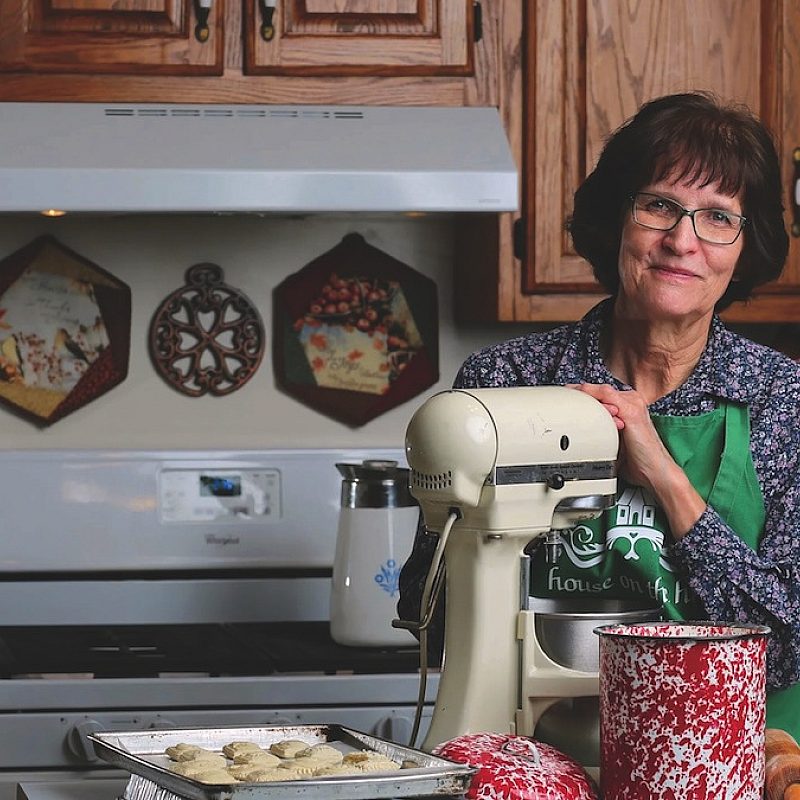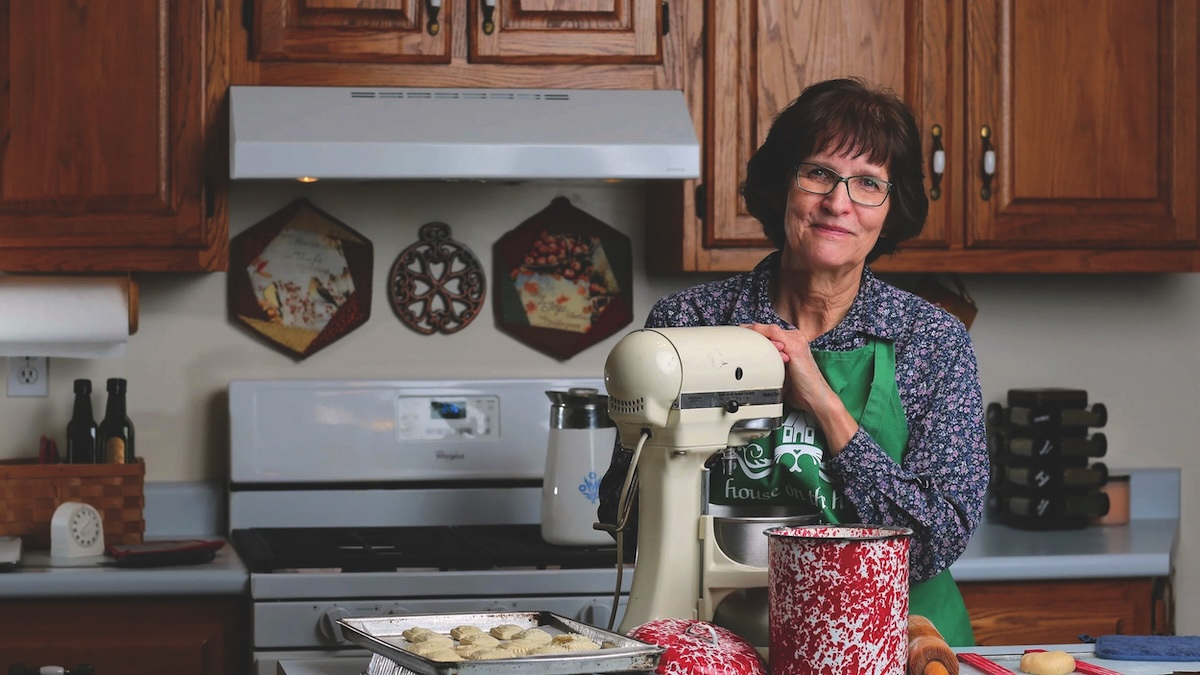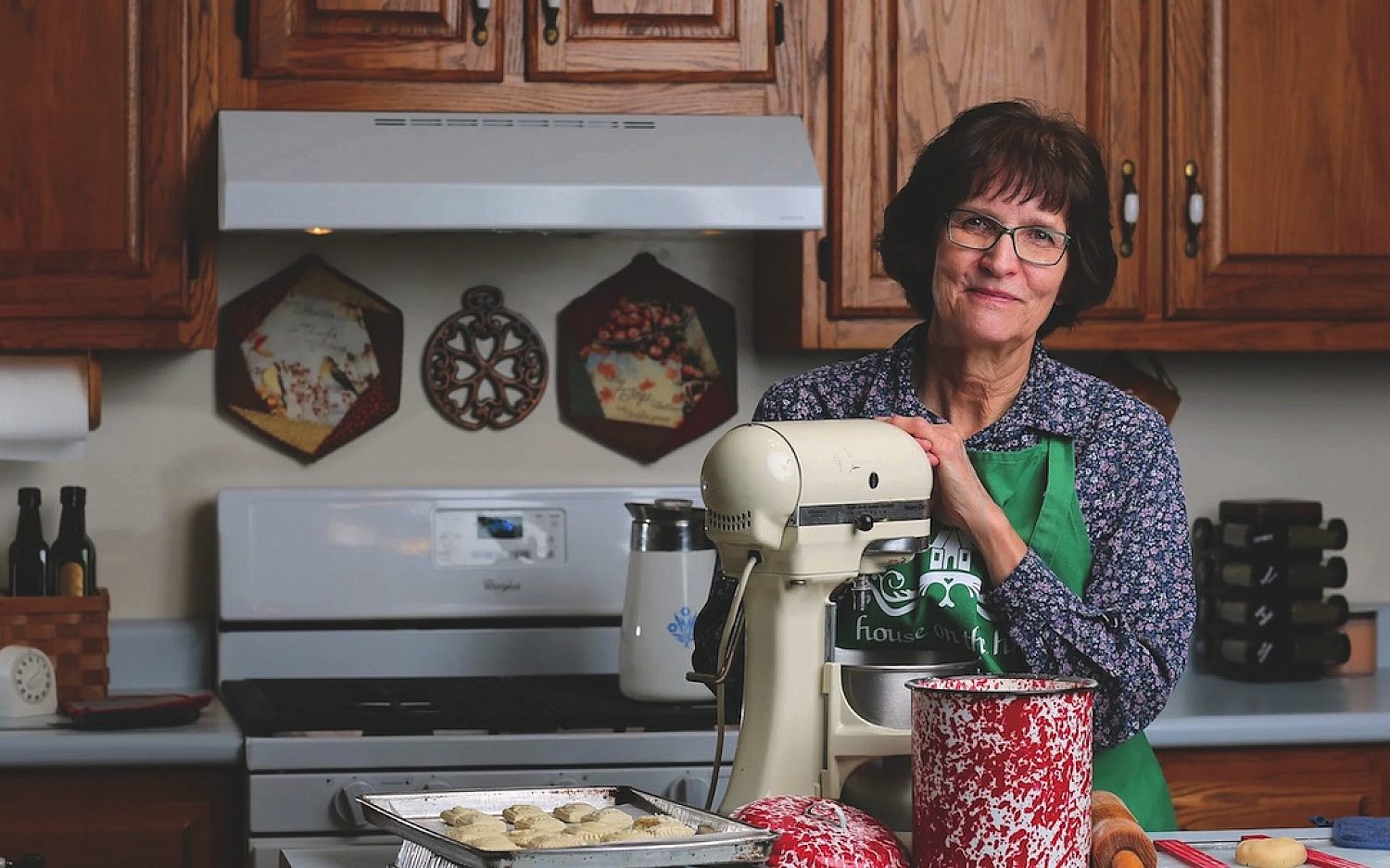

“Both grandmas made lots of cookies at Christmas,” remembers Letha Misener of her childhood in the American Midwest. “Nothing ever went to waste. We might be eating leftover cookies till Easter.”
Ms. Misener comes from families of German farmers on both sides. “Grandma made gingerbread but didn’t use pressed molds,” she says.
But Ms. Misener does use pressed molds. She owns House on the Hill Cookie Molds in Rosebud, Missouri. She spends her days keeping cookie mold history alive.
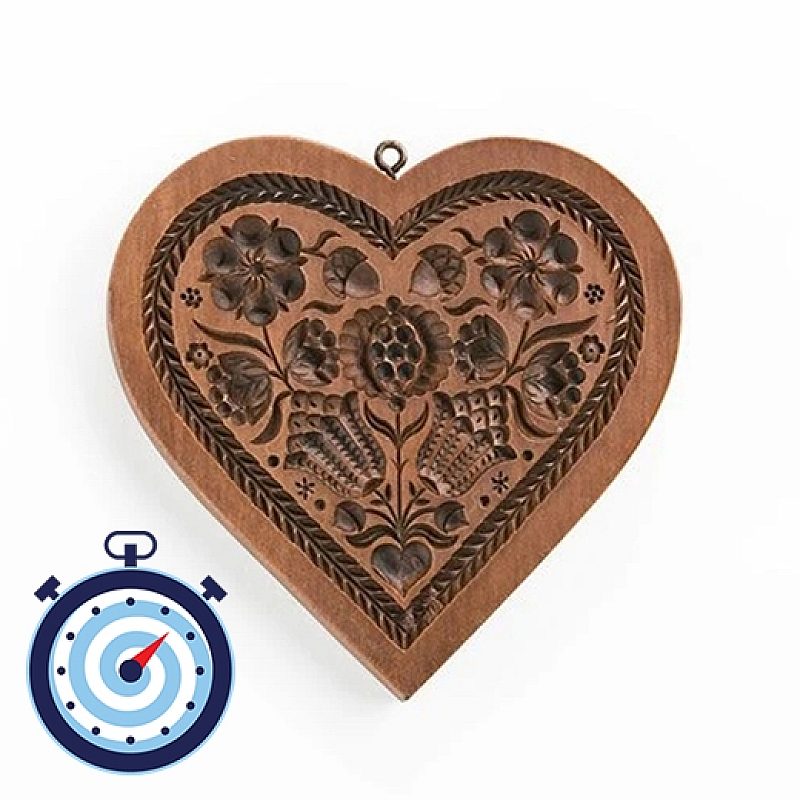
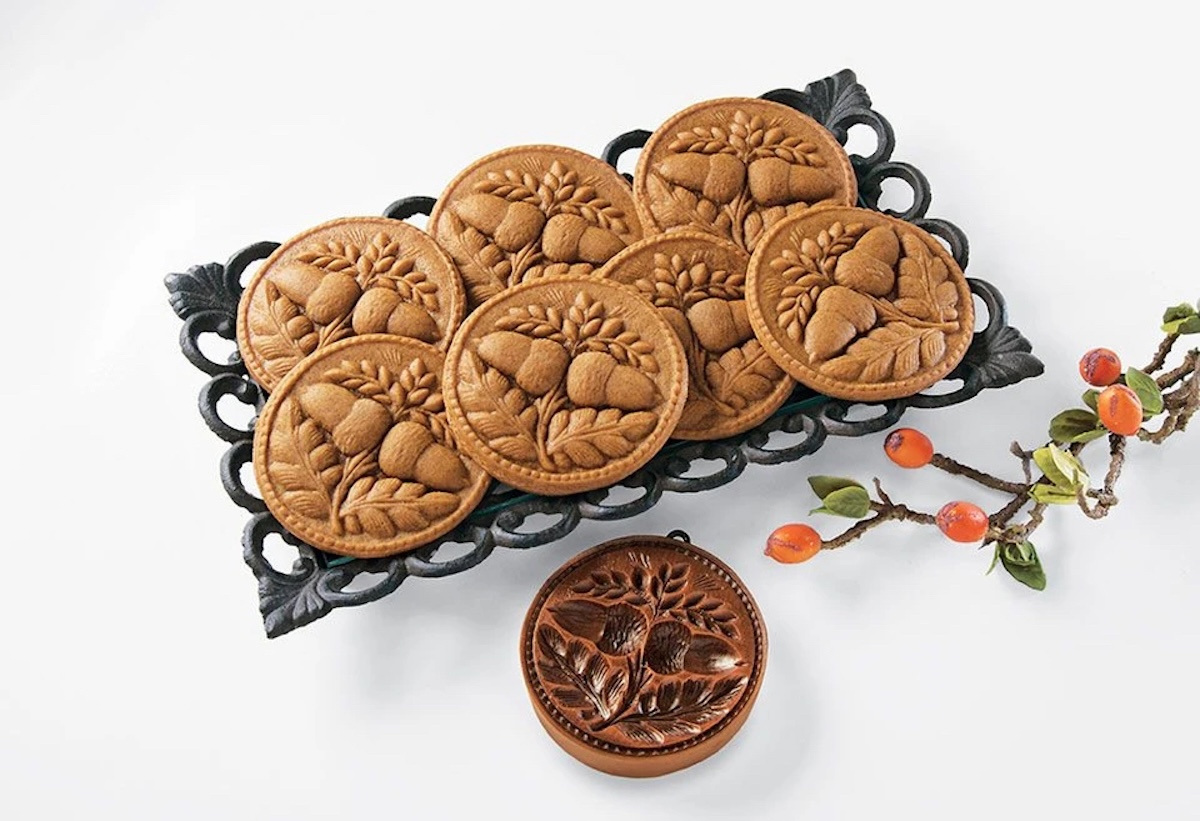
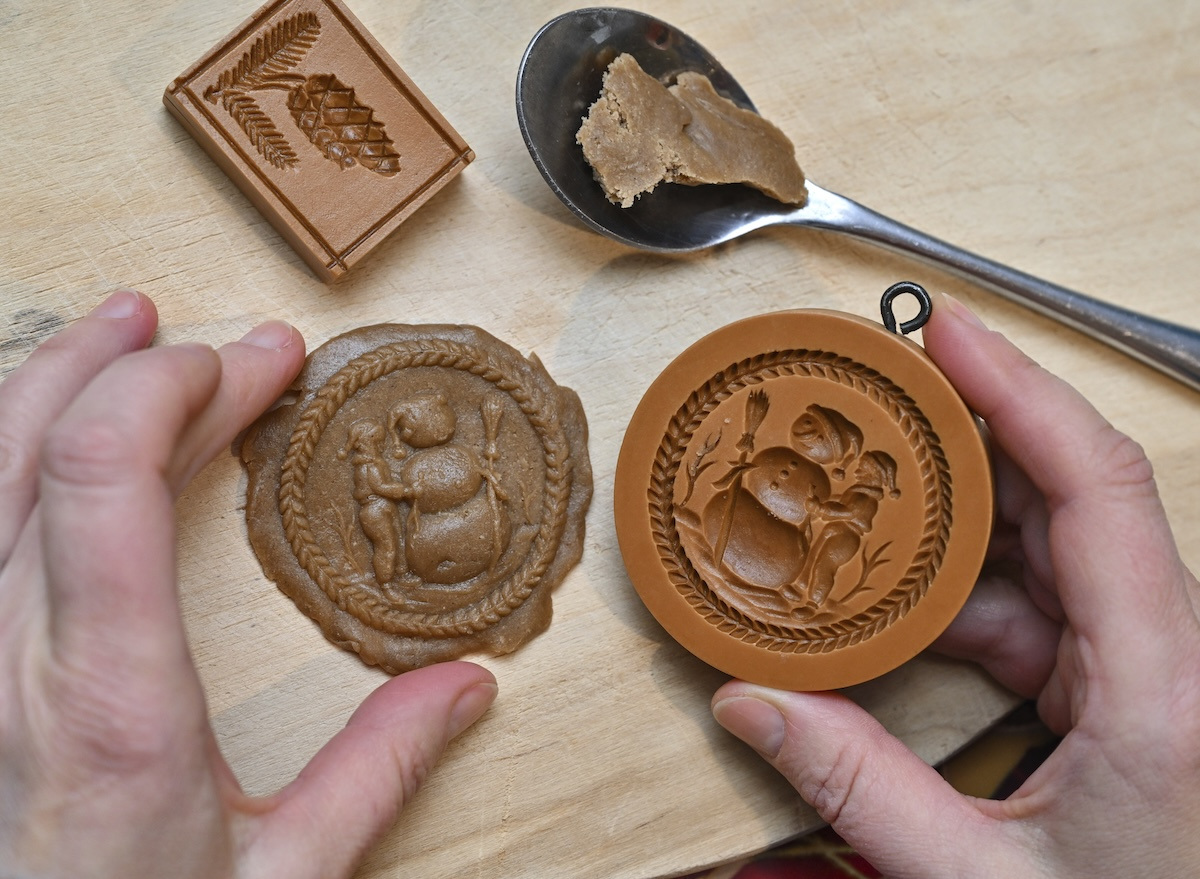
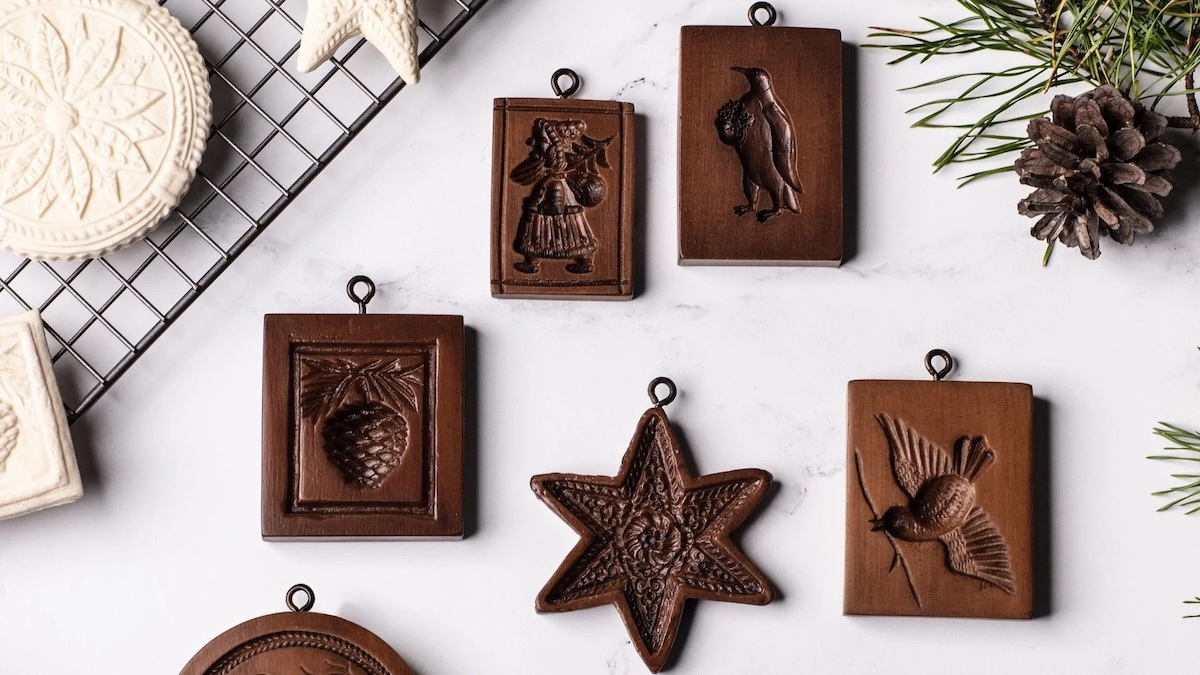
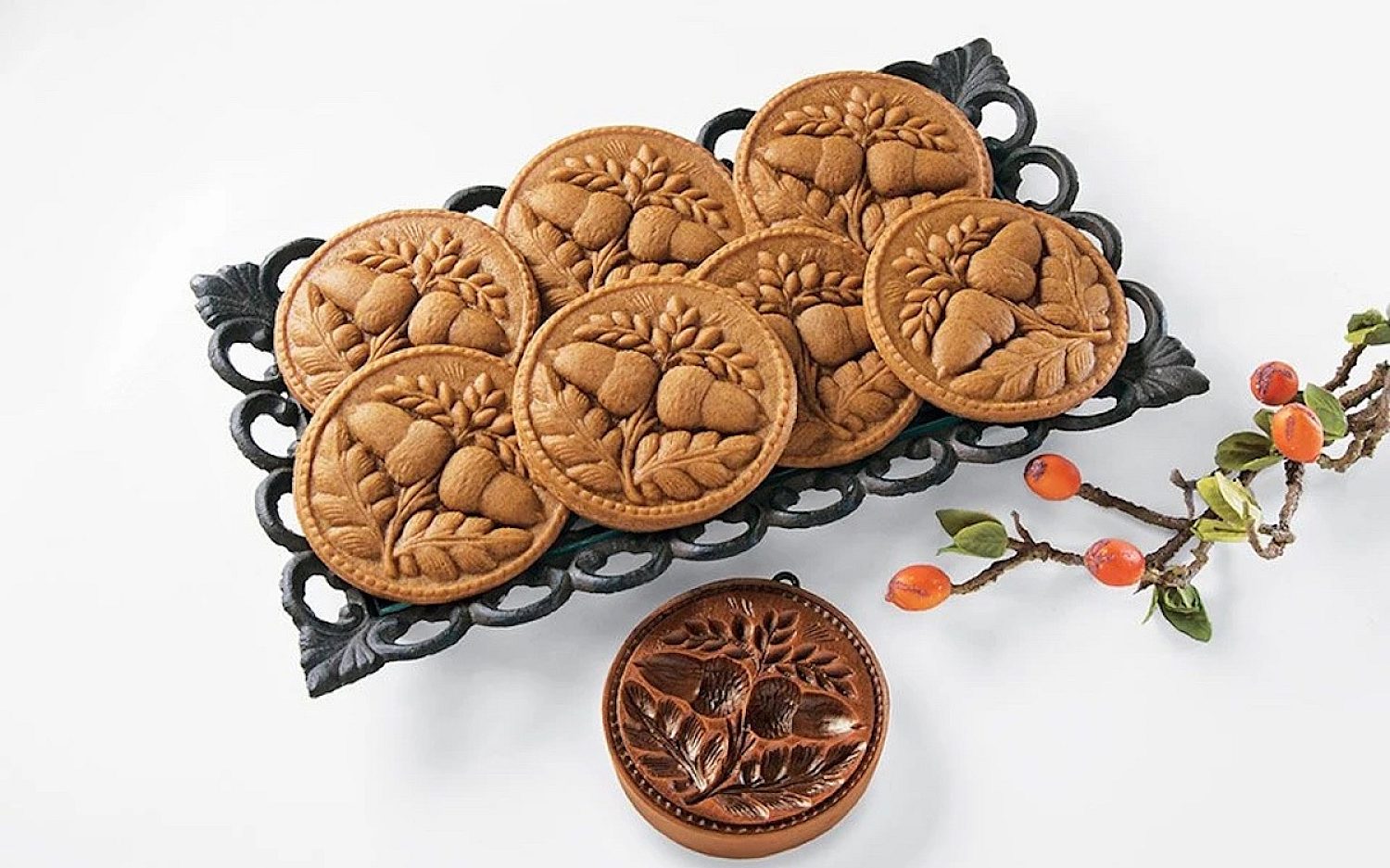
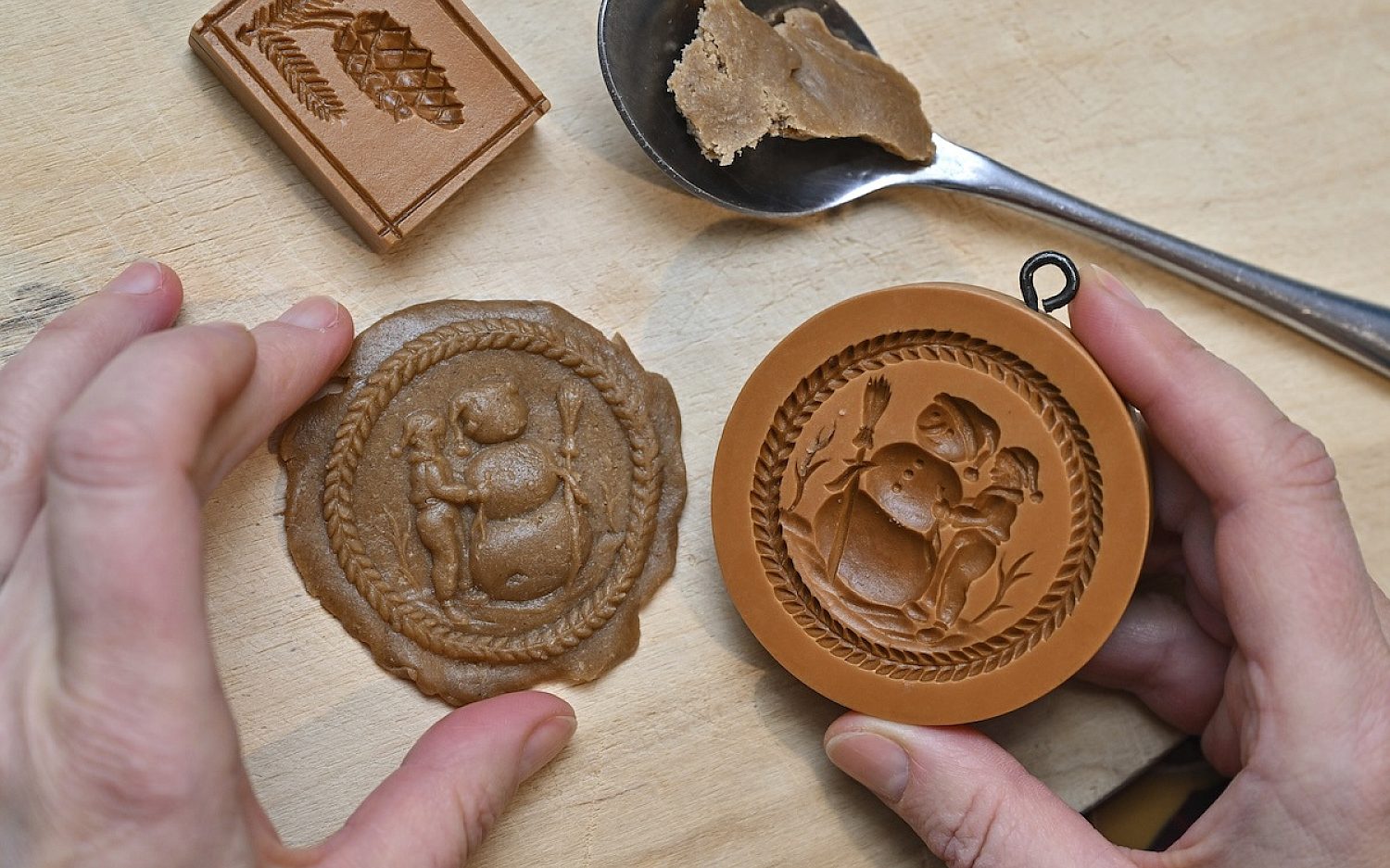
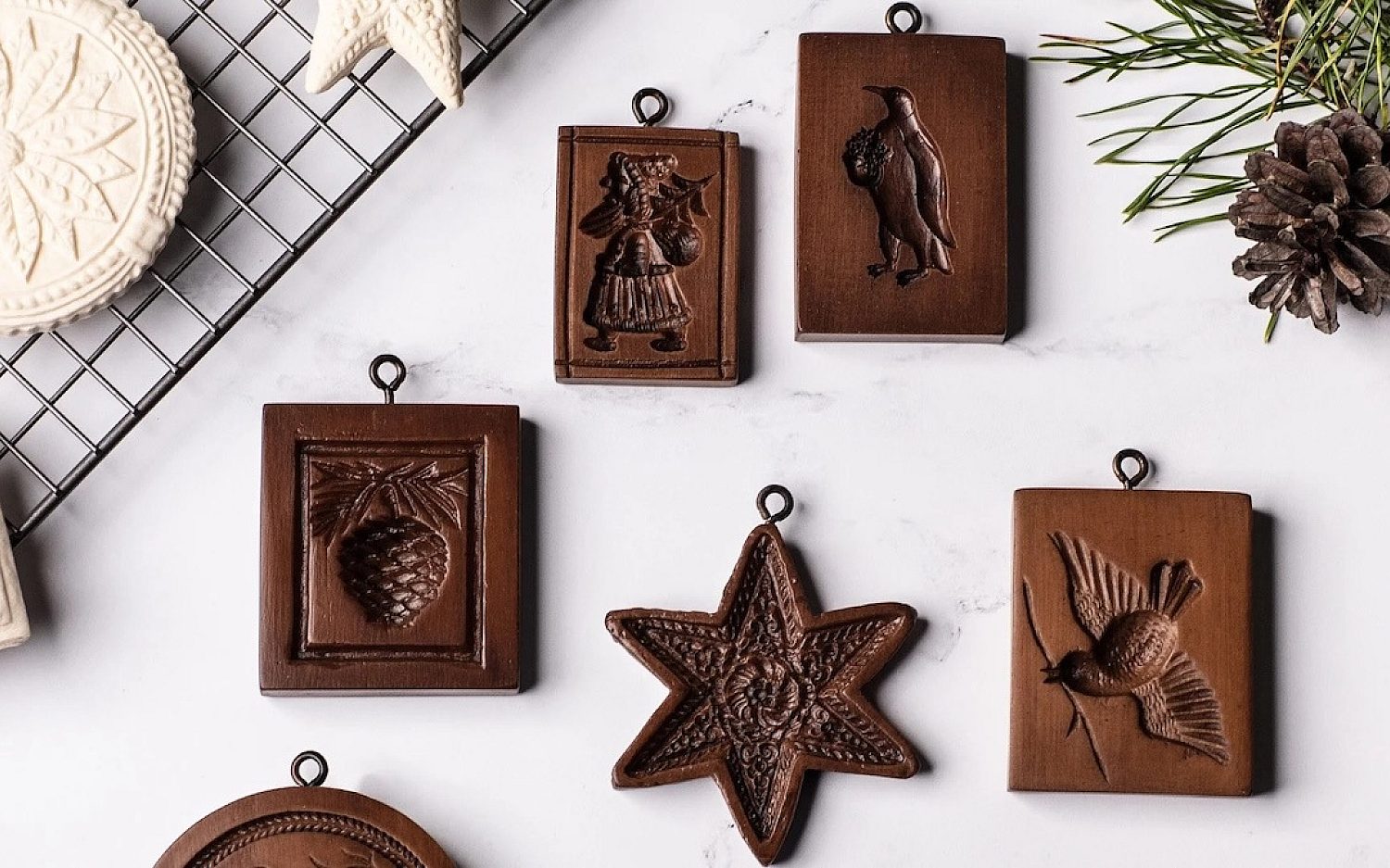
Her job? Dig up history about how generations of people have made their cookies. Work with carpenters to copy old cookie molds and design new ones. Then, of course, sell these molds to folks who want to keep centuries-old gingerbread traditions going and growing. Some families buy a new gingerbread mold from her every year.
Two Kinds of Cookies
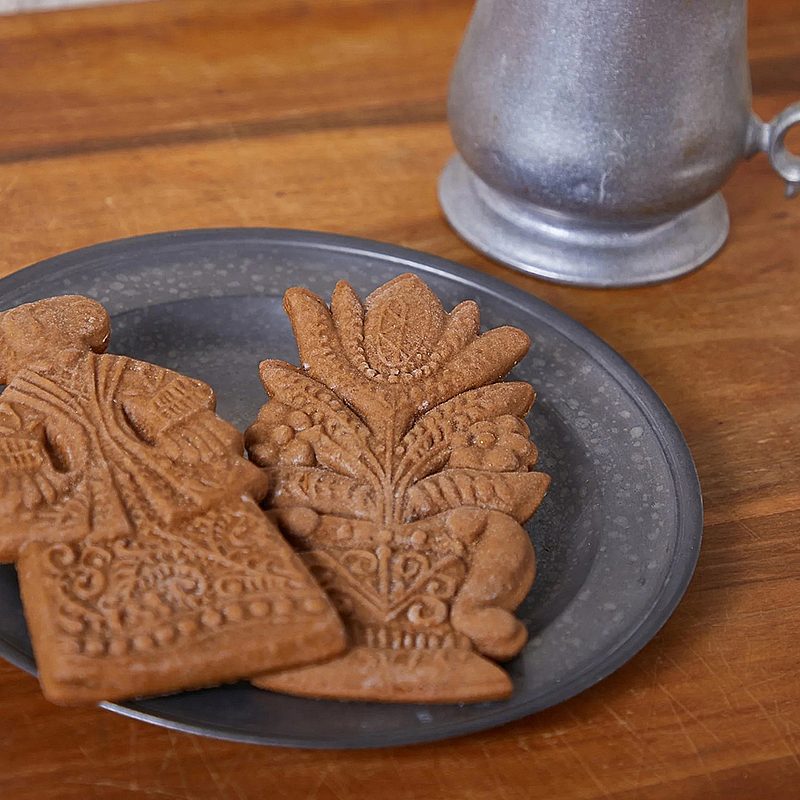
Ms. Misener teaches classes to folks who want to learn to make two types of historical, molded cookies: gingerbread and springerle (pronounced SPRING-grrr-lee). Both cookies came to the United States from Europe. Springerles are hard, thick German Christmas cookies. Traditionally, they’re flavored with anise (which tastes like licorice). But not everyone likes anise, so Ms. Misener also flavors some with orange.
How To Cook on a Hearth
The first bakers of these cookies used stone hearth ovens. Like this: First, build a morning fire to heat the stone hearth. After flames burn down to just coals, remove the burnt material. The stone will be very hot. Then start baking—in a very specific order. The later in the day you bake, the colder your oven will be.
- Bake bread in the morning when the oven is hottest—around 450 degrees.
- As the stones cool, make cakes.
- Make cupcakes in a “patty pan.”
- Bake crackers and hard tack.
- In the coldest oven (called a “slack oven”) bake springerle cookies. (Good thing you rolled them out yesterday!)
- Wake up to cookies!
Your cookies look just like the ones your grandma made and her grandma made—because you used the family mold.
Why? Old traditions often embody old virtues like thrift, hard work, and creativity.