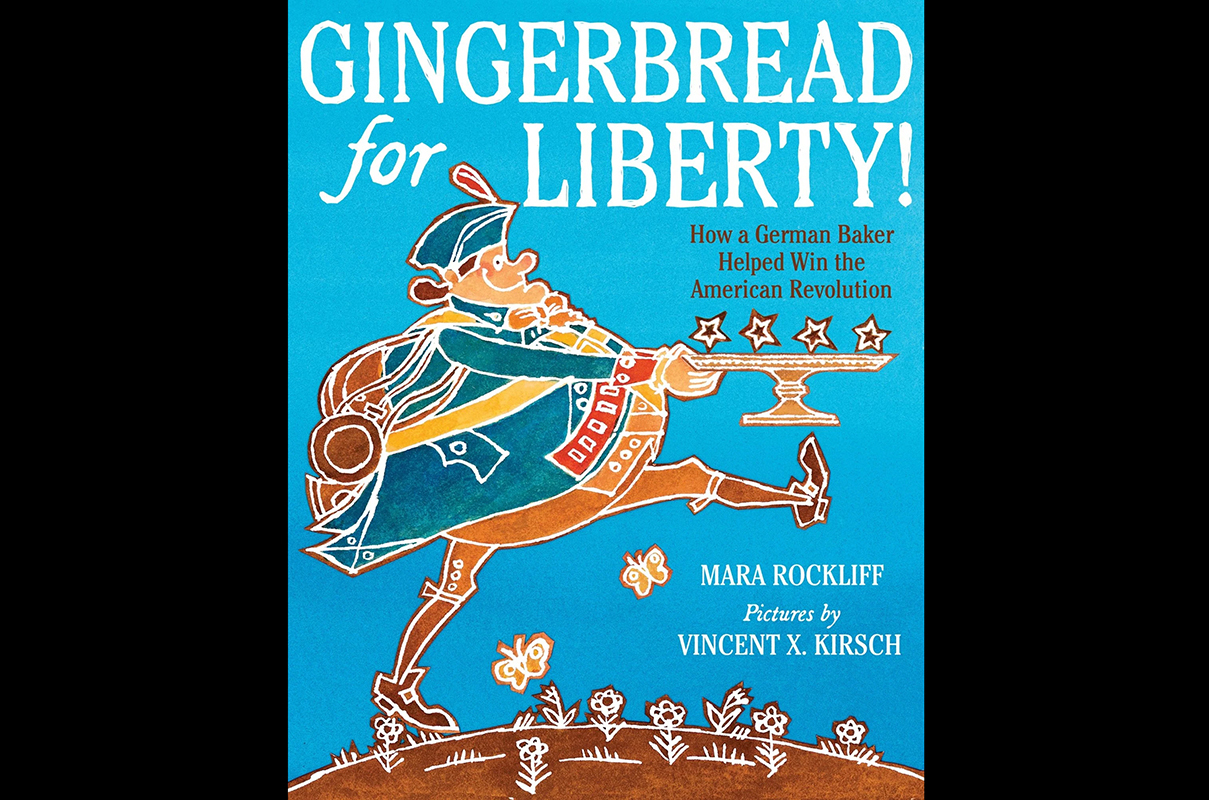

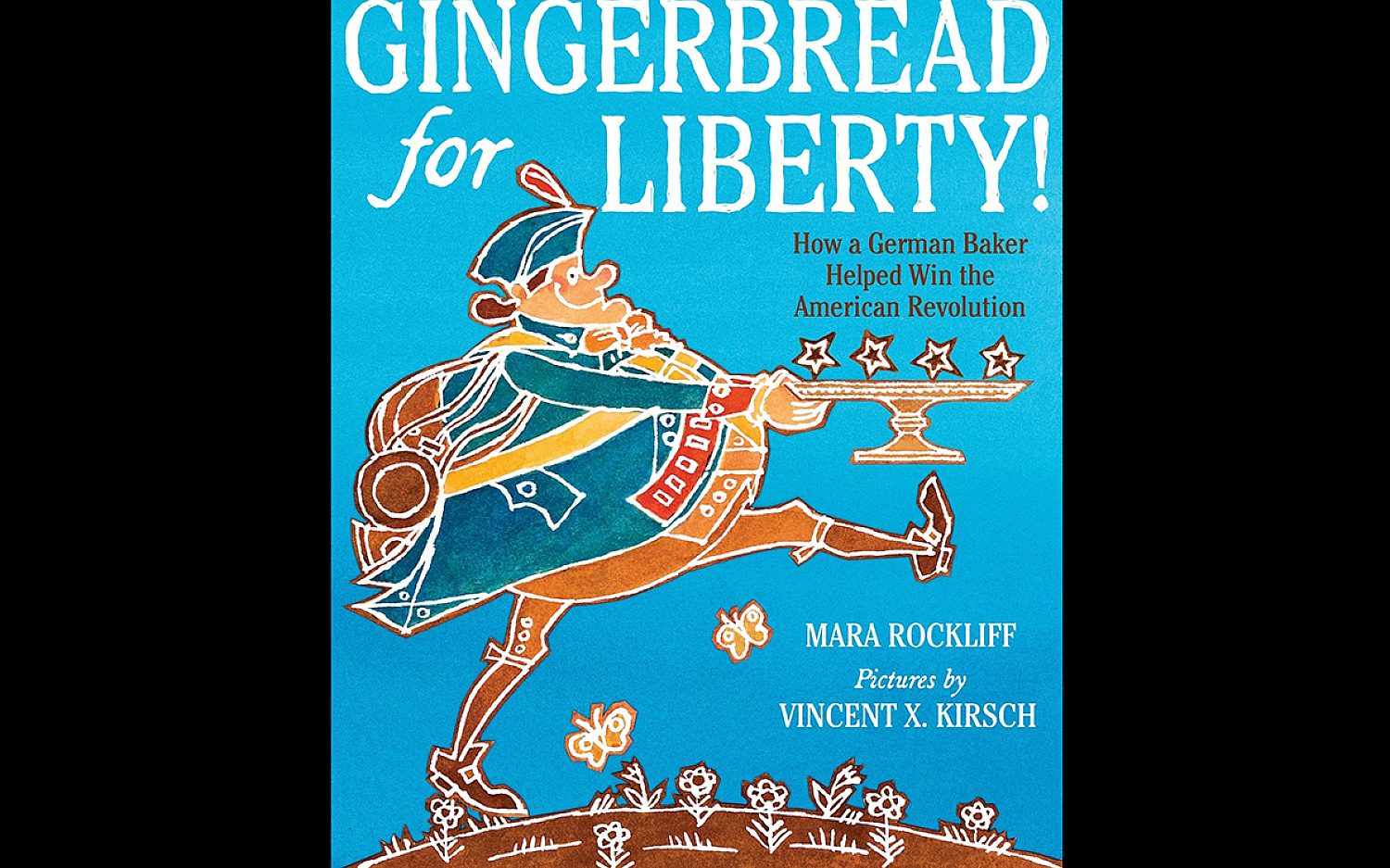

A German baker moves to America—just in time to help the American colonies become a new nation. Meet Christopher Ludwick, the man George Washington called his “honest friend.”
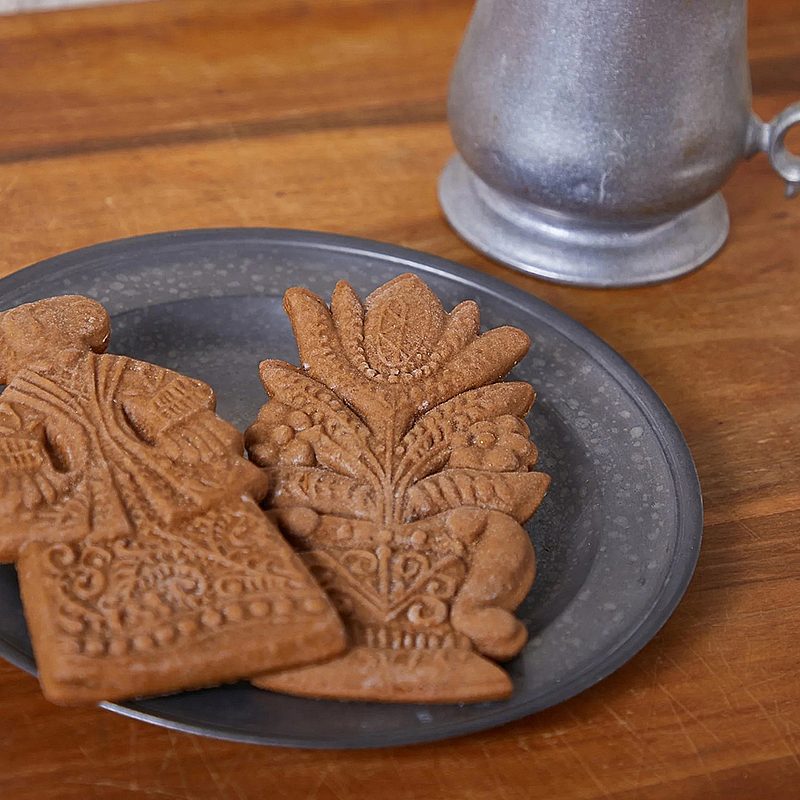
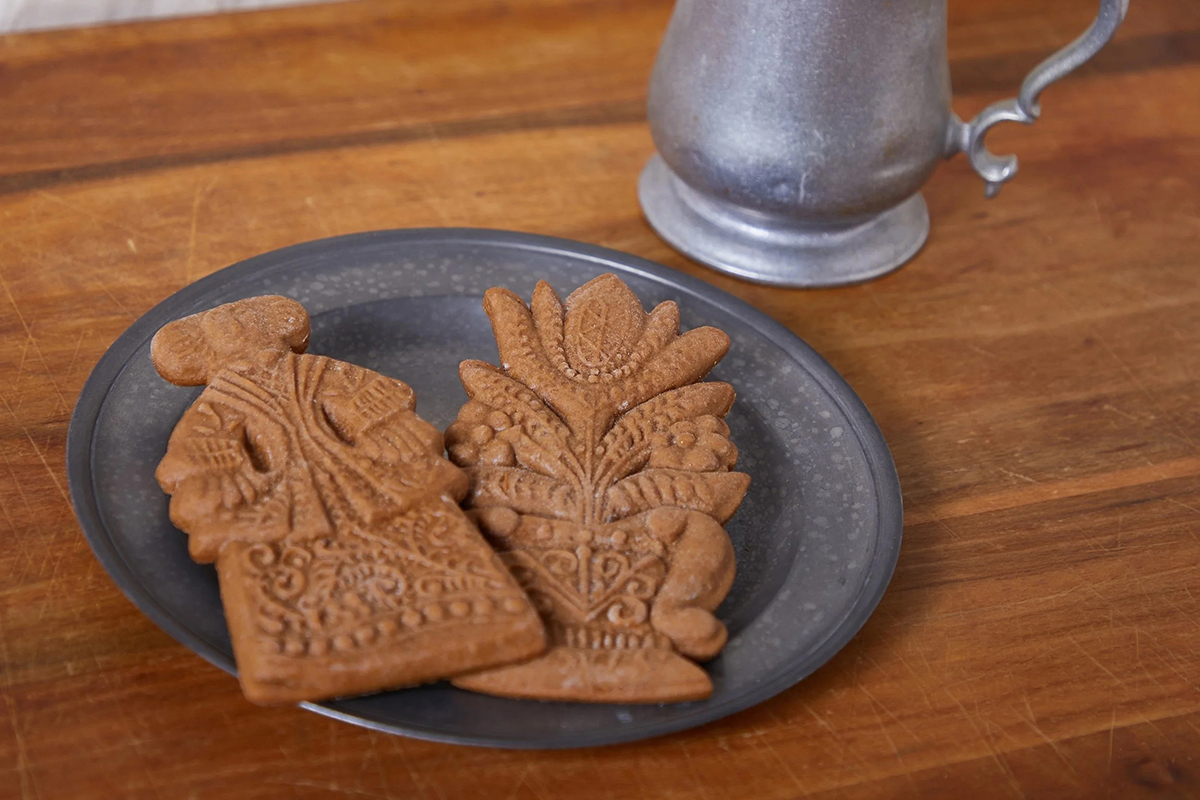
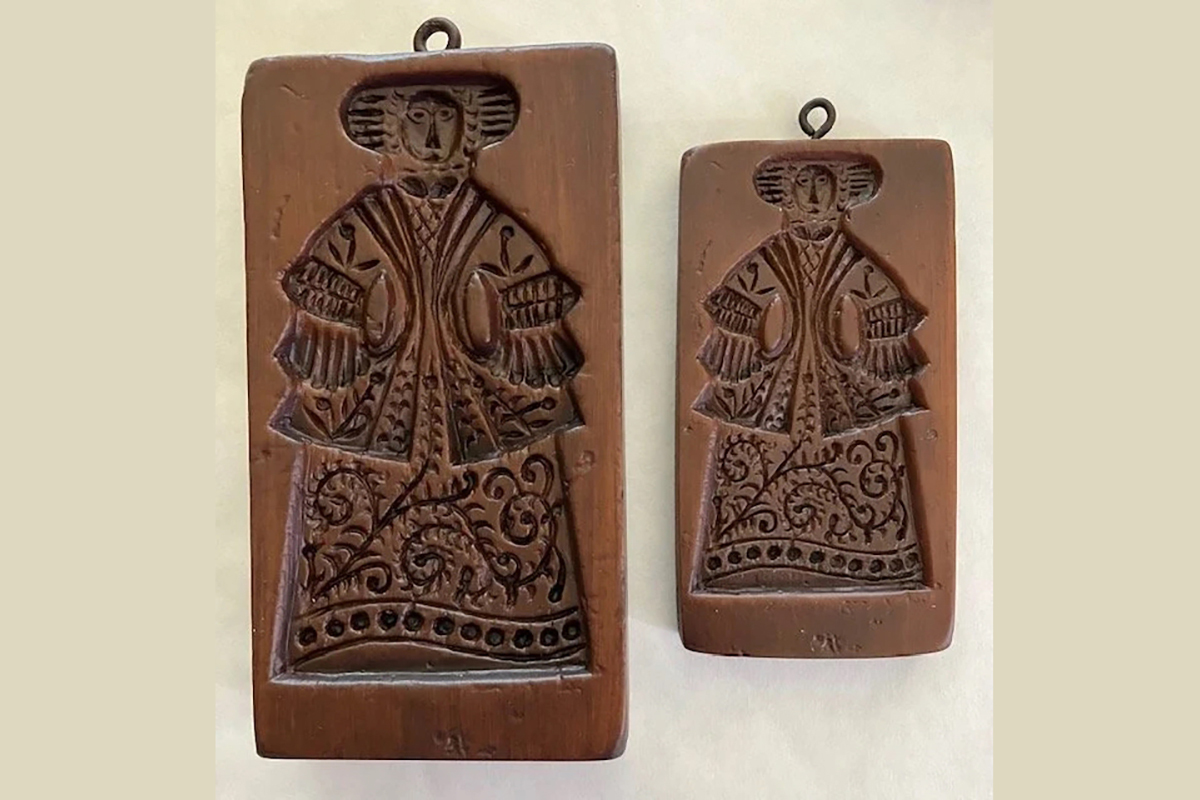
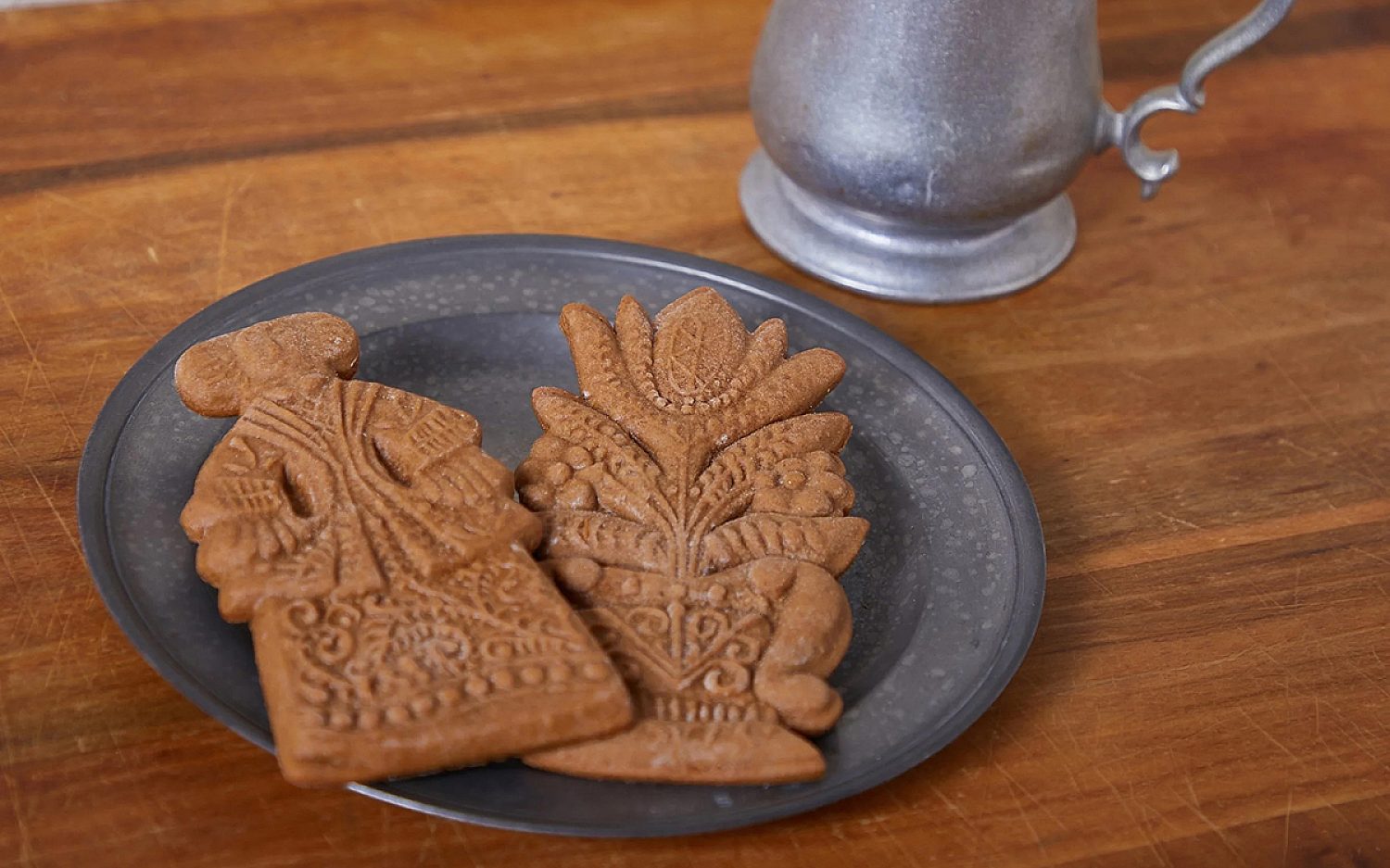
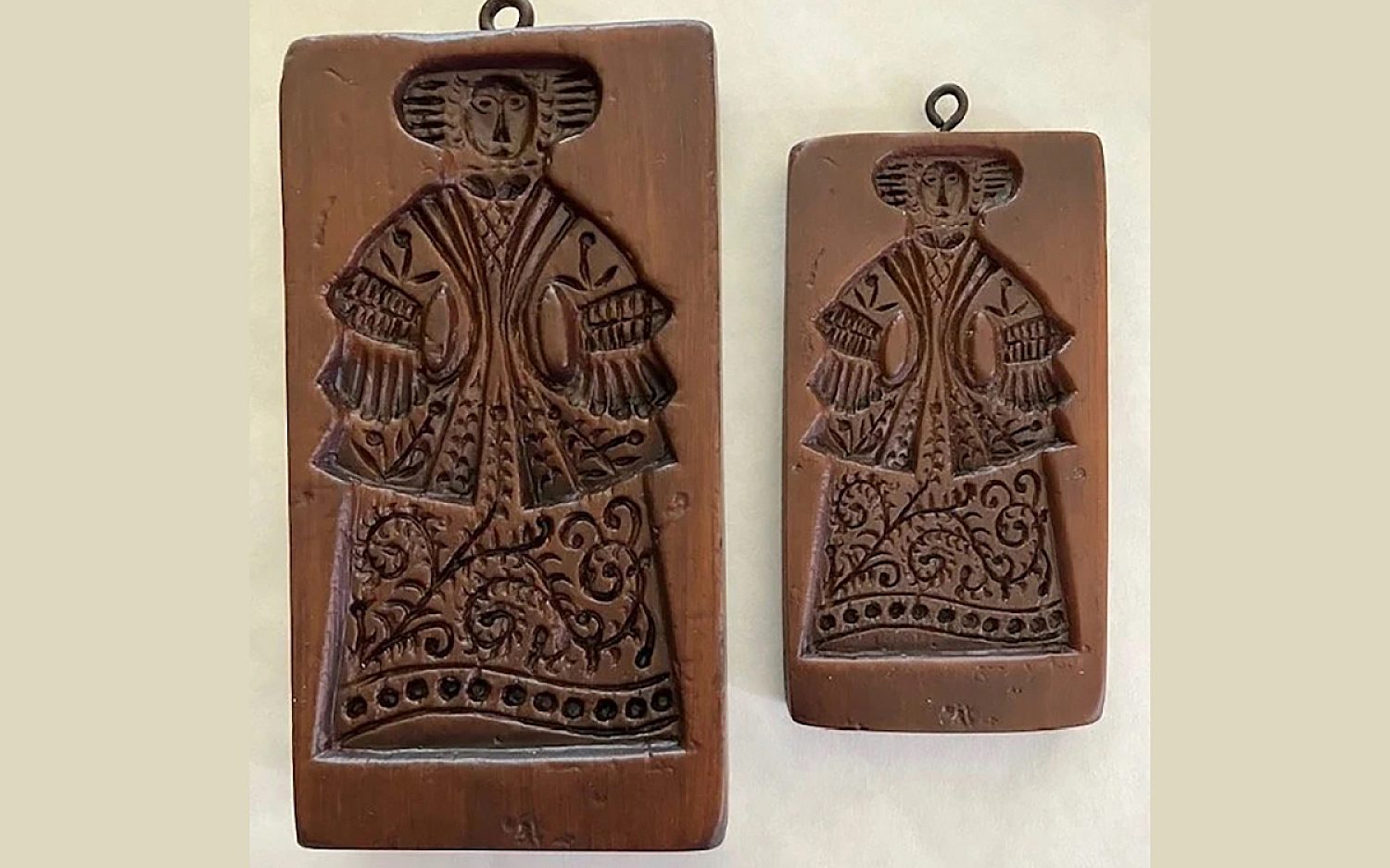
Ms. Misener is a big fan of Ludwick. She has made copies of an old gingerbread mold he used. She says this Bible verse applies to him: “What does the Lord require of you but to do justice, and to love kindness, and to walk humbly with your God?” (Micah 6:8)
Why does she think so? Here’s the story:
After coming to America, Christopher Ludwick set up a baking business in Philadelphia, Pennsylvania. He grew prosperous. When the Revolutionary War began, he wanted to serve his new country. The British hired German soldiers to fight against the colonies. And guess what? Ludwick showed many of these enemy soldiers how well he was doing in America. He persuaded them they could do well too. He convinced hundreds of them to stop helping the Brits.
When the colonial army needed bread, Ludwick baked for them—even though he had to sell a house to get the money to help. He became the army’s baker general.
And that’s when Ludwick got a chance to prove his honesty. Congress proposed that for every pound of flour, Ludwick should give the army one pound of bread. Ludwick said, “No gentlemen, I will not accept your commission on any such terms; Christopher Ludwick does not wish to get rich by the war; he has money enough.”
Ludwick wanted to give them more bread for less flour. Why? Because bread isn’t made with just flour. It’s made with water and yeast too. These ingredients make bread heavier! “These men from the Continental Congress didn’t bake,” says Ms. Misener. Ludwick could have taken advantage of their ignorance. But he chose not to.