
How long does information last?
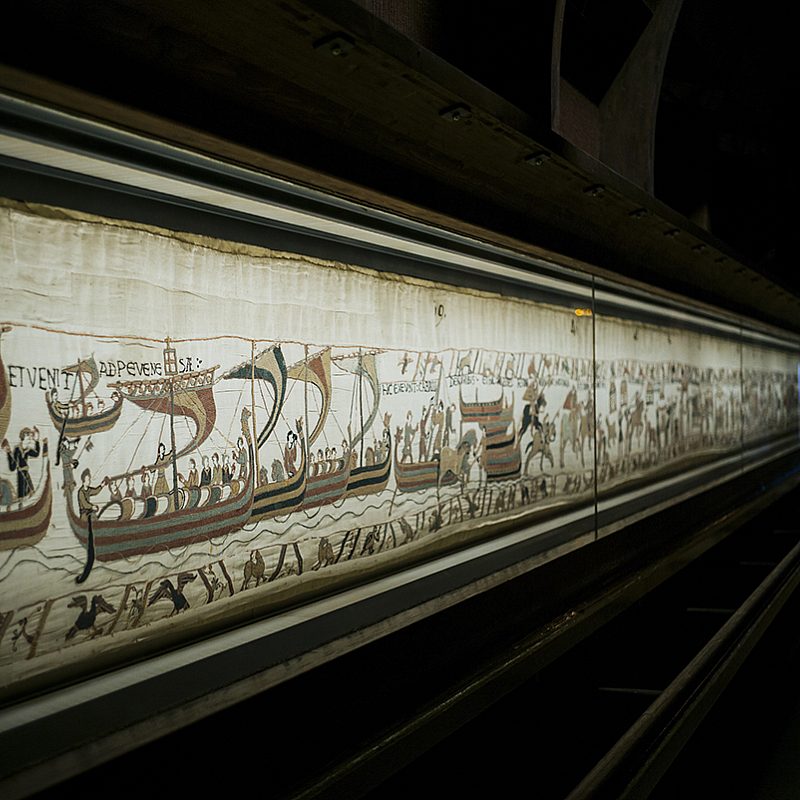
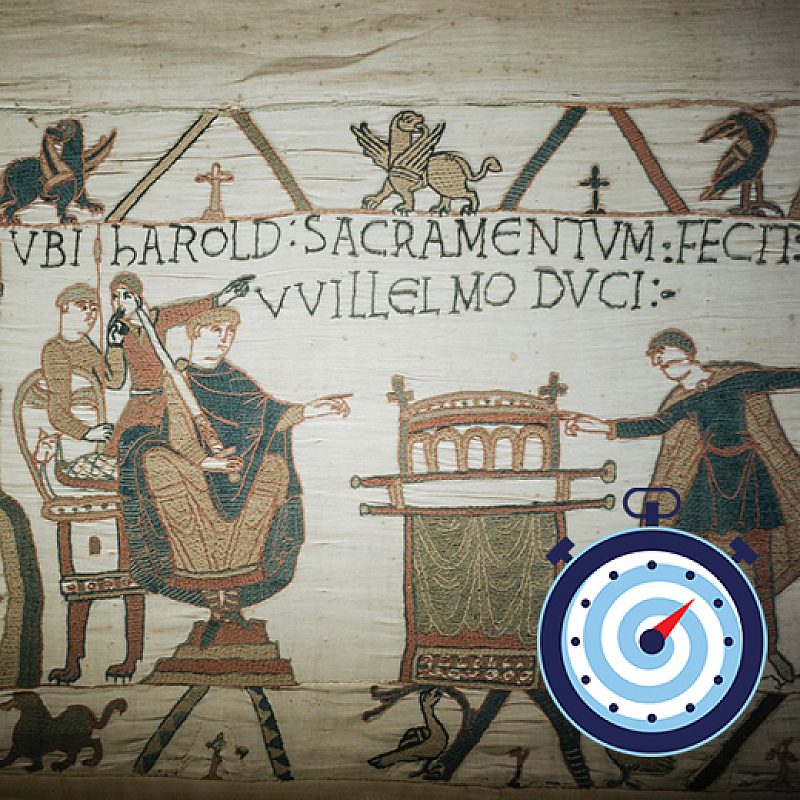
The Bayeux Tapestry has survived for nearly 10 centuries. Some ancient texts have lasted even longer. Some really old copies of the Bible are still around after almost two millennia.
Throughout the Middle Ages, monks worked to preserve scripture by creating handwritten copies. But books don’t last forever. As the Bible reminds us, “moth and rust destroy.” (Matthew 6:19) Sometimes, so do beetles.
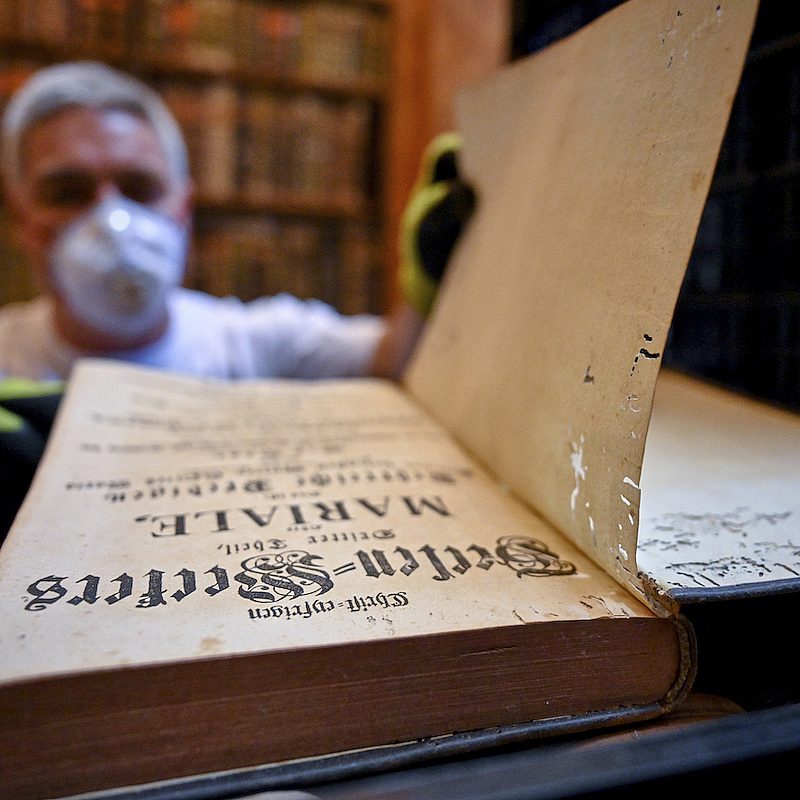
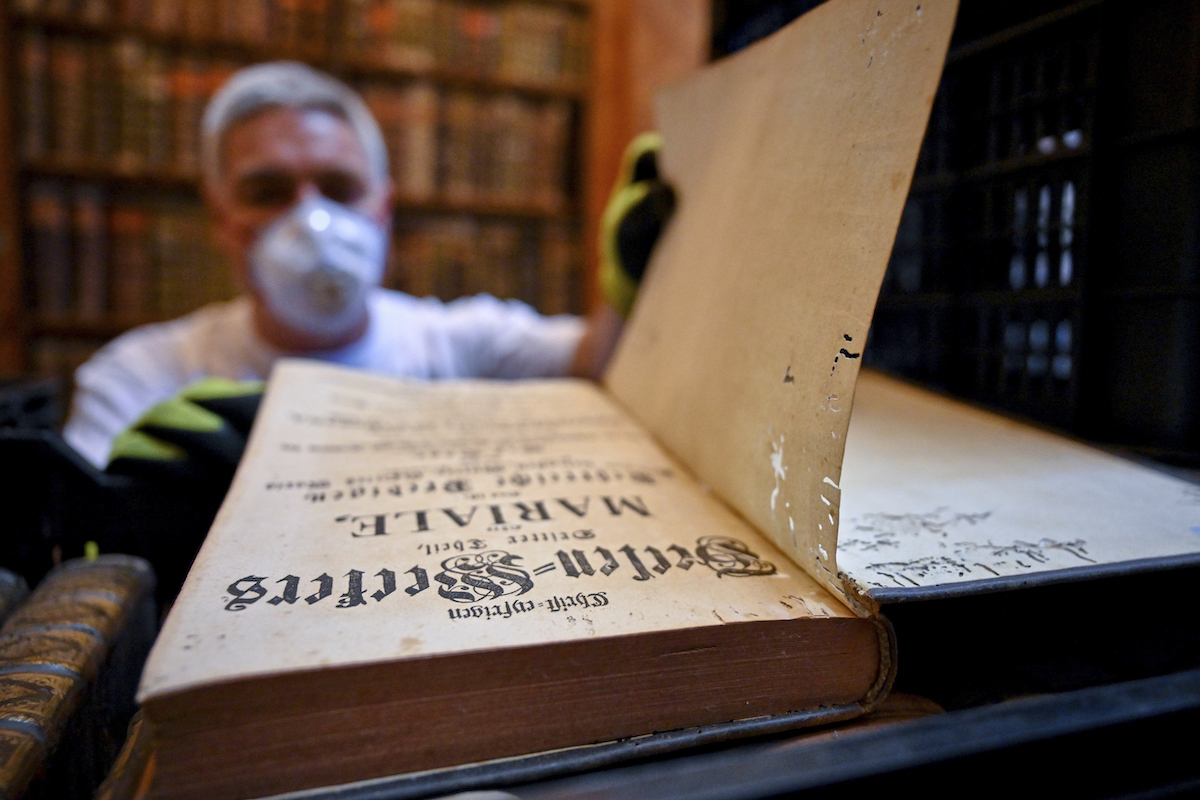
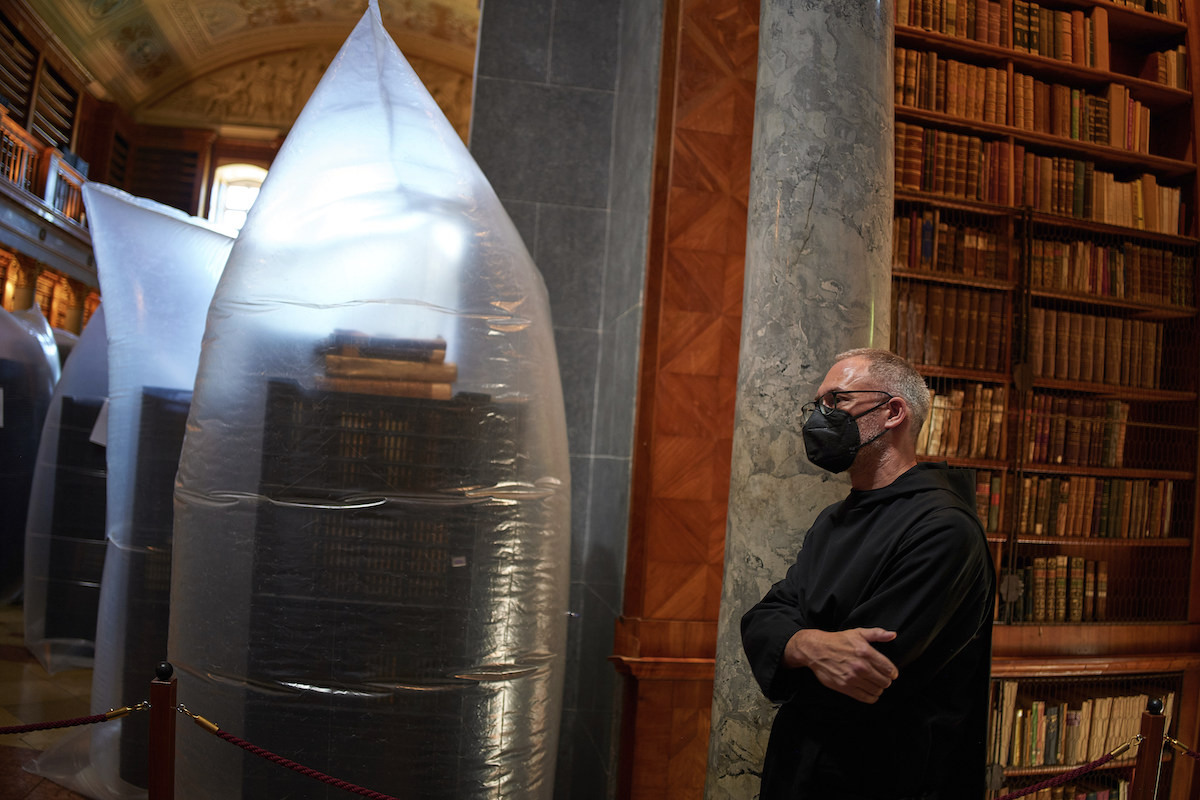
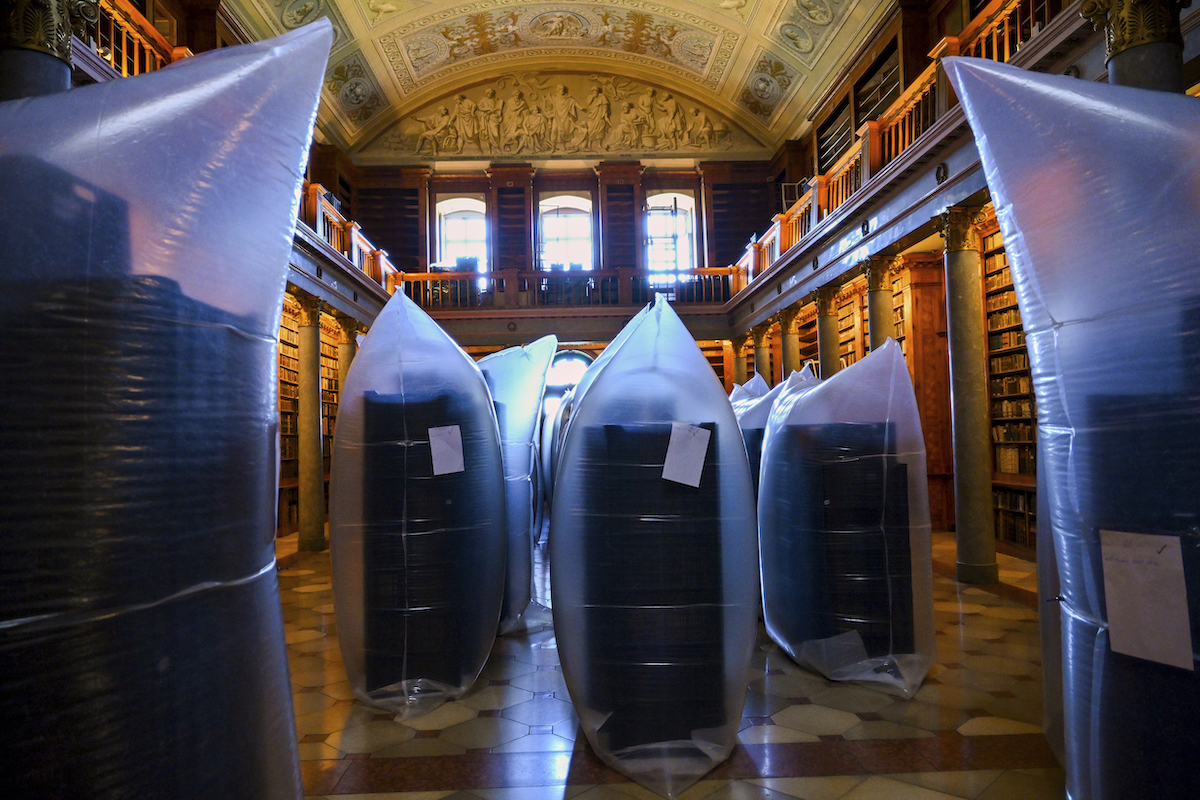
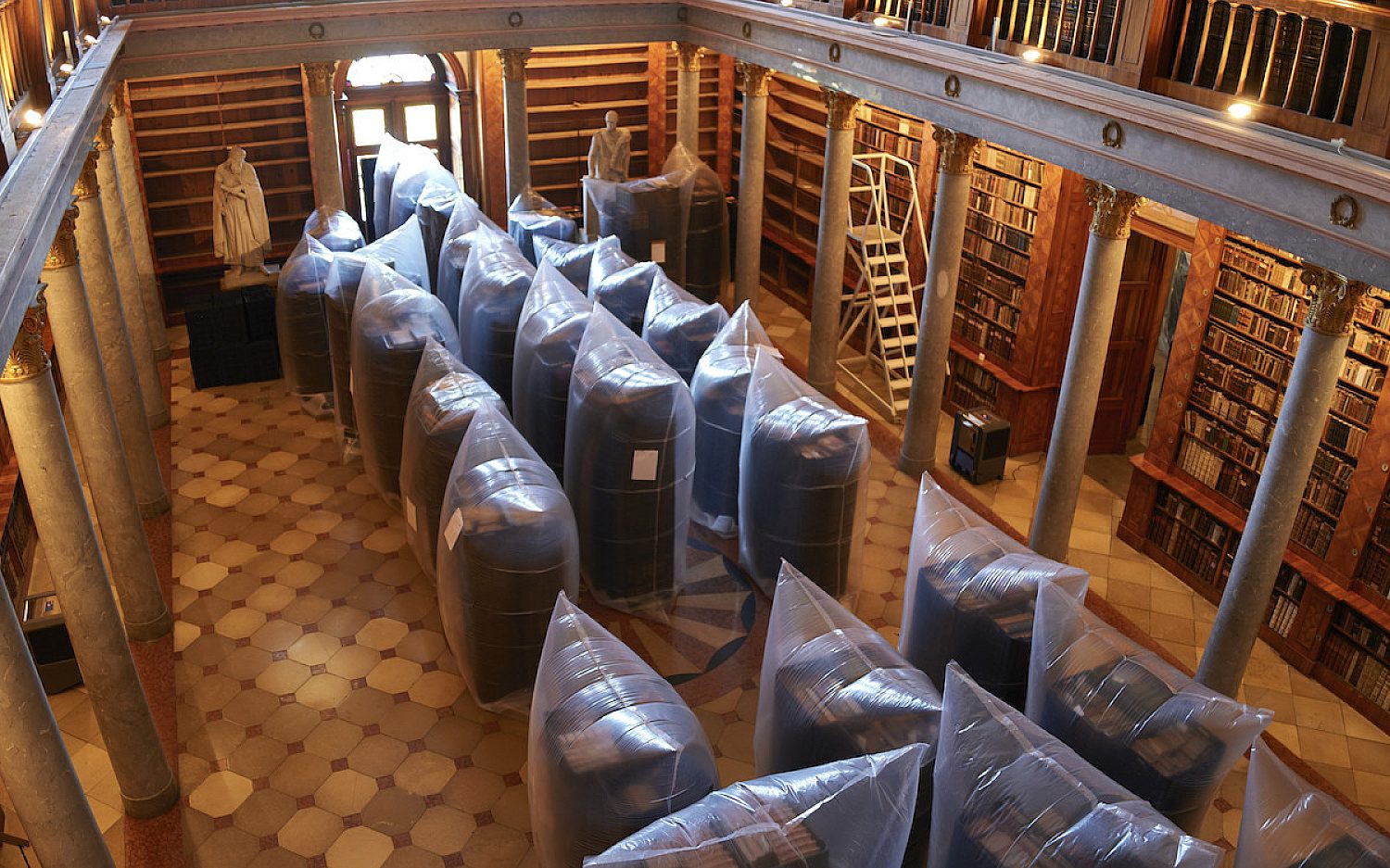
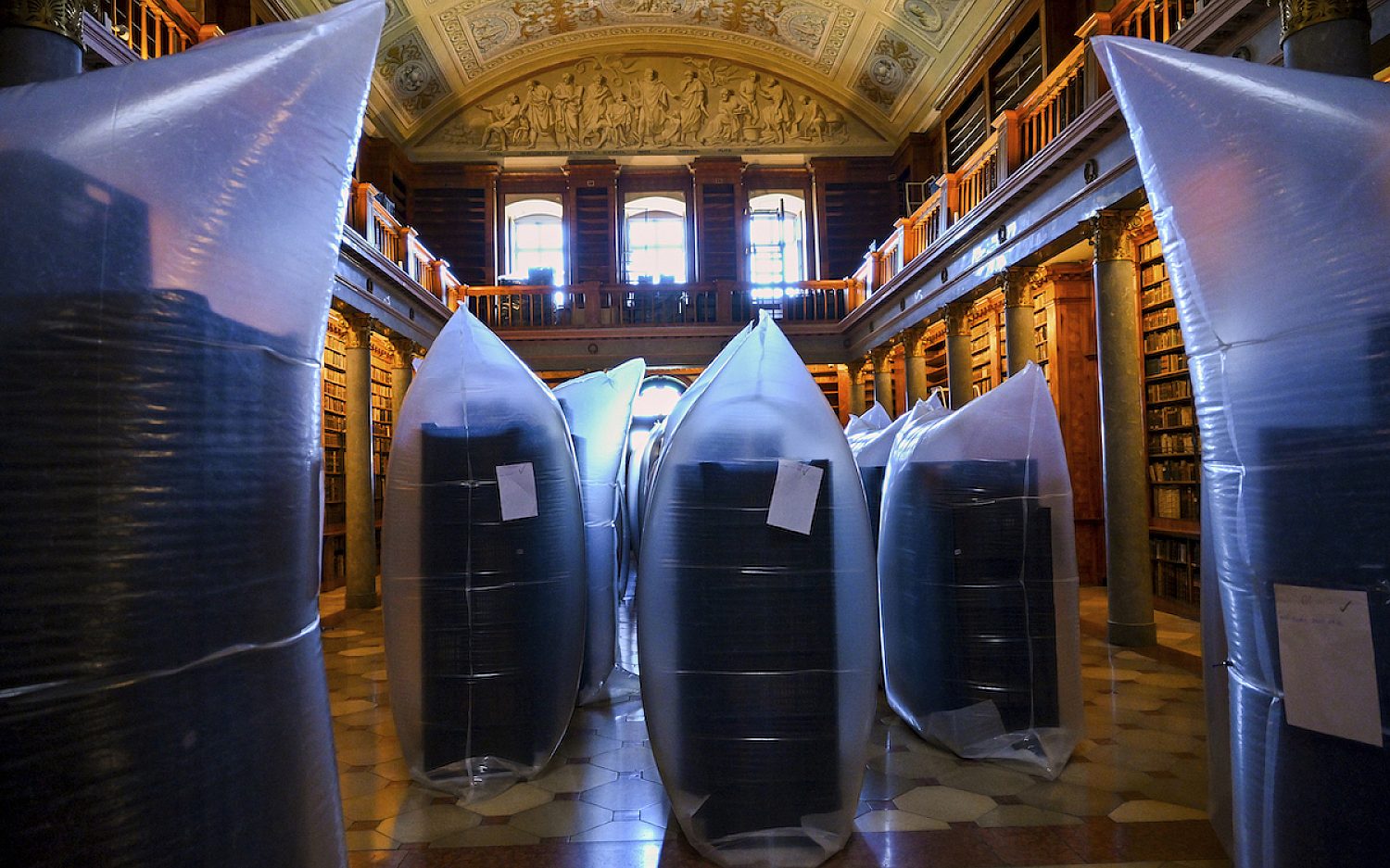
Pannonhalma Archabbey has stood in Hungary for a thousand years. This monastery holds hundreds of thousands of books. Its collection features books from before the invention of the printing press. It even houses a Bible from the 13th century. But now workers rush to remove volumes upon volumes. Why? The drugstore beetle.
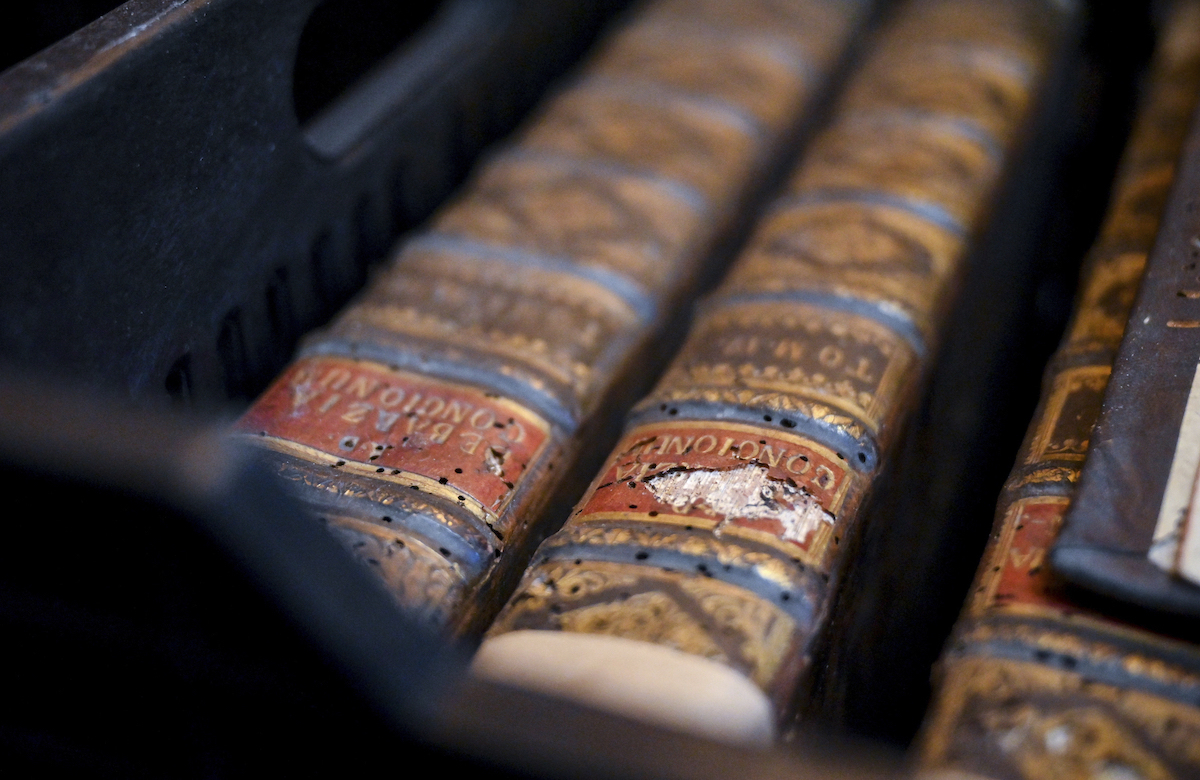
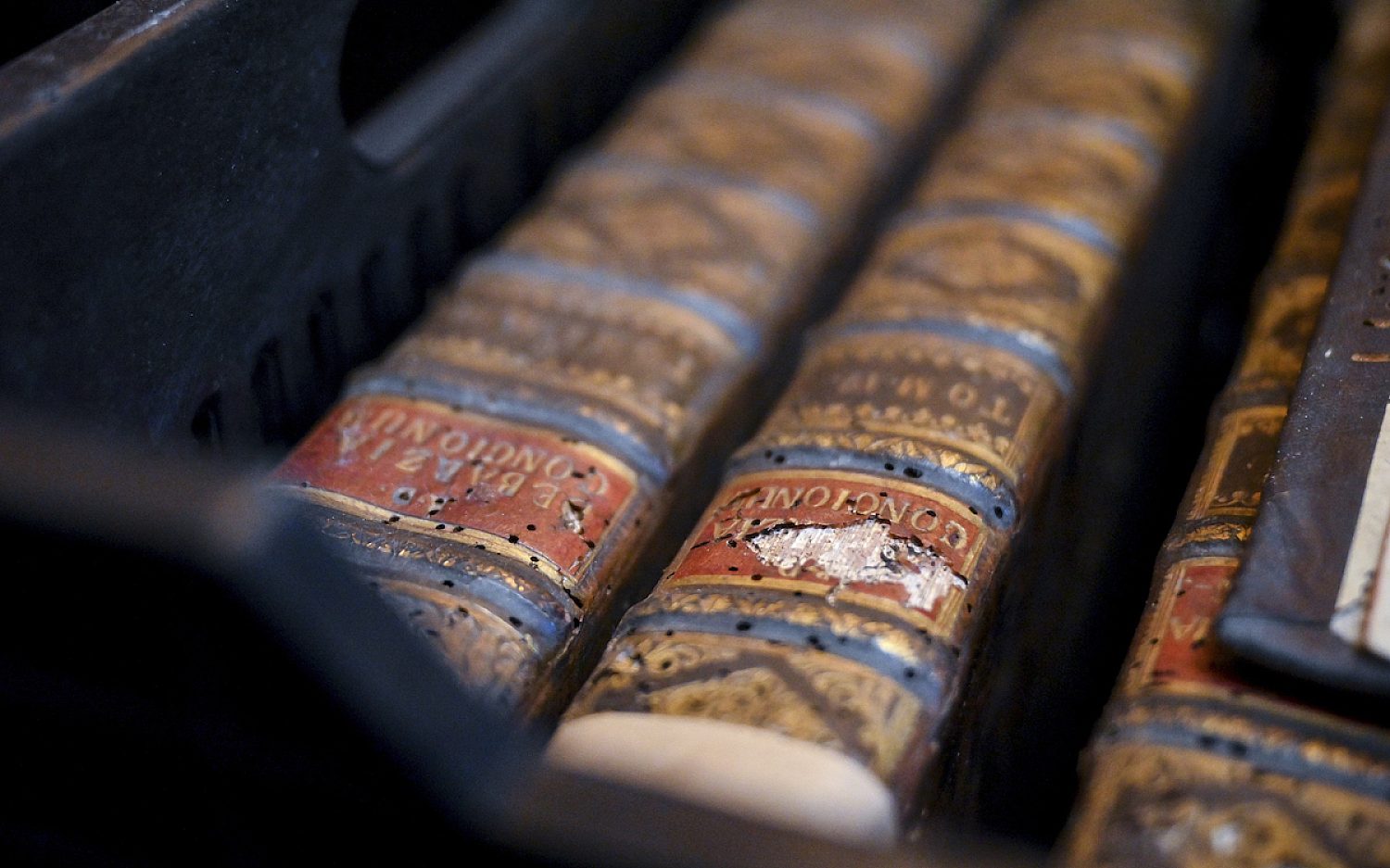
This tiny beetle has a big appetite. It’s often found in dried goods like grains, flour, and spices. Some people call it the “bread beetle.” It’s also attracted to starch-based glues—like the glue in the monastery’s ancient books.
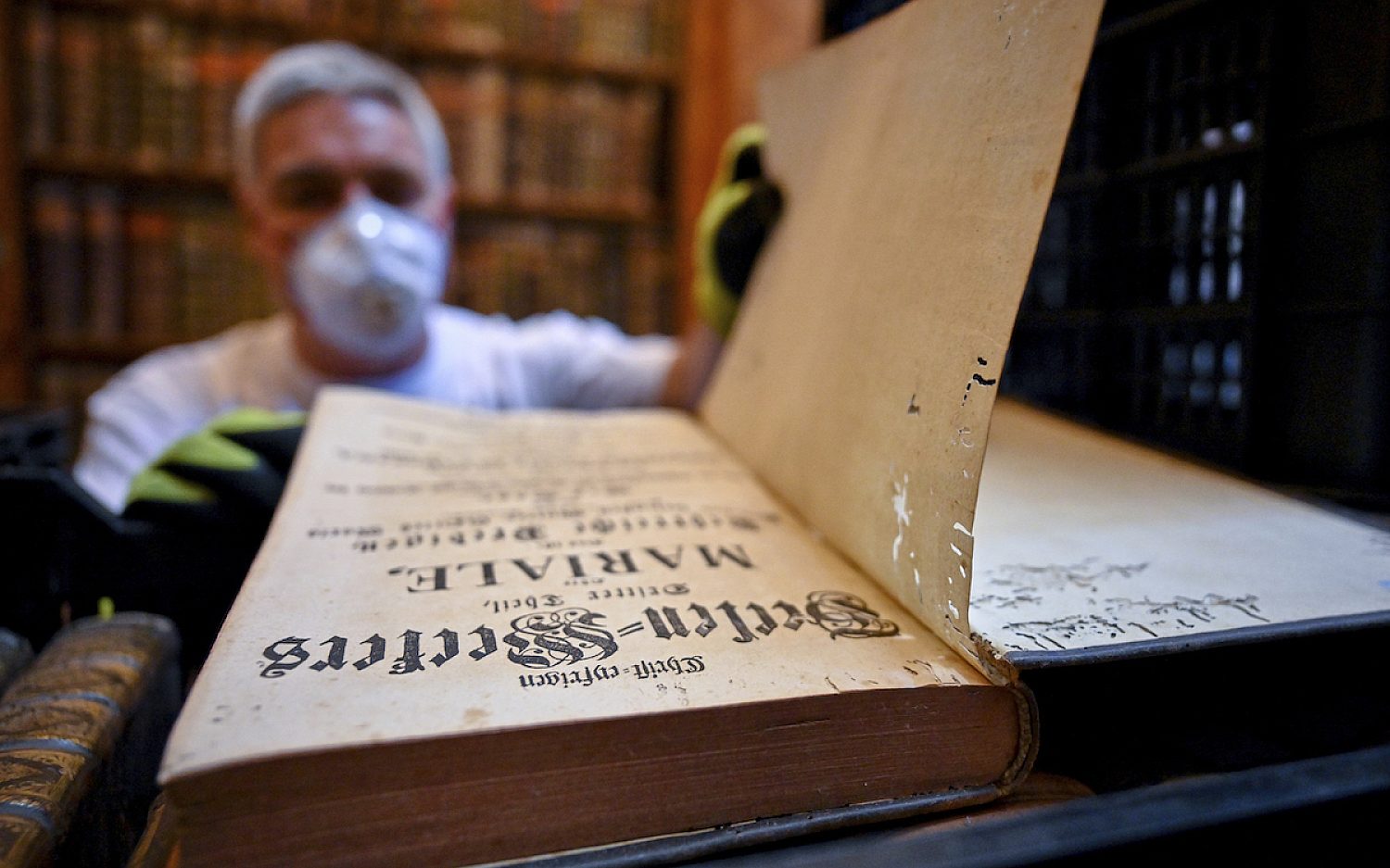
An employee spotted the beetles during a routine cleaning. The bugs had already bored holes in some books.
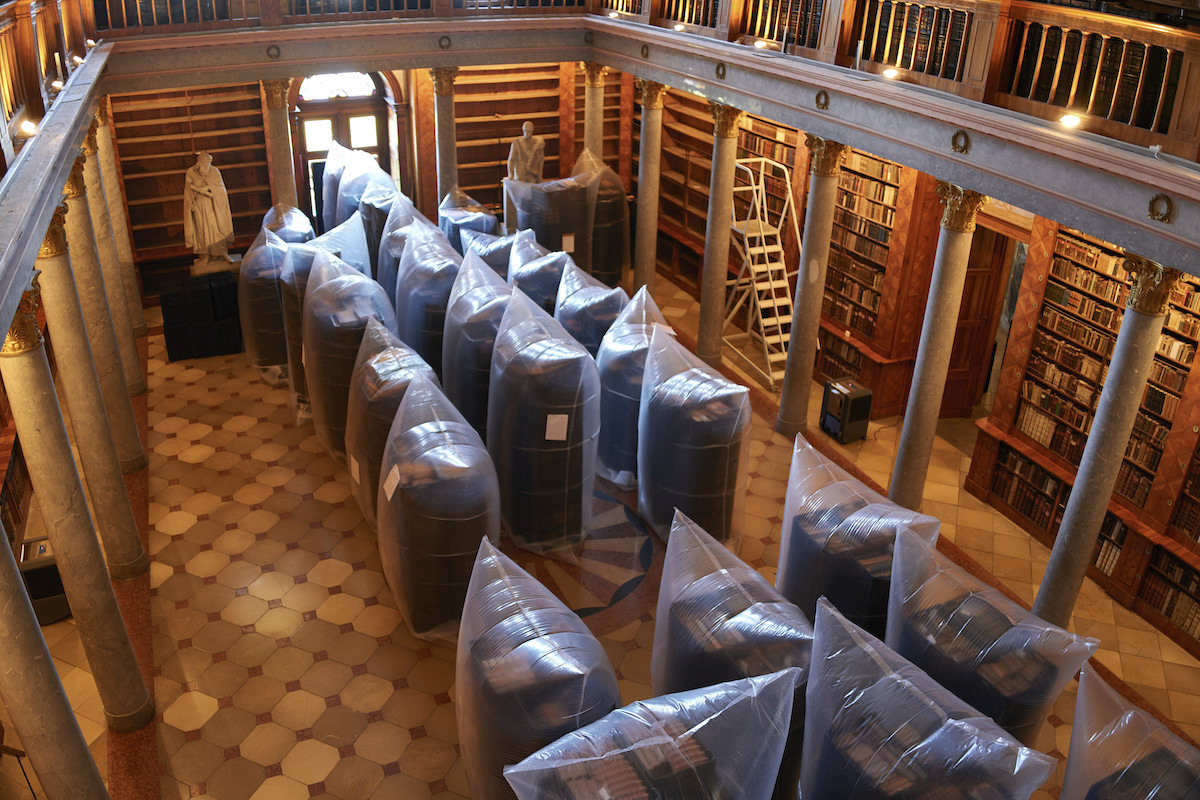
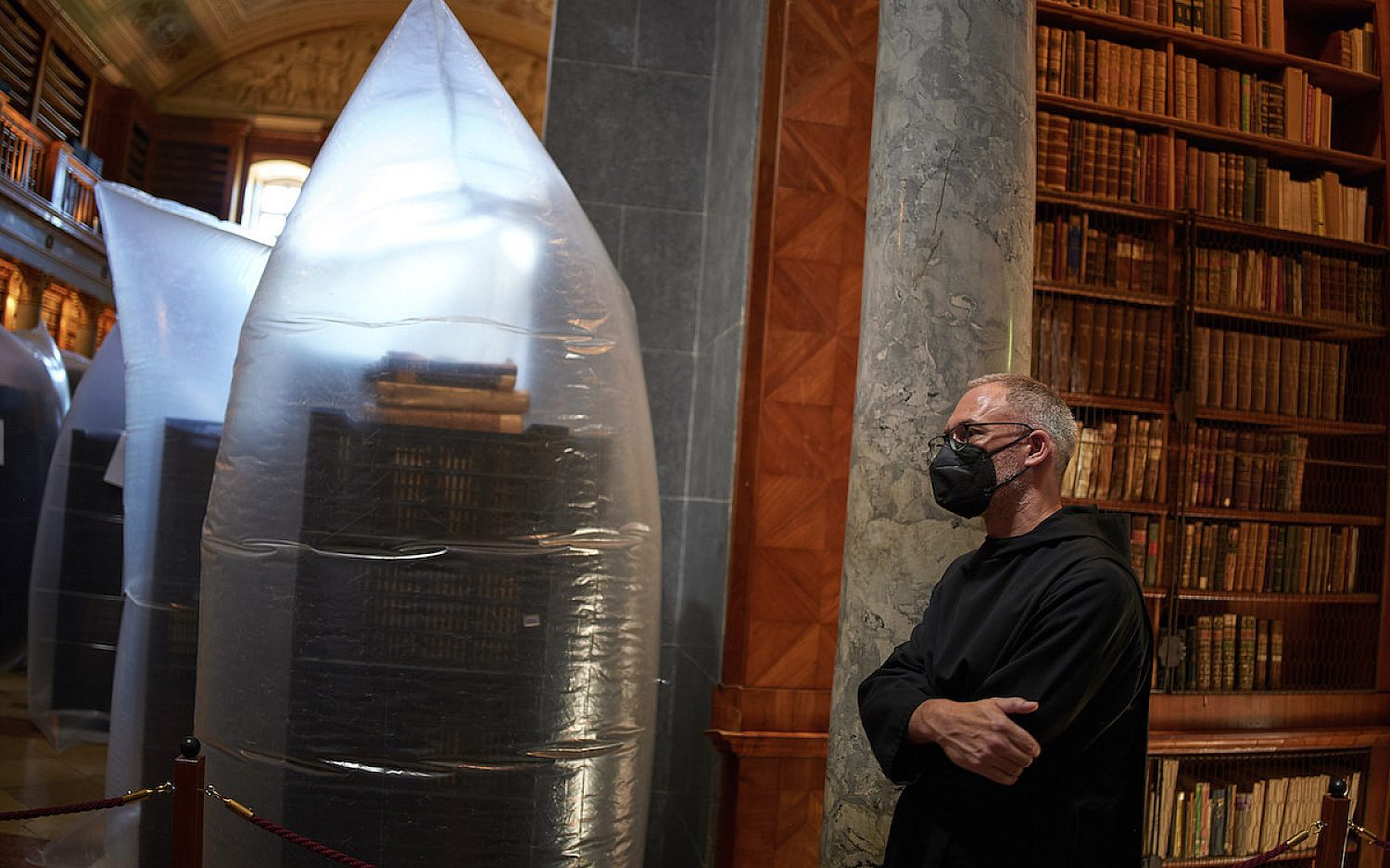
Now workers hurry to move 100,000 books to wooden crates. They seal these inside plastic sacks. The books must be disinfected. If any beetles remain, the damage could spread.
Researchers often digitize ancient texts and artworks. Digital copies like electronic scans or files let people study the works without damaging the originals. But even digital data doesn’t last forever. Most computer hard drives are built for about five years of use. Eventually, mechanical parts stop working. Electronic elements wear out. Programs that support reading the files get outdated and replaced.
Our words don’t last forever. But God’s do. “Heaven and Earth will pass away, but my words will not pass away,” says Jesus. (Matthew 24:35)
Recommended Reading: For more about libraries, read A Place To Hang the Moon by Kate Albus.