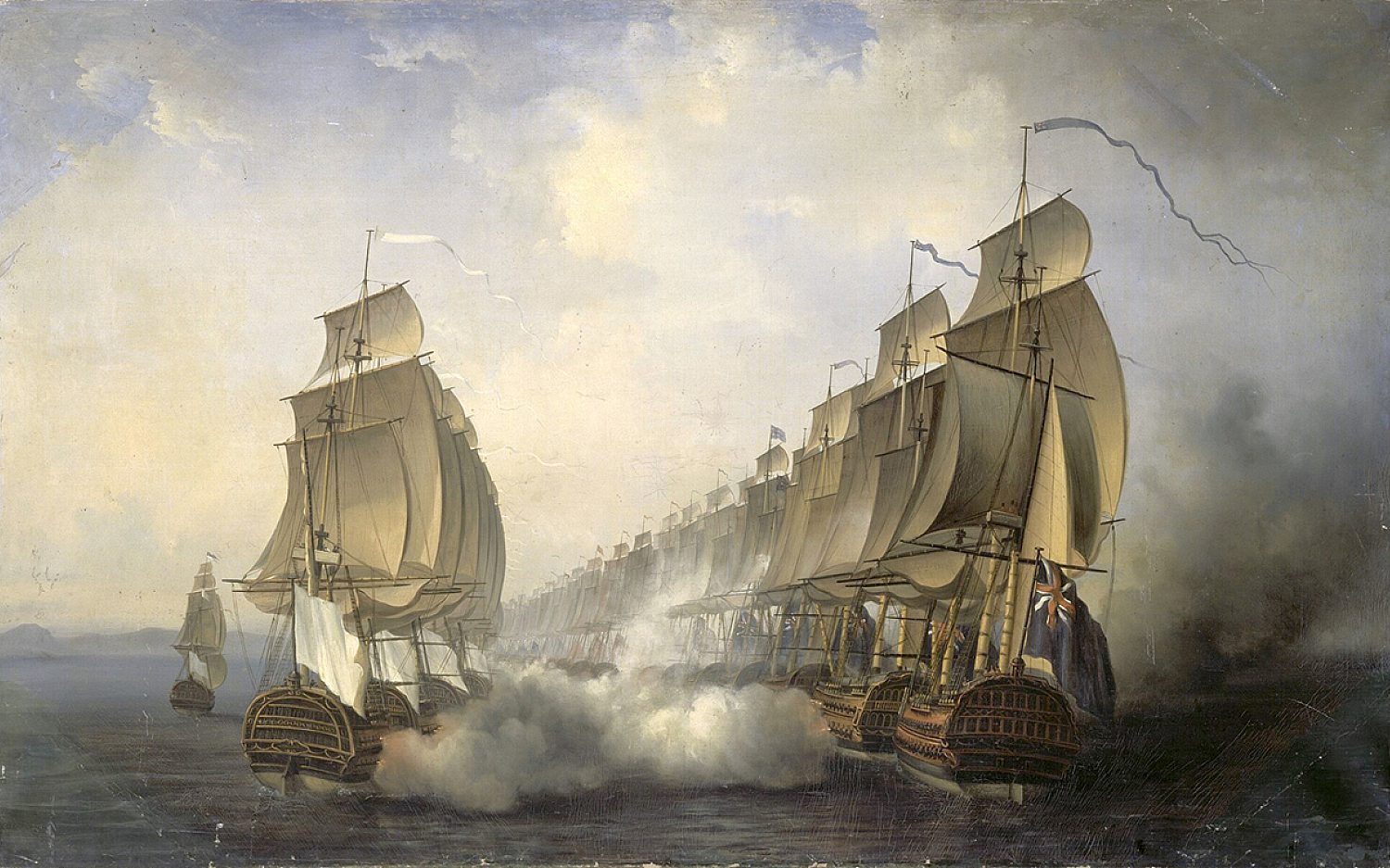
Most people know about the “shot heard ’round the world” and the Battle of Bunker Hill. During the Revolutionary War, many major battles took place on land. But boats and ships played very important roles too. Here are some examples:
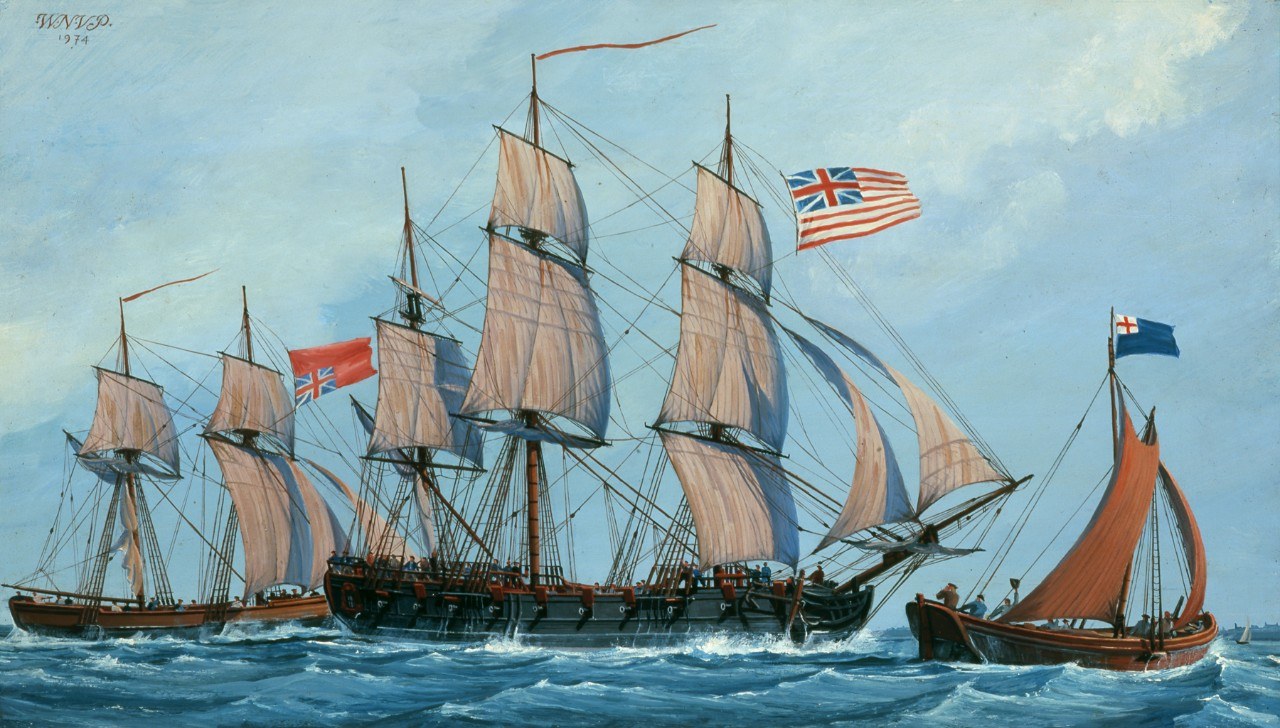
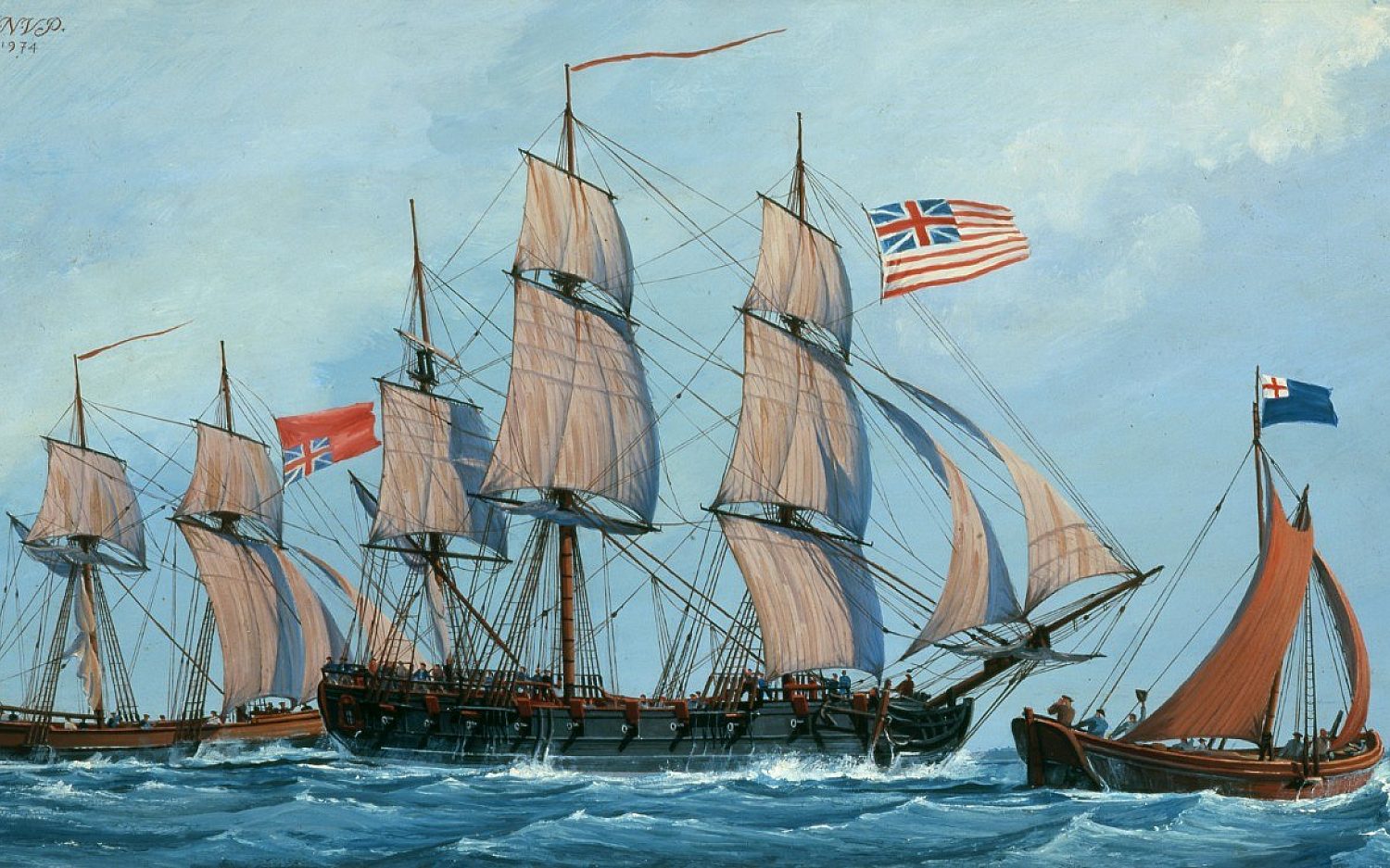
· The Continental Navy: Before the American Revolution, the 13 colonies had no official military ships. The Continental Congress established the Continental Navy in 1775. By 1776, the new navy had 27 warships. But the Royal British Navy had about 10 times that many. England was the most powerful military force in the world. Still, the new American military boats won a few sea battles. John Paul Jones, captain of the USS Ranger, was one of the most successful patriot naval commanders. In 1778, he even led a raid on a port at Whitehaven, England.
· Privateers: Merchant ships often armed themselves in case of meeting pirates. So during the war, more than 2,000 private ships carrying about 70,000 men were prepared to meet British ships. Those merchants mainly helped destroy boats carrying British goods.
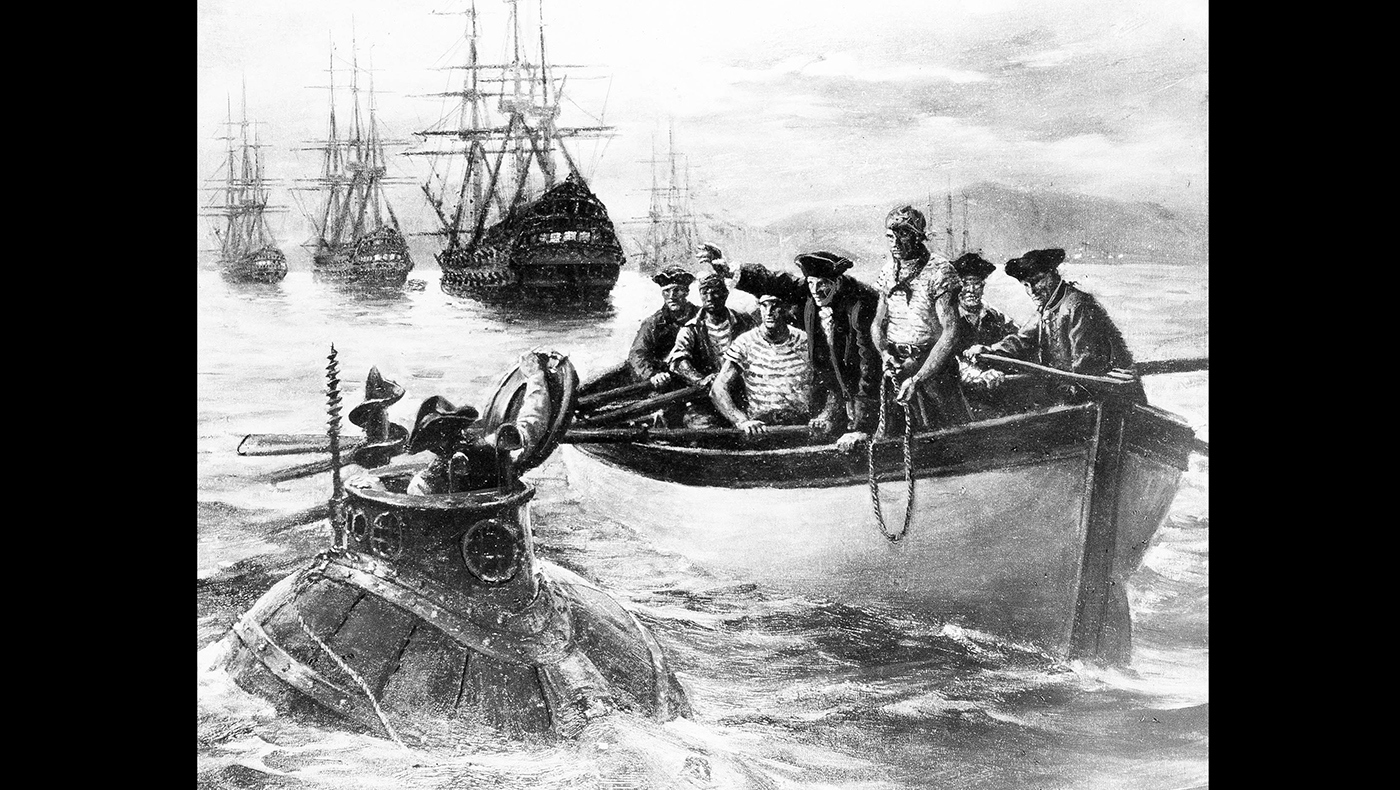
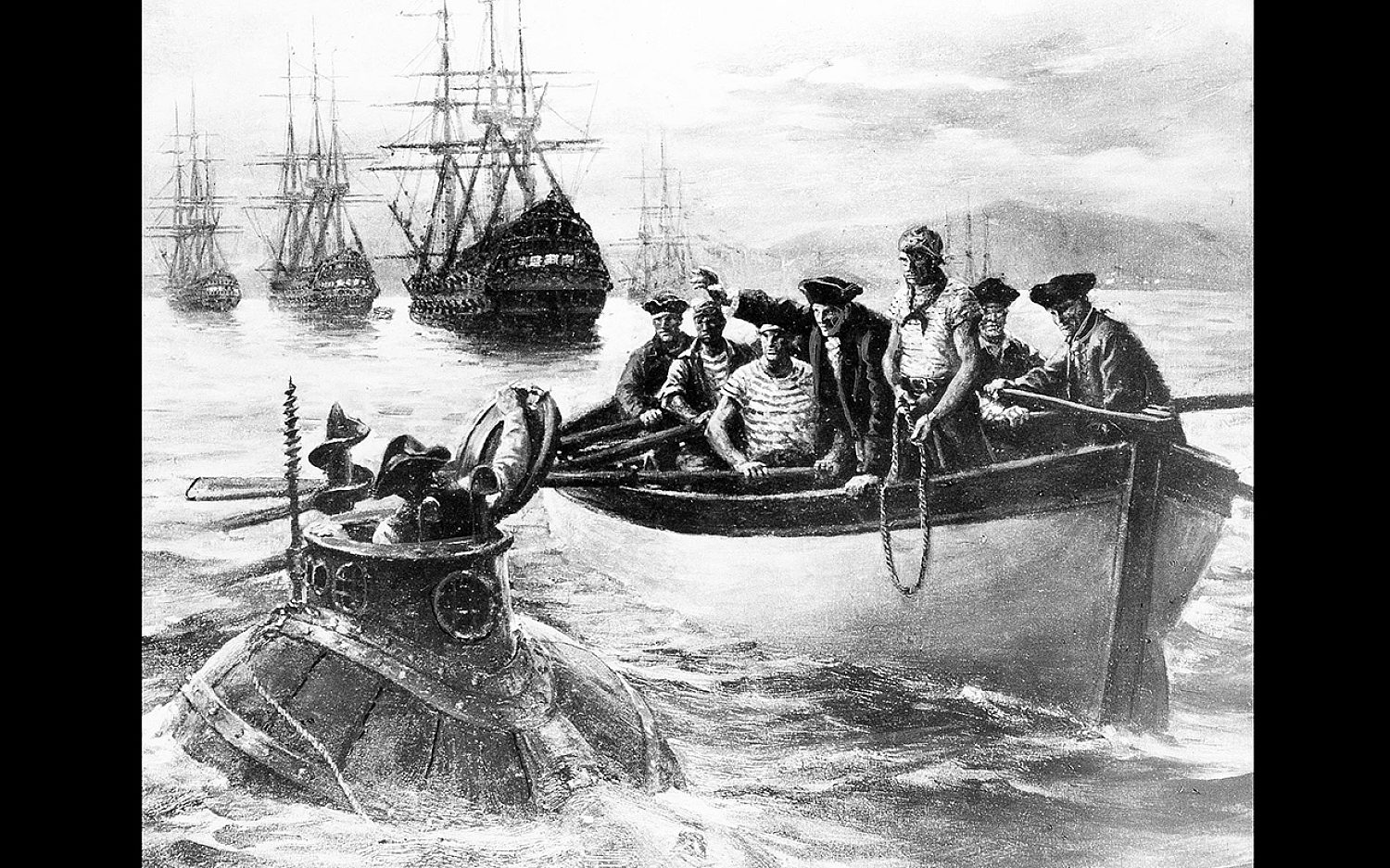
· Submarines: David Bushnell made America’s first submarine. He called it Turtle. The one-man vessel was created to attach bombs to British vessels. First launched in 1776, Turtle failed all three of its missions. Although it didn’t sink any British boats, the technology paved the way for future submarine inventions.
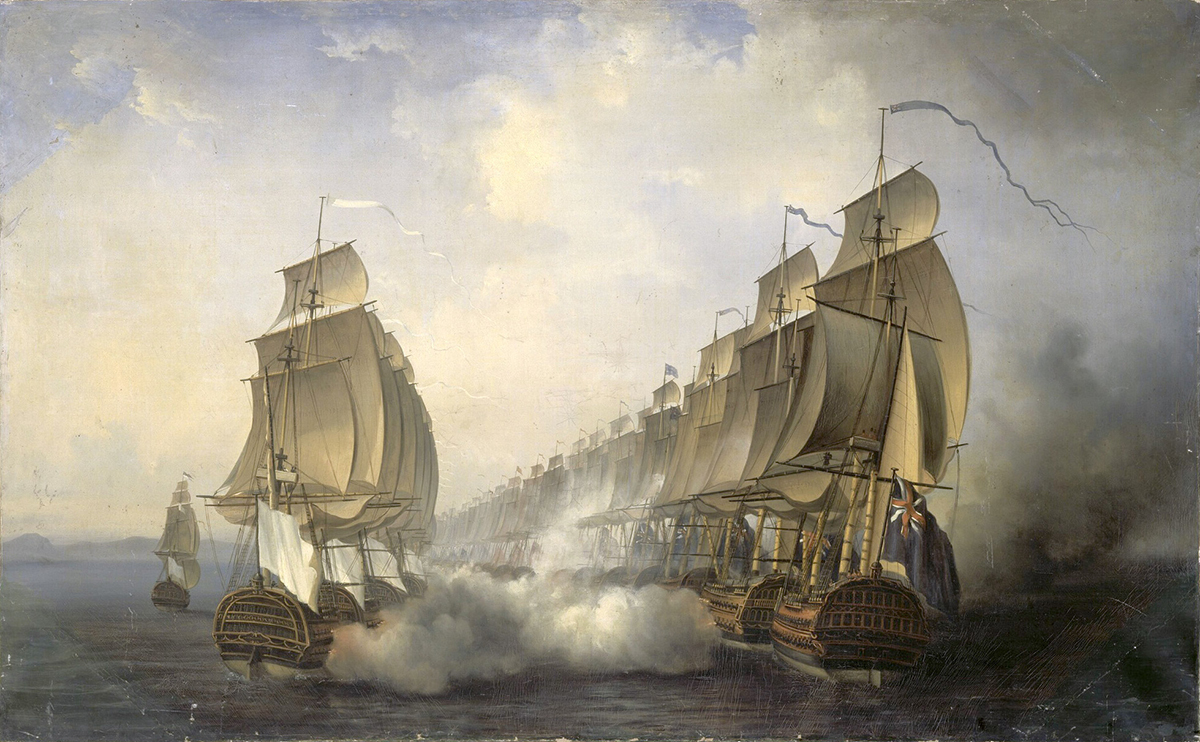
· The French Navy: French ships delivered weapons, troops, and supplies to help America. France’s navy also fought the British all over the world. British and French ships clashed in the very last battle of the Revolutionary War in 1783. That took place off the coast of India.
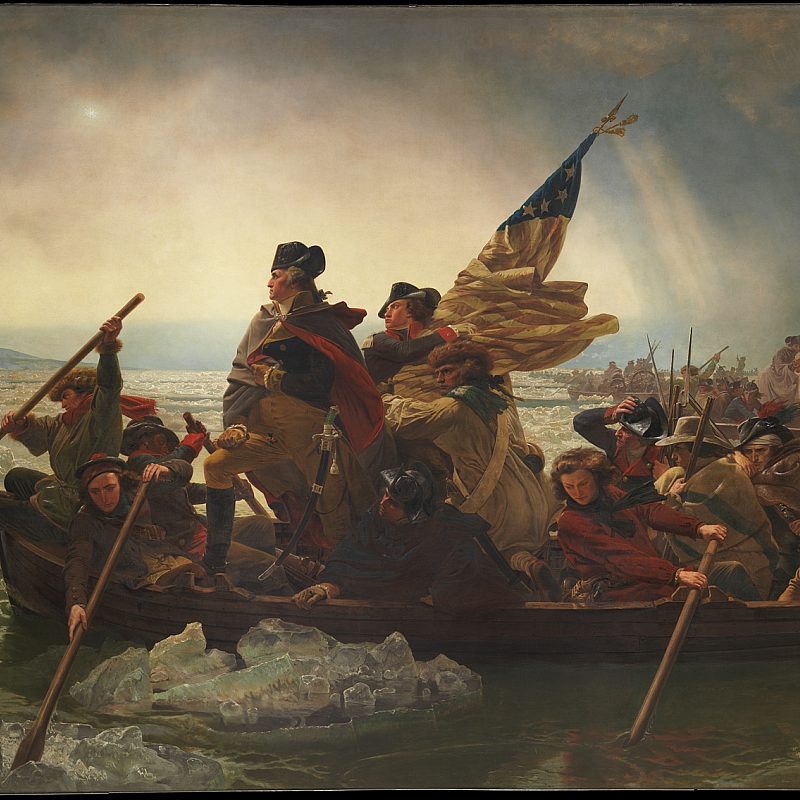
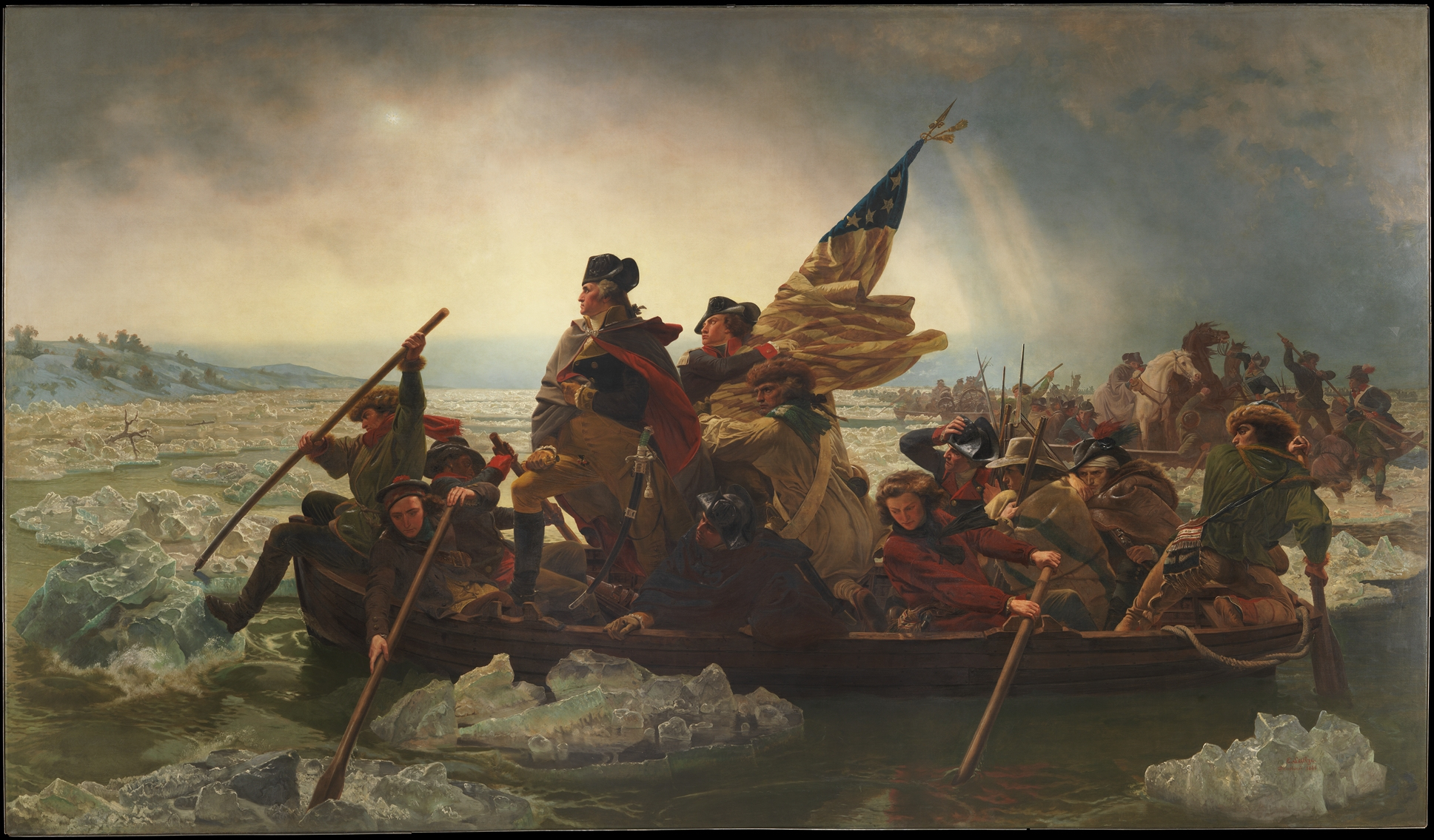
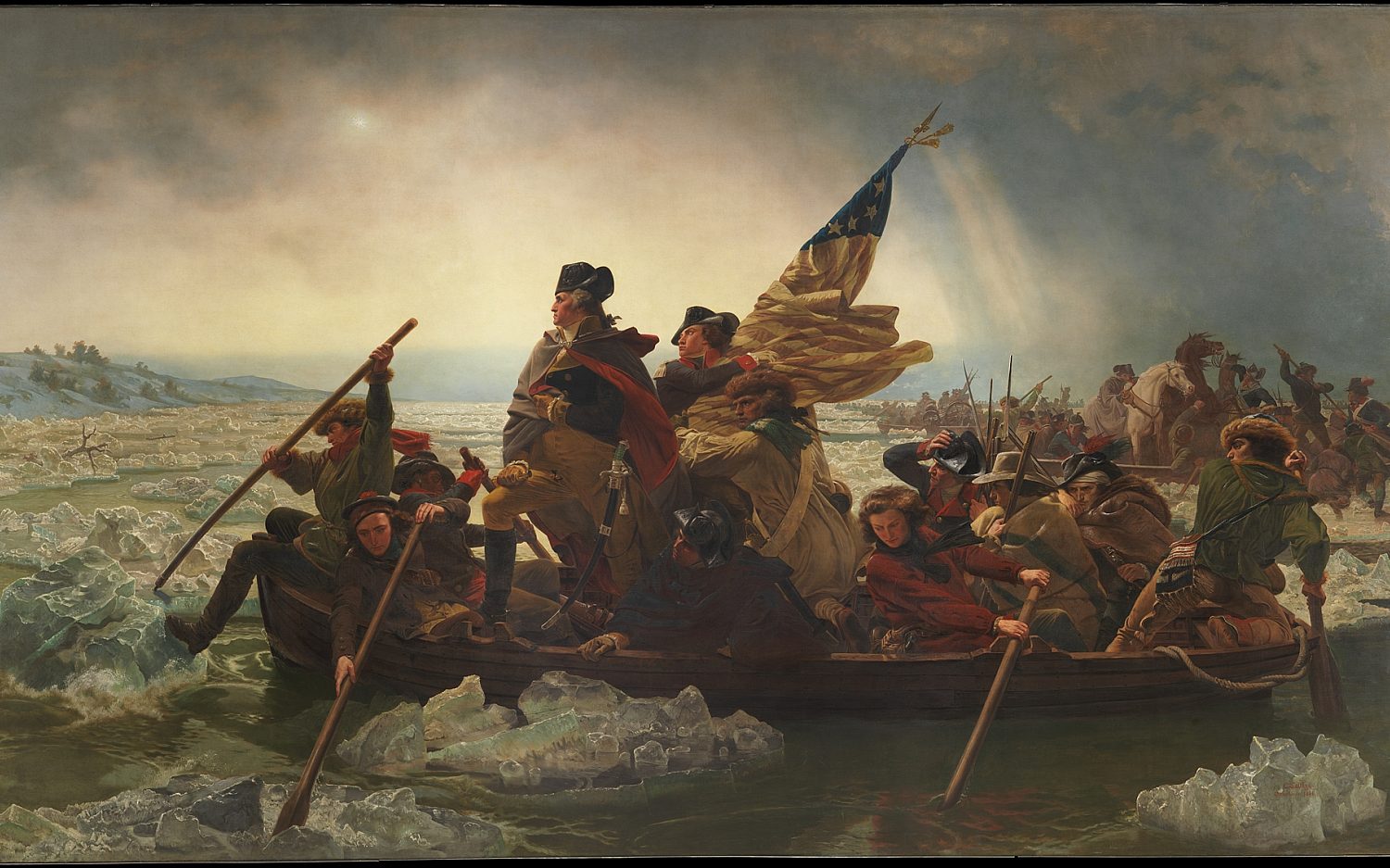
· Flatboats: In 1776, George Washington stationed American troops at ferry landings along the Delaware River. All the boats were on the Pennsylvania side, and Hessian troops fighting for the British were stranded in New Jersey. Thousands of American troops crossed the river on flat-bottomed boats in a surprise attack. That victory was a key moment in the Revolutionary War.