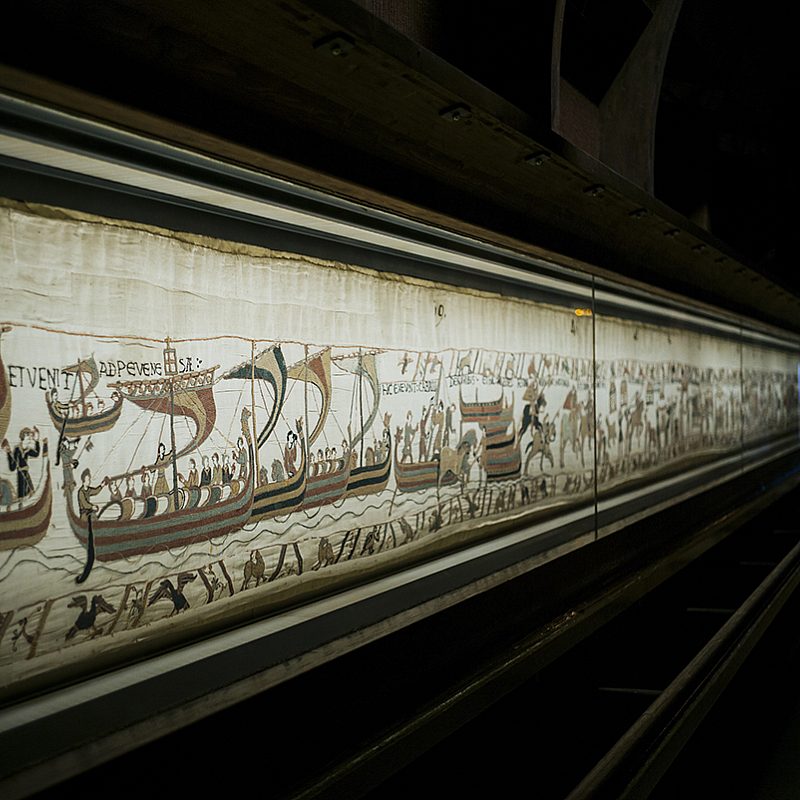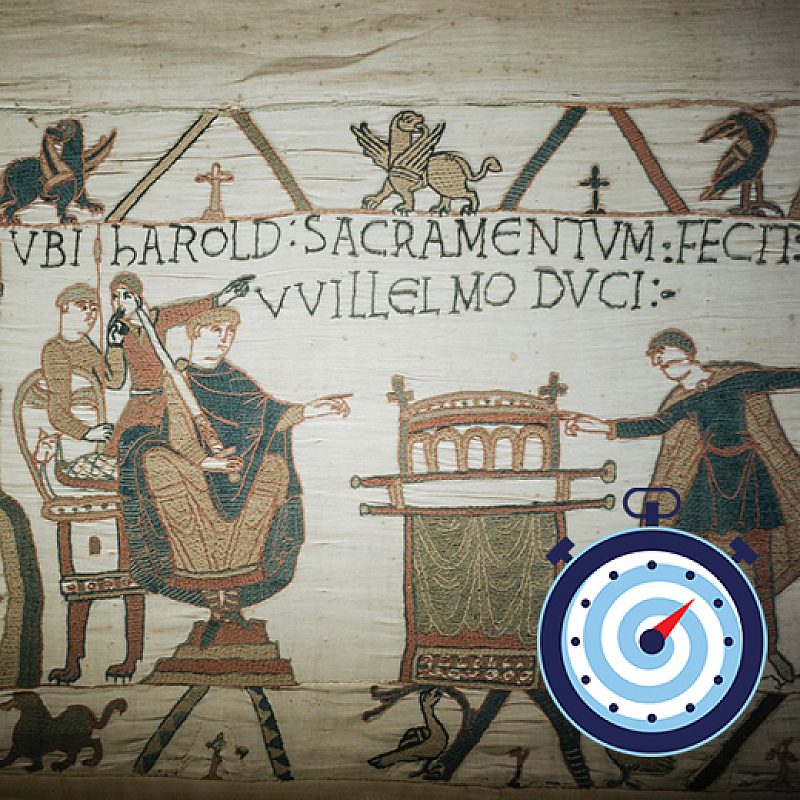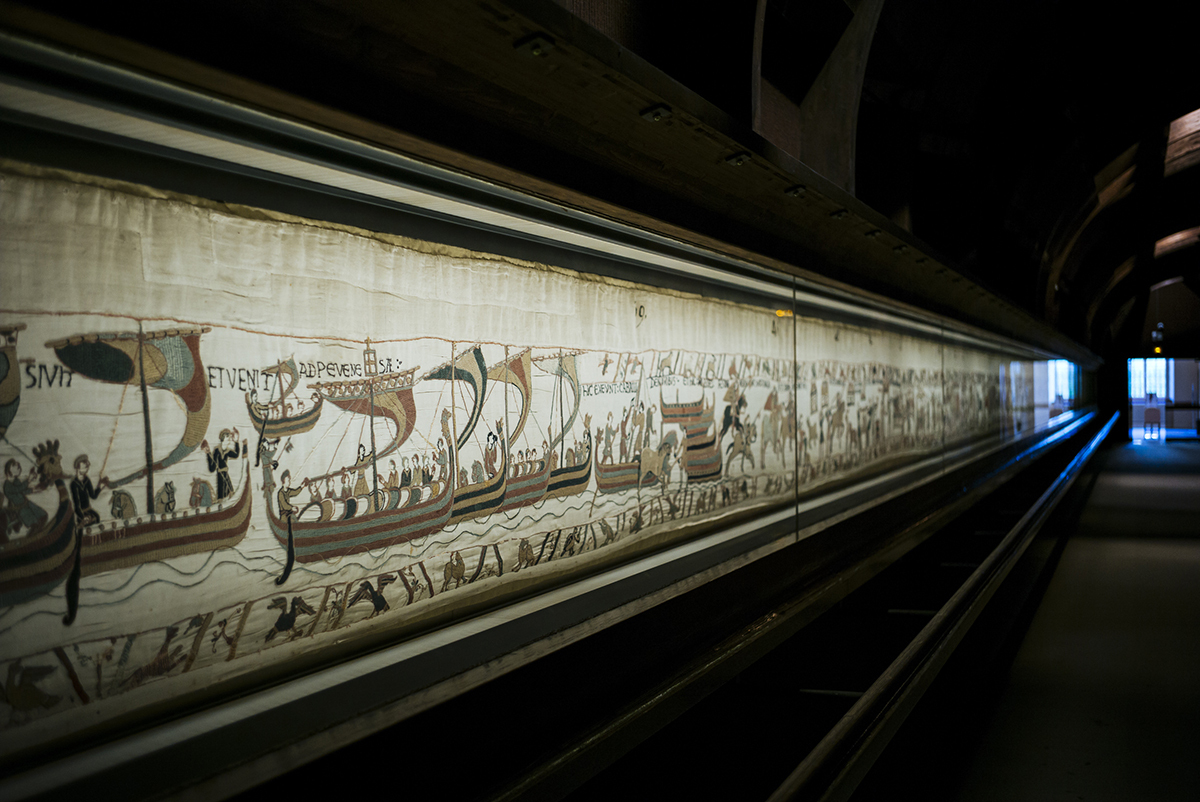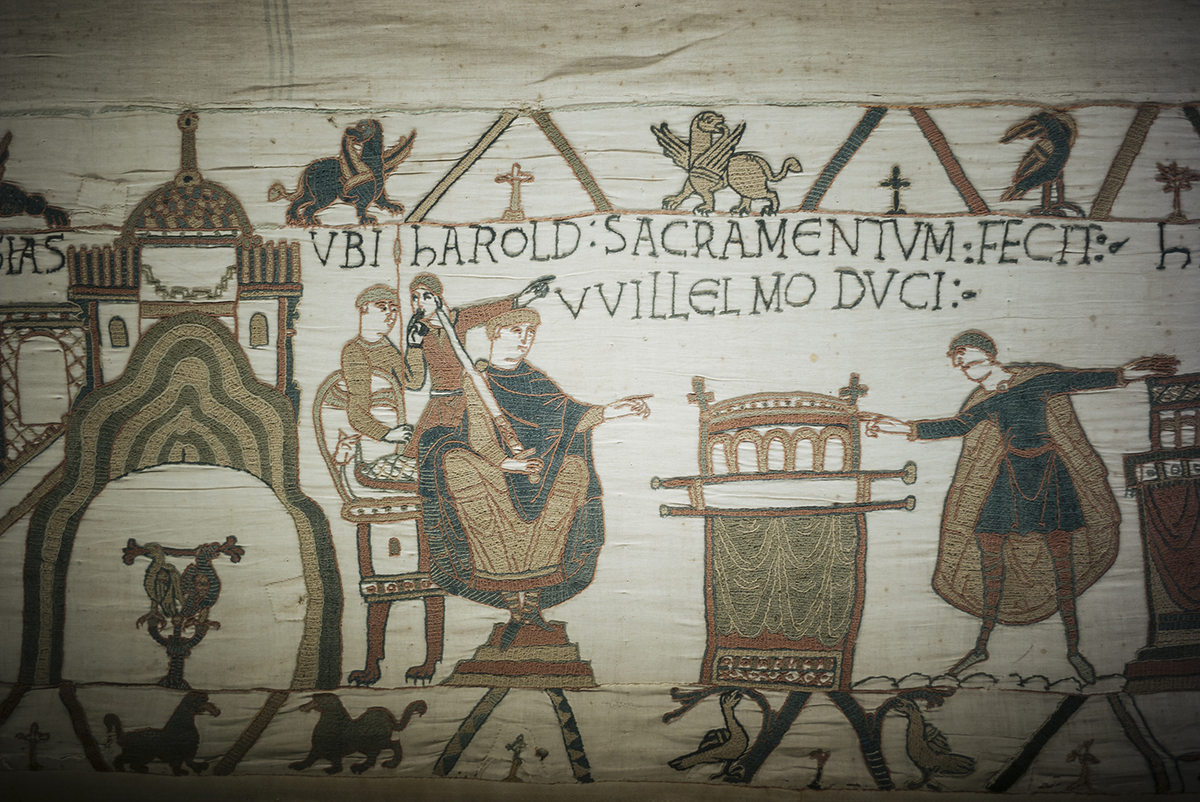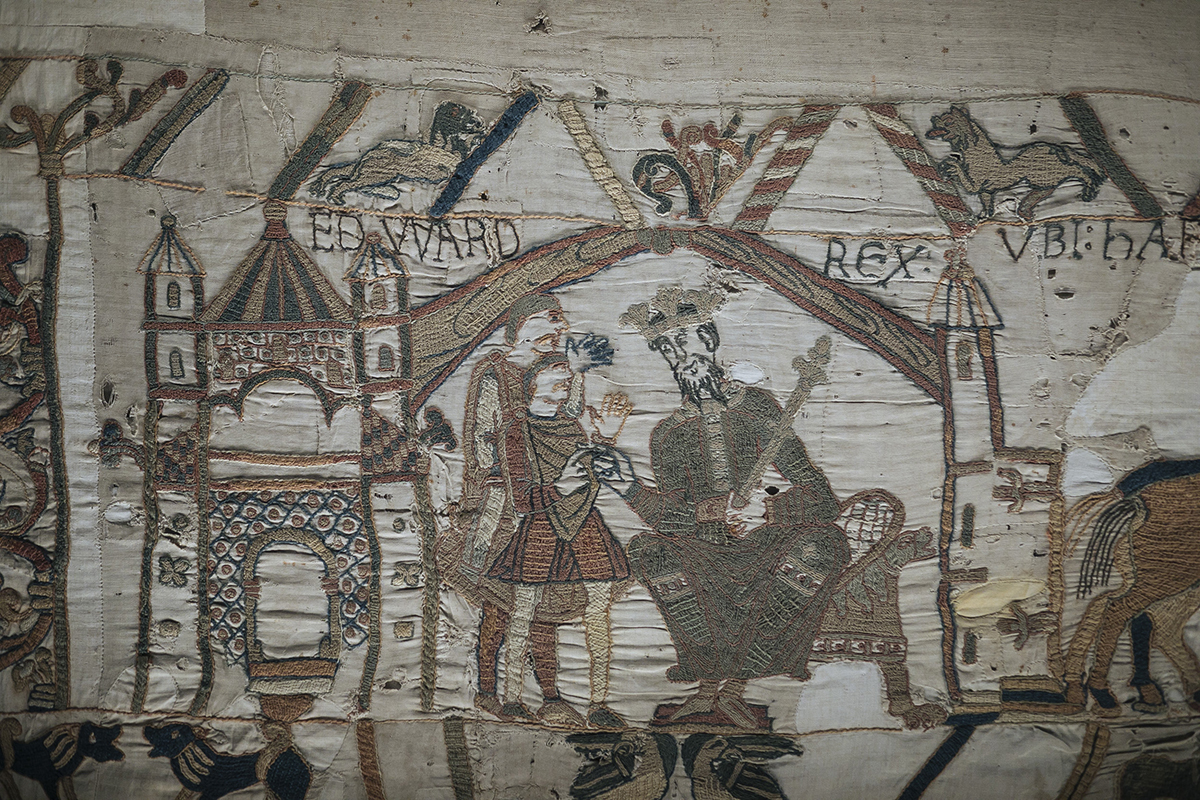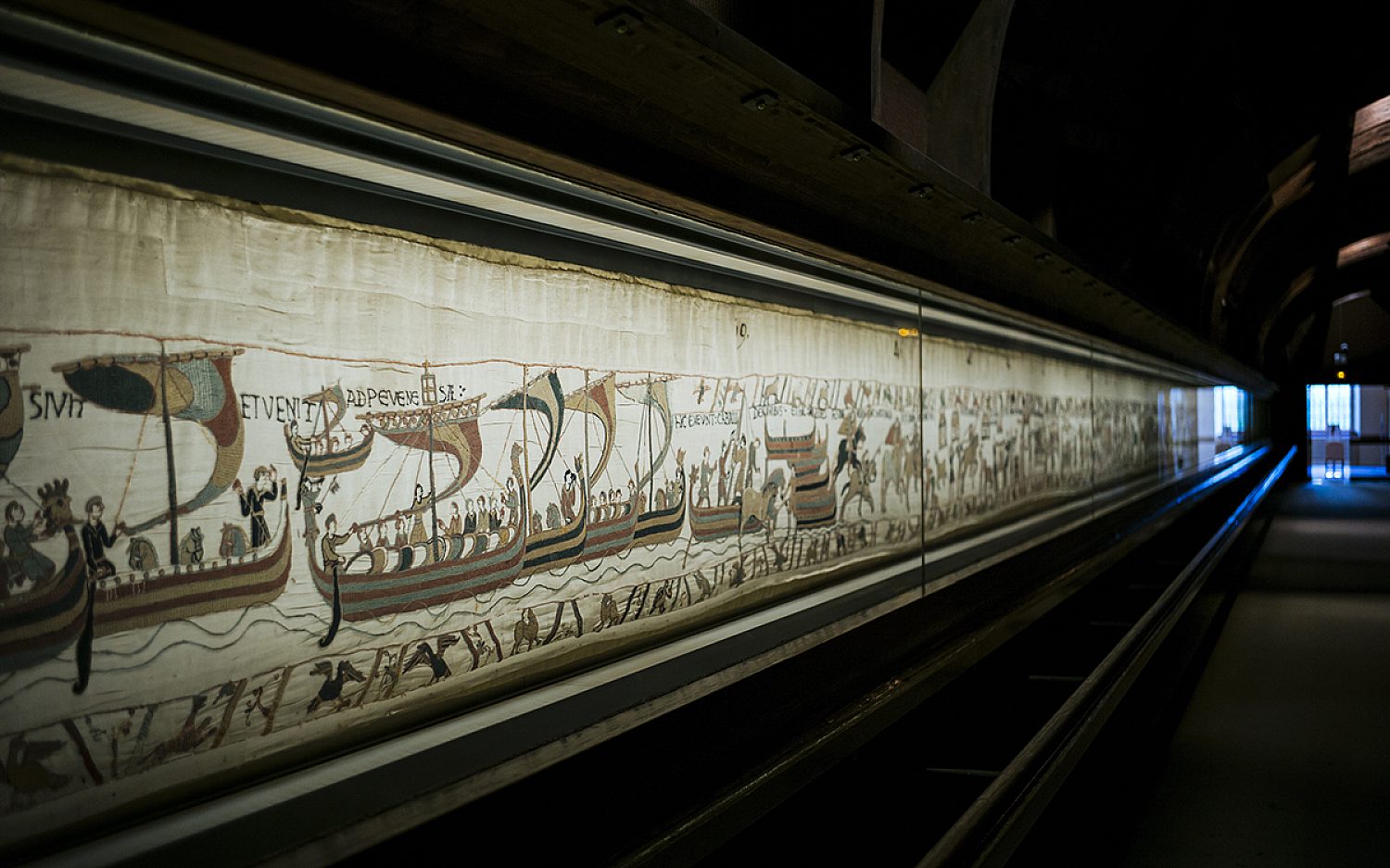
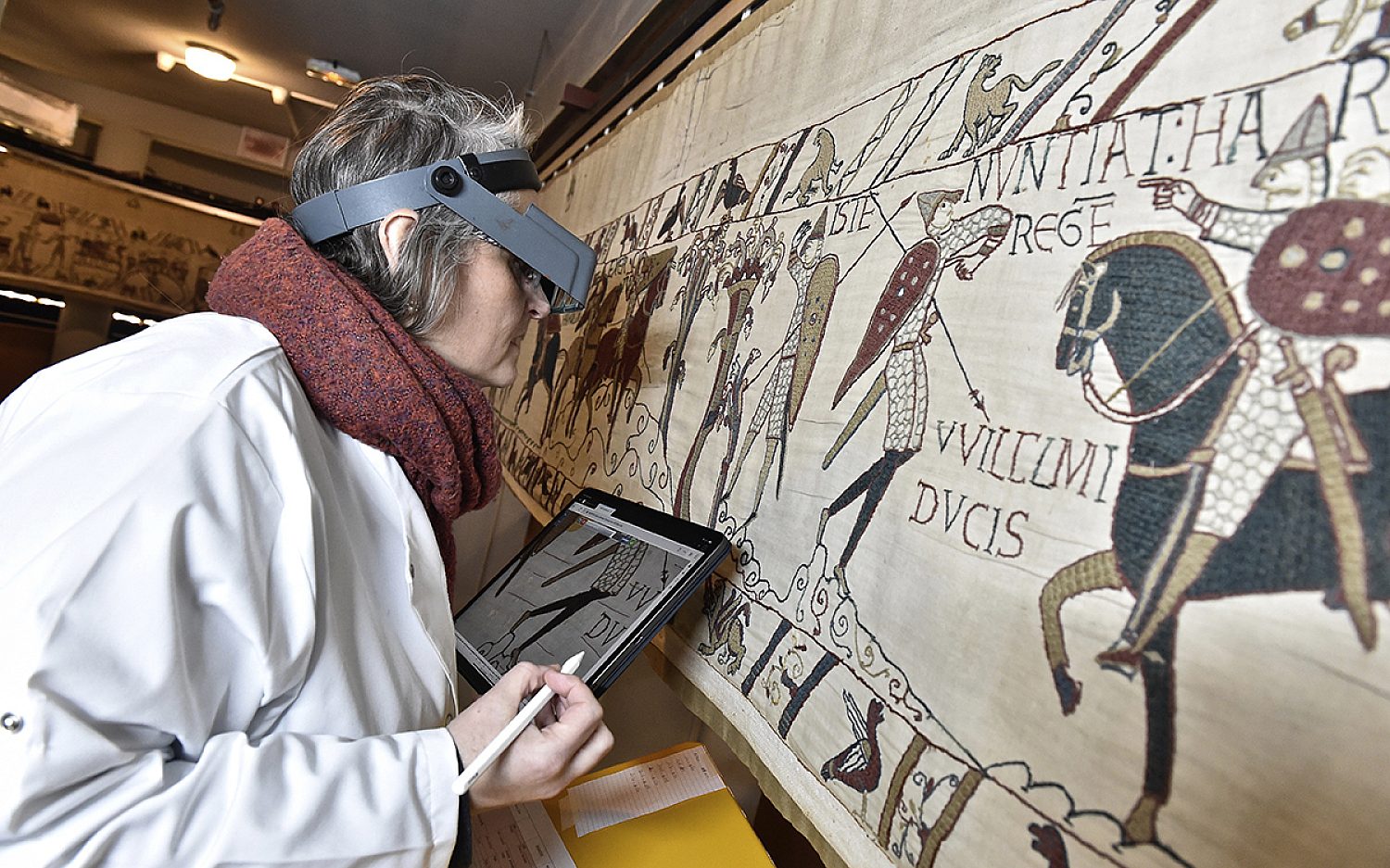

The Bayeux (bye-YOU) Tapestry stretches 230 feet long. That’s slightly longer than the wingspan of a Boeing 747 jet plane! This delicate artwork has been around for nearly a thousand years. It tells the tale of the Norman conquest of England. (Normandy is a region in northwest France. It is just across the English Channel from England.)
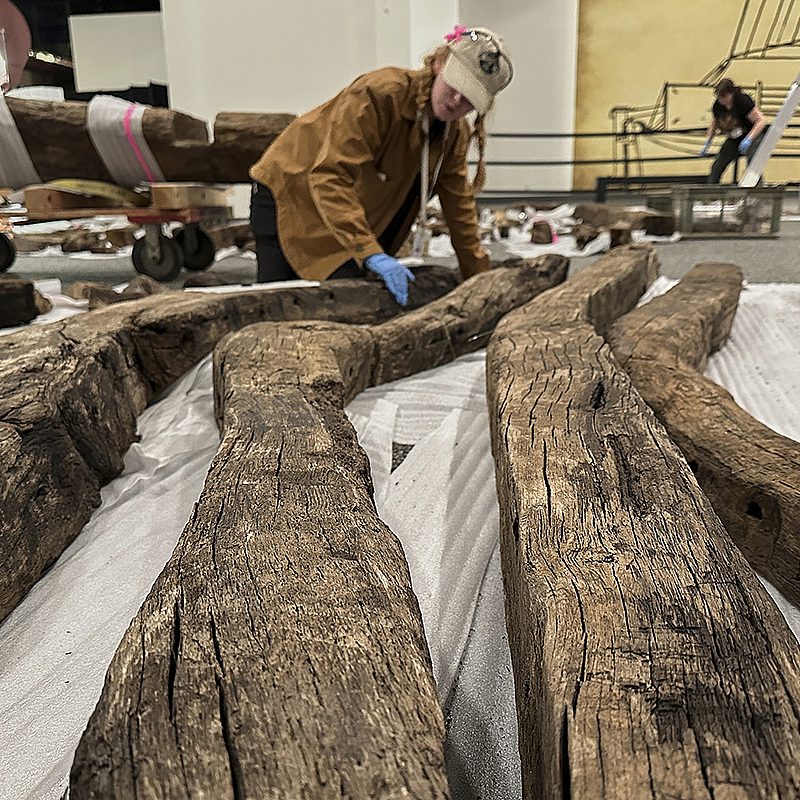
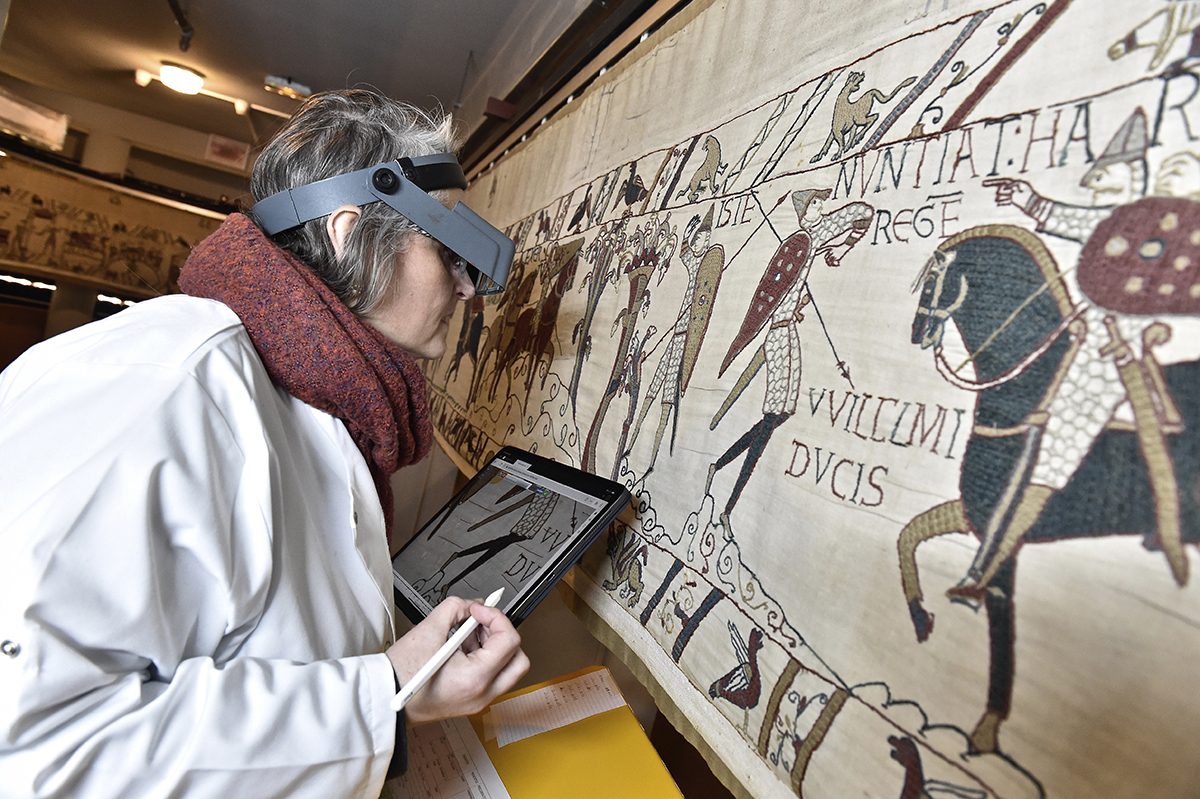
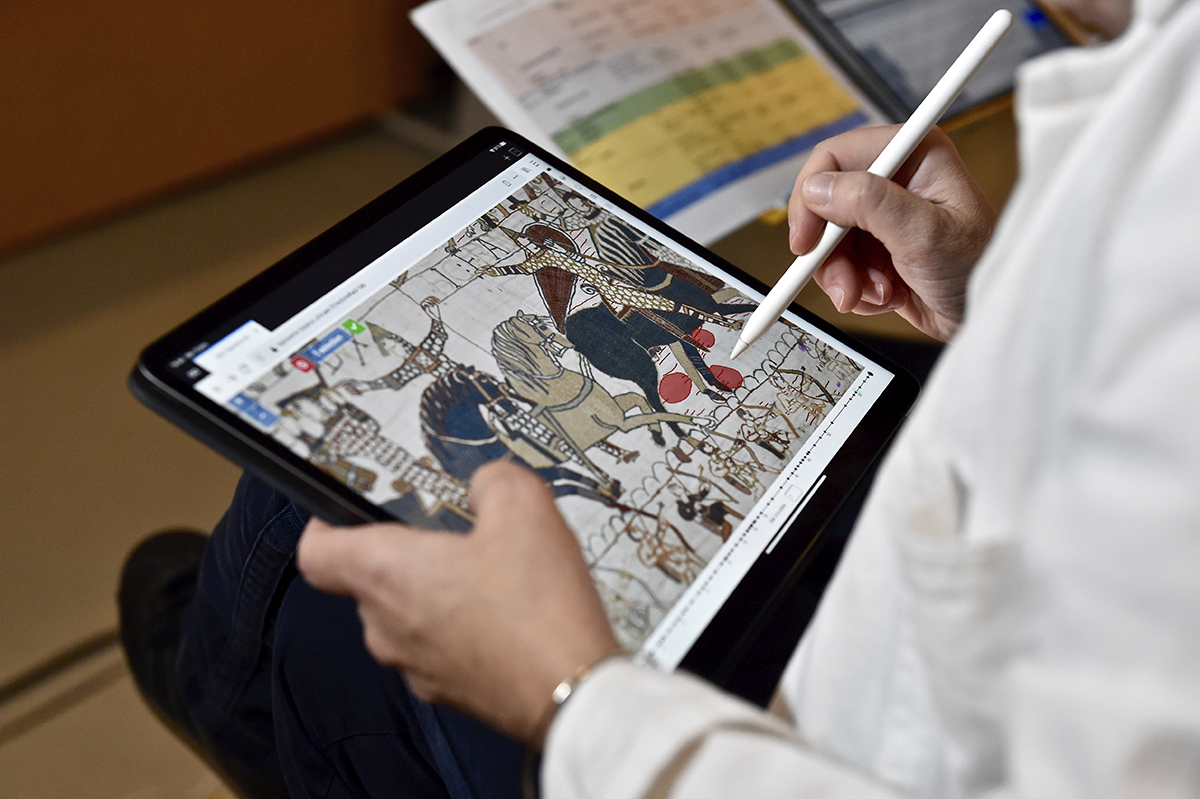
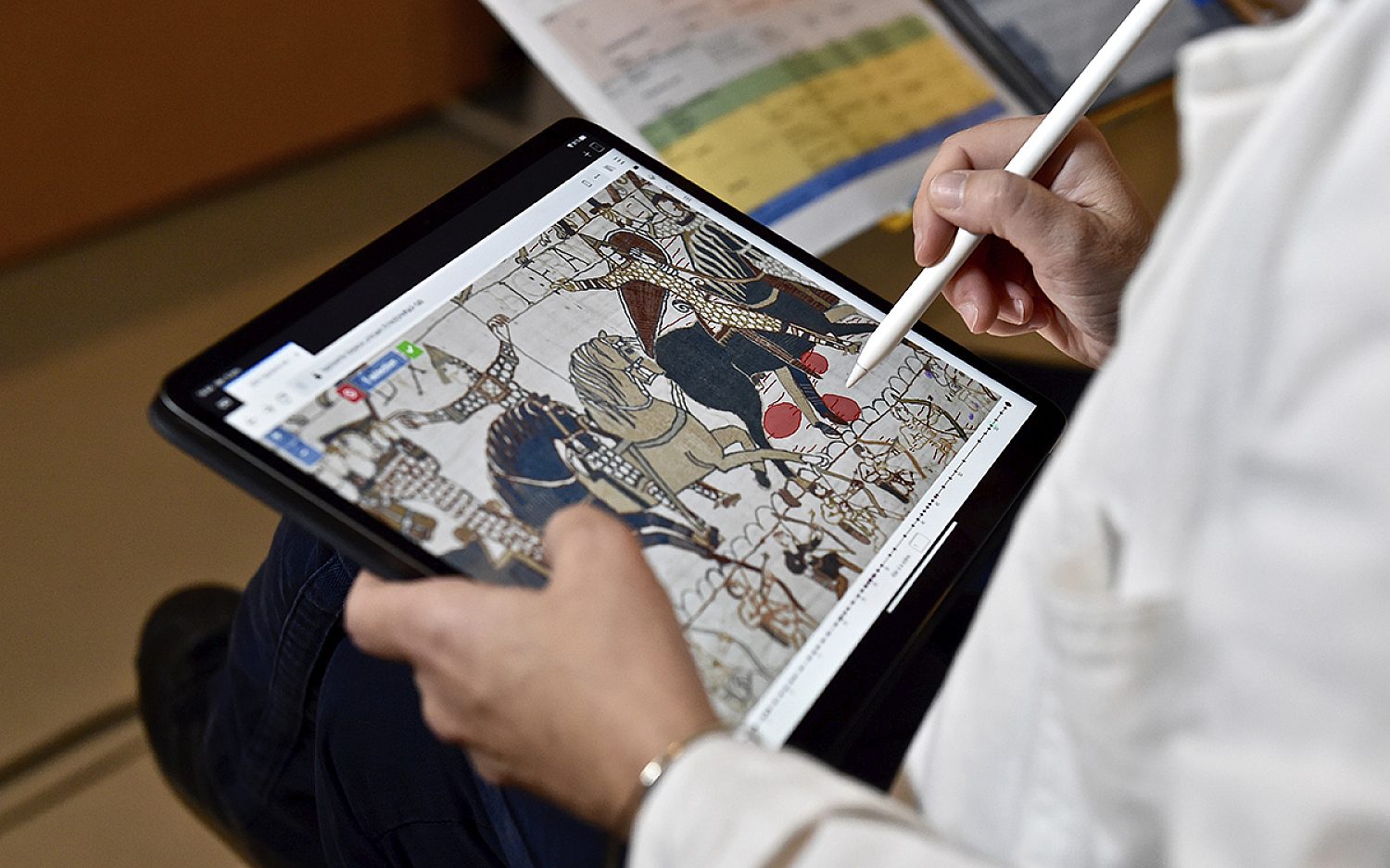
Museums across France display the tapestry. Preserving it takes great care. Technicians detailed digital copies for a long-lasting record. But in 2026, the real thing goes on display in the United Kingdom (UK).
“The Bayeux Tapestry is one of the most iconic pieces of art ever produced in the UK,” says UK Culture Secretary Lisa Nandy. “I am delighted that we will be able to welcome it here in 2026.”
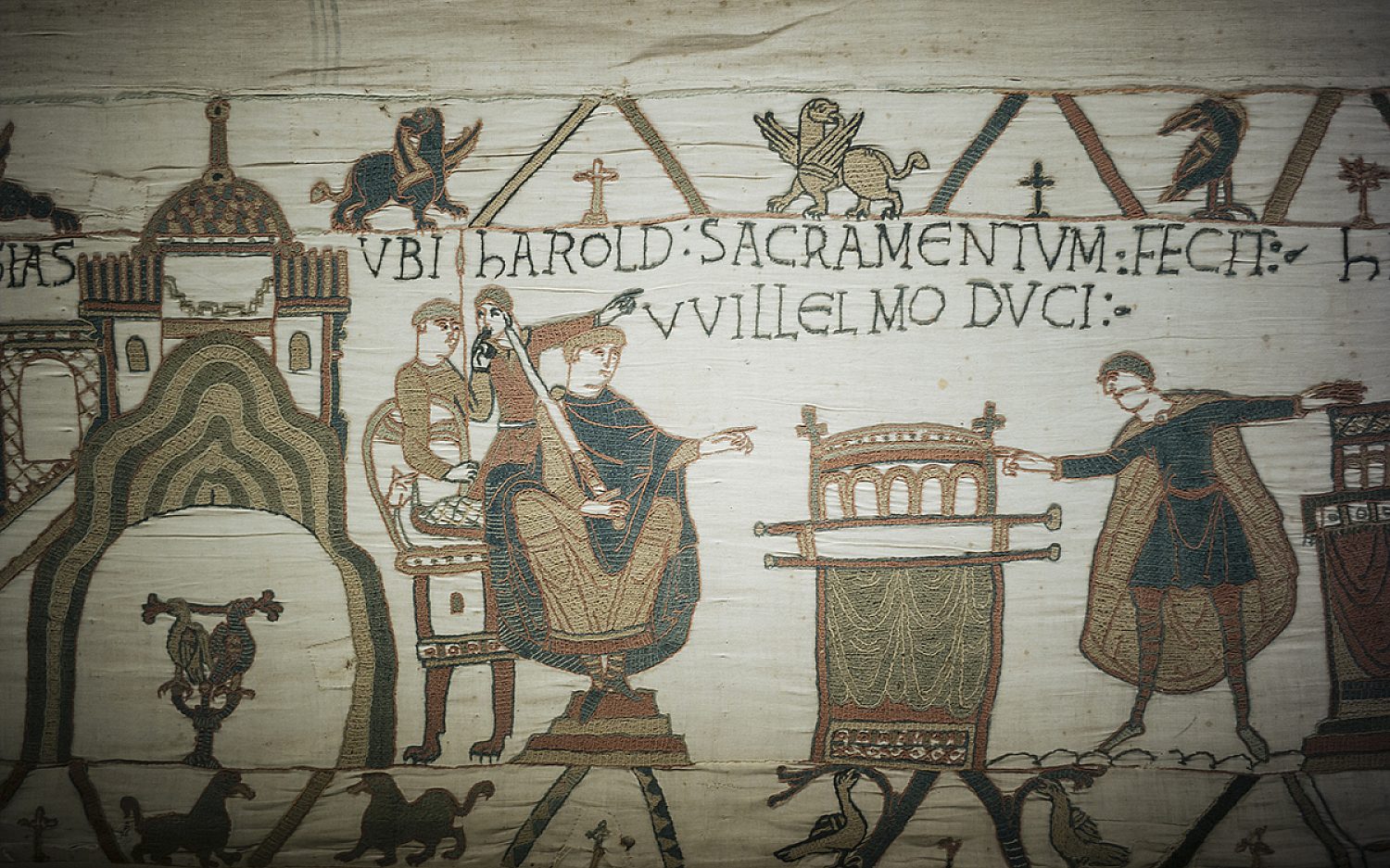
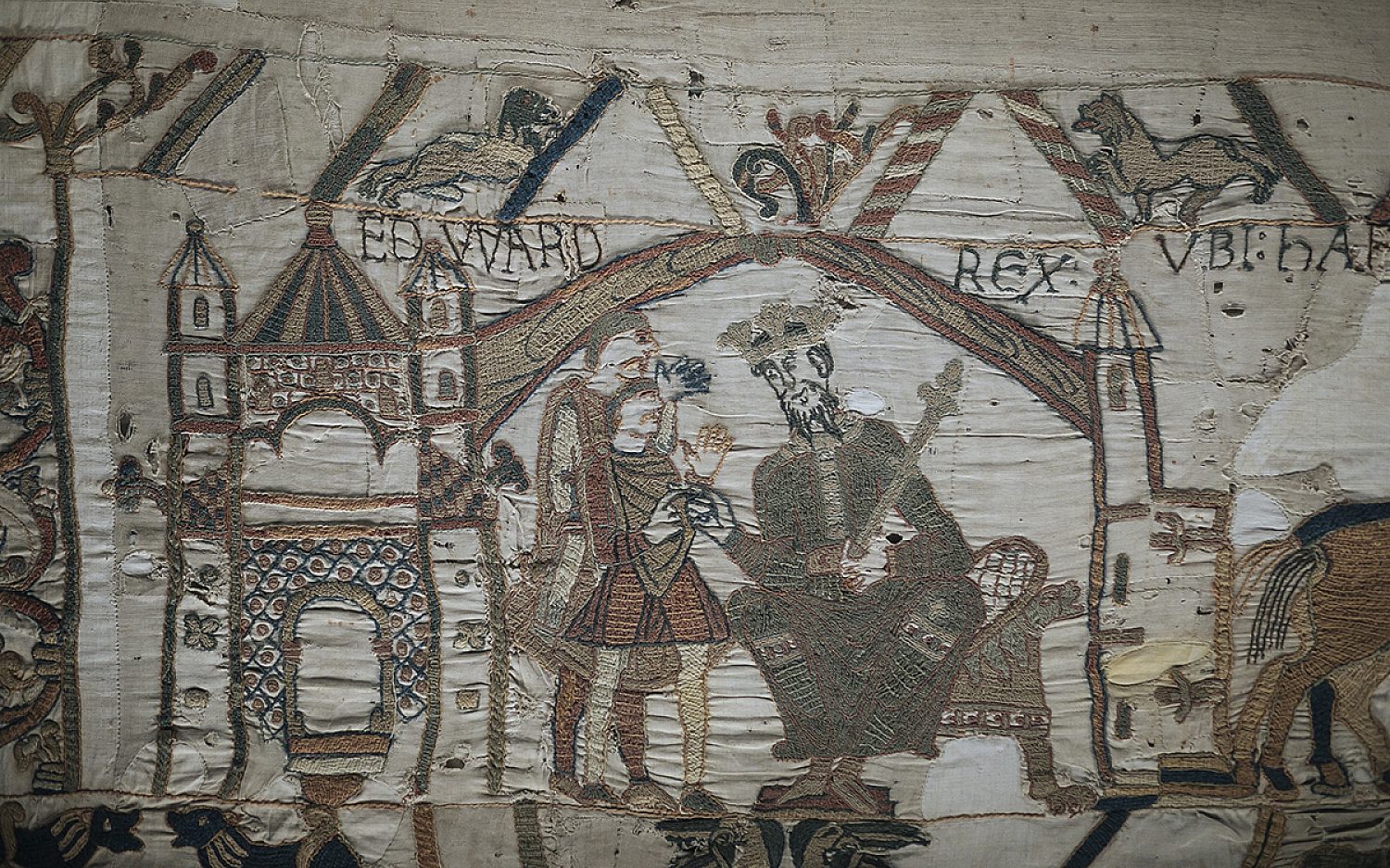
Historians believe Bishop Odo of Bayeux in Normandy commissioned (asked an artist to create) the tapestry. Images are woven into the long, long fabric artwork. They show Odo’s brother, William the Conqueror, living up to his name by conquering England.
In January 1066, England’s King Edward the Confessor died. He left no heir. Harold II took the throne. But not everyone liked that decision.
William, the Duke of Normandy, believed himself the rightful king. Normandy was the home of the Normans—former Vikings who made peace with the French. William led his Norman army into England.
You can see the rest on the Bayeux Tapestry. William and Harold clashed at Hastings. Harold II died in battle. William became the first Norman king of England.
Just like the Normans, the Bayeux Tapestry will travel from France to England. It hasn’t returned to England for nearly 1,000 years.
The Norman Conquest changed English culture forever. Even today, the English language contains words with French roots. It all started at the Battle of Hastings. The Bayeux Tapestry records it all.
Why? Art can help tell important stories, but it needs careful preservation. Earthly works always fade, but God’s word lasts forever.