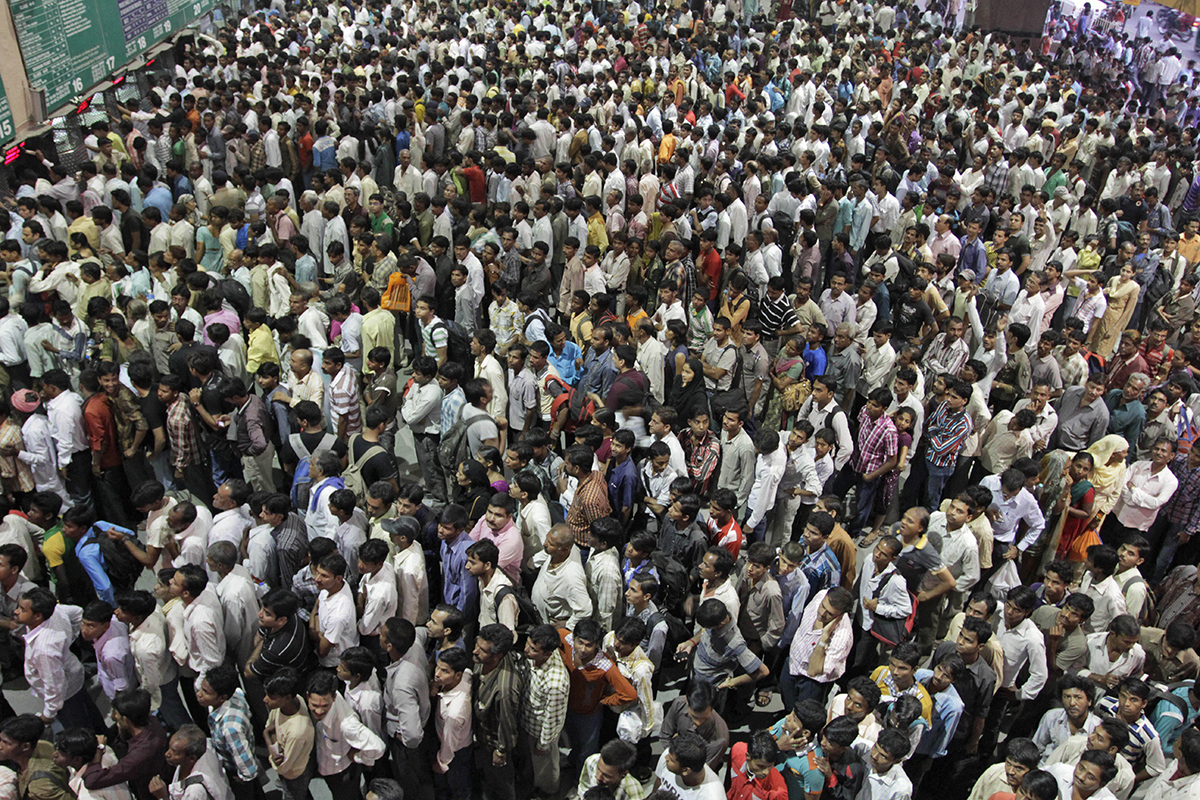

One billion, three hundred ninety-nine million, one . . .
One billion, three hundred ninety-nine million, two . . .
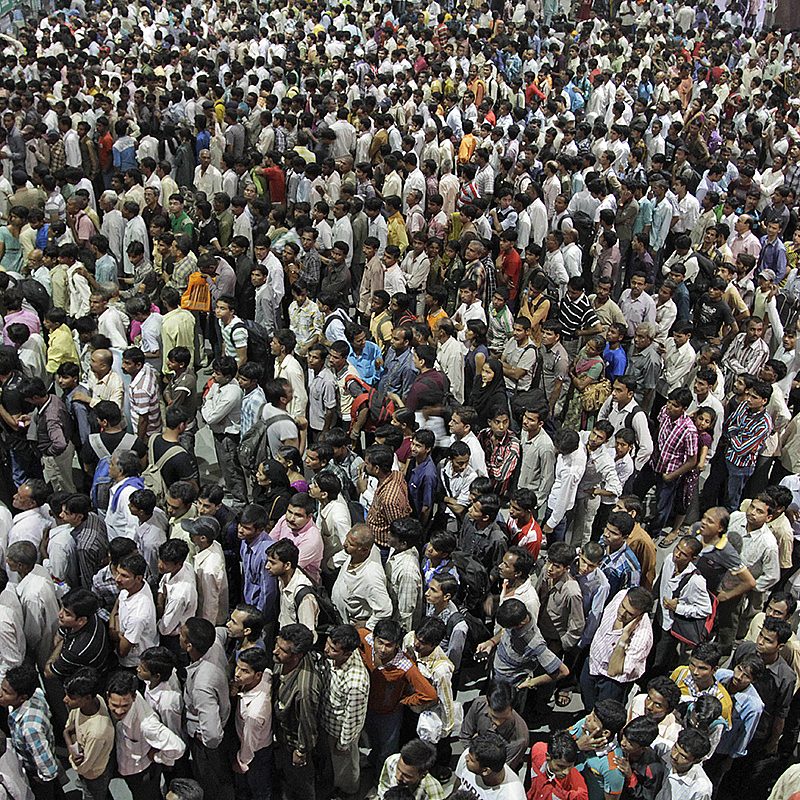
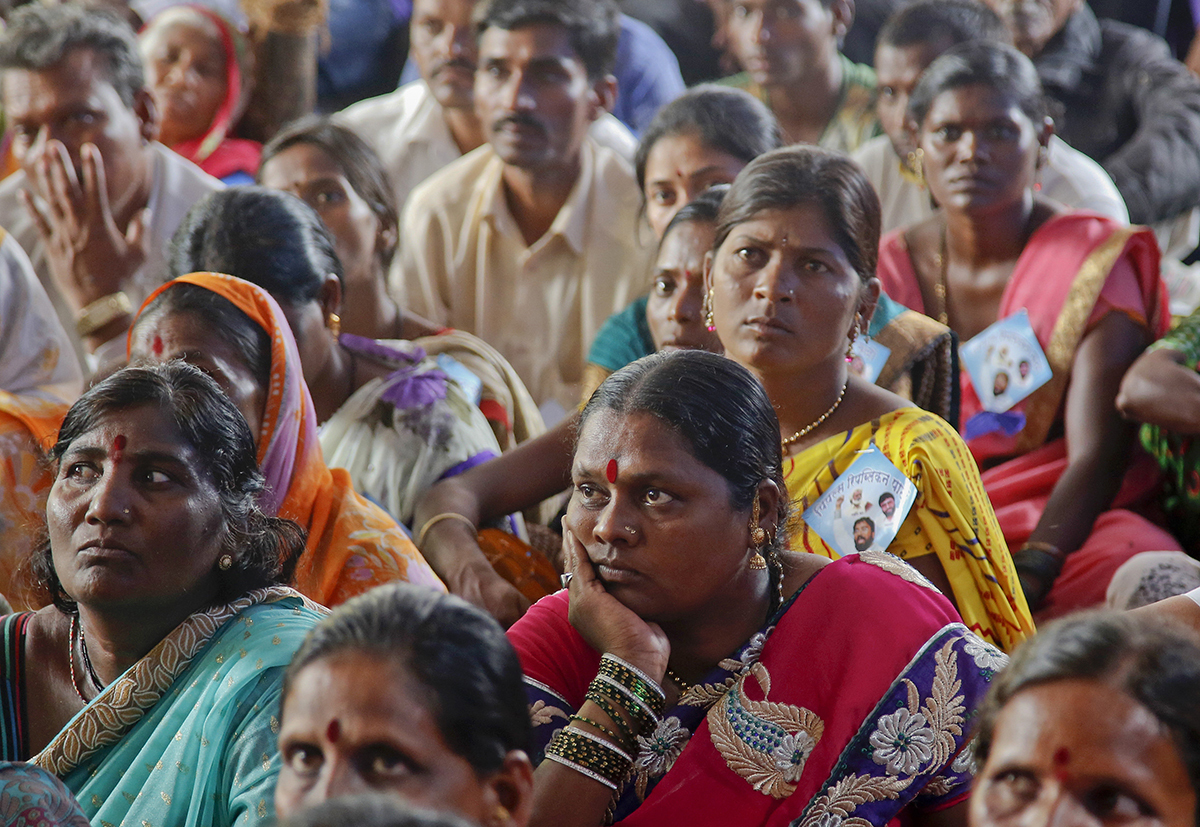
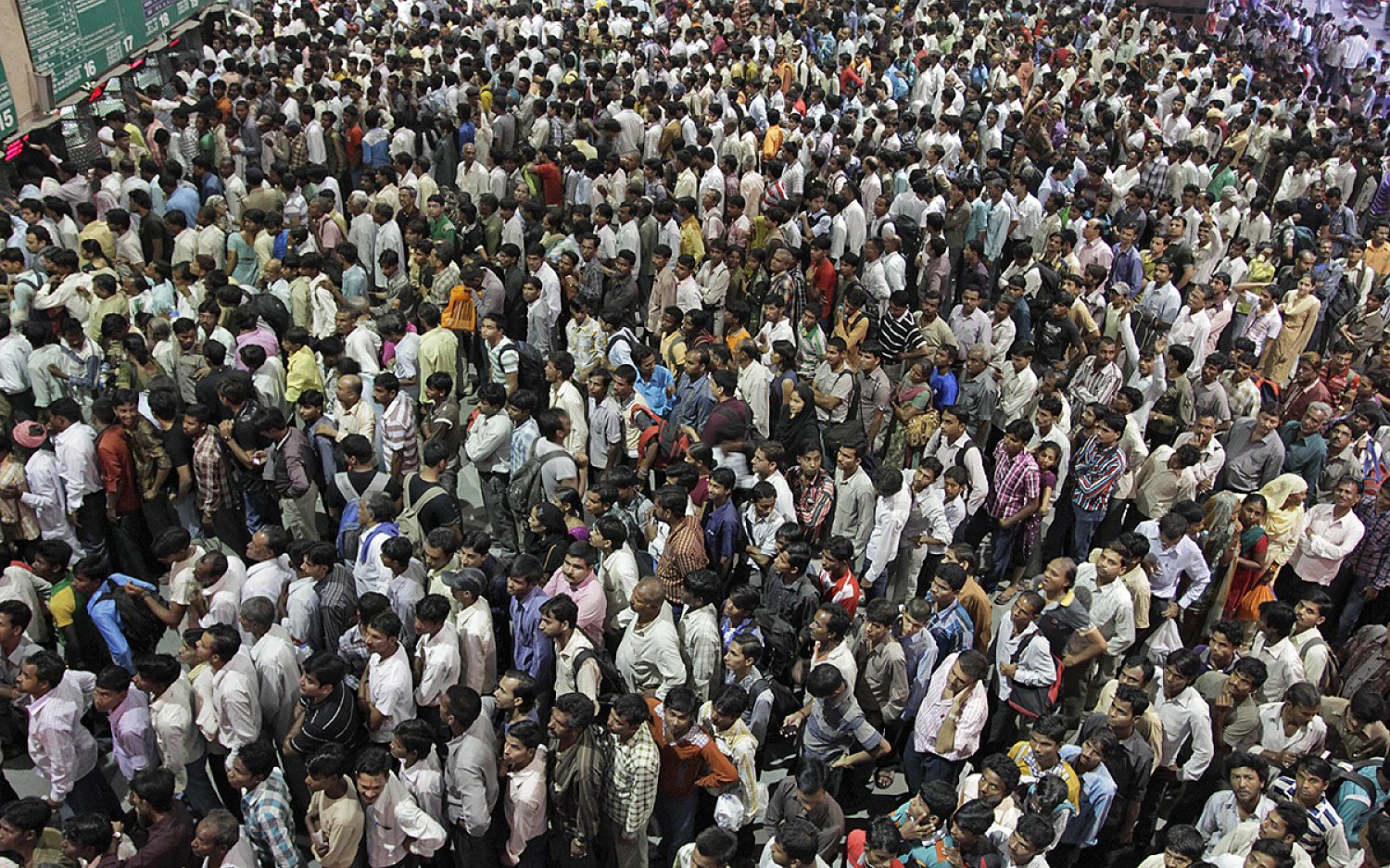
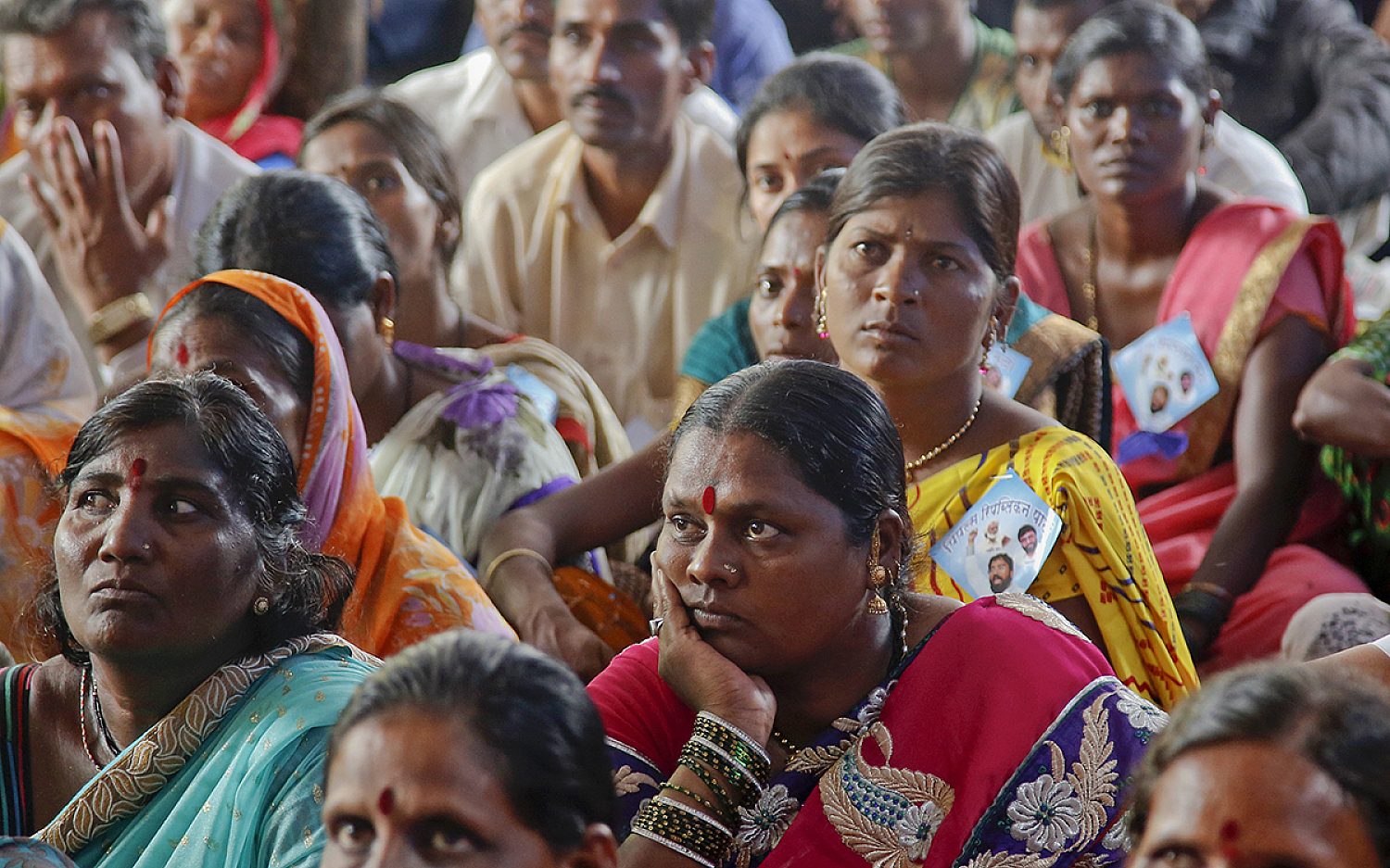
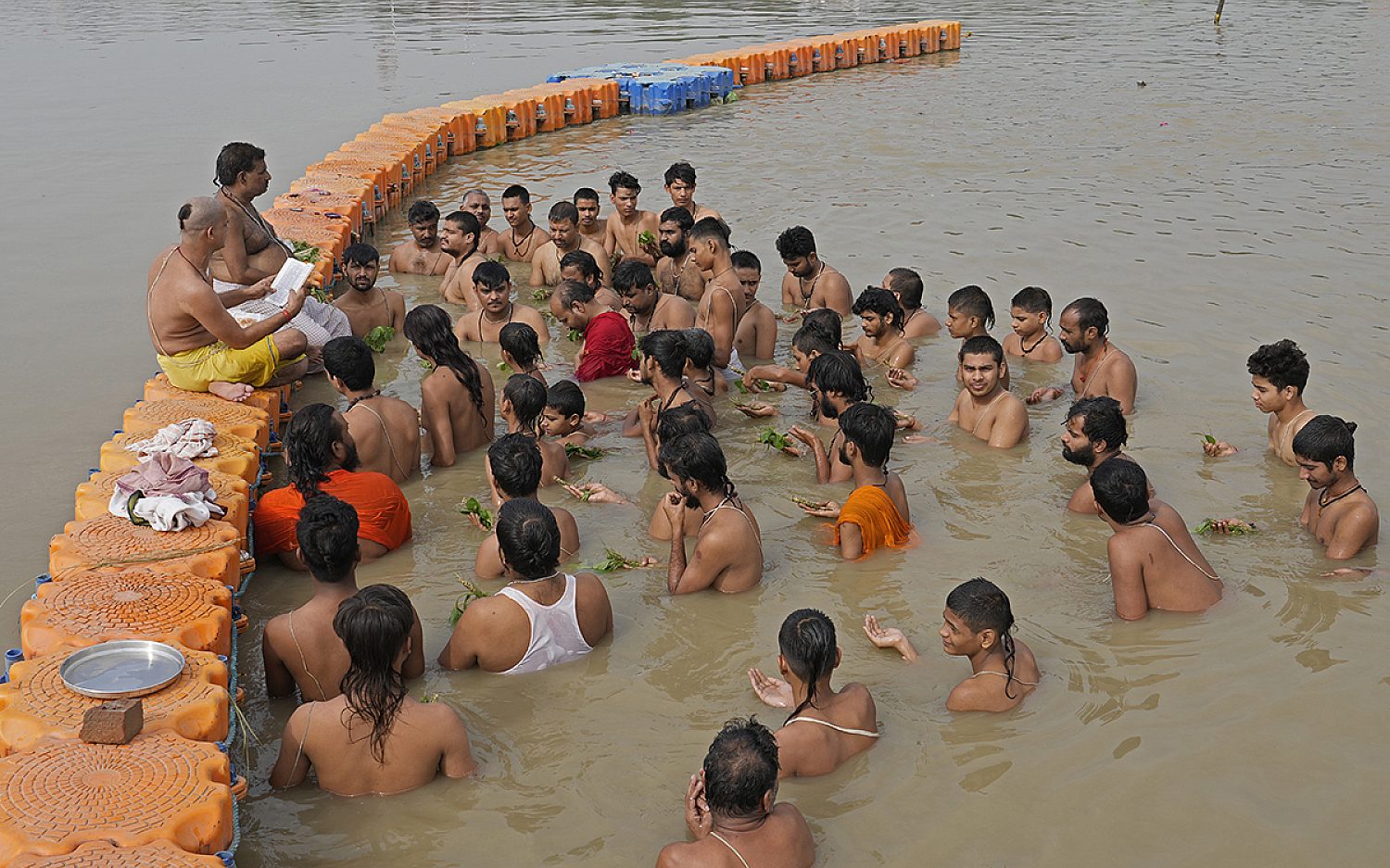
Those are some big numbers. That’s fitting. India is a big place. With a big population. Huge, actually. And all those people have to be counted.
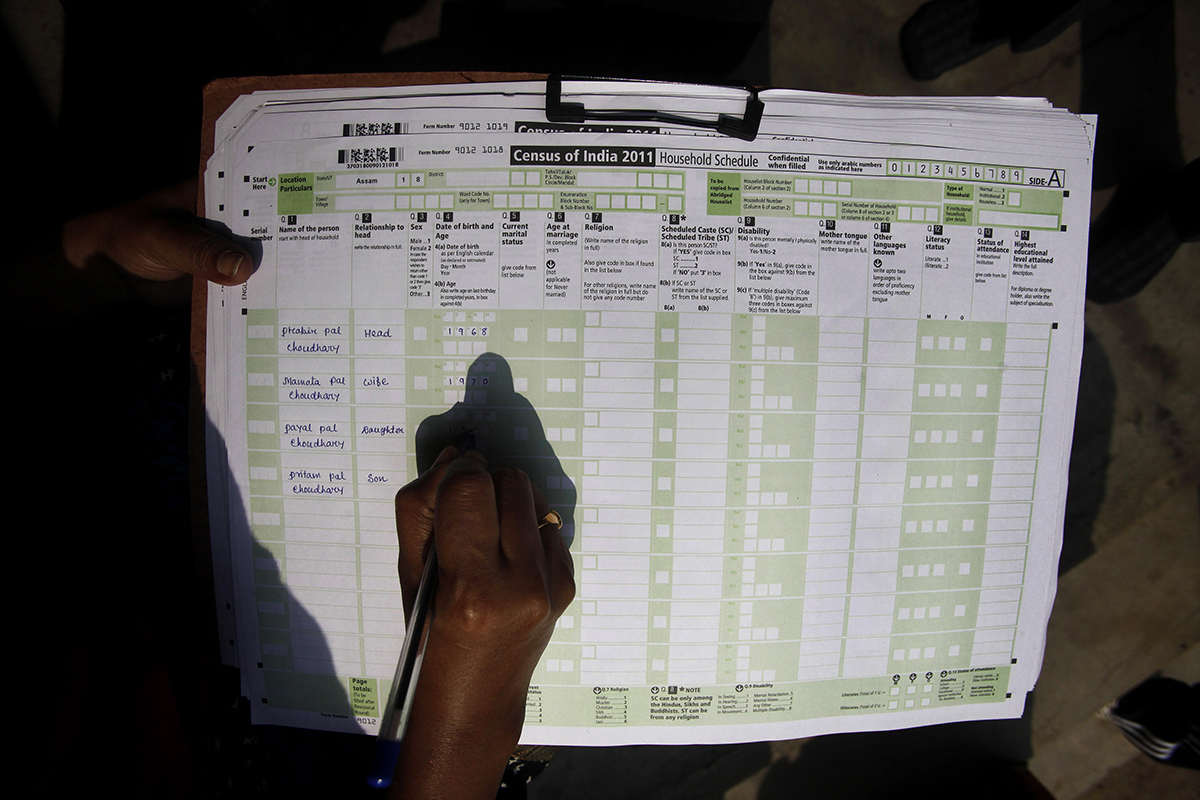
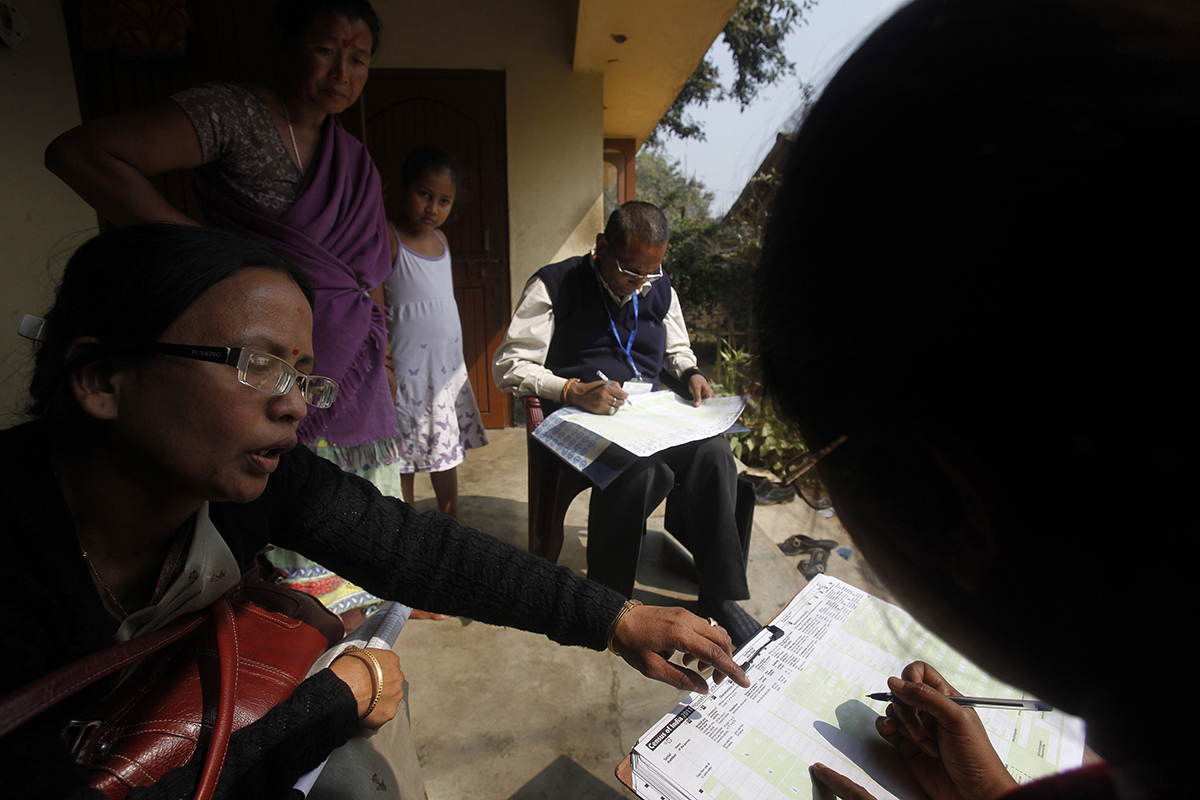
Workers will start this big count next year. The count last happened in 2011. Back then, the counters tallied up 1.21 billion people. (That’s one billion, two-hundred-ten million.) The 2026-2027 census number may top 1.4 billion. That would make India the country with the most people in the world.
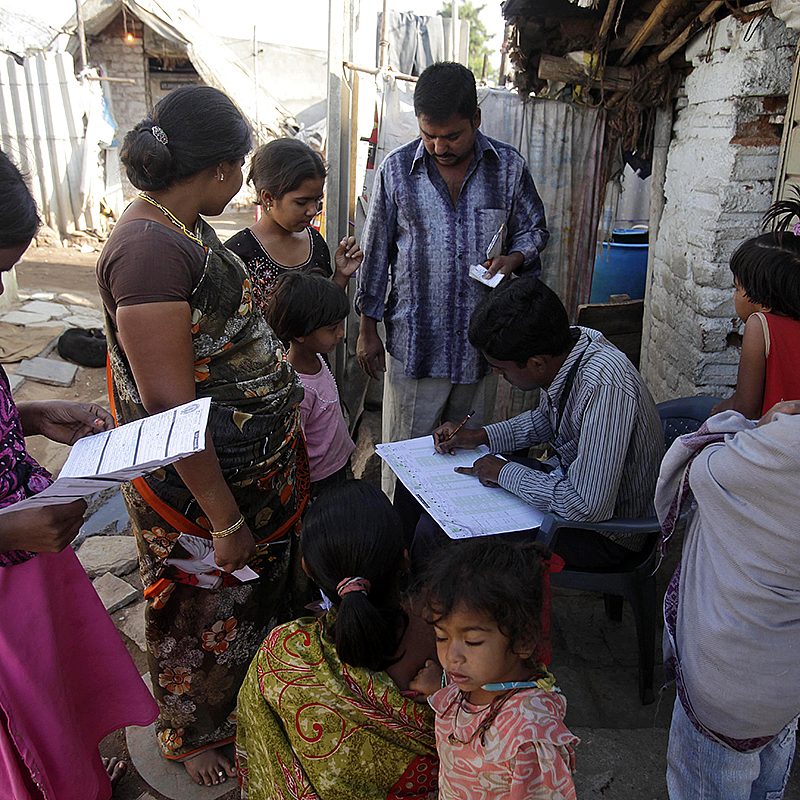
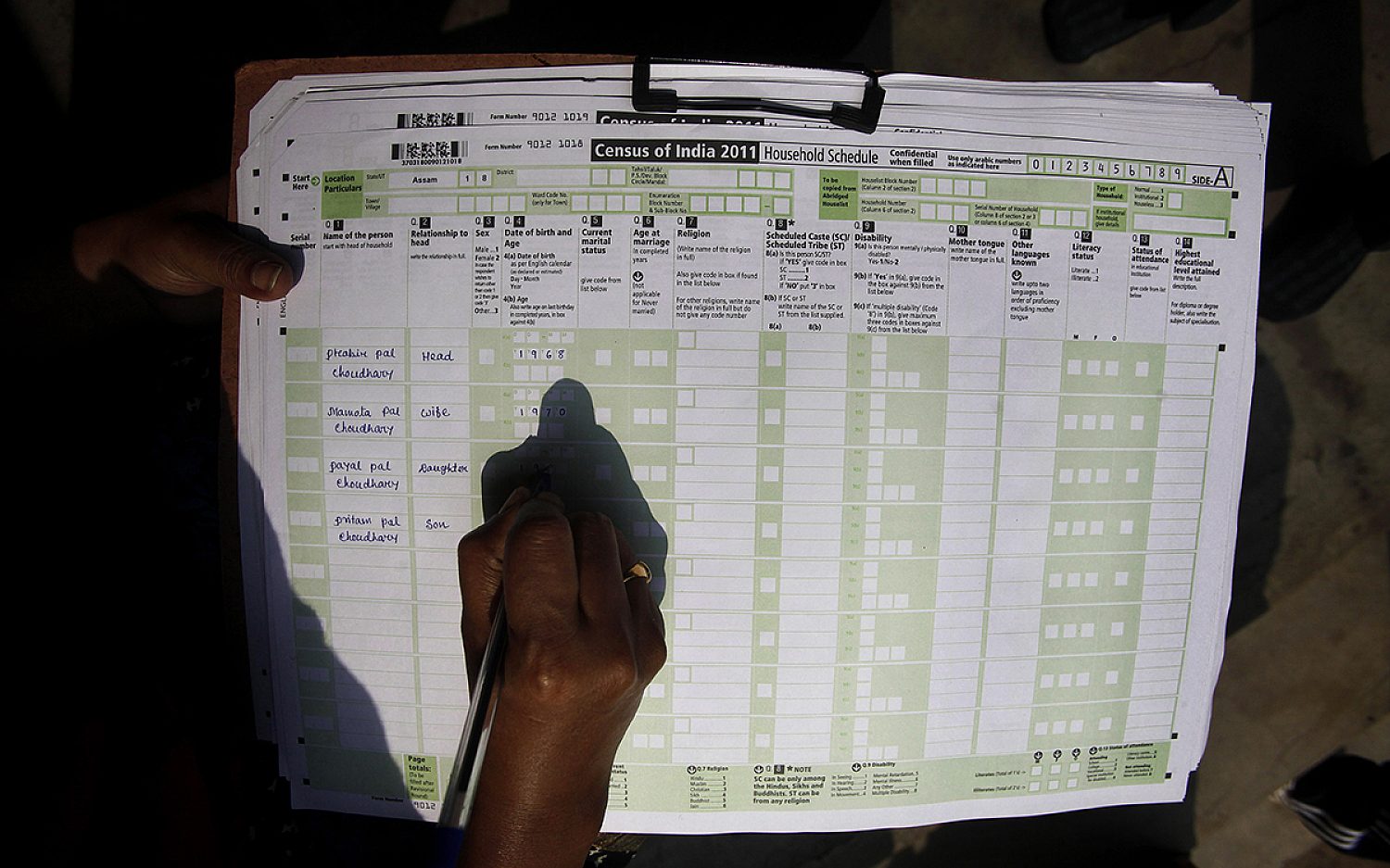
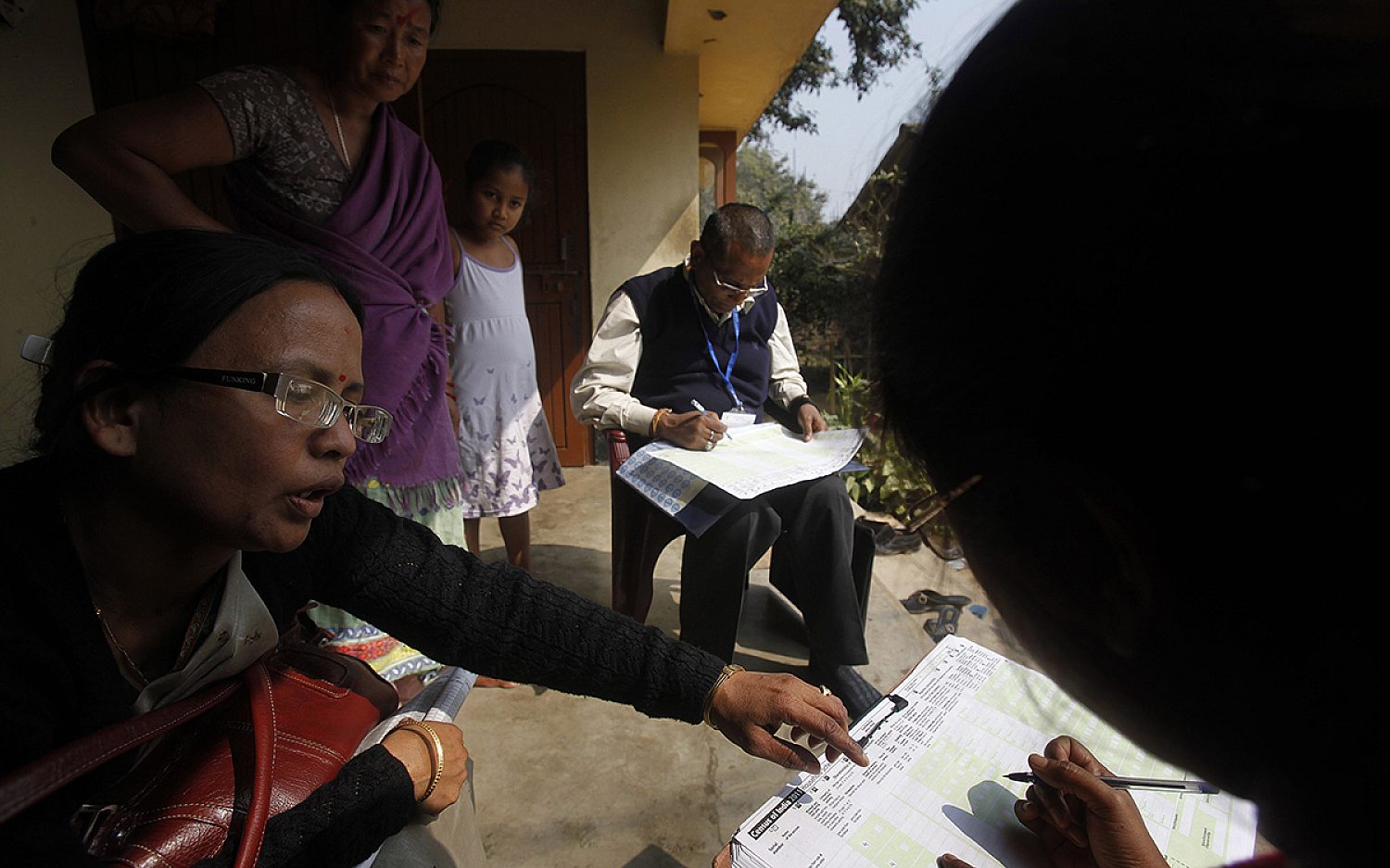
A people-count is called a census. But census takers in India will do more than count. They’ll also collect information about each person. They’ll ask questions: How many people are male? How many are female? What religion does each person practice? How many can read?
They’ll also ask questions about caste. That topic is causing a stir.
Caste is an ancient system of social order in India. It splits Indians into categories. People with more money and better jobs are in higher groups. Poorer people belong to lower groups.
At the top: Brahmins—usually priests or scholars.
At the bottom: Dalits, a group that used to be called the “untouchables.” Historically, this lower caste did the dirty work of society, like carrying rocks or picking through trash.
Do you think it’s a good idea to split people into these kinds of groups? In 1951, caste counting ended in India. People thought not counting castes would help Indians treat each other with respect and justice. But that didn’t make the caste system go away.
Maybe counting castes again will help. Maybe people will see that their fellow Indians are not actually getting equal treatment.
Why? God does not show favoritism, even when people do. All people are made in His image—rich and poor, male and female.
Recommended Reading: For more about India, read Amy Carmichael: Rescuer by Night by Kay Walsh.