


Susan is a kid visiting her relatives in New York City. Her cousin invites friends over and then charges each 25¢ to hear Susan’s Southern accent. Susan is the star of the show.
That was way back in the 1940s and 1950s. Now Susan—Ms. Levine—has two sons. Do they have Southern accents? They don’t . . . even though they grew up in Atlanta, Georgia, like she did.
Do you have a Southern accent? If you do, you might not be able to hear it! People with Southern accents tend to pronounce their vowels loong and their “r’s” soft.
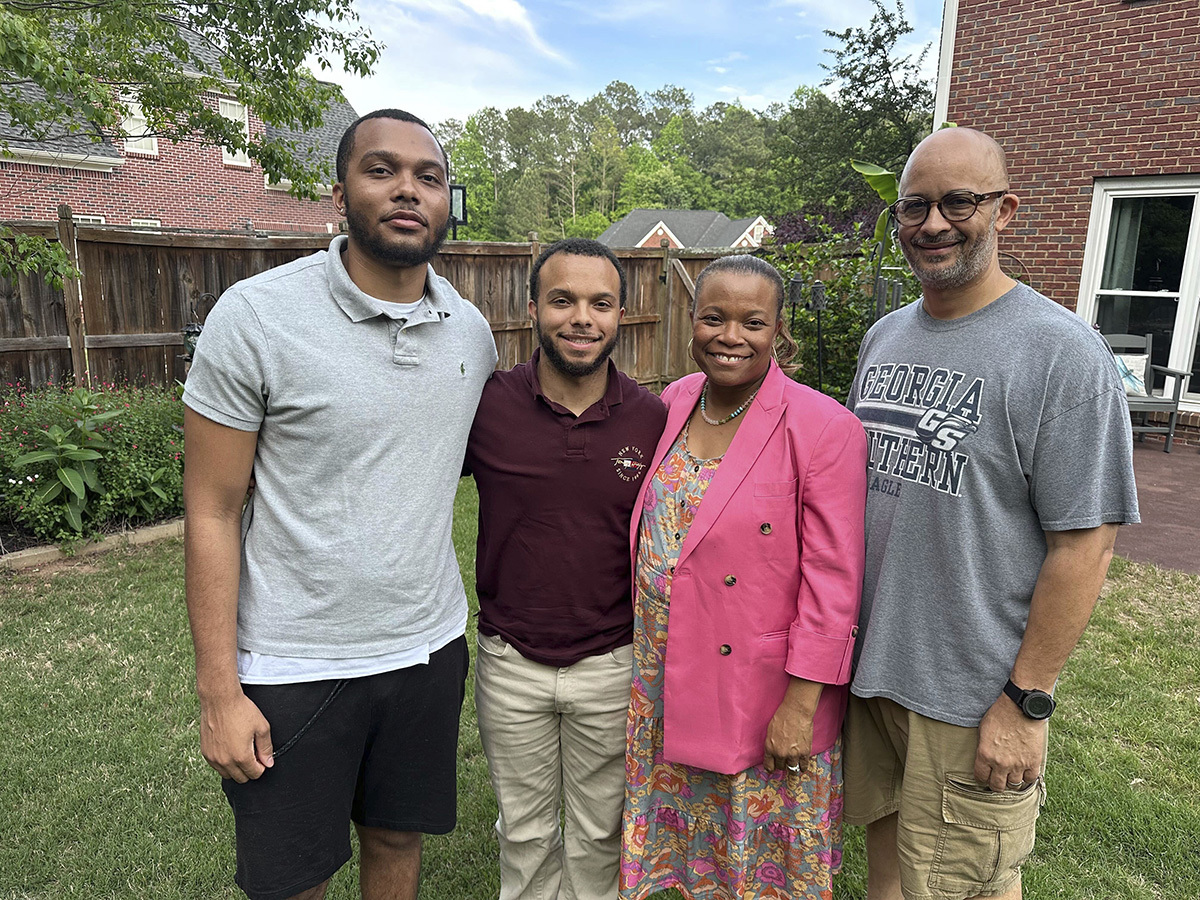
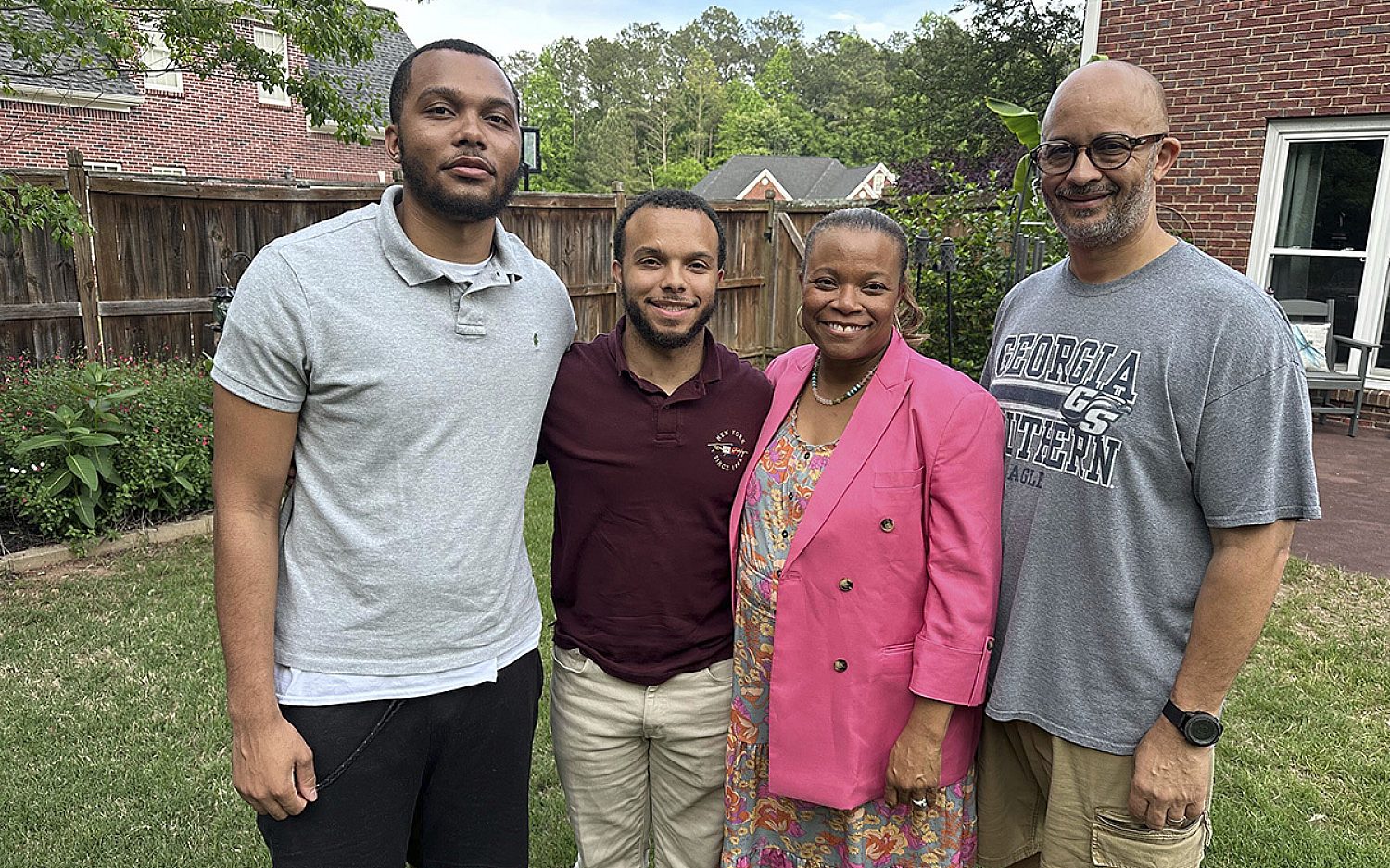
“My accent is nonexistent,” says Ira, Ms. Levine’s oldest son. “People I work with, and even in school, people didn’t believe I was from Atlanta.”
The Southern accent has many variations. These are fading in some areas of the South.
Sometimes outsiders make a big mistake about Southern accents. They think people who speak with them haven’t had good educations. Some young people may avoid speaking “Southern” so others won’t think less of them.
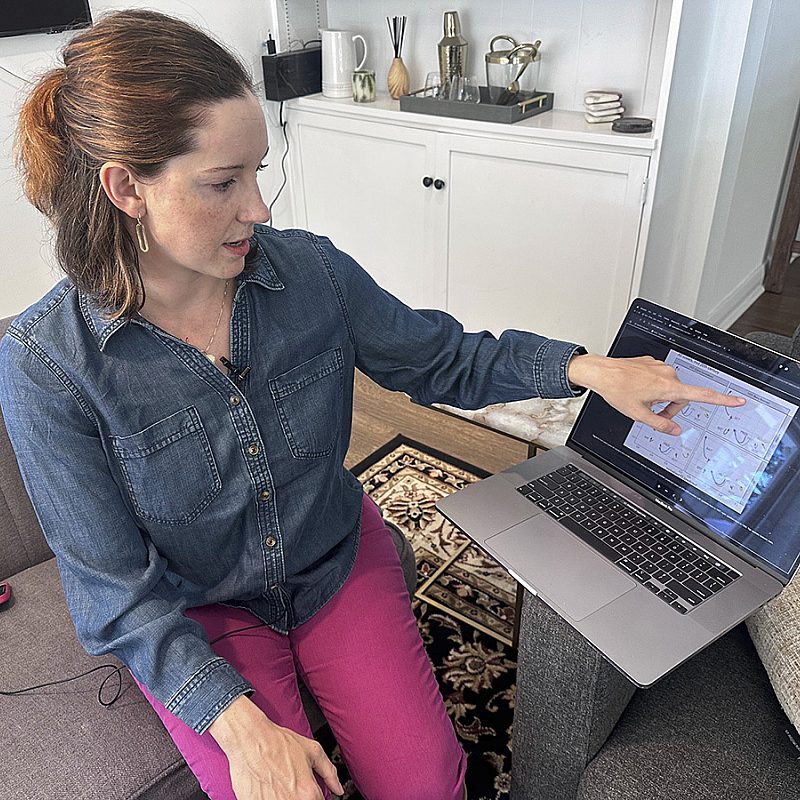
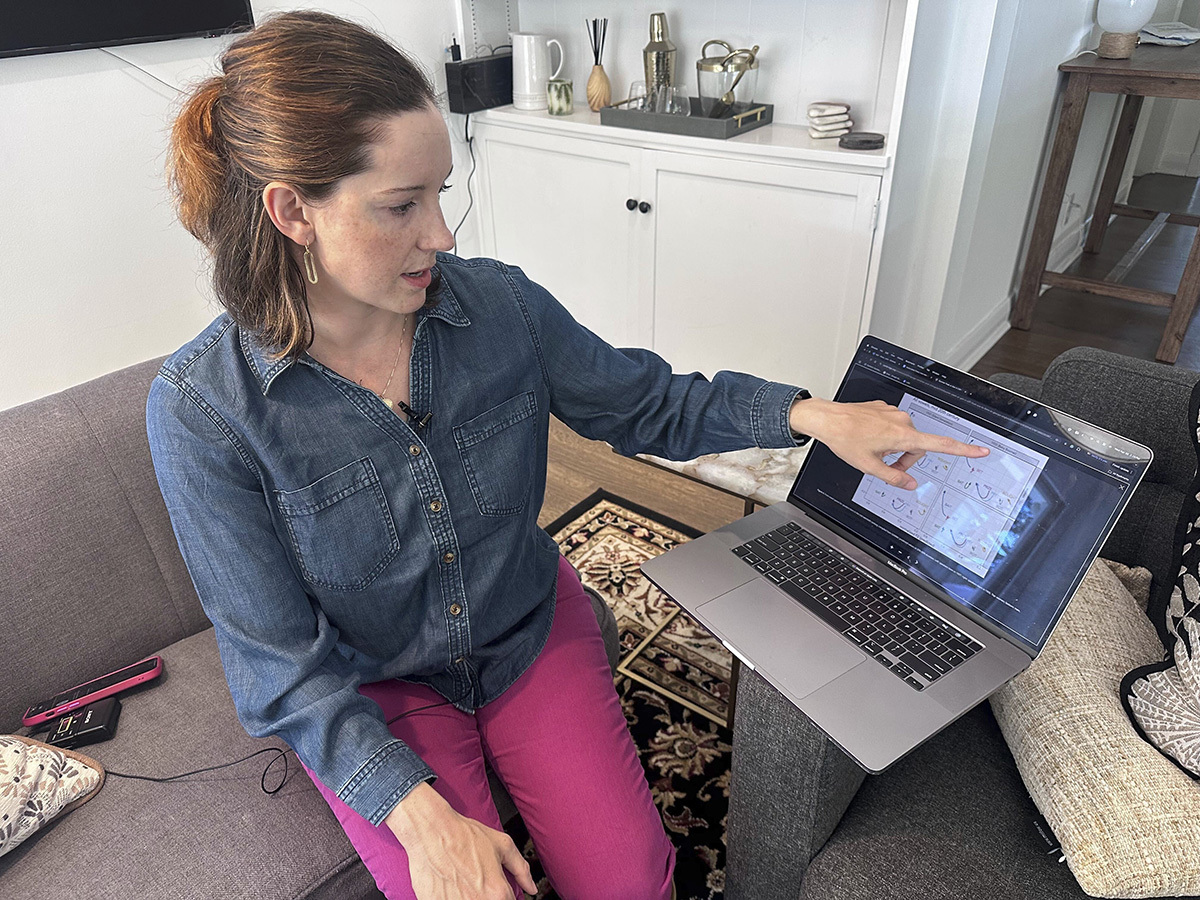
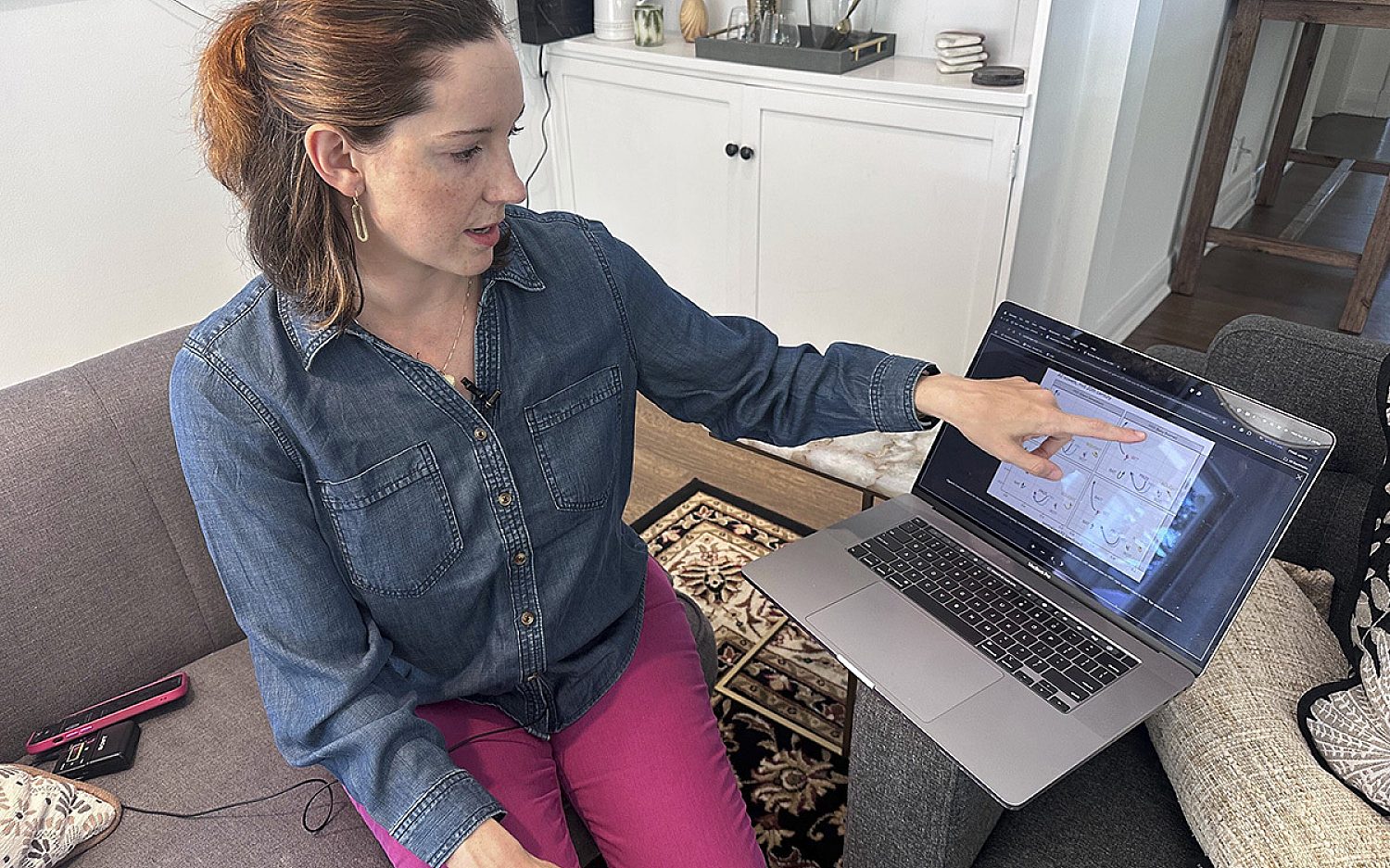
“Young people today, especially the educated young people, they don’t want to sound too much like they are from a specific hometown,” says linguist Lelia Glass.
In Louisiana, Cheryl Wilson Lanier doesn’t want the accent to fade away. She says, “It’s kind of like we’re losing our distinct personality.”
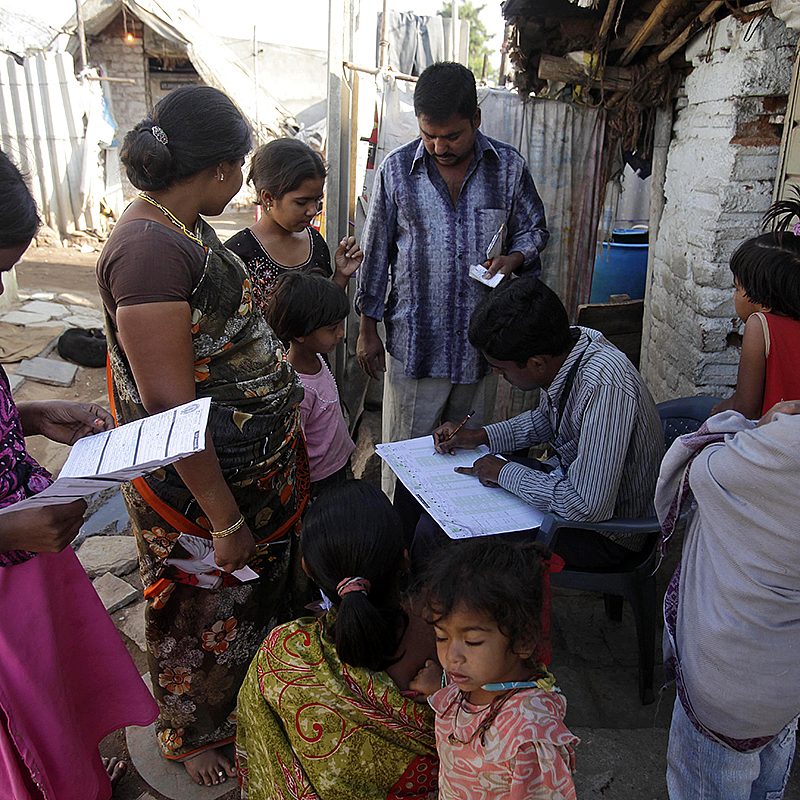
More than 5.8 million people have moved into the U.S. South so far in the 2020s. And people were moving in long before then too. They bring other accents. Many use a “pan-regional” accent. “Pan” means “all.” Region means “place.” A pan-regional accent stretches across many places at once. If Susan was growing up today, she might not sound so different from her New York cousins. No quarters for her!