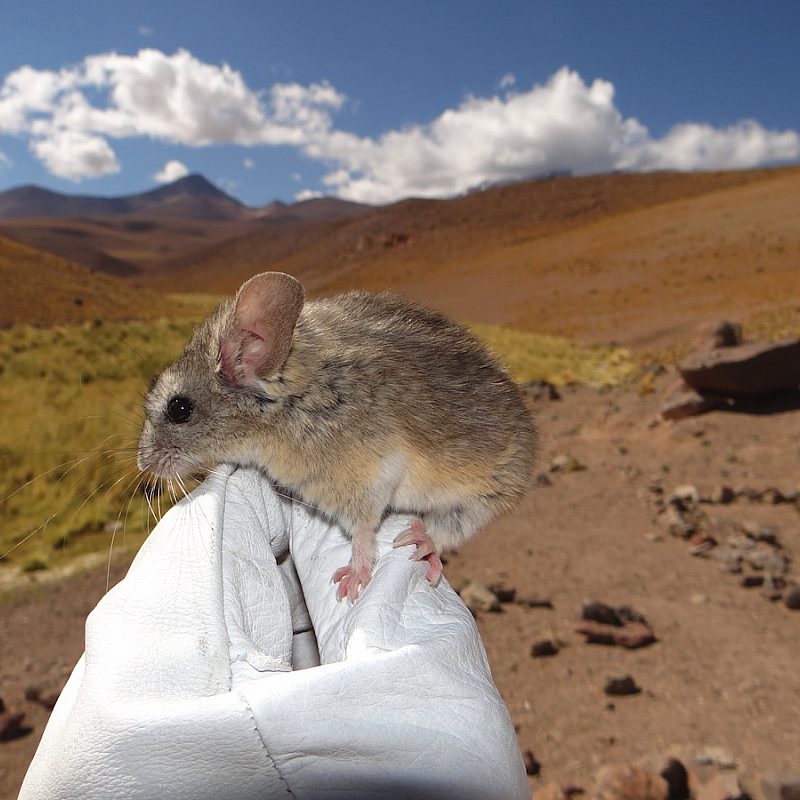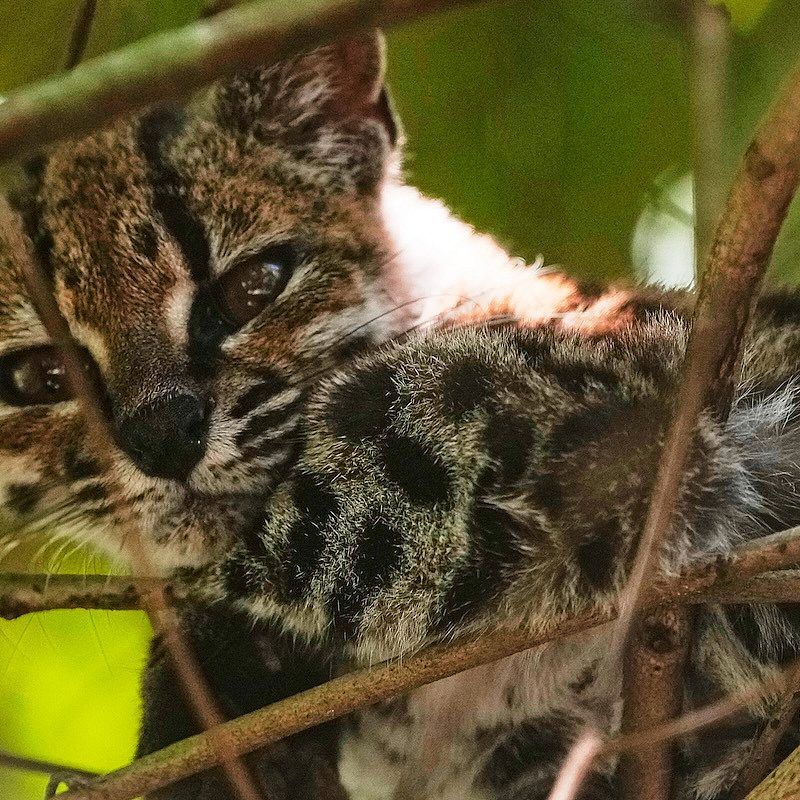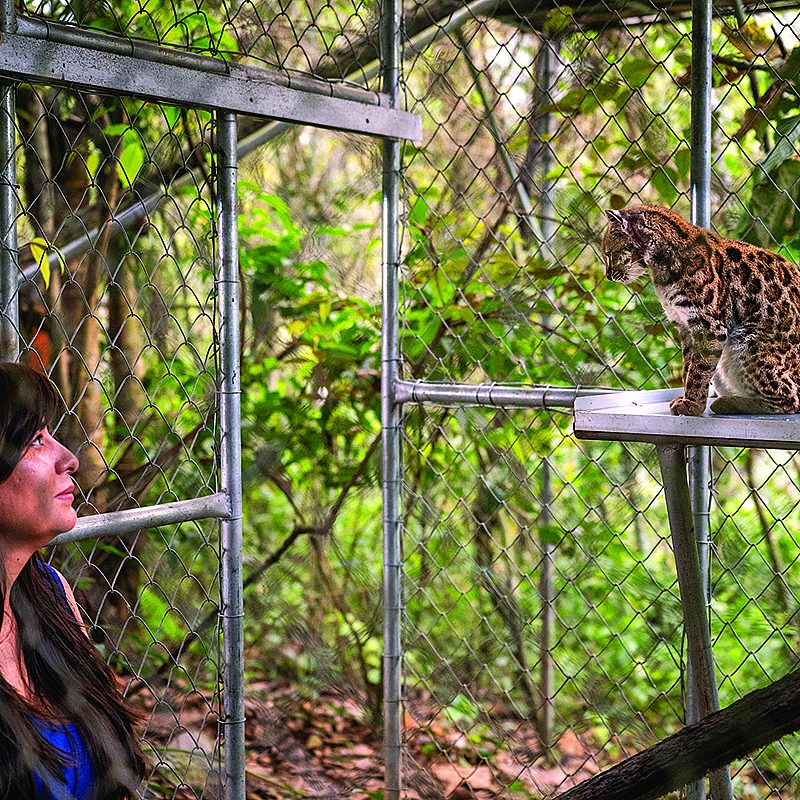

Like the Andean leaf-eared mouse, these creatures endure breathtaking heights and ruthless weather.
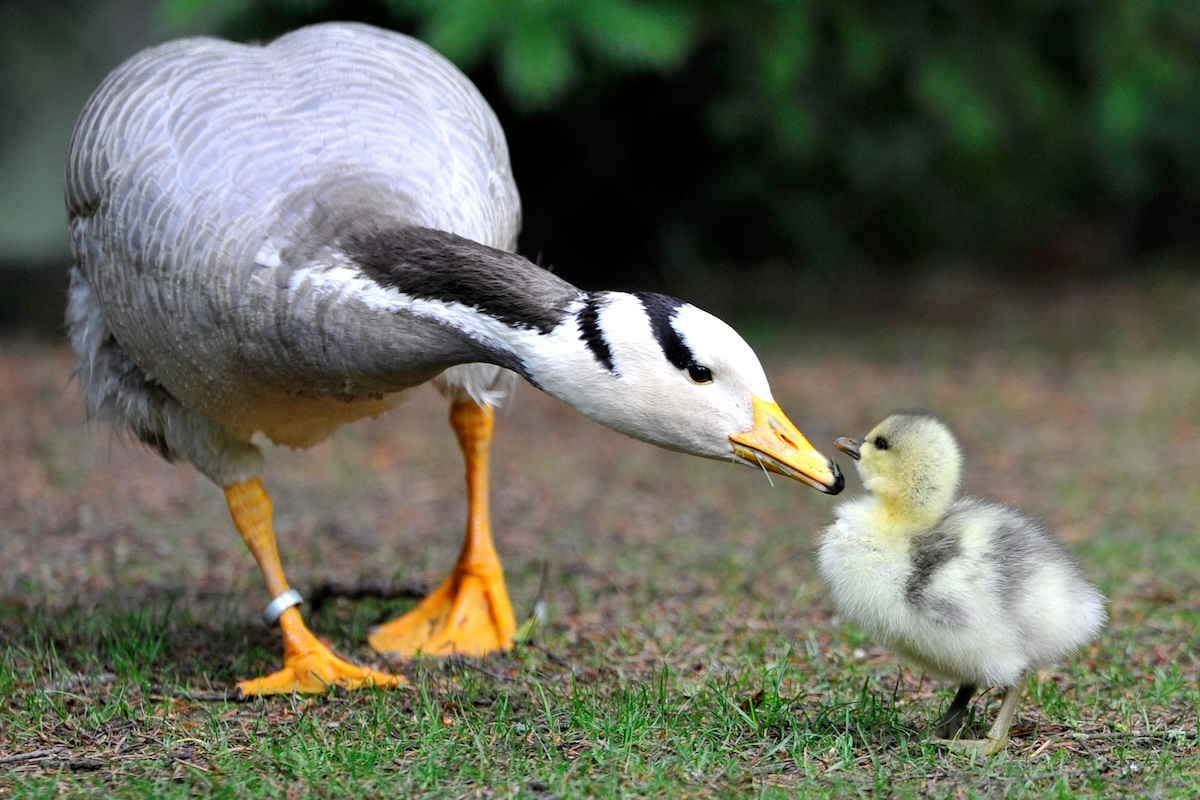
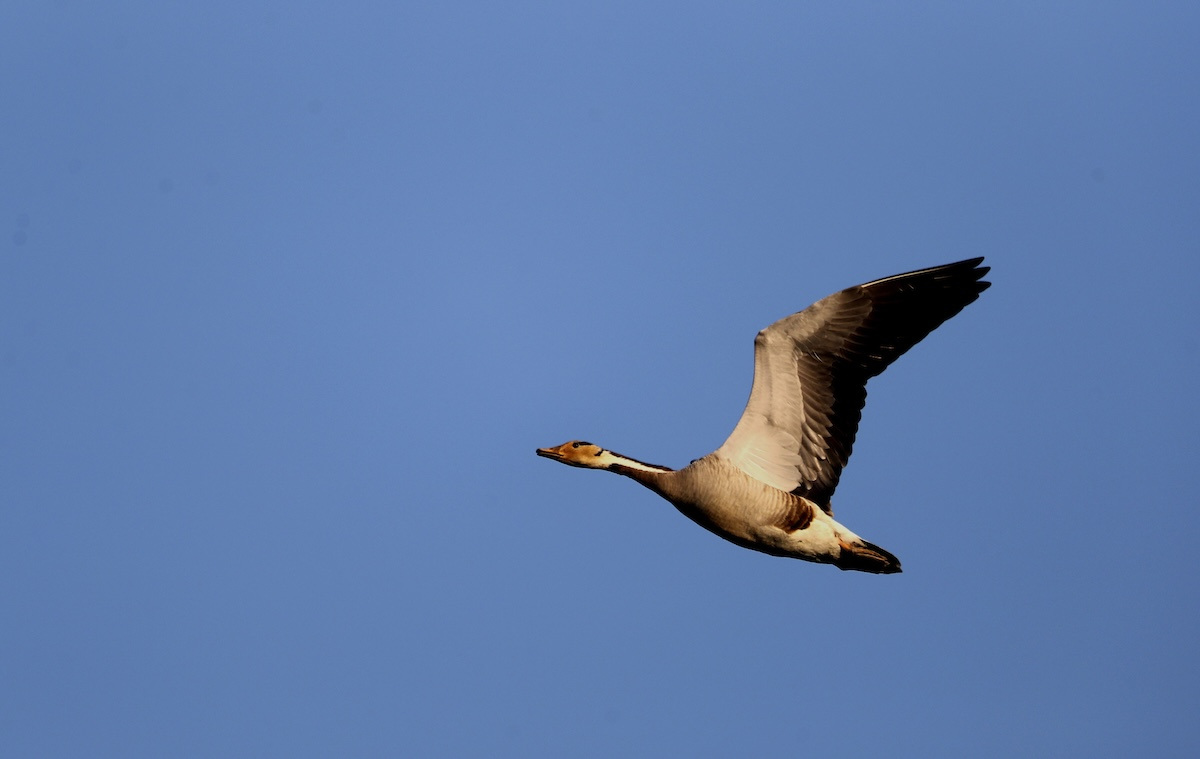
Bar-headed Geese
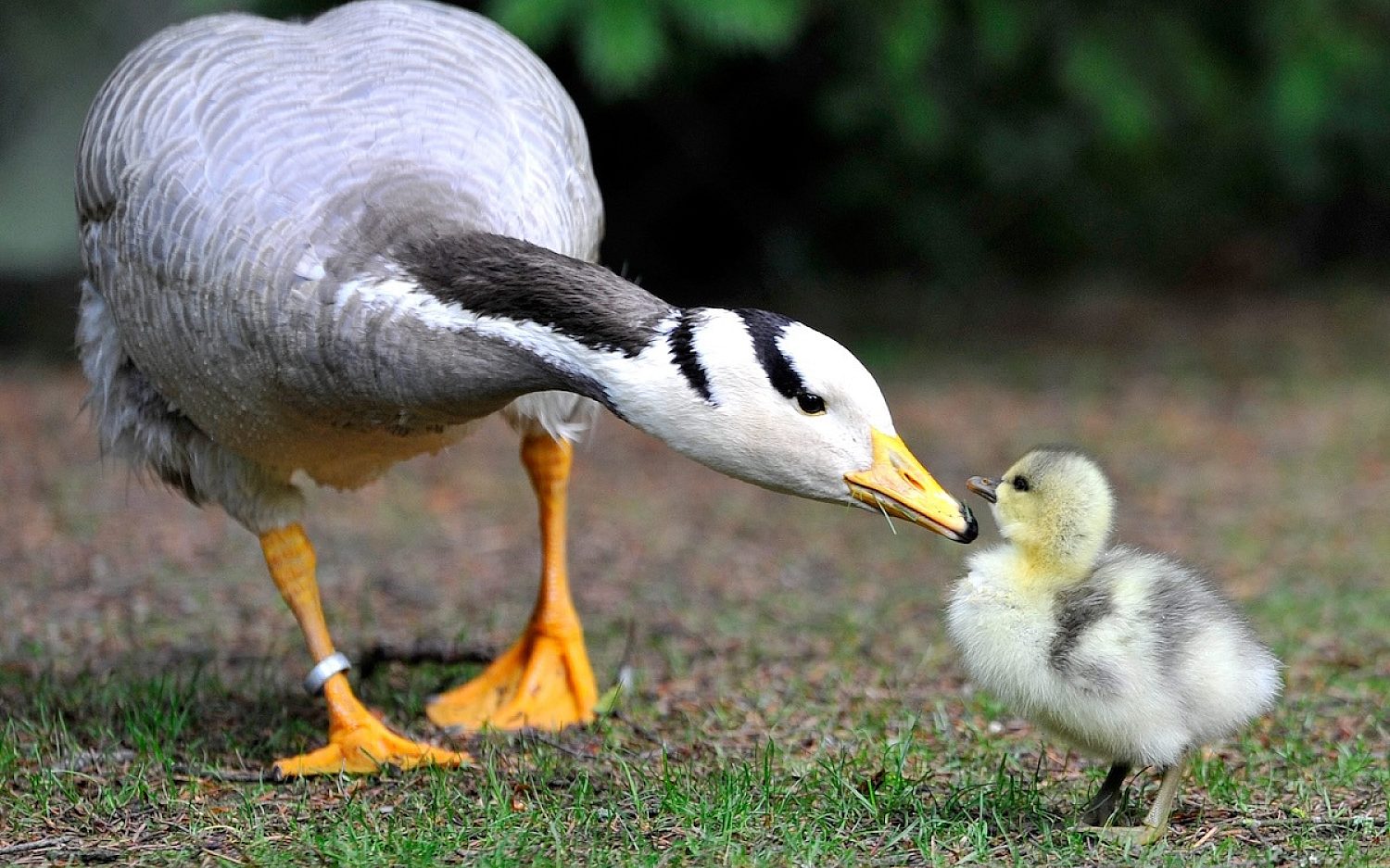
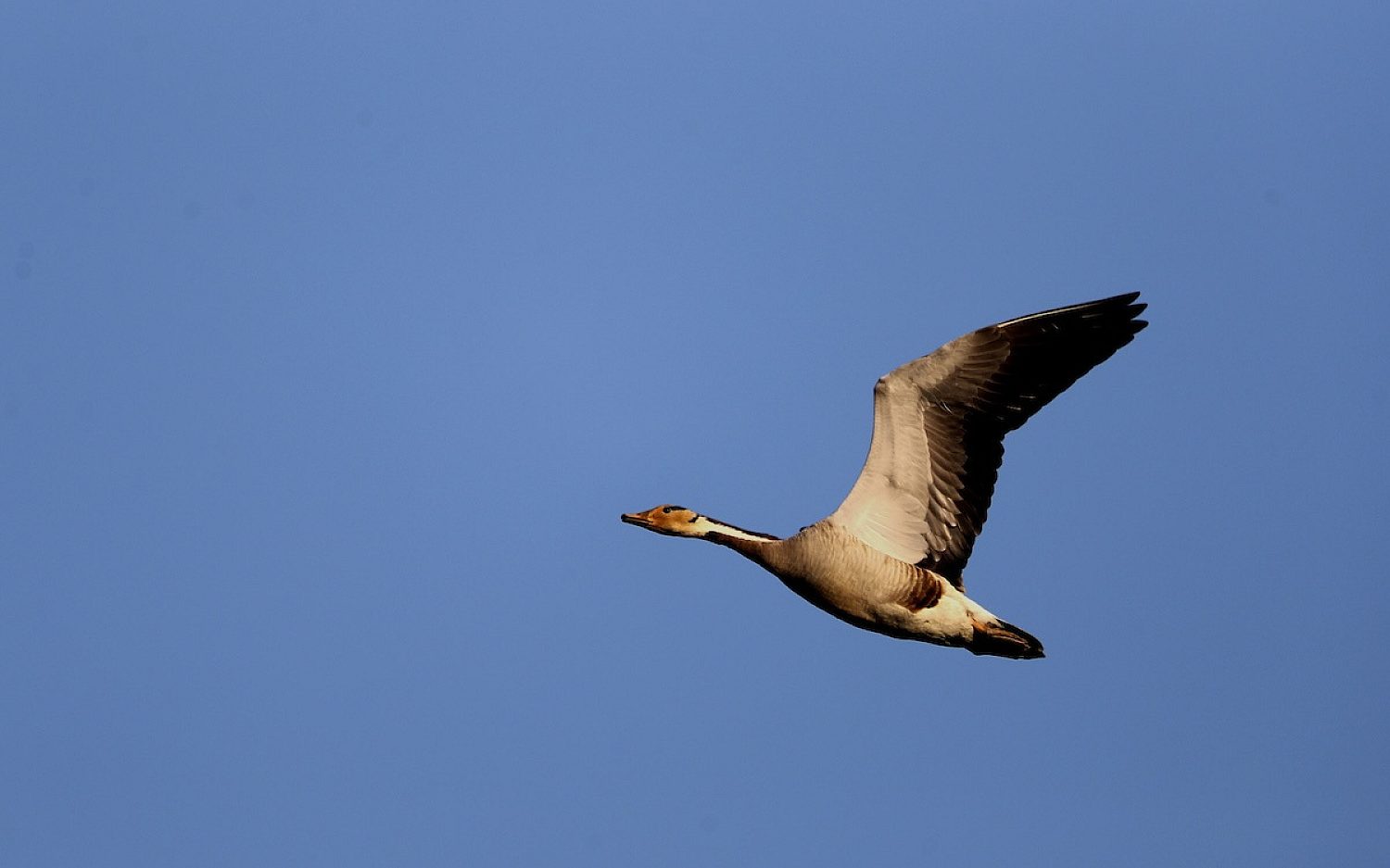
Each spring, large flocks of bar-headed geese fly from India, above Mount Everest (that’s 29,000 feet high!), and on to nesting grounds. They land near mountain lakes in Tibet. The birds can encounter winds of more than 200 miles per hour. Constant flying generates body heat. The birds’ down feathers hold the warmth. That keeps ice from building up on their wings. They also have a unique kind of hemoglobin in their blood. It helps them absorb oxygen faster than other birds.
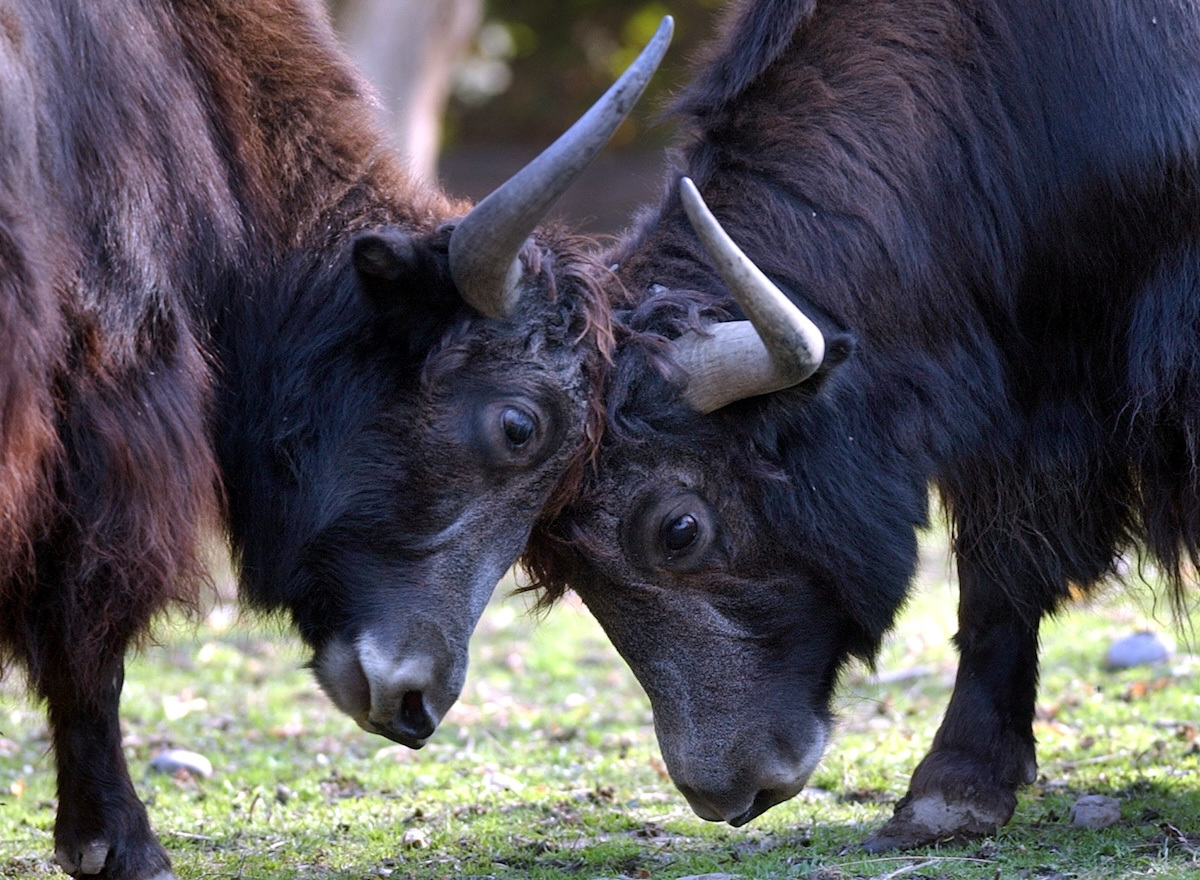
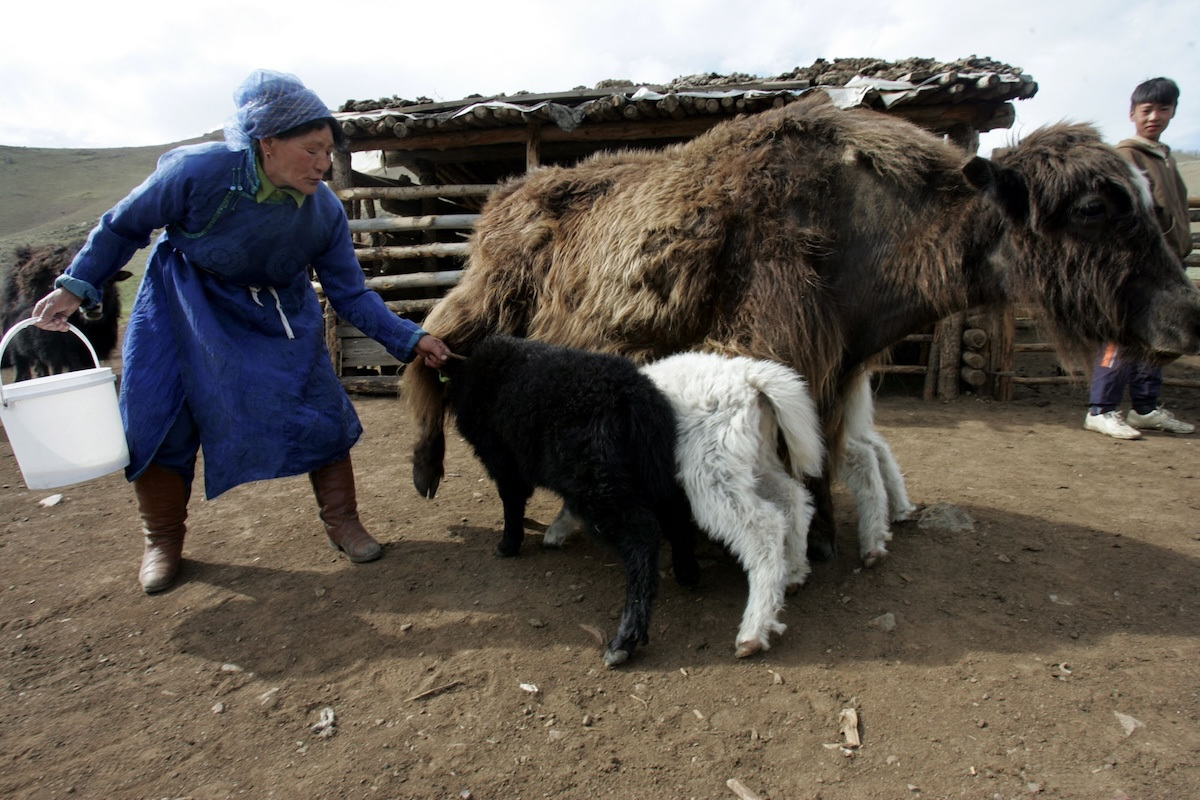
Yaks
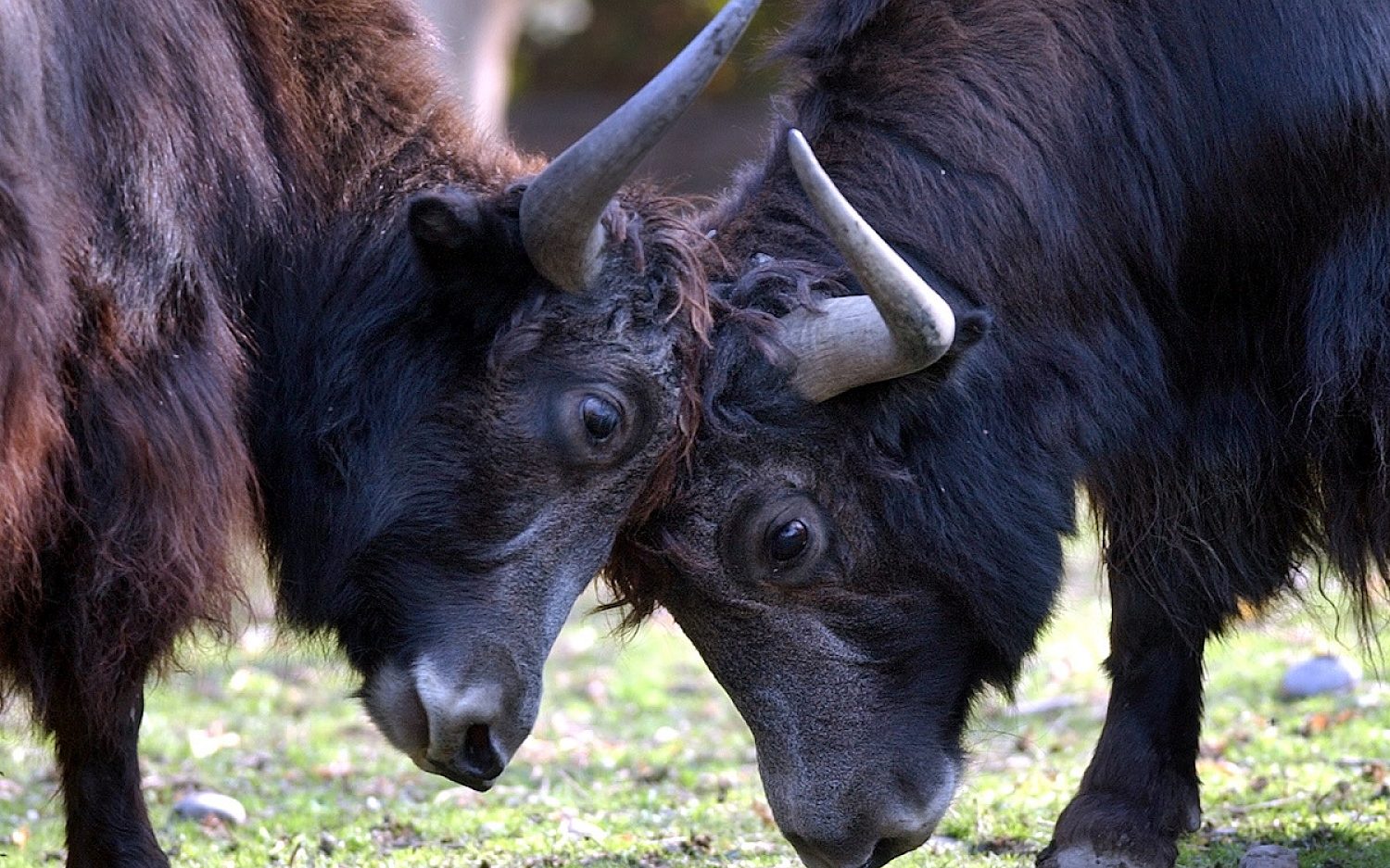
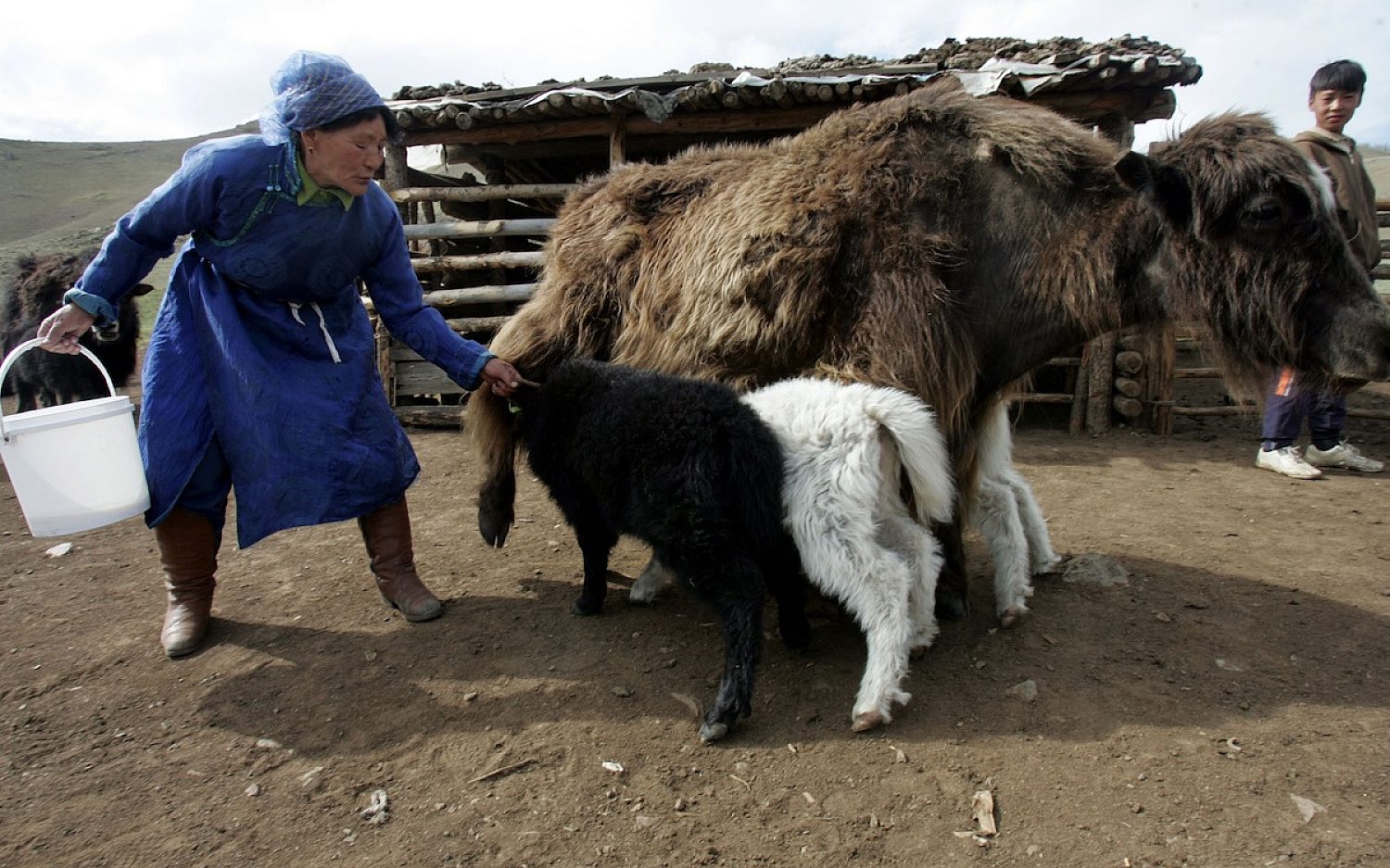
Yaks roam in Central Asia, Mongolia, and Nepal at 14,000 to 20,000 feet. Their lung capacity is about three times that of cattle. They also have more red blood cells. These help them better transport oxygen. Yaks’ dense fur and few sweat glands help them thrive in cold. Their horns push away snow so they can reach grass. Yaks also eat moss and lichen. In a thirsty pinch, they eat snow. People use yak milk for cheese and butter. Fun fact: Yaks don’t moo. They make a grunting squeak.
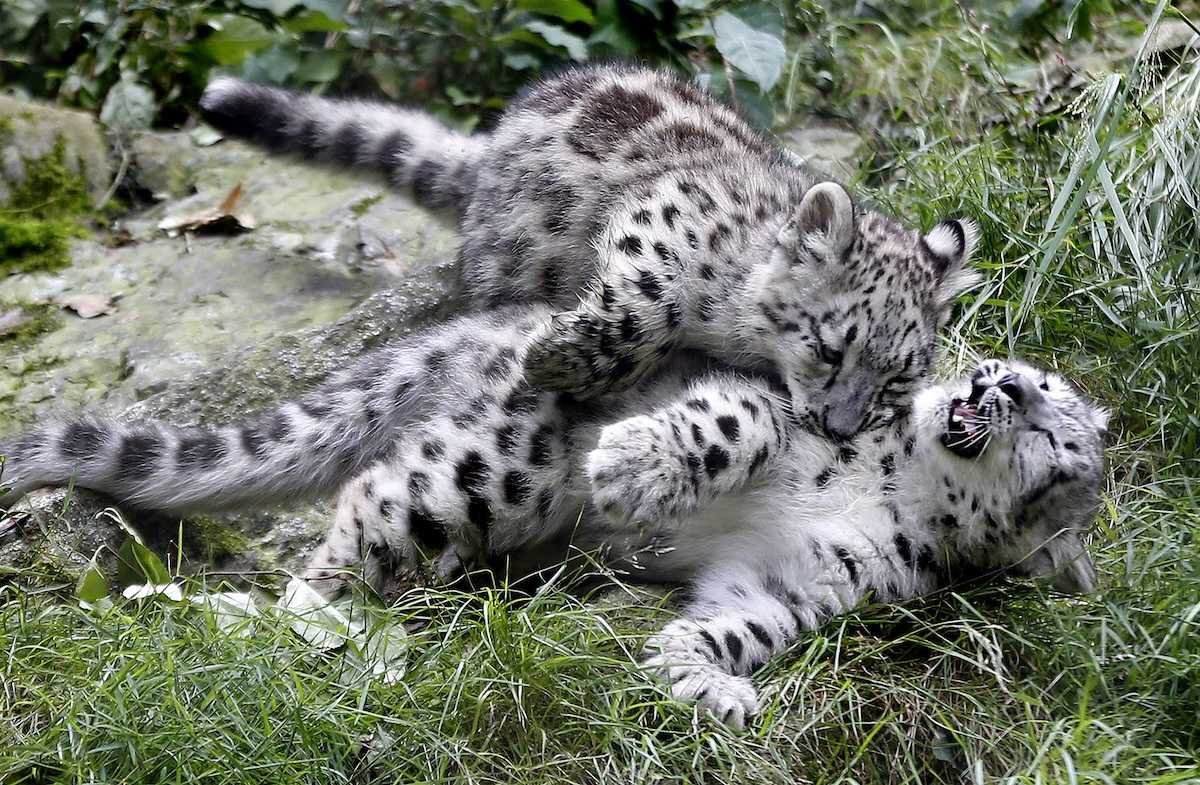
Snow Leopards
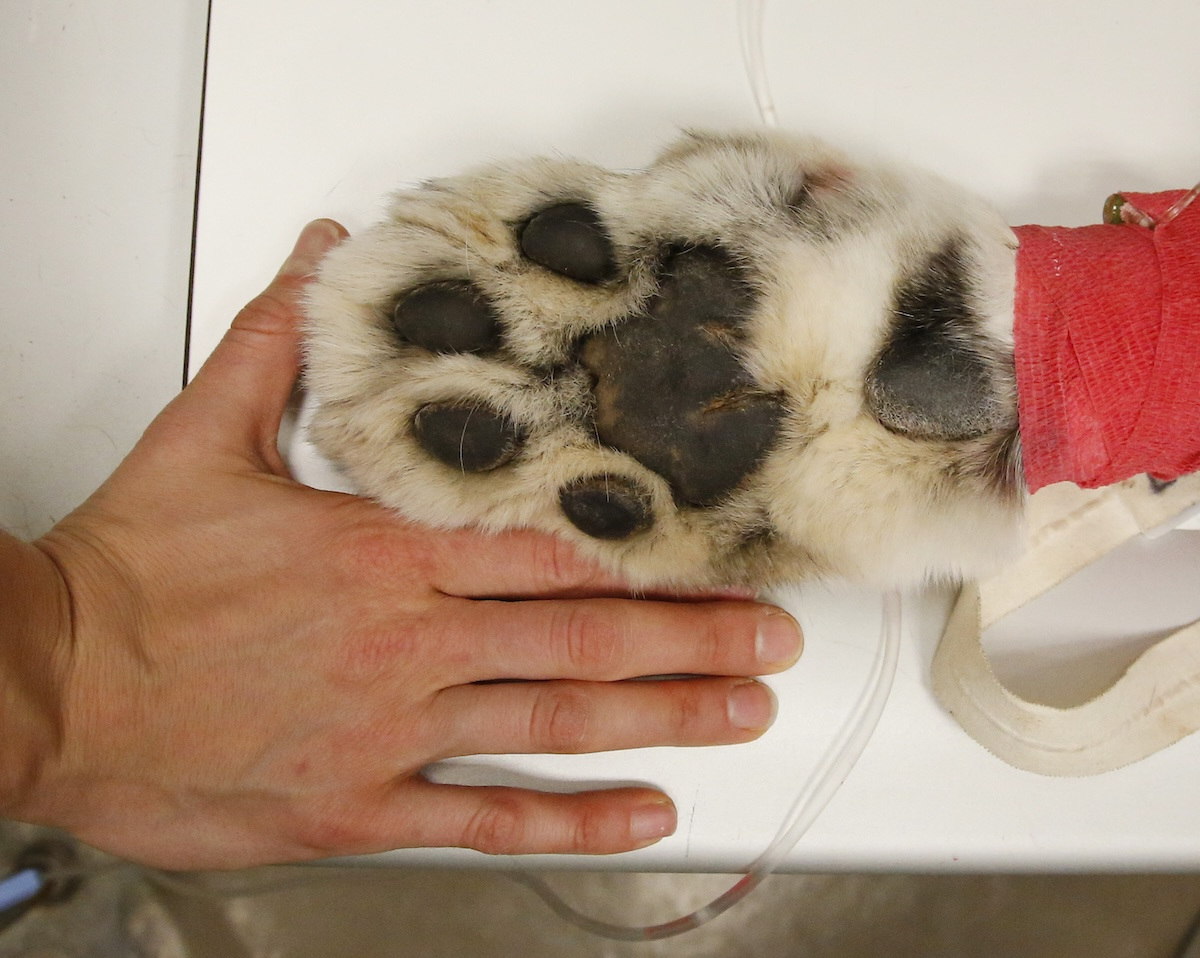
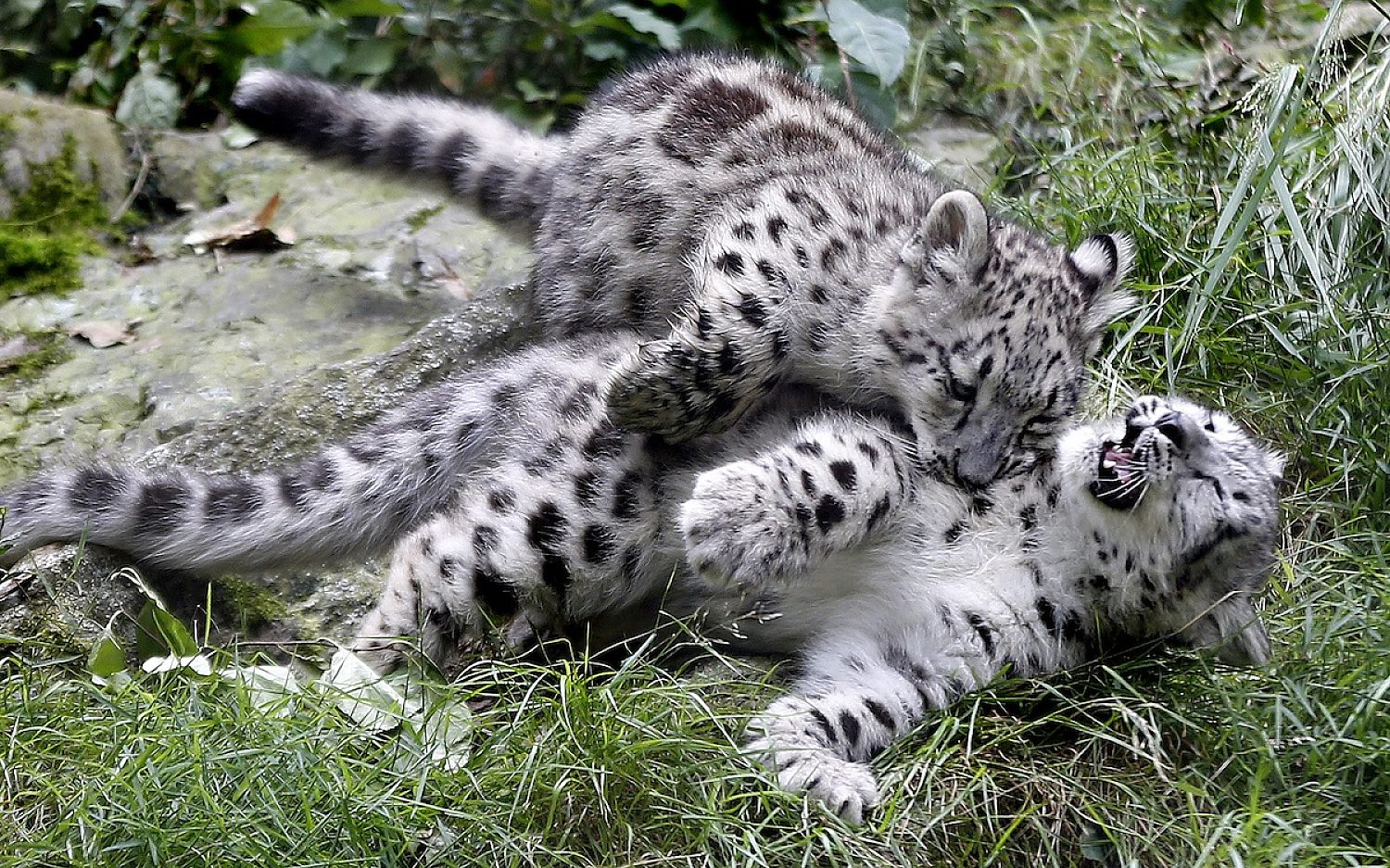
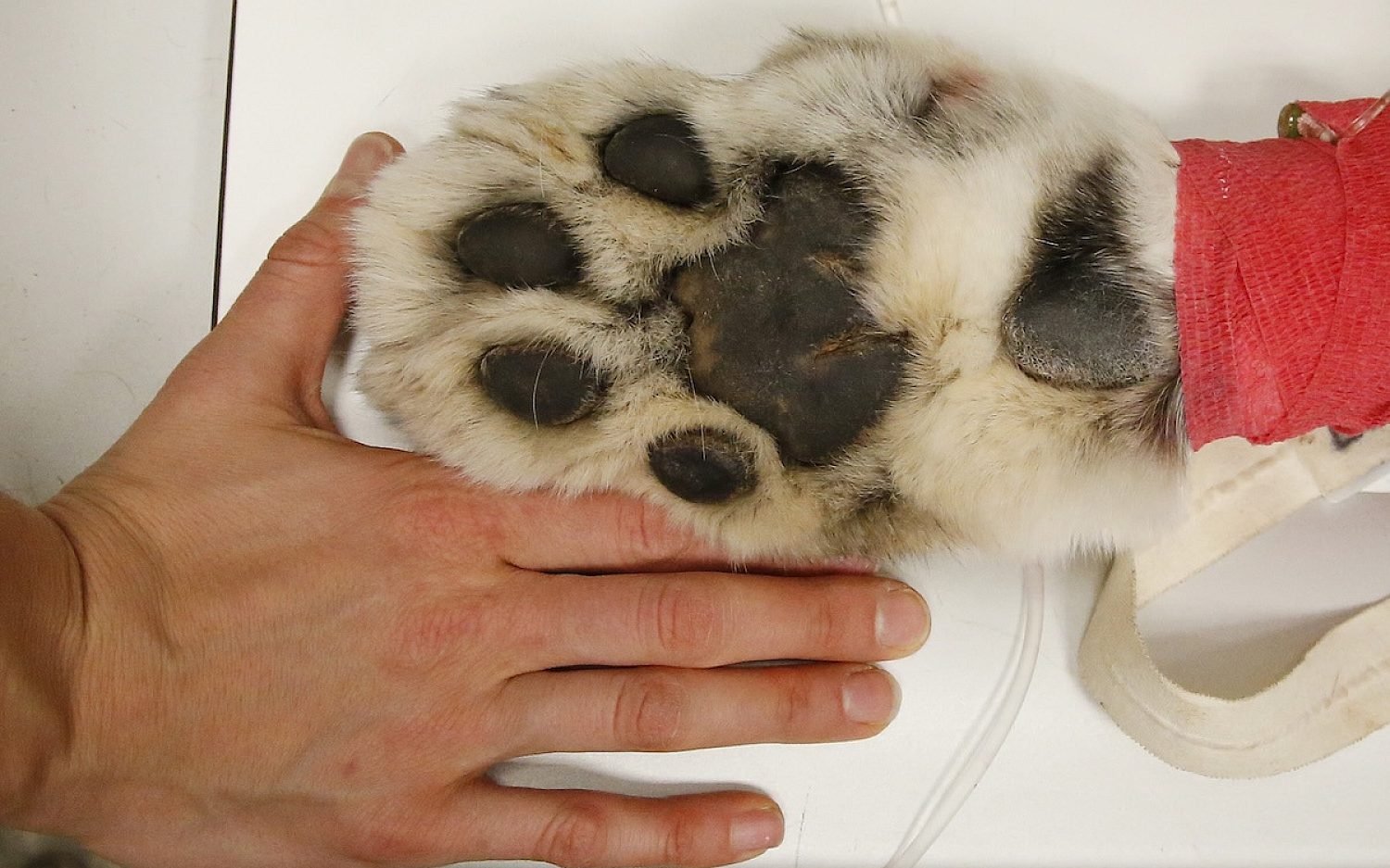
Snow leopards live in central Asia’s mountains. They stay at altitudes up to 18,000 feet. Their spotted fur helps them blend in with rocky terrain. These solitary nomads have huge paws that keep them from sinking into snow. Short, round ears reduce heat loss. Wide, short nasal cavities warm air before it reaches their lungs. Long tails aid with balance and wrap around their bodies for heat. Snow leopards eat wild sheep and goats. These cats purr, mew, hiss, and make a puffing sound called a “chuff.”