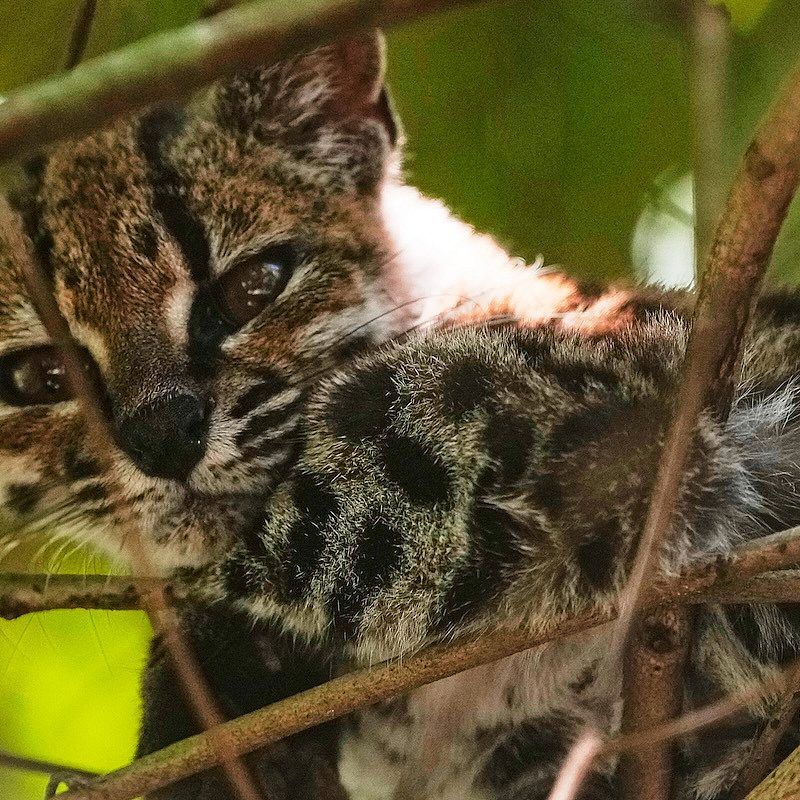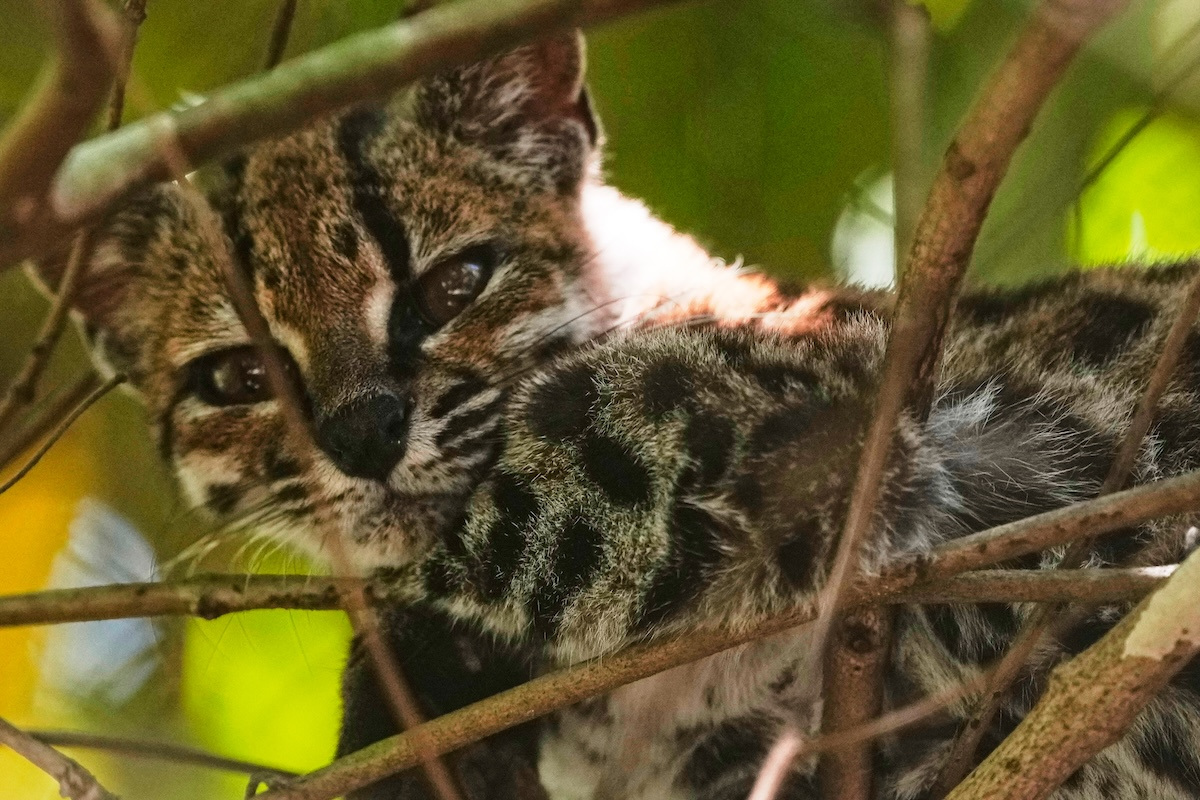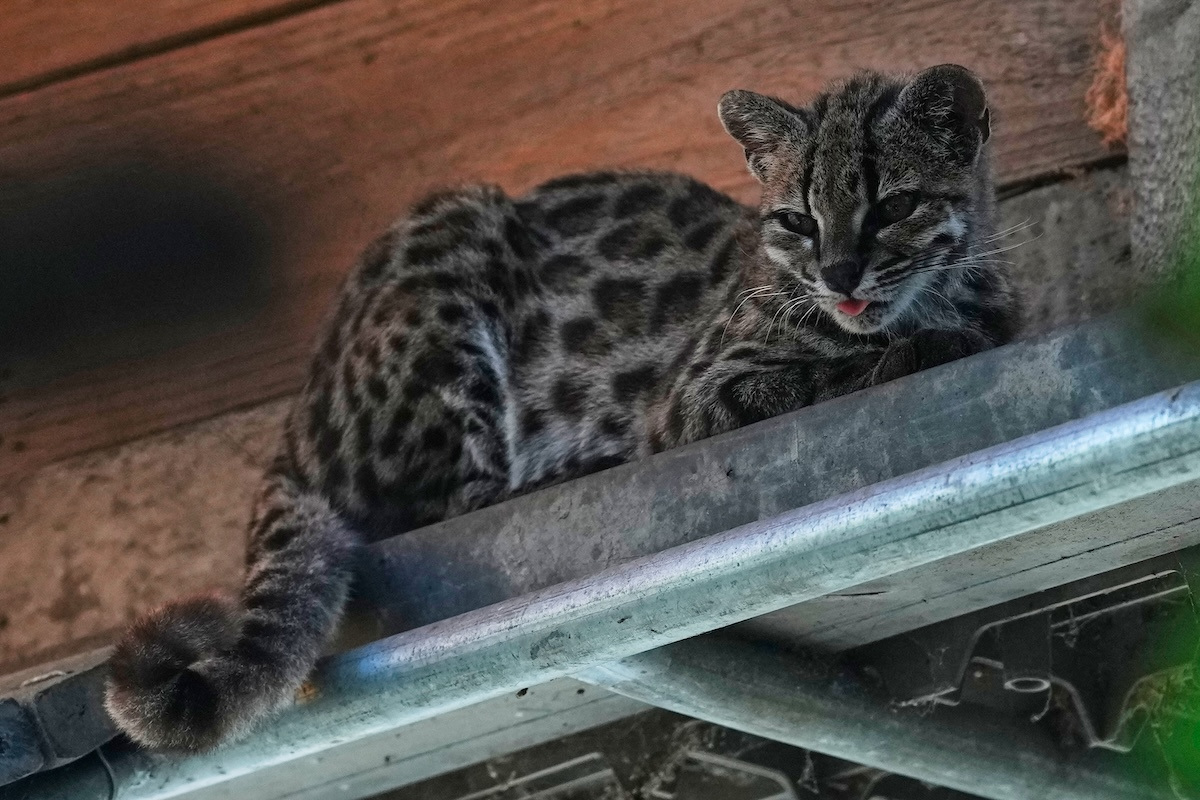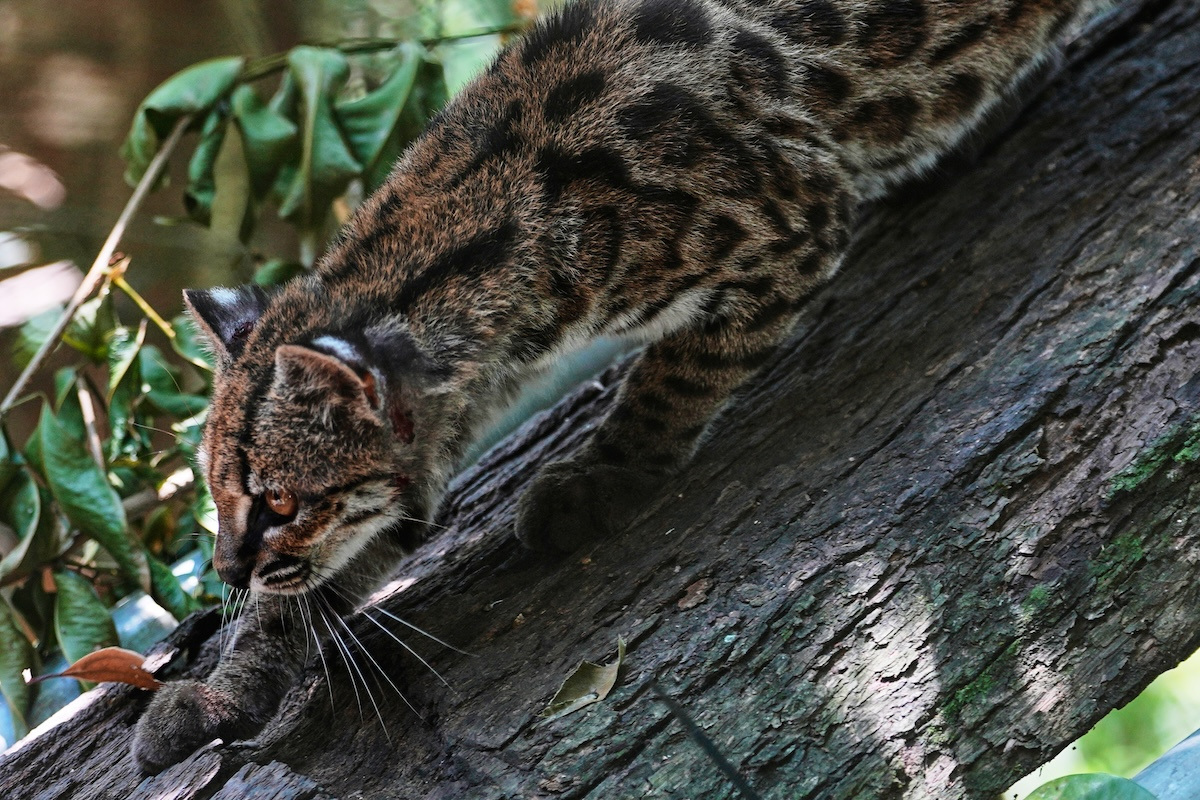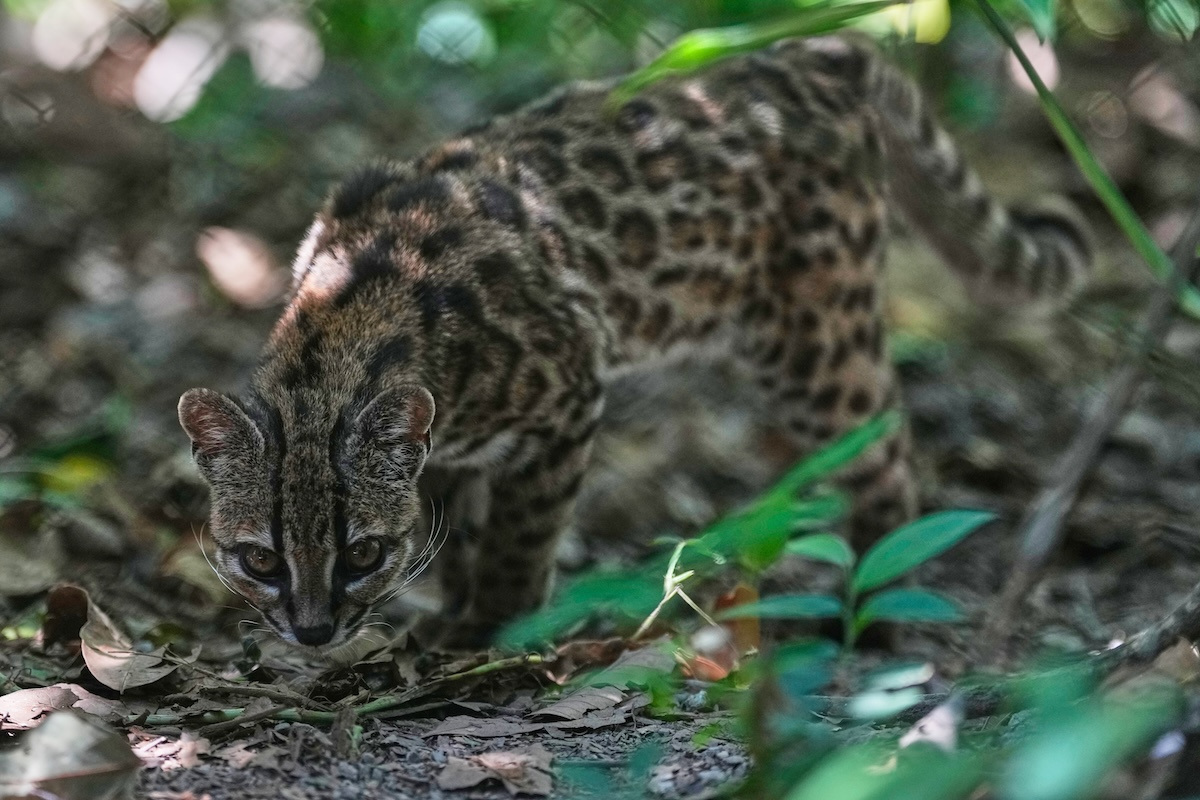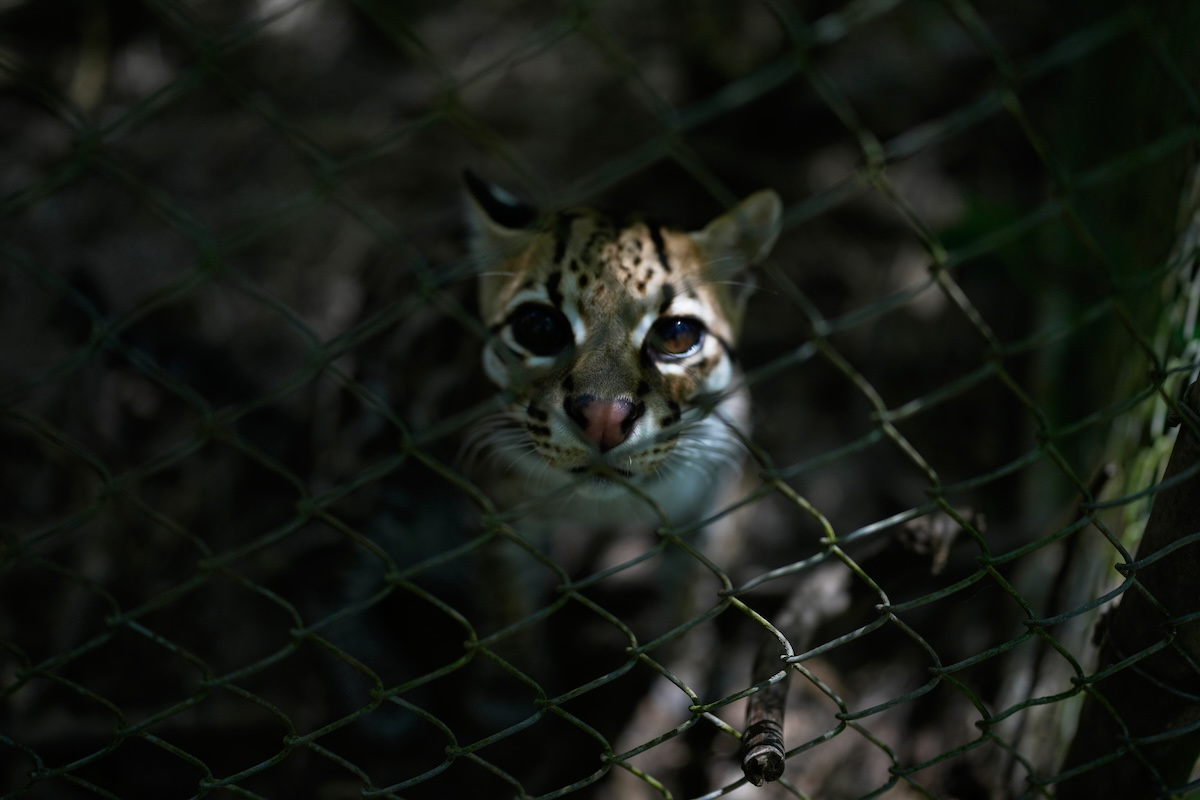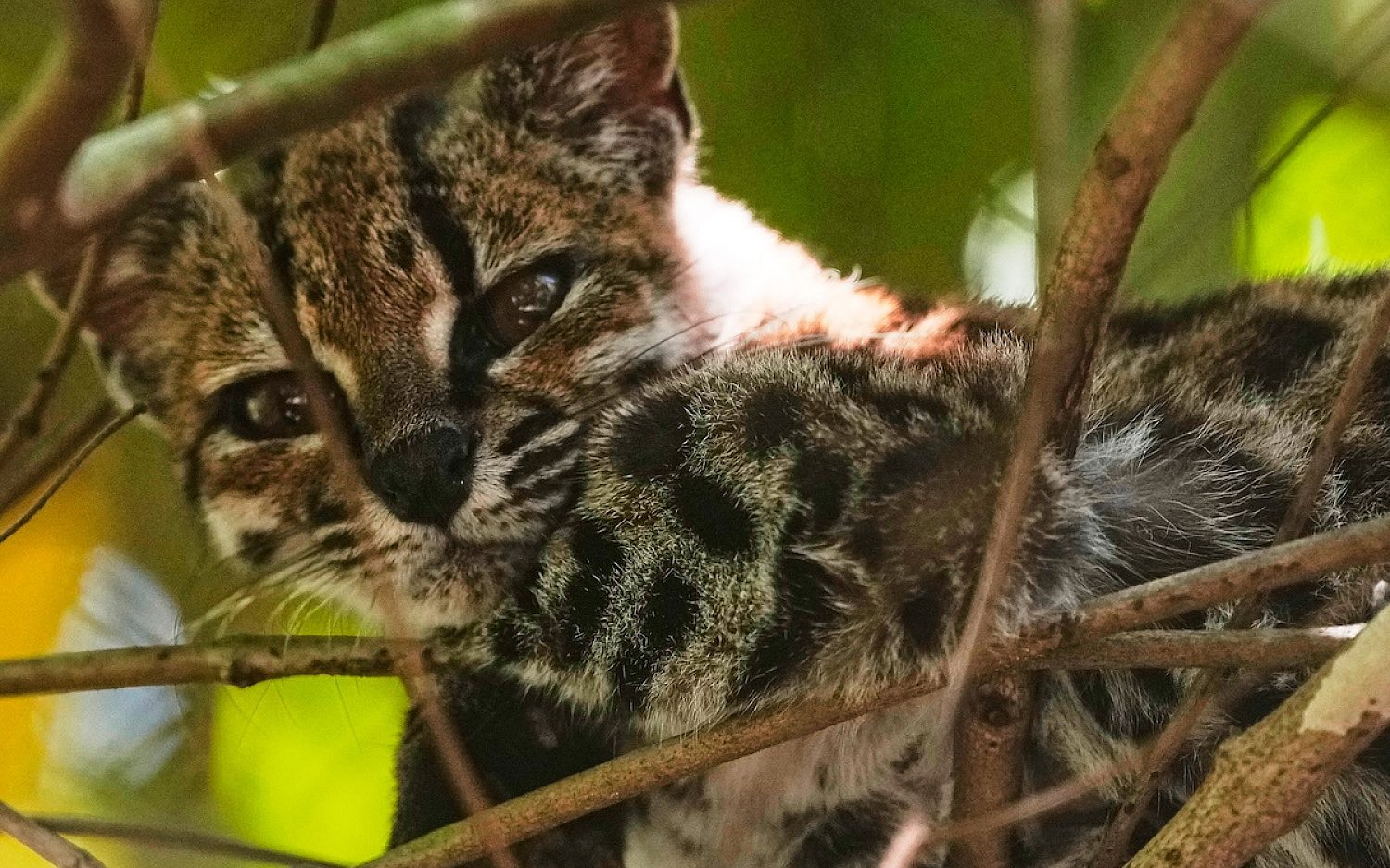
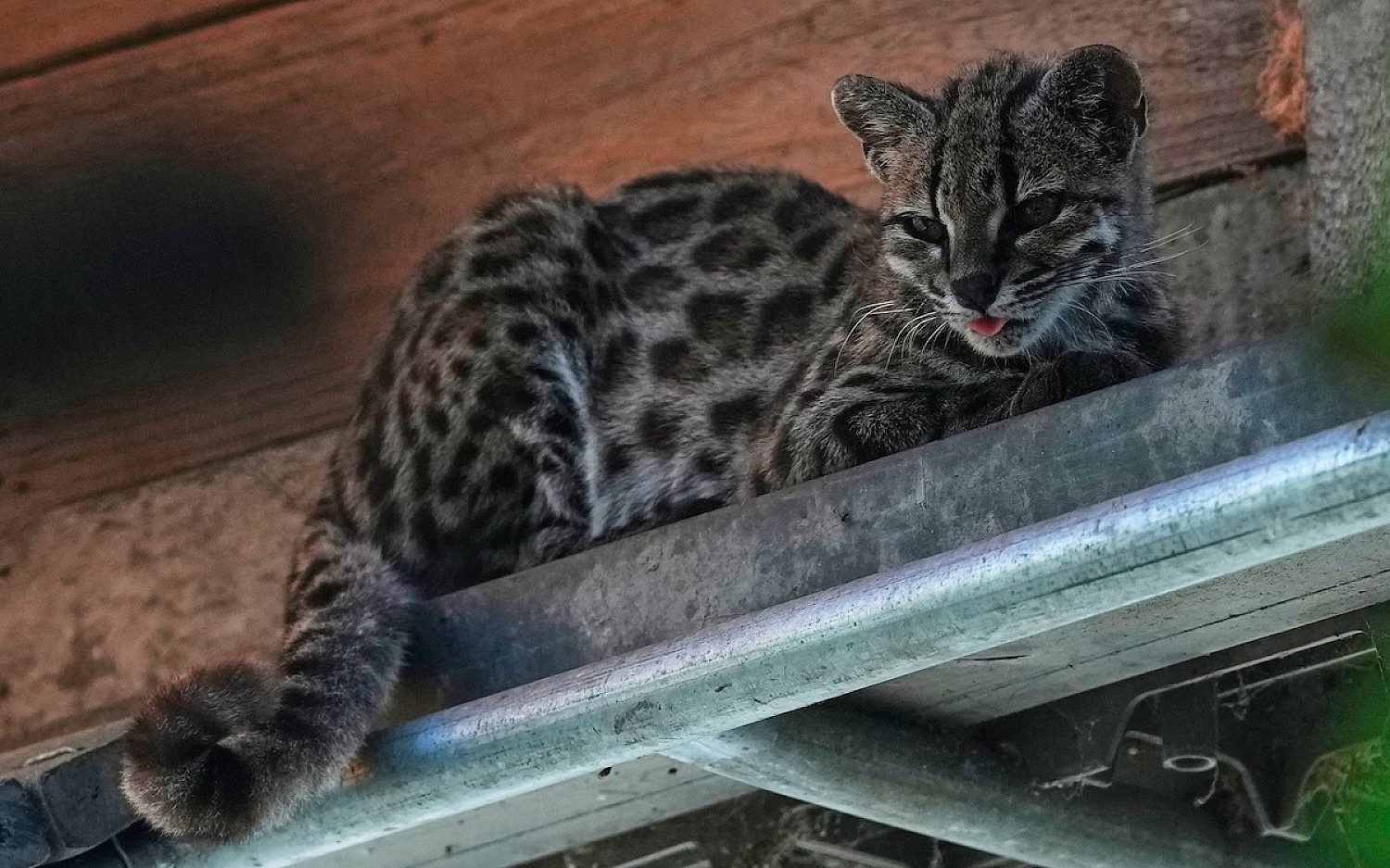
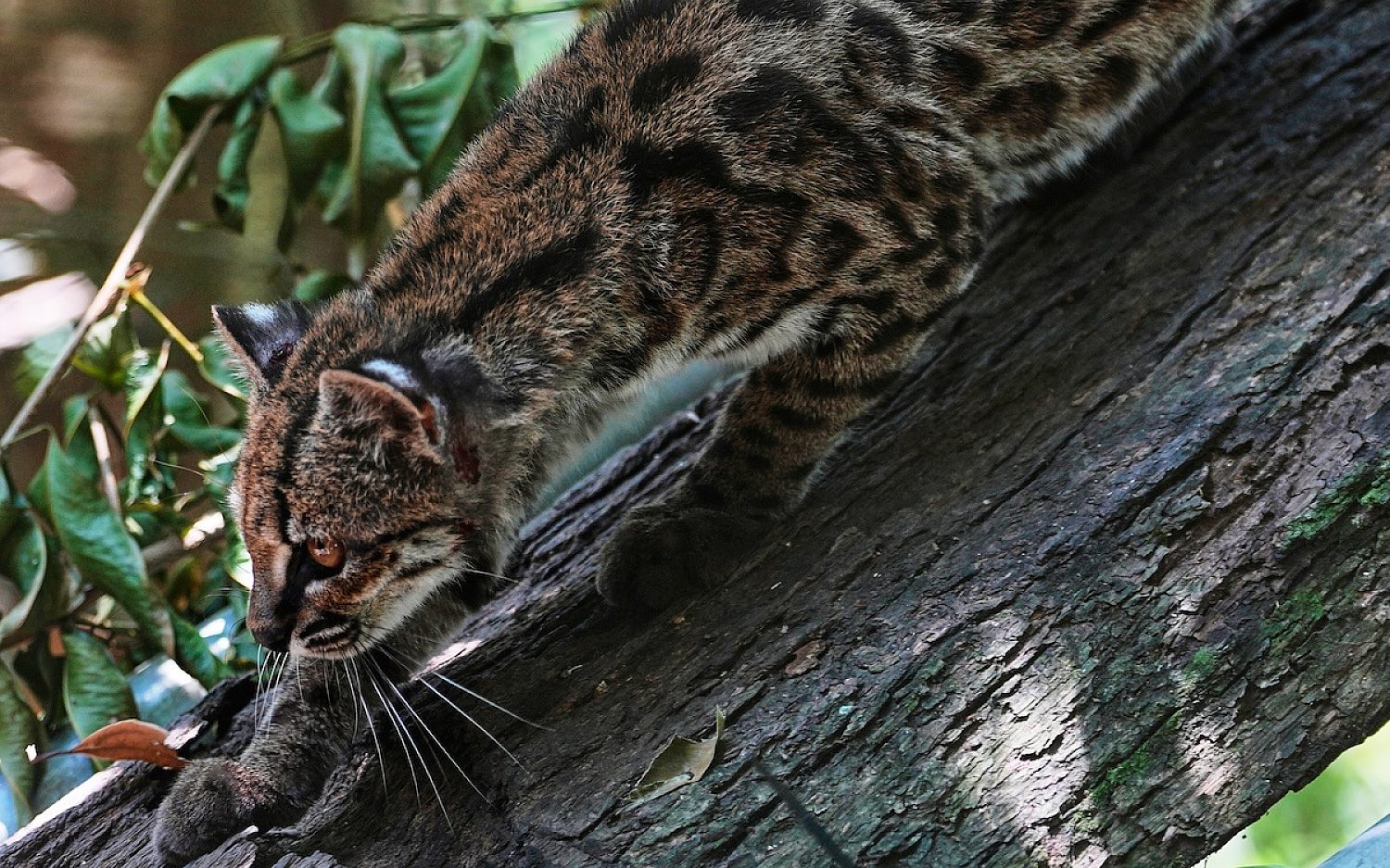
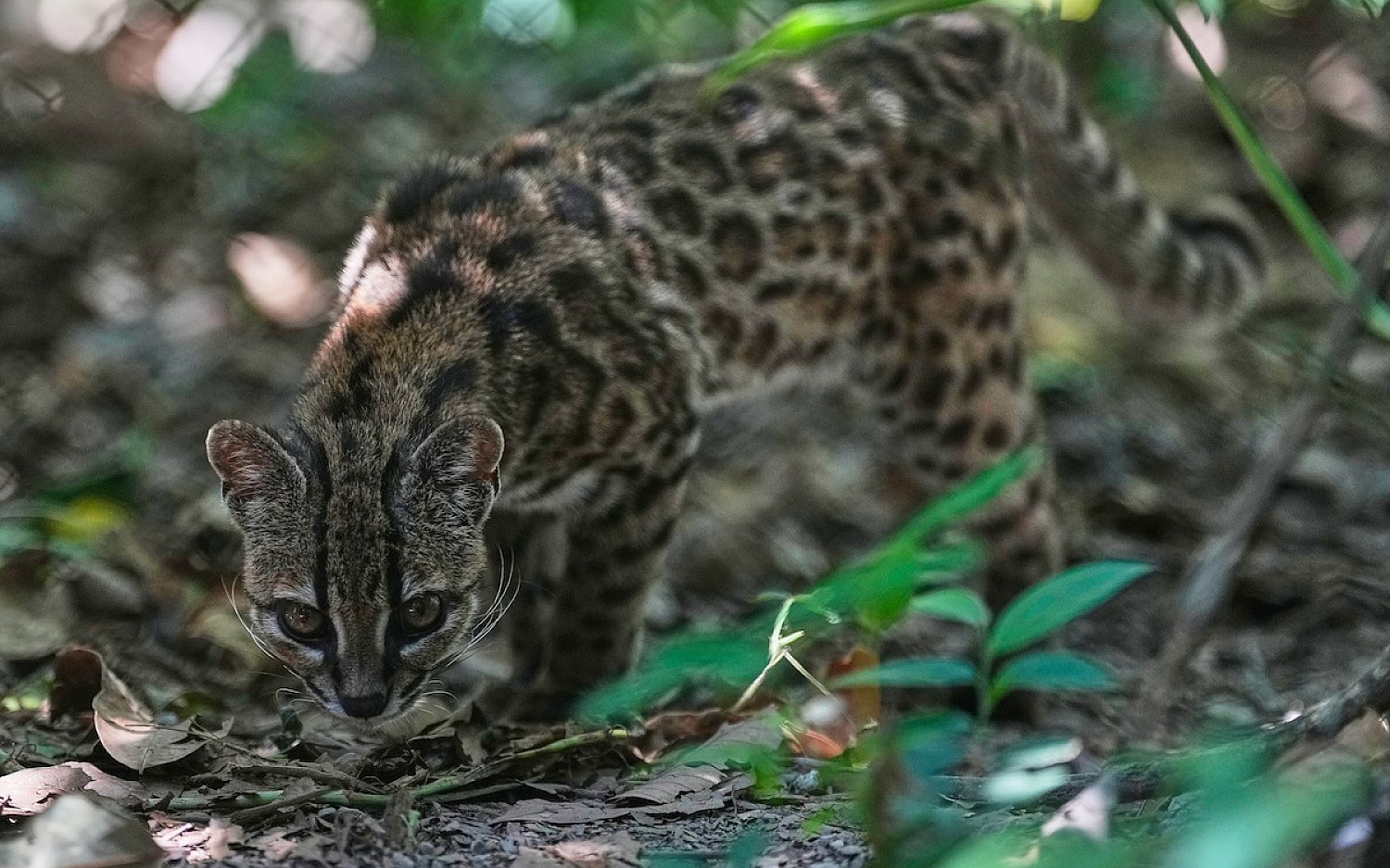

You wouldn’t call this kitty a tiger. It’s smaller than a housecat! But you could call it a tiger cat. Tiger cats live across much of South America. This little one, though, has never before been identified. It belongs to the first new cat species discovered in over a century.
The species lives in Bolivia’s cloud forest. Locals call it tilcayo. The feline measures about 18 inches long. It weighs only around three pounds.
How did researchers know the cat didn’t belong to a known species? They studied its genetic material. Then they gave it a scientific name: Leopardus tilcayo. Animals in the same species have the same kinds of traits. They can have babies together. At least five species of tiger cat exist. Tilcayo is just one of them.
“Its fur is light brown . . . with irregularly shaped rosettes across its body,” says National Geographic explorer Paola Nogales-Ascarrunz. She is an author of the study that describes the new cat.
We don’t know much about the cat’s biology and lifestyle . . . yet. Researchers did study the cat’s scat. They found bits of small rodents. They also looked at camera evidence. It shows the species might be more active at night.
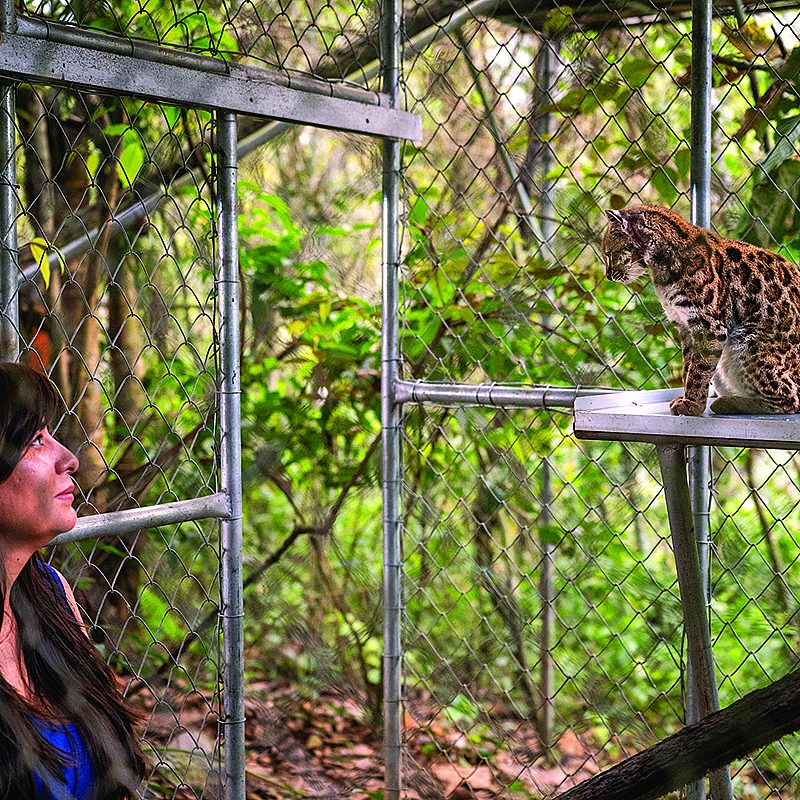
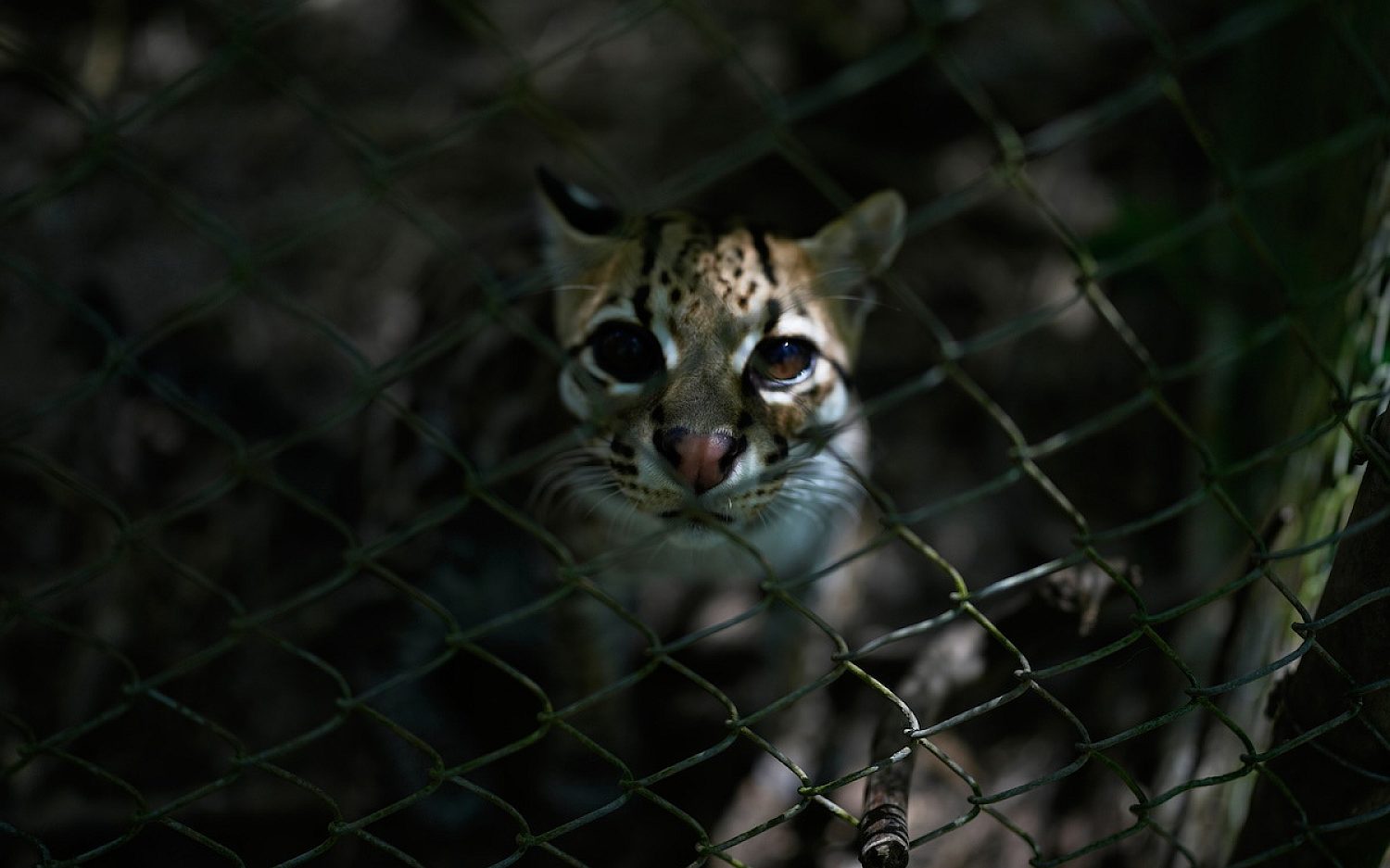
This tiger cat used to live in a house with humans. Now he lives in a wildlife sanctuary. And he has a nickname: Tigrino.
Folks are thrilled to hear of a new cat species. But Tigrino doesn’t seem to like the attention. He gets stressed easily. Caretakers at the wildlife sanctuary near La Paz keep him out of public view. He occasionally pokes his head out from his shelter. He sniffs the air. Then he slips back into the foliage.
Why? People are still catching up with God’s vast creation. He has given us much to explore and learn.
Recommended Reading: For more about unique felines, read The Catwings by Ursula Le Guin.