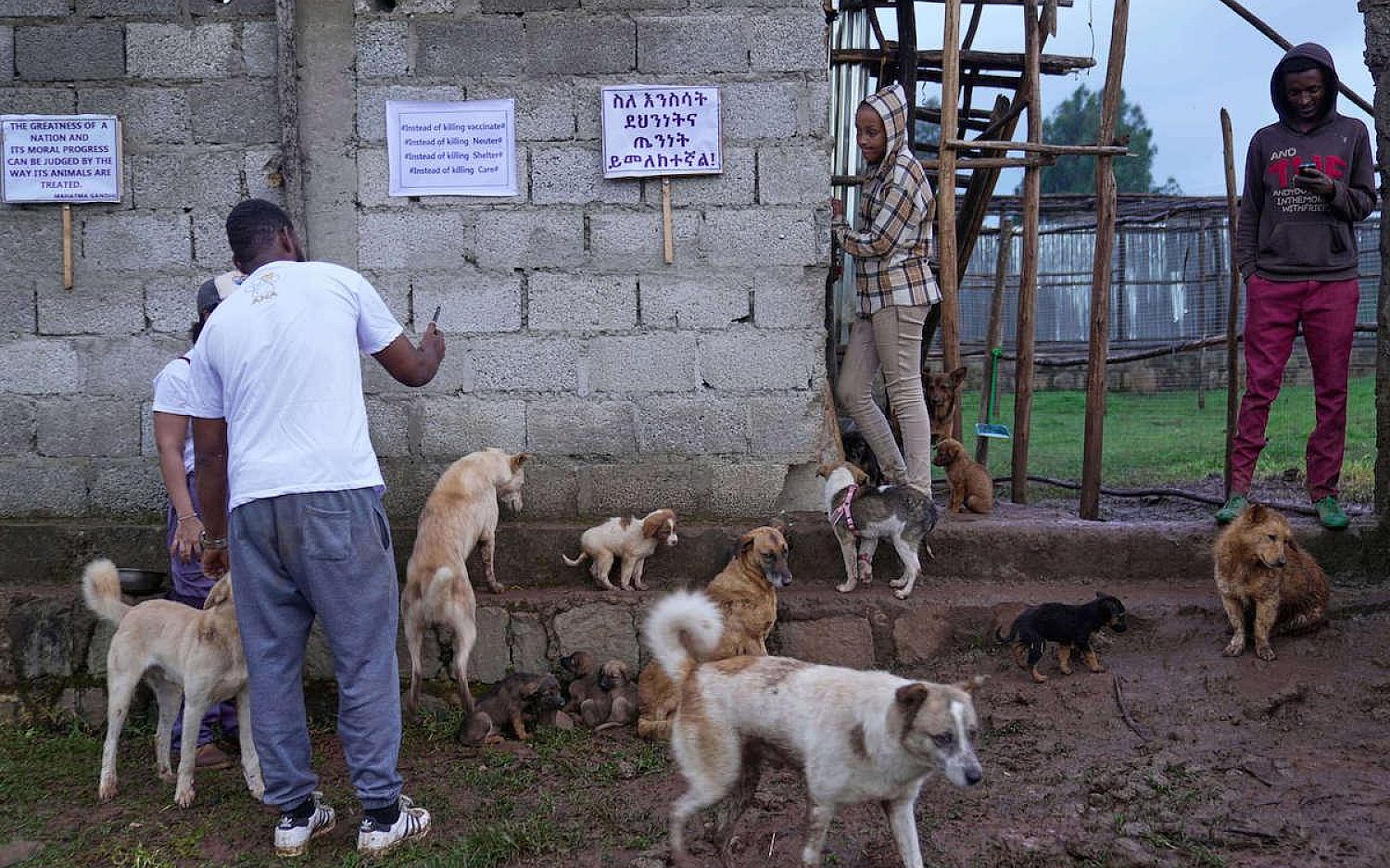

Dogs whimper. A soft whistle cuts through the noise.
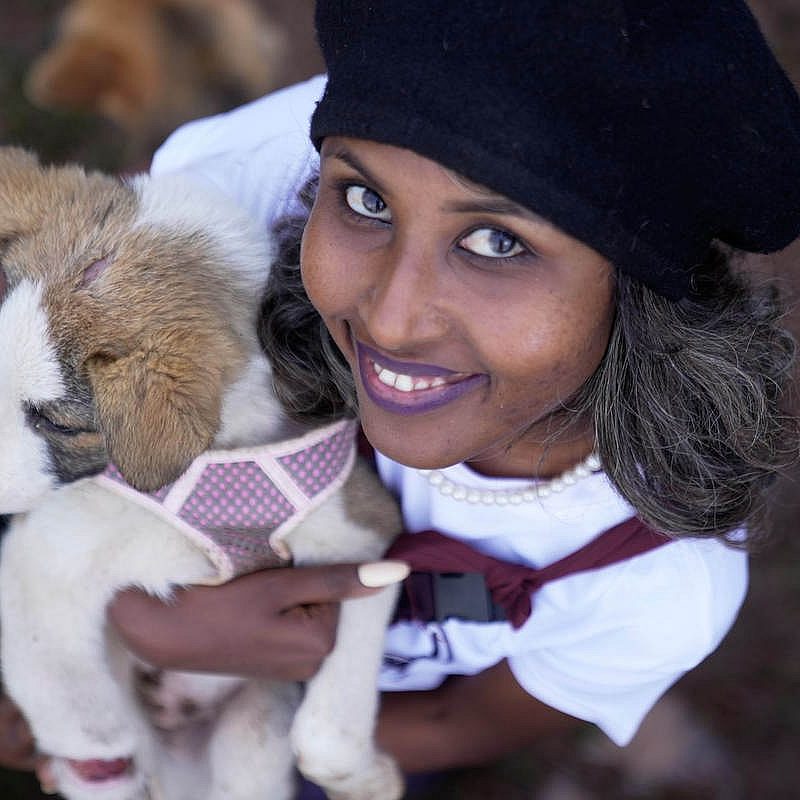
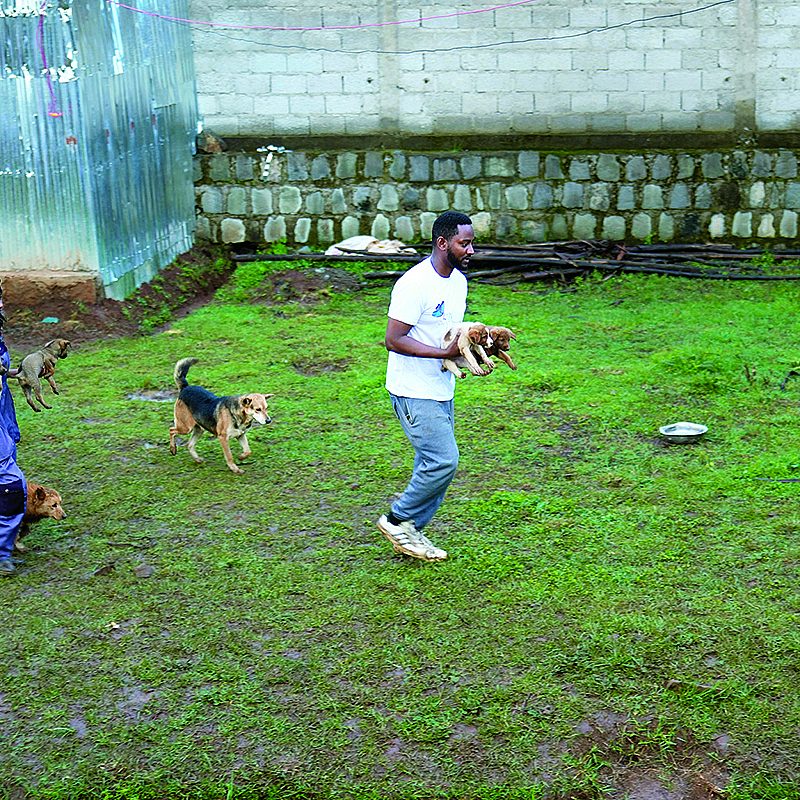
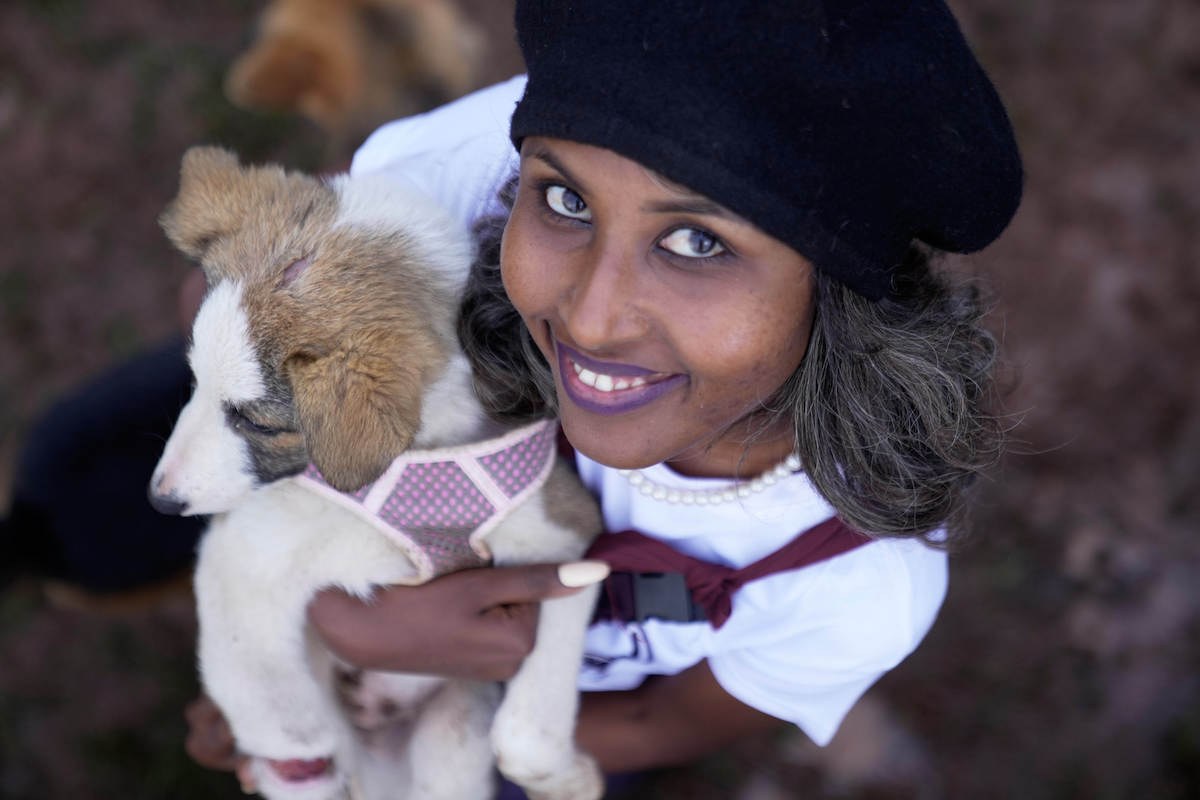
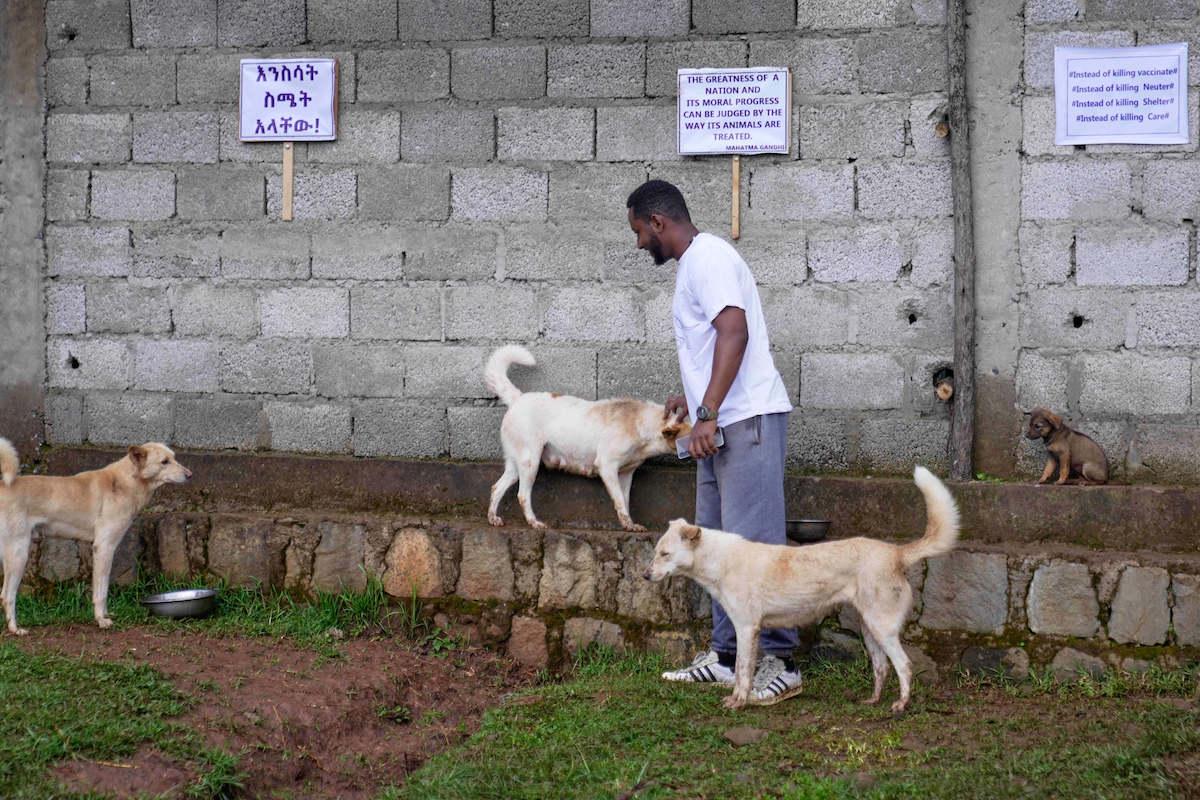
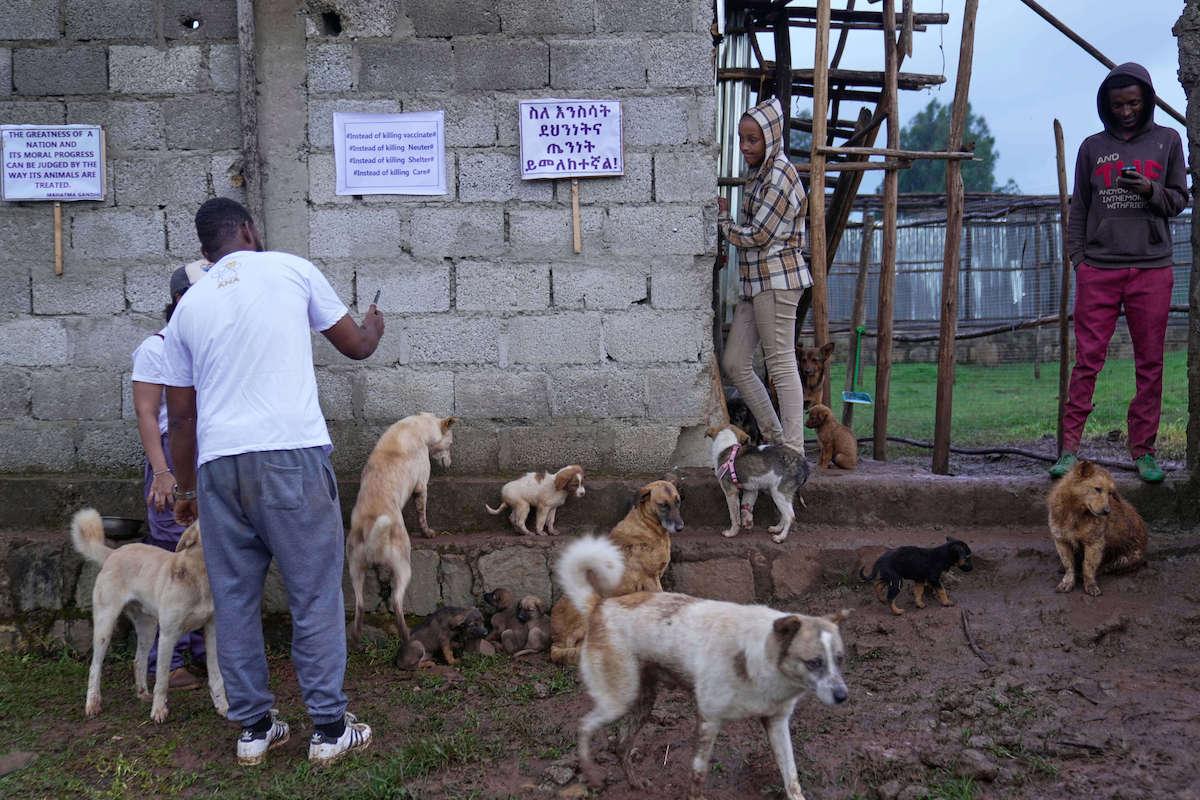
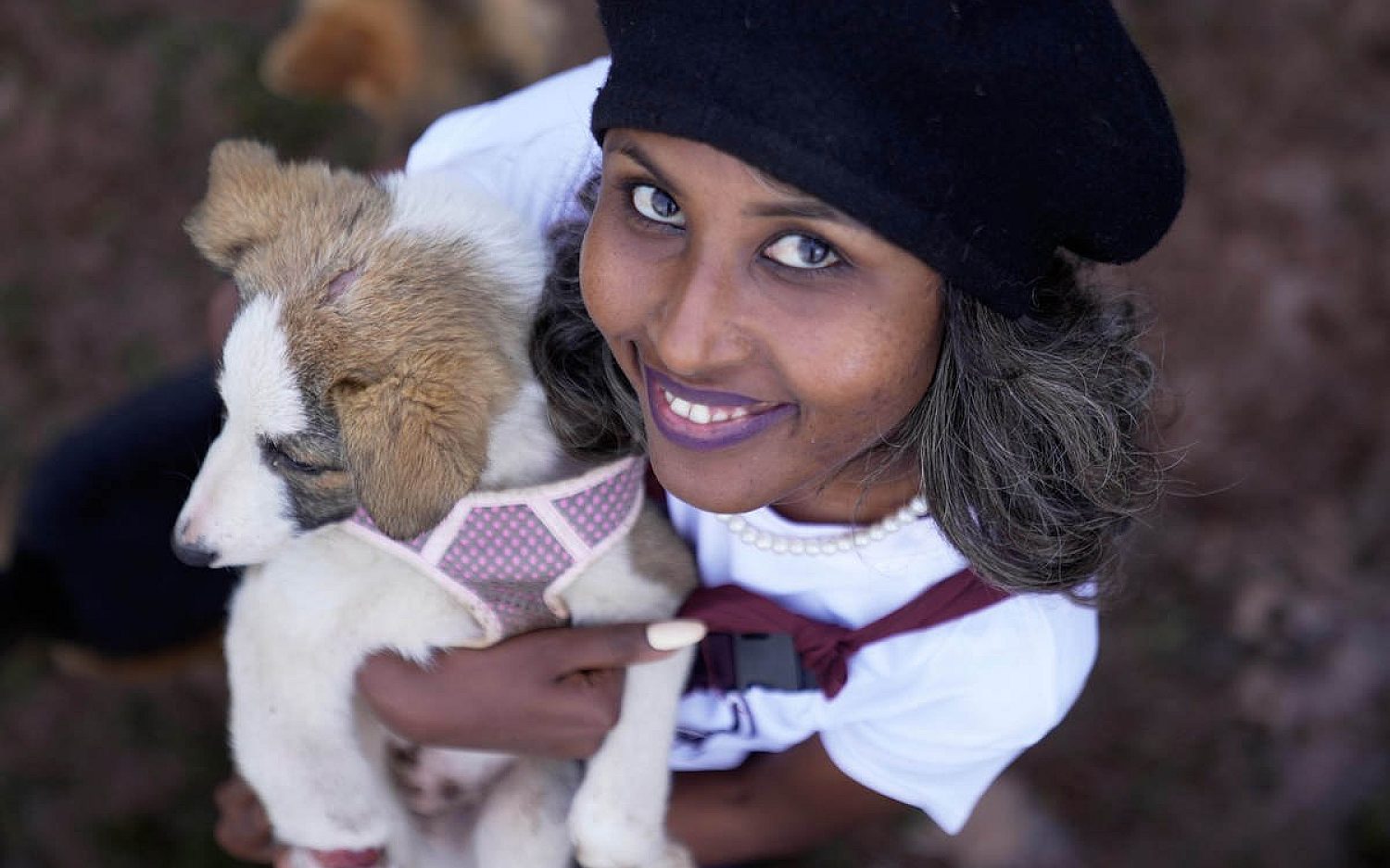
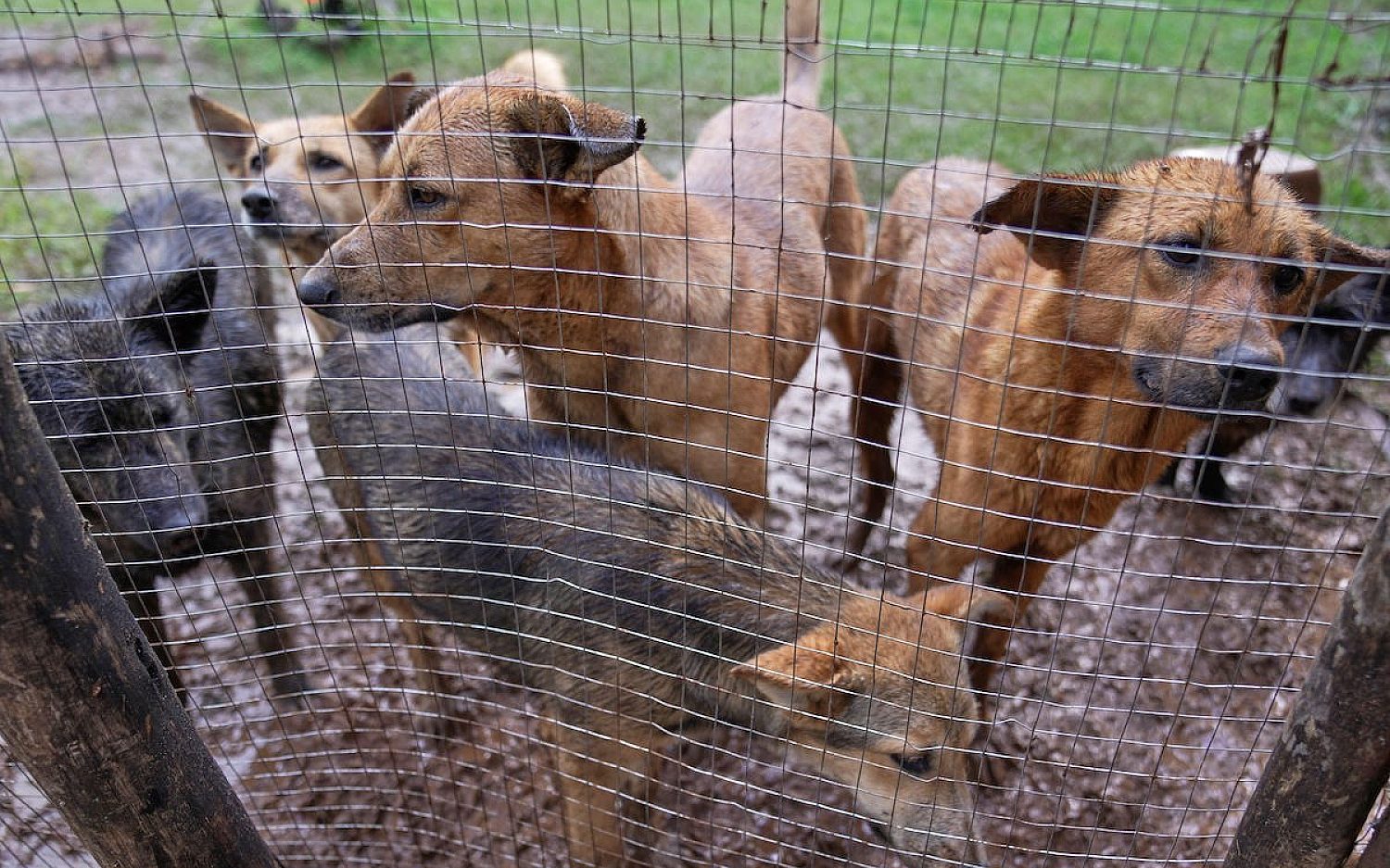
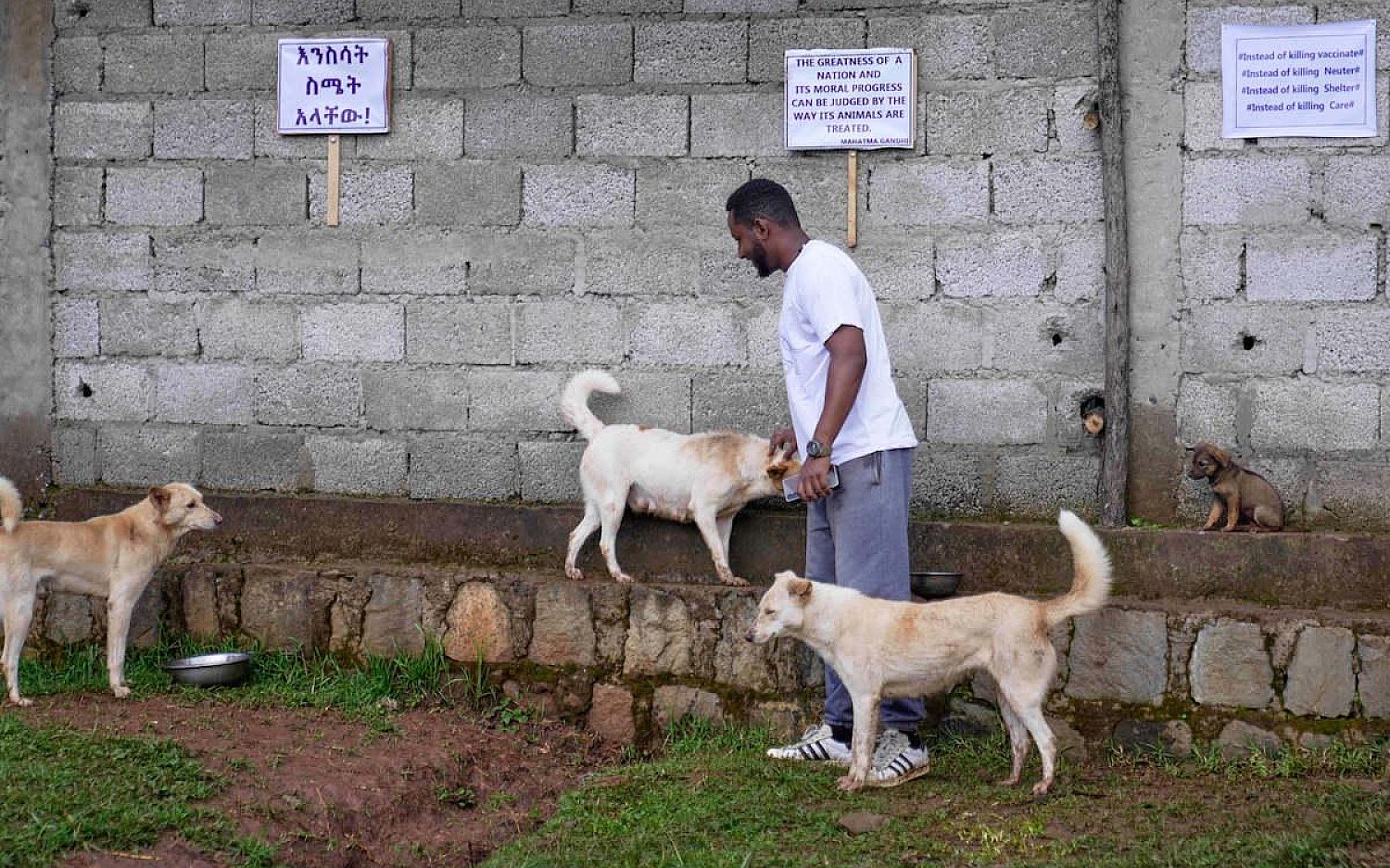
Who’s whistling? It’s Feven Melese. The young woman put up a dog shelter on the outskirts of Addis Ababa, the capital city of Ethiopia. She gives 40 canines a home there. She also feeds about 700 other pups each week on the city streets. Ms. Melese says she even found new homes for more than 300 dogs in the past two years.
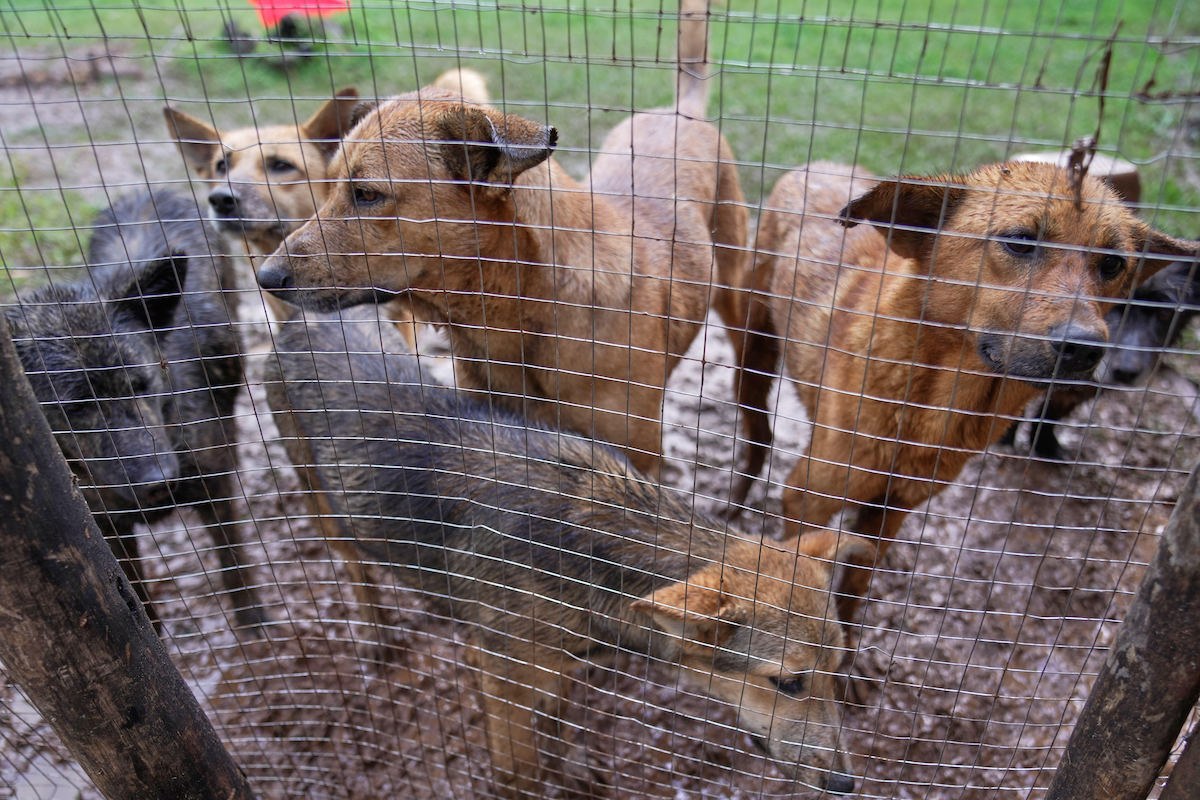
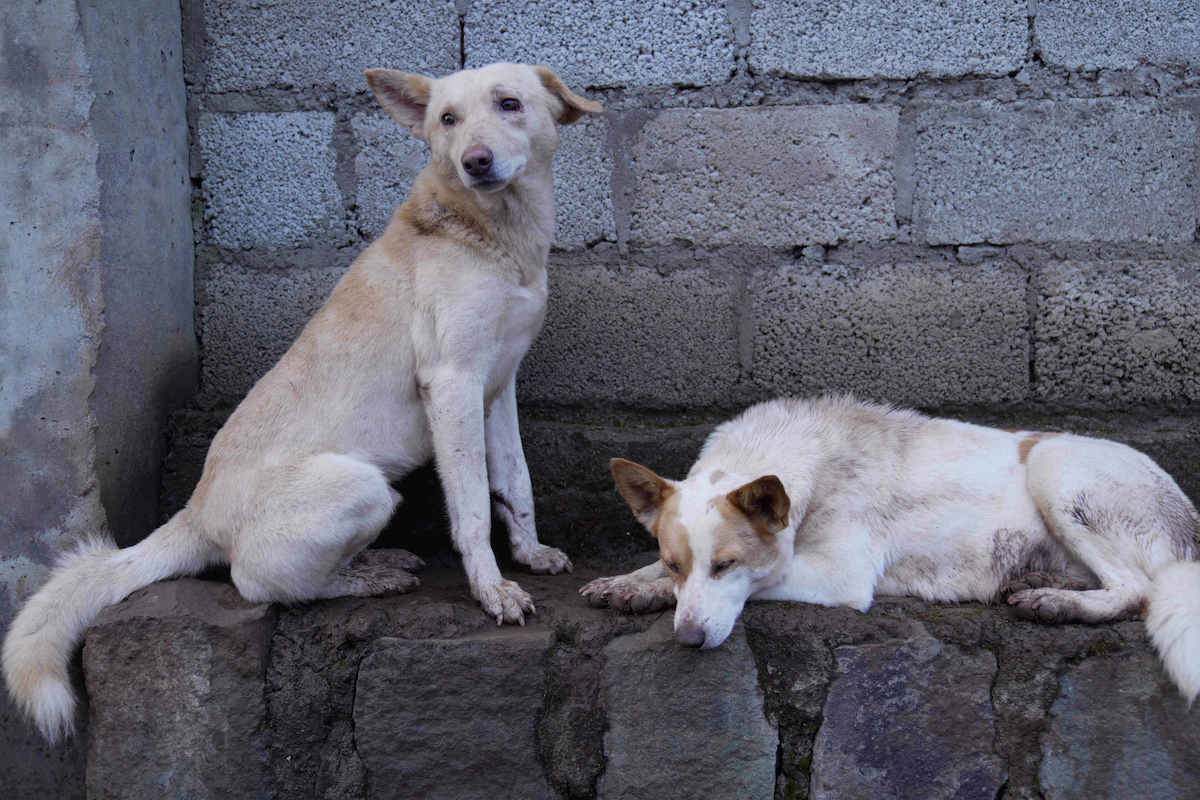
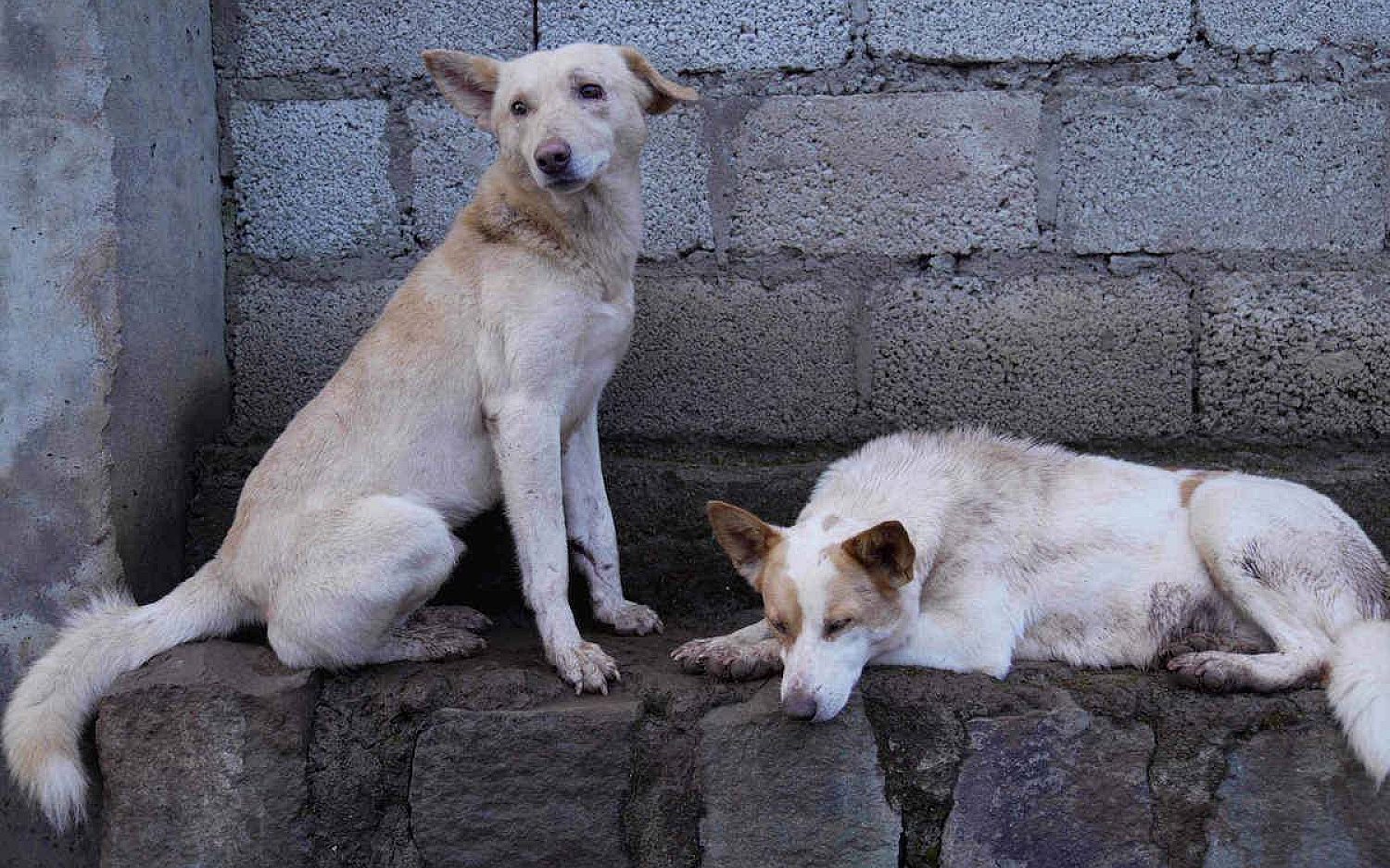
Skyscrapers rise in Addis Ababa. Yet as many as 200,000 dogs roam the streets. No one claims them. Some of their owners rented new apartments where no pets are allowed. The animals are abandoned on the street.
Ethiopians tend to think of dogs differently than people in the United States and other Western countries. Many Ethiopians see dogs as protectors that work for humans—but not as pets to be cared for.
“In Ethiopia, the society does not understand,” says Ms. Melese. “They don’t care if they eat or not. If they are sick, they don’t care.”
Ms. Melese’s small shelter has also become a home for dogs that survived road accidents. Konjit is one of these. In Amharic, her name means “beautiful.” Konjit wears a neck brace while she heals. She wags her tail as Ms. Melese cuddles her.
As a little girl, Ms. Melese cared for strays. She ended up with five that came to her home and stayed.
“My mother got angry and tried to take them back to the streets, but they kept coming back,” she says. “I would still take them in.”
Why? People’s ideas about animals vary from culture to culture. Even with those differences, laws can help protect people from animals and animals from people.